Bywater
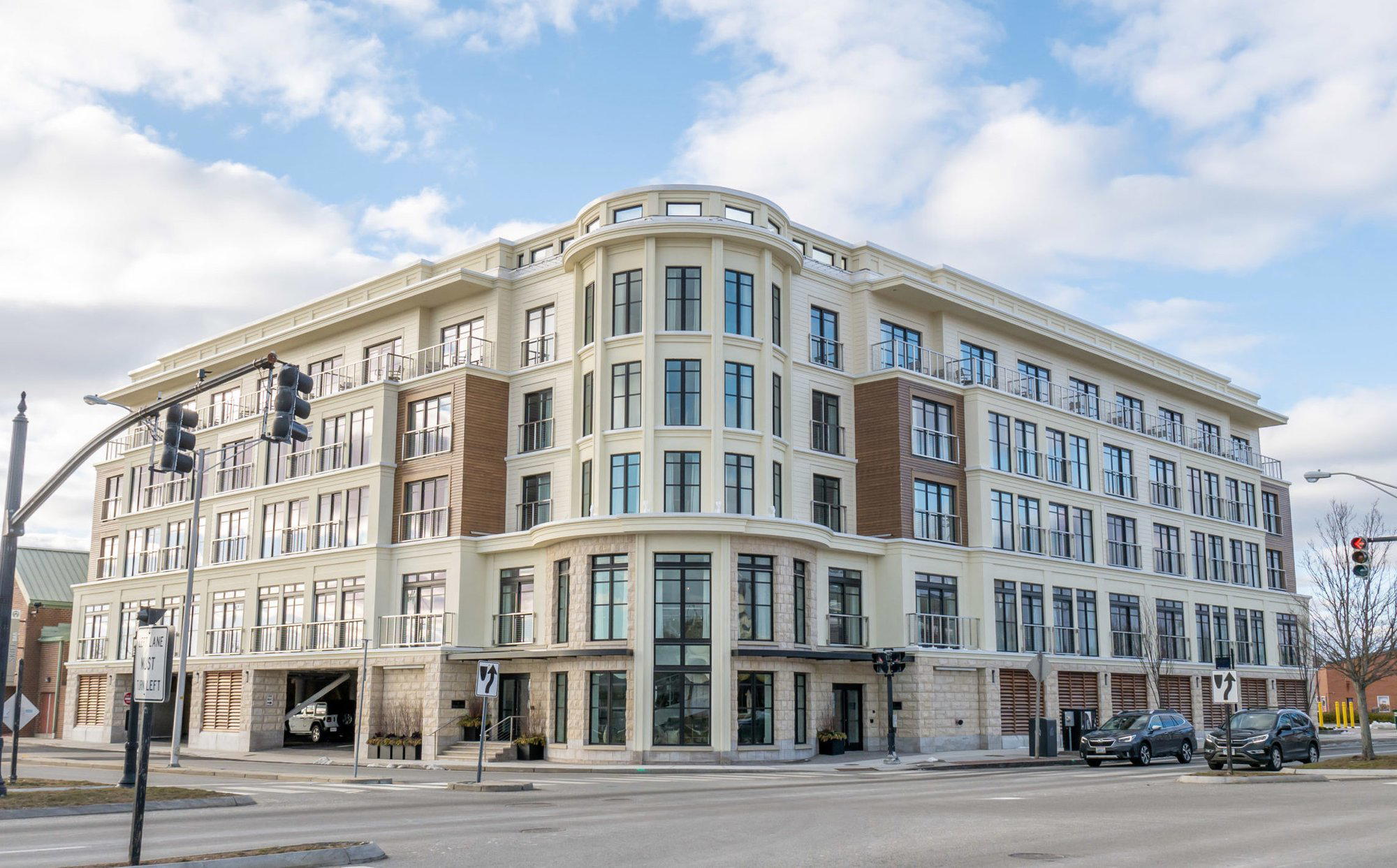
Bywater sits on State Street in Warren, Rhode Island, a town whose dining scene has quietly grown around its working waterfront identity. The address places it within reach of Narragansett Bay's seasonal rhythms, and the surrounding block reflects Warren's shift from fishing-industry holdout to destination dining corridor. Specific menu and pricing details are best confirmed directly with the venue before visiting.
- Address
- 3129 54 State St, Warren, RI 02885
- Phone
- +14016940727
- Website
- bywaterrestaurant.com
- Directions
- Get directions
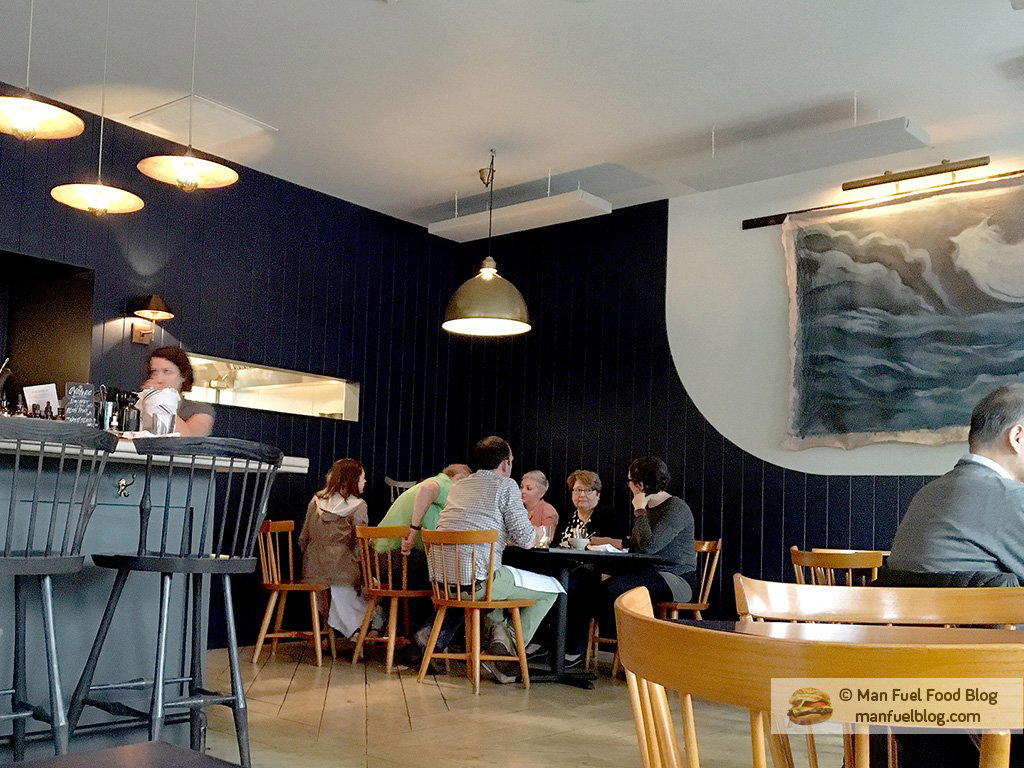
Warren, Rhode Island and the Waterfront Dining Tradition
Rhode Island's East Bay corridor has spent the better part of two decades developing a dining identity distinct from Providence's urban restaurant concentration. Warren, the smallest town in the state by area, sits at the mouth of the Warren River where it meets the Kickemuit, and its proximity to Narragansett Bay has historically shaped what ends up on the plate. The town's commercial fishing heritage is not decorative backstory: shellfish, finfish, and the rhythms of the Atlantic fishing calendar have long provided the raw material around which serious cooking in this part of New England organizes itself.
Bywater, at 3129 State Street, occupies a position within that tradition. State Street runs through Warren's restaurant corridor, a stretch that has attracted a cluster of independent operators drawing on both the local seafood supply and the culinary labor pool that spills outward from Providence's more established dining scene. In that context, Bywater's name signals an orientation toward the water and what comes from it, an orientation shared by the region's most thoughtful dining operations.
New England Seafood as Cultural Argument
The phrase "New England seafood" encompasses a wider range of culinary register than it sometimes gets credit for. At one end, you have the clam shack tradition, where fried whole-belly clams and lobster rolls operate as regional identity markers as much as dishes. At the other, a smaller group of restaurants treats the same raw material with the seriousness applied to fine dining proteins elsewhere in the country. Le Bernardin in New York City established decades ago that fish cookery at the highest level demands as much technical discipline as any meat-centered kitchen. Closer to home, restaurants like Providence in Los Angeles and Addison in San Diego have demonstrated how coastal identity can anchor a serious culinary program without becoming a postcard.
Warren's dining scene operates between these poles. It does not position itself as a destination on the national fine-dining circuit in the way that The French Laundry in Napa or Smyth in Chicago do. What it offers instead is a more grounded version of ingredient-driven cooking, where the cultural argument is about place and proximity rather than technique as performance. The town's small scale creates a particular dining atmosphere: restaurants here serve a mix of committed locals and visitors from Providence and beyond, and the best of them succeed by reading that audience honestly rather than pitching above or below it.
Within Warren's independent dining cluster, Bywater sits alongside a small group of restaurants that have helped define what dining in this town can mean. Andiamo Warren covers the Italian-American side of the block's personality. Mito Hibachi and Sushi addresses the appetite for Japanese formats that has established itself even in smaller New England towns.
In that company, the "by water" framing Bywater implies positions it toward the coastal and ingredient-forward end of the local spectrum. Small towns on the New England coast have historically supported exactly this kind of anchored, place-specific dining: not the kind of operation that needs a destination narrative borrowed from elsewhere, but one that earns its audience through consistency and a clear relationship to where it operates.
The Broader Context: Farm-to-Bay and the East Bay Model
The farm-to-table framework that has reshaped American dining since the early 2000s has a natural coastal equivalent: the idea that proximity to water, handled with the same sourcing discipline applied to agriculture, produces cooking that carries genuine regional authority. Operations like Blue Hill at Stone Barns in Tarrytown and Single Thread Farm in Healdsburg built national profiles around exactly that discipline applied to land-based ingredients. The East Bay corridor in Rhode Island offers the same opportunity applied to the water.
Narragansett Bay quahogs, Point Judith squid, local oysters from the bay's growing aquaculture operations, and seasonal finfish from Rhode Island-based fisheries all represent a supply chain that rewards restaurants willing to work within seasonal constraints rather than around them. Lazy Bear in San Francisco and Frasca Food and Wine in Boulder have shown how regional identity can become a culinary argument in cities with larger dining profiles; in Warren, the argument is quieter but structurally similar.
For visitors arriving from Providence, Warren is a 20-minute drive southeast along Route 114, which connects the two towns via Bristol. The drive itself tracks the bay's eastern shore and sets the tone for what the East Bay dining scene is actually about: proximity to water as a frame for how food is sourced and served, rather than as scenery borrowed to sell something else.
Planning Your Visit
Specific hours, pricing, and booking policies for Bywater are best confirmed directly with the venue before visiting, as this information changes seasonally and the restaurant's operational details are not centrally published. State Street's restaurant cluster in Warren sees its highest foot traffic from late spring through early fall, when the East Bay's visitor economy is most active, making advance planning sensible during those months. Warren is accessible by car from Providence in under 30 minutes and sits on the East Bay Bike Path corridor, which makes it reachable from Bristol and Barrington on foot or by bicycle during warmer months. For a broader view of what Warren's dining scene offers, the full Warren restaurants guide covers the town's independent operators across categories and price points.
Restaurants operating at this level of the East Bay market are worth placing in the wider American dining conversation. Ambitious American cooking organized around regional ingredient identity now runs from Atomix in New York City to Atelier Moessmer Norbert Niederkofler in Brunico at the international end. Closer to Warren's register, Emeril's in New Orleans and The Inn at Little Washington in Washington represent how regional identity and serious cooking coexist at a smaller-city scale. Warren is not playing in those leagues, but it is working from a similar premise: that place, handled honestly, is a sufficient basis for a dining program worth seeking out.
Budget Reality Check
| Venue | Price |
|---|---|
| BywaterThis venue — the venue you are viewing | This venue |
At a Glance
- Rustic
- Cozy
- Intimate
- Modern
- Date Night
- Special Occasion
- Celebration
- Waterfront
- Open Kitchen
- Natural Wine
- Local Sourcing
- Waterfront
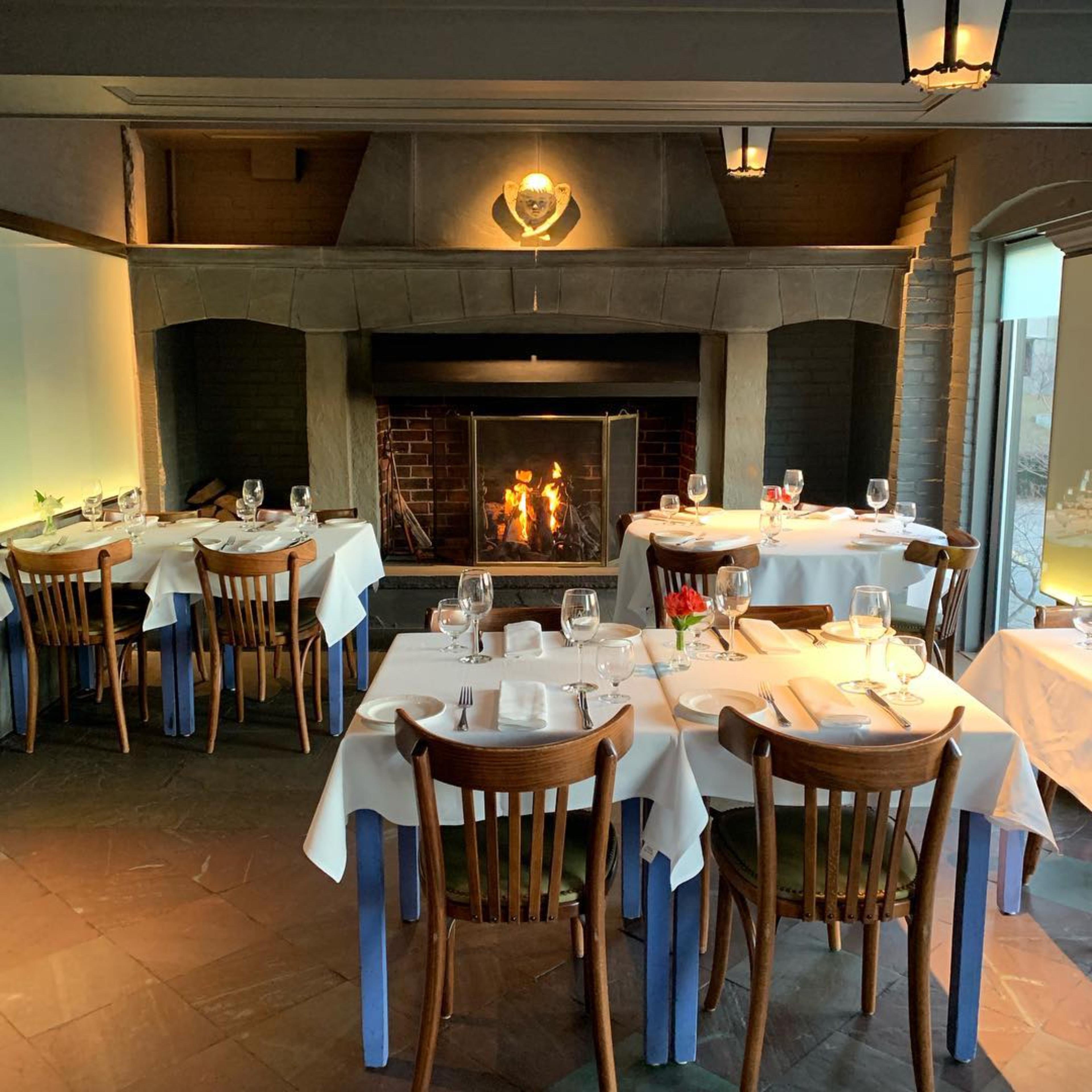
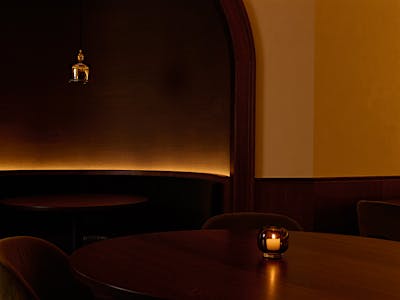
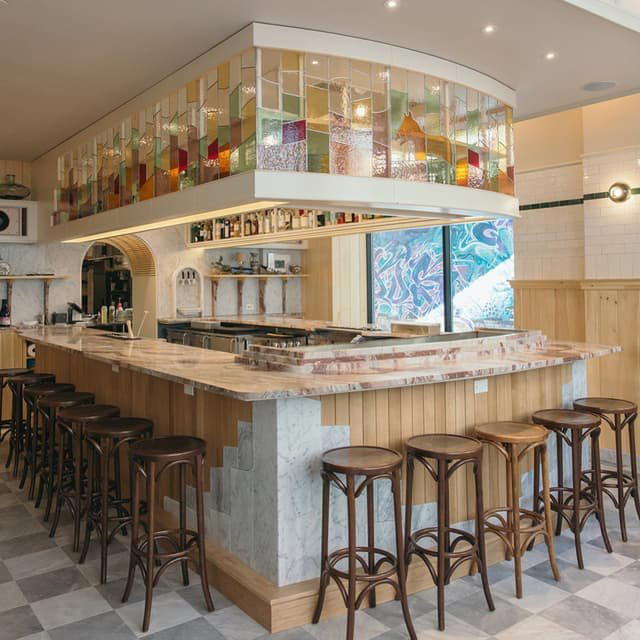
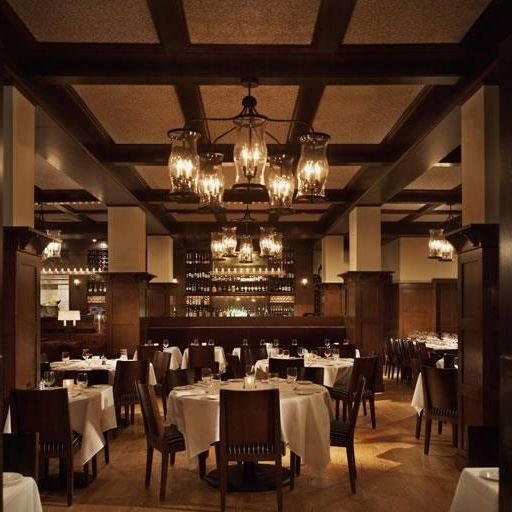
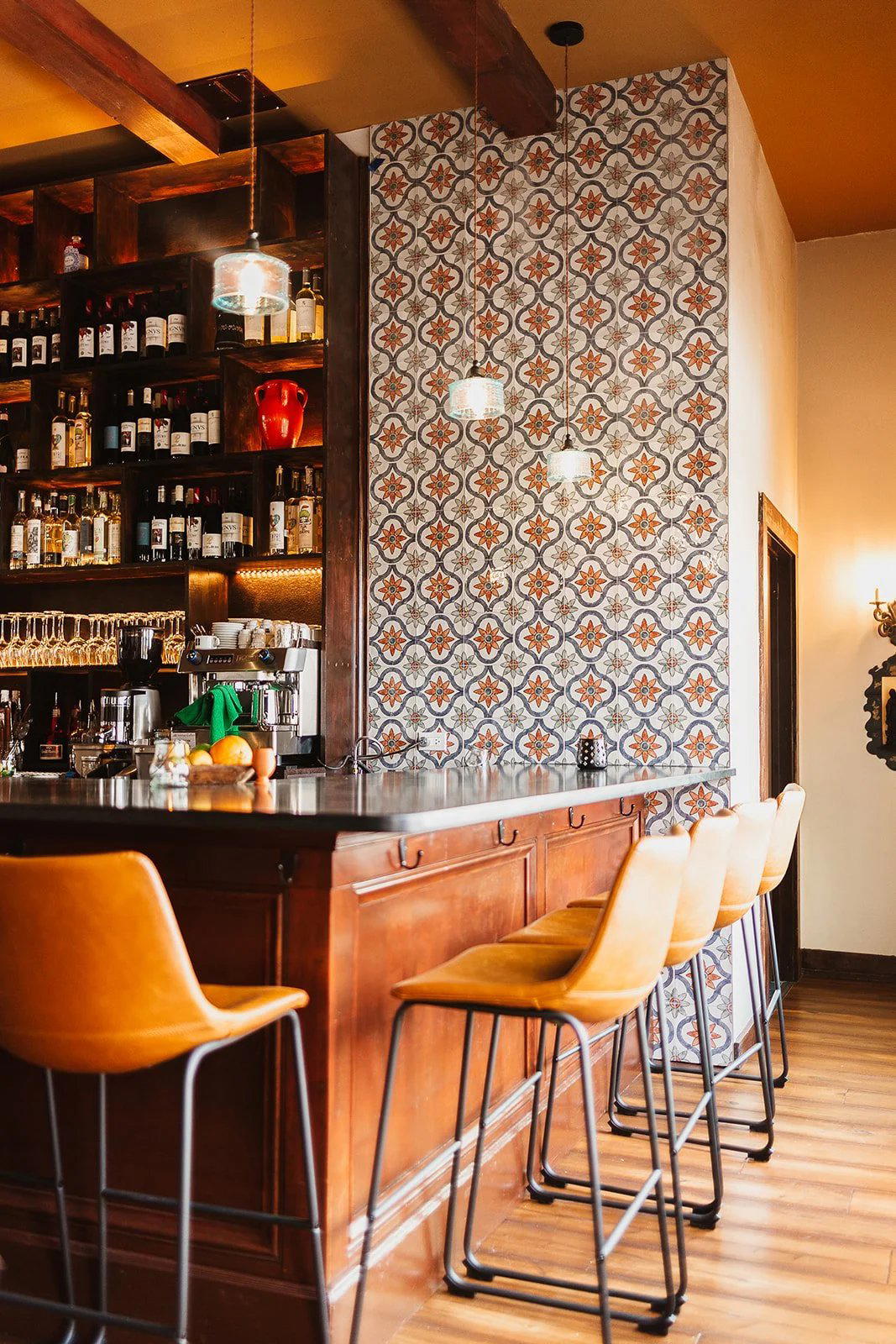
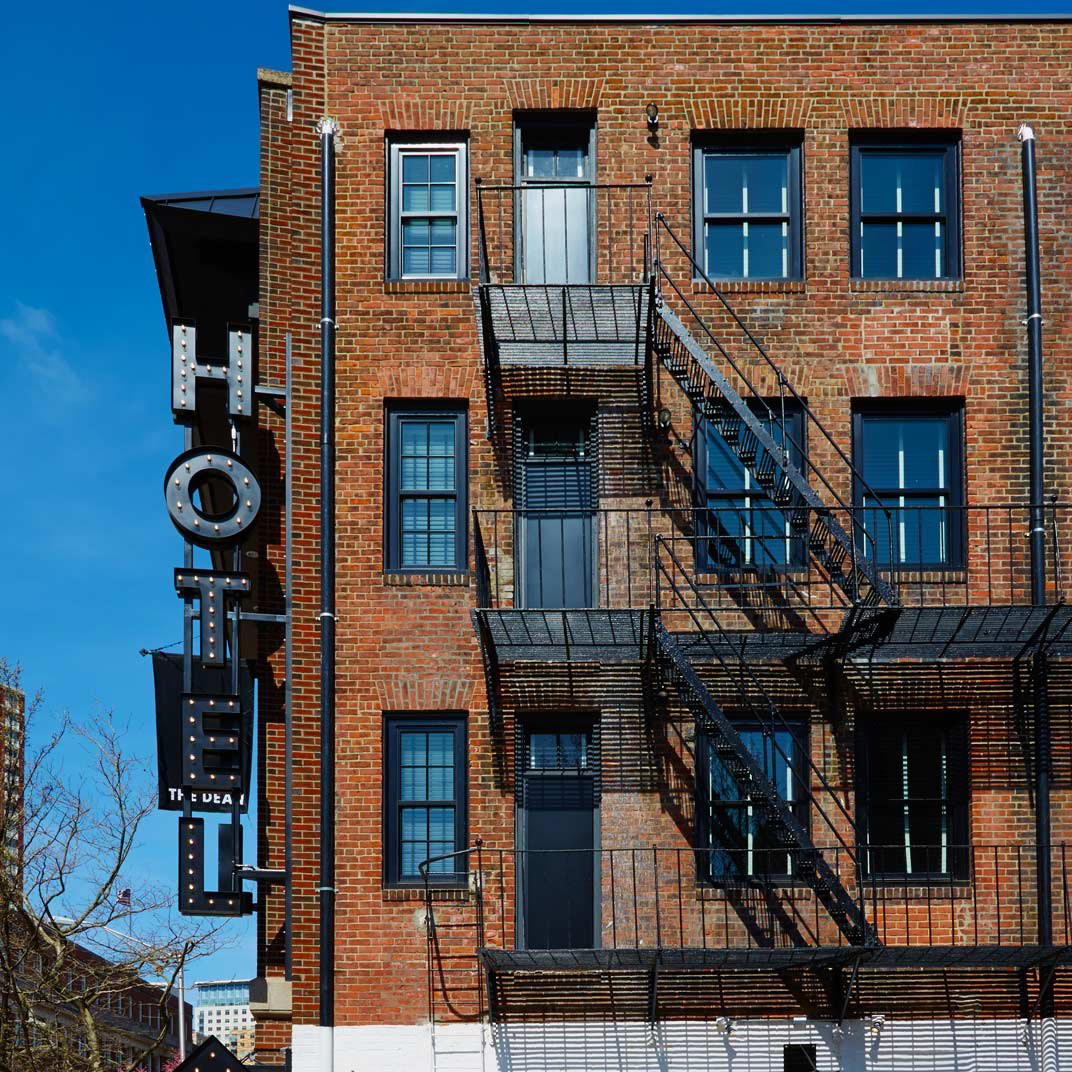
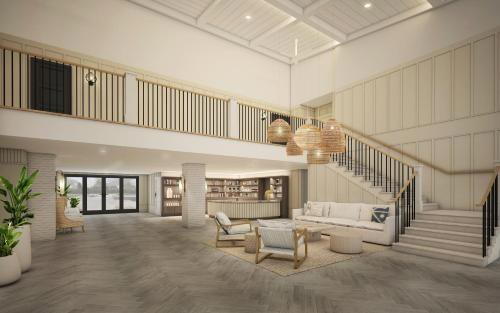
Comfortable mix of modern and rustic touches with efficient, friendly service in a quaint, inviting space.
Know Before You Go
- Getting there
- 3129 54 State St, Warren, RI 02885