Mimis Bistro sits at Auktionskaj 1 in Strandby, a North Jutland fishing harbour where the supply chain between sea and plate is measured in metres rather than kilometres. The bistro format fits a town built around working boats and daily catches, placing it at the practical, ingredient-led end of Denmark's broader coastal dining tradition. Visitors travelling north from Aalborg find here a dining register that the country's urban tasting-menu circuit rarely replicates.
Pearl is the En Primeur Club membership app — saves, bookings, and concierge access live there. Same editors, same standards.
- Address
- Auktionskaj 1, 9970 Strandby, Denmark
- Phone
- +4552787776
- Website
- mimisbistro.dk
- Directions
- Get directions
 Saves & bookings on Pearl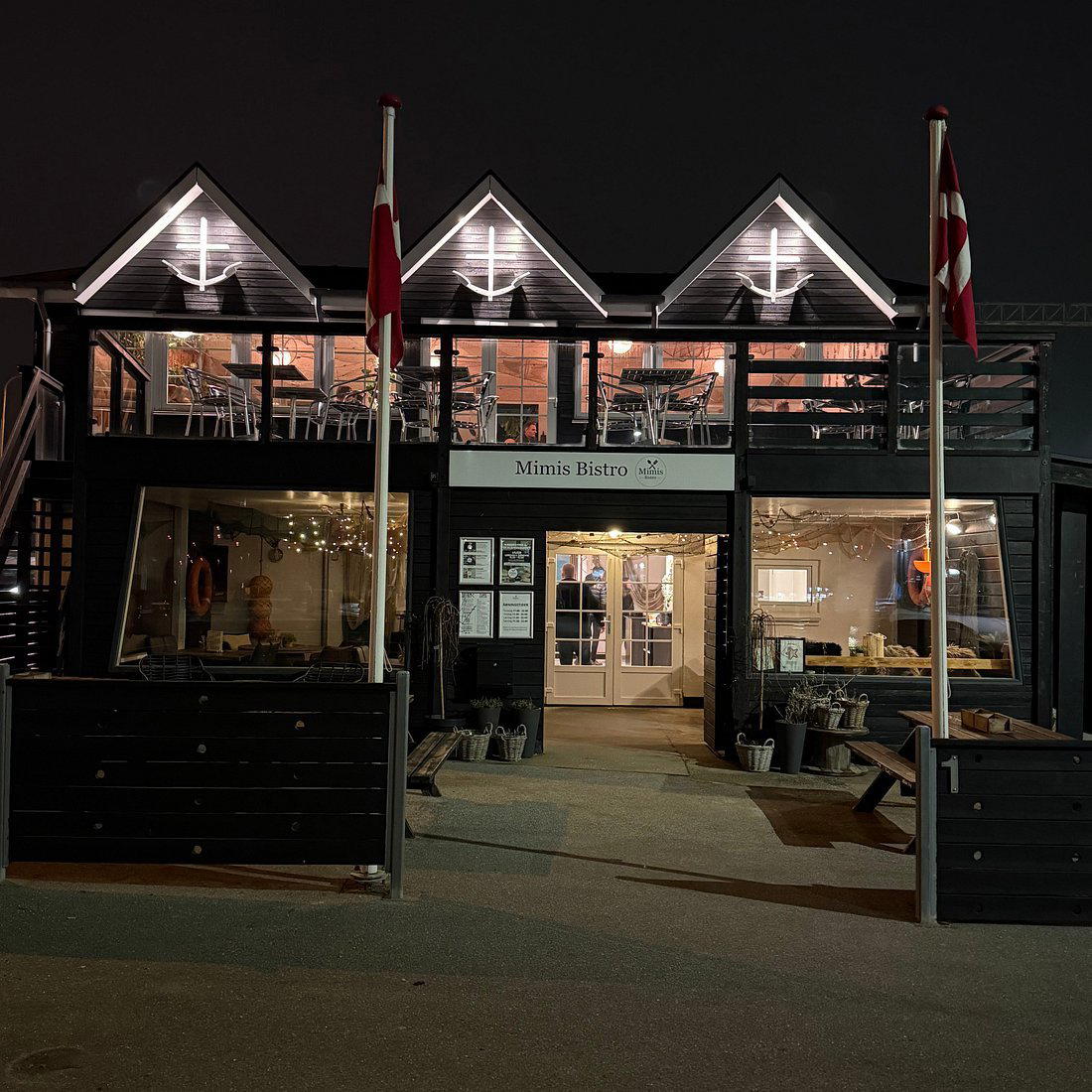
Where the Skagerrak Shapes the Menu
Strandby is not a dining destination in the way that Copenhagen or Aarhus draw food travellers. It is a working fishing harbour on Denmark's northernmost coastline, where the Skagerrak and the Kattegat converge near the tip of the Jutland peninsula. That geography is not incidental to eating here, it is the entire argument. At Mimis Bistro, on Auktionskaj 1 at the old auction quay, the physical address places the kitchen within reach of among the more productive fishing grounds in Scandinavian waters. The North Sea cod, plaice, and lesser-known flatfish species that define North Jutland's daily catch come ashore at harbours like Strandby before they reach any other kitchen. At this end of the supply chain, freshness is structural rather than aspirational.
Strandby's quayside dining sits within a distinct category of Danish coastal eating, one that operates differently from the tasting-menu formats that have defined the country's international reputation. Places like Geranium in Copenhagen or Jordnær in Gentofte work in a register of precise technique and long menus priced well above €200 per head. The harbour bistro in a North Jutland fishing town operates in a different logic entirely, one where the sourcing advantage is geographic rather than curatorial, and where the kitchen's job is to stay close to what arrives each morning rather than to transform it into something unrecognisable.
The Bistro Setting on the Old Auction Quay
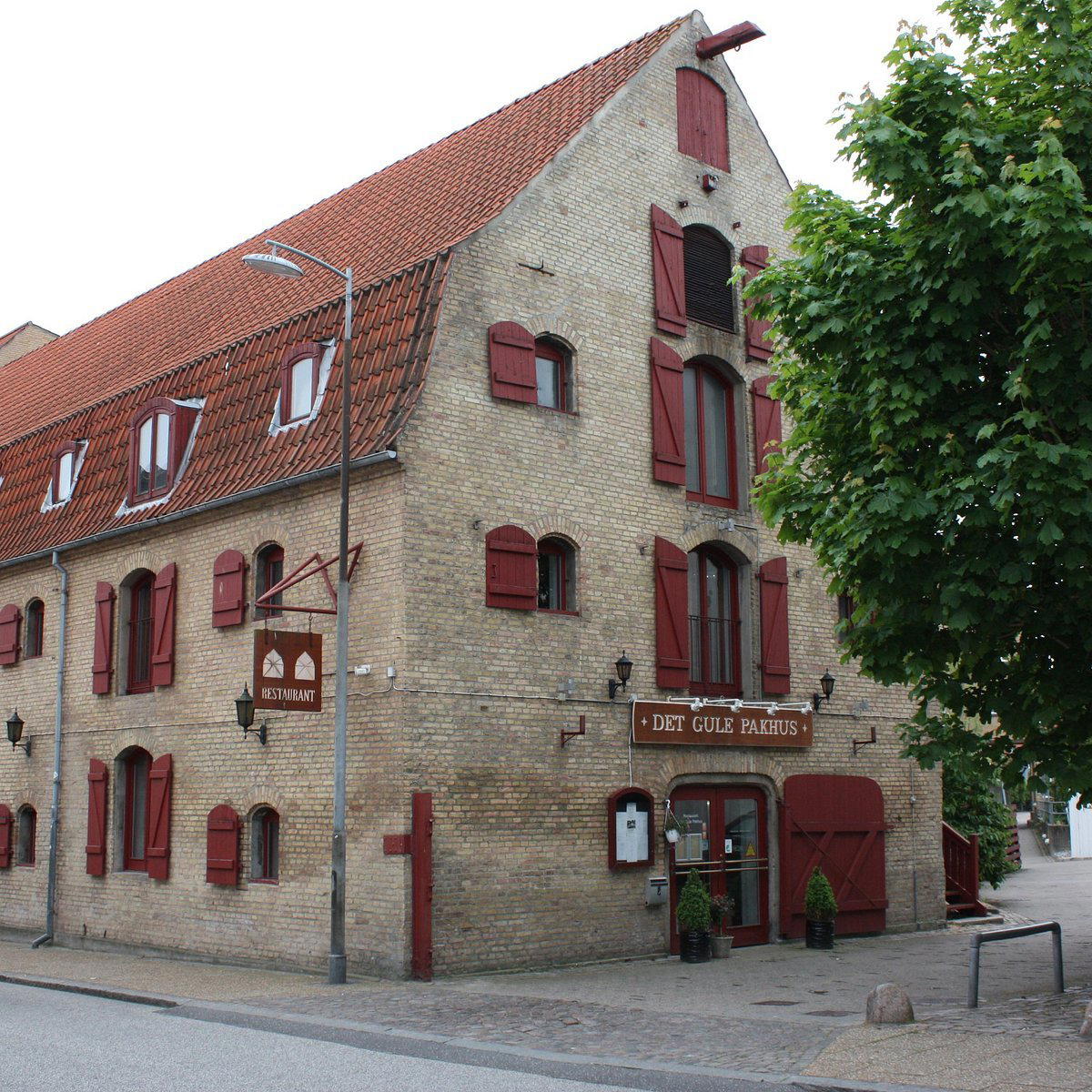
The address, Auktionskaj, meaning auction quay, carries specific weight in Danish coastal towns. These were the working infrastructure of the fishing industry: functional, weathered, built for volume and transaction rather than atmosphere. Across Denmark's coastline from Hirtshals to Hanstholm, former auction buildings and quayside warehouses have been repurposed for dining, often retaining their industrial character. A bistro format at this kind of address typically inherits exposed structure, harbour light, and the proximity of working boats as its primary atmospheric register. The setting is earned rather than designed.
For visitors travelling from further afield, Strandby sits close to Frederikshavn, a ferry port with regular crossings to Gothenburg and Oslo, which makes it more accessible than its small scale might suggest. The town itself is compact, and the quayside address means the bistro is findable on foot from the harbour area.
Ingredient Sourcing as the Central Argument
Denmark's coastal dining tradition has always been built on a simple claim: proximity to the source changes what is possible on the plate. The argument is strongest at the harbour level, where the gap between catch and kitchen is shortest. This is the premise that underpins North Jutland's identity as a food-producing region, distinct from the New Nordic framework that Copenhagen exported internationally. The New Nordic movement as codified through restaurants like Noma placed its emphasis on foraging, technique, and reconceptualising Nordic ingredients. Coastal harbour eating in northern Jutland predates and outlasts that framework, grounded in fishermen's meals and daily market logistics rather than in a designed cuisine philosophy.
At the harbour level, the sourcing story is about species diversity as much as freshness. The waters off Jutland's northern tip yield a range of catch that urban fish counters rarely see whole: witch flounder, dab, brill, and the less commercially prominent whitefish that define what a genuinely local menu can offer in this part of Denmark. A bistro on the auction quay is positioned to work with those species, which is a different proposition from a restaurant sourcing through a central Copenhagen distributor, however premium that distributor may be.
This sourcing logic connects Mimis Bistro to a wider pattern across Denmark's periphery, where compelling food arguments are often geographic. Henne Kirkeby Kro in Henne makes a comparable case on Jutland's west coast, using the region's agricultural and coastal proximity as the foundation for its menu. Villa Vest in Lønstrup, further north along the same coastline, operates in a similar register. The pattern holds: the strongest ingredient-led cases in Denmark outside Copenhagen are being made in places with direct access to primary production, not in secondary cities.
Denmark's Peripheral Dining Circuit
The concentration of Michelin recognition in Denmark's major cities, Copenhagen holds the majority of the country's stars, with Aarhus adding a smaller cluster including Frederikshøj, tends to draw critical attention southward. But a serious read of Danish dining in 2024 requires attention to the periphery, where format and price point diverge sharply from the tasting-menu norm. Alimentum in Aalborg, the nearest city of scale to Strandby, shows how northern Jutland's urban dining has developed its own confidence. The harbour towns along the coast operate at a register below that, but the ingredient arguments are often stronger precisely because the supply chain is shorter.
For context across Denmark's wider dining geography, the country has developed a set of destination restaurants in unexpected locations: LYST in Vejle, MOTA in Nykøbing Sjælland, Syttende in Sønderborg, and Pearl by Paul Proffitt in Kruså all sit outside the major metropolitan pull. That dispersal reflects a broader maturation of the country's food culture, one where the sourcing argument is strong enough to justify travel to a specific location rather than requiring a city as the frame. Dragsholm Slot Gourmet in Hørve and Frederiksminde in Præstø make similar cases in Zealand's rural south.
Planning a Visit
Strandby is reached most directly via Frederikshavn, approximately 8 kilometres south, which is connected by regional train to Aalborg (roughly 75 minutes) and by ferry to Sweden and Norway. For visitors combining a visit with broader North Jutland dining, Alimentum in Aalborg sits within the same day-trip radius. Reservations are recommended. The bistro format and quayside location suit a casual dining register.
Fast Comparison
Comparable venues nearby, for context on price, style, and recognition.
| Venue | Cuisine | Price | Notes |
|---|---|---|---|
| Mimis BistroThis venue — the venue you are viewing | Danish Seafood Bistro | $$ | Not listed |
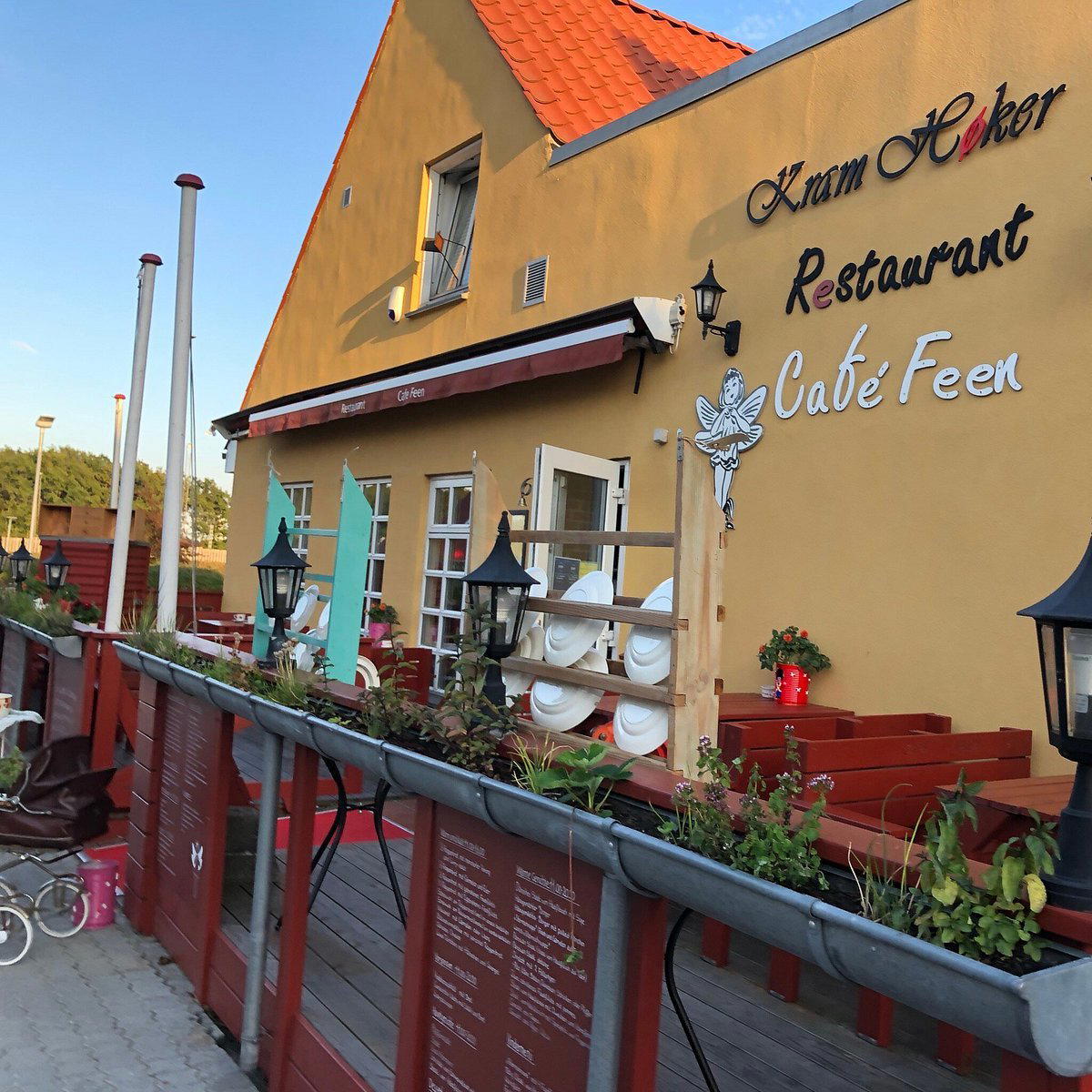
| Café Feen | Traditional Danish Seafood | $$ | Frederikshavn |
| Essens Gaarden | Danish Farm-to-Table | $$$ | Understed Bakker |
| Fiskebaren Café og Spisehus | Fresh Danish Seafood | $$ | .harbor area |
| Otto | Neapolitan Pizza | $$ | Indre By |
| Bastián | Modern Basque-inspired wine bar & restaurant | $$ | Latinerkvarteret |
Continue exploring
More in Strandby
At a Glance
- Cozy
- Scenic
- Family
- Casual Hangout
- Waterfront
- Local Sourcing
- Waterfront
Current opening hours
- Monday
- Closed
- Tuesday
- Closed
- Wednesday
- Closed
- Thursday
- 5–10 PM
- Friday
- 5–10 PM
- Saturday
- 11:30 AM–10 PM
- Sunday
- 11:30 AM–10 PM
Hours can change for holidays and private events. Last verified .
Cozy and relaxed maritime atmosphere with warm welcoming feel and beautiful harbor views.