Fiskebaren Café og Spisehus
A seafood-focused café and dining house on Danmarksgade in Frederikshavn, Fiskebaren sits in a port city where fresh catch from the Kattegat and Skagerrak has long shaped the table. The kitchen draws on northern Jutland's fishing tradition, placing it among the more grounded options in a town where casual coastal dining still outpaces formal gastronomy.
Pearl is the En Primeur Club membership app — saves, bookings, and concierge access live there. Same editors, same standards.
- Address
- Danmarksgade 86A, 9900 Frederikshavn, Denmark
- Phone
- +4541368080
- Website
- fiskebarencafe.dk
- Directions
- Get directions
 Saves & bookings on Pearl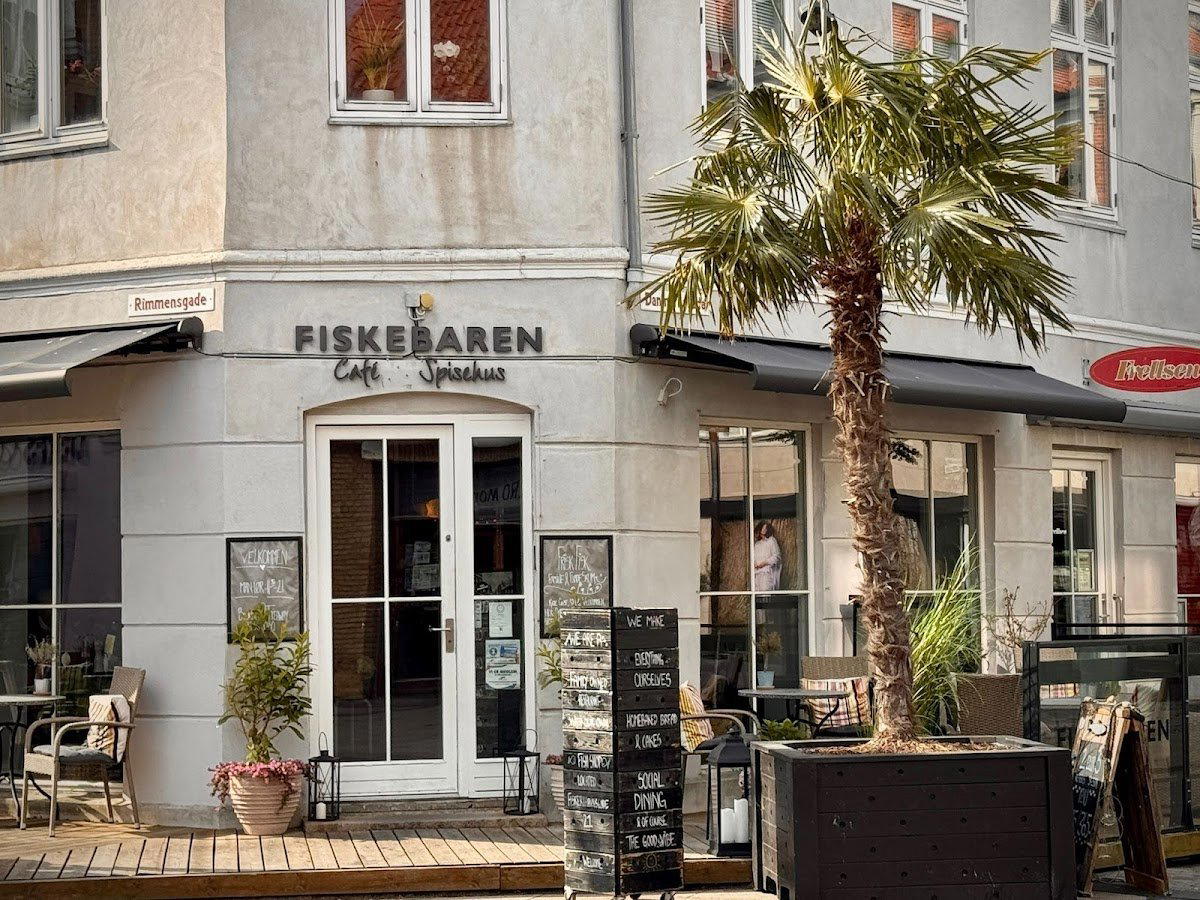
Fishing Port Dining in Northern Jutland
Frederikshavn is a working port before it is a dining destination. The city's relationship with the sea is industrial as much as culinary: ferries to Norway and Sweden, commercial trawlers, naval history. That context matters when reading a restaurant called Fiskebaren, which translates simply as the fish bar. In a harbour town where the daily catch moves through docks a short walk from the city centre, a café and dining house organised around seafood is not a concept but a logical response to geography. The name itself sets expectations: direct, Nordic, unambiguous about what the kitchen prioritises.
Danmarksgade, where Fiskebaren operates at number 86A, is one of Frederikshavn's central commercial streets. It is not a restaurant quarter in the Copenhagen sense, but it holds the everyday dining life of a mid-sized Danish port city, with options ranging from Asian takeaways like Chang Thai Take Away to neighbourhood cafés like Café Feen. Fiskebaren occupies the seafood-specialist position in that local ecosystem, a role that carries weight in a city where fish is not imported theatre but a daily fact of life.
The Scene: Coastal Dining Without the Coastal Clichés
Northern Jutland's dining culture has historically operated at some distance from the new Nordic wave that reshaped restaurant expectations in Copenhagen and, later, Aarhus. Places like Geranium in Copenhagen and Frederikshøj in Aarhus represent a formal, ingredient-obsessed register that has filtered unevenly into smaller cities. In Frederikshavn, the dining tradition leans more practical: the fish is good because the port is nearby, not because a tasting menu has been constructed around provenance. That distinction shapes what a place like Fiskebaren is and what it is not.
The café-and-dining-house format, which Fiskebaren names explicitly in its full title, suggests a venue that holds space between casual drop-in eating and a more considered evening meal. This dual register is common along the Danish coast, where lunchtime fish dishes and a more composed evening menu can coexist without friction. It is a format that relies on the front-of-house team to read and shift between registers depending on the hour and the guest, which is why the collaborative dynamic between floor staff and kitchen matters more here than it might in a single-format operation.
The Kitchen, the Floor, and the Logic of a Fish Café
In any restaurant built around a single primary ingredient, the relationship between what the kitchen produces and how the floor presents it becomes load-bearing. A fish café in a port city is not running a concept; it is running a supply chain, and the team's ability to communicate what arrived that morning, what is particularly good that week, and what pairs well with the regional catch shapes the guest experience more directly than it would in a kitchen where the menu changes seasonally rather than daily.
The collaboration between kitchen and service in this format tends to reward guests who ask questions. At venues like Jordnær in Gentofte or Henne Kirkeby Kro in Henne, that dialogue is formalised into a tasting menu structure. At a café-format operation, it happens across the table in shorter exchanges: what came off the boats, what is not on the printed menu, what the kitchen is confident about today. The floor staff at a place like Fiskebaren are essentially translating the port's daily output into something a guest can order.
The wine or beverage programme in this context is rarely the editorial focus, but it sits in a tradition worth noting. Danish coastal restaurants at the café tier have historically leaned on beer and simple white wine to accompany fish, rather than the sommelier-led pairing culture of the Michelin tier. That is not a limitation so much as an honest match between format and offer. The beverage side of the collaboration here is probably less about curation and more about serviceability: cold, appropriate, available.
Frederikshavn in the Danish Dining Map
Denmark's restaurant geography concentrates its critical attention in Copenhagen, with secondary clusters in Aarhus, Vejle (where LYST operates), and occasional outliers in more remote locations like Tri in Agger or Dragsholm Slot Gourmet in Hørve. Frederikshavn, positioned at the northern tip of Jutland and oriented toward ferry connections rather than food tourism, does not register in that critical conversation. What it has instead is a functional dining scene organised around local need: workers, travellers in transit, and residents who want to eat well without the architecture of a destination restaurant.
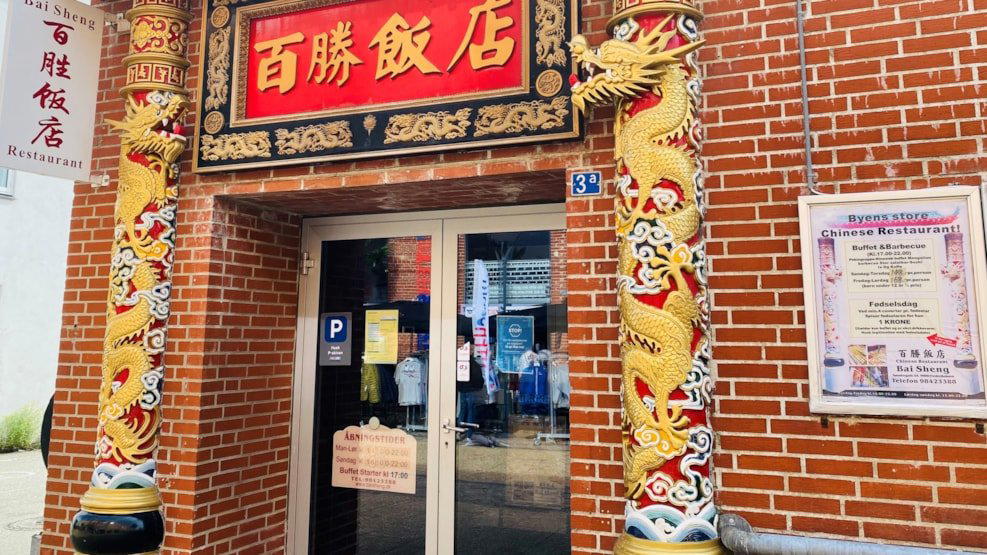
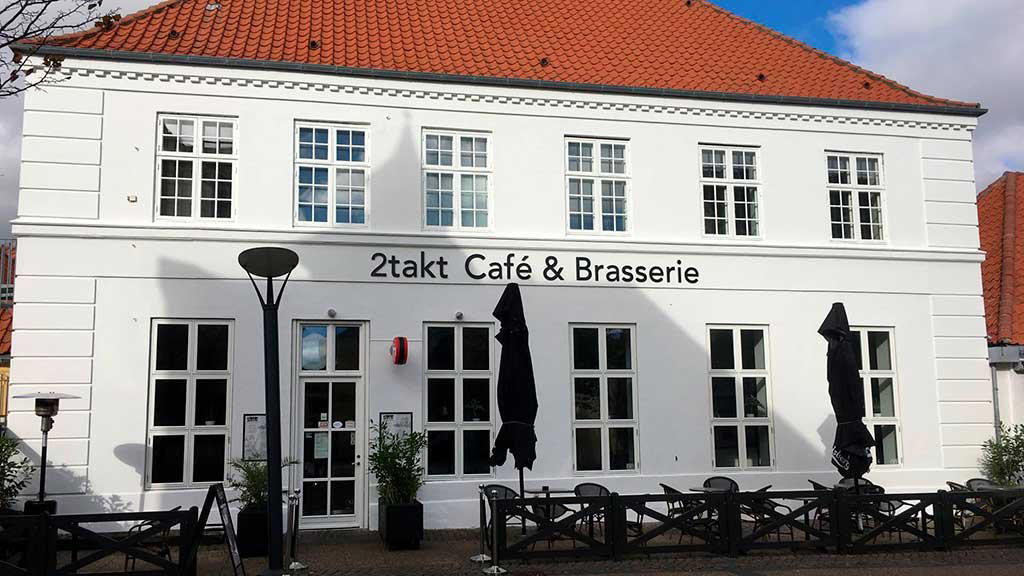
For a visitor arriving by ferry from Gothenburg or Oslo, or passing through on a road trip up the Jutland coast, Fiskebaren represents the kind of option that makes a transit city liveable rather than merely passable. It sits alongside local options like 2takt Café and Brasserie, Bai Sheng, and Delicious Factory in a modest but varied spread of choices. Our full Frederikshavn restaurants guide maps that spread in more detail.
By contrast, the formal seafood register that Fiskebaren operates below is represented internationally by places like Le Bernardin in New York City, where a three-Michelin-star kitchen constructs seafood around technical precision and a dedicated sommelier programme. The distance between those two points on the spectrum is not a criticism of either end; it is simply a description of where café-format coastal dining sits and what it is trying to do. Closer to home, Pearl by Paul Proffitt in Kruså, near the German border, and Frederiksminde in Præstø represent the kind of regional Danish restaurants that have attracted critical attention while operating outside the capital. Ti Trin Ned in Fredericia and Lazy Bear in San Francisco show how communal-format dining has been formalised at higher price points elsewhere. Fiskebaren's register is more direct than any of those comparators.
Planning Your Visit
Fiskebaren Café og Spisehus is located at Danmarksgade 86A in central Frederikshavn, walkable from the ferry terminal and the city's main rail connection. For visitors arriving by Stena Line or Color Line from Norway or Sweden, the address places the restaurant within a short walk of the port, making it a practical first or last meal in Denmark. Current hours, booking options, and any seasonal closures are best confirmed directly with the venue before travel, as up-to-date operational details are not available through this listing. The café-and-dining-house format suggests the kitchen handles both daytime and evening service, but the specific split is worth verifying. Dress expectations at this category of Danish coastal café run toward casual without any particular dress code signalling.
Continue exploring
More in Frederikshavn
Restaurants in Frederikshavn
Browse all →
Bars in Frederikshavn
Browse all →
At a Glance
- Cozy
- Lively
- Casual Hangout
- Family
- Waterfront
- Terrace
- Local Sourcing
- Waterfront
Current opening hours
- Monday
- 10 AM–9 PM
- Tuesday
- 10 AM–9 PM
- Wednesday
- 10 AM–9 PM
- Thursday
- 10 AM–9 PM
- Friday
- 10 AM–9 PM
- Saturday
- 10 AM–9 PM
- Sunday
- Closed
Hours can change for holidays and private events. Last verified .
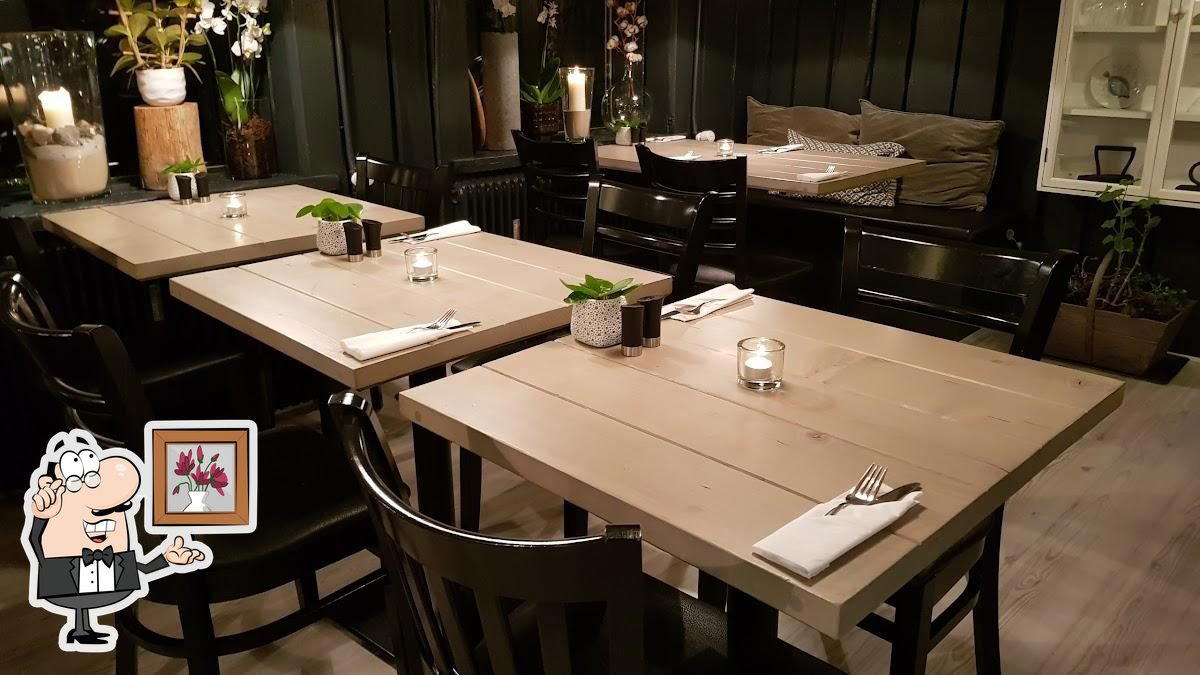
Warm, homely, cozy atmosphere with simple elegant lighting, praised for its welcoming and personal touch.
Know Before You Go
- Getting there
- Danmarksgade 86A, 9900 Frederikshavn, Denmark