Mikkeller

Mikkeller on Viktoriagade operates where Copenhagen's craft beer culture and the smørrebrød tradition converge. Ranked #251 in Opinionated About Dining's Casual Europe list in 2024 and rising to #255 in 2025, it holds a consistent position in the mid-tier of the city's recognised casual dining circuit. Open from mid-afternoon into the late evening, it suits those who want the ritual of an open-sandwich lunch extended into a more relaxed, unhurried afternoon.
Pearl is the En Primeur Club membership app — saves, bookings, and concierge access live there. Same editors, same standards.
- Address
- Viktoriagade 8, B-C, 1655 København, Denmark
- Phone
- +45 31 69 01 13
- Website
- mikkeller.com
- Directions
- Get directions
 Saves & bookings on Pearl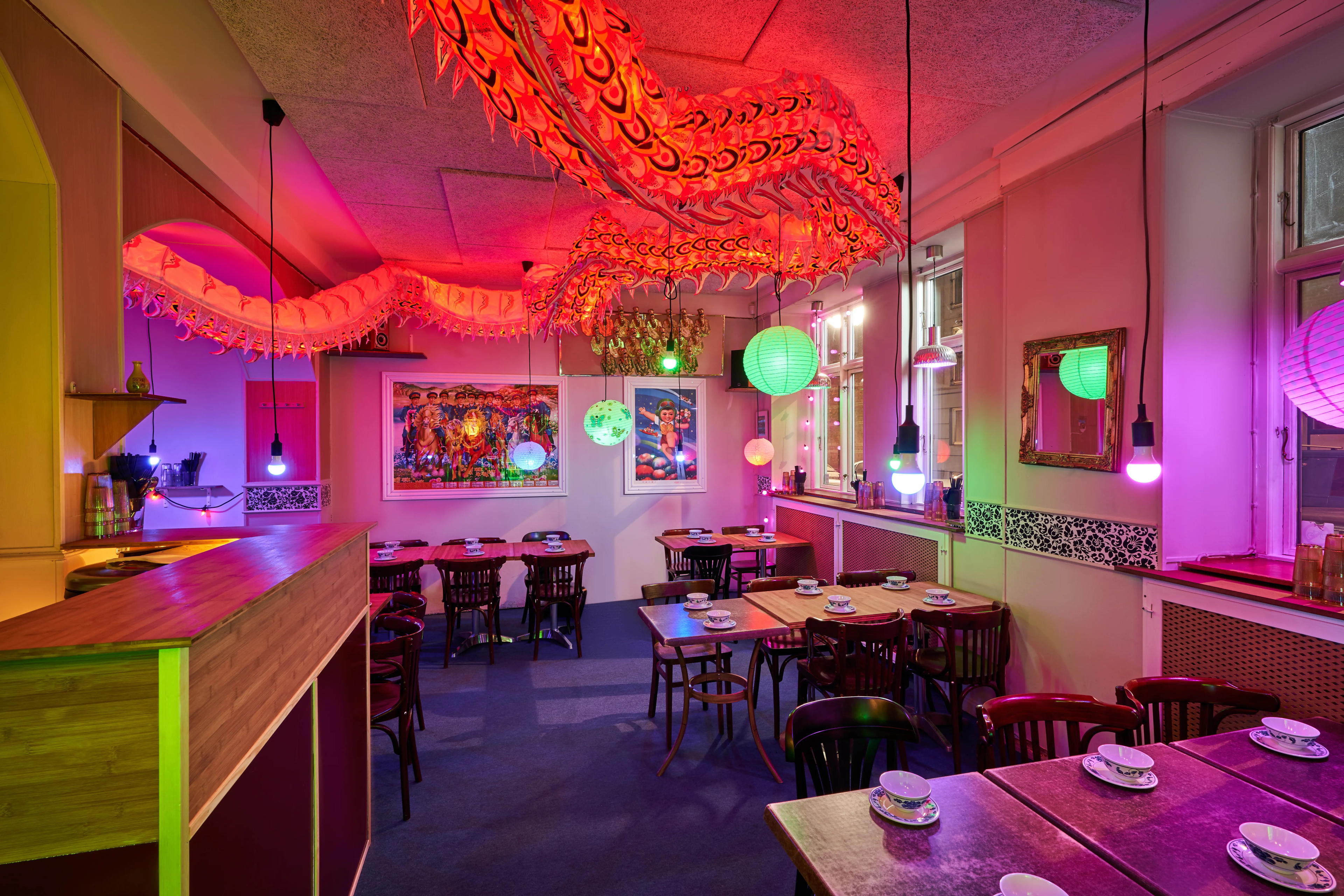
Where the Open Sandwich Becomes an Afternoon Ritual
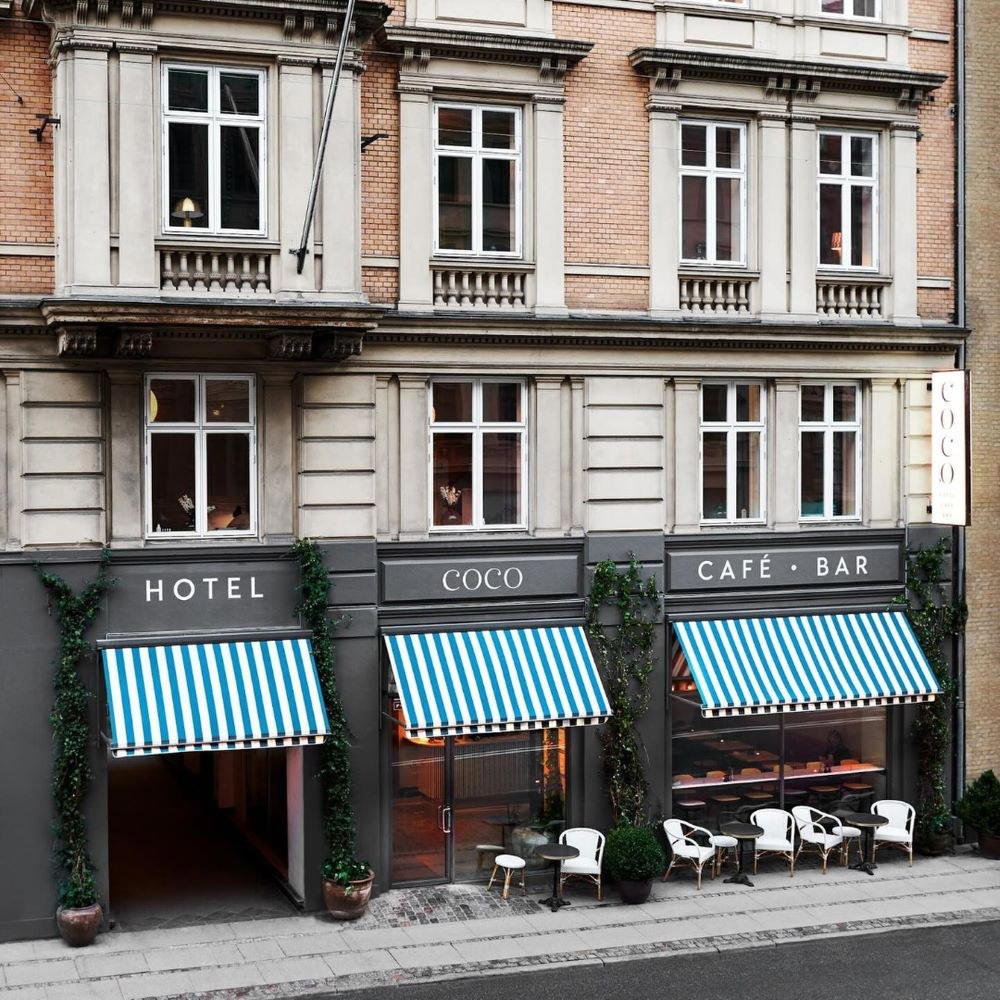
Vesterbro, the district that runs west from Central Station along Istedgade and Viktoriagade, has shed much of its old-quarter friction over the past two decades. What remains is a neighbourhood with genuine texture: residential blocks, independent traders, and a density of bars and small restaurants that serve a local crowd more than a tourist circuit. On Viktoriagade 8, Mikkeller occupies a building that sits comfortably in this grain. Approaching from the street, the scale is domestic rather than monumental, which is precisely the register in which Copenhagen's smørrebrød tradition has always operated.
The smørrebrød ritual is one of the more codified dining customs in Northern Europe. Open-faced rye bread, dense and slightly sour, acts as a structural base rather than a neutral vehicle. Toppings follow a loose hierarchy: cured and pickled fish first, then meat preparations, then cheese, with condiments and garnishes placed with enough precision that the visual presentation carries meaning. The sequence matters. Eating smørrebrød the way it was designed to be eaten is not a casual affair conducted with one hand; it demands a table, time, and a drink alongside. Traditionally that drink was snaps, the aquavit-family spirits that have anchored the Danish lunch table for centuries. The shift in recent years has moved a portion of that occasion toward craft beer, which is where Mikkeller's identity as a beer brand intersects with the food tradition.
A Beer Brand That Built a Dining Room
Mikkeller began as a Copenhagen brewing operation before expanding into bars and venues internationally. The Viktoriagade address is one of the brand's anchor Copenhagen sites, and the decision to programme it around smørrebrød rather than bar snacks places it in a specific position within the city's casual dining tier. The format makes cultural sense: smørrebrød is a lunchtime and early-afternoon tradition, Mikkeller opens in the afternoon on most days, and the overlap between people who seek interesting beer and people who eat open sandwiches seriously is substantial in this city. The combination is not a novelty act. It reflects a coherent understanding of how Copenhagen actually eats.
David Squire leads the kitchen. The smørrebrød format concentrates culinary judgement into a tight space: rye bread quality, the sourcing of fish and cured meats, pickling and fermentation timings, and the discipline to keep garnishes purposeful rather than decorative. In a city where Schönemann holds the reference position for traditional smørrebrød and Møntergade and Restaurant Palægade occupy adjacent territory, and where Sankt Annæ holds its own position in the format, the competitive set is genuinely knowledgeable. Mikkeller's approach adds the dimension of serious beer pairing to a tradition that has historically organised itself around spirits.
Recognition and Where It Sits in the Casual Tier
The slight positional movement year-on-year is less significant than the sustained presence in the list across three years. OAD's Casual Europe rankings cover thousands of venues across the continent, and sustained inclusion in the named tier signals a level of kitchen consistency that matters more than a single-year placement.5 across 3,370 reviews reinforces that the experience holds across a broad audience, not only the specialist critics who feed OAD's methodology.
For context, the Copenhagen dining scene at its highest tier runs through Geranium and the post-Noma creative wave, where tasting menus run long and prices occupy a different category entirely. Mikkeller operates in a different register, the recognised casual tier where the emphasis falls on execution, ingredient quality, and format integrity rather than length or theatre. That tier is genuinely competitive in Copenhagen, which makes consistent OAD recognition meaningful. Elsewhere in Denmark, the casual and regional dining scene includes addresses such as anx in Aarhus, which also operates in the smørrebrød tradition, alongside fine dining destinations including Jordnær in Gentofte, Frederikshøj in Aarhus, Henne Kirkeby Kro, Alimentum in Aalborg, ARO in Odense, and Domæne in Herning.
The Rhythm of an Evening Here
The opening hours shape the intended experience. On weekdays, Mikkeller opens at 3 pm, extending to 11 pm Monday through Wednesday and midnight on Thursdays. Friday stretches to 1 am, while Saturday opens at noon and also runs to 1 am; Sunday closes at 11 pm. Saturday is the only day with a midday opening at noon, which aligns with the traditional Saturday frokost, the extended Danish lunch that has always been the smørrebrød format's natural habitat.
This schedule positions Mikkeller as a venue that operates across the late afternoon and evening, spanning the transition between the lunch table and the bar. Arriving at 3 pm means eating in the quieter portion of service before the post-work crowd arrives. Arriving at 7 pm means eating alongside drinkers, the ambient sound higher, the pace looser. Both versions of the experience are legitimate, but they read differently. The smørrebrød format rewards the earlier slot, where the ritual of building and eating each piece deliberately has room to breathe.
The pairing logic of beer alongside open sandwiches operates on the same principle as the traditional snaps pairing: the carbonation and bitterness of a well-made beer cuts through the fat of pickled herring or liver pâté in the same way that spirit alcohol and caraway do. Mikkeller's position as a serious brewing operation means the beer selection at this address operates at a depth that most venues offering food cannot match, which is the specific advantage the format offers over eating smørrebrød somewhere that treats beer as an afterthought.
Know Before You Go
- Address: Viktoriagade 8, B-C, 1655 København, Denmark
- Hours: Monday to Wednesday 2 to 11 pm; Thursday 2 pm–12 am; Friday 2 pm–1 am; Saturday 12 pm–1 am; Sunday 2 to 10 pm
- Recognition: Opinionated About Dining Casual Europe Ranked #255 (2025); #251 (2024); Highly Recommended (2023) 5 from 3,314 reviews
- Neighbourhood: Vesterbro, walkable from Copenhagen Central Station
- Format: Smørrebrød with craft beer pairing; suited to late lunch, early evening, or extended bar visit
- Booking: Walk-in friendly
Fast Comparison
Comparable venues nearby, for context on price, style, and recognition.
| Venue | Cuisine | Price | Notes |
|---|---|---|---|
| MikkellerThis venue — the venue you are viewing | Authentic Japanese Ramen & Craft Beer | $$ | Not listed |
| Slurp Ramen Joint | Authentic Ramen | $$ | Indre By |
| Ramen to Bíiru Vesterbro | Japanese Ramen with Craft Beer | $$ | Vesterbro-Kongens Enghave |
| Himitsu Ramen | Plant-Based Ramen | $$ | Indre By |
| Coffee Collective | Specialty Coffee Shop | $$ | Indre By |
| Andersen Bakery | Japanese-Danish Fusion Bakery & Café | $$ | Amager Vest |
Recognition history
Dated appearances from independent guides and award organizations, with the underlying list record or original source where available.
Opinionated About Dining Casual in Europe Recommended
Opinionated About Dining
Opinionated About Dining Casual in Europe Ranked #255
Opinionated About Dining
Opinionated About Dining Casual in Europe Ranked #251
Opinionated About Dining
Opinionated About Dining Casual in Europe Highly Recommended
Opinionated About Dining
Continue exploring
More in Copenhagen
Restaurants in Copenhagen
Browse all →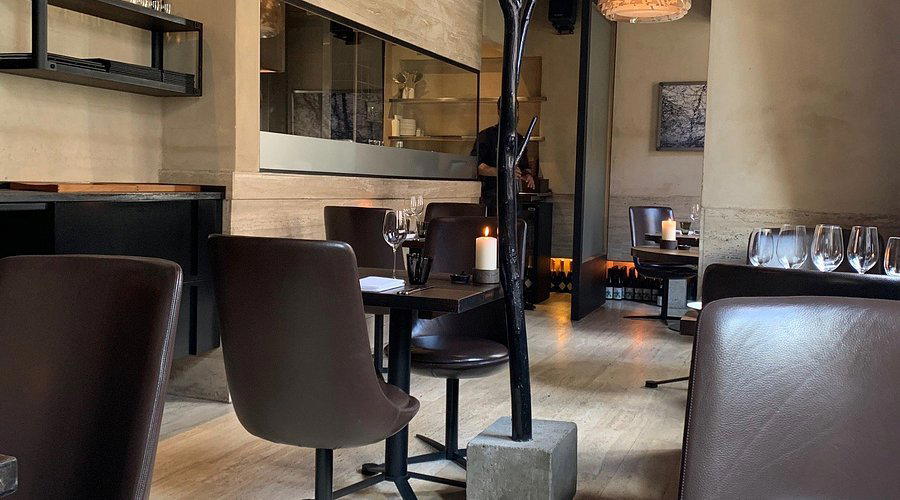
Bars in Copenhagen
Browse all →

At a Glance
- Lively
- Trendy
- Industrial
- Casual Hangout
- After Work
- Group Dining
- Open Kitchen
- Beer Program
Current opening hours
- Monday
- 3–11 PM
- Tuesday
- 3–11 PM
- Wednesday
- 3–11 PM
- Thursday
- 3 PM–12 AM
- Friday
- 3 PM–1 AM
- Saturday
- 12 PM–1 AM
- Sunday
- 2–11 PM
Hours can change for holidays and private events. Last verified .
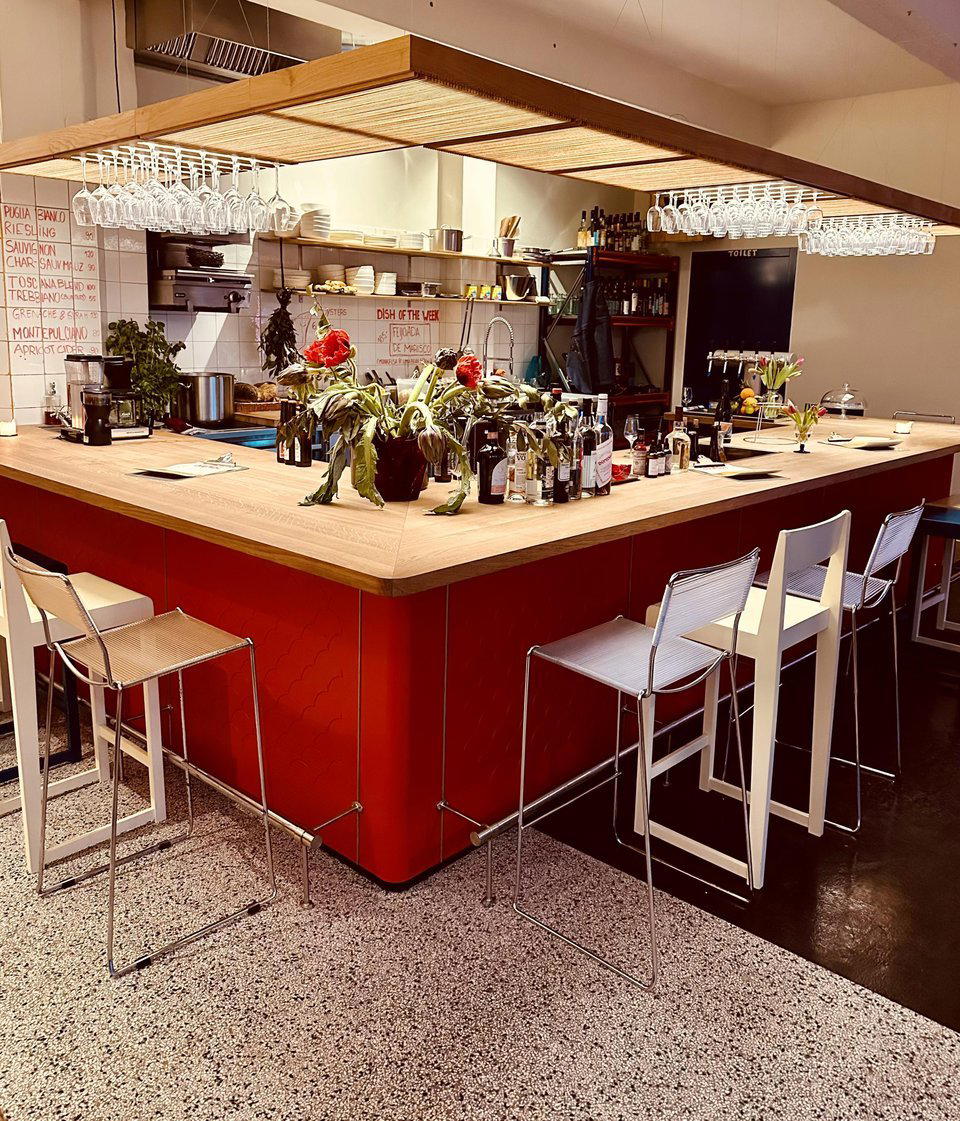
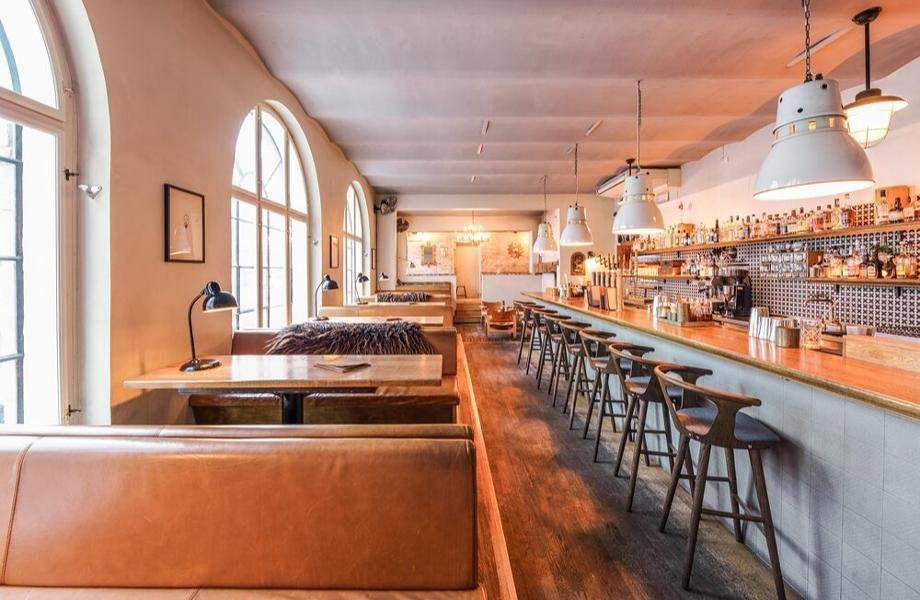
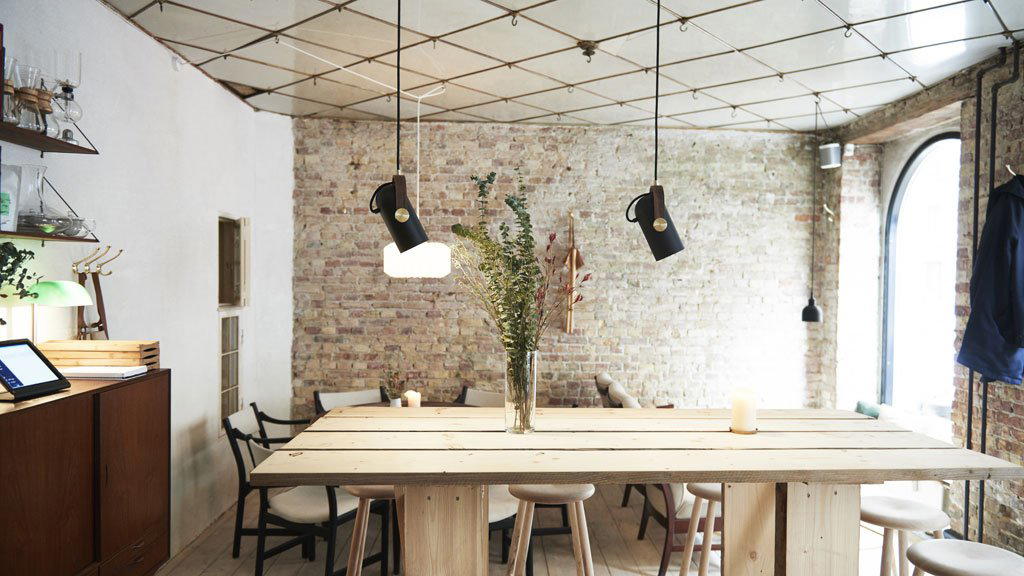
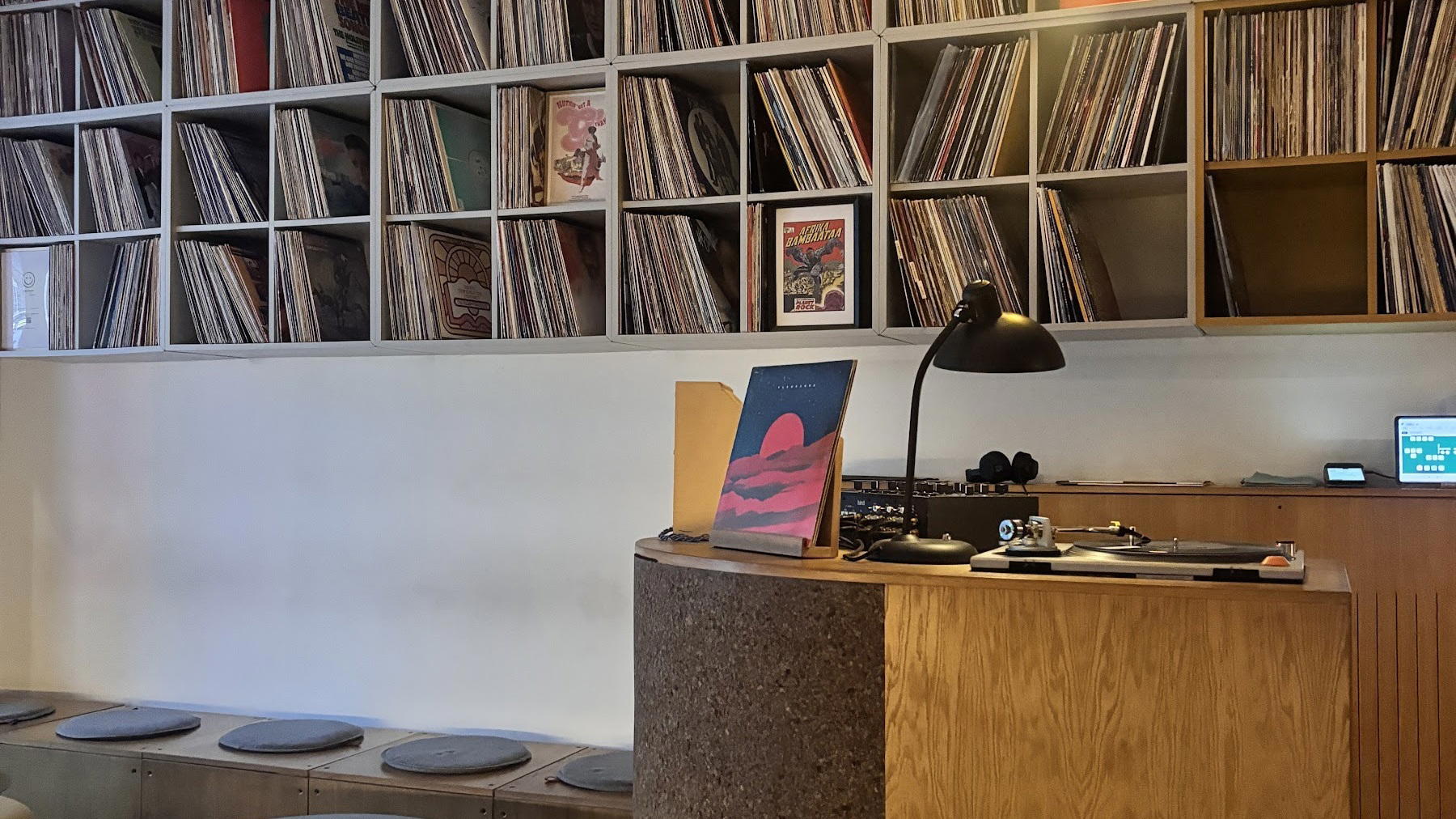
Laid-back and lively with a trendy industrial vibe, cozy cellar spaces, and lively patio seating.