Mikhuna Japanese-Peruvian Cuisine
McAllen sits at one of North America's most productive culinary crossroads, and Mikhuna Japanese-Peruvian Cuisine channels that position directly. Nikkei cooking, the fusion tradition born from Japanese immigration to Peru, finds a coherent local expression here, where Gulf Coast sourcing and Rio Grande Valley produce inform a kitchen that operates well outside the mainstream Tex-Mex corridor. For the Rio Grande Valley, it is a meaningful departure.
Pearl is the En Primeur Club membership app — saves, bookings, and concierge access live there. Same editors, same standards.
- Address
- 905 N Main St, McAllen, TX 78501
- Phone
- +19563774333
- Website
- mikhuna.com
- Directions
- Get directions
 Saves & bookings on Pearl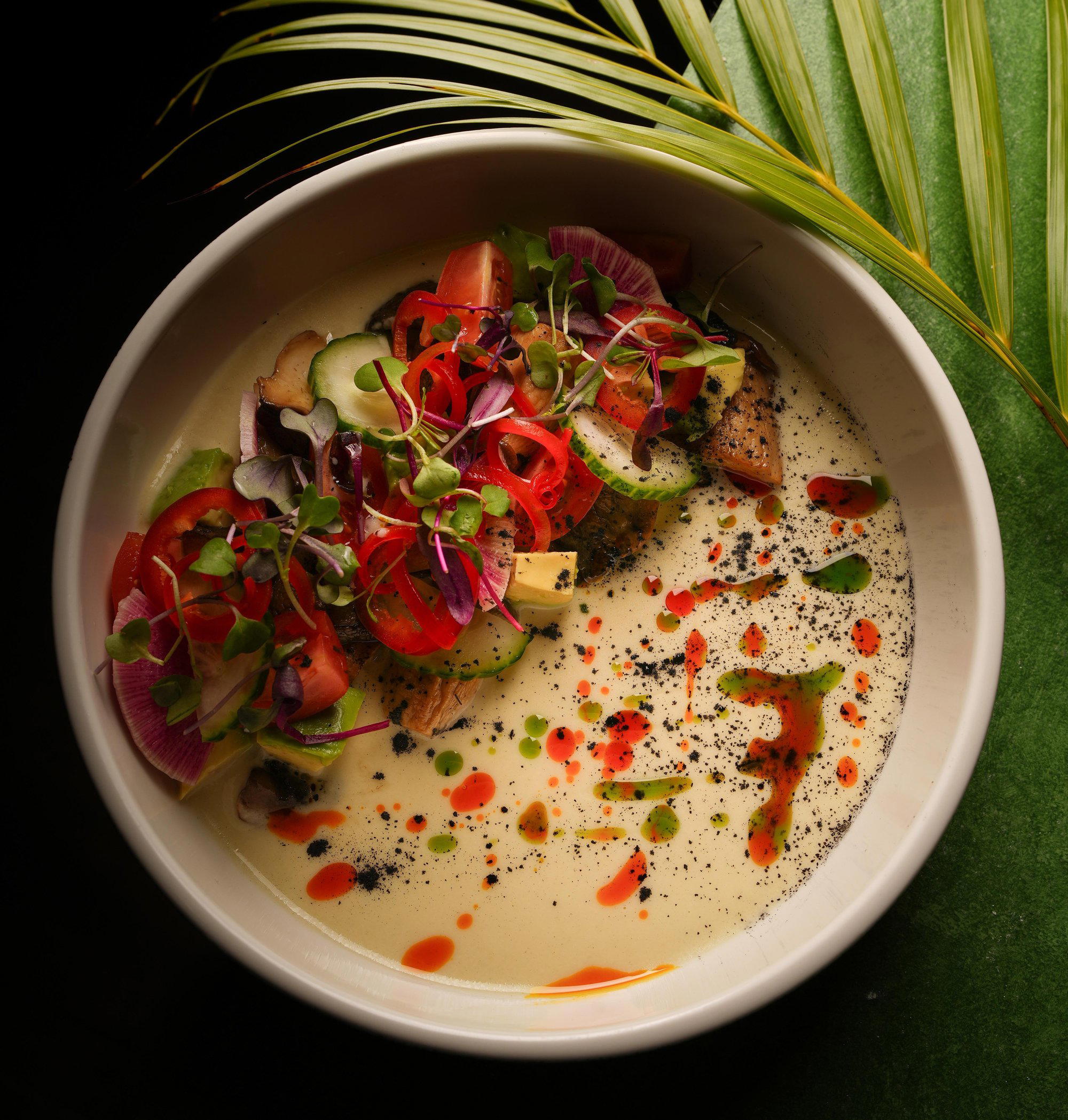
Where the Rio Grande Valley Meets the Nikkei Table
McAllen sits roughly 70 miles from the Gulf of Mexico and directly on the US-Mexico border, a geography that has always shaped what ends up on plates here. The dominant dining conversation in the Rio Grande Valley runs toward Mexican and Tex-Mex traditions, which are deeply rooted and worth respecting. Against that backdrop, a restaurant operating in the Nikkei idiom, the cooking tradition born from Japanese immigration to Peru in the late 19th and early 20th centuries, reads as a genuine outlier. Mikhuna Japanese-Peruvian Cuisine, at 905 N Main St, occupies that position. It is the kind of address that rewards some context before you arrive.
Nikkei cuisine as a category is not new, but its reach into mid-size American cities is recent and uneven. Established practitioners like ITAMAE in Miami and Causa in Washington, D.C. have helped define what a serious Nikkei program looks like at the upper end of the American market. Those kitchens typically anchor their menus in Peruvian foundational technique, including ceviche construction, aji amarillo applications, and leche de tigre work, while layering Japanese precision around knife work, fish handling, and fermentation logic. What makes Mikhuna worth attention in the context of our full McAllen restaurants guide is that it brings this culinary grammar to a city where the conversation about ingredient provenance and cross-cultural cooking is still being written.
The Source Logic Behind Nikkei Cooking
The editorial angle that matters most when assessing any Nikkei restaurant is not the menu format but the ingredient sourcing. Nikkei cooking at its most coherent is a cuisine of proximity: whatever is freshest and most local gets filtered through two distinct technical traditions. In coastal Peru, that meant Pacific fish species interpreted through Japanese knife discipline. In McAllen, the sourcing calculus is different but not without its own logic.
The Rio Grande Valley produces some of the most distinctive agricultural output in Texas: Ruby Red grapefruit, onions from the Hidalgo County corridor, and citrus varieties that carry a regional identity. Gulf seafood, while not as immediately adjacent as a coastal city would offer, is accessible to kitchens willing to source seriously. The aji peppers and purple corn that anchor Peruvian flavor profiles are increasingly available through specialty distributors serving the South Texas market, and the region's proximity to Mexico provides ready access to chiles and aromatics that share genealogical roots with Peruvian cuisine. A kitchen working the Nikkei format in McAllen has genuine sourcing material to work with, provided it makes the effort to seek it out rather than defaulting to generic import supply chains.
This is the question worth asking of any Nikkei restaurant outside its traditional coastal strongholds: is the sourcing approach localized and intentional, or is it a fixed menu format trucked in from a distant supplier? The leading examples of the genre, from the high-investment programs at places like Blue Hill at Stone Barns in Tarrytown to the tightly sourced tasting menus at Single Thread Farm in Healdsburg, demonstrate that the answer to that question shapes everything downstream: flavor, seasonality, and the extent to which a menu feels rooted rather than imported.
McAllen's Dining Position and What Mikhuna Represents
McAllen is not a city with a large roster of restaurants operating in the premium or internationally-oriented tier. The dining scene here is anchored by Mexican regional cooking and familiar American formats, with occasional interruptions from steakhouses and casual Asian restaurants. Its competitive reference points are further afield: the sophisticated Nikkei programs in Miami, D.C. and New York, and the broader category of cross-cultural Japanese restaurants like Atomix in New York City, which approaches Korean-Japanese crossover with comparable precision.
That distance from peer competition cuts both ways. It means Mikhuna does not face the scrutiny that a comparable concept would receive in a major coastal market. But it also means the restaurant exists in a context where diners may have less frame of reference for what they are eating, which puts a greater burden on the kitchen to communicate its logic clearly, whether through menu language, service explanation, or the self-evident quality of what arrives at the table.
For visitors arriving from outside the Valley, some practical orientation helps. McAllen's dining scene concentrates in a few corridors, and North Main Street sits within a manageable distance of the city's hotel clusters. The restaurant does not have a published phone number or website in current circulation, which means the most reliable approach is to visit directly or check current aggregator listings for hours and reservation availability. As with many independent restaurants in mid-size Texas cities, walk-in policy and operating hours can shift seasonally, so confirming ahead of time is worth the effort.
How Mikhuna Fits the Broader Nikkei Conversation
The Nikkei category has attracted serious investment at the upper end of the American restaurant market, and the ingredient sourcing standards that define those programs have raised the baseline expectation for the format. Restaurants like Providence in Los Angeles and Le Bernardin in New York City, though operating in different traditions entirely, have established what disciplined seafood sourcing looks like at a high price tier. The Nikkei kitchens that have earned sustained recognition, including ITAMAE and Causa, apply comparable sourcing rigor to a different culinary vocabulary. Farm-to-table programs at places like Addison in San Diego and Bacchanalia in Atlanta show what localized sourcing logic looks like when applied consistently across a full menu. These are the reference points against which any serious Nikkei program eventually gets measured, regardless of city size.
Mikhuna's presence in McAllen is, by that measure, a statement of ambition. The Nikkei format does not simplify with scale or geography. It requires command of two distinct culinary systems, reliable access to quality fish and Peruvian pantry staples, and the kitchen discipline to execute both ceviche-based preparations and Japanese-inflected presentations with equal confidence. Whether the kitchen here fully delivers on that dual mandate is something diners will need to assess firsthand. What is clear is that the concept itself, in this city, represents a departure worth noting in the context of how American dining is diversifying beyond its established coastal corridors. For more context on how that diversification is playing out across different formats and price tiers, see our coverage of Brutø in Denver, Frasca Food and Wine in Boulder, and Lazy Bear in San Francisco, all of which move through the tension between regional identity and international culinary vocabulary in their own ways.
Planning Your Visit
Mikhuna is located at 905 N Main St, McAllen, TX 78501. No booking platform or direct reservation line is currently listed in public records, so confirming current hours through Google or a local aggregator before visiting is advisable. The restaurant operates as an independent concept without chain affiliation, which typically means service rhythms and availability can vary. For travelers building a broader McAllen itinerary, it pairs logically with the city's Mexican regional dining options and sits within the general downtown corridor.
Continue exploring
More in Mcallen
Restaurants in Mcallen
Browse all →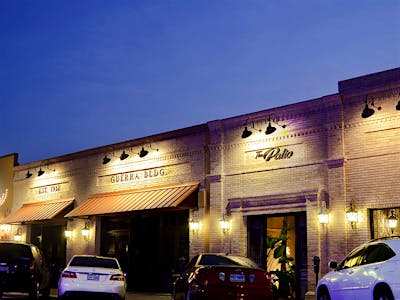

At a Glance
- Modern
- Trendy
- Date Night
- Special Occasion
- Open Kitchen
- Sake Program
Current opening hours
- Monday
- 5–10 PM
- Tuesday
- 5–10 PM
- Wednesday
- 5–10 PM
- Thursday
- 5–10 PM
- Friday
- 5–11 PM
- Saturday
- 2–11 PM
- Sunday
- Closed
Hours can change for holidays and private events. Last verified .
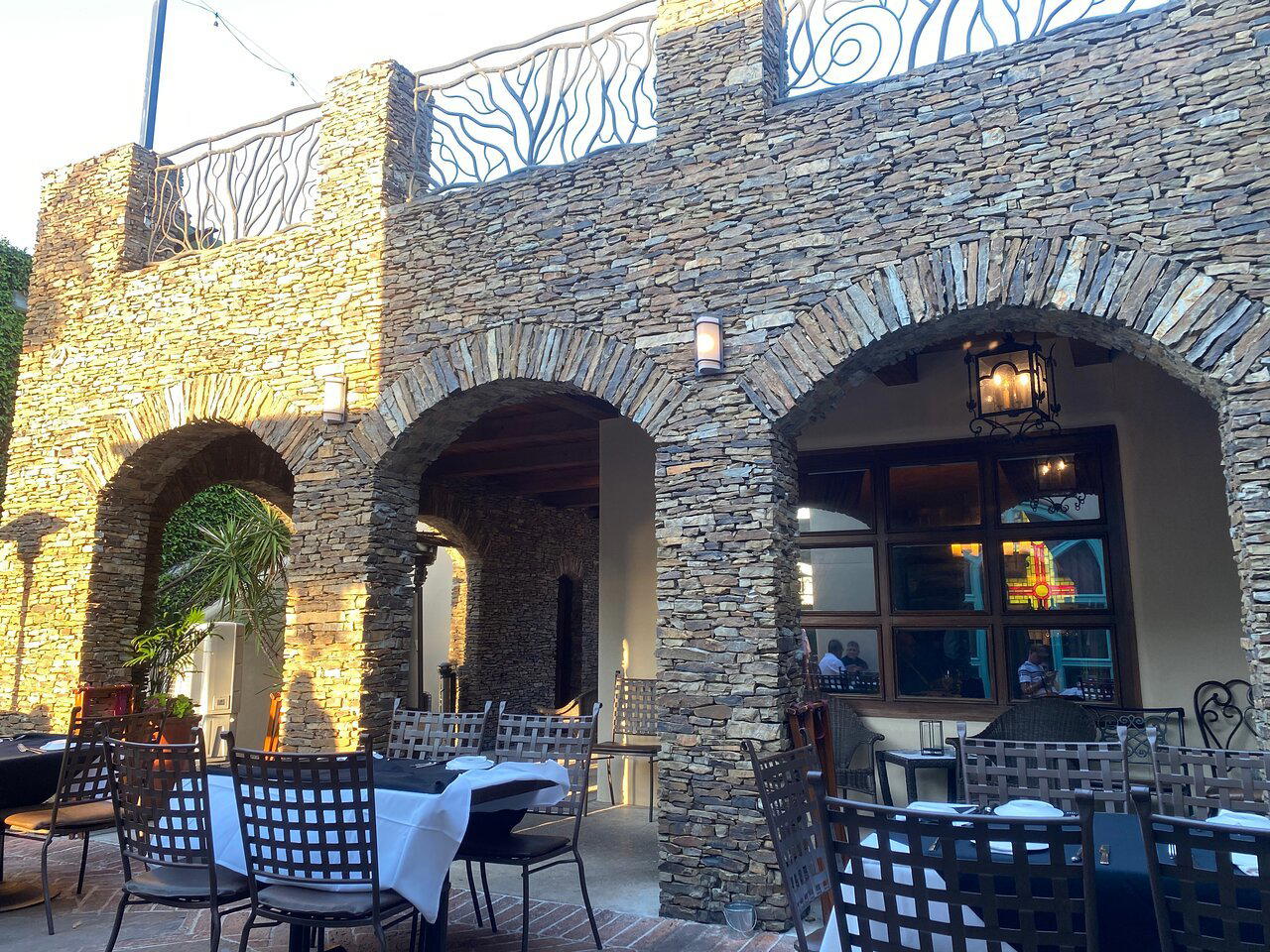
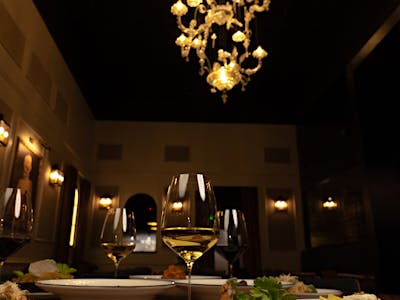
Modern fusion atmosphere with exotic yet balanced Peruvian and Nikkei influences.
Know Before You Go
- Getting there
- 905 N Main St, McAllen, TX 78501