The Patio on Guerra

Wine Spectator 2026 Award of Excellence winner. Cuisine: American / Steak house. Wine strengths: California.
Pearl is the En Primeur Club membership app — saves, bookings, and concierge access live there. Same editors, same standards.
- Address
- 116 S 17th St, McAllen, TX 78501
- Phone
- (956) 661-9100
- Website
- patioonguerra.com
 Saves & bookings on Pearl
McAllen's Outdoor Dining Scene and Where The Patio on Guerra Fits
McAllen sits roughly four miles from the Mexican border at Hidalgo, and that proximity shapes everything about how the city eats, drinks, and gathers outdoors. The Rio Grande Valley has one of the most concentrated populations of Mexican-American residents in the United States, and the culinary expressions here are not a simplified version of Tex-Mex, they reflect the distinct norteño traditions of Tamaulipas and Nuevo León, where flour tortillas, grilled meats, and fresh queso blanco are kitchen staples rather than additions. The Patio on Guerra is a bar at 116 S 17th St in McAllen, with a Google rating of 4.6 from 906 reviews and a price tier around $60 per person. It sits in the kind of downtown McAllen block where that cultural density becomes most legible at street level.
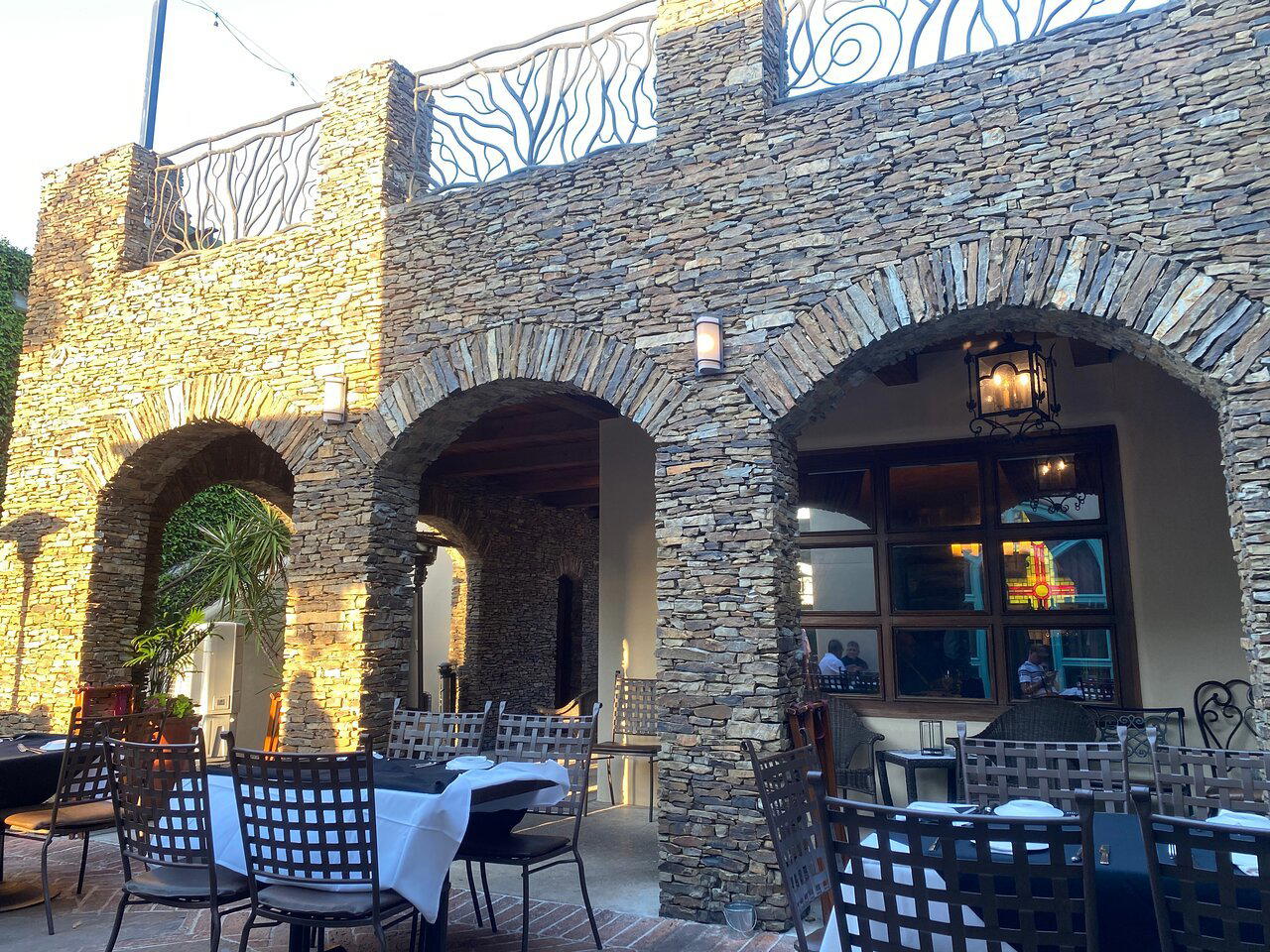
Patio dining in South Texas carries practical and cultural weight simultaneously. The covered or semi-open format is not a design flourish, it is a functional response to a climate where evenings from October through April are genuinely comfortable outdoors, while summer heat demands shade and airflow rather than glass-and-steel enclosures. Venues that commit to the patio format in this part of Texas tend to attract regulars who treat the outdoor table as a preferred seat rather than a concession.
The Cultural Roots of the Guerra Dining Corridor
The address on South 17th Street places The Patio on Guerra within walking distance of downtown McAllen's core, a district that has seen a concentrated push of independent restaurant and bar openings over the past decade. This is the same corridor where Cine El Rey operates out of a converted 1947 cinema, and where Bodega Tavern & Kitchen has established itself as a benchmark for the area's food-and-drink pairing ambition. The proximity of these venues matters: downtown McAllen's dining scene functions more like an interconnected neighborhood block than a dispersed suburban strip, and a meal at one address often leads naturally to drinks at another.
The cultural roots of this corridor run deeper than the current wave of independent openings suggests. McAllen's position as a binational commercial hub, the Anzalduas International Bridge and the McAllen-Hidalgo-Reynosa metro area represent one of the most active border crossings in North America, means that the city's dining culture has been absorbing and translating northern Mexican technique for generations. The flour-based, fire-driven cooking of Nuevo León is not a trend here; it is baseline.
What a Patio Setting Means in This Context
Across South Texas, the outdoor dining format indexes toward informality, but the better patio venues in McAllen use that informality to serve food and drink that would be at home at a significantly higher price point in other cities. The operational logic is regional: lower real estate costs relative to Houston or San Antonio, a local population that dines out frequently and across price tiers, and a culinary tradition that rewards direct execution over elaborate technique.
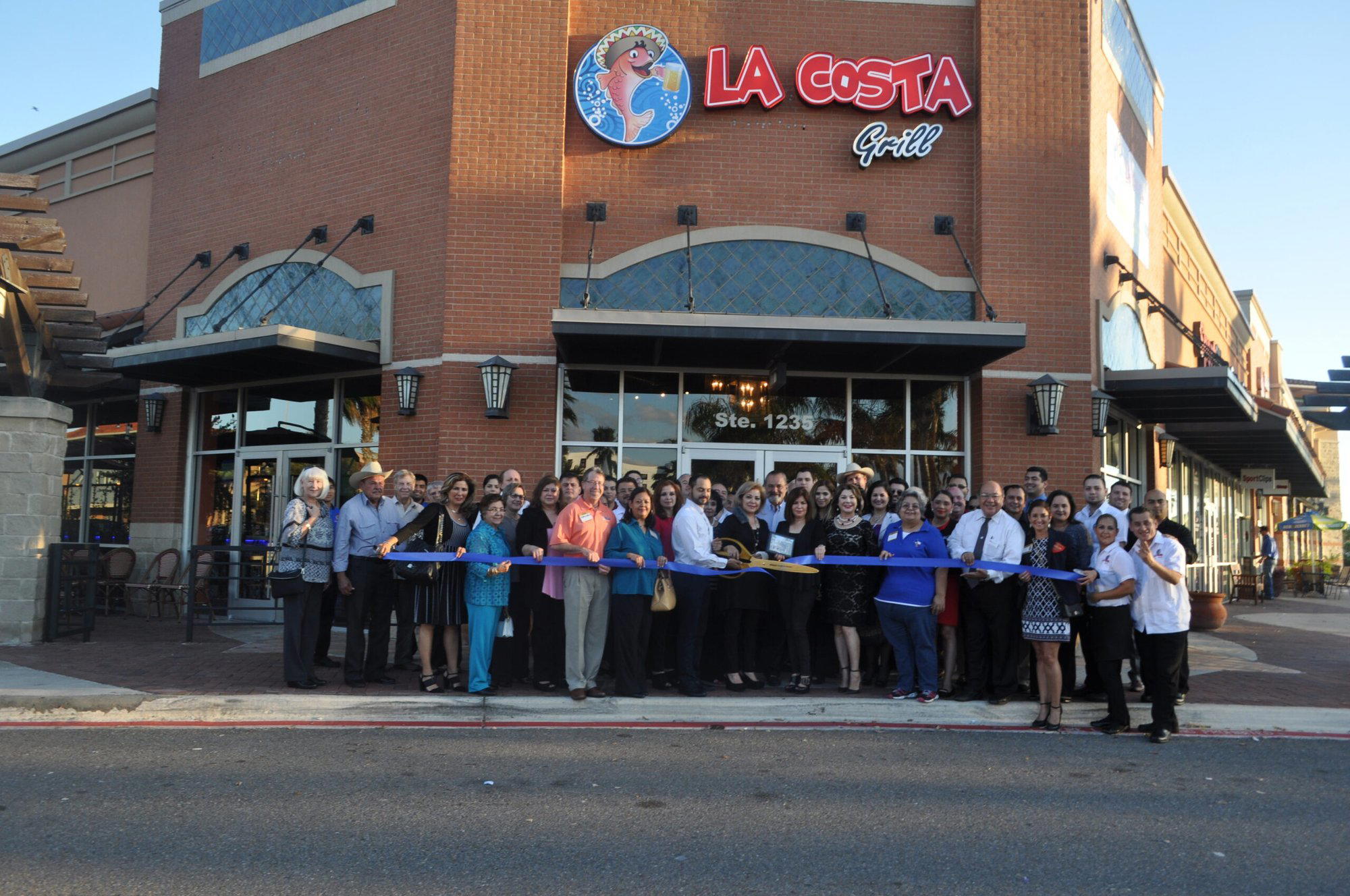
In cities with more competitive fine-dining markets, outdoor seating is often a secondary consideration. In McAllen, it functions as a primary draw. Venues like La Costa Grill and Il Forno a Legna have each found distinct positions within the city's dining mix, seafood-forward and Italian wood-fired respectively, which points to a local appetite that extends well beyond any single culinary register. The Patio on Guerra's positioning as an outdoor-facing address in this district suggests it draws from the same broad customer base that treats downtown McAllen as a dining destination in its own right.
Drinking in McAllen: Regional Patterns and What to Order
The drinks programs at McAllen's independent venues increasingly reflect the wider shift visible at cocktail-led bars across the American South and Southwest. The agave category, tequila and mezcal, occupies a structural role in this market that it does not hold to the same degree in most northern U.S. cities. In a border city with direct cultural and commercial ties to Jalisco and Oaxaca, ordering a margarita or a mezcal-based cocktail is not a tourist gesture; it is the locally legible choice.
That regional logic extends to beer as well. Mexican lagers, particularly from Monterrey-based producers, have long-standing distribution networks across South Texas, and they pair directly with the grilled and spiced preparations common to the norteño culinary tradition. Bars and restaurants that lean into this pairing tend to do so because the audience understands it, not because it is positioned as a point of differentiation.
For context on how serious cocktail programs operate at a comparable level of culinary seriousness in other American cities, Julep in Houston has built a recognized program around Southern spirits, while Superbueno in New York City takes a Latin-inflected approach to the cocktail menu with documented critical attention. Kumiko in Chicago and ABV in San Francisco represent the technically led end of the American bar spectrum. In McAllen, the frame of reference is different, closer to the border drinking tradition than to any of those metropolitan programs, but the underlying question of matching the glass to the cuisine applies equally.
Internationally, programs like Bar Leather Apron in Honolulu, Jewel of the South in New Orleans, and The Parlour in Frankfurt on the Main each demonstrate that bar programs rooted in regional identity outperform those that adopt a globally generic menu. The same principle applies at the local level in McAllen, where drinks with a direct connection to the border's agave and brewing traditions read as considered choices rather than defaults.
Planning a Visit: What to Know Before You Go
The Patio on Guerra's address at 116 S 17th St in downtown McAllen puts it within the walkable core of the city's independent dining district. Visitors arriving from the McAllen Miller International Airport, roughly three miles northwest of downtown, will find the area accessible by rideshare without a car. Parking in this part of downtown McAllen is generally available on surrounding streets during evening hours, which is a practical advantage relative to denser urban dining corridors.
South Texas dining tends toward earlier evening hours than coastal cities, prime time in McAllen typically runs from 6:30 to 9:00 p.m. on weeknights, with weekend traffic running later. Arriving at the beginning of that window secures the leading outdoor seating during cooler months. The Patio on Guerra opens Monday through Saturday from 5 to 10 PM and is closed on Sunday; reservations are recommended.
Continue exploring
More in Mcallen
Restaurants in Mcallen
Browse all →


At a Glance
- Romantic
- Elegant
- Rustic
- Cozy
- Date Night
- Special Occasion
- Group Outing
- Live Music
- Courtyard
- Historic Building
Romantic candlelit setting with vintage charm and inviting patio atmosphere.