Carmelitas restaurant.
Carmelitas restaurant on South Cage Boulevard in Pharr, Texas sits in a region where the Rio Grande Valley's agricultural richness shapes what lands on the plate. The surrounding area's produce traditions and cross-border culinary influences define the dining conversation here, placing Carmelitas within a broader story about South Texas food culture that extends well beyond any single menu.
Pearl is the En Primeur Club membership app — saves, bookings, and concierge access live there. Same editors, same standards.
- Address
- 1233 S Cage Blvd #100, Pharr, TX 78577
- Phone
- +19565025676
- Directions
- Get directions
 Saves & bookings on Pearl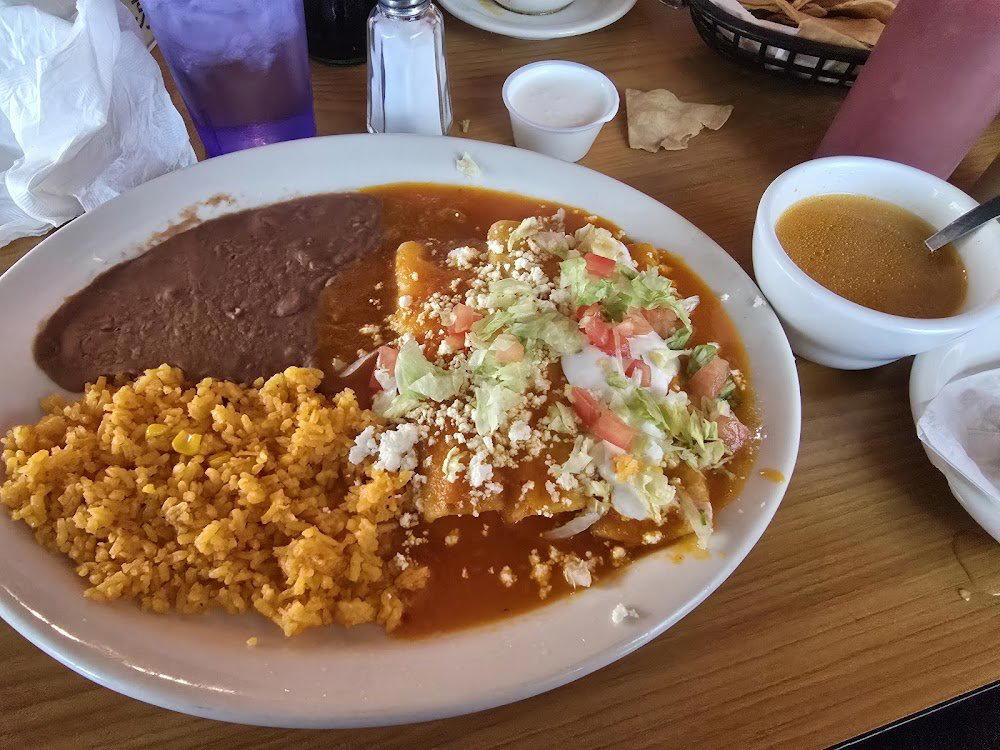
South Cage Boulevard and the Rio Grande Valley Table
Pharr sits at the southern tip of Texas, a few miles north of the Mexican border in a corridor that produces a significant share of the fresh produce that moves through American supply chains. Driving along South Cage Boulevard, the commercial stretch reads as working-class and practical: strip-mall facades, family-run operations, hand-painted signage. Carmelitas restaurant, at 1233 S Cage Blvd, Suite 100, fits that register. It is not a destination designed to signal ambition through its exterior. What it represents, instead, is the kind of neighborhood anchor that the Rio Grande Valley has historically depended on for everyday meals rooted in the region's agricultural and culinary identity.
That regional identity matters more here than in most American dining contexts. The Valley, as locals call it, is one of the most productive agricultural zones in the southern United States. Citrus, onions, peppers, and leafy greens move out of this corridor in volume. The proximity to Tamaulipas across the border means that culinary traditions in Pharr have always been shaped by a different set of ingredient relationships than what you find at farm-to-table operations in, say, Blue Hill at Stone Barns in Tarrytown or Single Thread Farm in Healdsburg. Those venues build their menus around a curated, documented relationship with named farms. Here, the connection between food and source is older and less narrated — embedded in family recipes and regional habit rather than printed on the menu.
Ingredient Geography in South Texas
The Rio Grande Valley's agricultural output has a direct bearing on what regional restaurants can access and how they use it. Local operations like Carmelitas exist within a supply ecosystem that includes both the formal produce distribution network and informal sourcing through family and community ties — a pattern common across the Valley's independent dining scene. This is not the same as the documented provenance model that defines spots like Smyth in Chicago or Oyster Oyster in Washington, D.C., where sourcing is a deliberate editorial statement. In South Texas, the sourcing relationship predates the farm-to-table movement by generations. It is structural rather than philosophical.
That distinction shapes how you should read a place like Carmelitas. The culinary vocabulary of the region draws on norteño and Tex-Mex traditions, where masa, dried chiles, slow-braised meats, and fresh vegetables from the Valley floor have long formed the base of the pantry. Comparing that against the tasting-menu architecture of The French Laundry in Napa or Addison in San Diego misses the point. The frame of reference here is the family-owned neighborhood restaurant that anchors a working community, a category that operates by different rules and serves a different function in the local food system.
The Pharr Dining Context
Pharr's dining scene is dense with independent operators rather than national chains, and that density reflects the Valley's demographic composition: a majority-Hispanic population with deep roots in northern Mexican culinary tradition. Restaurants in this context compete less on concept and more on consistency, generosity of portion, and the ability to deliver on familiar flavors that regulars have built expectations around over years. That is a different kind of discipline than the tasting-menu precision you find at Atomix in New York City or Le Bernardin in New York City, but it is not a lesser one.
The broader South Texas food conversation is worth tracking for anyone moving through the region. Cities like McAllen, Edinburg, and Pharr are part of a contiguous urban zone where food culture has remained largely insulated from national trend cycles. Chefs at destination restaurants in other cities, ITAMAE in Miami, Bacchanalia in Atlanta, Providence in Los Angeles, operate within the contemporary fine-dining conversation and its attendant press machinery. Pharr's neighborhood restaurants operate outside that system entirely, which is precisely why they warrant attention on different terms. For a fuller map of where Carmelitas sits within the local options, our full Pharr restaurants guide covers the city's dining scene in more detail.
How to Approach a Visit
Carmelitas is located at 1233 S Cage Blvd, Suite 100, in Pharr, TX 78577. The address is accessible by car, the standard mode of transit across the Valley, and sits within the commercial corridor that runs through the center of Pharr. No booking or dress code data is available, and the absence of a listed website or phone number suggests walk-in traffic is the operating model, consistent with the neighborhood format common to the area. Visitors should plan accordingly, particularly during peak lunch hours when neighborhood restaurants in South Texas typically run at capacity.
Practical planning for the Rio Grande Valley more broadly: the region's climate runs warm for most of the year, with summer months bringing heat that shifts peak dining activity toward evenings. The Valley's proximity to the border means cross-traffic from Reynosa is a regular feature of the dining audience at restaurants along the Cage Boulevard corridor, which tends to sharpen the kitchen's orientation toward a Mexican-American palate rather than a generalized Tex-Mex one. That specificity is worth noting for visitors arriving with expectations shaped by chain Tex-Mex in other parts of the country.
For readers interested in how sourcing-conscious dining operates at the other end of the price and concept spectrum, The Wolf's Tailor in Denver, Frasca Food and Wine in Boulder, Lazy Bear in San Francisco, Emeril's in New Orleans, The Inn at Little Washington, and Atelier Moessmer Norbert Niederkofler in Brunico each represent a documented, critically recognized approach to ingredient provenance.
Side-by-Side Snapshot
| Venue | Cuisine | Price | Awards |
|---|---|---|---|
| Carmelitas restaurant.This venue — the venue you are viewing | This venue | Not listed | Not listed |
| Le Bernardin | French, Seafood | $$$$ | Michelin 3 Star |
| Lazy Bear | Progressive American, Contemporary | $$$$ | Michelin 2 Star |
| Atomix | Modern Korean, Korean | $$$$ | Michelin 2 Star |
| Per Se | French, Contemporary | $$$$ | Michelin 3 Star |
| Masa | Sushi, Japanese | $$$$ | Michelin 3 Star |
Continue exploring
More in Pharr
Restaurants in Pharr
Browse all →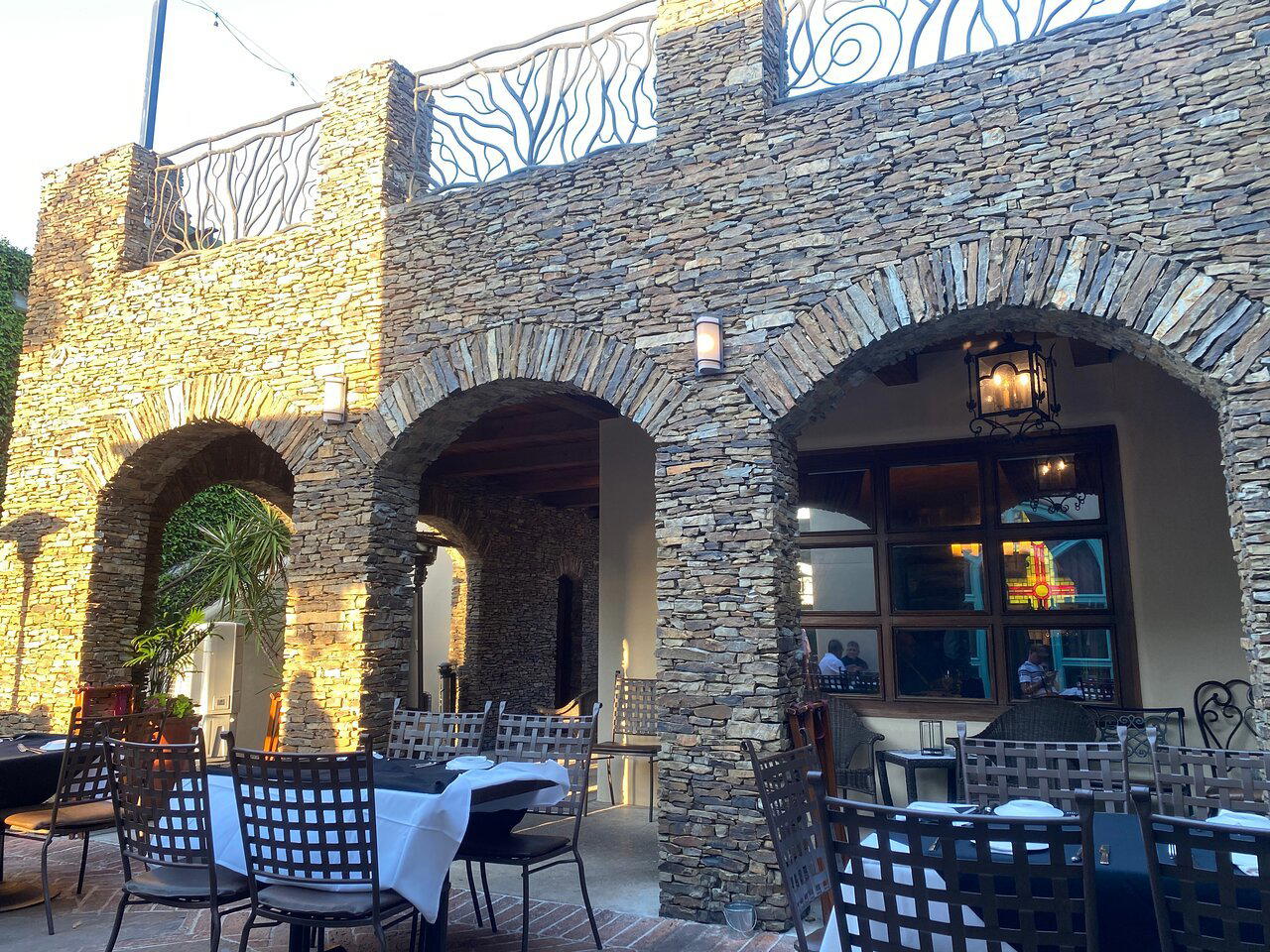


At a Glance
- Cozy
- Classic
- Family
- Casual Hangout
Current opening hours
- Monday
- 7 AM–5 PM
- Tuesday
- 7 AM–5 PM
- Wednesday
- 7 AM–5 PM
- Thursday
- 7 AM–5 PM
- Friday
- 7 AM–5 PM
- Saturday
- 7 AM–3 PM
- Sunday
- Closed
Hours can change for holidays and private events. Last verified .
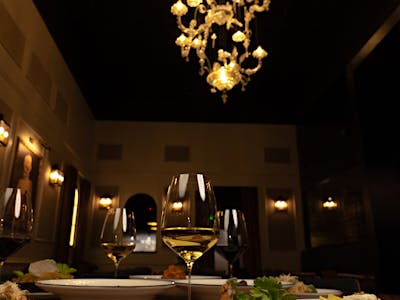
Lively decor capturing the essence of home-cooked meals.
Know Before You Go
- Getting there
- 1233 S Cage Blvd #100, Pharr, TX 78577