
Tabelog 100 #67
Our verdict
Mikazuki Bar brings Gifu’s small-room dining culture into the Asian, ethnic, curry and Indian category, with counter seating, a 10-seat scale and Tabelog 100 selection for Asian cuisine and Ethnic cuisine EAST in 2022, 2023 and 2024. It suits travelers who care less about ceremony and more about a focused, ingredient-led cooking format close to the station district.

Pearl is the En Primeur Club membership app, where members save venues, book tables and use the concierge.
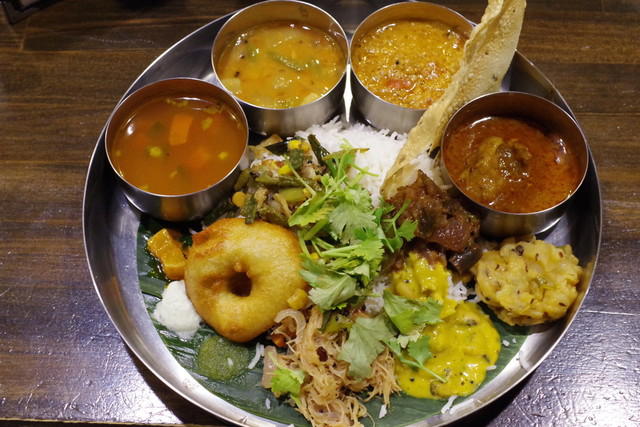
Gifu’s dining streets are not about spectacle. Small signs, modest frontages and low-key rooms often do the work, and better addresses can feel built for regulars, not cameras. Mikazuki Bar fits that understated pattern: a Gifu address whose public category sits outside the city’s usual visitor shorthand of beef, river fish and izakaya drinking. Its Tabelog Hyakumeiten recognition in 2024 gives the address a clearer signal than the façade or name alone might suggest.
Gifu’s dining identity is often read through mountains, rivers and agricultural hinterland, leading visitors toward wagyu, ayu, soba, sake-led counters and kappo rooms. Asian, ethnic, curry and Indian cooking occupies a smaller lane, but can say as much about local taste as formal regional cuisine. Curry in Japan is never just imported food; for more than a century it has been absorbed, adapted and localized, with spice, rice, heat and sweetness recalibrated by region and room. At Mikazuki Bar, the interest is how that public category sits within a city that prizes regular-customer intimacy and quietly confident dining.
Asian and curry cooking in a city better known for beef and rivers
The category matters. Mikazuki Bar is listed across Asian, ethnic, curry and Indian, placing it in a national conversation broader than standard restaurant taxonomy. Japan’s serious curry culture now ranges from canteen-style comfort to spice-focused specialist rooms; the strongest treat aromatics, rice, acidity and heat as compositional tools rather than novelty. In a regional city, that approach has a different charge than in Tokyo or Osaka. The restaurant must satisfy local use first, destination diners second.
Ingredient sourcing is the useful lens, but only up to the point supported by the public record. Gifu is surrounded by deep agricultural and mountain-food culture, and its better casual restaurants often depend on freshness and supply discipline even when the cuisine is not formally Japanese. For Asian and Indian cooking, produce, herbs, dairy, pulses, rice and spice handling decide whether the food feels borrowed or locally interpreted. The public listing does not name farms or suppliers, so the safer reading is structural: a Gifu restaurant applying the city’s broader dining grammar to curry and Asian cooking rather than kappo or grilled beef.
The Tabelog Hyakumeiten selection is useful because it places the address within a recognized Asian and ethnic category, not only Gifu’s local field. That is a meaningful frame for a regional room. It also explains why this is not merely a convenient curry stop. A 2024 award signal, alongside a listed score of 3.72, points to credibility in a category where casual formats often rise quickly and fade just as fast.
The small-room format changes the meal
Japan’s strongest regional dining is often about focus, not grand rooms. A more intimate-feeling restaurant concentrates attention: pacing is easier to read, the room’s rhythm is set by the flow of orders, and cooking and drinking can sit close together in the guest’s mind. For Asian and curry cooking, that kind of focus works because heat, aroma and timing lose force when treated as an afterthought. The format also suits travelers who want a purposeful dinner in Gifu without making the evening revolve around ceremony.
The bar identity is telling, though it should not be overread beyond the name and public listing. It shifts the frame away from a simple curry-shop reading and toward a more relaxed restaurant-bar mood. In Japan, that hybrid format has become a useful home for spice-led food: drinks can handle acidity and texture, while informality plays against heat and sweetness without making the meal feel like a formal course menu. The name may read as a bar, but the recognition sits in a food category. The appeal is the overlap between drinking-room ease and serious small-kitchen cooking.
For a Gifu itinerary, compare price tier and intent rather than cuisine alone. Yakiniku Shun Yasai Fanbogi and THE Setsugekka sit in a higher spend bracket, tied more closely to meat-driven occasions. Tejaku Kappou Terada occupies a mid-range kappo lane, while Sake no Tori and Gishu speak to different everyday and drinking-room rhythms. Mikazuki Bar is the spice-and-bar alternative within that spread: lower ceremony than kappo, more food-led than a standard drink stop, and easier to place as a focused casual dinner.
How to place it in a Gifu food weekend
Gifu rewards travelers who resist treating it as a half-day extension of Nagoya. Its dining is quieter and more dispersed, but the city gives visitors a workable evening circuit. A strong plan might pair a local lunch elsewhere with an evening of focused dining and drinks, then use the next day for Gifu’s cultural and riverside attractions. For broader planning, Our full Gifu restaurants guide is the natural starting point, with Our full Gifu hotels guide, Our full Gifu bars guide, Our full Gifu wineries guide and Our full Gifu experiences guide filling in the trip.
The surrounding dining map is more varied than first-time visitors expect. Other Gifu dining rooms and bars show how compact the city’s choices can be when read by format rather than cuisine. For a wider Japan comparison, spice and casual-specialist formats appear in many cities, while travel itineraries can stretch from regional curry rooms to casual bars, café-like counters and small specialist restaurants. Mikazuki Bar belongs in that broader conversation without needing to be treated as an imitation of a larger-city template.
The editorial case is simple: choose this for a spice-led meal with bar energy rather than a formal regional set piece. The award signal gives it credibility beyond convenience, and the listed dinner budget of JPY 3,000 - JPY 3,999 keeps it in a relatively accessible band. In a city where many visitors seek obvious regional markers, Mikazuki Bar is a sharper read of contemporary Gifu: local scale, international flavors, and a room whose appeal starts with category, recognition and atmosphere rather than spectacle.
Frequently asked questions
Is Mikazuki Bar child-friendly?
Mikazuki Bar has a bar identity in name and a dinner price band of JPY 3,000 - JPY 3,999. Families should judge suitability by their own needs rather than assuming a dedicated family setting.
What kind of setting is Mikazuki Bar?
Mikazuki Bar is a Gifu restaurant-bar listed across Asian, ethnic, curry and Indian categories. Its appeal is best understood through that food category and its Tabelog Hyakumeiten recognition rather than as a large formal dining-room experience.
What's the pricing like at Mikazuki Bar?
Pricing at Mikazuki Bar is listed as JPY 3,000 - JPY 3,999 View spending breakdown.
Where is Mikazuki Bar in Gifu?
Gifu.
How far ahead should I plan for Mikazuki Bar?
Because Mikazuki Bar carries Tabelog Hyakumeiten recognition for 2024 in Gifu, planning ahead for dinner is sensible rather than leaving it entirely to the same day.
Comparable Spots, Quickly
Comparable venues by cuisine and price in the same metro.
| Venue | Cuisine | Price | Awards | Notes |
|---|---|---|---|---|
| Mikazuki BarThis venue (the venue you are viewing) | Asian/ethnic curry and Indian bar | $20–30 | Tabelog 100 #67 | Not listed |
| Rikidou | Ramen & tsukemen shop | Not listed | Tabelog 100 #49 | Gifu |
| Yoshina | Creative Japanese course dining | Not listed | Tabelog 100 #41 | Gifu City |
| BAROSSA cocktailier | Innovative Cocktail Bar | $30–50 | Tabelog 100 #27 | Kinpocho |
| Akane Ya | Yakiniku & Chinese Grill | $50–100 | Tabelog 100 #5 | Mitonocho |
| DA GENNARO | Traditional Italian Pizzeria | Not listed | Tabelog 100 #22 | Nagara |
Recognition history
Dated appearances from independent guides and award organizations, with the underlying list record or original source where available.
Tabelog 100 #67 · No. 67
Tabelog · Tabelog 100 - Asian cuisine / Ethnic cuisine - EAST - 2024
Continue exploring
More in Gifu
Restaurants in Gifu
All restaurants in Gifu →




Details
- Cozy
- Trendy
- Intimate
- Solo
- Casual Hangout
- After Work
- Date Night
- Terrace
- Standalone
- Design Destination
- Craft Cocktails
- A La Carte
- Counter Dining
- Small Plates
- Cocktails
- Wine
- Beer
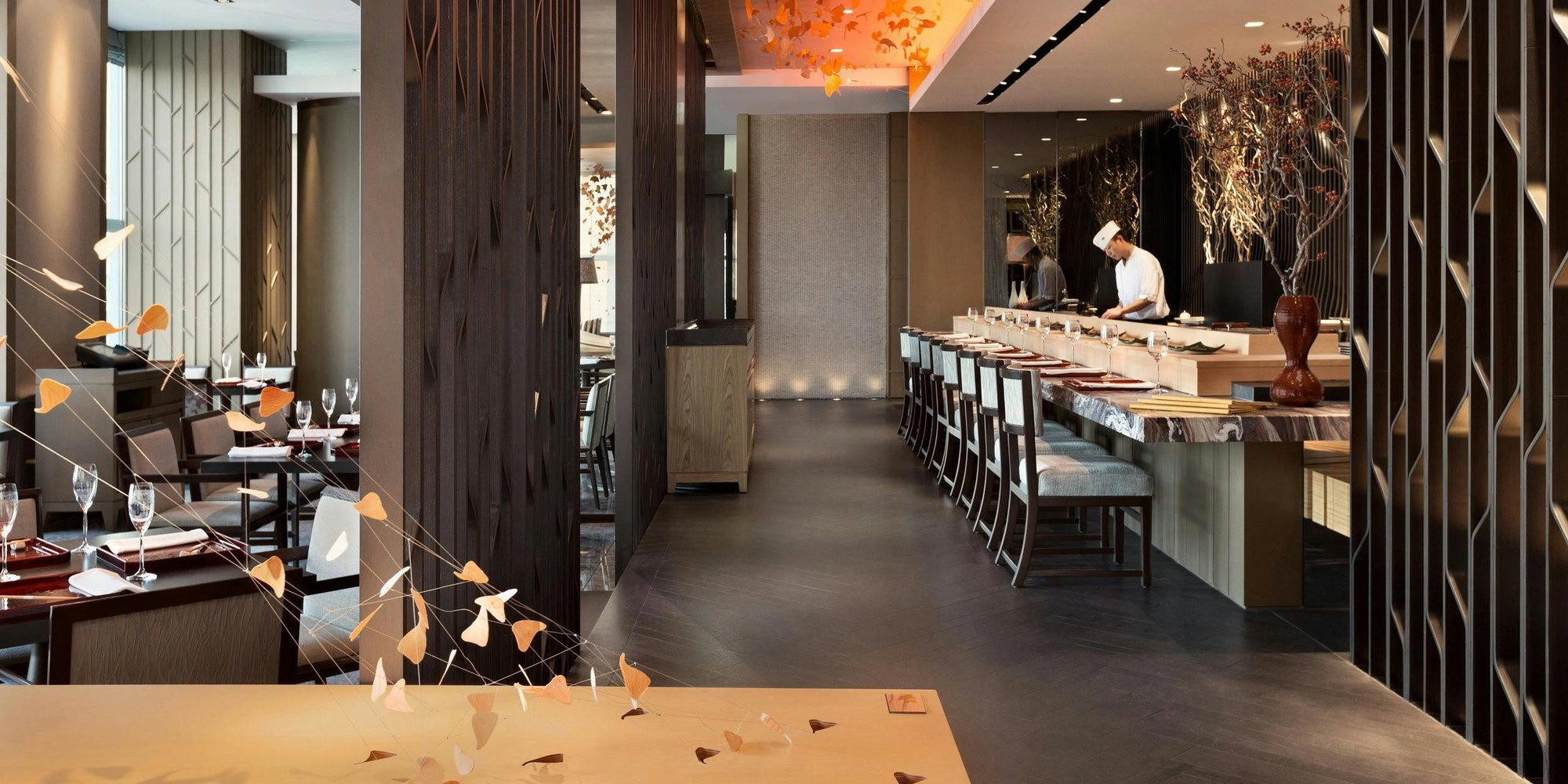
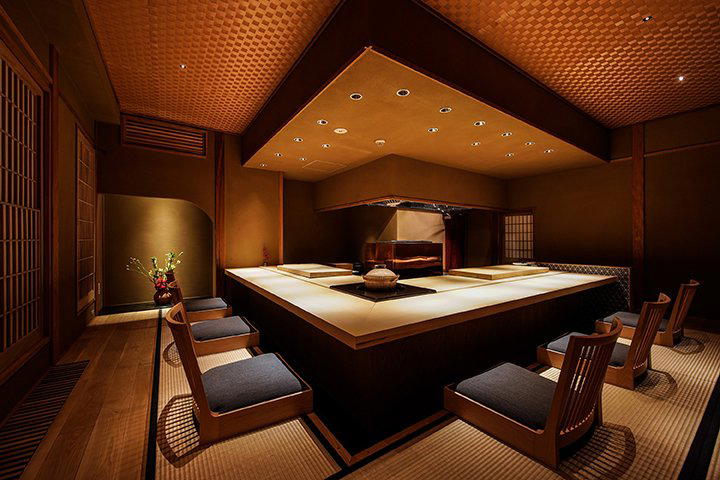
A small, stylish hideout with only counter seats and a cozy bar-like feel, suited to solo diners and friends lingering over curry and drinks in a relaxed, non-smoking atmosphere with a couple of terrace seats.