Mikaku Ramen & Temaki
Mikaku Ramen & Temaki on East Cedar Avenue brings two distinct Japanese formats under one roof in Aurora's increasingly varied dining corridor. The combination of ramen and temaki hand rolls points to an approach that lets both traditions coexist without compromise. It sits in a strip of Aurora independents that reward those willing to move beyond the city's better-known dining concentrations.
Pearl is the En Primeur Club membership app — saves, bookings, and concierge access live there. Same editors, same standards.
- Address
- 14302 E Cedar Ave B, Aurora, CO 80012
- Phone
- +17207729999
- Website
- mikakuramen.com
- Directions
- Get directions
 Saves & bookings on Pearl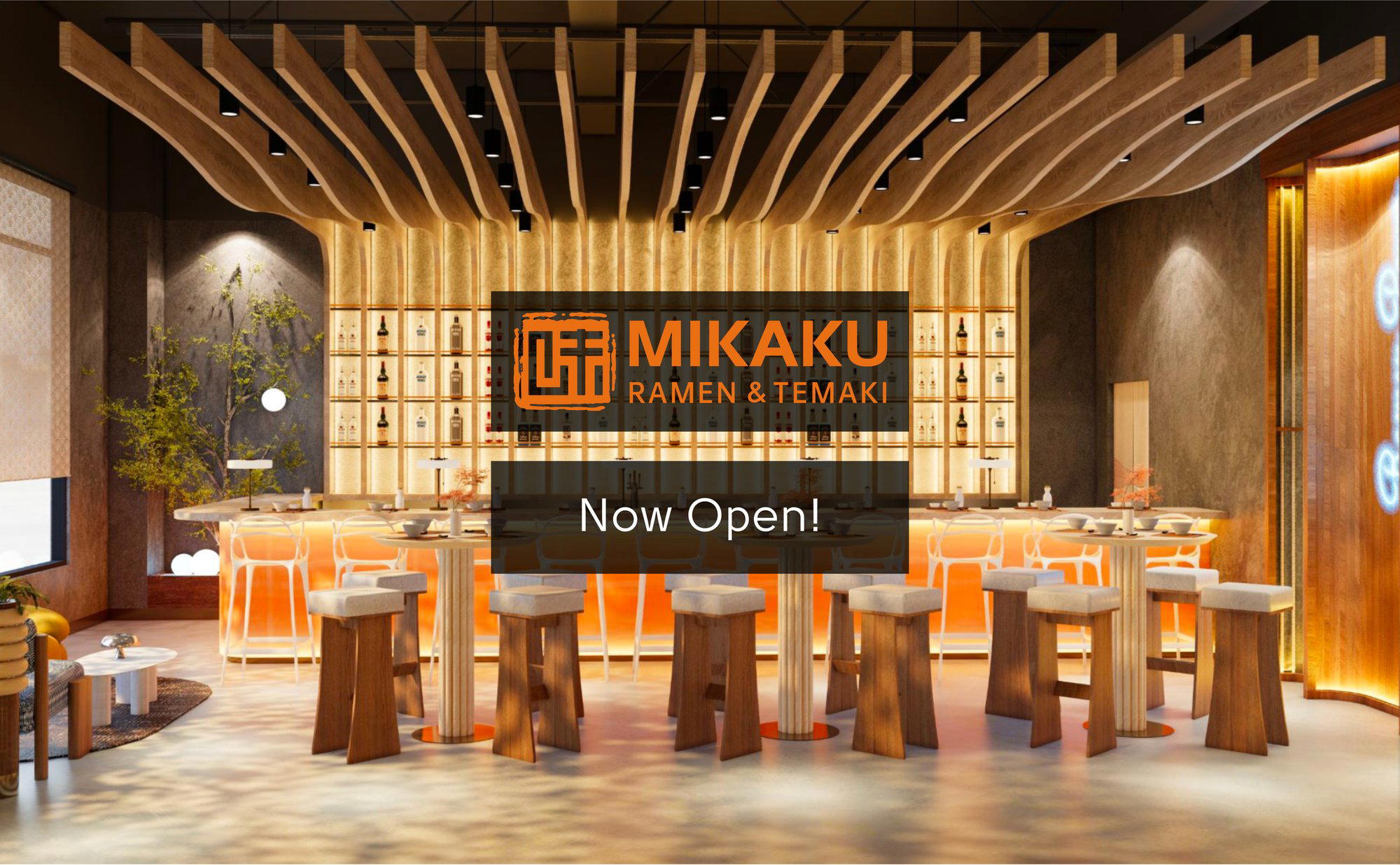
Two Bowls, One Counter: How Aurora's Ramen and Temaki Scene Is Taking Shape
Strip-mall dining in Colorado's suburban corridors gets dismissed too quickly. The East Cedar Avenue stretch in Aurora, where Mikaku Ramen & Temaki occupies a modest unit at 14302 E Cedar Ave B, belongs to a tradition of independent Japanese operators who have built serious followings in exactly these kinds of spaces. The fluorescent-lit exteriors, the shared parking lots, the signage that competes with a dozen neighbours — none of that predicts what happens at the counter inside. Aurora's dining corridor has been assembling a genuine range of independent cuisines, from Ethiopian at Megenagna to Bolivian at Alice's Corner Bolivian Cuisine, and Mikaku fits that pattern of specialists operating quietly outside Denver's louder dining conversation.
The Format Question: Why Ramen and Temaki Together
Combining ramen and temaki in a single dining room is an editorial decision about how customers eat, not just what they eat. In Japan, the two formats occupy different rhythms: ramen is solitary, focused, and linear — a single bowl consumed with minimal interruption. Temaki hand rolls exist in a more social register, assembled quickly and eaten by hand in rapid succession before the seaweed softens. Putting them under one roof requires a kitchen that can manage two entirely different service tempos and two different mise en place disciplines. When it works, the combination makes practical sense for groups whose members want different things, or for a diner who wants the hand roll as a starter before committing to a full bowl.
The broader trend here is worth noting: Japanese-American dining outside major metropolitan centres has moved steadily away from generalist menus toward tighter format definitions. The ramen-only or temaki-only model is relatively rare in Aurora's price bracket, which makes the dual-format approach at Mikaku a positioning decision as much as a culinary one. Compare this with the hyper-focused tasting formats at places like Atomix in New York City or the ingredient-led precision of Single Thread Farm in Healdsburg, and you understand that format clarity has become a quality signal across the full spectrum of Japanese-inflected dining in America.
The Ritual of the Ramen Counter
Ramen carries more ritual than it gets credit for in American settings. In Japan, the etiquette around a bowl is understood without instruction: you eat it immediately, you eat it alone, you do not share from the bowl, and you finish before it cools. Slurping is not incidental, it aerates the broth and signals engagement. These customs rarely survive intact at stateside ramen operations, where larger tables and group dining shift the experience toward something closer to shared-plate service. But the underlying logic of the format still shapes the better operations: the kitchen is organised around speed and temperature, broth consistency is a daily variable that demands attention, and the gap between a bowl served at the right moment and one that sat two minutes too long is measurable in texture and taste.
Aurora's independent dining circuit, which includes Mexican specialists like La Machaca De Mi Ama and broader fare at places like Tasty Chef and The Cabin, operates in a price tier where the kitchen's relationship with its ingredients matters more than its presentation. That is the relevant competitive frame for Mikaku: not the starred counters that occupy the upper bracket of American Japanese dining, but the working independents where consistency and value alignment determine whether a spot builds a neighbourhood following or turns over in 18 months.
Temaki: A Format Built on Timing
Temaki hand rolls are among the most time-sensitive items in Japanese food service. The window between a properly constructed roll, seaweed still crisp, rice at the right temperature, fish clean, and one that has sat a few minutes past its moment is narrow. High-volume temaki operations manage this by constructing rolls in front of the guest and serving them sequentially rather than all at once. This is the same discipline that defines the omakase temaki formats now appearing at premium Japanese counters in New York and Los Angeles, though at a very different price point. At Aurora's level, the question is whether the kitchen has the staffing and station discipline to execute the format properly during a busy service, not whether it is sourcing from a particular fish market. The ritual demands are the same regardless of price bracket; the execution variables just look different.
Planning Your Visit
Mikaku Ramen & Temaki is located at 14302 E Cedar Ave B, Aurora, CO 80012, in a strip unit that shares a parking lot with neighbouring businesses. Given the venue's modest footprint and the format characteristics of both ramen and temaki service, timing matters: arriving during peak dinner hours without a confirmed wait policy in place carries some risk, particularly on weekends when Aurora's independent dining circuit sees heavier traffic. Current operating hours, phone contact, and any walk-in or reservation policy details are best confirmed directly with the venue before visiting, as this information was not available at time of publication. Aurora's East Cedar corridor is accessible by car without difficulty from central Denver. For a broader survey of where the city's independent dining is most concentrated, our full Aurora restaurants guide maps the range of options across cuisine type and neighbourhood.
Those building a longer dining itinerary in the region who want a benchmark for what Japanese-inflected American dining looks like at the opposite end of the ambition spectrum might consider the tasting formats at Providence in Los Angeles or the multi-course Korean-American progression at Atomix as useful reference points for understanding what format discipline looks like when capital and credentialing align. That context clarifies, rather than diminishes, what Mikaku is doing in its own register.
Continue exploring
More in Aurora
Restaurants in Aurora
Browse all →
Bars in Aurora
Browse all →
Hotels in Aurora
Browse all →

At a Glance
- Modern
- Cozy
- Trendy
- Casual Hangout
- Open Kitchen
- Sake Program
Current opening hours
- Monday
- 11 AM–2 PM, 4–10 PM
- Tuesday
- 11 AM–2 PM, 4–10 PM
- Wednesday
- 11 AM–2 PM, 4–10 PM
- Thursday
- 11 AM–2 PM, 4–10 PM
- Friday
- 11 AM–2 PM, 4–10 PM
- Saturday
- 11 AM–10 PM
- Sunday
- 11 AM–10 PM
Hours can change for holidays and private events. Last verified .
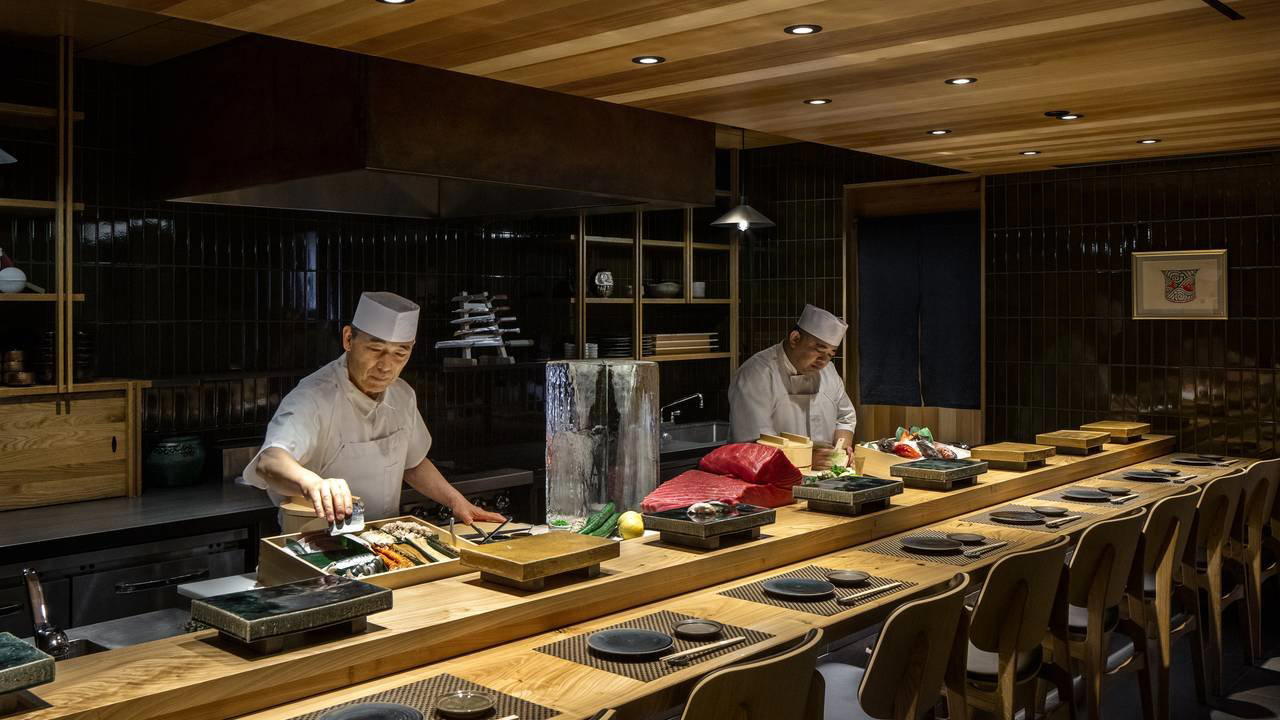
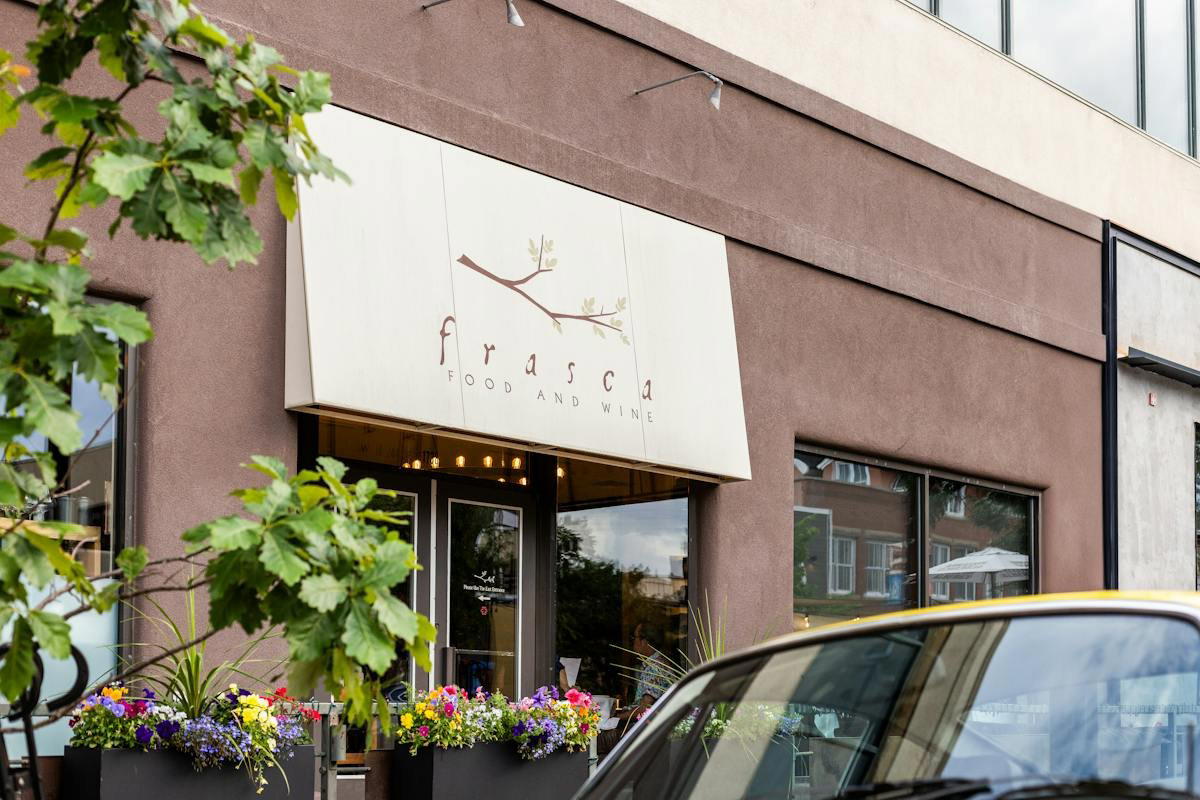
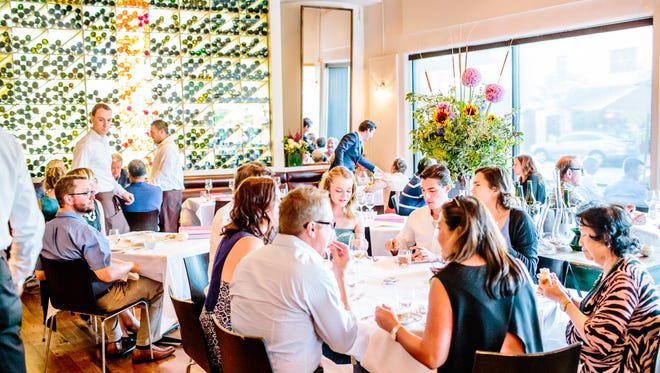
Rich warm wood tones create a welcoming atmosphere blending traditional Japanese architecture with contemporary flare.
Know Before You Go
- Getting there
- 14302 E Cedar Ave B, Aurora, CO 80012