Michael Caines at The Stafford


1 Michelin Star · AA Rosettes 3 Rosettes
Our verdict
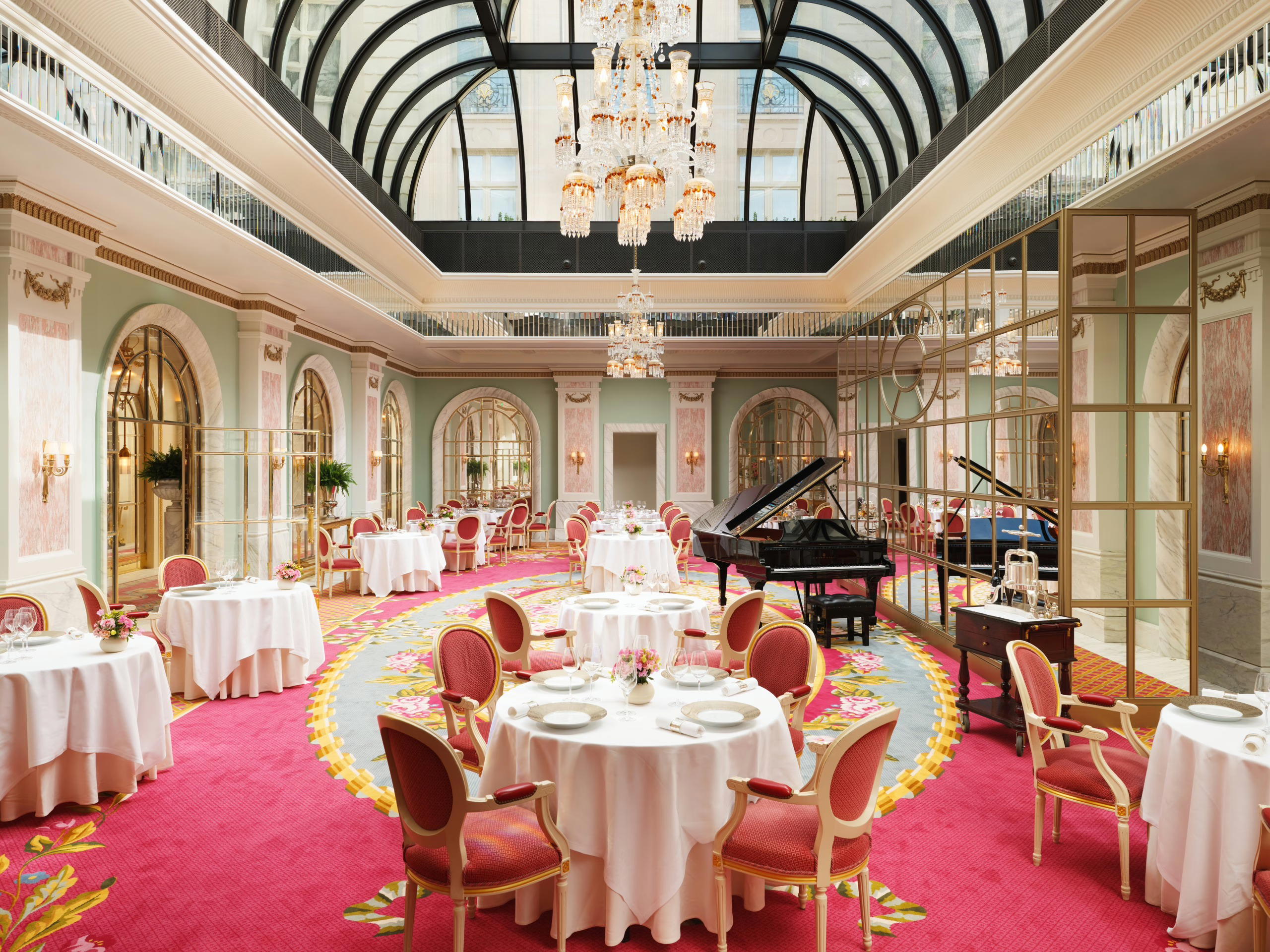
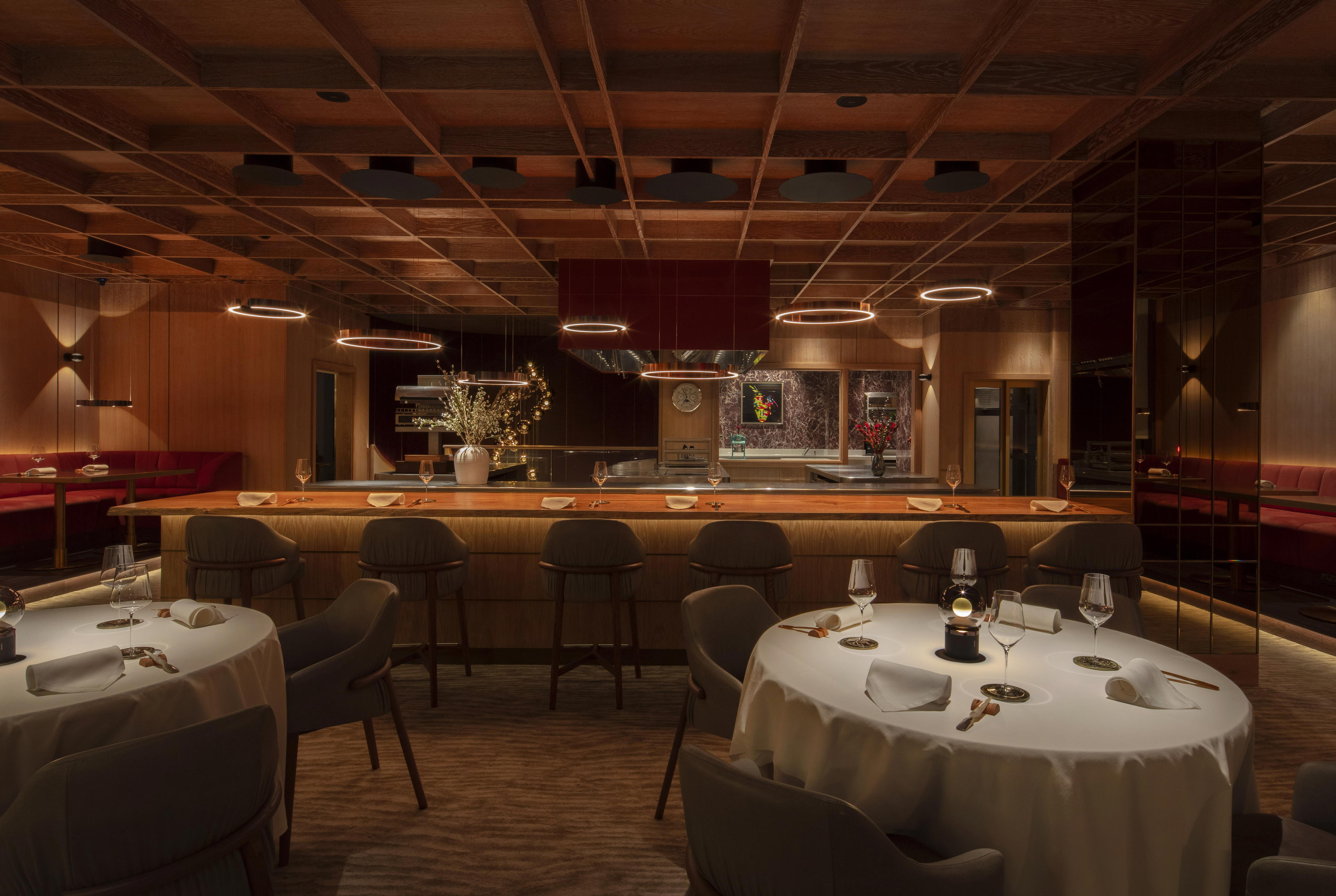
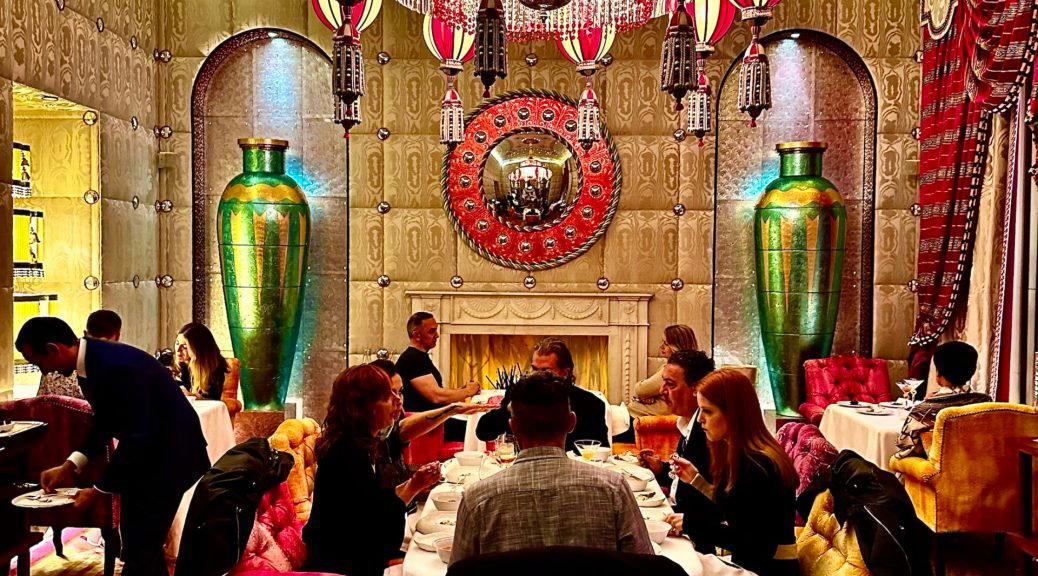
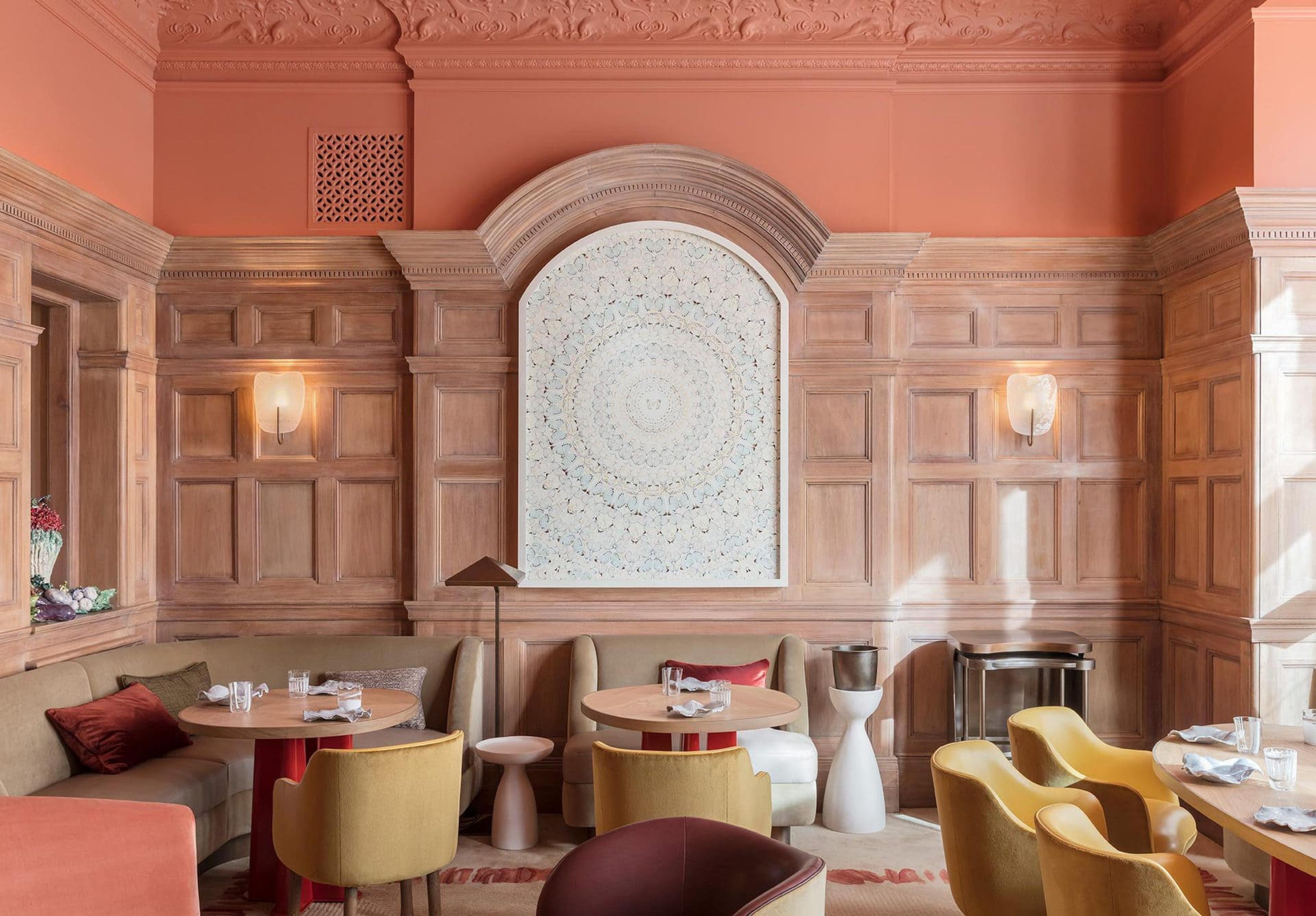
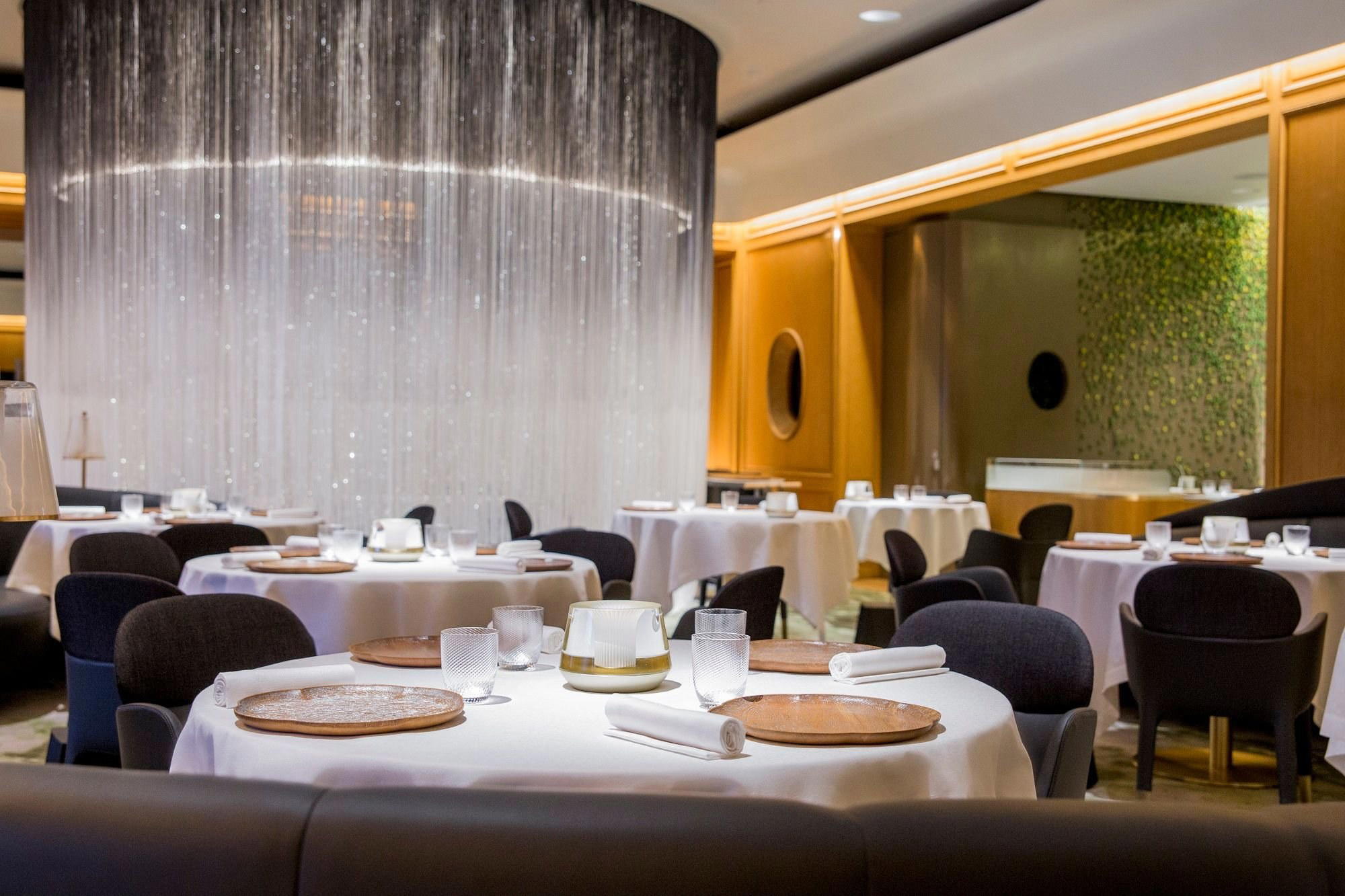
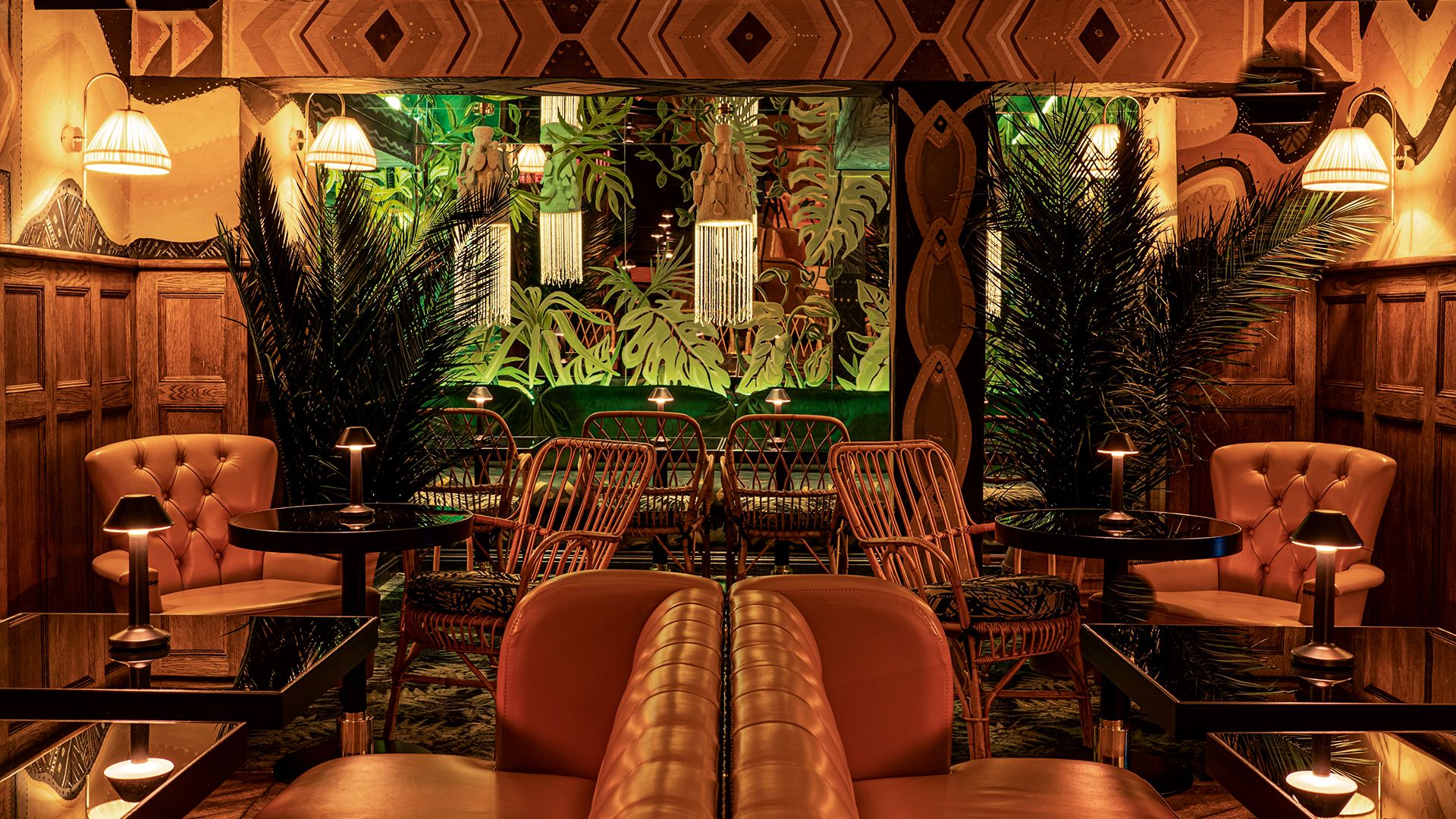
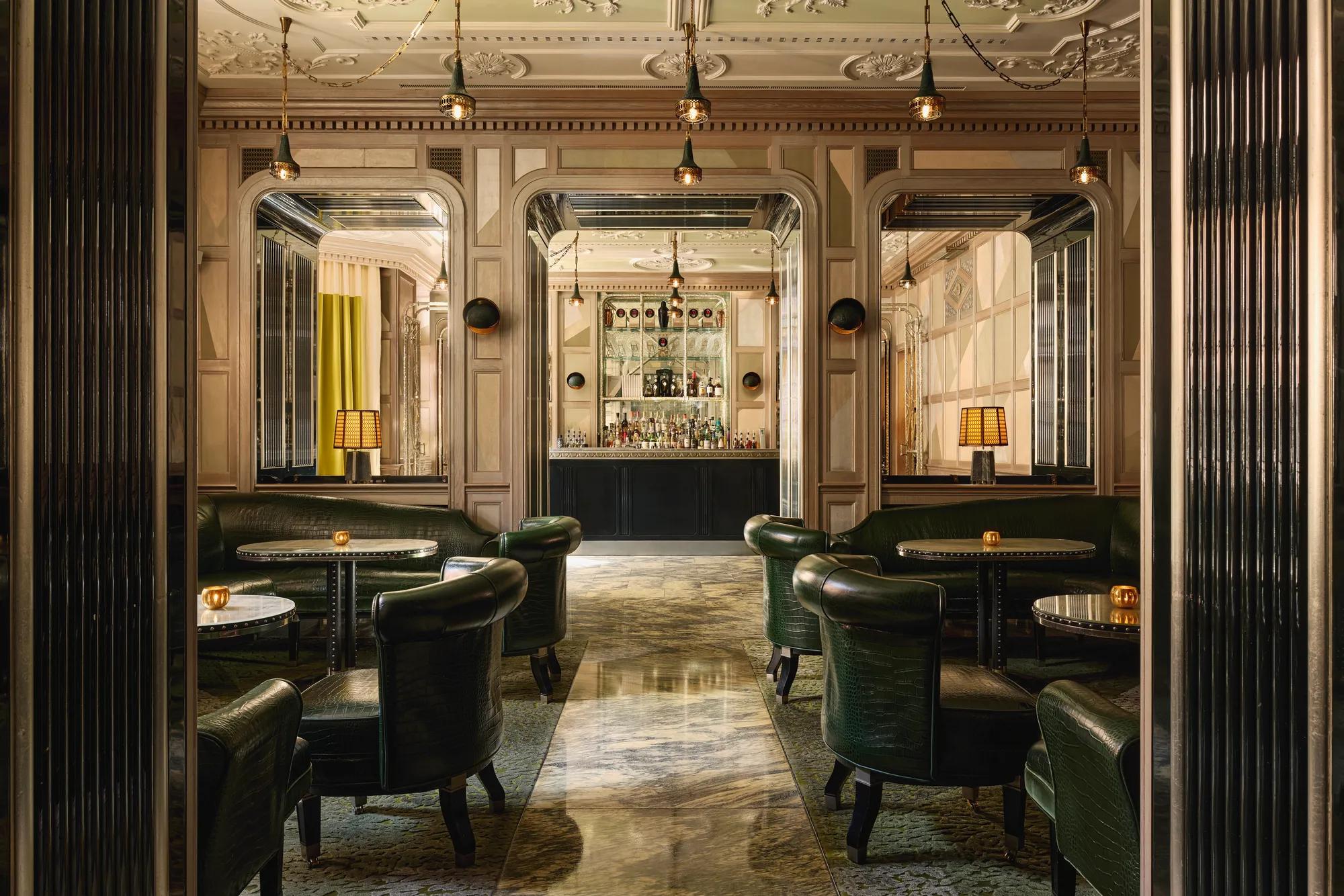
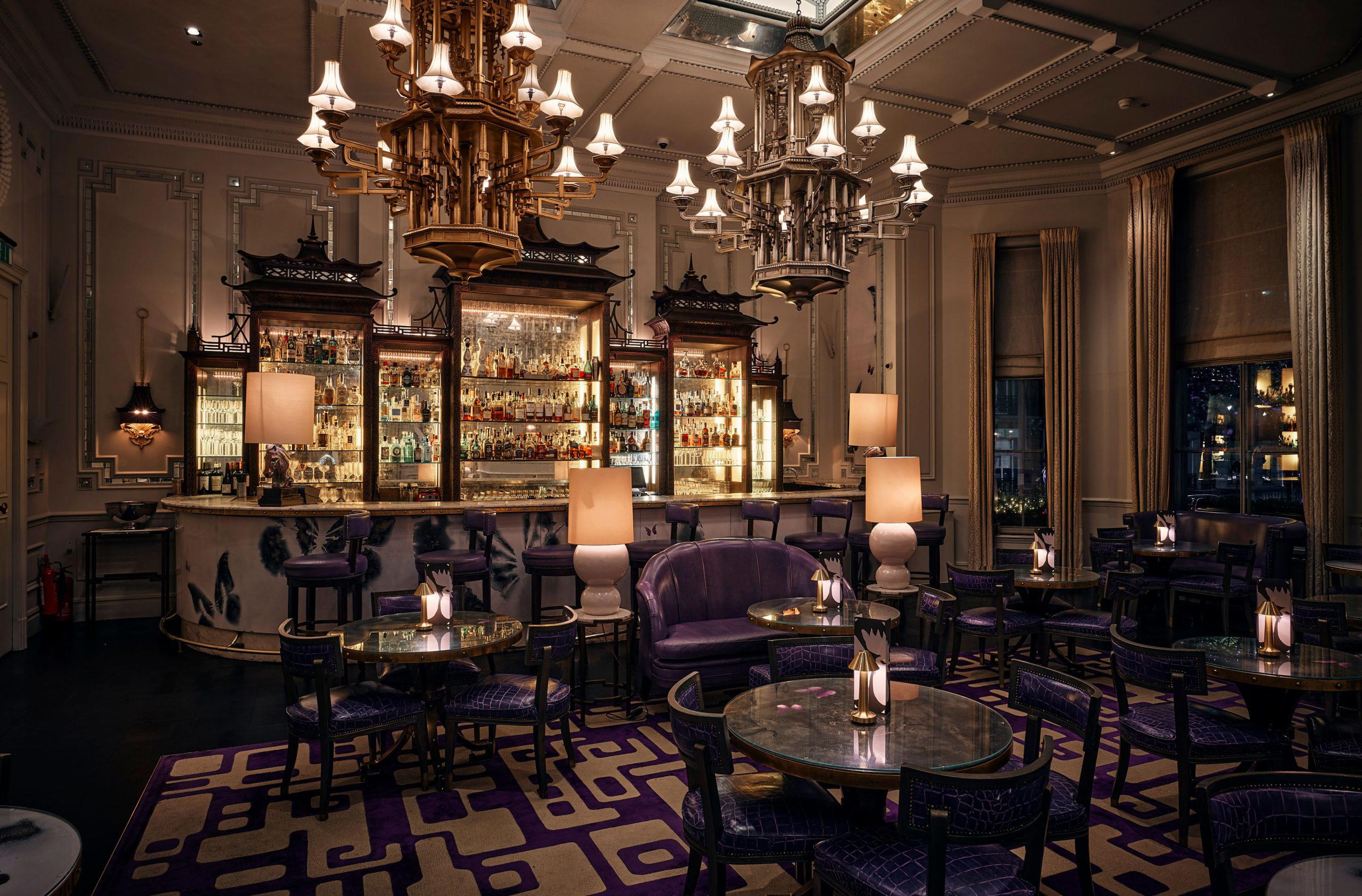
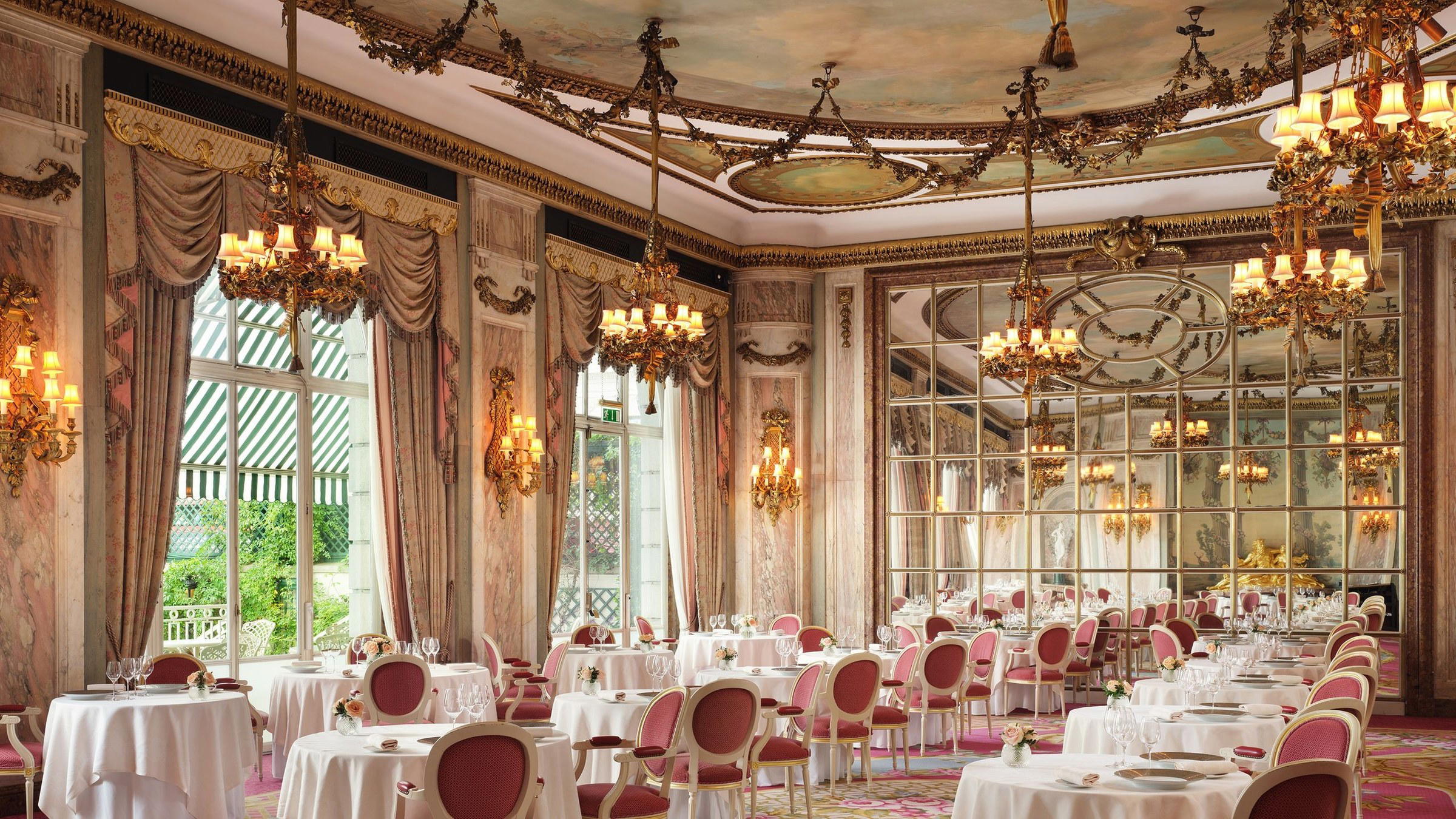
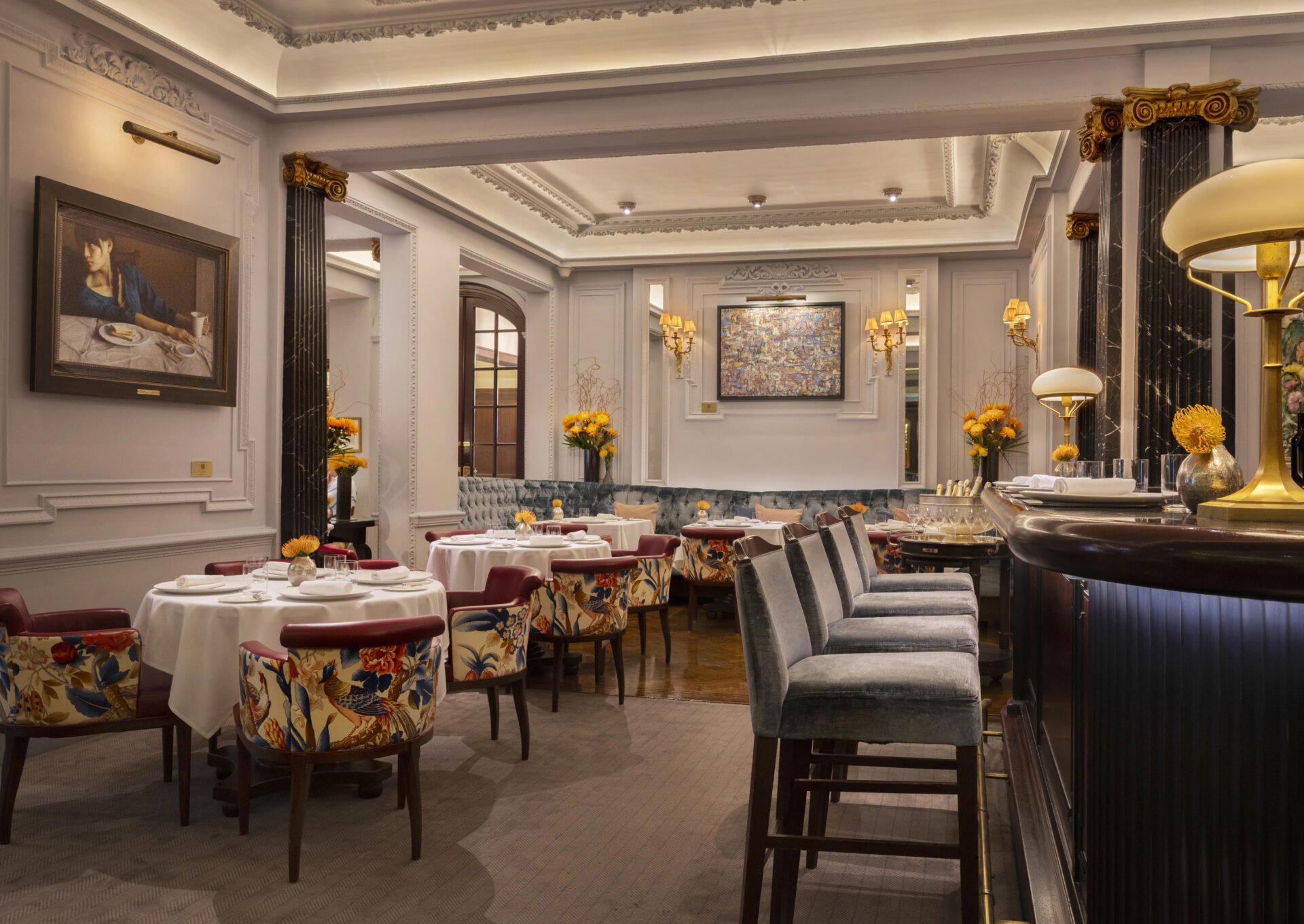
Michael Caines at The Stafford brings the Devon-rooted cooking style of one of Britain's most decorated chefs into the heart of St James's. Housed inside The Stafford hotel, a property so discreet it rewards those who seek it out, the restaurant splits between Stafford Classics like tableside beef Wellington and Caines signatures such as crab and mackerel tart. The 400-year-old wine cellars beneath add a further dimension to any serious meal here.

Pearl is the En Primeur Club membership app — saves, bookings, and concierge access live there. Same editors, same standards.
- Address
- 16-18 St James's Pl, London SW1A 1NJ, United Kingdom
- Phone
- +44 20 7518 1234
- Hours
- Mon 12 AM–4:30 PM, 6–10 PMTue–Fri 12–2 PM, 2:30–4:30 PM, 6–10 PMSat 12:30–4:30 PM, 6–10 PMSun 2:30 PM–12 AM
- Website
- thestaffordlondon.com
- Directions
- Get directions
- Booking
- Book on OpenTable
The menu
What to order
- Pan-roasted Brixham turbot and shellfish chowder
- Stafford Beef Wellington
- Warm lobster salad
A Devon Kitchen in a St James's Drawing Room
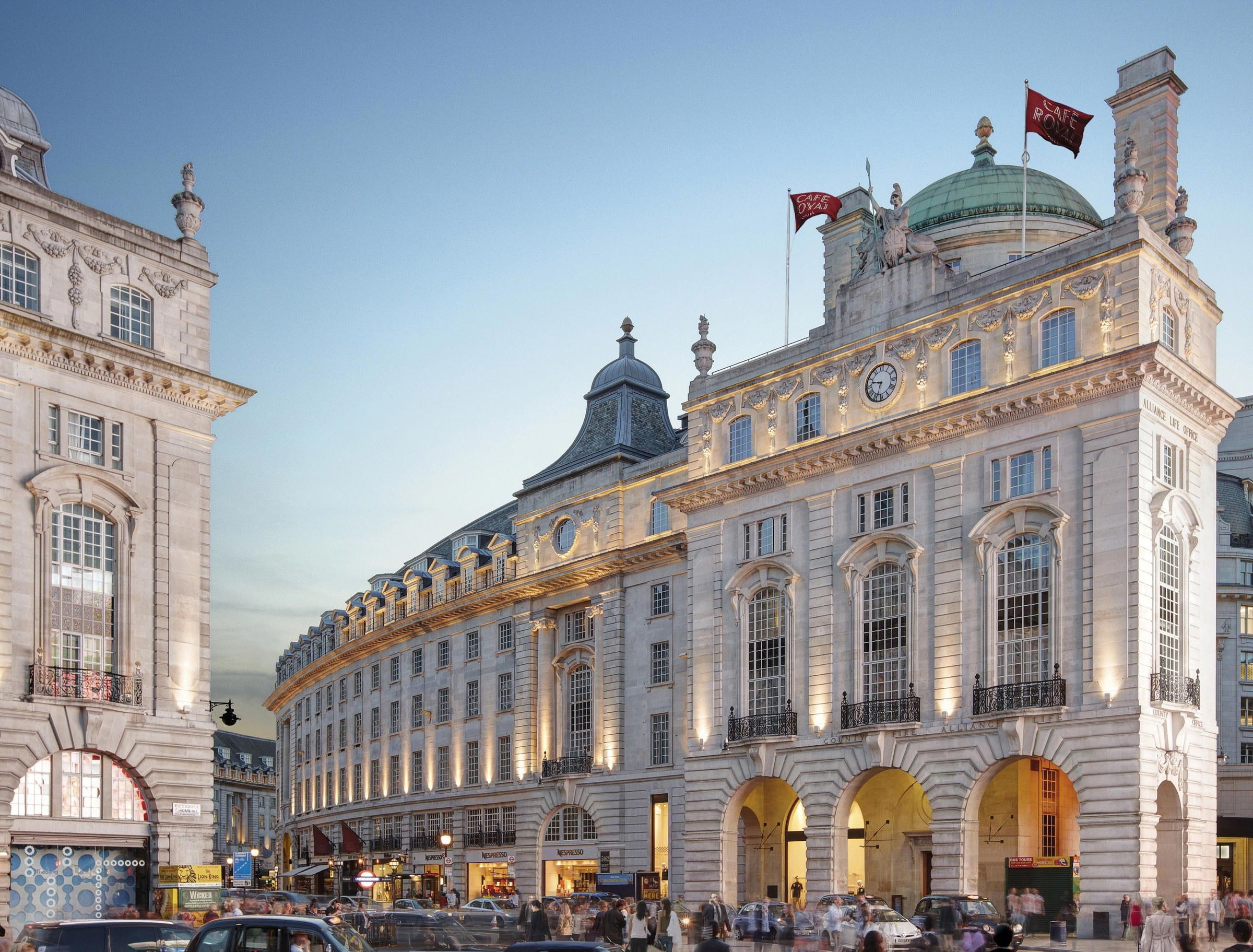
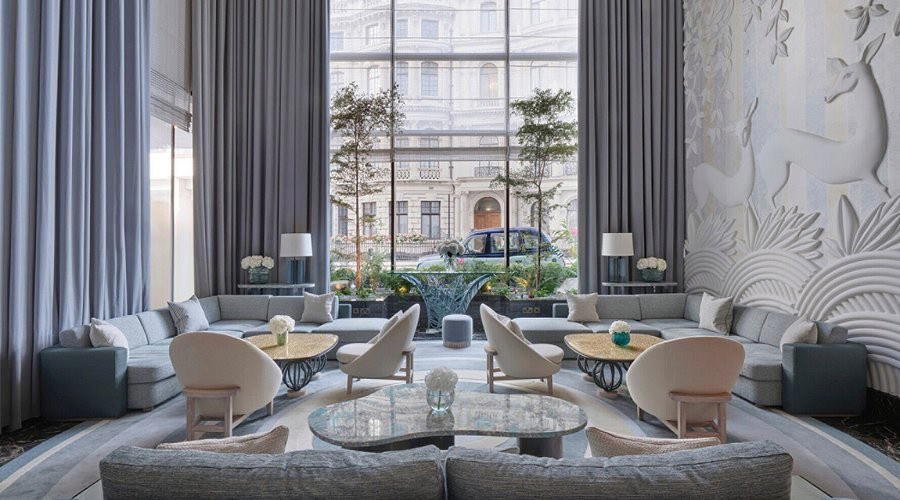
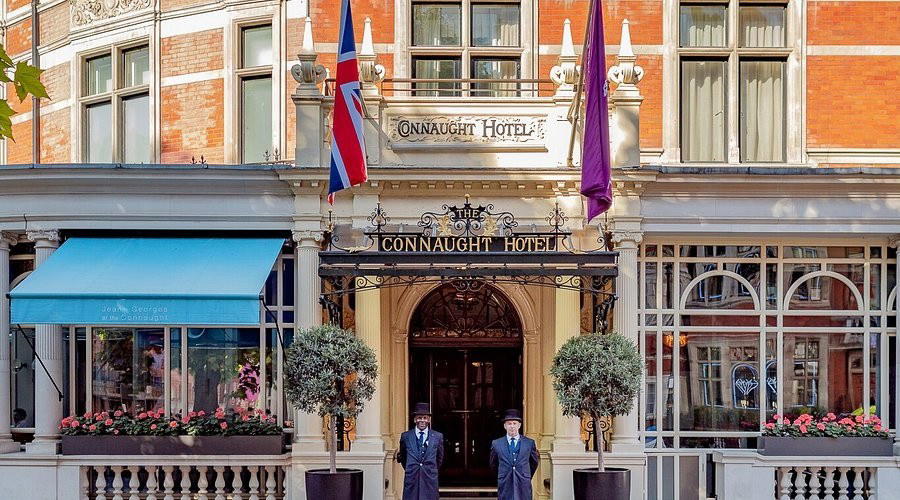
London's fine dining tier has long operated on a particular set of assumptions: that serious cooking requires a conspicuous address, a high-design room, and a reservation that feels like a small victory. Michael Caines at The Stafford works against several of those assumptions at once. The restaurant sits inside a hotel at 16–18 St James's Place, a short walk from Green Park yet far enough off the main thoroughfare that first-time visitors often feel they have discovered something the rest of the city has not fully registered. That feeling, as it turns out, is part of the point.
What Caines brings to this room is a cooking sensibility shaped by the south-west of England, where sourcing from the surrounding land and sea has always been less a trend than a working practice. Devon's food culture is built around short supply chains: fish landed on the same morning it is cooked, dairy from herds a few miles away, produce from farms with names that chefs actually know. Transplanting that logic into central London is harder than it sounds, and the most interesting question about this restaurant is how much of that sourcing discipline survives the move. Among the city's ££££-tier restaurants, very few anchor their identity so explicitly to a regional provenance outside London itself. CORE by Clare Smyth draws on Northern Irish and British produce traditions, and Dinner by Heston Blumenthal sources historically across Britain, but a Devon-specific identity at this price point is a narrower and more specific claim.
Sourcing, Provenance, and the Sustainability Argument
The broader shift in British fine dining over the past decade has moved from provenance as a marketing phrase toward provenance as a structural commitment: fewer suppliers, longer relationships, less waste designed into menus rather than managed after the fact. Restaurants at this level are increasingly judged not just on what arrives at the table but on what decisions were made before the produce left the farm or the boat. In that context, a kitchen rooted in Devon's coastal and agricultural supply chains carries a credibility that more cosmopolitan sourcing programmes sometimes lack. The crab and mackerel tart that appears among Caines's signatures is a useful illustration: both species are plentiful in south-west English waters, neither requires the food-miles of imported luxury seafood, and the combination asks the kitchen to find complexity in restraint rather than in rarity. That is, broadly, what responsible sourcing looks like when it is expressed through cooking rather than through a press release.
The wine programme deserves attention in the same frame. The Stafford's cellars date back 400 years and sit beneath the hotel, offering storage conditions that very few London restaurants can match without significant construction. A cellar of that age tends to accumulate bottles from producers across multiple decades, which means the list leans toward established houses with track records rather than toward natural wine or low-intervention producers. Whether that aligns with a sustainability-forward framing depends on how you weight the environmental case for longevity and reduced turnover against the arguments for organic or biodynamic production. Both are legitimate positions. What is clear is that depth of cellar at this level is rare, and the wine offer here operates in a different register from most of its St James's peers.
The Menu Structure and What It Signals
Menu divides into two tracks: Stafford Classics and Caines signatures. The Classics section, anchored by tableside beef Wellington, belongs to a tradition of hotel dining that values ceremony alongside cooking, where carving at the table is as much about the experience of the room as it is about temperature control. That tradition has been largely displaced in London's newer fine dining rooms, which tend to treat tableside service as either retro theatre or an impediment to precision. Its presence here is a deliberate positioning choice, placing the restaurant closer to institutions like Le Manoir aux Quat' Saisons than to the more austere counter-service formats that have proliferated at the upper end of London dining.
Caines signature dishes work in a different register: technically focused, ingredient-led, and built around south-west produce. That dual structure is either a smart hedge or a genuine curatorial choice, depending on your view. It means the restaurant can serve a conservative hotel guest who wants something familiar and a more engaged diner who wants to track what Caines is doing with Devon sourcing. Among comparable London rooms, Sketch's Lecture Room and Library and Restaurant Gordon Ramsay operate at a similar price ceiling but without the same regional anchoring or the two-track menu format.
Where This Sits in the London Scene
London's hotel restaurant tier has historically underperformed relative to the city's standalone fine dining. The reasons are structural: hotel kitchens serve breakfast, room service, and multiple dining formats simultaneously, which fragments attention and resources. The stronger hotel restaurants in the city tend to be those where the chef operates with meaningful autonomy and the hotel's identity reinforces rather than dilutes the food story. At The Stafford, the discreet, members'-club atmosphere of St James's maps plausibly onto the Devon-rooted, ingredient-focused cooking that Caines represents. The register is consistent in a way that, say, a destination-hotel restaurant in a busier part of the city might not achieve.
For context on where the Caines model sits nationally, his work at Gidleigh Park in Chagford established the Devon fine dining template that this London outpost draws from. The challenge of translating that to the capital is well-documented in British food culture: restaurants like L'Enclume in Cartmel and Moor Hall in Aughton have maintained their regional identity partly by staying put. The Fat Duck in Bray and Hand and Flowers in Marlow work similarly. A London address changes the competitive and logistical context considerably, which makes the Stafford version the more pressured and, for that reason, the more interesting proposition to assess.
Readers building a broader picture of London's serious dining options can consult our full London restaurants guide, while those planning an extended visit should also look at our London hotels guide, bars guide, wineries guide, and experiences guide. For international comparisons at a similar level of technical ambition, Le Bernardin in New York City and Atomix in New York City represent the range of what ingredient-focused fine dining looks like at the top of the market.
Planning Your Visit
The restaurant is at 16–18 St James's Place, SW1A 1NJ, close to Green Park station. The location inside The Stafford hotel means the room operates at a pace and volume calibrated for intimacy rather than throughput, so booking ahead is advisable, particularly for evenings and weekends. The dual menu format means there is flexibility for different guest priorities, though the signature Caines dishes are the more specific reason to come here rather than to one of the broader hotel dining rooms in the area. The wine cellars are a genuine asset: given their age and depth, it is worth asking the sommelier for guidance rather than defaulting to the shorter by-the-glass list. St James's is walkable from Mayfair and Belgravia, and the neighbourhood's relative quiet in the evenings makes the restaurant feel more removed from central London than the geography strictly warrants.
Frequently asked questions
Is Michael Caines at The Stafford award-winning?
Michael Caines at The Stafford has received recognition including: Bringing a little part of Devon into St James’s, this first London venture from renowned chef Michael Caines is a discreet, intimate sort of place inside a hotel so tucked away it gives you the feeling of being ‘in the know’. Choose between….
What part of town is Michael Caines at The Stafford in?
Michael Caines at The Stafford is located at 16-18 St James's Pl, London SW1A 1NJ, United Kingdom, London.
What should I order at Michael Caines at The Stafford?
The menu divides into two clear tracks. The tableside beef Wellington represents the Stafford Classics strand, a format with deliberate old-school authority. On the Caines signatures side, the crab and mackerel tart is the dish most cited for technical precision, with the kitchen balancing intensity against restraint. The wine list draws from a 400-year-old cellar, so lean on it rather than treating it as an afterthought.
Do I need a reservation for Michael Caines at The Stafford?
Given that the room inside The Stafford is described as discreet and intimate, covers are limited by design. Walk-ins are a risk not worth taking, particularly for dinner. The hotel location in St James's Place, SW1A 1NJ, draws both hotel guests and outside diners, which compresses availability. Book ahead, especially for weekends.
What do critics highlight about Michael Caines at The Stafford?
The recurring point is the contrast between the cooking's Devon-rooted provenance and the St James's address — a first London venture from Caines that trades on specificity rather than spectacle. Critics note the dual-track menu as a structural decision, not a compromise, with the Stafford Classics format holding its own against the chef's signatures. The 400-year-old wine cellars consistently draw attention as a serious asset rather than decorative detail.
Awards and Standing
Comparable venues nearby, for context on price, style, and recognition.
| Venue | Cuisine | Price | Awards | Notes |
|---|---|---|---|---|
| Michael Caines at The StaffordThis venue — the venue you are viewing | Modern European with British Terroir | $150–200 | 1 Michelin Star · AA Rosettes 3 Rosettes | Not listed |
| Kitty Fishers | Modern British Wood-Fired | $50–100 | The Good Food Guide GFG Good | Mayfair |
| 67 Pall Mall | Modern British Fine Dining | $100–150 | World's Best Wine Lists Awards WBWL 3-Star | St. James's |
| Aqua Shard | Contemporary British | $100–150 | Michelin Plate | Borough |
| The Portrait by Richard Corrigan | Modern British Fine Dining | $50–100 | The Good Food Guide GFG Very Good | Charing Cross |
| Holborn Dining Room | Modern British Brasserie | $50–100 | World's Best Wine Lists Awards WBWL 2-Star | Lincoln's Inn |
Recognition history
Dated appearances from independent guides and award organizations, with the underlying list record or original source where available.
Michelin 1 Star
Michelin
AA Rosettes 3 Rosettes
AA Rosettes