A compact bistro address on Rue Lekain in central Nantes, Le Petit Boucot operates within the city's tradition of neighbourhood dining rooms where the ritual of the meal matters as much as the plate. The format is intimate and unhurried, placing it in a different register from Nantes's larger modern cuisine destinations. For visitors working through the city's restaurant scene, it represents a more grounded point of entry.
Pearl is the En Primeur Club membership app — saves, bookings, and concierge access live there. Same editors, same standards.
- Address
- 3 Rue Lekain, 44000 Nantes, France
- Phone
- +33253970404
- Website
- lepetitboucot.com
- Directions
- Get directions
 Saves & bookings on Pearl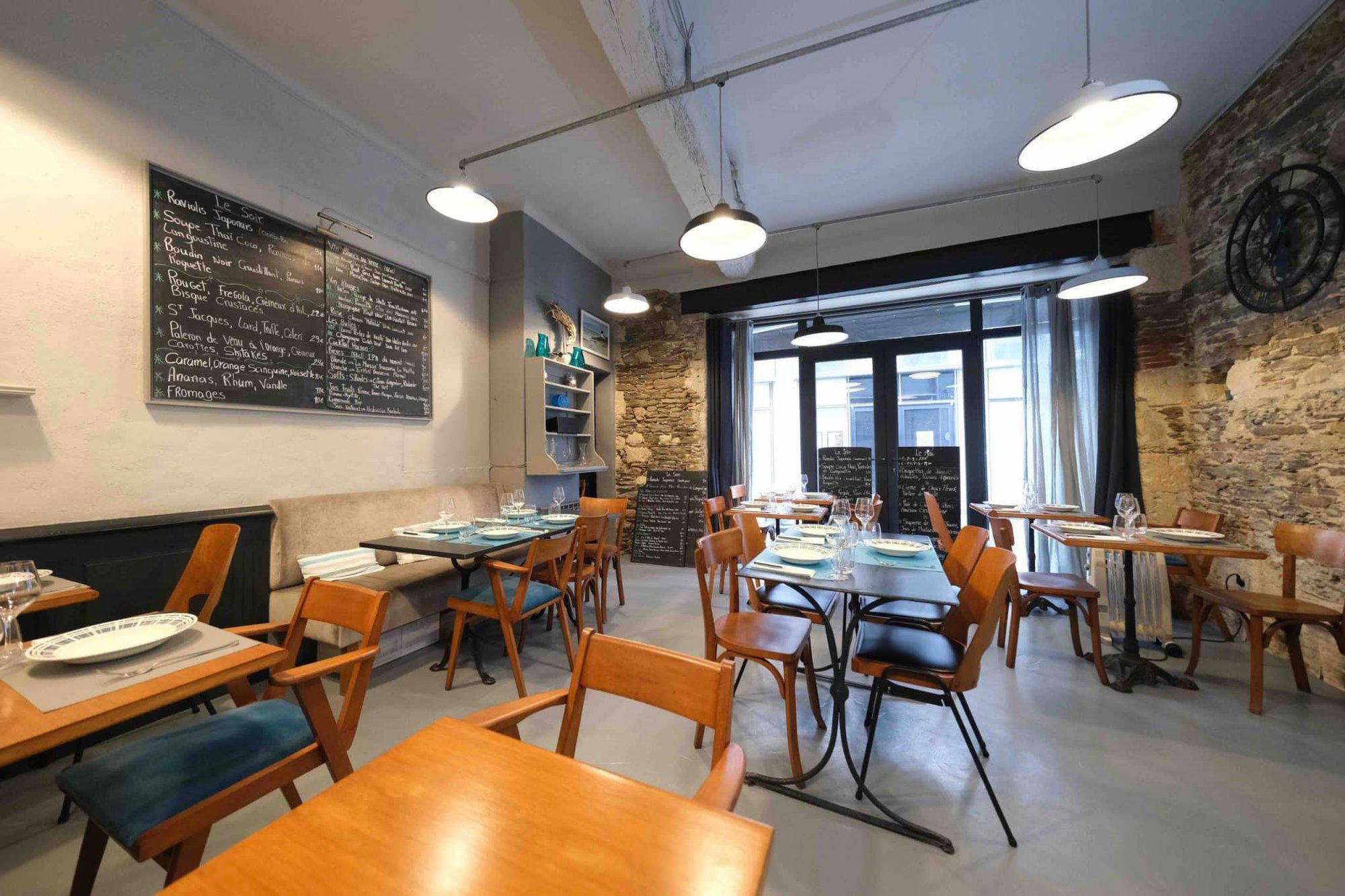
The Street, the Room, the Rhythm
Rue Lekain sits in a part of central Nantes where the restaurant density is high enough that a visitor could walk past a dozen addresses before settling on one. The bistro format that Le Petit Boucot represents is a specific French institution: a room that prizes the tempo of service over spectacle, where the gap between courses is long enough to finish a conversation but not so long that the evening loses its momentum. In French urban dining, this pacing is not accidental. It is the architecture of a meal that assumes the table is yours for the evening.
That assumption separates the neighbourhood bistro from faster casual formats on one side and from the tasting-menu houses on the other. Nantes has both. L'Atlantide 1874 - Maison Guého operates at the €€€€ tier with modern cuisine built around structured tasting sequences. Freia sits at €€€ with a creative format that demands attention and sequential engagement. A bistro at the smaller end of that spectrum asks for neither the budget nor the concentration. It asks, instead, for time.
Bistro Dining as Ritual
The French bistro ritual has been documented, theorised, and occasionally mourned across decades of food writing, but it persists because the format is genuinely useful. A mid-sized room, a menu that changes with market availability, a wine list that does not require a sommelier consultation to understand: these are not compromises but intentions. The ritual begins before the food arrives, in the way a table is set and the way a server reads the pace of the guests. A well-run bistro adjusts to that pace rather than imposing one.
This is the tradition in which an address like Le Petit Boucot participates. Le Petit Boucot is a creative seasonal French bistro at 3 Rue Lekain in Nantes, with a smart casual dress code, an essential reservation policy, and a price of about $25 per person. Nantes sits sixty kilometres from the Atlantic coast, and the city's dining identity has long reflected that proximity. The kitchen vocabulary of the region runs through oysters from the Pays de la Loire coast, pike and eel from the Loire itself, and the beurre blanc that Nantes can reasonably claim as its signature sauce. Whether any given bistro in the city engages that tradition directly or obliquely, the reference is always present.
Where Le Petit Boucot Sits in the Nantes Scene
Nantes's restaurant ecosystem has diversified considerably over the past decade. The city now has modern cuisine addresses working at high levels of technical ambition, alongside Asian contemporary formats, farm-to-table rooms, and a growing number of casual neighbourhood addresses positioned at the €€ tier. The restaurant, at its Rue Lekain address, belongs to the neighbourhood end of that spectrum rather than the destination-dining end.
That positioning matters for how you approach the evening. The addresses that attract visitors from outside Nantes, places like LuluRouget or Les Cadets, operate with an awareness of their external reputation and price accordingly. A bistro at the smaller end of the market operates primarily for the neighbourhood and prices accordingly. That difference in orientation tends to produce a different quality of hospitality: less performative, more direct.
The Bistro Format in a National Context
France's bistro tradition operates at a different register from the country's haute cuisine institutions. The Michelin-starred houses that define French fine dining internationally, addresses like Mirazur in Menton, Troisgros in Ouches, or Bras in Laguiole, carry decades of institutional weight and the expectation of a codified dining experience. The bistro operates without that scaffolding. Its legitimacy comes from consistency, from the regularity of a good lunch on a Tuesday rather than a memorable occasion once a year.
That contrast is part of what makes France's food culture coherent across different price points. The craft of a well-executed plat du jour in a fifteen-table room draws on the same culinary vocabulary as a three-star kitchen, even if the scale and formality differ entirely. Celebrated French institutions like Auberge de l'Ill or Paul Bocuse's Auberge du Pont de Collonges exist within the same culinary culture as the neighbourhood bistro, even if the distance in price and ceremony is vast. The techniques travel down the ladder. The sauces, the sourcinghabits, the understanding of what a properly rested piece of protein looks like: these are shared assumptions.
For travellers who have spent time at high-formality French addresses such as Alléno Paris au Pavillon Ledoyen or Assiette Champenoise in Reims, the bistro represents not a step down in interest but a shift in what the meal is doing. The information density is lower. The pleasure is more immediate. The evening does not ask you to pay attention in the same way.
Planning a Visit
The restaurant is located at 3 Rue Lekain in central Nantes, within walking distance of the historic core and accessible from the city's tram network. Nantes is two hours from Paris by TGV, which makes it a realistic destination for a long weekend built around regional French dining rather than a single high-ambition meal.
Reservations are essential. Smaller bistros in France often hold back a portion of covers for walk-ins, and the leading seats at quiet service times frequently go to guests who arrive without a reservation. Timing matters: a weekday lunch in a neighbourhood bistro operates at a different pace from Friday dinner, and the kitchen's focus tends to be sharper at services where the room is not completely full.
Visitors building a wider itinerary around French dining at different price points might also consider how Nantes compares with other French cities where the bistro tradition remains strong. The Loire Valley's proximity to Nantes places it within a broader regional food culture that extends east toward Tours and south toward the Vendée. For those whose dining interests extend to internationally decorated addresses, Flocons de Sel in Megève, AM par Alexandre Mazzia in Marseille, and Au Crocodile in Strasbourg each represent distinct regional registers of French fine dining worth mapping against a Nantes visit.
For those arriving from further afield, the Nantes bistro format will read as deliberately unpretentious. That is the point. The ritual of a bistro meal is precisely its refusal to perform.
What It’s Closest To
Comparable venues nearby, for context on price, style, and recognition.
| Venue | Cuisine | Price | Notes |
|---|---|---|---|
| Le Petit BoucotThis venue — the venue you are viewing | Creative Seasonal French Bistro | $$ | Not listed |
| Pilgrim | French Fusion Bistro with Global Street Food | $$ | Graslin |
| Bistrot de la Comédie | French Bistro | $$ | Mellinet |
| Battos | Modern French Bistro | $$ | Hauts-Pavés |
| La Passagère | French Tea House & Bistro | $$ | Graslin |
| Le Coin des Crêpes | Modern Breton Crêperie | $ | Décré - Cathédrale |
Continue exploring
More in Nantes
Restaurants in Nantes
Browse all →
Bars in Nantes
Browse all →
Hotels in Nantes
Browse all →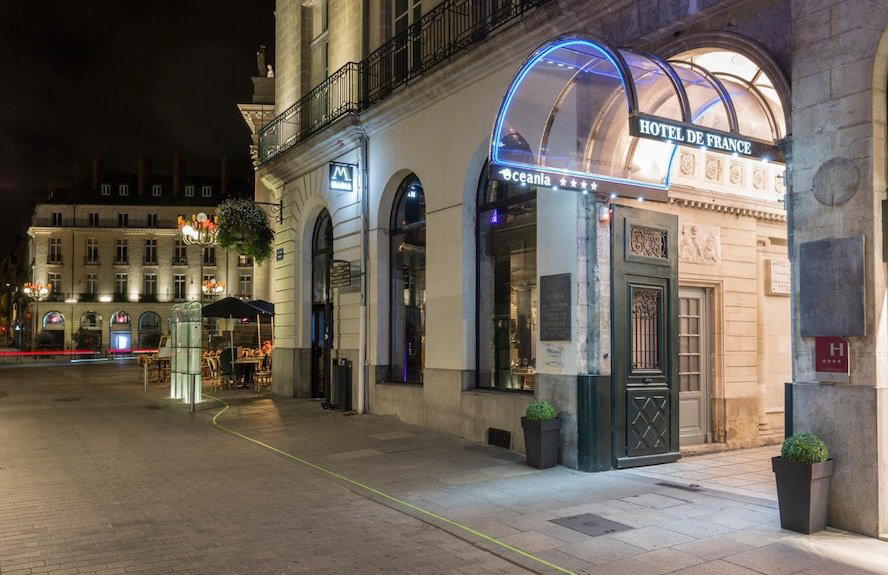

At a Glance
- Cozy
- Intimate
- Elegant
- Date Night
- Special Occasion
- Local Sourcing
Current opening hours
- Monday
- Closed
- Tuesday
- 12–1:45 PM
- Wednesday
- 12–1:45 PM
- Thursday
- 12–1:45 PM
- Friday
- 12–1:45 PM, 7–9:30 PM
- Saturday
- 7–9:30 PM
- Sunday
- Closed
Hours can change for holidays and private events. Last verified .
Relaxed yet refined bistro atmosphere with attentive service, described as warm, inviting, and not too bistro-like.