Mesiba

Michelin Plate
Our verdict
At the base of the Moxy Williamsburg hotel on Bedford Avenue, Mesiba translates its Hebrew name — party — into a Levantine dining room that draws as much on Tel Aviv's Bauhaus-inflected energy as on the wider Caucasian and Palestinian pantry. Chef Eli Buliskeria's menu moves from baba ganoush and falafel through Georgian khinkali and whole striped bass, earning.

Pearl is the En Primeur Club membership app — saves, bookings, and concierge access live there. Same editors, same standards.
- Address
- 353 Bedford Ave, Brooklyn, NY 11211
- Phone
- (929) 489-0150
- Hours
- Mon–Tue ClosedWed–Thu 5–10 PMFri–Sat 5–11 PMSun 5–10 PM
- Website
- mesibabk.com
- Directions
- Get directions
- Booking
- Book on OpenTable
The menu
What to order
- Eli’s Baba Ganoush 2.0
- Lamb neck
- Hummus cart
- Frena bread
- Knafeh
Where Levantine Tradition Meets Brooklyn's Dining Scene
Williamsburg has become one of Brooklyn's most contested dining corridors, where any new opening has to compete against a decade of accumulated restaurant ambition. The neighbourhood's appetite for Middle Eastern food has grown alongside that competition: from casual falafel counters on Bedford Avenue to more considered Levantine tables where the repertoire extends well beyond hummus. Mesiba, which opened at the base of the Moxy Williamsburg hotel at 353 Bedford Ave, arrived into that context and positioned itself at the more composed end of the spectrum — a sit-down dining room with a menu that draws from the broader Levant, the Caucasus, and the Palestinian pantry.
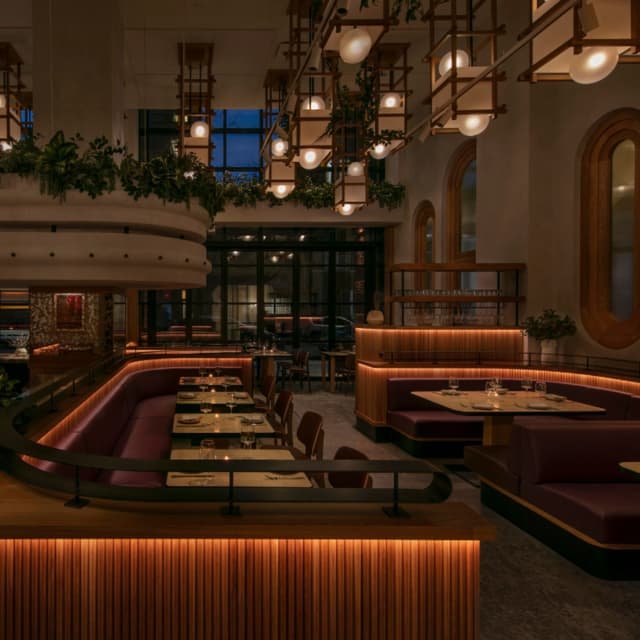
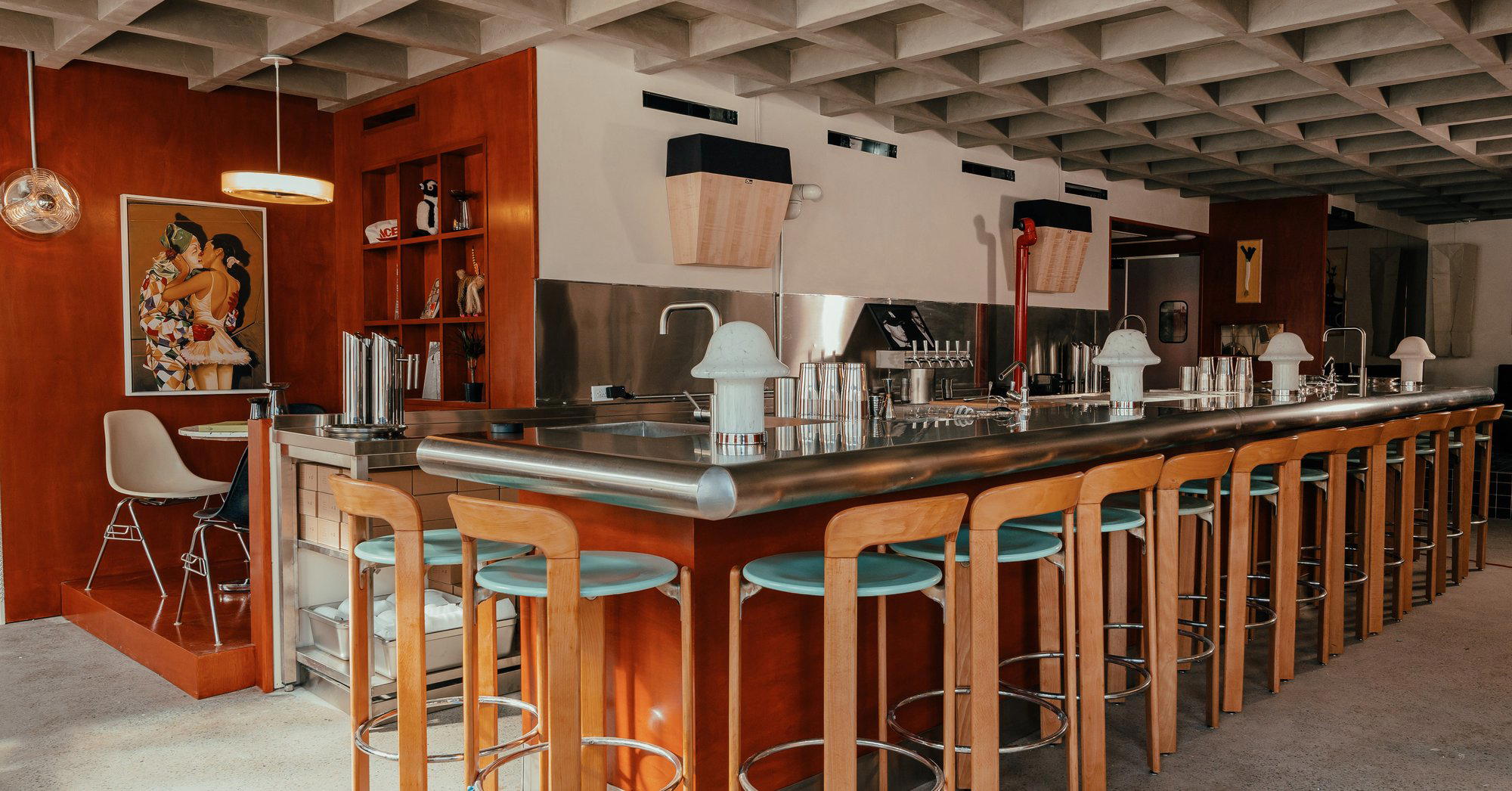
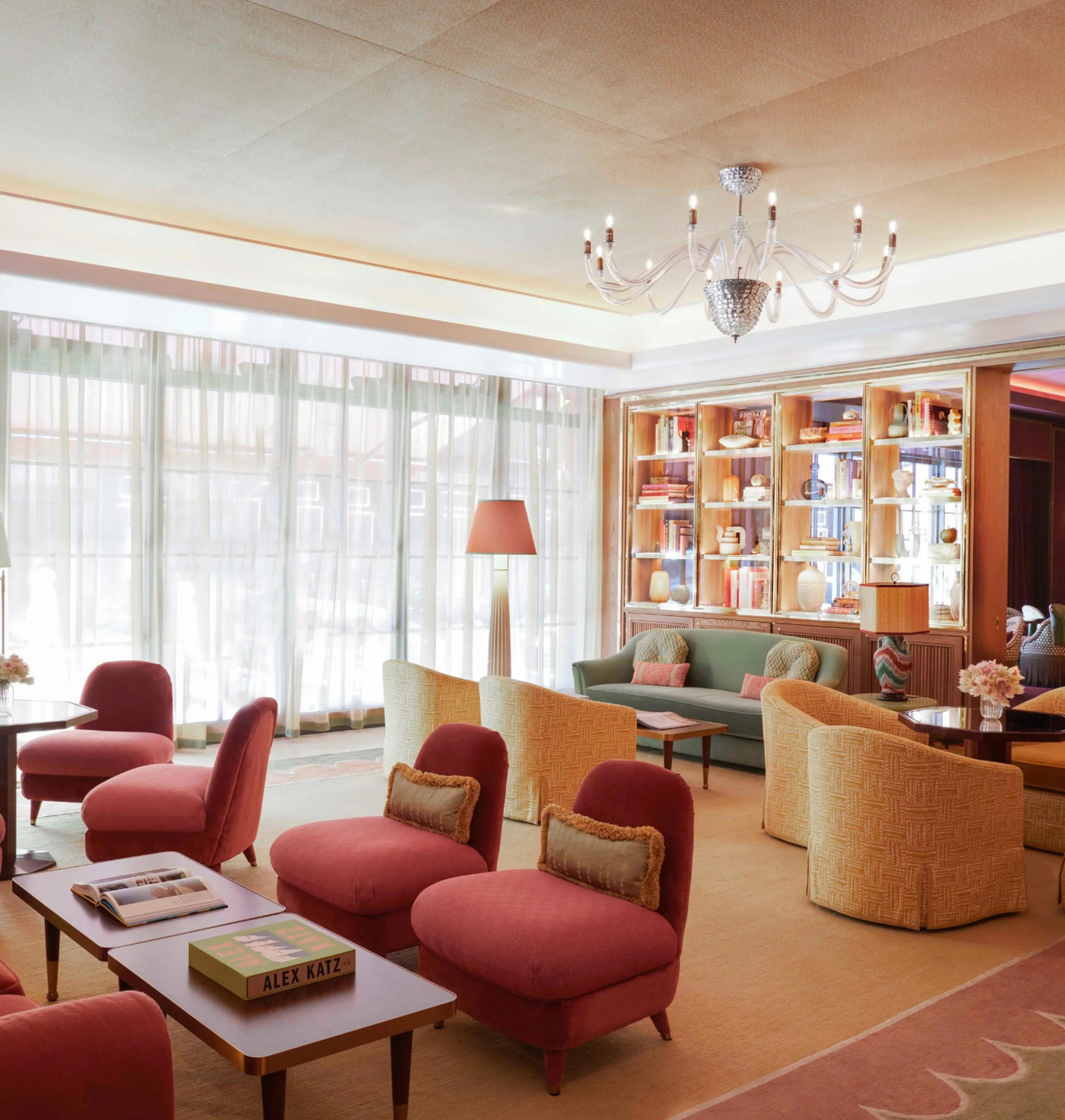
The name itself signals intent. Mesiba means party in Hebrew, and the room carries that register: lively, social, designed in a way that references Tel Aviv's Bauhaus-influenced architecture without becoming a theme exercise. The sleek, modernist interior holds the energy of a place where the food is taken seriously but the atmosphere doesn't ask you to be. Comparable Levantine restaurants in New York, such as Al Badawi, Ayat, and Kubeh, each stake a different claim on this culinary territory; Mesiba's distinguishing angle is a menu that reaches beyond the core Levantine repertoire into Georgian influence, anchored by the kind of communal, shared-table format that the broader Middle Eastern dining tradition has always favoured.
Bread, Sharing, and the Logic of the Table
In Levantine dining culture, the meal rarely begins with a single dish sent to a single person. It begins with the table: a spread of smaller preparations, things to tear and dip and pass. This is not a stylistic choice at restaurants like Mesiba; it is the structural logic of the cuisine. Bread — whether pita, lavash, or any of the flatbread variants that anchor the region's tables, is the instrument through which the meal is communally organized. The breaking of bread is not a metaphor here. It is a sequence, a pacing device, a reason to slow down.
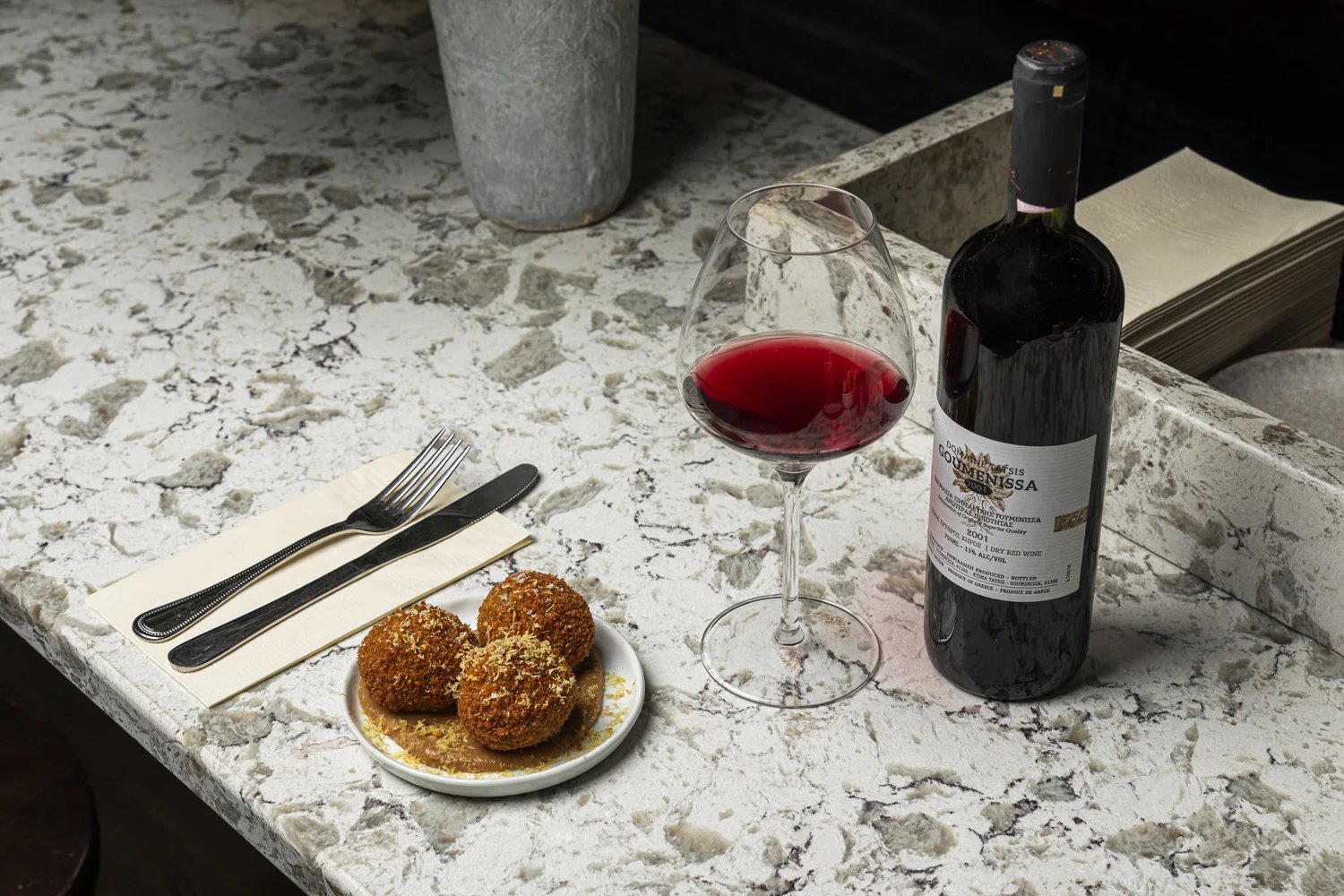
At Mesiba, that tradition informs how the menu is ordered and how the table fills. The baba ganoush arrives early, the charred aubergine spread functioning as both an opening statement and an invitation to the rest of the meal. Falafel, consistently cited as a required order, does the same work: it is foundational, calibrating, the kind of dish where execution reveals everything about a kitchen's standards. A falafel that is properly crisped on the outside and still green and herb-forward inside tells you the kitchen is working from scratch, from the right ratios, at the right temperature. Across a city where Mamoun's has long set the reference point for affordable falafel, a restaurant at the $$$ price tier needs to justify the distance, and the reports from Mesiba suggest its version does that work.
The Menu: Scope and Specificity
Chef Eli Buliskeria's menu is notable for the range it holds without losing coherence. The ktzitzot, red snapper skewers prepared with Palestinian za'atar, grounds the menu in specific regional tradition rather than a generalized Middle Eastern shorthand. Za'atar in its Palestinian form is a particular blend, one with geographical and cultural specificity, and its presence here signals a kitchen that is thinking precisely rather than broadly. The carrot zhoug alongside the whole crispy striped bass extends that logic: zhoug, the Yemeni chilli herb sauce, brings heat and brightness in a way that a generic lemon-herb preparation wouldn't.
The khinkali is the menu's most unexpected turn. These Georgian dumplings, thick-skinned, broth-filled, traditionally eaten by hand, appear alongside Levantine preparations without obvious dissonance, partly because the culinary geography of the Caucasus and the Levant share more historical common ground than Western diners often recognize, and partly because the dumpling format has deep resonance across the broader region. Comparing the approach here to the Eastern Mediterranean-focused menu at Bait Maryam in Dubai or the more Gulf-oriented Baron in Doha illustrates how differently restaurants can frame the same broad tradition depending on geography and audience.
The kreplach, dumplings filled with charred onion ricotta, served with spinach in a leek and butter-based sauce, represents the Ashkenazi thread in the menu's weave. Kreplach are Jewish dumplings with a long history in Eastern European cooking, and their presence alongside Georgian khinkali and Palestinian za'atar reflects the reality of Israeli cuisine as it has evolved: a cuisine assembled from migration, from communities that brought their food with them. The menu at Mesiba is, in that sense, a precise document of how Tel Aviv's restaurant scene actually works, not an approximation of it.
Basque cheesecake at the end of the meal has become something of a universal signal in contemporary Levantine-influenced restaurants: burnt, creamy, caramel-edged, it has migrated from its origins at La Viña in San Sebastián into menus across the Middle East and the broader diaspora. Its appearance here is not a non-sequitur; it is consistent with how the restaurant positions itself, global references, regional specificity, nothing forced.
Williamsburg's Dining Position and the $$$ Tier
New York's premium Middle Eastern dining operates across a wide price spread. At the leading end, tasting-menu formats at restaurants like Alinea in Chicago or The French Laundry in Napa represent a different register entirely, destination dining built around a single chef's conceptual signature. Mesiba sits in a middle tier that is neither casual counter service nor formal tasting menu. At $$$, it competes with the better neighbourhood restaurants in Brooklyn and lower Manhattan that offer serious food in social settings.
For context on how New York's broader culinary range maps across price points and cuisines, see our full New York City restaurants guide. For accommodation options in the city, our full New York City hotels guide covers the range from neighbourhood properties to flagship addresses. Further city planning resources include our full New York City bars guide, our full New York City wineries guide, and our full New York City experiences guide.
Mesiba is located at 353 Bedford Ave in Williamsburg, at the base of the Moxy hotel, which means it benefits from a degree of foot traffic and visibility that standalone neighbourhood restaurants don't always have. Hotel-adjacent dining in New York has improved considerably in recent years, the association with a hospitality group no longer signals compromise in the way it once might have, and Mesiba appears to be operating independently enough in culinary terms to hold its own. Reservations are advisable given the level of interest the restaurant has generated since opening. Seafood options and the Georgian dumpling course make it a reasonable choice for groups where dietary preferences vary across the table.
For further Levantine exploration in New York, Astoria Seafood offers a different angle on the city's Eastern Mediterranean seafood tradition. Comparisons across the US dining scene, from Emeril's in New Orleans to Lazy Bear in San Francisco, Providence in Los Angeles, and Single Thread Farm in Healdsburg, illustrate how regionally specific each city's dining culture has become, even as individual restaurants draw on global reference points.
What to Order at Mesiba
What should I eat at Mesiba?
Start with the falafel and baba ganoush before the table fills with larger preparations. The ktzitzot (red snapper skewers with Palestinian za'atar) and the whole crispy striped bass with carrot zhoug and tabila sauce are the kitchen's most direct statements on the menu's Levantine core. The kreplach, charred onion ricotta dumplings with spinach in a leek and butter sauce, are worth ordering for the way they sit at the intersection of Ashkenazi and broader Eastern European tradition. The khinkali represents the Georgian element of the menu. Close with the Basque cheesecake.
Recognition Snapshot
Comparable venues nearby, for context on price, style, and recognition.
| Venue | Cuisine | Price | Awards | Notes |
|---|---|---|---|---|
| MesibaThis venue — the venue you are viewing | Modern Levantine | $50–100 | Michelin Plate | Not listed |
| Sofreh | Modern Persian | $50–100 | Michelin Plate · James Beard Award Semi Finalist | Prospect Heights |
| Ayat | Palestinian | Not listed | Michelin Plate | New Dorp-Midland Beach |
| Eyval | Modern Persian | $50–100 | Not listed | East Williamsburg |
| Bowery Bungalow NYC | Modern Middle Eastern & Mediterranean | Not listed | Not listed | SoHo-Little Italy-Hudson Square |
| Il Buco Alimentari & Vineria | Rustic Italian Trattoria | $50–100 | Not listed | Greenwich Village |
Recognition history
Dated appearances from independent guides and award organizations, with the underlying list record or original source where available.
Michelin Plate
Michelin
Continue exploring
More in New York City
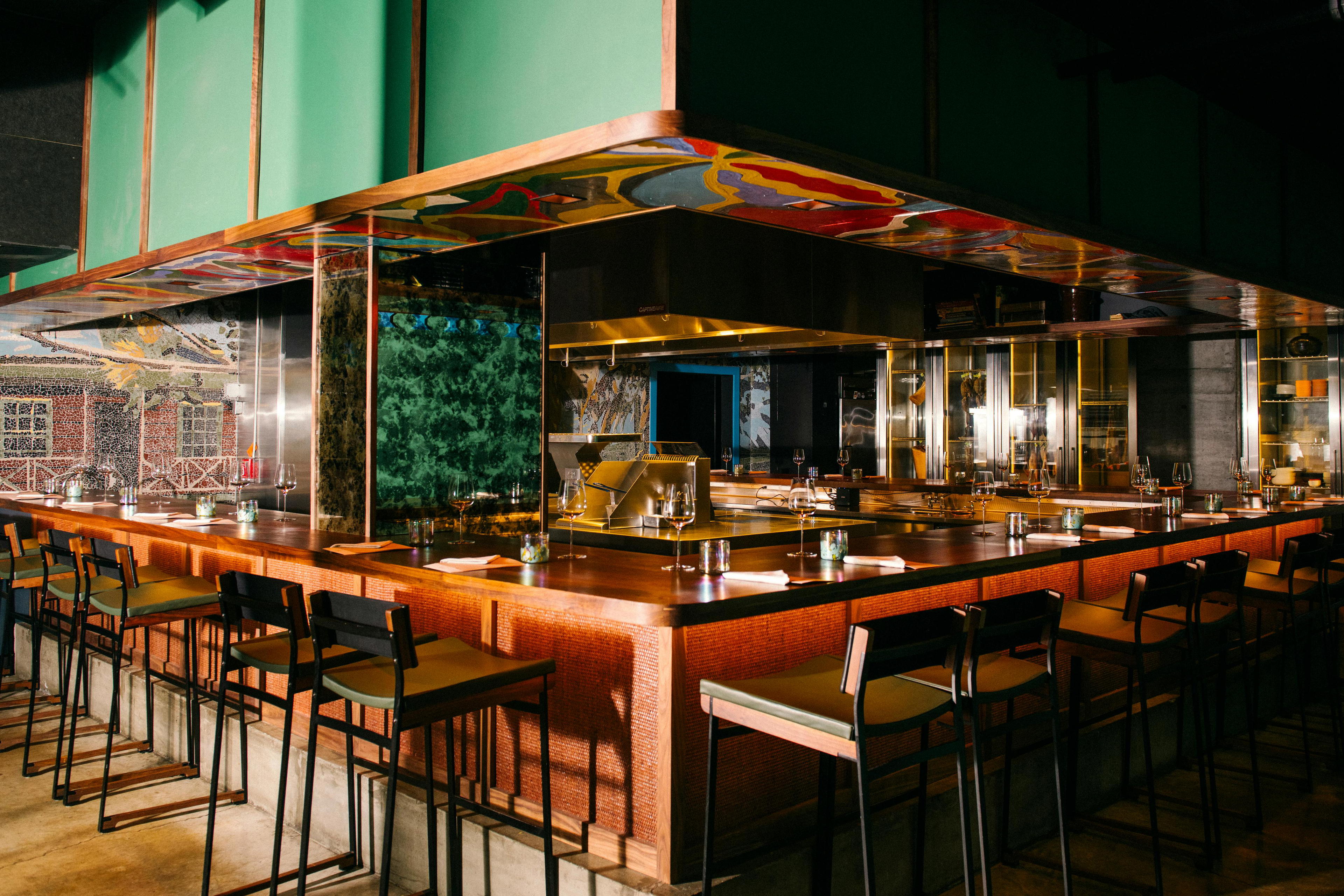
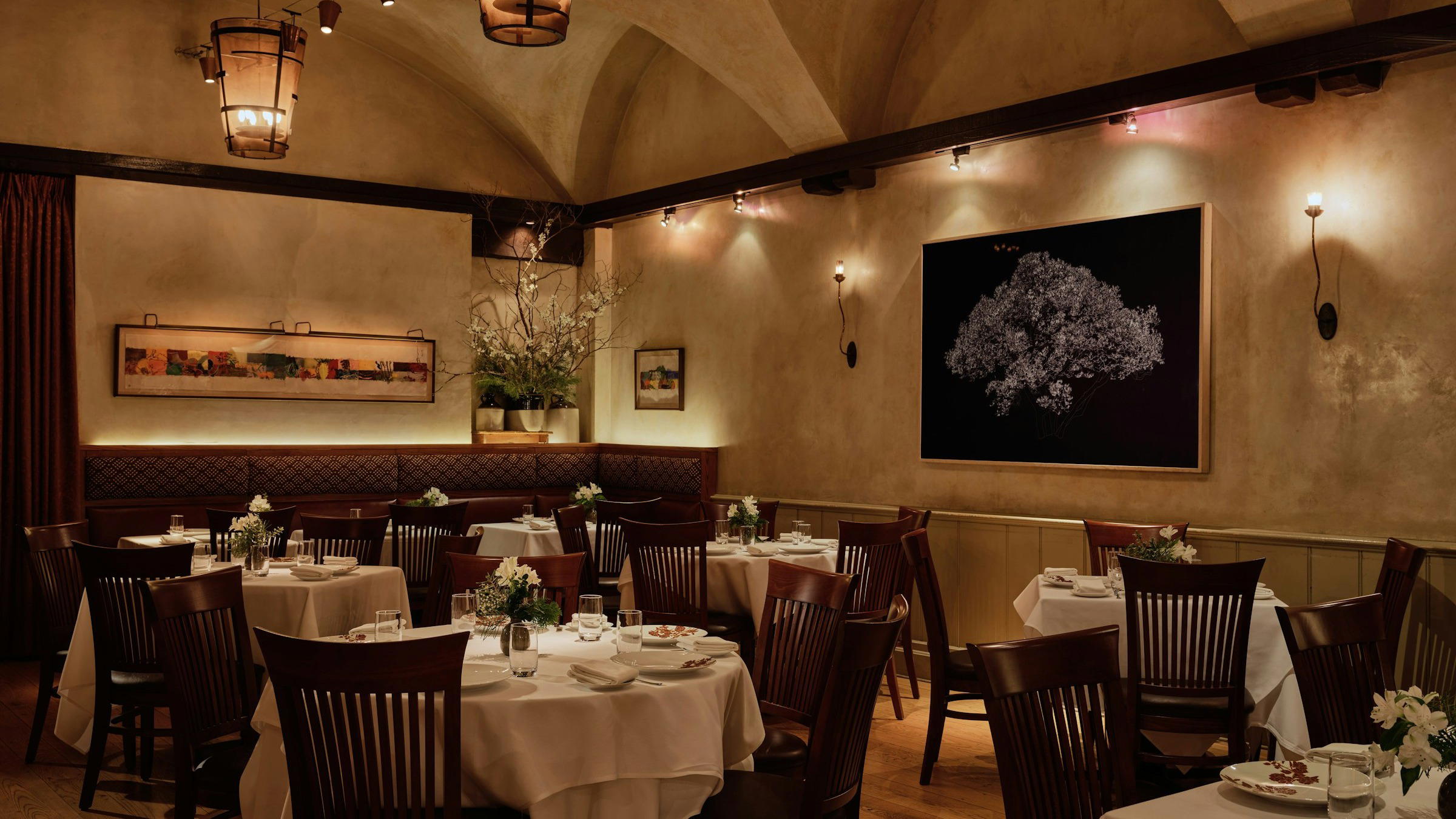
Restaurants in New York City
Browse all →
Bars in New York City
Browse all →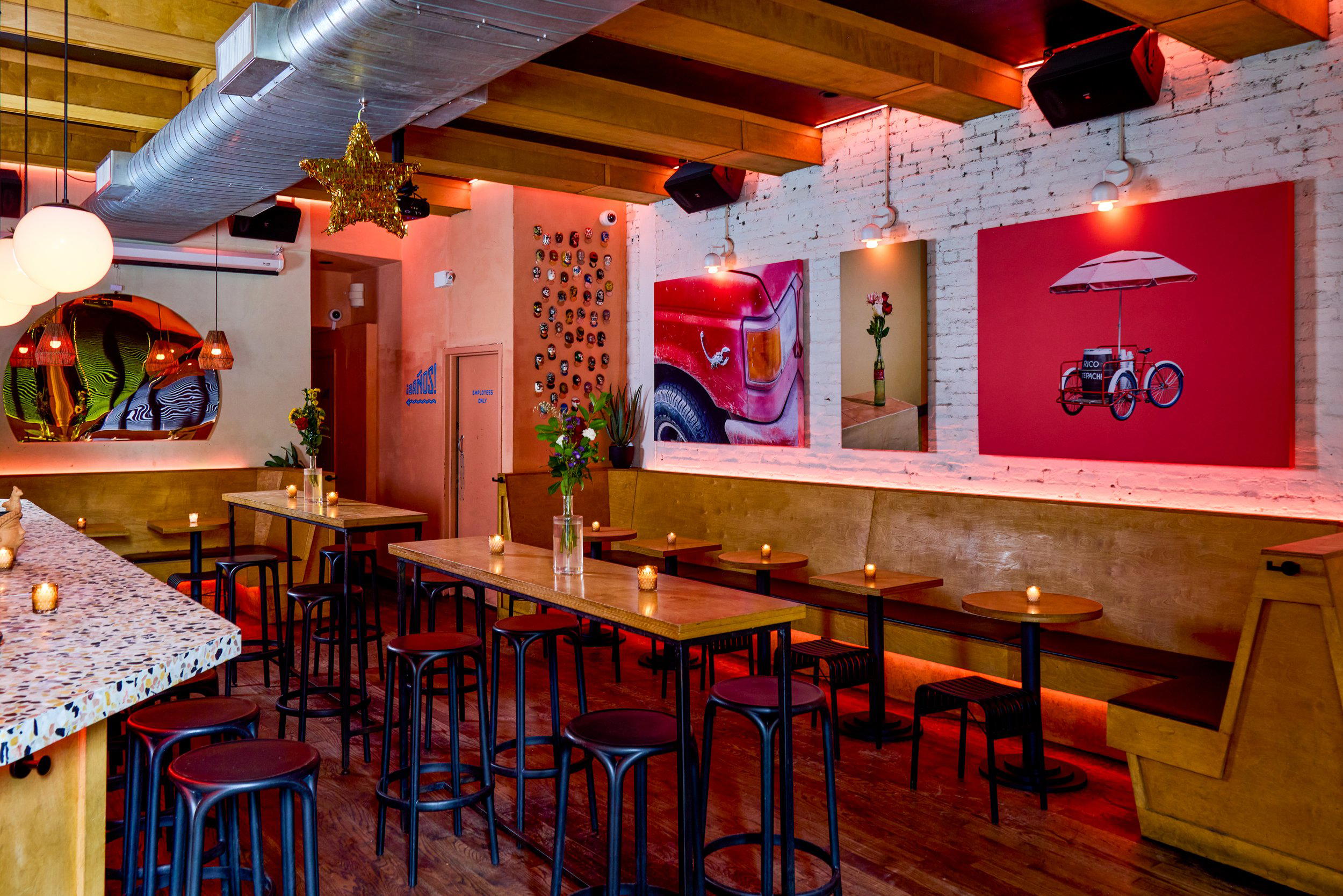
Hotels in New York City
Browse all →






Details
- Lively
- Trendy
- Modern
- Energetic
- Group Dining
- Date Night
- Celebration
- Casual Hangout
- Open Kitchen
- Hotel Restaurant
- Craft Cocktails
- Local Sourcing
- Small Plates
- A La Carte
- Craft Cocktails
- Vegetarian Friendly
Current opening hours
- Monday
- Closed
- Tuesday
- Closed
- Wednesday
- 5–10 PM
- Thursday
- 5–10 PM
- Friday
- 5–11 PM
- Saturday
- 5–11 PM
- Sunday
- 5–10 PM
Hours can change for holidays and private events. Last verified .
Sleek and stylish with high ceilings, dim lighting, and a lively party atmosphere reminiscent of Tel Aviv's Bauhaus architecture.