Meridian
Our verdict
Meridian sits in the East Dallas dining corridor at 5650 Village Glen Dr, positioning itself within a city increasingly fluent in the grammar of global technique applied to regional Texan produce. Where Dallas once defaulted to steakhouse convention, a newer tier of restaurants tests what happens when imported culinary frameworks meet the ingredients of the Southern plains. Meridian operates inside that conversation.

Pearl is the En Primeur Club membership app, where members save venues, book tables and use the concierge.
The menu
What to order
- X-Tudo wagyu burger
- Ham hock fritter
Where East Dallas Meets the Wider Table
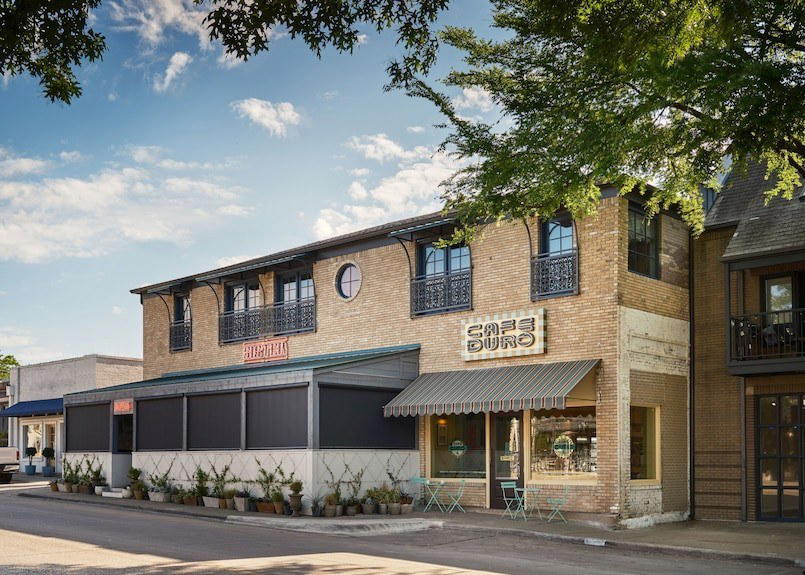
The stretch of East Dallas around Village Glen Drive doesn't announce itself with the self-consciousness of Uptown or the heritage weight of Deep Ellum. It is quieter than both, which is part of the point. A dining room in this corridor earns attention through what happens on the plate rather than through foot traffic or proximity to a bar crawl. Meridian, at 5650 Village Glen Dr, occupies that kind of space: a restaurant that asks the neighbourhood to come to it.
Dallas has spent the better part of the last decade building a credible case that it belongs in the same conversation as the American cities that long held a monopoly on ambitious cooking. That case rests partly on venues like Mamani, which pushes into Latin American territory with seriousness, and Tatsu Dallas, which represents the city's growing confidence with Japanese forms. Meridian enters that broader shift, a city learning to hold international technique and local identity in the same hand without dropping either.
The Intersection of Imported Method and Texas Produce
The editorial logic of restaurants like Meridian is most legible when placed against the American restaurants that have spent decades defining what it means to cook seriously with local ingredients inside a globally informed framework. Blue Hill at Stone Barns in Tarrytown made the farm-to-table argument structurally, by owning the land. Single Thread Farm in Healdsburg fused Japanese kaiseki precision with California agriculture. The French Laundry in Napa built its authority on French classical rigour applied to Northern California product. Each of those restaurants answered the same underlying question differently: what does it mean to cook with where you are?
Texas asks that question loudly. The state's agricultural output is genuinely diverse, running from Gulf Coast seafood to Hill Country lamb, from West Texas beef to the produce of the Rio Grande Valley. A kitchen in Dallas that takes those ingredients seriously and applies technique drawn from anywhere in the world's culinary tradition is working with material that can hold the weight. The comparison set for that kind of cooking isn't the local steakhouse tier, represented by Fearing's Southwestern format at the upper price bracket, or even the approachable Italian of a place like Lucia. It sits closer to restaurants that treat technique as a tool for expressing place rather than as a demonstration of virtuosity for its own sake.
That is the frame Meridian operates within, a restaurant in a city where the conversation about what Texas cooking can be is still being written, and where East Dallas has become one of the quieter places that conversation happens.
The Broader Dallas Dining Context
Understanding Meridian's position requires a brief map of where Dallas dining currently sits. The city's reference points for ambitious cooking have multiplied. 3Eleven Kitchen and Cocktails works the cocktail-forward dining room format. 12 Cuts Brazilian Steakhouse and 360 Brunch House address different formats and price points within the city's expanding middle tier. The upper tier, where technique is the primary currency, is less populated, which is precisely where the opportunity sits for a restaurant applying global method to local material.
Nationally, the restaurants that have most clearly defined this approach include Providence in Los Angeles, which built its reputation on applying classical French and global seafood technique to Pacific Coast and domestic product, and Addison in San Diego, the first California restaurant to earn three Michelin stars, where precise French-influenced cooking meets a strong sense of regional California identity. Further afield, Alinea in Chicago demonstrated that a landlocked American city could sustain a globally significant restaurant when the technique is singular enough. Atomix in New York City has done something analogous with Korean culinary language applied at a tasting-menu level that commands serious international attention.
The thread connecting those examples is that ambition of method doesn't require proximity to a coast or a particular culinary heritage. It requires a kitchen that knows what it is doing and a dining room willing to meet it. Dallas has been building both sides of that equation.
Technique as a Lens, Not a Destination
The most interesting cooking happening at this tier of American restaurant doesn't foreground technique as the story. Le Bernardin in New York City made this argument with seafood for decades: the method exists to serve the ingredient, not to announce the kitchen. Emeril's in New Orleans built a different version of the same argument, rooting Creole tradition inside a technically rigorous framework. Lazy Bear in San Francisco applied modernist precision to a communal, Northern California sensibility. The Inn at Little Washington in Washington has spent four decades demonstrating that refinement and regional rootedness are not in conflict. Even 8½ Otto e Mezzo Bombana in Hong Kong makes the point from the other direction: Italian classical technique transplanted to Asia, grounded through ingredient sourcing that takes both traditions seriously.
For a Dallas restaurant working this territory, the raw material argument is strong. Texas produces ingredients that reward serious cooking. The question for any kitchen at this level is whether the technique illuminates the product or obscures it. That question doesn't have a generic answer; it gets answered dish by dish, season by season.
Planning Your Visit
Meridian is located at 5650 Village Glen Dr in the East Dallas corridor, away from the denser restaurant clusters of Uptown and Knox-Henderson. Visitors coming from central Dallas should plan for the drive rather than expecting walkability from major hotel zones. For a full picture of where Meridian sits within the city's broader dining options, the EP Club Dallas restaurants guide maps the competitive field across neighbourhoods and price tiers. Given the sparse public information currently available about booking method, hours, and pricing, contacting the venue directly before visiting is the practical starting point.
Frequently asked questions
What should I order at Meridian?
With the editorial angle pointing toward local ingredients handled through global technique, the strongest choices at any restaurant in this category are those where the primary ingredient is clearly Texan in origin. Gulf Coast seafood, Hill Country proteins, and regional produce tend to be the products most honestly expressed when a kitchen is genuinely committed to place. Ask the front-of-house team which dishes most directly reflect the current season's local sourcing, as that question will also tell you something about how seriously the kitchen takes the premise.
What is the ideal way to book Meridian?
If Meridian operates at the more ambitious end of Dallas dining, the general rule for this tier applies: book as far ahead as the reservation system allows. In cities like Dallas, where the upper tier of technically driven restaurants is still a smaller cohort than in New York or San Francisco, lead times tend to be shorter than at comparable venues on the coasts, but that gap is closing as Dallas dining attracts wider attention.
How does Meridian compare to other globally influenced restaurants in Dallas?
Dallas's tier of restaurants applying international culinary frameworks to Texas ingredients is growing but remains a distinct minority within the city's broader dining scene. Where Tatsu Dallas applies Japanese discipline at the upper price bracket, Meridian's position in the East Dallas corridor places it within a quieter, neighbourhood-facing segment of that same conversation. For diners whose reference points are nationally recognised restaurants in the local-meets-global tradition, Meridian represents a Dallas address worth tracking as the city's culinary ambition continues to develop.
The Minimal Set
Comparable venues nearby, for context on price, style, and recognition.
| Venue | Cuisine | Price | Notes |
|---|---|---|---|
| MeridianThis venue (the venue you are viewing) | Modern Brazilian Fire-Driven Cuisine | $50–100 | Not listed |
| Namak Restaurant | North Indian | $30–50 | Lovers Lane East, North Indian |
| Manpuku Japanese BBQ Dallas | Japanese Yakiniku BBQ | $50–100 | Belmont, Japanese Yakiniku BBQ |
| Doughbird | Pizza and Rotisserie Chicken | $30–50 | Devonshire, Pizza and Rotisserie Chicken |
| Shinsei Restaurant | Contemporary Pan-Asian Sushi | $50–100 | Devonshire, Contemporary Pan-Asian Sushi |
| Baboush | Moroccan-Lebanese Fusion | $30–50 | Uptown, Moroccan-Lebanese Fusion |
Continue exploring
More in Dallas
Restaurants in Dallas
All restaurants in Dallas →
Bars in Dallas
All bars in Dallas →


Details
- Trendy
- Modern
- Elegant
- Sophisticated
- Date Night
- Special Occasion
- Business Dinner
- Celebration
- Open Kitchen
- Private Dining
- Craft Cocktails
- A La Carte
- Small Plates
- Cocktails
Current opening hours
- Monday
- Closed
- Tuesday
- Closed
- Wednesday
- 4:30–10 PM
- Thursday
- 4:30–10 PM
- Friday
- 4:30–11 PM
- Saturday
- 4:30–11 PM
- Sunday
- 4:30–10 PM
Hours can change for holidays and private events. Hours as of .
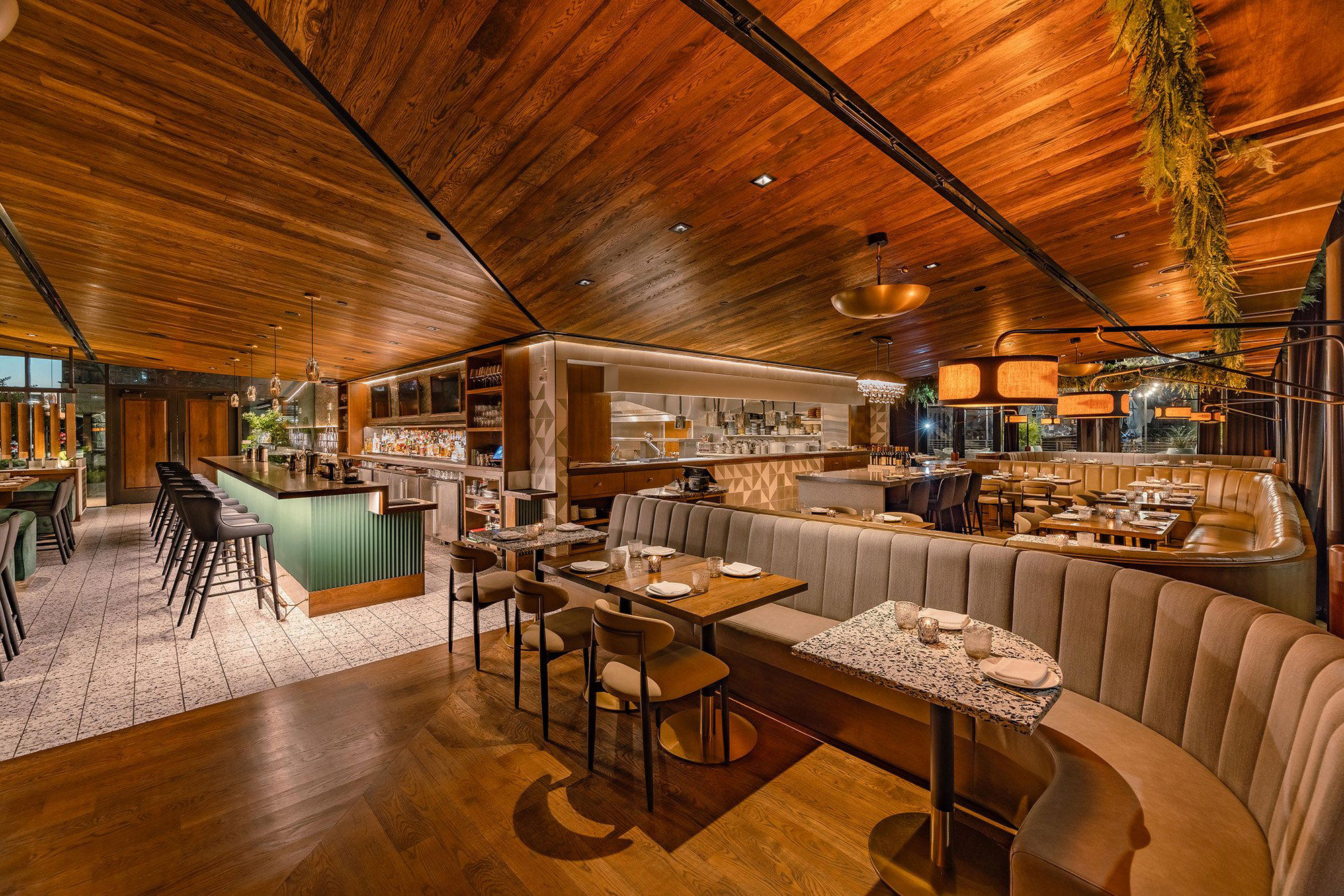
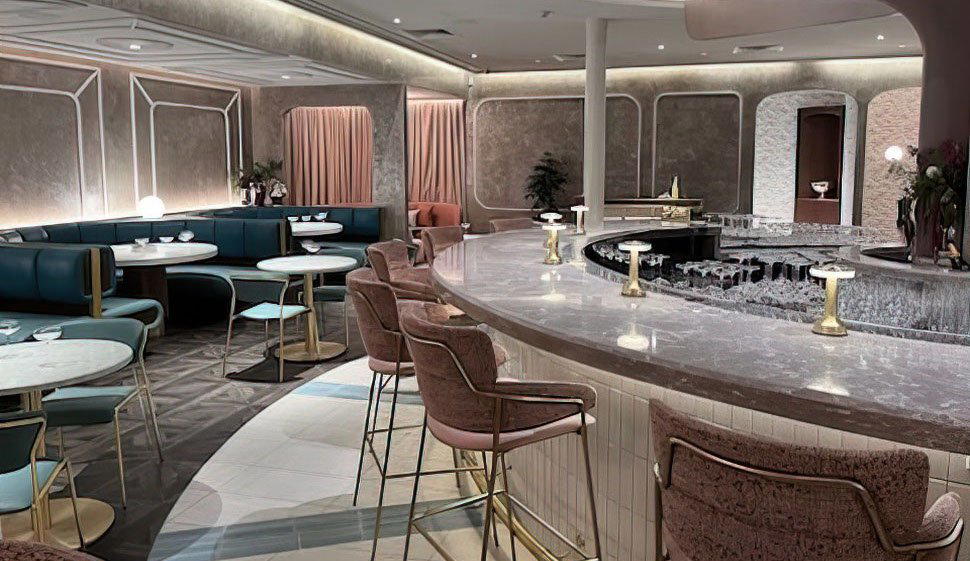
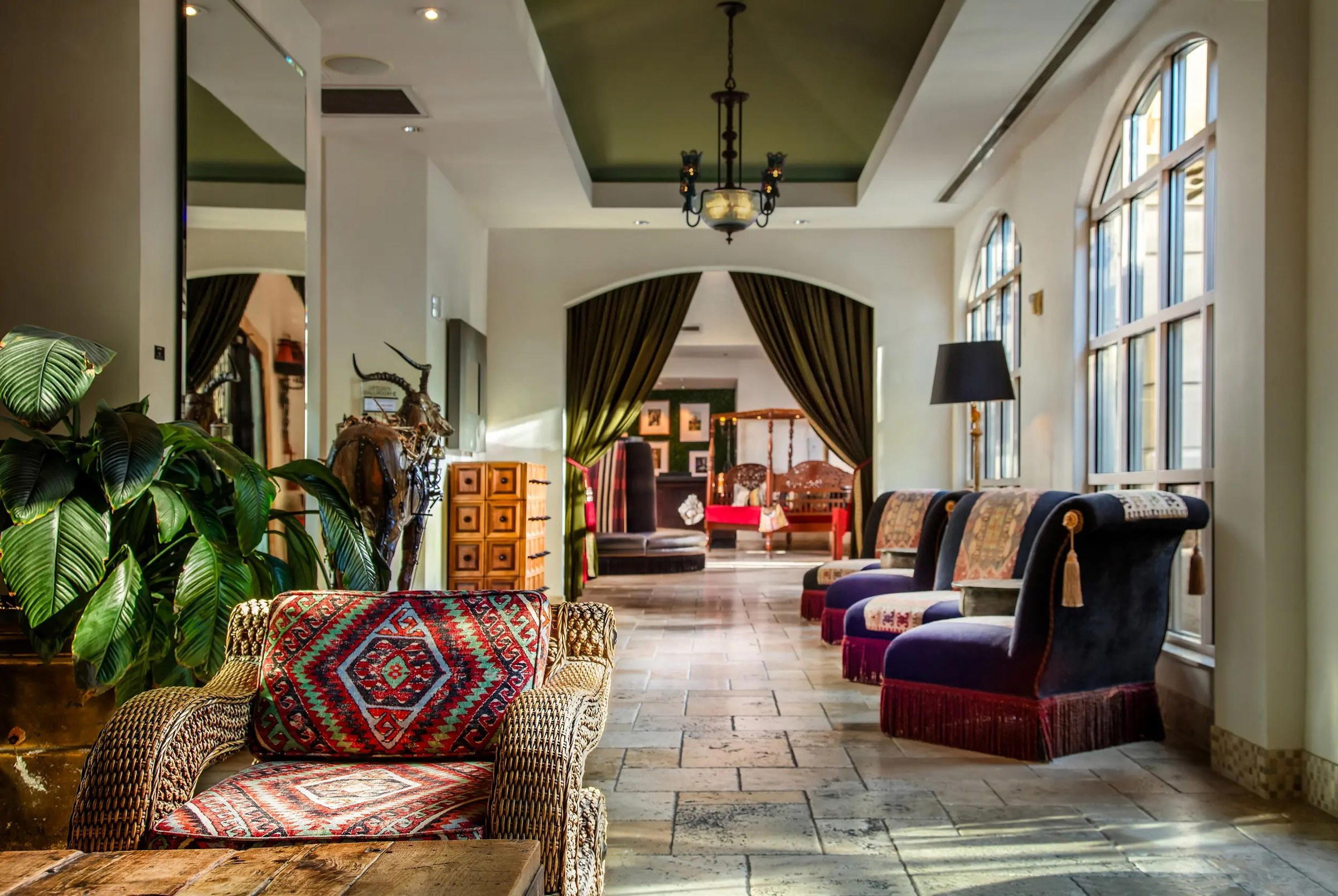
Refined and inviting atmosphere with plush lounge seating, intimate corners, beautiful kitchen, and stylish patio; moderately noisy with upbeat tracks.