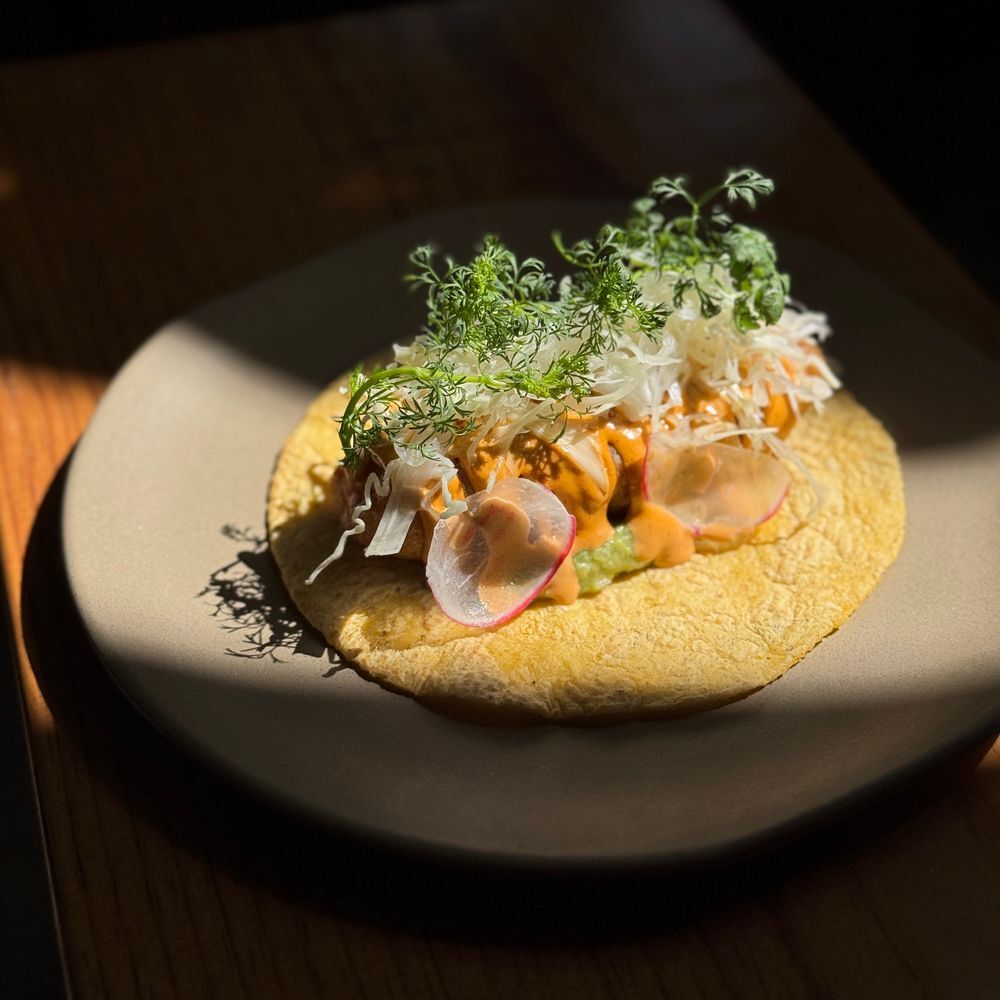
In Mérida's Montes de Amé neighbourhood, Merci - Homemade Food occupies a quiet corner of Plaza San Angelo where the emphasis falls on honest, made-from-scratch cooking rather than ceremony. The format is domestic in scale and intention, positioning it closer to the city's neighbourhood-kitchen tradition than its fine-dining tier. For visitors tracing Yucatán's ingredient-led cooking culture, it reads as a deliberate counterpoint to the region's more elaborate tasting menus.
Pearl is the En Primeur Club membership app — saves, bookings, and concierge access live there. Same editors, same standards.
- Address
- Plaza San Angelo, C. 23 entre 14 y 16, Montes de Amé, 97115 Mérida, Yuc., Mexico
- Phone
- +52 999 941 6886
- Website
- restaurantemerci.com
- Directions
- Get directions
 Saves & bookings on Pearl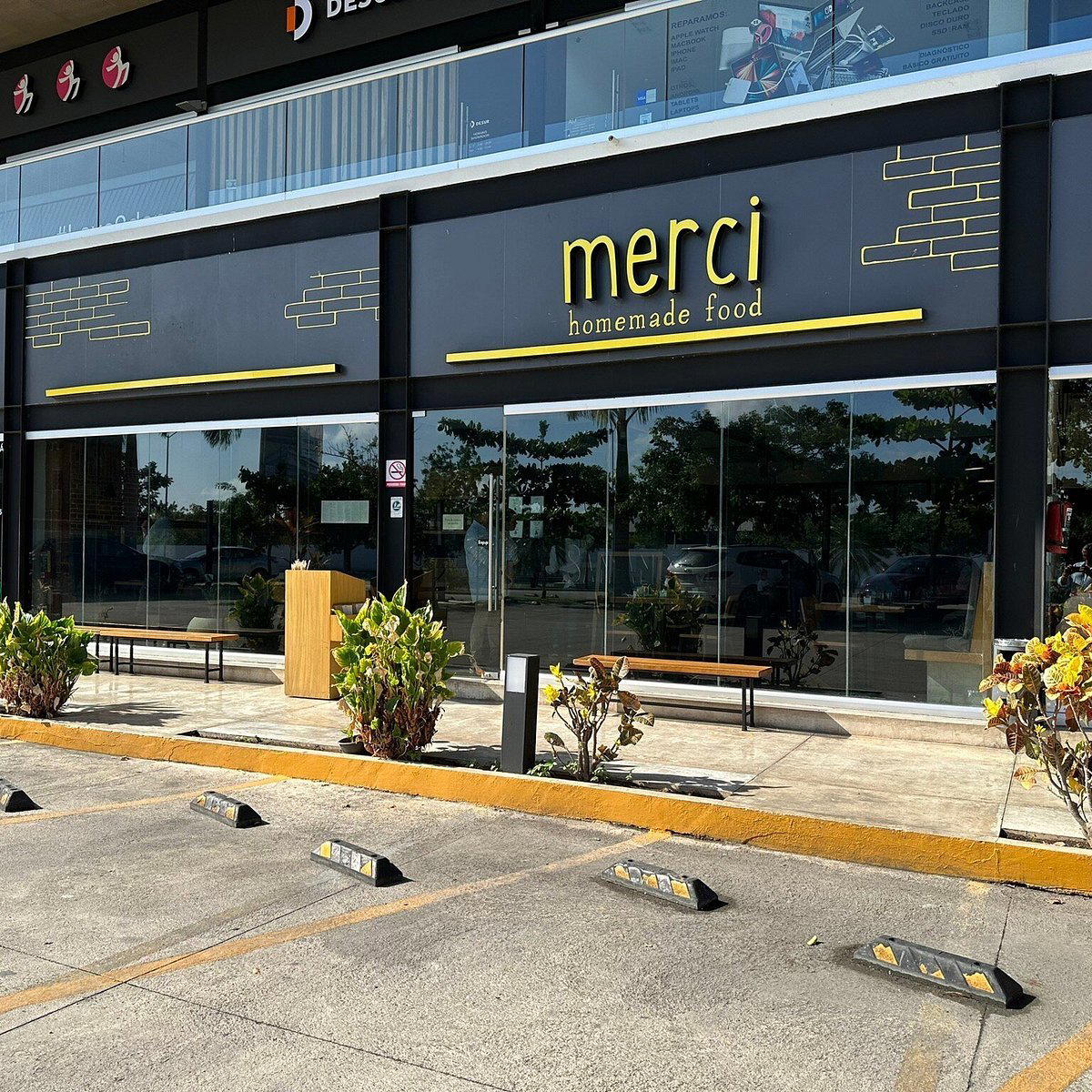
Where Mérida's Homemade Tradition Meets the Plaza
Mérida has always had two parallel dining cultures running alongside each other. One is the destination-restaurant circuit, the kind of kitchens that put the Yucatán on the international culinary map, from Huniik in Santa Ana to the refined Yucatecan expression at Ix Cat Ik. The other is quieter: neighbourhood spots built around home-style cooking, market sourcing, and daily rhythms rather than reservation windows. Merci - Homemade Food, set inside Plaza San Angelo on Calle 23 in the Montes de Amé district, belongs to the second tradition.
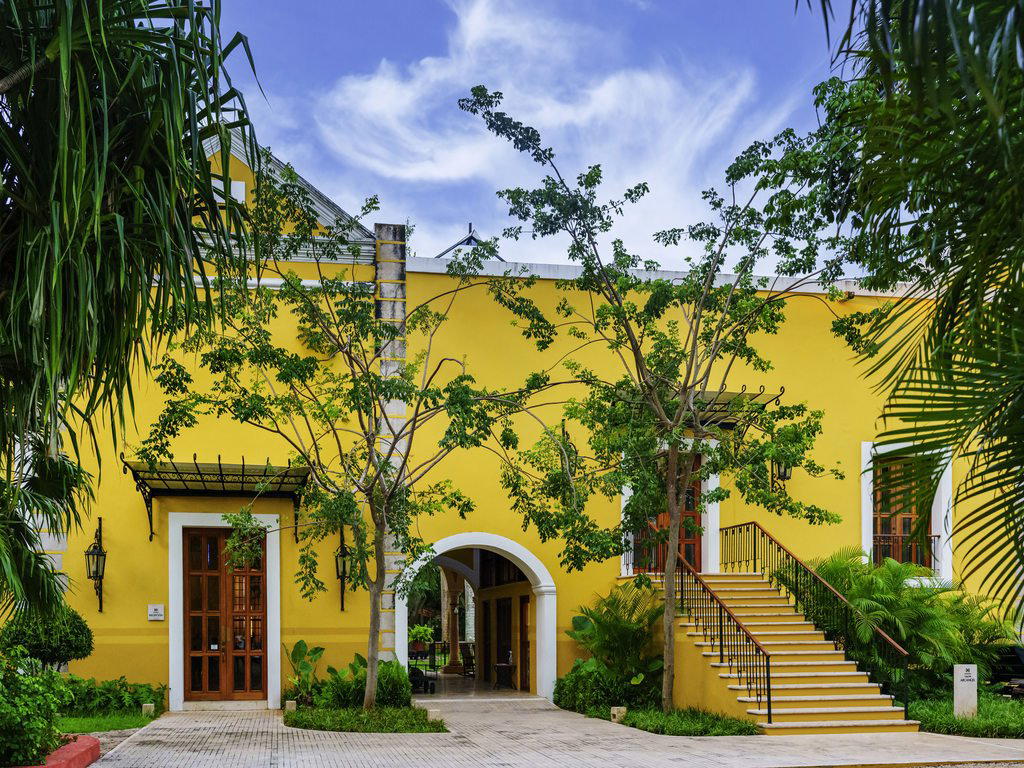
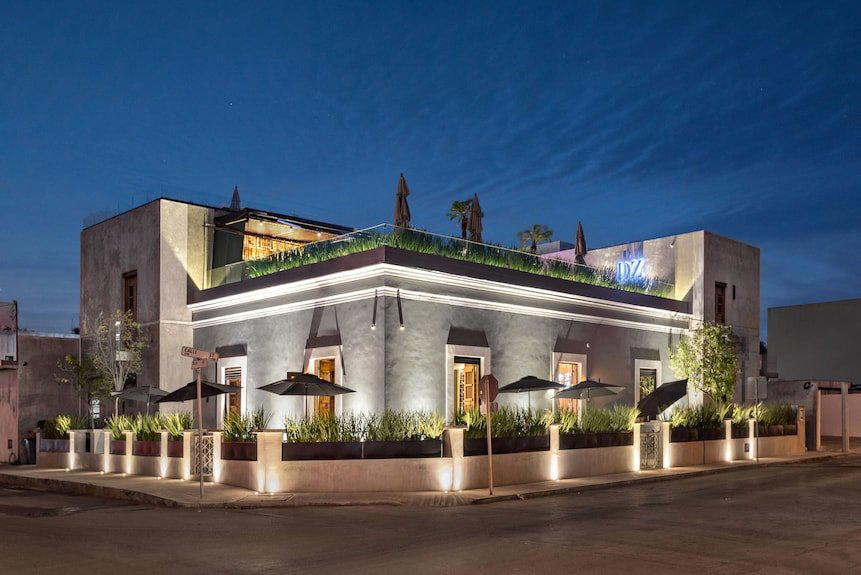
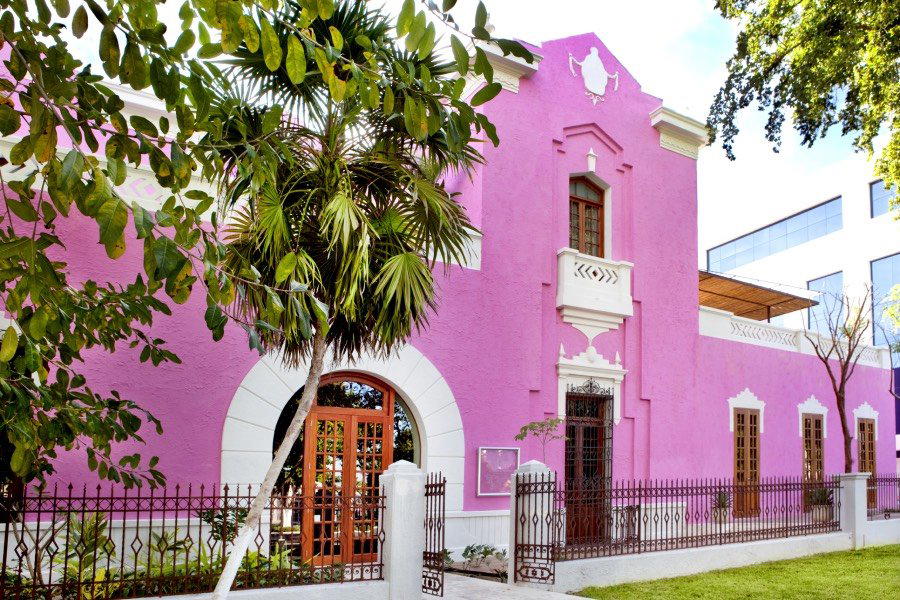
Approaching the plaza, the environment signals its intentions before you sit down. Montes de Amé sits west of the historic centre, a largely residential pocket where the commercial strip runs to local bakeries, small grocers, and the kind of café where regulars arrive at the same hour every morning. Plaza San Angelo itself is a low-key commercial node rather than a tourist thoroughfare. The physical setting frames Merci as a place that earns its following from the neighbourhood rather than from hotel concierge lists.
The Ingredient Argument in Yucatecan Cooking
Yucatán's cooking has always been defined by what grows and is raised locally: achiote from the peninsula's annatto trees, habanero chillies that carry a distinct floral heat, sour orange used in place of lime across marinades and ceviches, and slow-cooked pork preparations that trace back centuries. The Yucatecan kitchen is an ingredient-specific cuisine, one where the sourcing of key components is not a branding decision but a structural one. Remove the achiote and a cochinita pibil becomes something else entirely.
The homemade-food positioning that Merci signals in its name connects directly to this tradition. Mexico's most respected kitchens have made a sustained argument that home-cooking methods, long braises, hand-ground masa, daily-made salsas, produce better food than shortcuts allow. That argument runs from neighbourhood spots like Merci all the way through to destination restaurants: Levadura de Olla in Oaxaca built its reputation around slow fermentation and traditional vessels; Pujol in Mexico City has spent two decades making the case that Mexican culinary logic is as sophisticated as any European tradition. Merci operates at a different scale, but the underlying premise, that the leading cooking comes from knowing where ingredients come from, is shared across those tiers.
For a broader view of how Mérida's dining scene has developed across different price points and cooking styles, the full Mérida restaurants guide maps the range from market-style kitchens to tasting-menu formats.
The Homemade Format in a City of Refined Kitchens
Mérida's upper dining tier has expanded significantly in recent years. Ixiim Restaurant works through a lens of Mayan culinary history; Chef Rosalia Chay's kitchen has drawn attention for its grounding in traditional Yucatecan technique. At the furthest end of the technique spectrum in Mexico, kitchens like Le Chique in Puerto Morelos and KOLI Cocina de Origen in Monterrey apply modernist methods to regional ingredients. Against that backdrop, a homemade-format spot like Merci represents a different kind of editorial choice for a diner: lower ceremony, daily-made food, neighbourhood rather than destination scale.
This split, between the elaborate and the domestic, is not distinctive to Mérida. In Guadalajara, Alcalde sits at the refined end of Jalisco cooking while neighbourhood kitchens run parallel. In Valle de Guadalupe, Animalón occupies a farm-setting format that bridges the gap between sourcing transparency and dining ambition. The homemade register across Mexican food culture is not a lesser register; it is simply a different set of priorities, where daily freshness and personal scale take precedence over composed plating and tasting-menu architecture.
Mérida's Neighbourhood Dining Character
Montes de Amé's position in the city matters as context. Unlike the historic centro, where colonnaded restaurants face the main plazas and foot traffic flows from the Paseo de Montejo hotels, this district operates on a slower, more local rhythm. Restaurants here build clientele through repetition, the same families returning across weeks and months, rather than through single-visit tourist traffic. That model tends to reward consistency over spectacle, and it shapes what a kitchen like Merci is optimised to do well.
Mérida's dining scene has also begun attracting visitors who arrive with a specific interest in the peninsula's food culture rather than in beach tourism. That audience, travelling for the food, the markets, the cooking traditions, often gravitates toward neighbourhood-format restaurants alongside the better-known destination spots. The Korean Grill and Ice Cream on the city's alternative dining circuit illustrates how diverse the non-destination tier has become in Mérida, with cuisines from outside the Yucatecan tradition finding stable neighbourhood audiences.
For comparison against Mexico's wider farm-to-table and ingredient-sourcing conversation, Olivea Farm to Table in Ensenada and Lunario in El Porvenir both work explicitly around provenance and direct-sourcing models, as does HA' in Playa del Carmen and Pangea in San Pedro Garza García, each of which frames sourcing as the central editorial argument of its menu. Outside Mexico entirely, kitchens like Lazy Bear in San Francisco and Le Bernardin in New York show how the sourcing argument operates at fine-dining scale, evidence that ingredient provenance is not a niche concern but a central question across serious cooking at every level.
Planning a Visit
Merci - Homemade Food is located at Plaza San Angelo, Calle 23 between 14 and 16, in the Montes de Amé neighbourhood of Mérida, postal code 97115. The address places it west of the centro histórico. The restaurant is recommended for reservations, open Tuesday through Sunday from 8 AM to 10 PM, and closed on Monday. Price per person is about $15.
How It Stacks Up
Comparable venues nearby, for context on price, style, and recognition.
| Venue | Cuisine | Price | Notes |
|---|---|---|---|
| Merci - Homemade foodThis venue — the venue you are viewing | French-Mexican Fusion Bistro | $$ | Not listed |
| Manjar Blanco | Authentic Yucatecan Mexican | $$ | Centro |
| Micaela Mar & Leña | Modern Mexican Seafood & Grill | $$$ | Centro |
| Korean Grill & ice cream | Authentic Korean Grill & Ice Cream | $$ | Paseo Montejo |
| Micaela Mar Y Leña | Modern Mexican Seafood with Wood-Fire | $$$ | Centro |
| Taqueria La Lupita | Yucatecan Taqueria | $ | Santiago |

At a Glance
- Cozy
- Trendy
- Brunch
- Casual Hangout
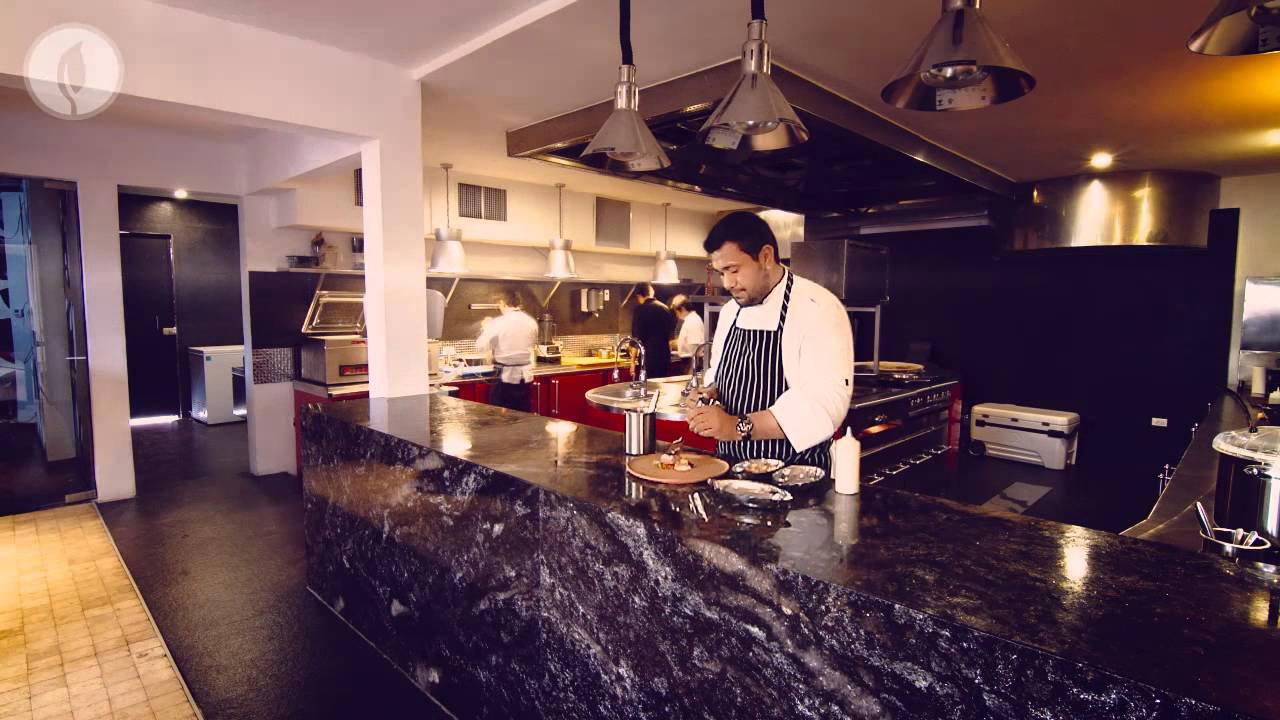
- Open Kitchen
- Local Sourcing
Current opening hours
- Monday
- Closed
- Tuesday
- 8 AM–10 PM
- Wednesday
- 8 AM–10 PM
- Thursday
- 8 AM–10 PM
- Friday
- 8 AM–10 PM
- Saturday
- 8 AM–10 PM
- Sunday
- 8 AM–10 PM
Hours can change for holidays and private events. Last verified .
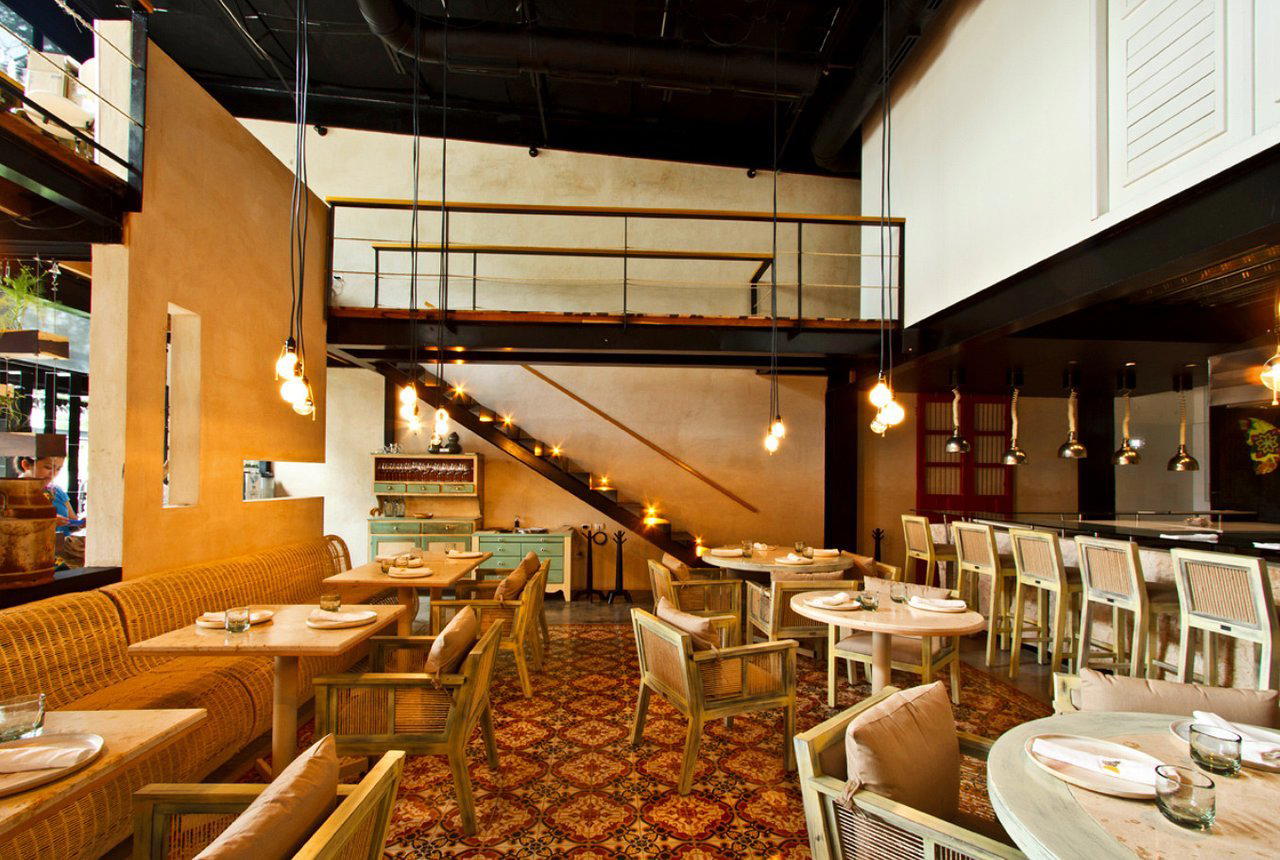
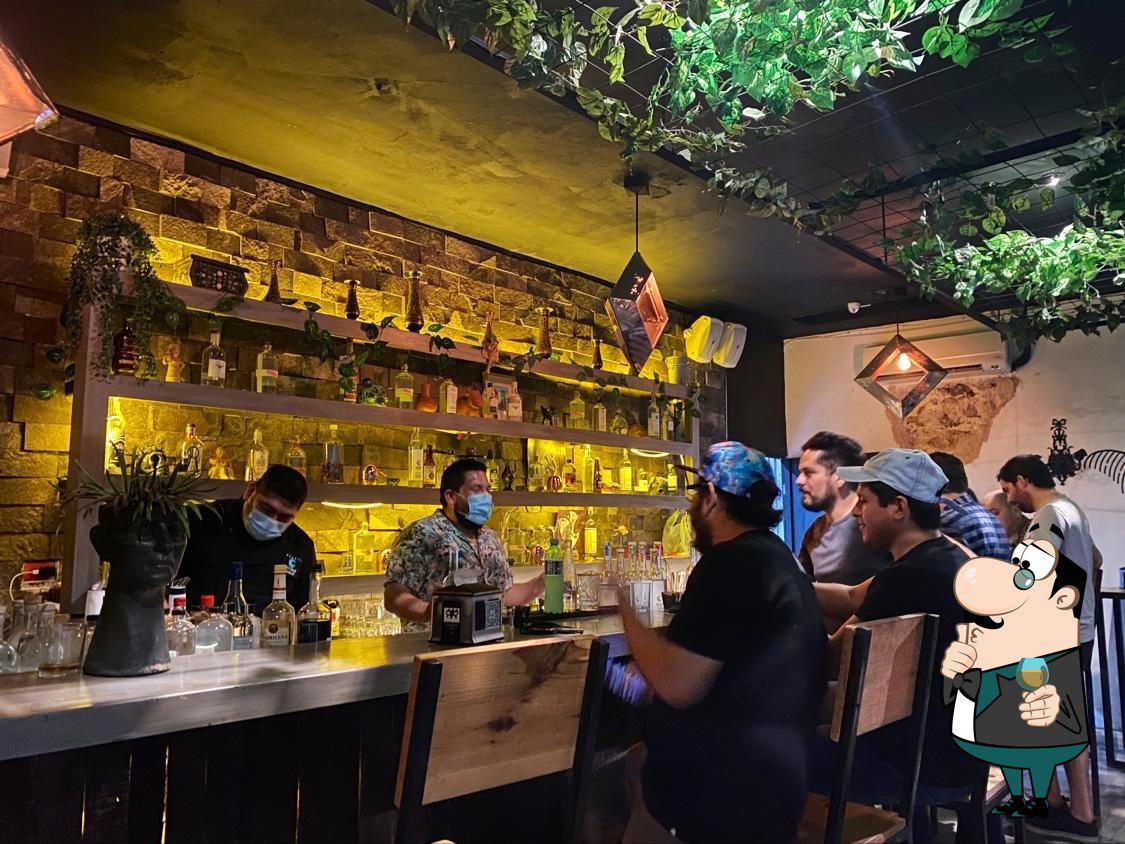
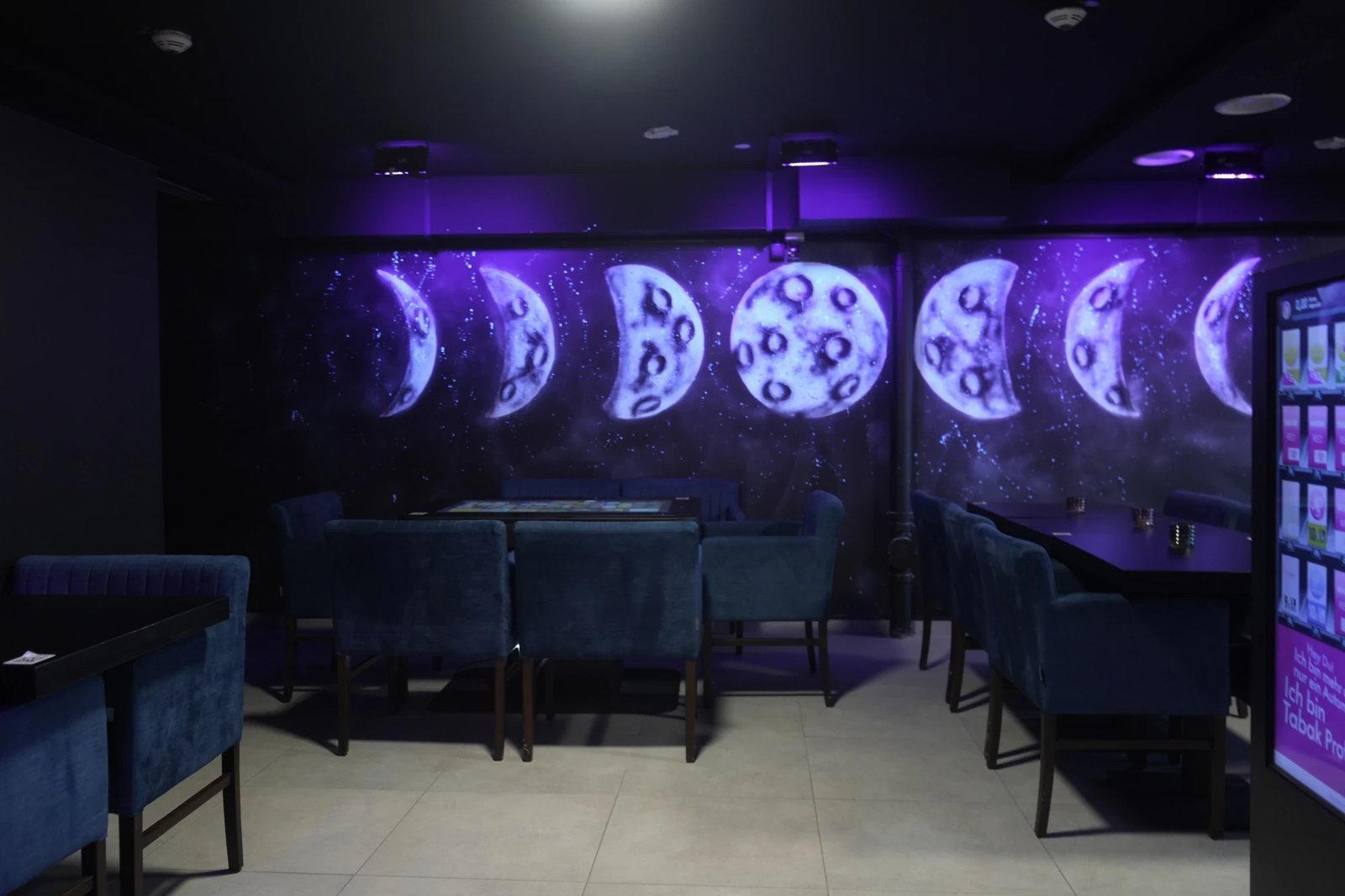
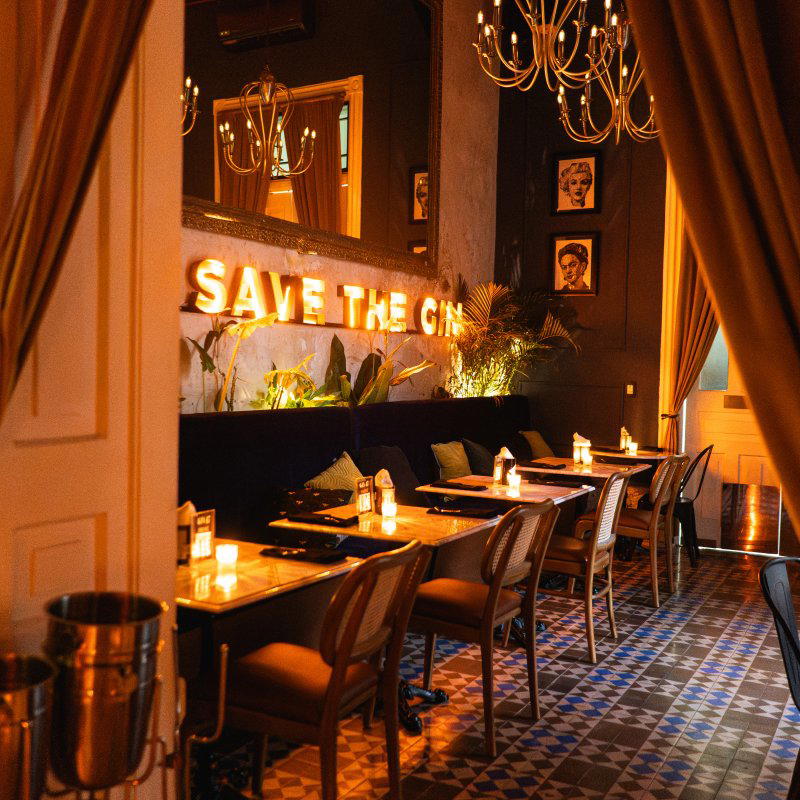
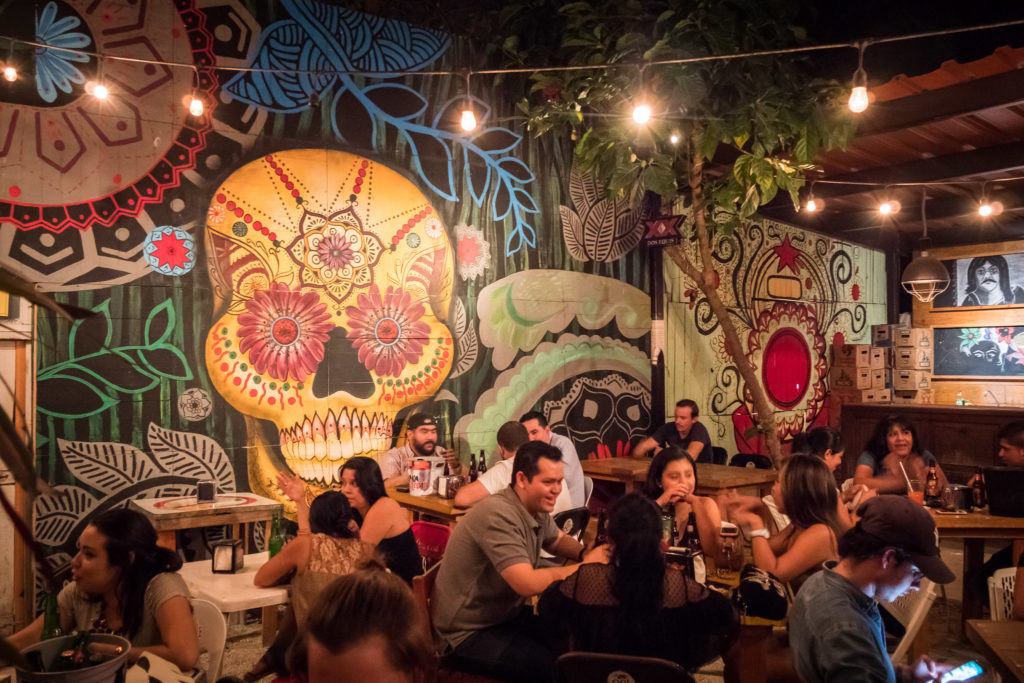
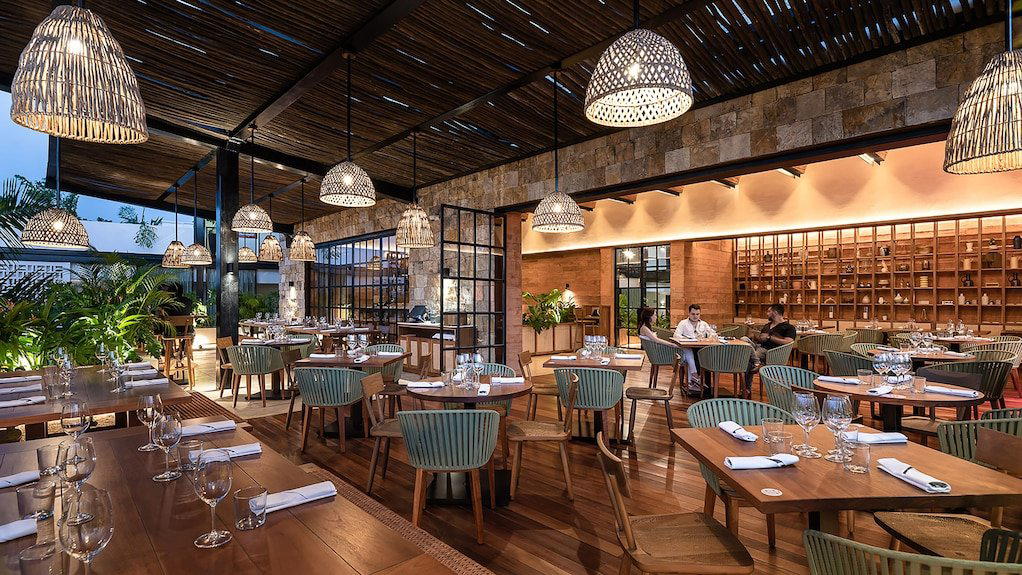
Clean, cozy, and trendy atmosphere ideal for breakfast and brunch with a familiar, welcoming feel.