


Star Wine List · Wine Spectator Award of Excellence · The Best Chef Two Knives
Our verdict
Ixiim Restaurant sits within the Chablé Resort property outside Mérida, framing regional Mexican cooking through a lens that reaches well beyond the Yucatán Peninsula. The address places it roughly 40 kilometres southwest of the city centre, making it a deliberate destination rather than a casual stop.

Pearl is the En Primeur Club membership app, where members save venues, book tables and use the concierge.
The menu
What to order
- Lechon
- Venado risotto
- Langosta con avellana
A Different Register of Mexican Dining, Far From the City Grid
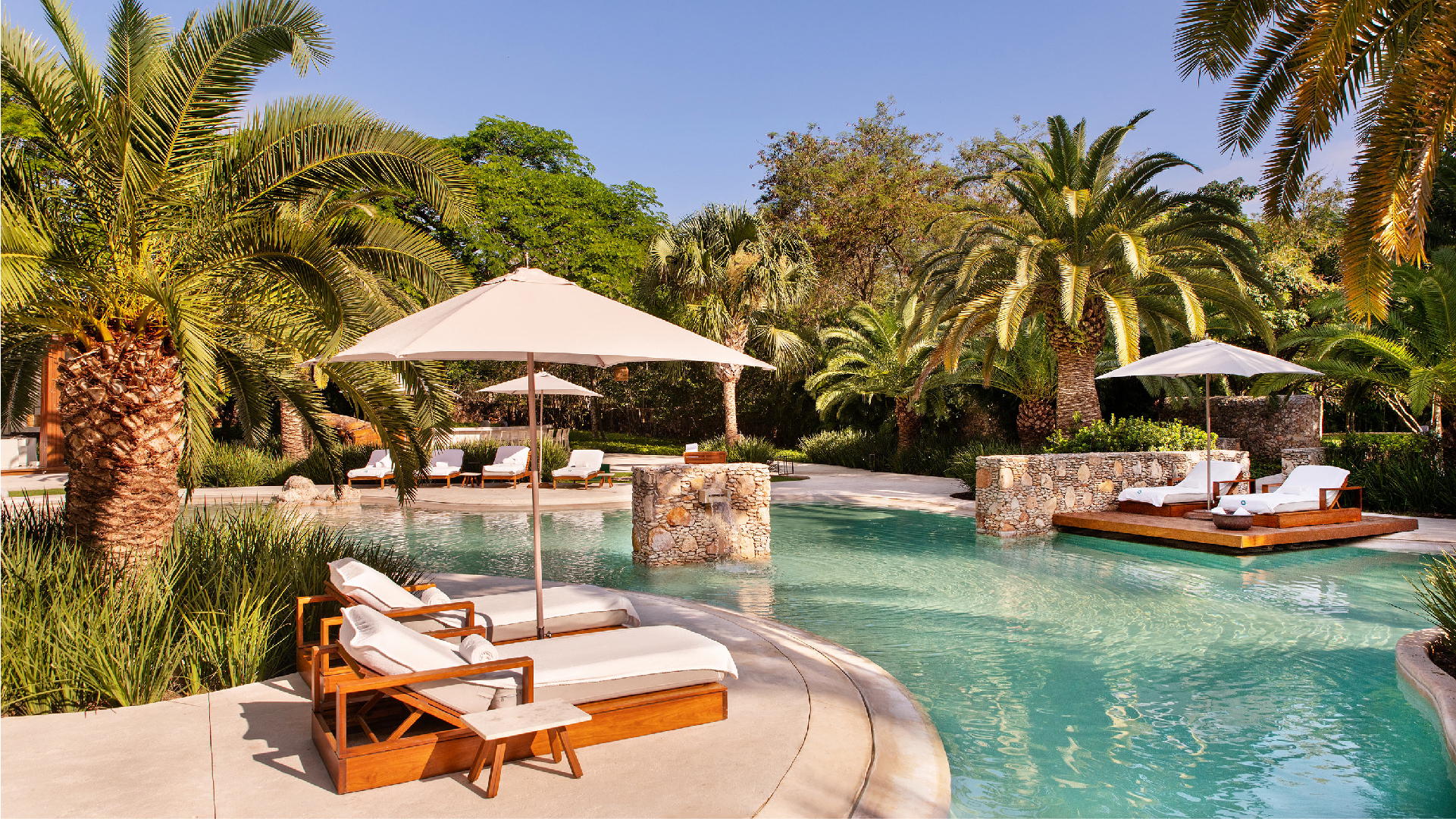
Destination restaurants in Mexico have followed a recognisable pattern over the past decade: the most serious cooking tends to happen either at urban counters with tasting menus and Michelin-adjacent credentials, or at estate properties where the physical remove becomes part of the proposition. Ixiim Restaurant, situated within the grounds of Chablé Resort in Chocholá, roughly 40 kilometres southwest of Mérida's centro histórico, occupies the second category firmly. The drive out through lowland scrub and henequen country is not incidental; it conditions your expectations before you arrive, separating the meal from the city's ambient noise in a way that an urban dining room cannot.
That physical context matters because Mexican fine dining increasingly reads its surroundings as raw material. Where Pujol in Mexico City operates within a sophisticated urban framework, and Animalón in Valle de Guadalupe draws from wine-country terroir, Ixiim positions itself against Yucatecan land, pre-Columbian ingredient culture, and the ceremonial weight of a territory that maintained distinct culinary autonomy for centuries. The restaurant's name gestures toward that depth: ixiim is the Maya word for corn, the crop that underpins Mesoamerican civilisation and continues to structure regional cooking from tamales to tortillas to fermented masa preparations.
Agave at the Table: How Spirits Frame the Experience
The agave conversation in Mexican fine dining has moved decisively beyond tequila pairings and mezcal flights treated as novelties. The more considered end of that conversation now positions agave spirits the way European restaurants position wine: as parallel texts to the food, shaped by terroir, production method, and region. In the Yucatán context, that means engaging with both the mainstream agave narrative and the peninsula's own fermented traditions, including balché (a fermented bark and honey drink with pre-Columbian roots) and xtabentún, the anise-and-honey liqueur native to the region.
For restaurants operating at Ixiim's tier, the agave programme functions as an editorial statement. The distinction between industrial blanco tequilas and small-batch mezcals from Oaxacan or Guerrero palenques is now widely understood among the dining audience at this level, but the more interesting question is how the spirits relate to the food. A smoky Tobalá mezcal paired against a char-forward preparation reads differently than a highland Espadín alongside a citrus-forward aguachile. That calibration, spirits as counterpoint rather than background, is where the peer conversation among Mexico's serious restaurants is currently most active.
Mexico's agave-spirits culture also carries geographic depth that is easy to flatten. Restaurants at comparable positions in the national scene, including Levadura de Olla in Oaxaca and KOLI Cocina de Origen in Monterrey, have each developed agave programmes that reflect their regional raw material, rather than defaulting to a generic national canon.
Ixiim Within Mérida's Broader Restaurant Scene
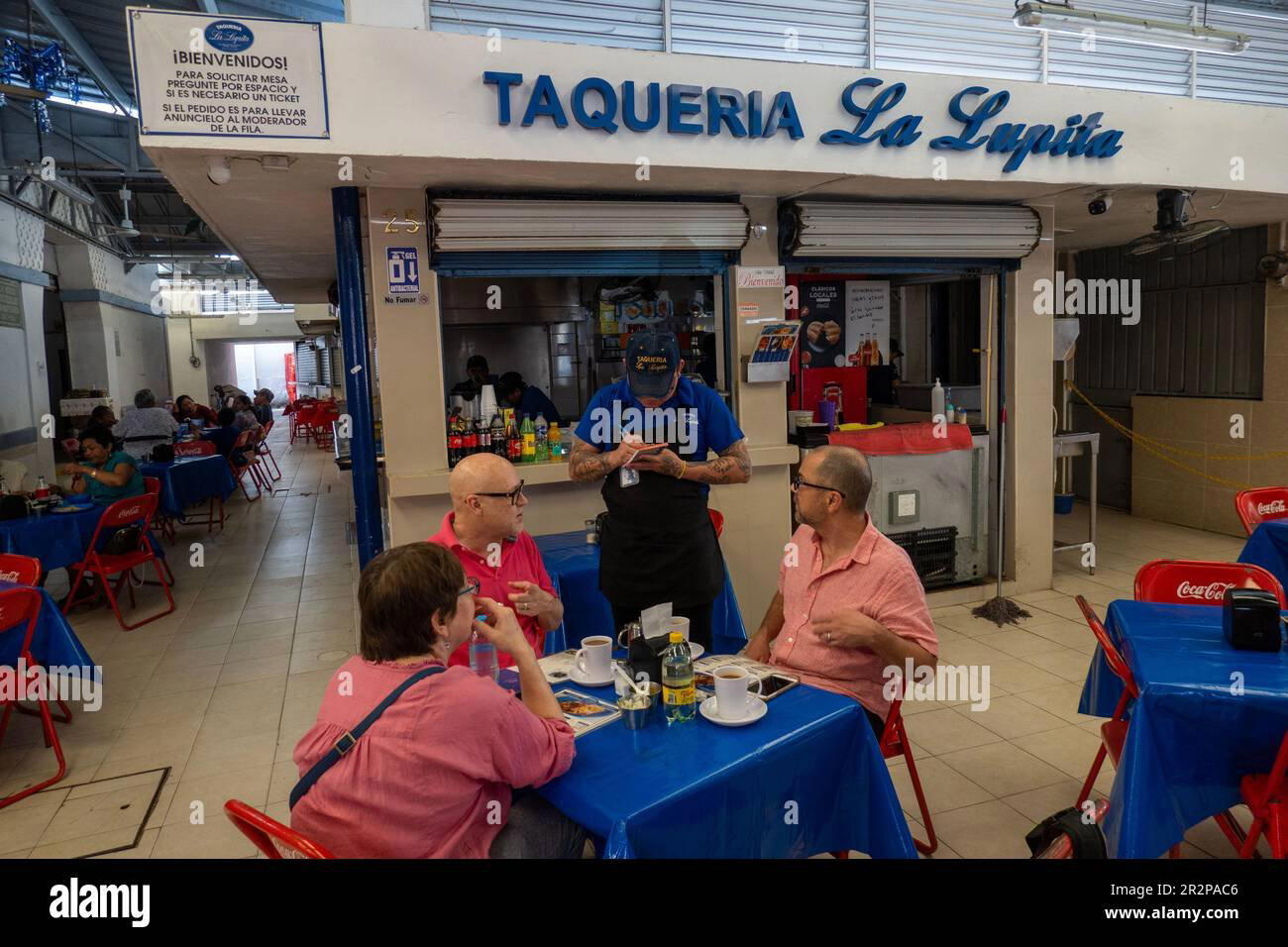
Mérida's restaurant offer has widened considerably over the past five years, and the city now sustains several distinct tiers. At the accessible end, places like La Chaya Maya anchor the tradition of Yucatecan home cooking: poc chuc, sopa de lima, papadzules. In the middle range, restaurants like Huniik and Ix Cat Ik have built followings for contemporary Yucatecan cooking within the city's colonial neighbourhoods. At the technical and conceptual end, Kuuk has long held the reference position for modern Mexican tasting menus in Mérida, and Chef Rosalia Chay's work has drawn sustained international attention to the depth of Maya culinary knowledge.
Ixiim sits outside the city proper, and that positioning shifts its competitive frame. Rather than competing with Mérida's urban tasting-menu restaurants for the local weeknight crowd, it operates more like a resort dining destination: the audience skews toward hotel guests, special-occasion visitors, and food-focused travellers who have built the restaurant into their itinerary deliberately. That audience profile also tends to engage more seriously with the beverage programme, which reinforces the case for a considered agave and spirits offer.
Reviews at this kind of property tend to come from visitors with higher engagement and clearer intentions, which makes the rating harder to inflate through volume alone.
The Yucatán Ingredient Tradition as Kitchen Framework
Yucatecan cooking is among Mexico's most geographically specific regional traditions, shaped by Maya agricultural practice, colonial Spanish influence, and a wave of Lebanese immigration in the nineteenth century that introduced preparations like kibis and shawarma-derived spit-roast techniques now entirely absorbed into local identity. The region's most distinctive flavours come from its specific chile profile (habanero, xcatic, chile dulce), from achiote-based marinades applied to slow-cooked proteins, and from the pib tradition of underground pit cooking that produces cochinita pibil and ceremonial mukbil pollo.
Restaurants operating at Ixiim's level, estate-based, externally credentialed, with an international travel audience, tend to use this ingredient tradition as a foundation for interpretation rather than strict reproduction. That approach mirrors what HA' in Playa del Carmen and Le Chique in Puerto Morelos have pursued along the Caribbean coast: engaging Maya and regional Mexican ingredients at a technical level while presenting them within a fine-dining format accessible to an internationally mobile audience. The Yucatán's geographic isolation historically created conditions for extreme ingredient specificity; modern kitchens working in this tradition inherit both that specificity and the responsibility to contextualise it.
Planning Your Visit
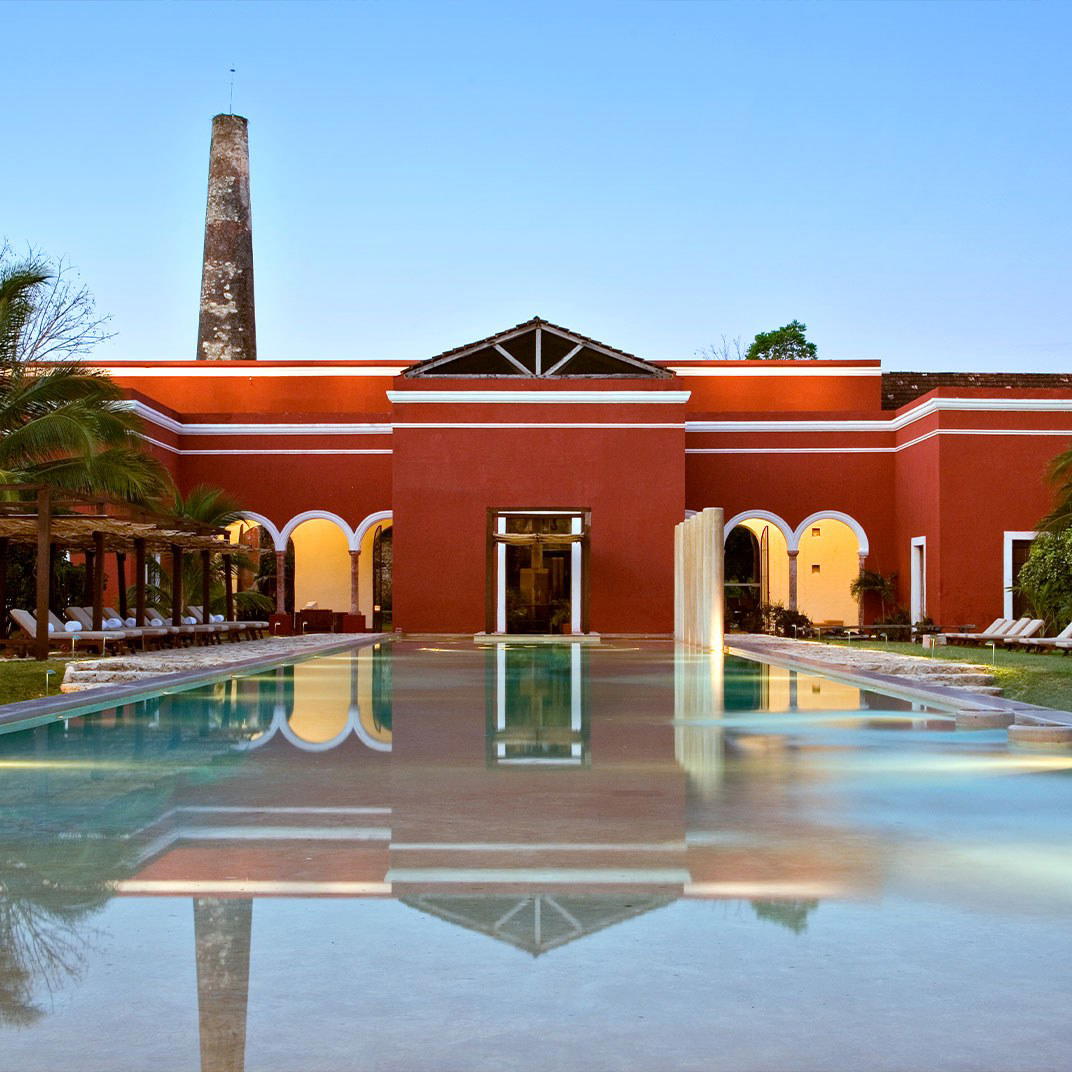
Ixiim sits within the Chablé Resort in Chocholá, Yucatán, approximately 40 kilometres southwest of Mérida's historic centre. The distance makes this a purposeful trip rather than a spontaneous one: factor in travel time from the city, and the experience becomes a half-day commitment at minimum. Non-hotel guests wishing to dine at the restaurant are advised to contact Chablé Resort directly for reservation logistics, as the property's booking channels manage access for both hotel guests and outside visitors. Mérida's broader dining, hotel, and cultural offer is documented in our full Mérida restaurants guide, hotels guide, bars guide, wineries guide, and experiences guide.
Frequently asked questions
Do they take walk-ins at Ixiim Restaurant?
Ixiim sits within the Chablé Resort in Chocholá, a destination property rather than a street-level urban address, which makes unannounced visits impractical for most guests. As a resort restaurant drawing diners from Mérida and beyond, demand is managed through reservations. Contacting Chablé Resort directly is the reliable route to securing a table.
The Quick Read
| Venue | Cuisine | Price | Awards | Notes |
|---|---|---|---|---|
| Ixiim RestaurantThis venue (the venue you are viewing) | Modern Yucatecan Fine Dining | $50–100 | Star Wine List · Wine Spectator Award of Excellence | Not listed |
| Kuuk | Modern Yucatecan Fine Dining | $50–100 | Star Wine List · Wine Spectator Best of Award of Excellence | Mexican |
| Huniik | Modern Yucatán Cuisine | $150–200 | 1 Michelin Star · World's 50 Best #32 | Mexican Yucatecan |
| Ix Cat Ik | Authentic Mayan Cuisine | $10–20 | Not listed | Yucatecan Mexican |
| La Chaya Maya | Traditional Yucatecan | $10–20 | Not listed | Mexican Cuisine |
| Manjar Blanco | Authentic Yucatecan Mexican | $10–20 | Not listed | Mexican Fusion |
Recognition history
Dated appearances from independent guides and award organizations, with the underlying list record or original source where available.
Star Wine List
Star Wine List
Wine Spectator Award of Excellence
Wine Spectator
The Best Chef Two Knives
The Best Chef
Ixiim Restaurant
Featured Guides
Continue exploring
More in Mérida
Restaurants in Mérida
All restaurants in Mérida →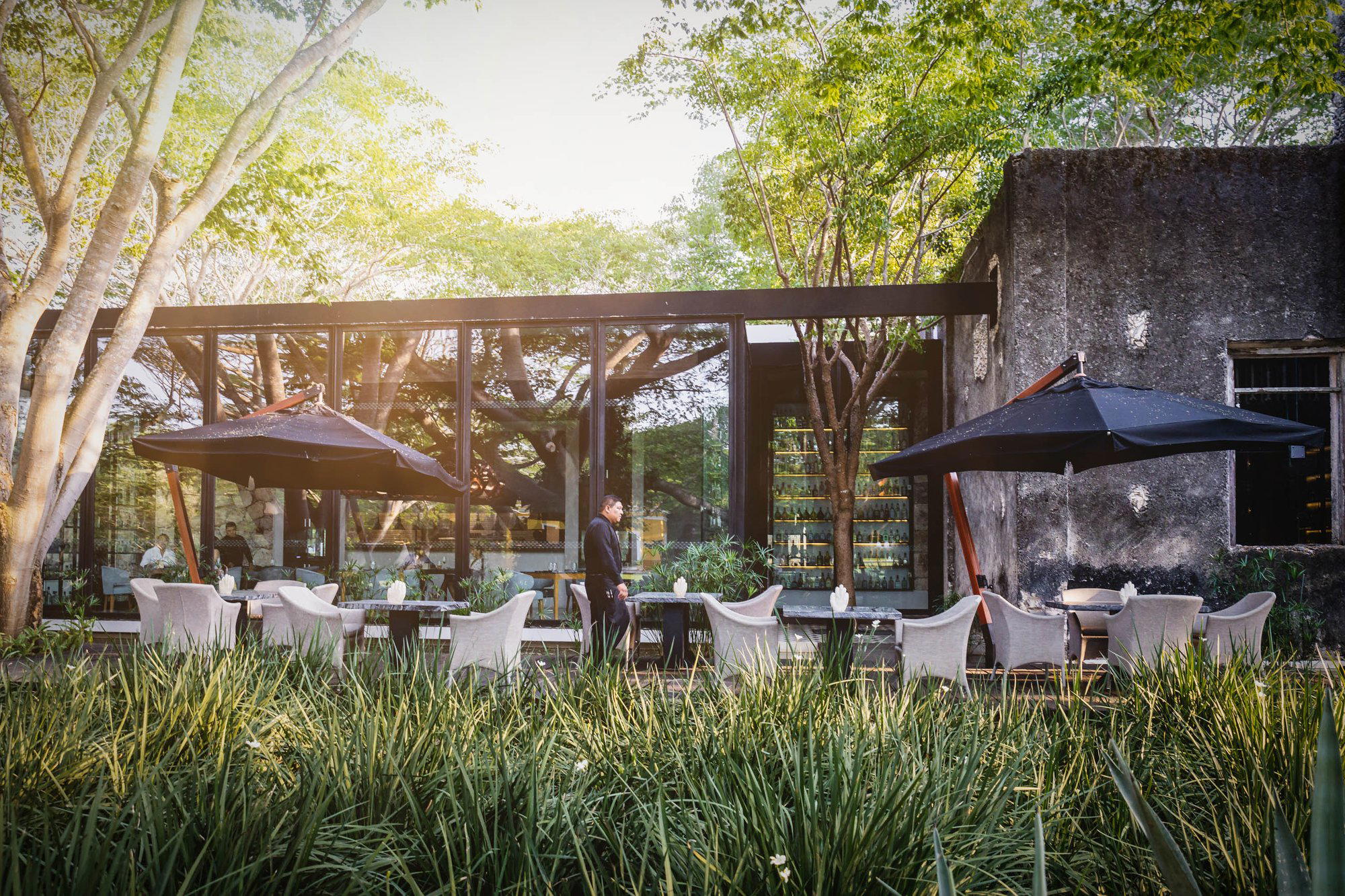
Bars in Mérida
All bars in Mérida →
Details
- Elegant
- Romantic
- Scenic
- Sophisticated
- Date Night
- Special Occasion
- Garden
- Historic Building
- Extensive Wine List
- Farm To Table
- Local Sourcing
- Garden
- Tasting Menu
- Tequila Program
Current opening hours
- Monday
- Closed
- Tuesday
- 1–11 PM
- Wednesday
- 1–11 PM
- Thursday
- 1–11 PM
- Friday
- 1–11 PM
- Saturday
- 1–11 PM
- Sunday
- 1–11 PM
Hours can change for holidays and private events. Hours as of .
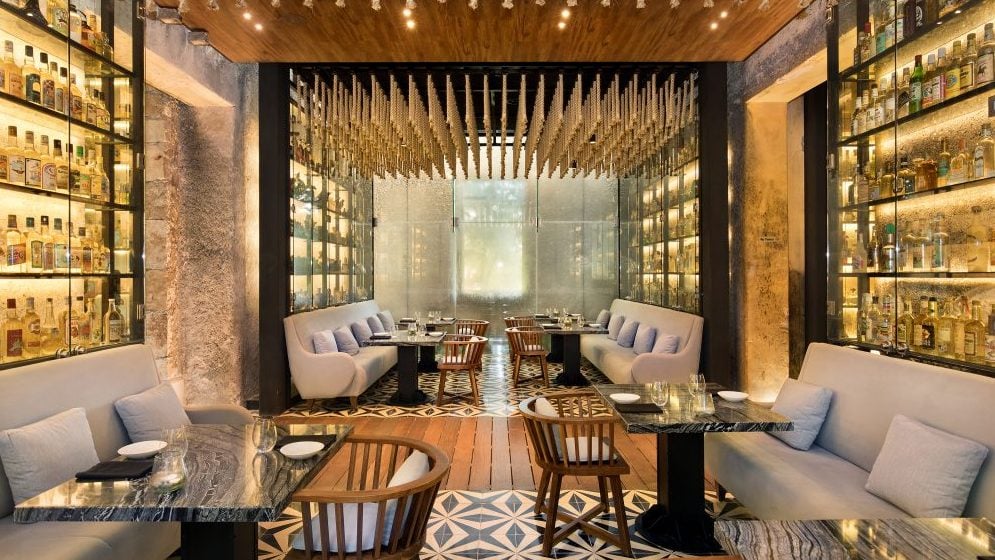
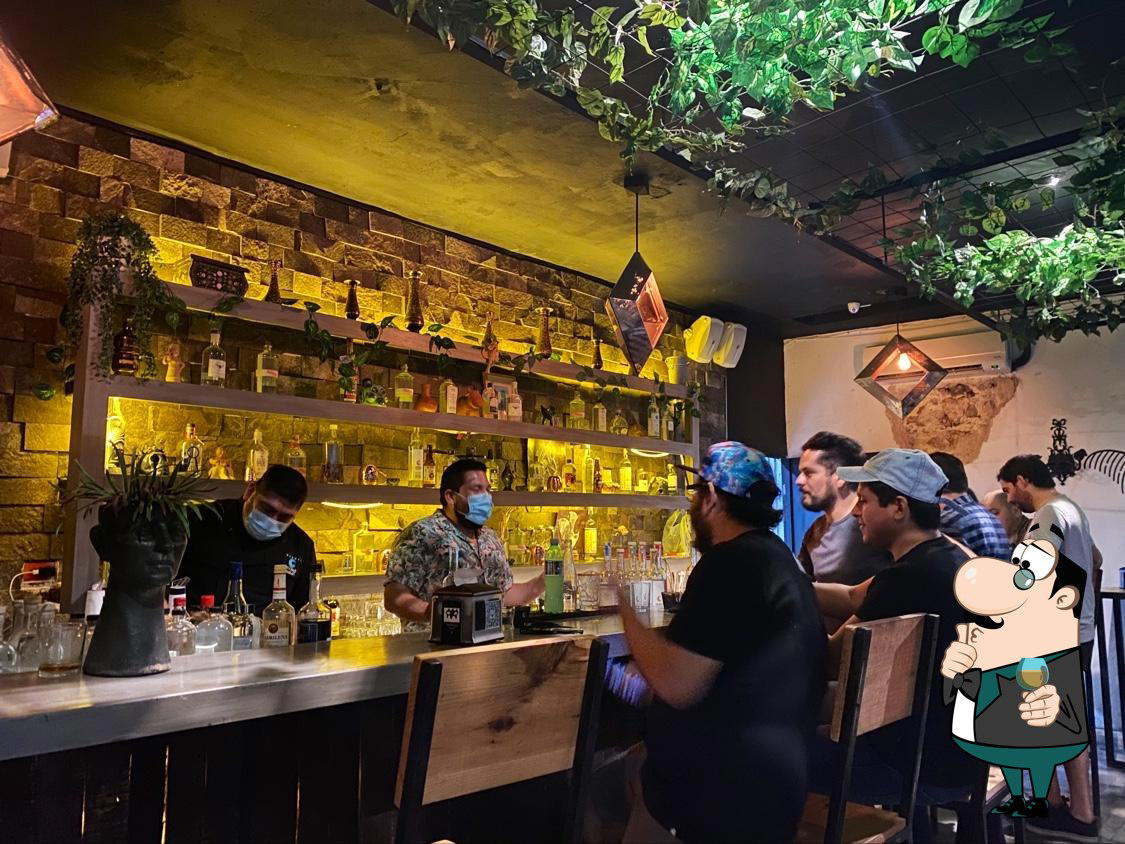
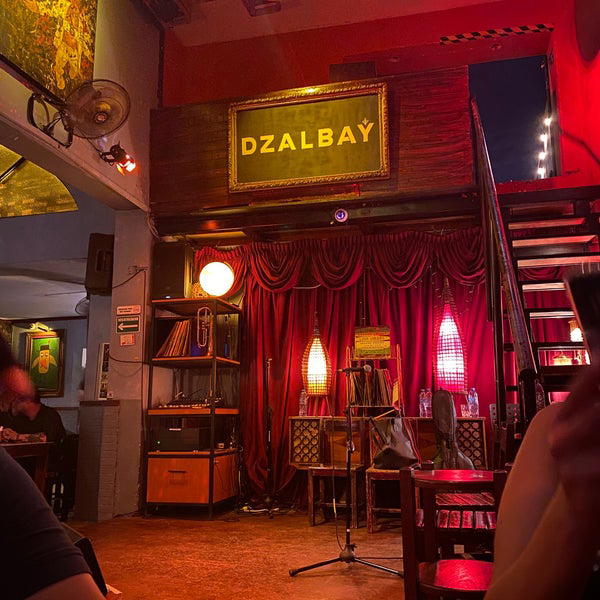
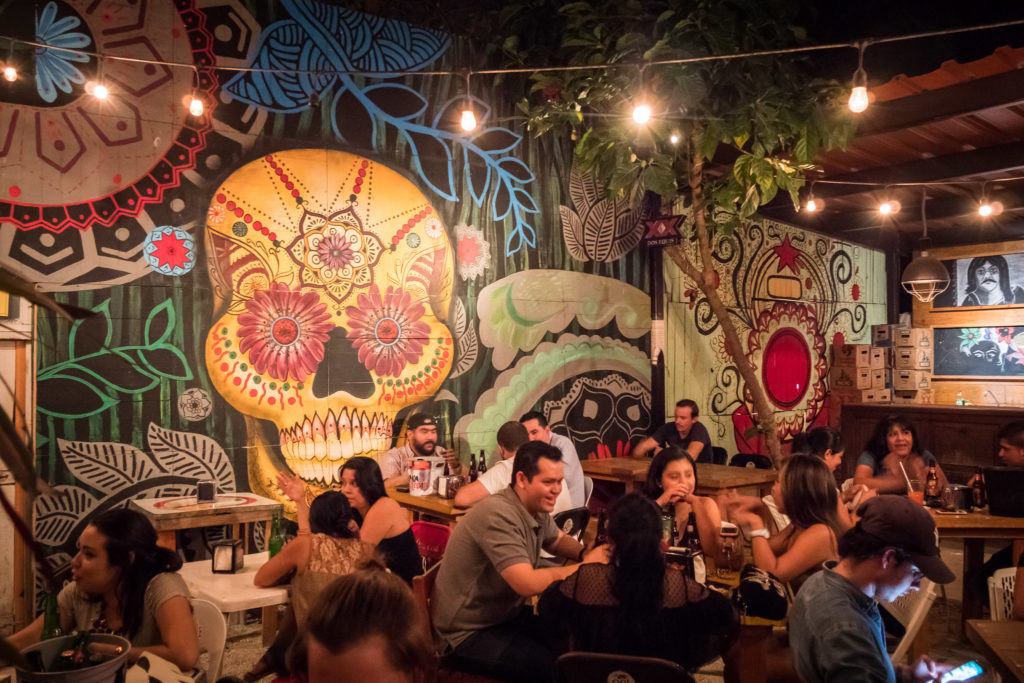
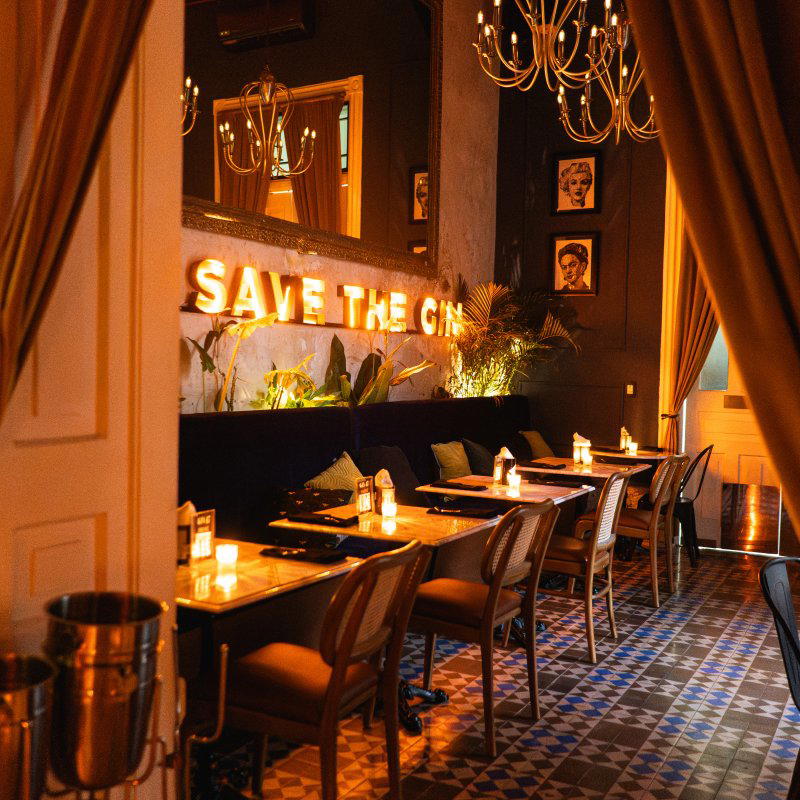
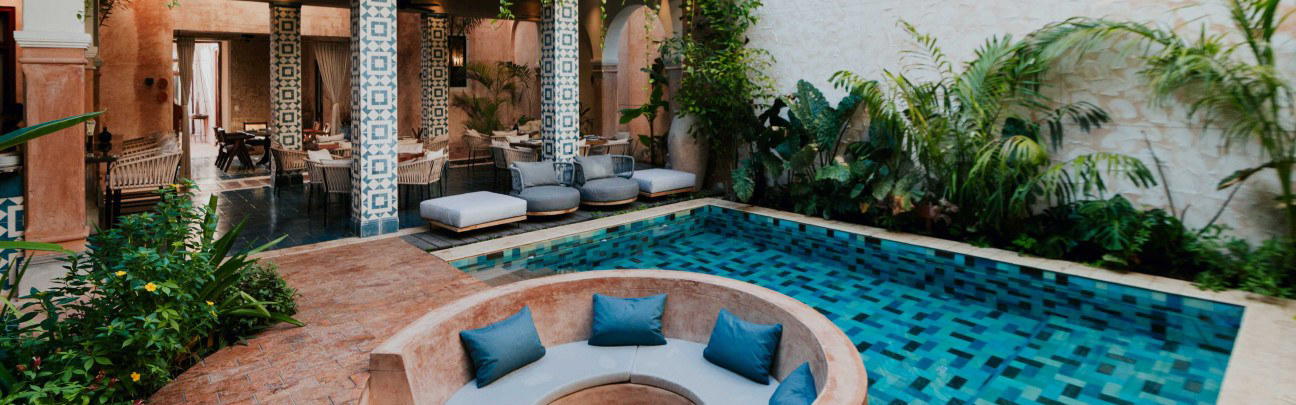
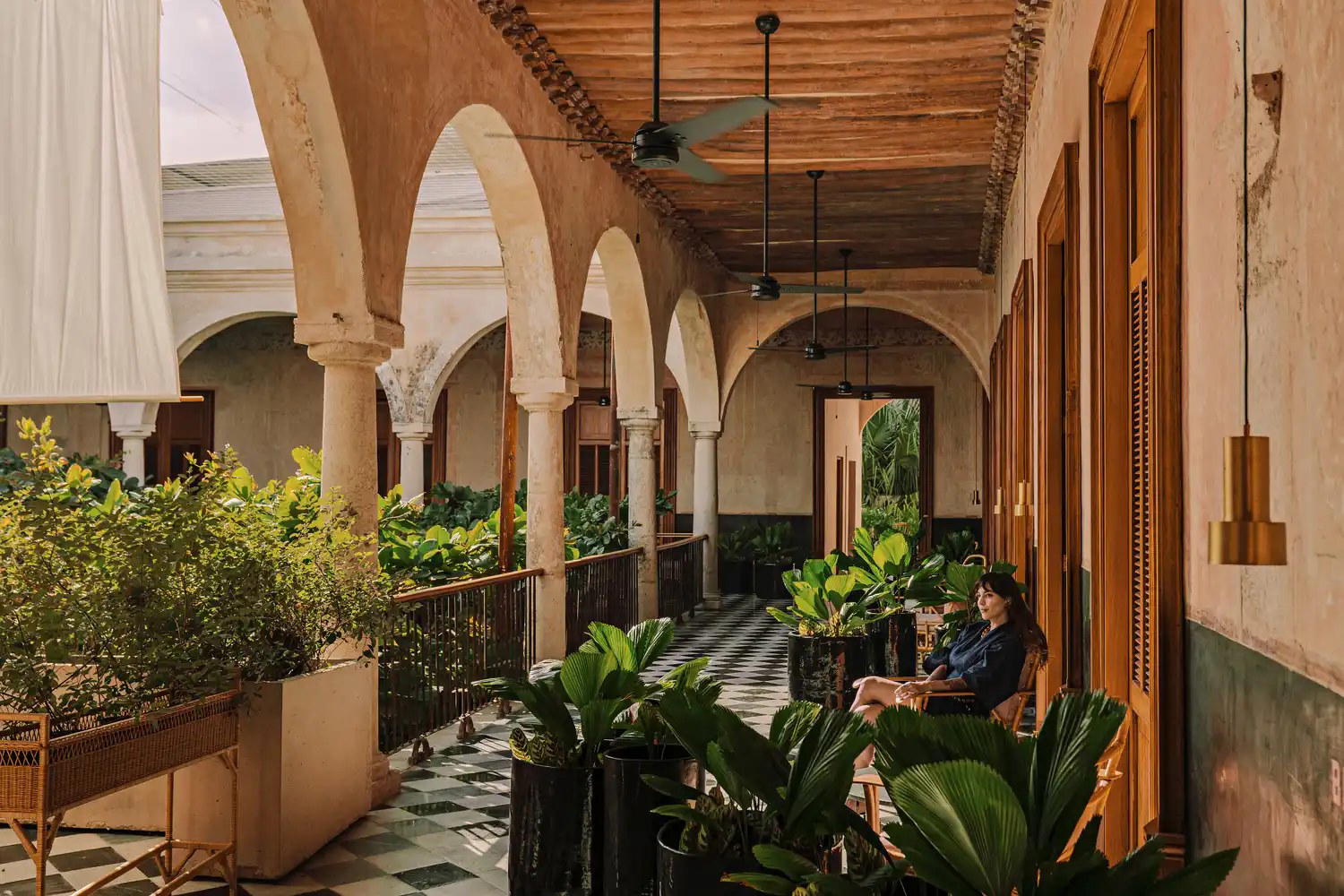
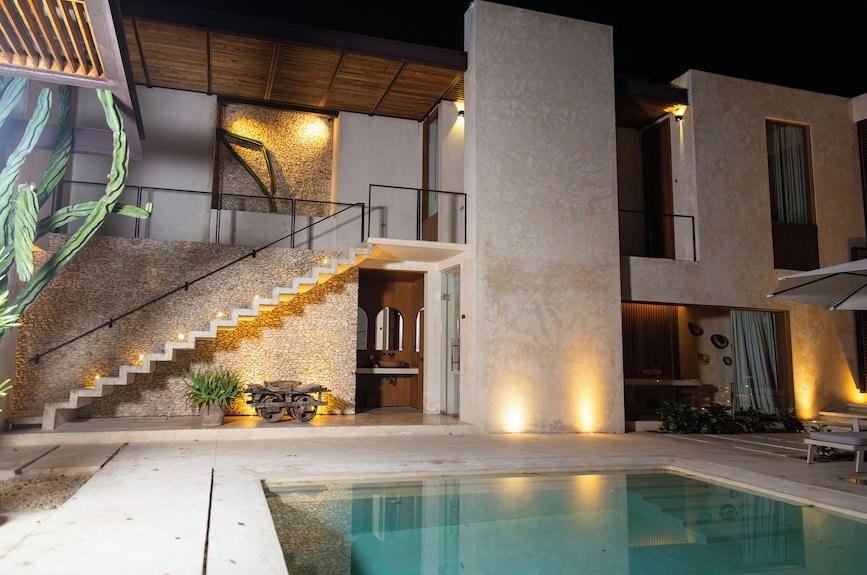
Romantic evening mood with floor-to-ceiling windows overlooking hacienda gardens, terrace seating under century-old trees, and beautiful design incorporating history.