Mayahuel
Mayahuel occupies a mid-block address on K Street in Sacramento's downtown core, where agave-led drinking culture has carved out space alongside the city's increasingly serious restaurant scene. The bar draws from the deep well of Mexican spirits tradition, mezcal, tequila, and their lesser-known relatives, and pairs that program with food that treats the cuisine as more than background noise.
Pearl is the En Primeur Club membership app — saves, bookings, and concierge access live there. Same editors, same standards.
- Address
- 1200 K St, Sacramento, CA 95814
- Phone
- +19164417200
- Website
- experiencemayahuel.com
- Directions
- Get directions
 Saves & bookings on Pearl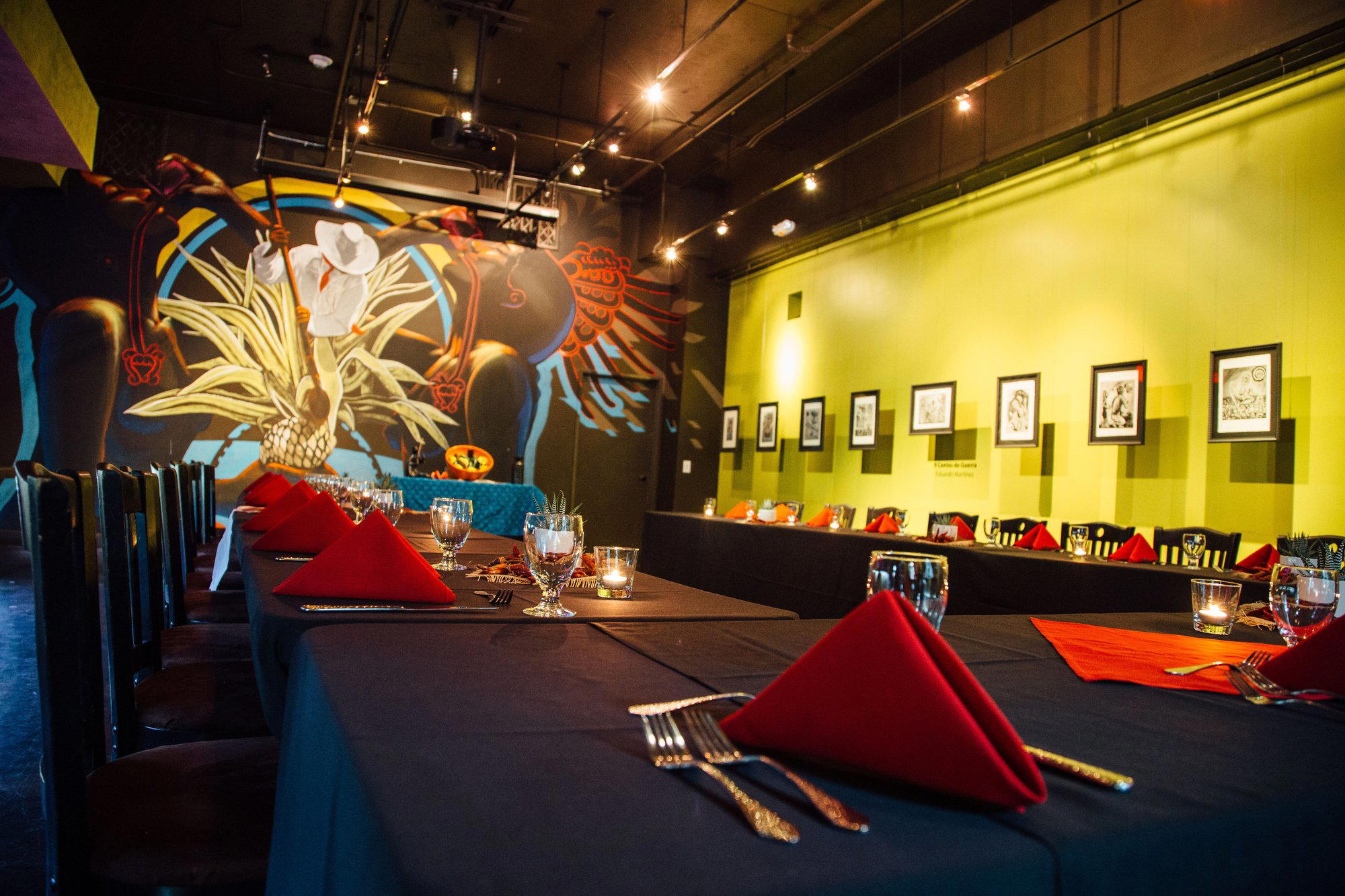
K Street and the Agave Bar Format
Downtown Sacramento's K Street corridor has shifted considerably over the past decade, moving from a stretch defined more by foot traffic than culinary ambition toward a block that now holds venues worth planning around. Mayahuel is a restaurant in Sacramento, California, at 1200 K St. It offers Authentic Regional Mexican Fine Dining at a price tier of 3. In this context, a venue anchored to agave spirits occupies a distinct position, neither the farm-to-table Californian format represented by places like Localis nor the chef-driven contemporary model of The Kitchen, but something that draws from a different tradition entirely.
Agave-focused bars have proliferated across American cities over the past several years, but the format varies considerably in execution. At the entry level, the category often collapses into margarita variations and a back bar stocked with familiar labels. At the more considered end, the program treats mezcal and tequila with the same rigor that serious wine bars apply to natural or regional producers: provenance, production method, agave variety, and distillery background all become relevant data points. Which end of that spectrum Mayahuel occupies is the question any first visit answers.
The Physical Container
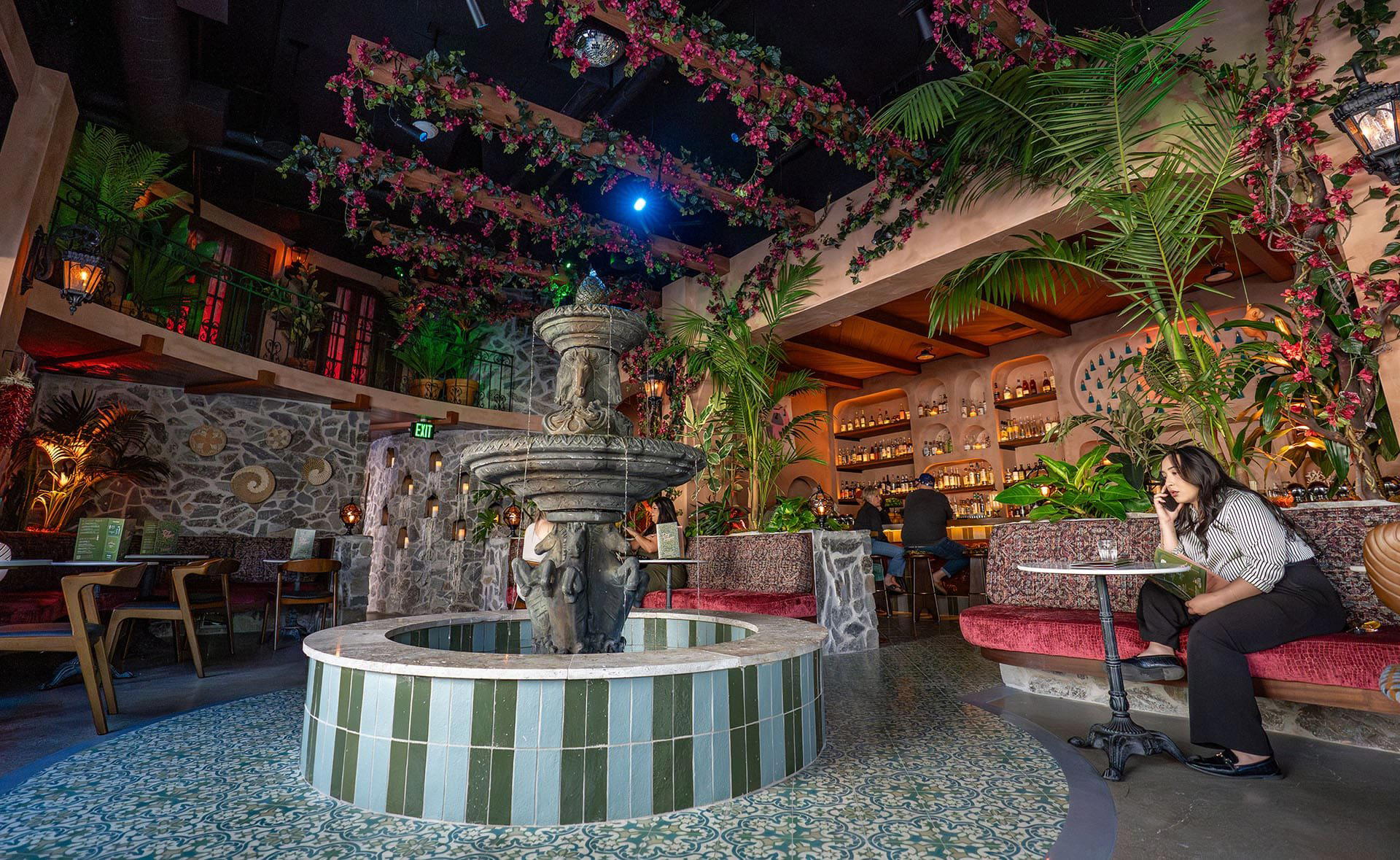
The address on K Street places Mayahuel within walking distance of the Golden 1 Center and the grid of streets that constitutes Sacramento's downtown dining core. That location matters for understanding the venue's context: it draws from a mixed crowd of office workers, pre-show visitors, and destination drinkers who have specifically sought out the agave program. The space itself, as with most bar-forward venues in converted downtown footprints, carries the character of its surroundings, the kind of interior that works with existing architecture rather than imposing a designed environment from scratch.
In the broader American agave bar category, interior design has become a genuine differentiator. Some operators have leaned into maximalist Mexican visual culture, using Oaxacan textiles, clay vessels, and hand-painted tile to signal authenticity. Others have taken a more restrained approach, letting the back bar, often a grid of bottles representing the full taxonomic range of agave spirits, from blanco tequila through joven mezcal to sotol and raicilla, carry the visual weight. Either approach communicates something about the bar's editorial point of view. At venues like Aioli Bodega Española, the room itself functions as an argument for a particular drinking tradition. The same logic applies here.
Sacramento's Position in the California Drinking Conversation
California's agave bar conversation has historically centered on Los Angeles and San Francisco, where Mexican immigrant communities, deep taco culture, and an early adopter spirits market created the conditions for ambitious mezcal programs to take root. Sacramento's position in that conversation is secondary by volume but not by interest. The city's proximity to the Central Valley, its demographics, and its established Mexican restaurant culture, running from neighborhood taquerias to more formal operations, give agave-forward venues here a plausible claim on authenticity that bars in more gentrified urban markets sometimes strain to make.
For a sense of where Sacramento's broader dining ambitions sit nationally, the comparison set is instructive. The city lacks the concentration of Michelin recognition found in San Francisco, where venues like Lazy Bear represent one end of the spectrum, or the decades-long institutional weight of places like The French Laundry in Napa. But Sacramento has been developing a distinct identity that runs through its proximity to agricultural supply, its relatively lower operating costs, and a local dining culture that has grown more demanding. That context shapes what a venue like Mayahuel can be here in ways it could not in a more saturated market.
The agave category itself has been expanding nationally. Spirits programs at venues from Providence in Los Angeles to Atomix in New York have incorporated mezcal and tequila pairings as the category's prestige tier has grown. The shift reflects both consumer education and the increasing availability of small-production agave spirits in the US market, bottles from single-village palenques, specific agave varieties like tobalá or tepeztate, and ancestral production methods have all moved from specialist knowledge to a more accessible conversation.
Food as the Second Argument
In the American agave bar format, food occupies an awkward middle ground. At one end, it functions as bar snack infrastructure: chips, guacamole, a couple of tostadas that exist to pace the drinking rather than demand attention on their own terms. At the other, kitchens attached to serious mezcal programs have begun treating the food side with the same sourcing discipline applied to the spirits, Mexican regional cooking that goes beyond the Tex-Mex template and engages with the actual breadth of the cuisine. The latter model is the more interesting one, and it positions a venue in a different competitive set: not just bars with food, but genuine dual-program operations where the kitchen and the back bar make complementary arguments. Sacramento's restaurant scene, which includes Italian-leaning venues like Allora and casual neighborhood operators like Adamo's Kitchen, does not currently have many venues making that dual argument in the Mexican cuisine space.
Planning a Visit
The K Street address is accessible from Sacramento's light rail grid and sits within the downtown core, making it a natural stop before or after events at nearby venues. Reservations are recommended. For visitors comparing Sacramento against other California dining destinations, Addison in San Diego and Single Thread Farm in Healdsburg represent different points on the state's ambition curve, while nationally the range runs from Alinea in Chicago to Blue Hill at Stone Barns in Tarrytown and Le Bernardin in New York, context that clarifies how a regional agave bar fits into the larger conversation about where American dining is going.
Cuisine and Credentials
Comparable venues nearby, for context on price, style, and recognition.
| Venue | Cuisine | Price | Notes |
|---|---|---|---|
| MayahuelThis venue — the venue you are viewing | Authentic Regional Mexican Fine Dining | $$$ | Not listed |
| Polanco Cantina | Contemporary Mexican | $$ | Downtown Commons |
| Scott's Seafood on the River | Seafood & Steakhouse | $$$ | |
| Oak Room | Modern American Bistro | $$$ | J Street |
| Paragary's | Modern California Bistro | $$$ | Alhambra Triangle |
| Octopus Baja | Modern Mexican Seafood & BajaMed Fusion | $$$ | Alhambra Triangle |
Continue exploring
More in Sacramento
Restaurants in Sacramento
Browse all →
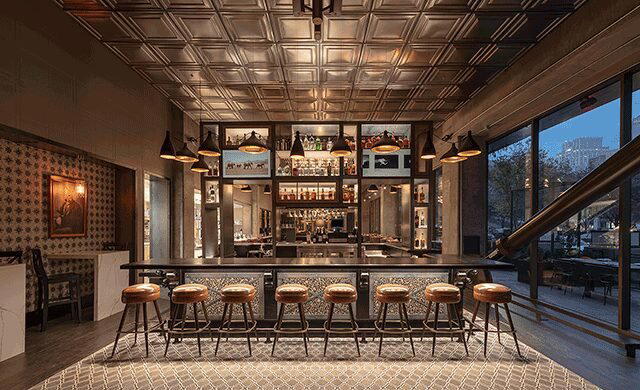
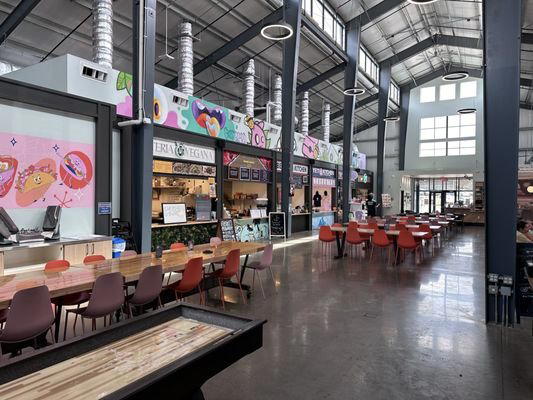
Bars in Sacramento
Browse all →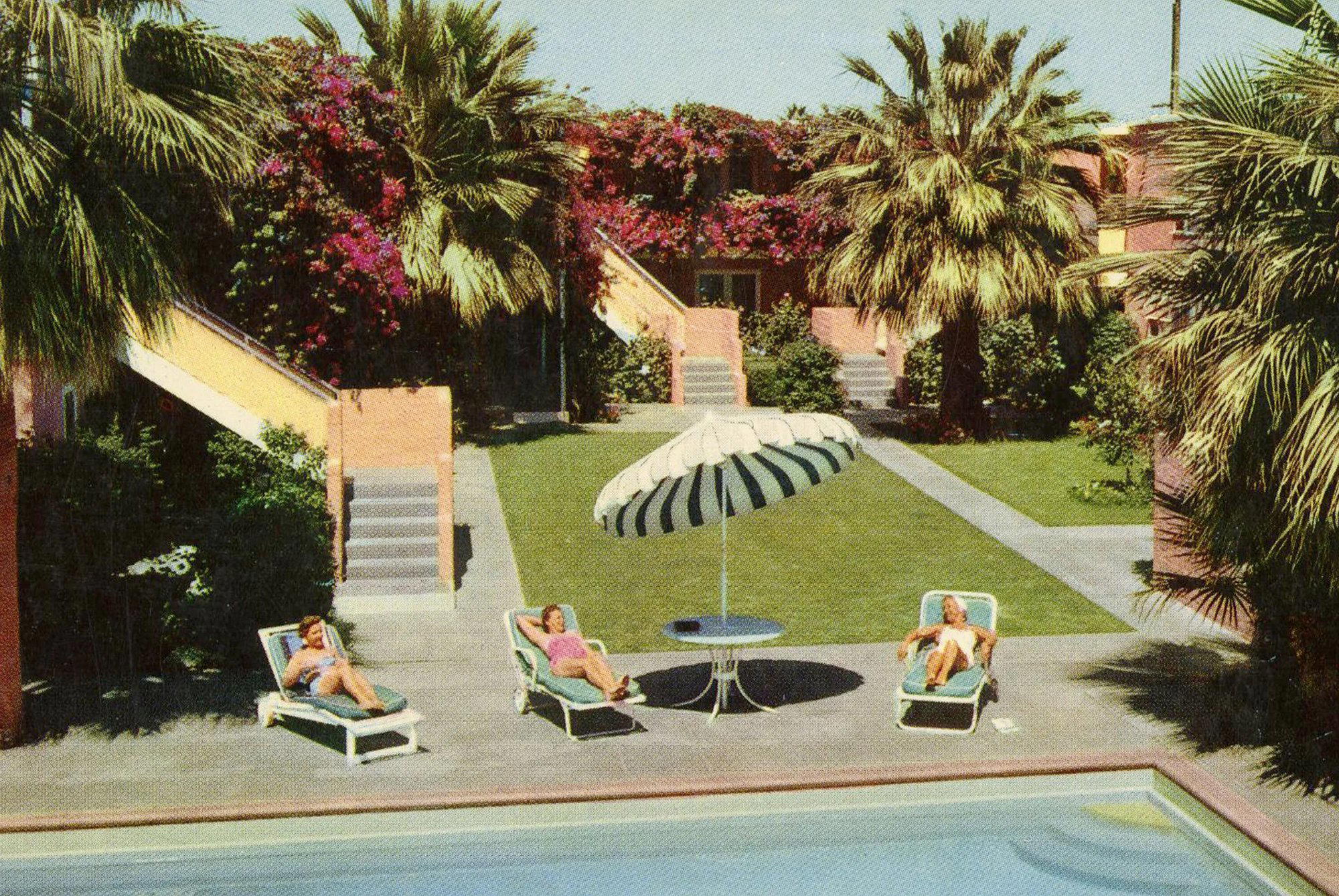
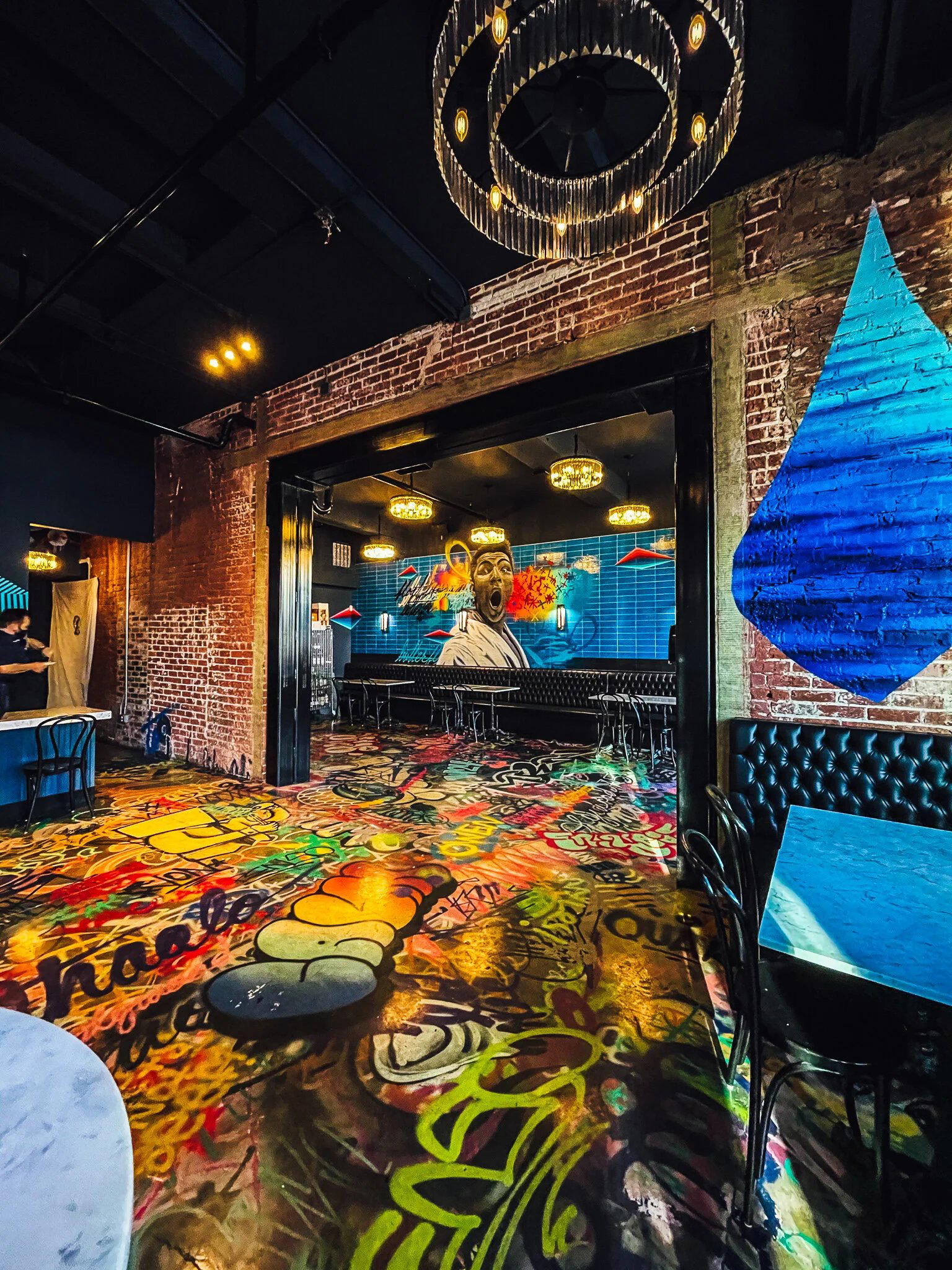
Hotels in Sacramento
Browse all →
Wineries in Sacramento
Browse all →
At a Glance
- Elegant
- Romantic
- Lively
- Date Night
- Special Occasion
- Group Dining
- Live Music
- Open Kitchen
- Private Dining
- Craft Cocktails
- Extensive Wine List
- Farm To Table
- Local Sourcing
Current opening hours
- Monday
- 11 AM–8 PM
- Tuesday
- 11 AM–8 PM
- Wednesday
- 11 AM–8 PM
- Thursday
- 11 AM–8 PM
- Friday
- 11 AM–10 PM
- Saturday
- 11 AM–10 PM
- Sunday
- 11 AM–7 PM
Hours can change for holidays and private events. Last verified .
Immersive Mexican cultural experience with art-focused design, featuring murals, traditional music, and Día de los Muertos displays that celebrate Mexican heritage and craftsmanship.