Octopus Baja
Octopus Baja brings Baja California's coastal cooking tradition to Sacramento's Midtown grid, operating from a K Street address that positions it alongside the city's more established farm-to-table tier. The kitchen draws on a cuisine rooted in Pacific seafood and cross-border technique, a counterpoint to the inland-focused producers that dominate much of Sacramento's restaurant identity. For the city's growing appetite for ethical, ocean-conscious dining, it occupies a distinct slot.
Pearl is the En Primeur Club membership app — saves, bookings, and concierge access live there. Same editors, same standards.
- Address
- 2731 K St, Sacramento, CA 95816
- Phone
- +19167542172
- Website
- octopusbaja.com
- Directions
- Get directions
 Saves & bookings on Pearl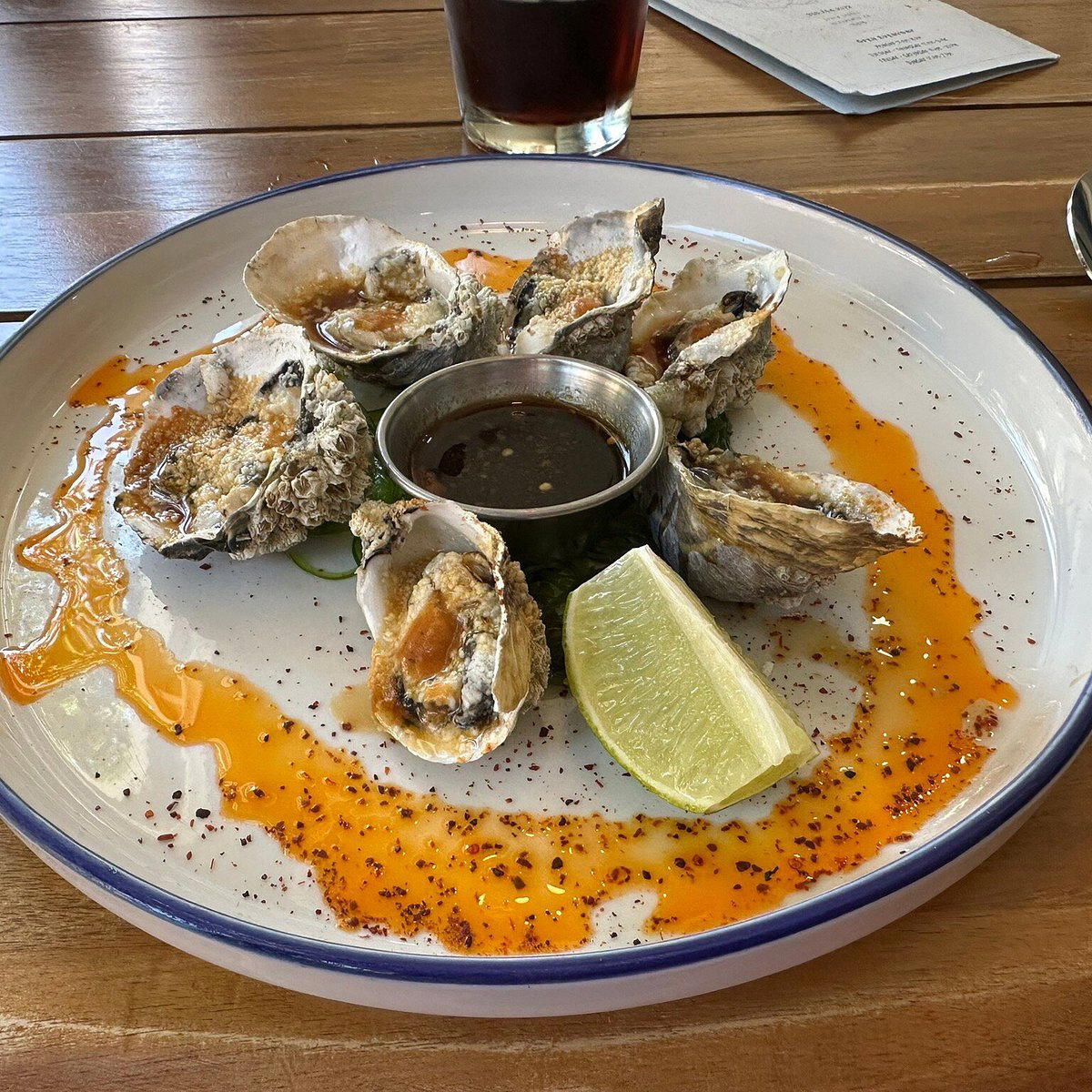
Where Baja California's Coastal Ethic Meets Sacramento's Midtown
Octopus Baja is a restaurant in Sacramento, California, serving Modern Mexican Seafood & BajaMed Fusion at 2731 K St. Sacramento's dining identity has long been anchored to the land: farm partnerships, Central Valley produce, and the kind of agricultural provenance that venues like Localis (Californian) and The Kitchen (Contemporary) have made central to their appeal. Octopus Baja enters that conversation from a different direction entirely, drawing its culinary reference points from the Pacific coast rather than the Sacramento Valley floor. The address at 2731 K St places it squarely in Midtown, a neighbourhood that has absorbed a wave of independent operators over the past decade, including Adamo's Kitchen, Aioli Bodega Espanola, and Allora (Italian). In that company, a Baja-inflected kitchen focused on ocean protein represents a genuine shift in register.
Baja California cuisine as a category has matured significantly since its early association with fish tacos and beachside simplicity. The cooking tradition that has emerged along the Baja peninsula, particularly around Ensenada and the Valle de Guadalupe, is now recognised internationally for its integration of Pacific seafood with local wine culture and an environmental consciousness that stems partly from necessity: the Pacific fisheries demand stewardship, and the leading Baja kitchens have built their sourcing around that reality. Venues in this tradition are increasingly benchmarked not just against each other but against the wider American coastal dining tier that includes Providence in Los Angeles and, at the pinnacle, Le Bernardin in New York City, where the relationship between kitchen and ocean is treated as a founding principle.
The Sustainability Thread Running Through Baja Cooking
The environmental framing of Baja-style coastal cooking is not incidental. The Pacific coast from Ensenada northward through Baja California has seen serious pressure on wild fisheries, and the kitchens that have built reputations in this tradition have generally responded by working with species that are abundant rather than depleted, rotating proteins seasonally, and maintaining close relationships with specific fishing operations. This is the opposite of the broad seafood-supplier model that still dominates many American coastal restaurants.
In that context, a kitchen operating under the name Octopus Baja carries an implicit positioning. Octopus, historically overlooked by American diners but central to Mediterranean and Pacific coastal cuisines, is a species well-suited to responsible harvesting: it reproduces quickly, responds to population pressure faster than many fin fish, and does not require aquaculture infrastructure. Its appearance as a naming device signals something about where the kitchen's priorities sit: on species that make environmental sense, not just those that carry premium market associations. This is a different posture from the prestige-protein model that defines tasting menus at places like The French Laundry in Napa or the elaborate seasonal architecture of Single Thread Farm in Healdsburg.
Across American dining, the sustainability conversation has matured past certification labels and supplier name-drops into something more structural: kitchens that build their menus around what is genuinely abundant and low-impact rather than what is prestigious. Blue Hill at Stone Barns in Tarrytown has made this argument for land-based produce; the leading Baja-influenced kitchens make a parallel case for the Pacific. Sacramento, positioned inland but within driving distance of the Northern California coast and with established supply chains to Central California producers, is a plausible location for a kitchen trying to make that case outside of the coastal cities where it has already been well rehearsed.
Where Octopus Baja Sits in Sacramento's Price Tier
Sacramento's restaurant market has stratified clearly in recent years. At the leading end, tasting-menu formats at venues like The Kitchen operate at the $$$$ price level and compete for the same occasion spend as destination restaurants in San Francisco or Napa. The middle of the market has expanded with a range of independent operators covering multiple cuisine types. A Baja-focused kitchen in Midtown occupies an interesting position in this structure: the cuisine category does not automatically read as high-ticket, but the sourcing commitments implied by responsible Pacific seafood can push food costs in a direction that places the kitchen above the casual end of the spectrum.
For comparison, the Sacramento market includes venues ranging from a single dollar sign at the accessible end through to the $$$$ tier occupied by the city's most formal dining rooms. Where the restaurant prices within that structure matters for how it is used: a mid-range Baja kitchen becomes a regular neighbourhood option, while one priced toward the upper tier becomes a destination choice measured against the broader Northern California coastal dining field, which at its most ambitious includes Lazy Bear in San Francisco and, further afield, Addison in San Diego.
Planning Your Visit
The restaurant is located at 2731 K St in Sacramento's Midtown district, walkable from the central grid and accessible by light rail from downtown. Midtown as a neighbourhood rewards the kind of exploratory approach that pairs a meal with the area's broader independent retail and bar scene; the K Street corridor has developed density in recent years that makes it a coherent destination rather than a single-stop visit. For a broader view of where the restaurant sits within Sacramento's dining options,
The Short List
Comparable venues nearby, for context on price, style, and recognition.
| Venue | Cuisine | Price | Notes |
|---|---|---|---|
| Octopus BajaThis venue — the venue you are viewing | Not listed | $$$ | Not listed |
| Mayahuel | Not listed | $$$ | Mansion Flats, Authentic Regional Mexican Fine Dining |
| Scott's Seafood on the River | Pocket, Seafood & Steakhouse | $$$ | Not listed |
| Zinfandel Grille | Not listed | $$$ | Woodside, California-Inspired Italian Farm-to-Table |
| Mikuni | Mansion Flats, Japanese Sushi Fusion | $$$ | Not listed |
| The 7th Street Standard | Not listed | $$$ | Downtown, Contemporary Californian Farm-to-Table |
Continue exploring
More in Sacramento
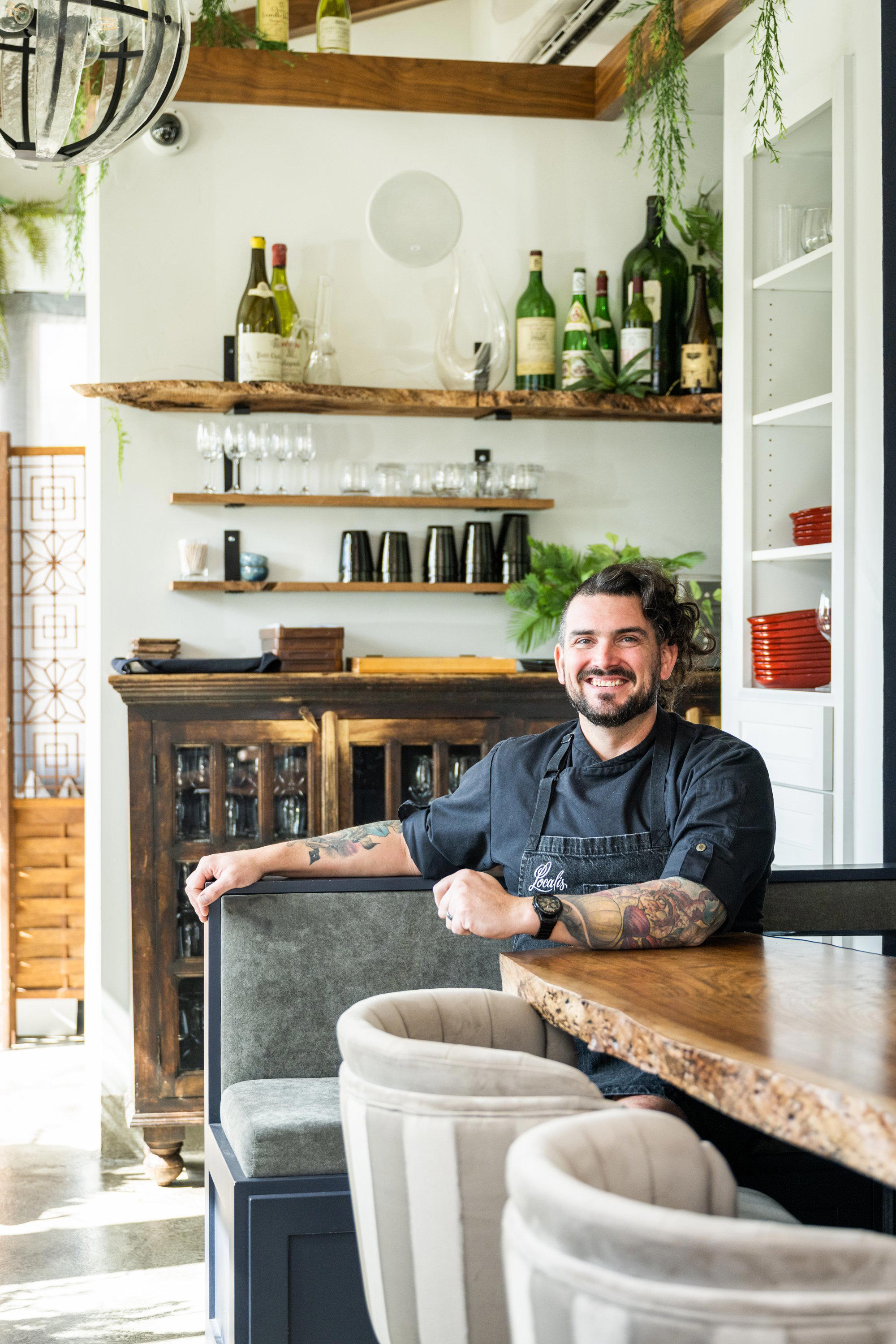
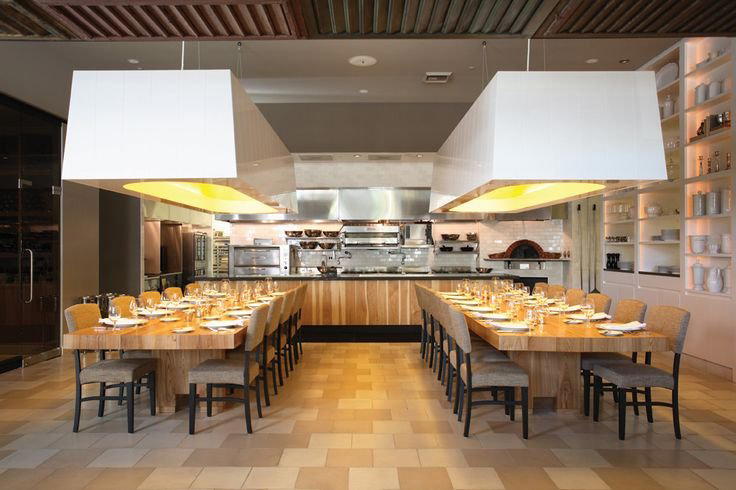
Restaurants in Sacramento
Browse all →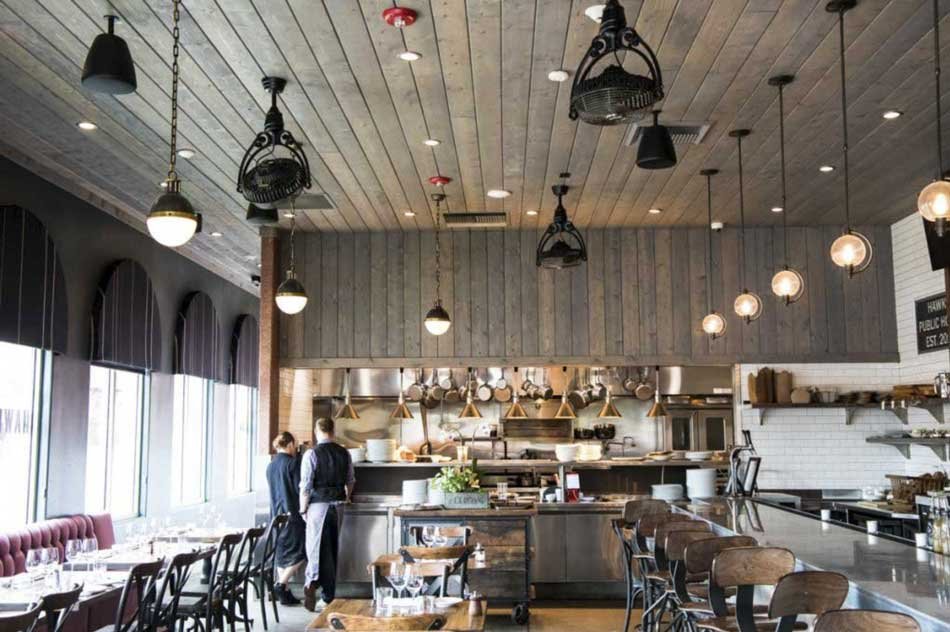
Bars in Sacramento
Browse all →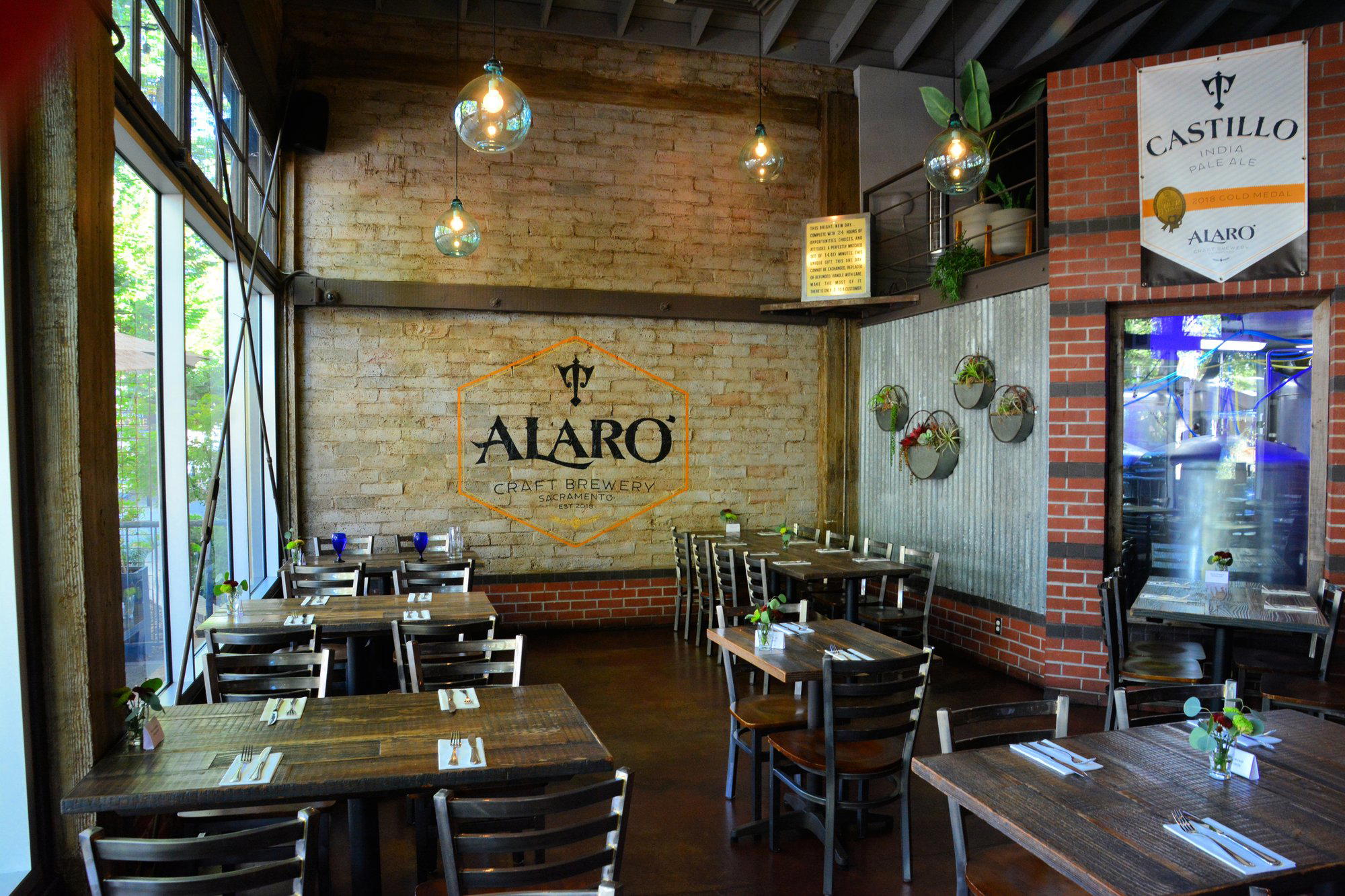
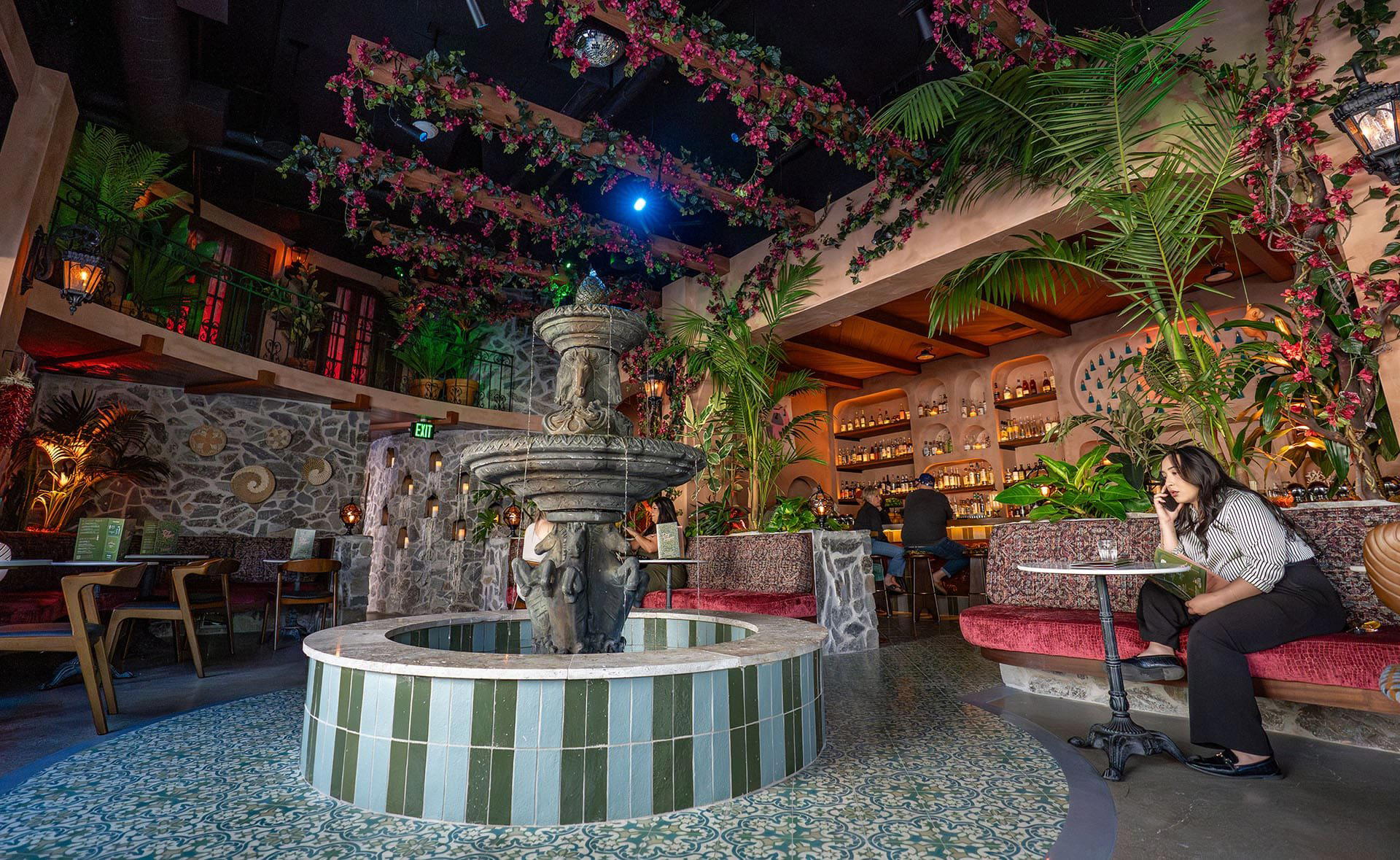

Hotels in Sacramento
Browse all →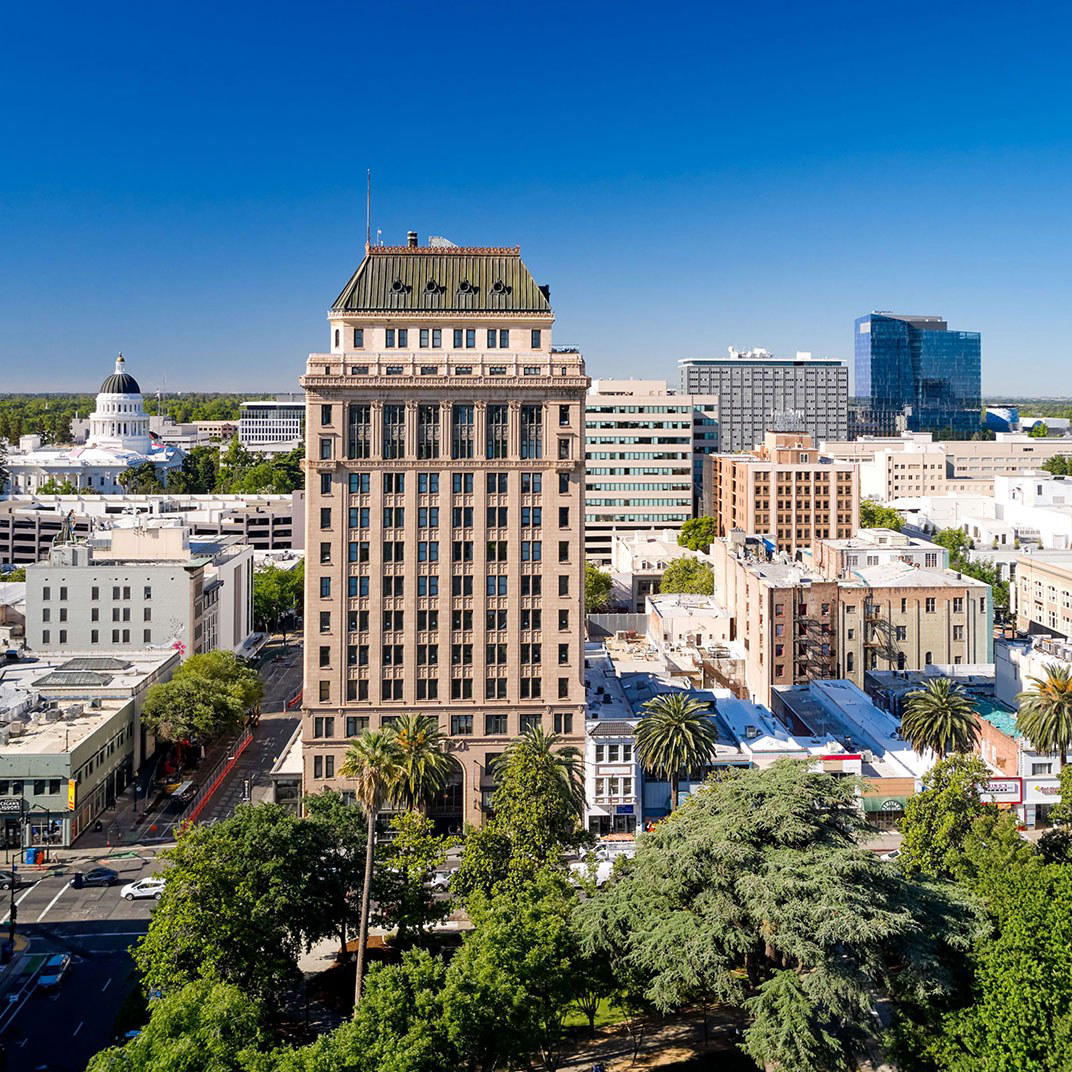

Wineries in Sacramento
Browse all →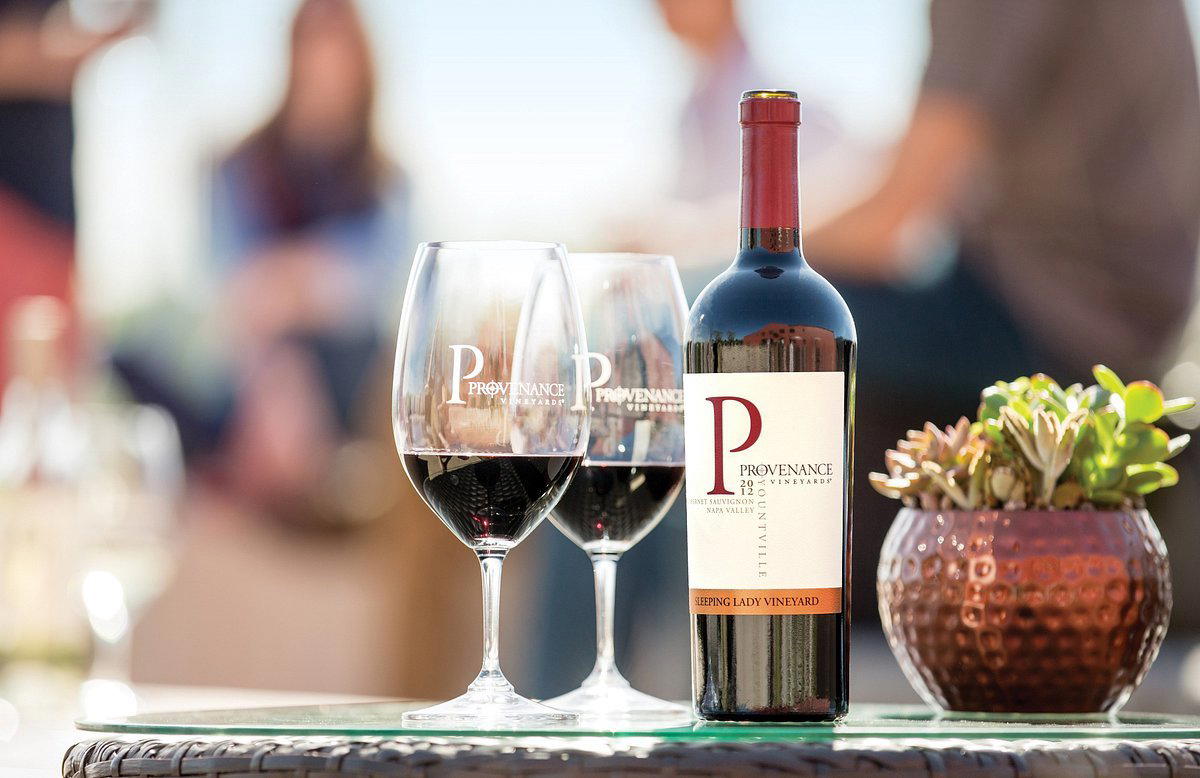
At a Glance
- Modern
- Lively
- Trendy
- Casual Hangout
- Group Dining
- Date Night
- Open Kitchen
- Standalone
- Craft Cocktails
- Sake Program
- Beer Program
- Sustainable Seafood
- Local Sourcing
Current opening hours
- Monday
- 11 AM–8 PM
- Tuesday
- 11 AM–9 PM
- Wednesday
- 11 AM–9 PM
- Thursday
- 11 AM–9 PM
- Friday
- 11 AM–10 PM
- Saturday
- 11 AM–10 PM
- Sunday
- 11 AM–7 PM
Hours can change for holidays and private events. Last verified .
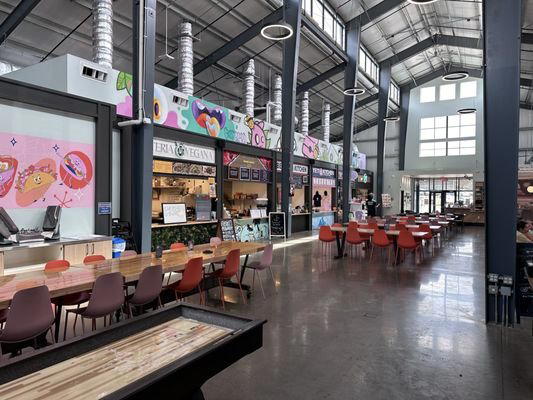
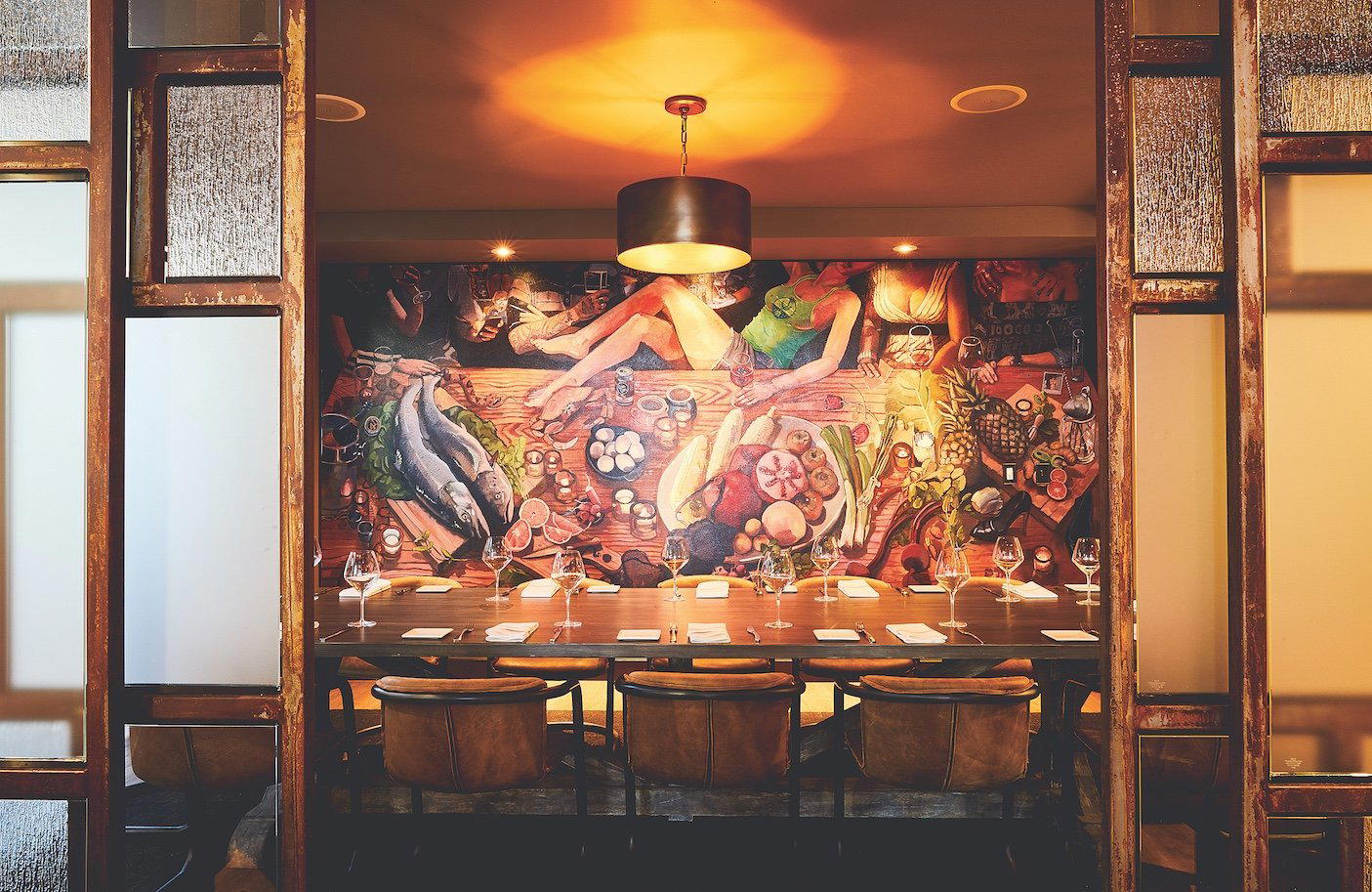
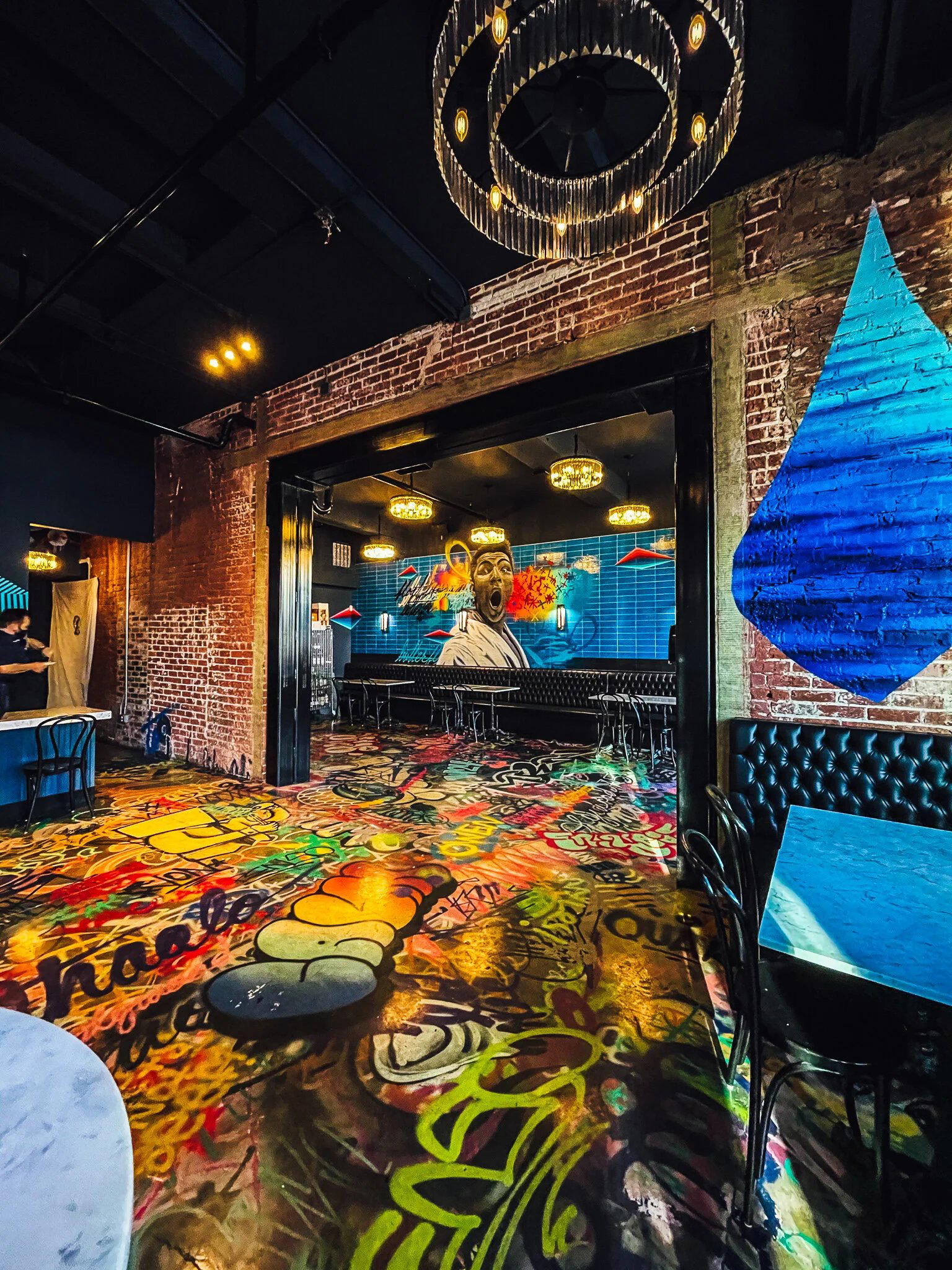
Sleek yet welcoming atmosphere with a lively, coastal-inspired design reflecting Baja California's laid-back beach scene.