Max & Issy's Pizzeria
On Diversey Parkway in Lincoln Park, Max & Issy's Pizzeria occupies a corner of Chicago's neighborhood pizza conversation that sits well outside the downtown fine-dining corridor. The address places it among a dense cluster of independent restaurants serving a residential crowd with high expectations and regular habits. For visitors calibrating Chicago's pizza geography, it is a useful reference point in a city that takes the category seriously.
- Address
- 1028 W Diversey Pkwy, Chicago, IL 60614
- Phone
- +17736878505
- Website
- maxandissys.com
- Directions
- Get directions
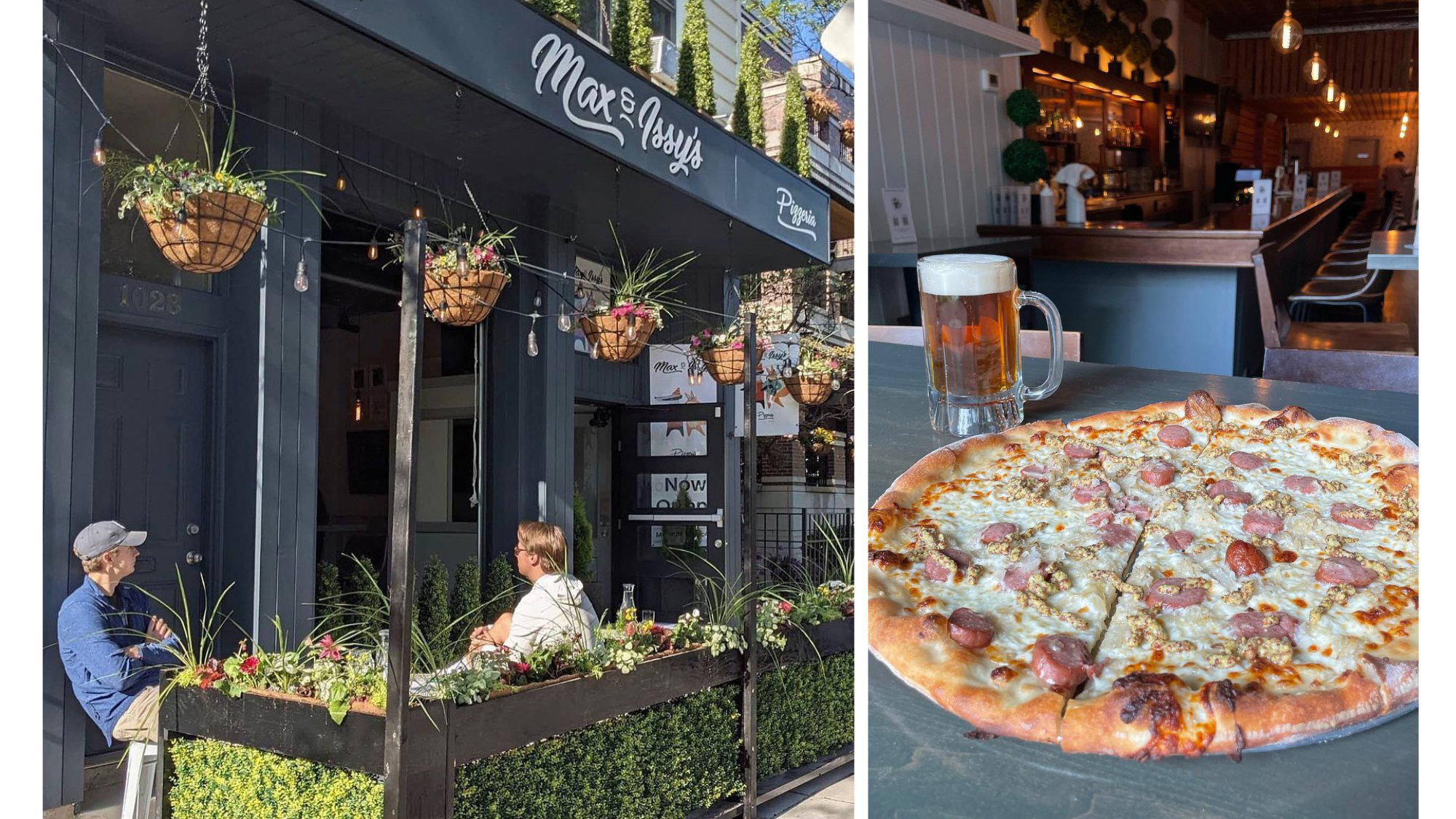
Lincoln Park's Pizza Geography
Chicago's relationship with pizza is more fractured and competitive than the city's reputation suggests. The deep-dish narrative that dominates tourist itineraries obscures a parallel economy of neighborhood pizzerias operating on thinner margins, shorter menus, and the kind of repeat-customer loyalty that no single viral moment can manufacture. Along Diversey Parkway in Lincoln Park, that neighborhood economy is visible in concentrated form: independent spots trading on consistency rather than spectacle, measured against each other by regulars who eat there on a Tuesday and again on a Friday.
Max & Issy's Pizzeria, at 1028 W Diversey Pkwy, occupies that residential tier. Lincoln Park itself is one of Chicago's higher-income neighborhoods, which shapes what the local dining market demands: not the bargain-basement slice, but not the occasion-dining theater of a place like Alinea either. The pizzeria sits in the middle register of a neighborhood where expectations are calibrated by proximity to both serious fine dining and serious casual eating. Max & Issy's Pizzeria is a casual New York-Style Pizzeria at 1028 W Diversey Pkwy, Chicago, with a price point around $20 per person. That positioning tells you something about what the room is trying to do before you read a menu.
Where This Address Sits in Chicago's Dining Spread
Chicago's restaurant geography has two distinct gravitational centers: the downtown and River North corridor, where tasting-menu ambition concentrates at places like Smyth, Oriole, and Next Restaurant, and the neighborhood tier spread across Lincoln Park, Wicker Park, Logan Square, and Pilsen. The latter category is where most Chicagoans actually eat, and it operates by different rules. Prix-fixe formality gives way to walk-in culture. Wine lists are shorter but often sharper in their curation. The measure of a room's success is return frequency, not Instagram reach.
Lincoln Park's Diversey corridor specifically has a concentration of independent operators alongside national chains, and the independents that survive tend to do so because they have built a loyal residential base. That context matters when thinking about a pizzeria at this address: it is competing not against the Filipino tasting menus at Kasama but against every other neighborhood spot within a ten-block radius where a Lincoln Park household might spend a weeknight.
The Wine Question at a Neighborhood Pizzeria
Chicago's neighborhood pizza segment has seen a gradual shift in how operators think about beverage programs. For most of the city's pizza history, the wine list at a pizzeria was an afterthought: a house red, a house white, a domestic lager to round out the card. That approach has eroded in neighborhoods where the demographic skews toward diners who have eaten well elsewhere and bring those reference points with them.
The more interesting pizzerias in Chicago's residential neighborhoods now treat the wine list as a legitimate editorial statement rather than a compliance exercise. In the tier below dedicated wine bars, this typically means a focused list of Italian and natural-leaning selections, often organized around producers rather than regions, and priced to encourage a second glass rather than to maximize per-bottle margin. The address and neighborhood context place it in a market where that expectation is increasingly standard.
For comparison, it is worth noting how the wine conversation has evolved at pizzerias in comparable American cities. In San Francisco, places like Lazy Bear have demonstrated that beverage ambition need not be confined to fine-dining formats. On the East Coast, the standards set by sommeliers at institutions like Le Bernardin in New York City have raised expectations that filter down to the neighborhood tier over time. The result is that a thoughtful by-the-glass program at a Lincoln Park pizzeria is no longer a surprise; it is increasingly a baseline.
Reading the Chicago Pizza Tier
Chicago's pizza conversation breaks into at least three distinct tiers. At the leading, a small number of operators have turned the format into a destination in its own right, drawing visitors who have also booked tables at The French Laundry in Napa or Blue Hill at Stone Barns in Tarrytown and approach pizza with the same seriousness. Below that, a mid-tier of well-regarded neighborhood operators serves the city's resident dining class. Below that, the commodity tier: chains and delivery-first operators competing on price and speed alone.
Max & Issy's, by address and neighborhood character, reads as mid-tier in the sense that matters most for this market: not mid-tier in quality, but mid-tier in format and aspiration. It is the kind of place that anchors a neighborhood's dining identity rather than drawing visitors from across the city. That is a legitimate and durable commercial position in a city where neighborhood loyalty runs deep and the dining-out habit is embedded in residential culture in a way that is less true in, say, San Diego or Los Angeles.
Lincoln Park restaurants in this category tend to operate on a walk-in basis for much of the week, with weekend evenings requiring either a reservation or patience. The neighborhood demographic skews toward families and young professionals who have established dining routines, which means Thursday through Saturday sees consistent pressure that Sunday and Monday do not. Visitors to Chicago who want to understand the city's neighborhood pizza culture rather than its tourist-facing deep-dish identity would do well to spend time on Diversey rather than in the River North loop.
Budget Reality Check
Comparable venues nearby, for context on price, style, and recognition.
| Venue | Cuisine | Price | Notes |
|---|---|---|---|
| Max & Issy's PizzeriaThis venue — the venue you are viewing | Lincoln Park, New York-Style Pizzeria | $$ | Not listed |
| Labriola Italian Specialties | Not listed | $$ | Magnificent Mile, Chicago-Style Italian Pizza and Pasta |
| Ricobene's | Not listed | $$ | Bridgeport, Classic Chicago Italian Sandwiches |
| Neon Gardens | Lincoln Park, Modern Italian Pizza | $$ | Not listed |
| Sapori Trattoria | Not listed | $$ | Lincoln Park, Traditional Italian Trattoria |
| Bar Tutto | Fulton Market, All-Day Italian Café | $$ | Not listed |
At a Glance
- Cozy
- Lively
- Casual Hangout
- Group Dining
- Open Kitchen
- Craft Cocktails
- Beer Program
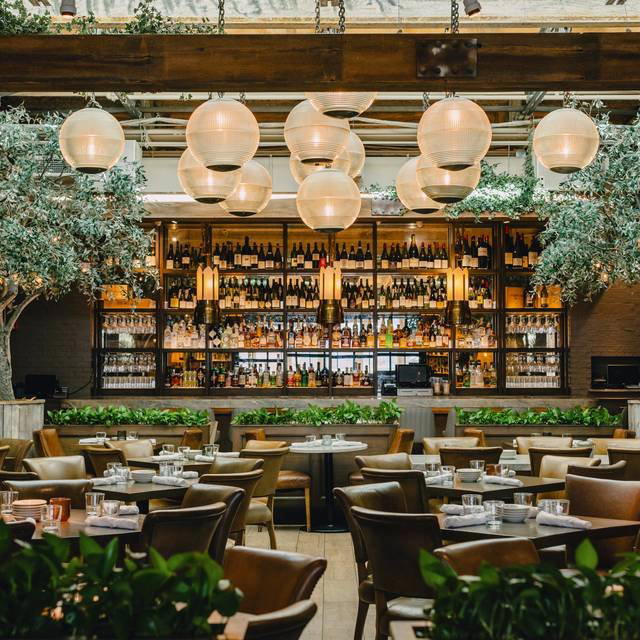
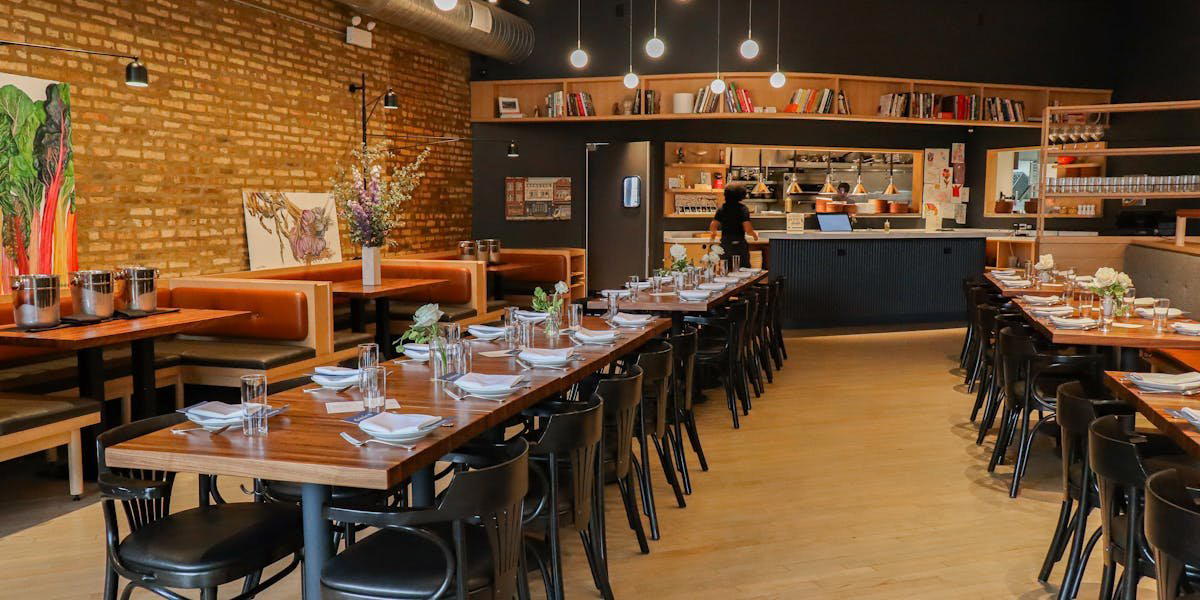
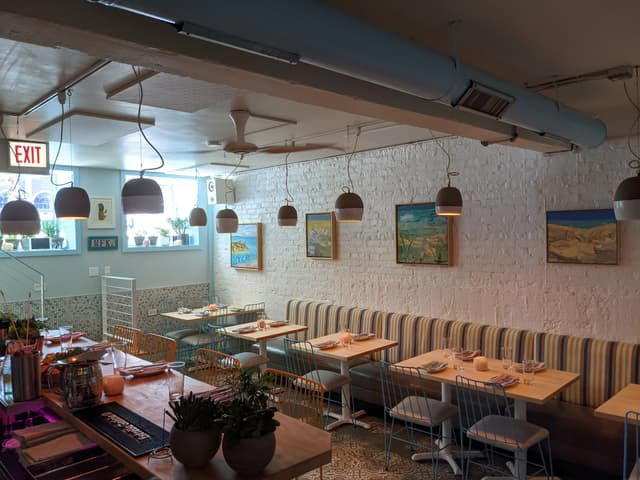
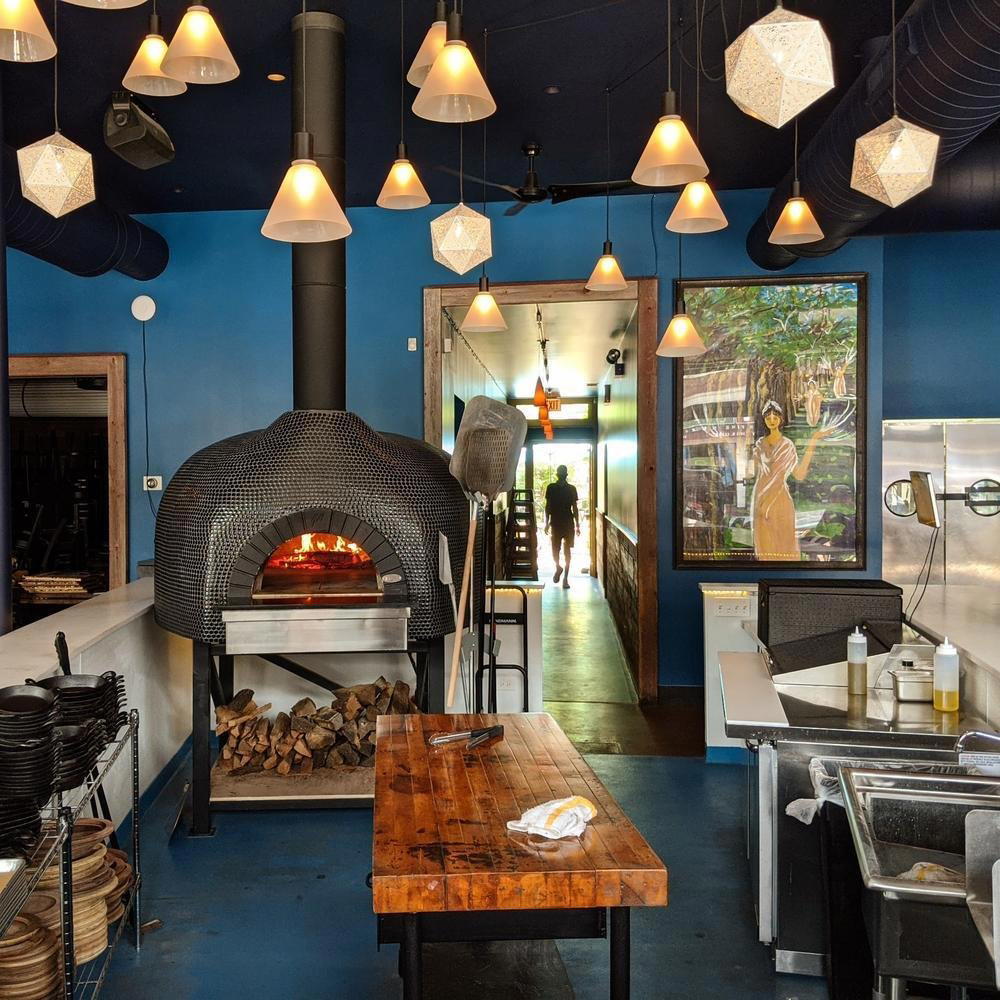
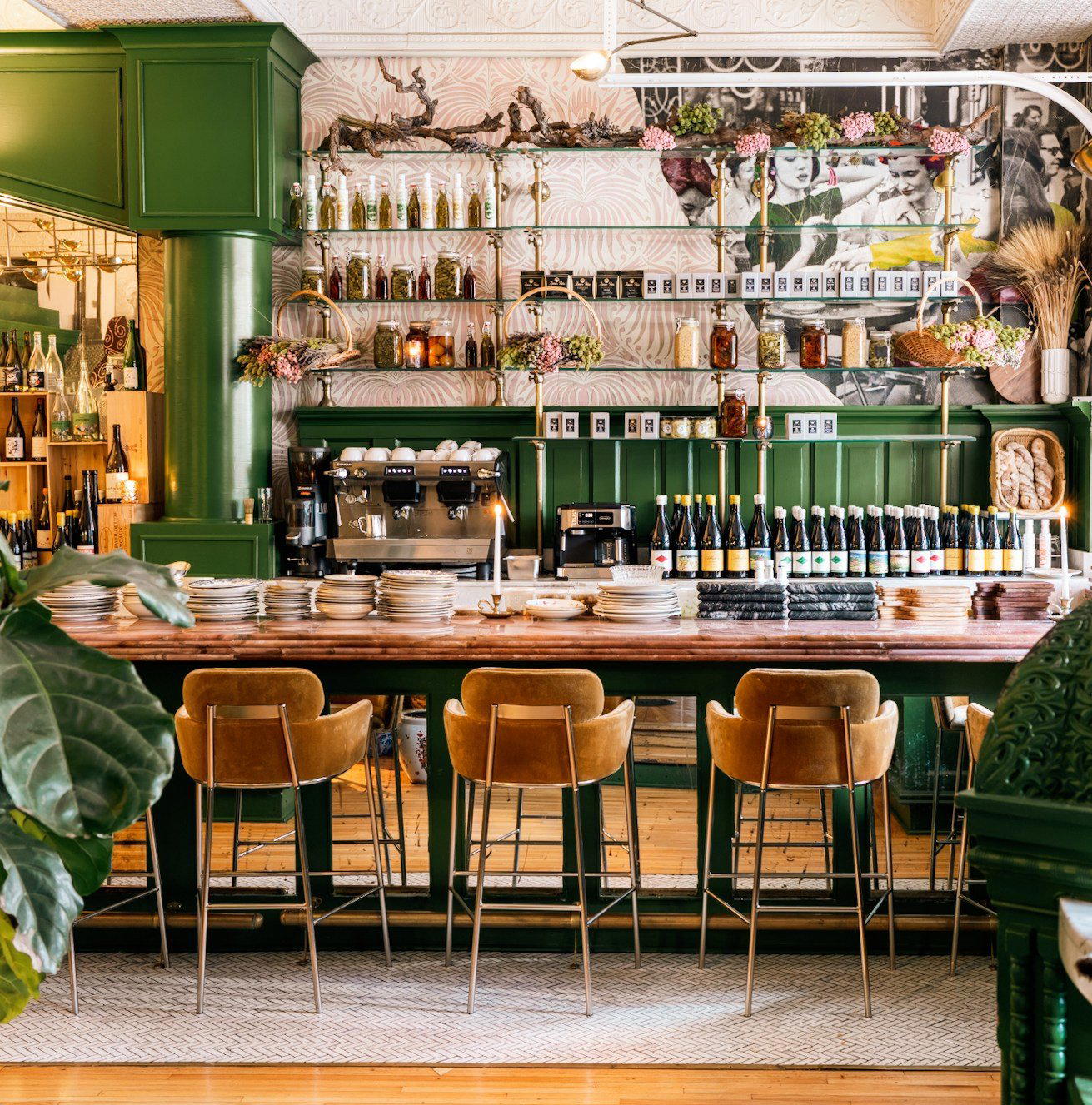
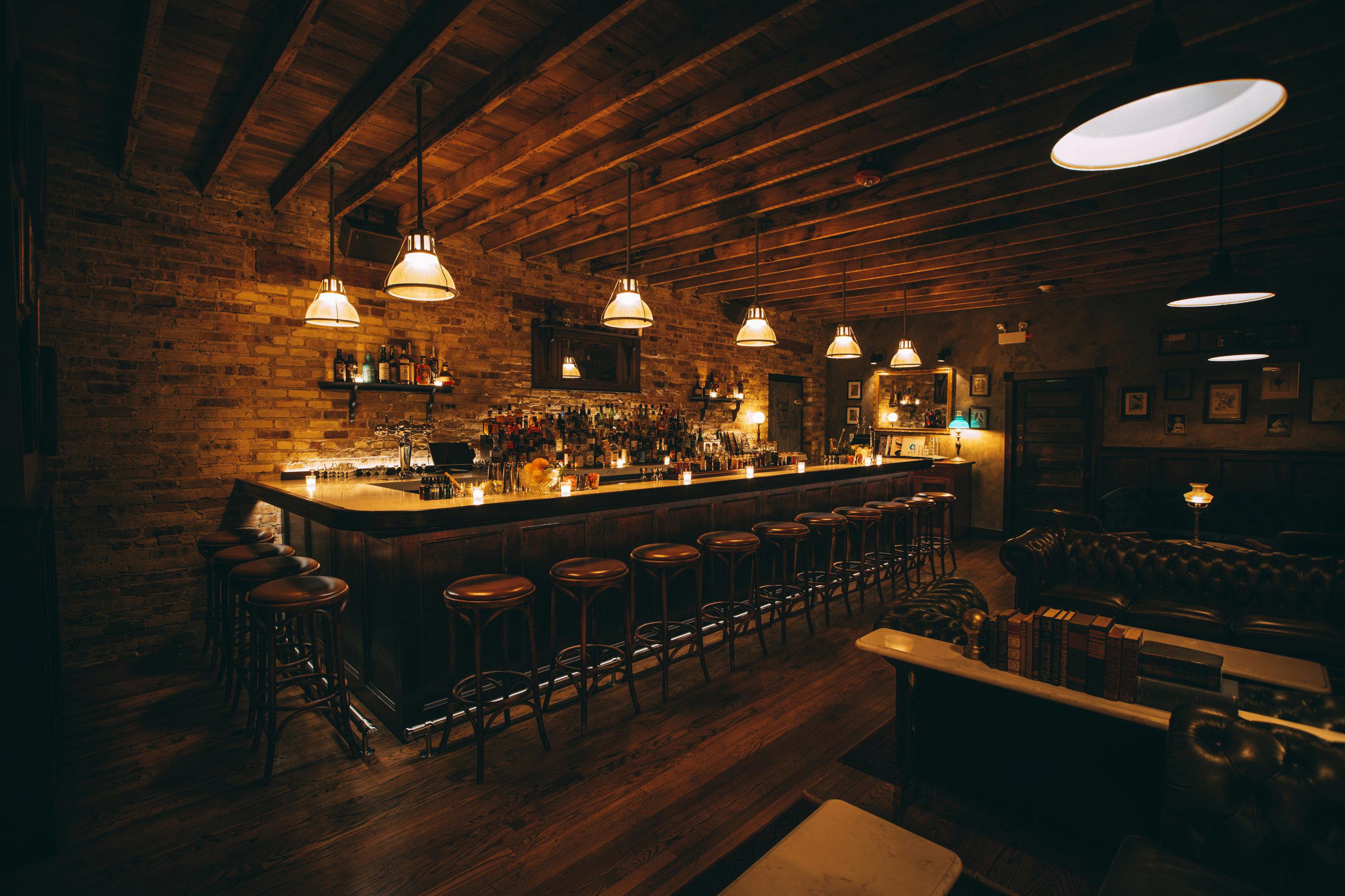
Cozy neighborhood atmosphere with moderate noise, suitable for bar, patio, and table dining.