
Polish cooking earns Michelin recognition in Paris's Marais district, where Matka at 78 Rue Quincampoix holds a 2025 Michelin Plate alongside. The kitchen draws on Central European sourcing traditions at a mid-range price point, making a credible case that Polish cuisine belongs in the same conversation as Paris's broader wave of boundary-testing immigrant kitchens.
Pearl is the En Primeur Club membership app — saves, bookings, and concierge access live there. Same editors, same standards.
- Address
- 78 R. Quincampoix, 75003 Paris, France
- Phone
- +33 1 44 93 58 14
- Website
- matkarestaurant.fr
- Directions
- Get directions
 Saves & bookings on Pearl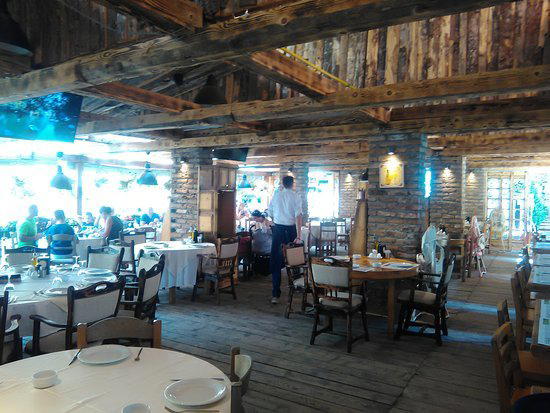
When Central European Pantries Meet Paris Scrutiny
Polish restaurants have existed on the margins of Parisian dining for decades, sustained largely by diaspora appetite and a cuisine that has rarely been asked to justify itself on fine-dining terms. That calculus has shifted. The same city that made Kei a three-Michelin-star argument for Japanese-French hybridity, and that watches Alléno Paris au Pavillon Ledoyen push classical French cooking toward molecular precision, now has room for a Polish kitchen earning Michelin recognition on its own terms. Those numbers suggest a room that delivers reliably, not one coasting on novelty.
What Polish Sourcing Actually Means in a Paris Kitchen
The editorial angle worth pressing here is ingredients: where Polish cooking draws its character, and what happens when that sourcing logic is transplanted into one of the world's most ingredient-obsessed cities. Polish cuisine is rooted in a cold-climate pantry, fermented vegetables, cured meats, root vegetables, rye and buckwheat grains, freshwater fish from river systems that run through a geography largely uninfluenced by Mediterranean abundance. Bigos, the slow-cooked hunter's stew, gets its backbone from sauerkraut that has fermented for days or weeks. Żurek, the sour rye soup, depends on a starter that takes time to develop acidity. These are not convenience-driven preparations; they are the product of a food culture that learned to extract depth from preservation before refrigeration made preservation optional.
For a Paris kitchen operating at the price point Matka occupies (price tier 3, about $69 per person), the sourcing question is whether the kitchen maintains fidelity to those fermentation and curing traditions or adapts toward French pantry convenience.
Contrast this with the approach at the highest end of French dining. Arpège built its three-star reputation on a biodynamic kitchen garden in Brittany, with ingredient provenance as explicit philosophy. L'Ambroisie in Place des Vosges, among the more formally composed French tables in Paris, draws from a sourcing network built over four decades. Matka operates at a different price register entirely, but the underlying question, does the kitchen treat ingredients as the story rather than the technique, is the same one Michelin inspectors apply across categories.
The Marais as a Context for Immigrant Kitchens
Rue Quincampoix sits in the 3rd arrondissement, in a neighbourhood that has been a working-class market district, a Jewish quarter, and more recently a gallery-and-concept-store corridor. The Marais absorbs new arrivals without much resistance; it has done so across centuries. For a Polish kitchen, the address is neither accidental nor merely practical. The neighbourhood's historical texture includes Central and Eastern European Jewish communities whose food traditions, particularly around pickling, smoking, and fermentation, share structural logic with Polish peasant cooking even where the dishes themselves diverge.
That context matters because it shapes the room's audience. A Polish restaurant in the 3rd is not banking purely on diaspora traffic. It is opening to a neighbourhood that already reads fermented and cured flavours as familiar reference points, even if the specific dishes are new.
Polish Cuisine's Position in Paris's Immigrant Kitchen Wave
Paris has spent the last decade building a credible case that immigrant kitchens deserve the same critical attention as the classical French canon. Korean, Japanese, Peruvian, and West African restaurants have all moved from ethnic-dining novelty into the Michelin framework. Polish cuisine arrives later to that table, and Matka's 2025 Plate is evidence that the tipping point has been reached. The question is whether Polish cooking can develop a Paris identity that reads as a coherent culinary proposition for an audience without ancestral connection to the cuisine.
The comparison to how Polish cooking has travelled elsewhere is instructive. Pierozek in New York City represents one model for Polish food in diaspora cities, while Restauracja Solmarina in Wiślinka shows what the cuisine looks like when rooted in its home geography. Paris, as a city that has watched Le Cinq at the Four Seasons George V and the broader palace hotel circuit maintain classical French formality at the summit of the market, creates a specific kind of pressure on immigrant kitchens: they are expected to be authentic to their source culture while readable to an audience that measures everything against French standards of execution and produce quality.
Planning Your Visit
Matka is positioned at the accessible end of the Paris restaurant spectrum, and its Michelin Plate recognition in 2025 makes it a logical first port of call for anyone building an itinerary that moves between the landmark French tables and the city's more recent crop of internationally-rooted kitchens.
Flocons de Sel in Megève, Mirazur in Menton, Troisgros in Ouches, Paul Bocuse in Collonges-au-Mont-d'Or, Bras in Laguiole, and Auberge de l'Ill in Illhaeusern.
Address: 78 Rue Quincampoix, 75003 Paris, France. Price range: €€ (mid-range). Awards: Michelin Plate 2025. Reservations are recommended. Dress: smart casual.
Side-by-Side Snapshot
Comparable venues nearby, for context on price, style, and recognition.
| Venue | Cuisine | Price | Awards | Notes |
|---|---|---|---|---|
| MatkaThis venue — the venue you are viewing | Modern Polish Fine Dining | $$$ | Michelin Plate | Not listed |
| Sister Midnight | Cocktail Bar | $$$ | Not listed | Pigalle |
| Istr | Modern Seafood & Oyster Bar | $$$ | Michelin Plate | Marais (3rd Arrondissement) |
| L'Auberge des Crus | Traditional French Bistro | $$$ | Michelin Plate | 16ème |
| Maison Cluny | Seasonal French Bistro | $$$ | Michelin Plate | Latin Quarter |
| Brasserie du Louvre - Bocuse | Traditional French Brasserie with Lyonnais Specialties | $$$ | Michelin Plate | Louvre/Palais-Royal |
Recognition history
Dated appearances from independent guides and award organizations, with the underlying list record or original source where available.
Michelin Plate
Michelin
Michelin Plate
Michelin
Continue exploring
More in Paris
Restaurants in Paris
Browse all →
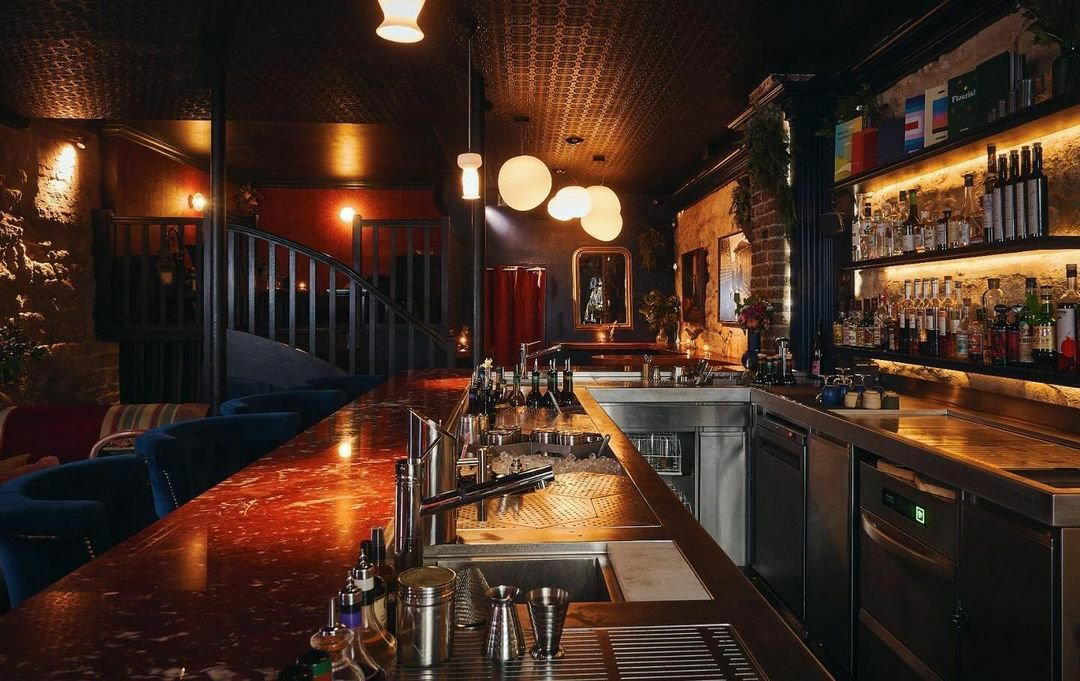
Bars in Paris
Browse all →
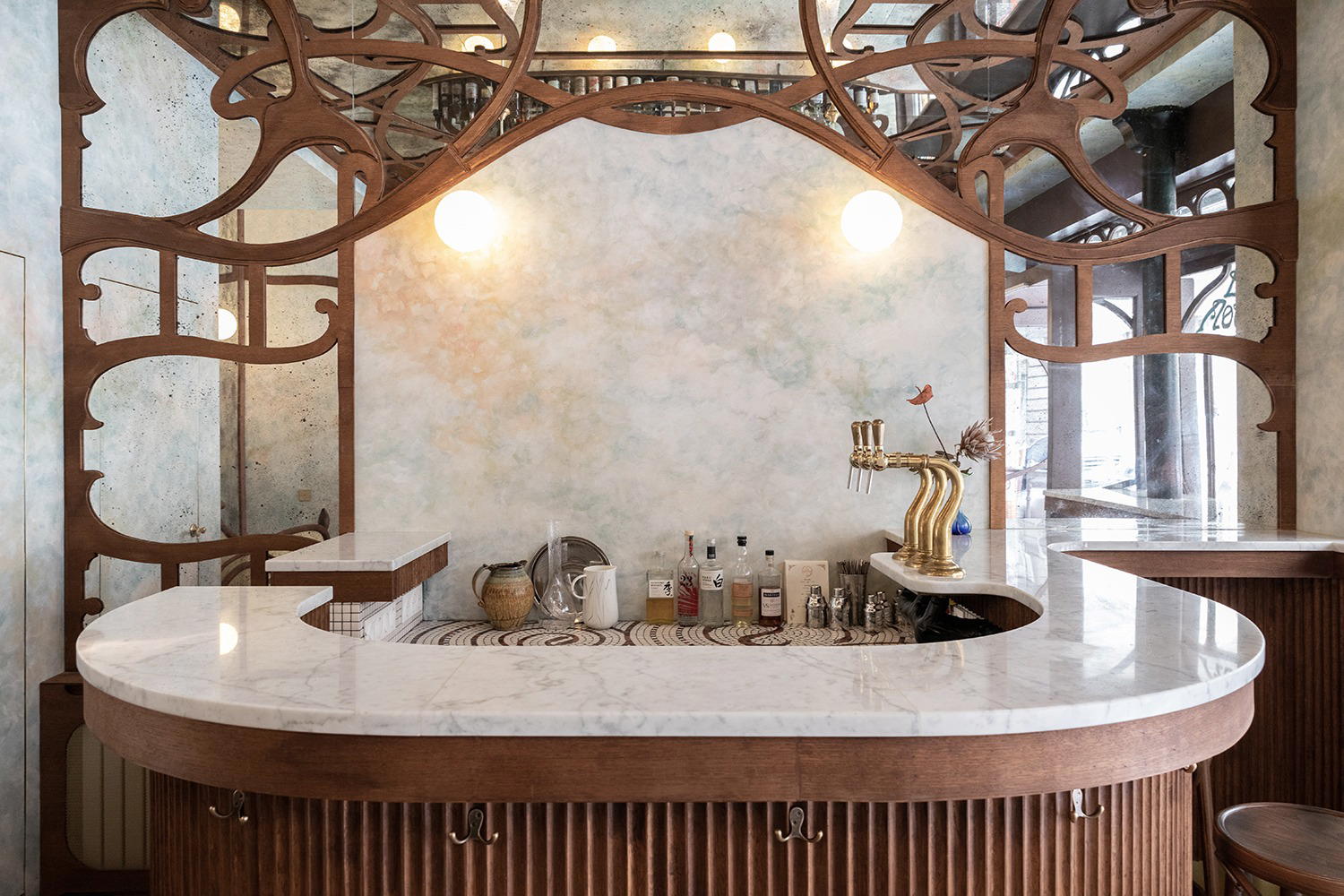
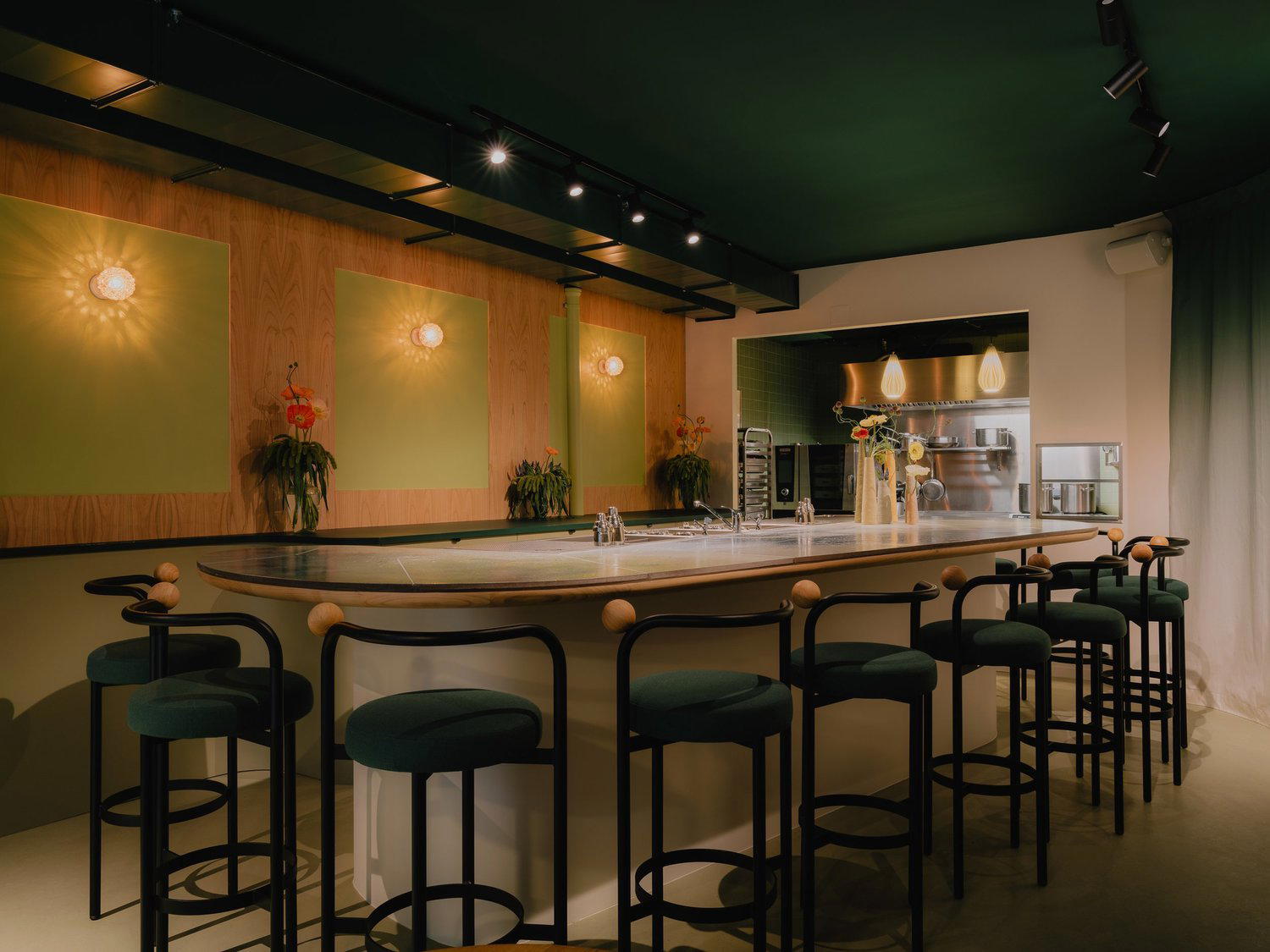
Hotels in Paris
Browse all →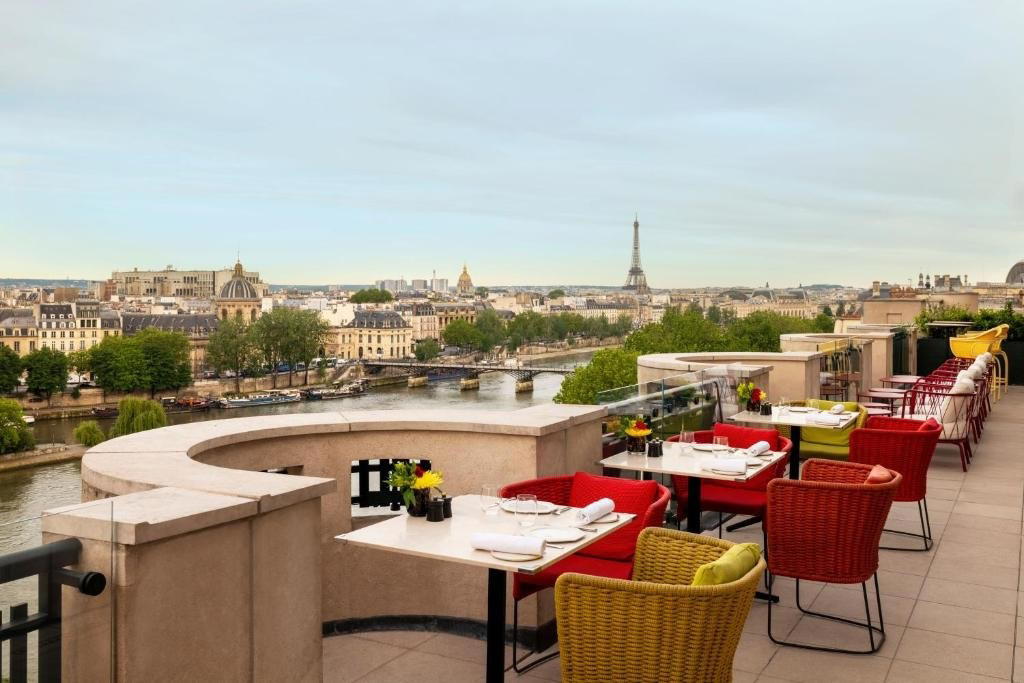
At a Glance
- Intimate
- Cozy
- Elegant
- Date Night
- Special Occasion
- Historic Building
- Extensive Wine List
- Local Sourcing
Current opening hours
- Monday
- Closed
- Tuesday
- Closed
- Wednesday
- 7:30–10 PM
- Thursday
- 7:30–10 PM
- Friday
- 7:30–10 PM
- Saturday
- 12–2 PM, 7:30–10 PM
- Sunday
- 12–2 PM, 7:30–10 PM
Hours can change for holidays and private events. Last verified .
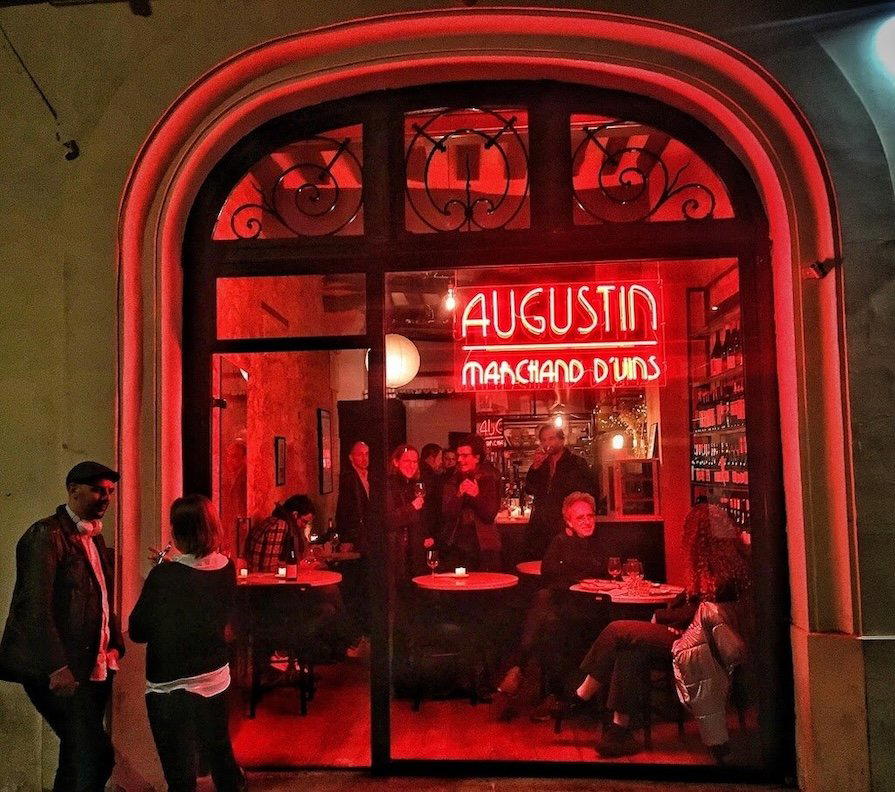
Warm, cozy atmosphere with wood elements, stone, beams, soft lighting, quiet and elegant, conducive to tasting.