Maruya
Few omakase counters in San Francisco hold the line on traditional Edomae-style sushi as firmly as Maruya does on 16th Street in the Mission District. While much of the city's Japanese dining scene has drifted toward fusion or theatrical presentation, Maruya's approach is deliberately classical: clean technique, restrained plating, and a format that keeps the fish at the center of attention rather than the spectacle around it. Eater SF has noted the restaurant's commitment to a non-Americanized experience, a distinction that carries real weight in a market where omakase has become a broad and sometimes loosely applied term. The menu structure offers two distinct paths. The sushi omakase follows Edomae tradition, with the Tsutsumi course among the formats available to guests. Alongside it, Maruya offers a vegetarian omakase rooted in shojin ryori, the temple cuisine of Japanese Buddhist monks. That second option is genuinely rare at this tier of dining in the United States, where vegetarian tasting menus at high-end Japanese restaurants tend to be afterthoughts rather than fully realized parallel programs. Here, it appears to be a considered part of the kitchen's identity. The room itself reinforces the philosophy. Grand wooden doors open into a space described consistently as minimalist and calm, with an intimacy that suits the omakase format. The Mission District address places it away from the concentrated restaurant corridors of SoMa or the Financial District, which means the clientele tends to arrive with purpose rather than proximity. Maruya has appeared on the Michelin list, a credential that situates it alongside the city's most closely watched Japanese counters, and its price point reflects that positioning at the $$$$ tier. For anyone tracking San Francisco's Japanese dining scene, Maruya represents a specific and increasingly uncommon position: a kitchen that treats shojin ryori as a serious offering rather than an accommodation, and an omakase program that resists the pressure to modernize for its own sake. The 16th Street location, a short walk from the BART station, is direct to reach, though the reservation is the harder variable to manage.
- Address
- 2931 16th St (Capp), San Francisco, CA 94103
- Directions
- Get directions
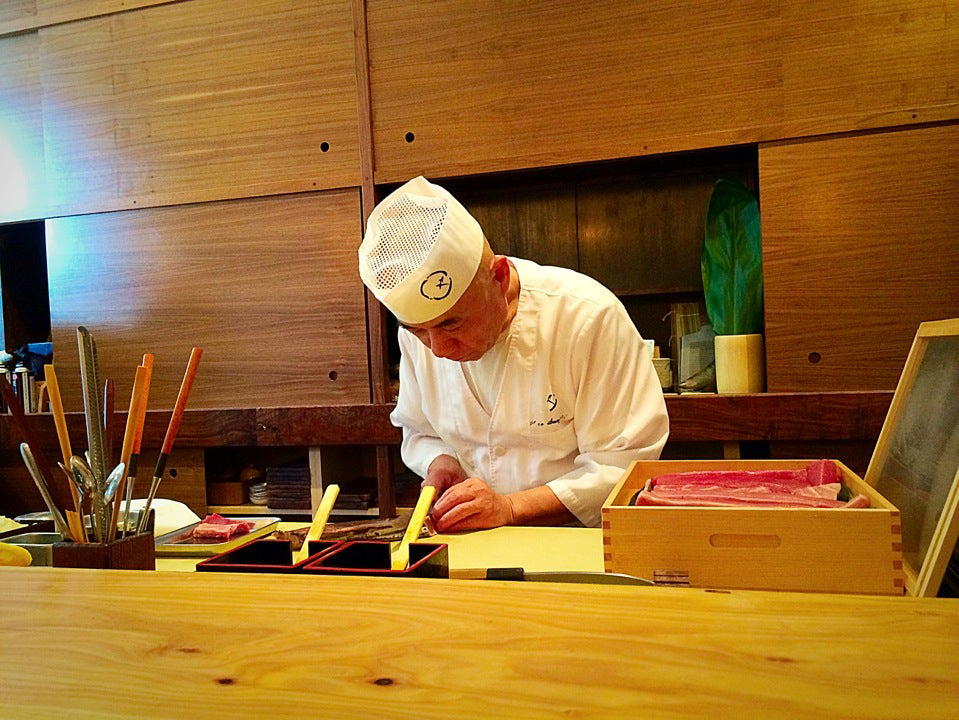
Few omakase counters in San Francisco hold the line on traditional Edomae-style sushi as firmly as Maruya does on 16th Street in the Mission District. While much of the city's Japanese dining scene has drifted toward fusion or theatrical presentation, Maruya's approach is deliberately classical: clean technique, restrained plating, and a format that keeps the fish at the center of attention rather than the spectacle around it. Eater SF has noted the restaurant's commitment to a non-Americanized experience, a distinction that carries real weight in a market where omakase has become a broad and sometimes loosely applied term.
The menu structure offers two distinct paths. The sushi omakase follows Edomae tradition, with the Tsutsumi course among the formats available to guests. Alongside it, Maruya offers a vegetarian omakase rooted in shojin ryori, the temple cuisine of Japanese Buddhist monks. That second option is genuinely rare at this tier of dining in the United States, where vegetarian tasting menus at high-end Japanese restaurants tend to be afterthoughts rather than fully realized parallel programs. Here, it appears to be a considered part of the kitchen's identity.
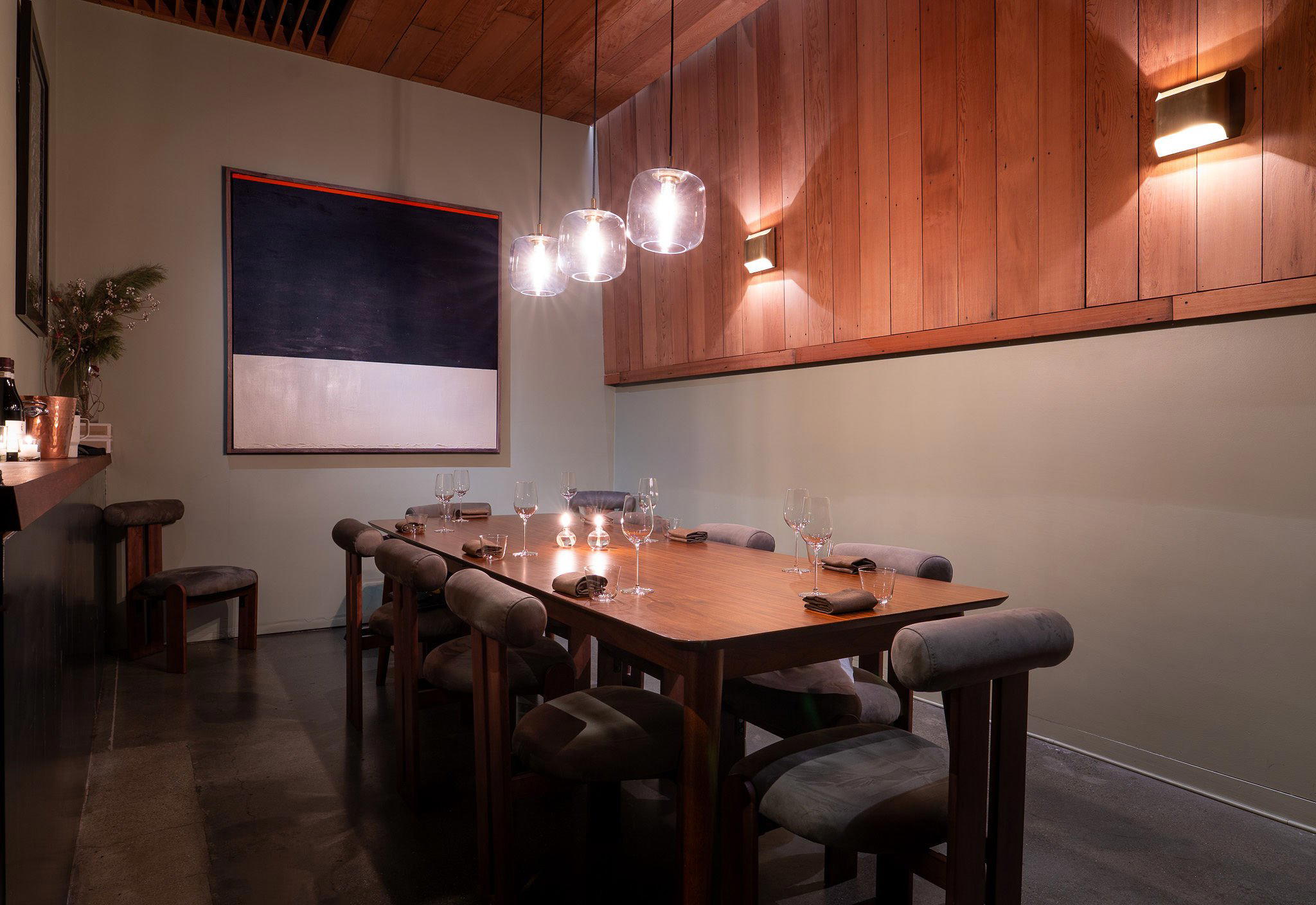
The room itself reinforces the philosophy. Grand wooden doors open into a space described consistently as minimalist and calm, with an intimacy that suits the omakase format. The Mission District address places it away from the concentrated restaurant corridors of SoMa or the Financial District, which means the clientele tends to arrive with purpose rather than proximity. Maruya has appeared on the Michelin list, a credential that situates it alongside the city's most closely watched Japanese counters, and its price point reflects that positioning at the $$$$ tier.
For anyone tracking San Francisco's Japanese dining scene, Maruya represents a specific and increasingly uncommon position: a kitchen that treats shojin ryori as a serious offering rather than an accommodation, and an omakase program that resists the pressure to modernize for its own sake. The 16th Street location, a short walk from the BART station, is direct to reach, though the reservation is the harder variable to manage.
Comparable Venues Nearby
Comparable venues nearby, for context on price, style, and recognition.
| Venue | Cuisine | Price | Notes |
|---|---|---|---|
| MaruyaThis venue — the venue you are viewing | Traditional Edomae Sushi Omakase | $$$$ | Not listed |
| Sushi Sato | Japanese Omakase Sushi | $$$$ | Nob Hill |
| Nobu Palo Alto | Japanese-Peruvian Fusion | $$$$ | Downtown Palo Alto |
| Nakama Sushi | Traditional Japanese Sushi & Omakase | $$$ | Hayes Valley |
| Dining Yamamoto | Japanese Cocktail Tasting | $$$$ | South of Market |
| Hinata | Sushi Omakase | $$$$ | Tenderloin |
Continue exploring
More in San Francisco
Restaurants in San Francisco
Browse all →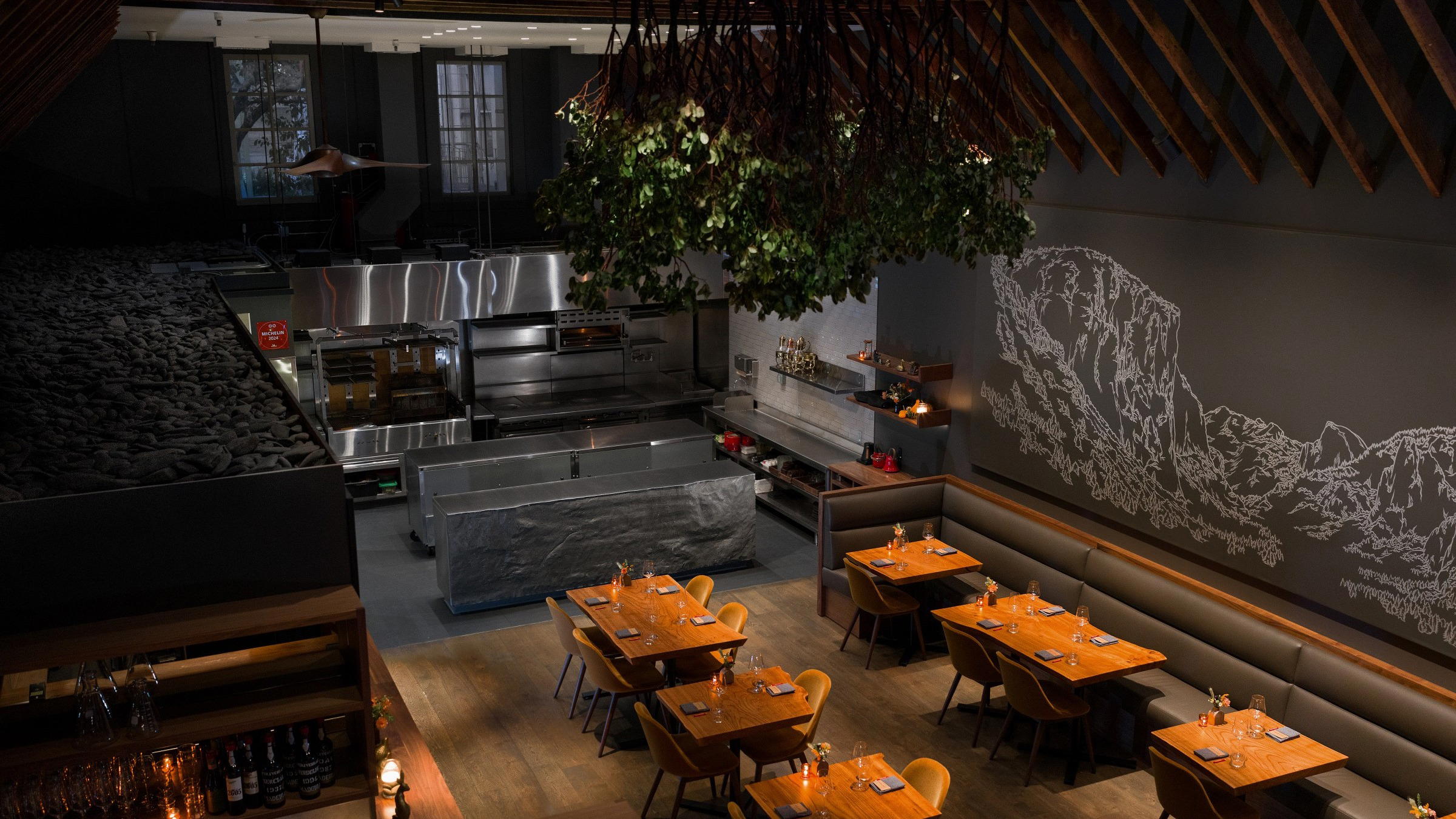
Bars in San Francisco
Browse all →
Hotels in San Francisco
Browse all →
At a Glance
- Intimate
- Elegant
- Quiet
- Cozy
- Sophisticated
- Date Night
- Special Occasion
- Chefs Counter
- Sake Program
Understated interior decor with a quiet, cozy atmosphere that emphasizes simplicity and the sushi presentation, creating an authentic Japanese sushi bar experience.