

Michelin Plate
Our verdict
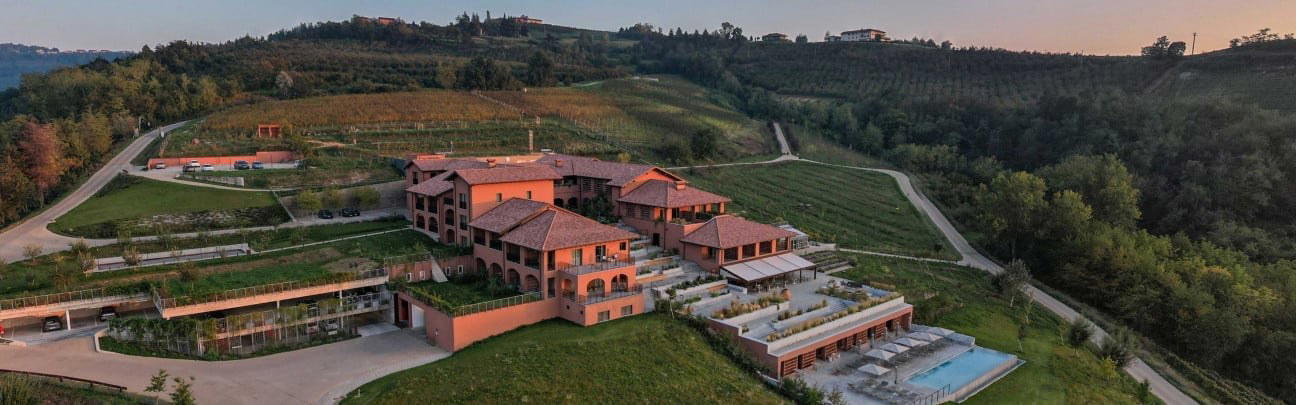
A trattoria operating under the same family name since 1901, Marsupino 1901 in Briaglia earns a 2025 Michelin Plate for kitchen work rooted in Piedmontese tradition rather than reinvention. The wine cellar is extensive, with a strong by-the-glass selection, and five rooms plus two suites in the adjacent late nineteenth-century palazzo make it a practical base for the Langhe and Monferrato.

Pearl is the En Primeur Club membership app, where members save venues, book tables and use the concierge.
The menu
What to order
- Tajarin al tartufo
- Gnocchi di patate al Castelmagno
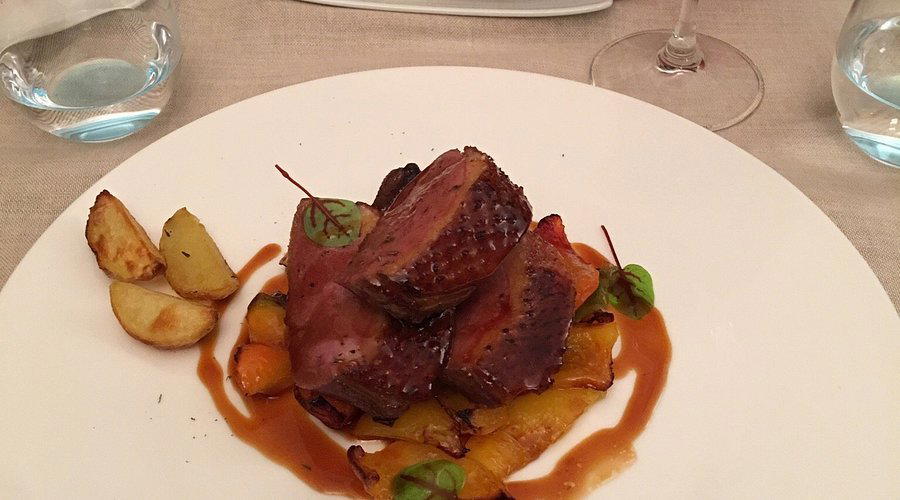
- Fassona beef
A Village Table in the Cuneo Hills
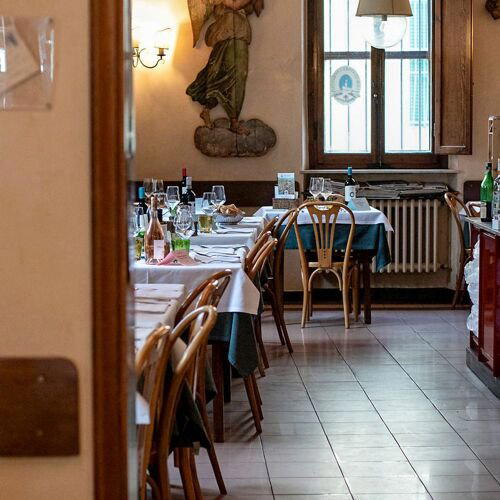
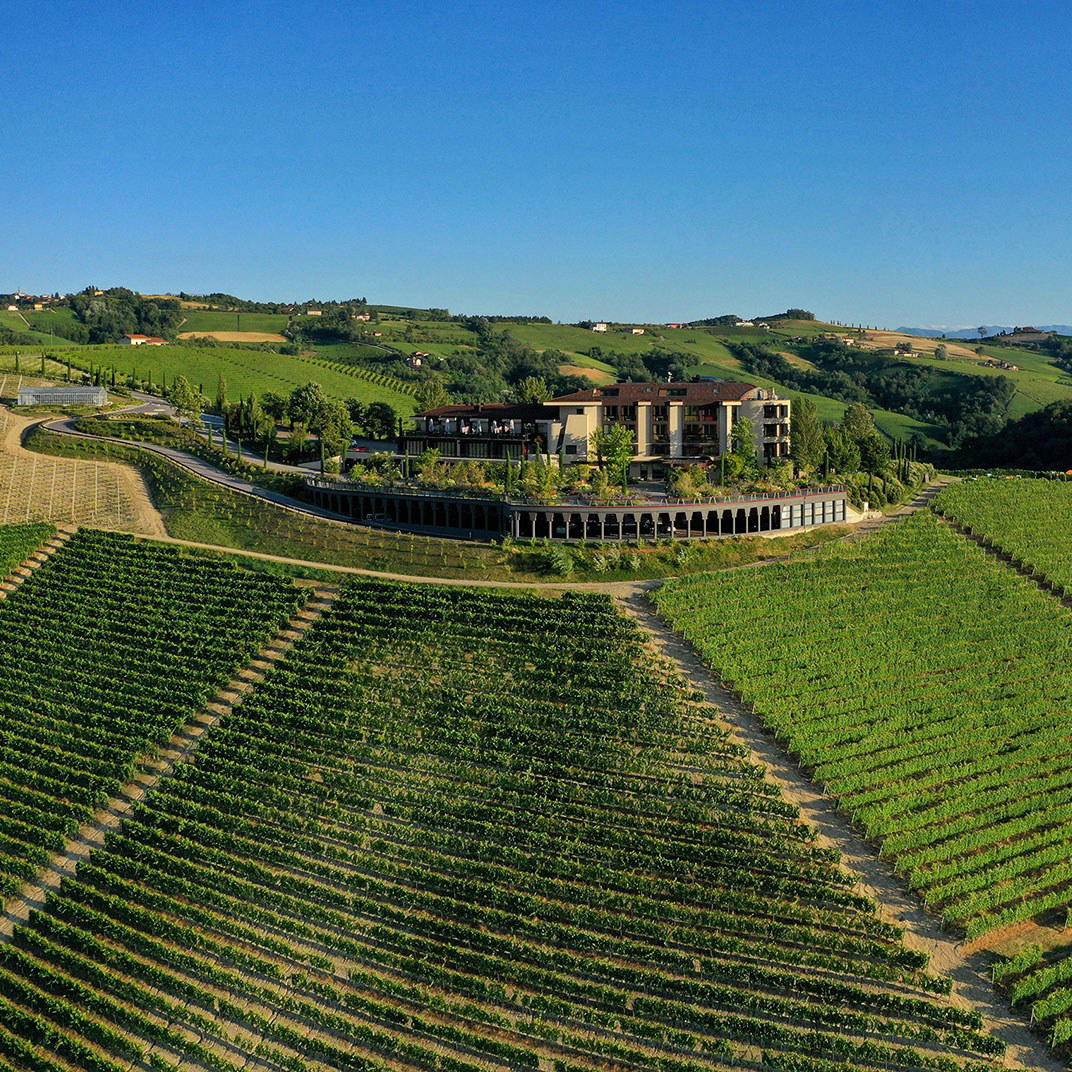
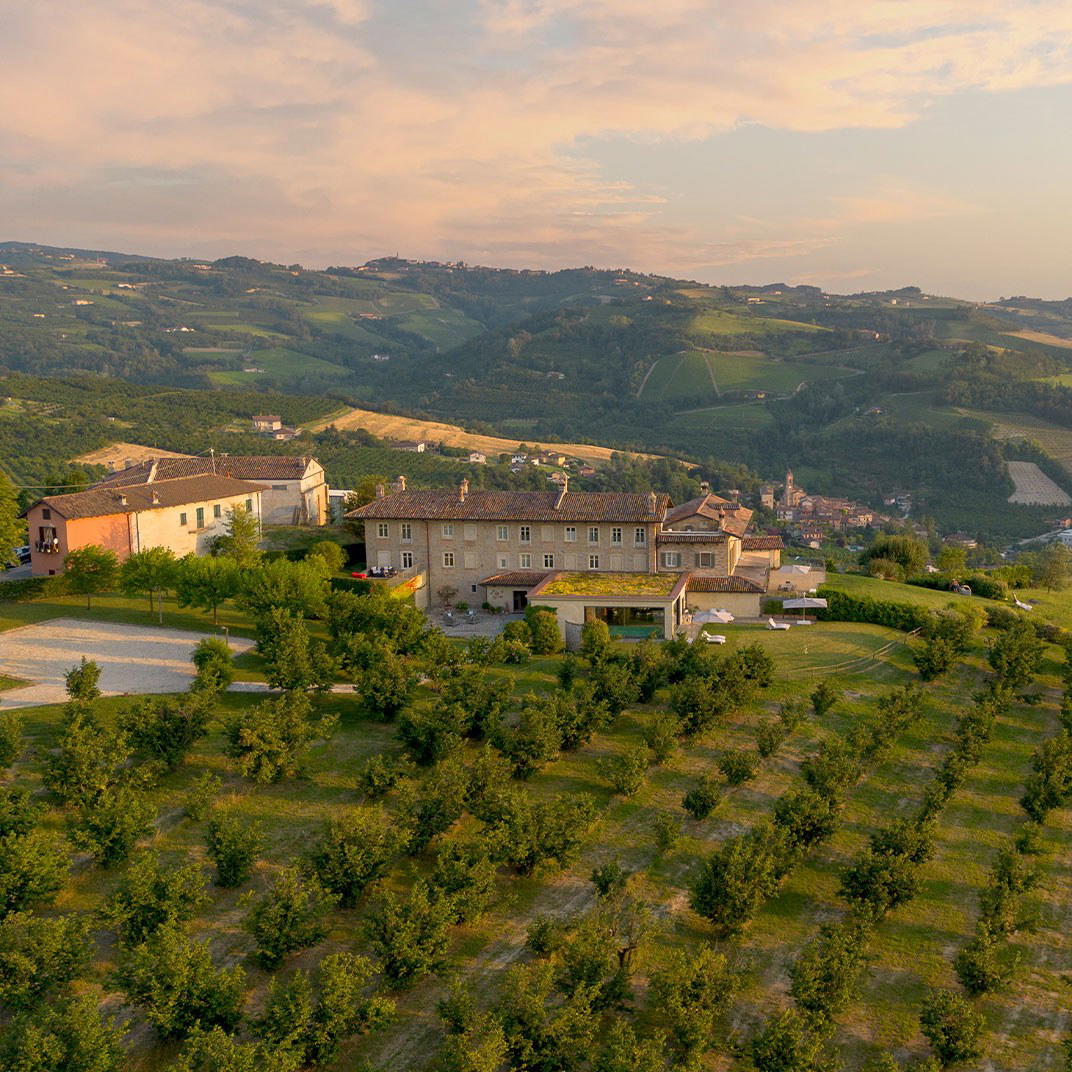
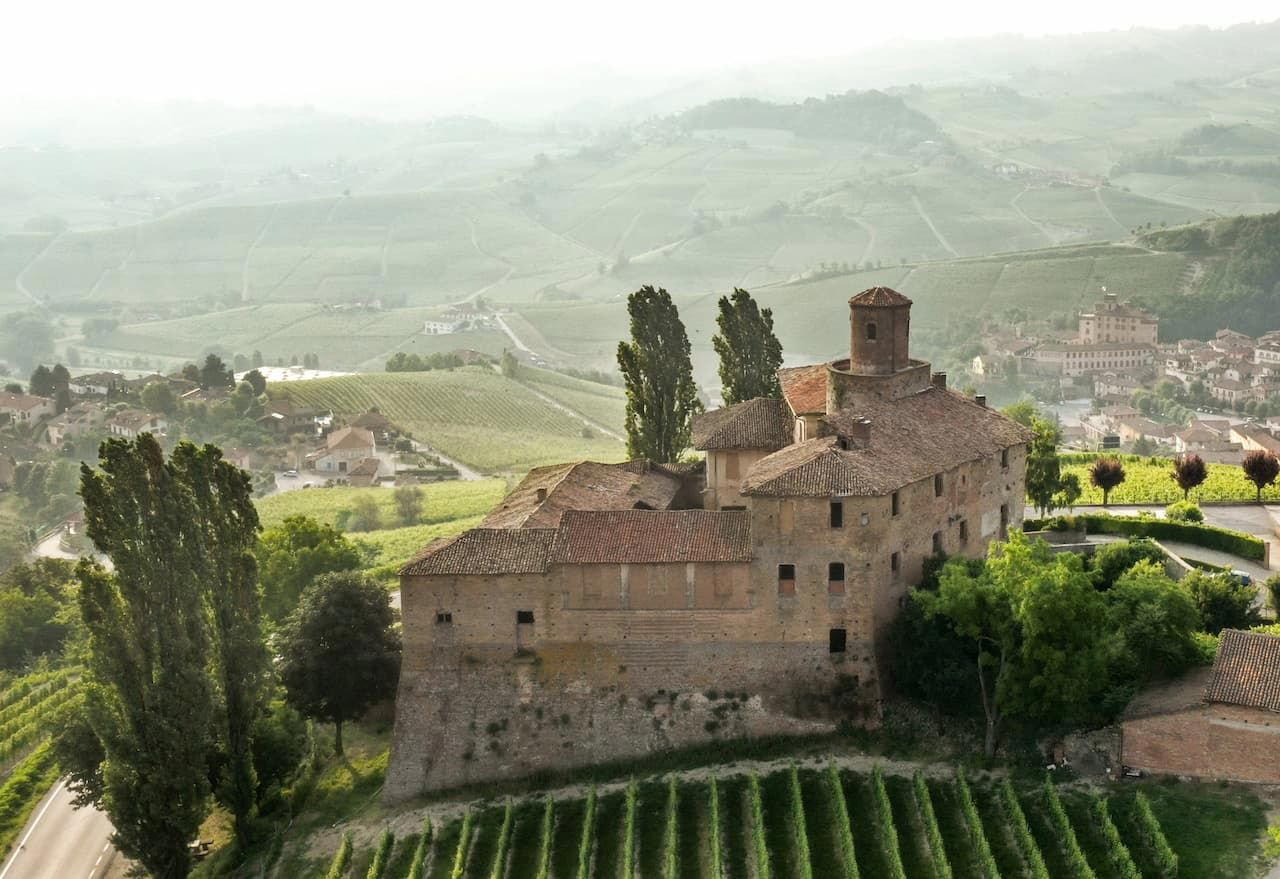
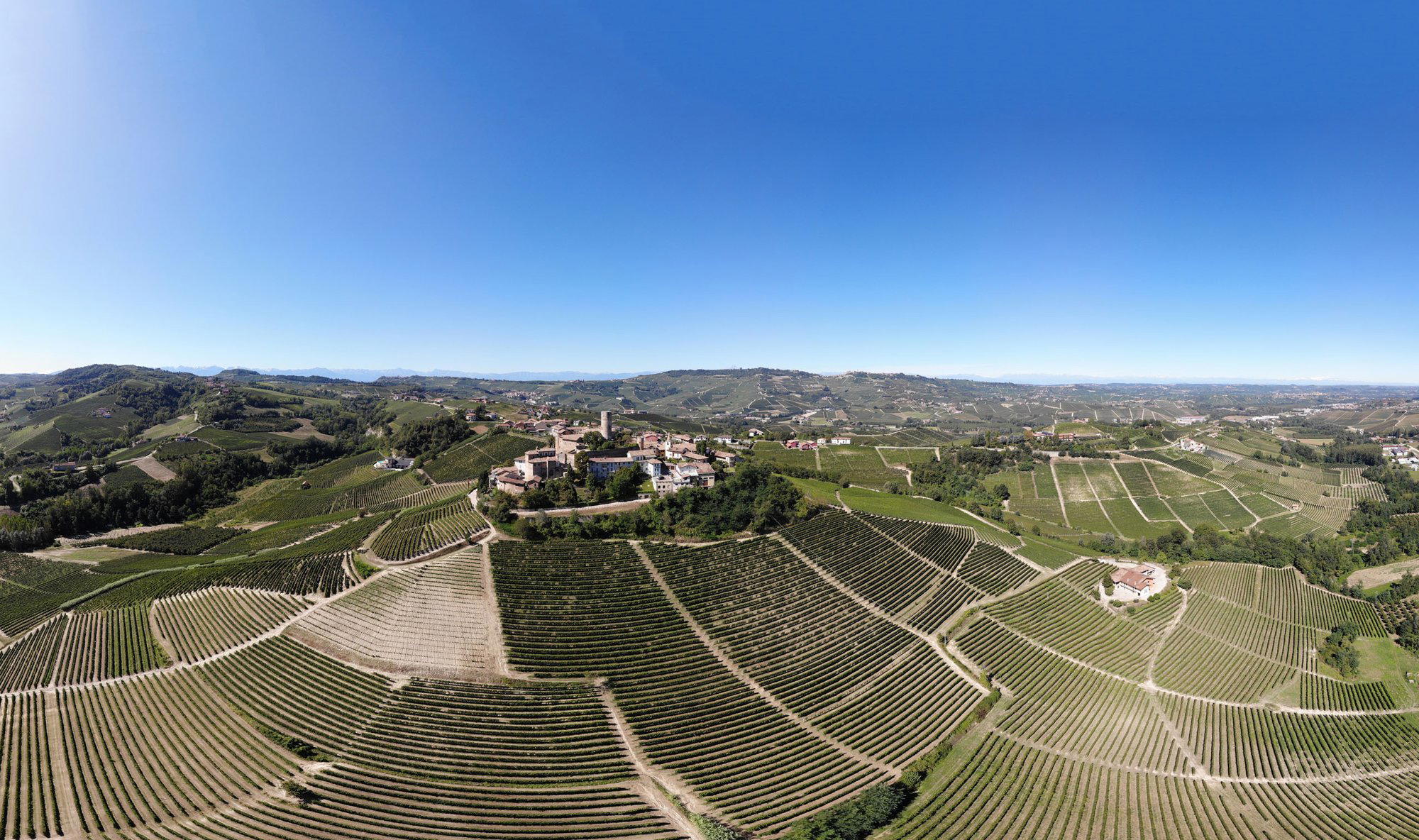
Briaglia sits in the Cuneo province of southern Piedmont, a small comune that most visitors pass through rather than stop in. The village has no particular tourist infrastructure, no dedicated wine trail, and no celebrity-chef destination to draw the weekend crowd from Turin or Milan. What it has, at Via Roma 20, is a trattoria that has been serving food from the same family kitchen for well over a century. The building's late nineteenth-century fabric is visible from the street: stone, shuttered windows, the low profile of a structure that predates every hospitality trend that has swept through northern Italy since then.
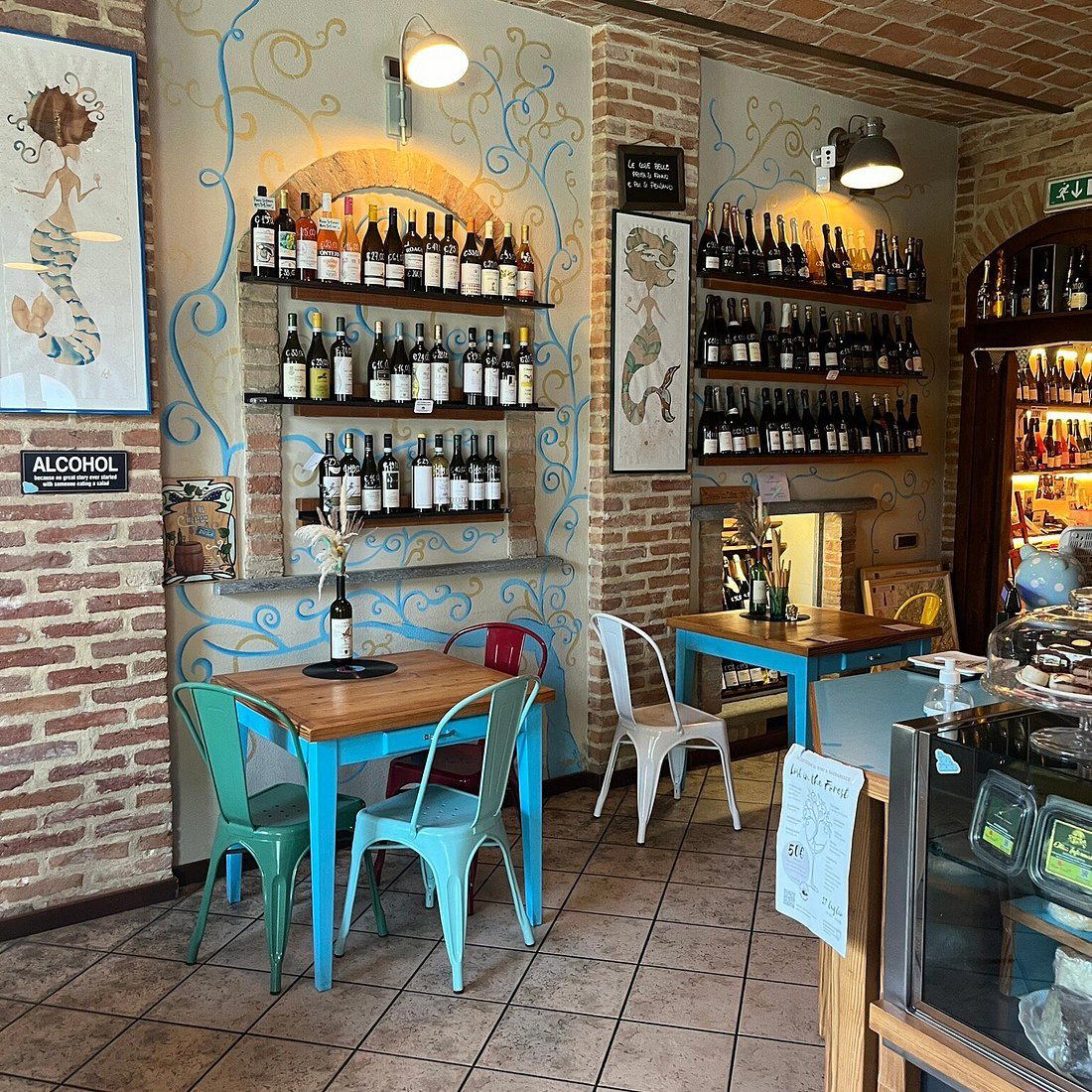
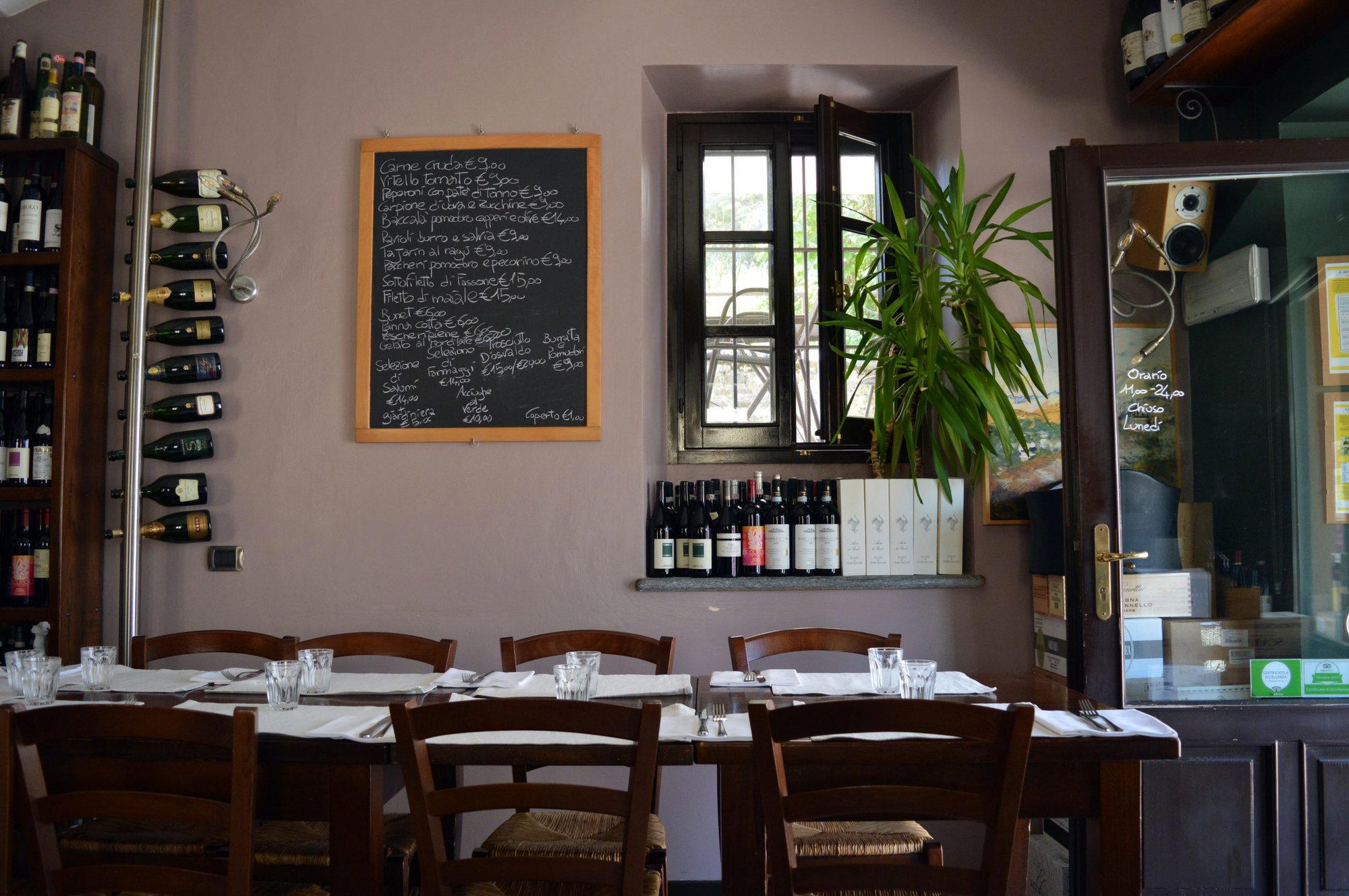
Walking in, the room reads immediately as a place where the food is the subject and the décor is incidental to it. That is not a criticism. In a region where a handful of destination restaurants, such as Piazza Duomo in Alba, operate at a level of production that demands a certain architectural theatre, there is a counter-argument in the trattoria format: that the room should not compete with the plate. Marsupino 1901 has long made that argument by default.
What the Territory Puts on the Plate
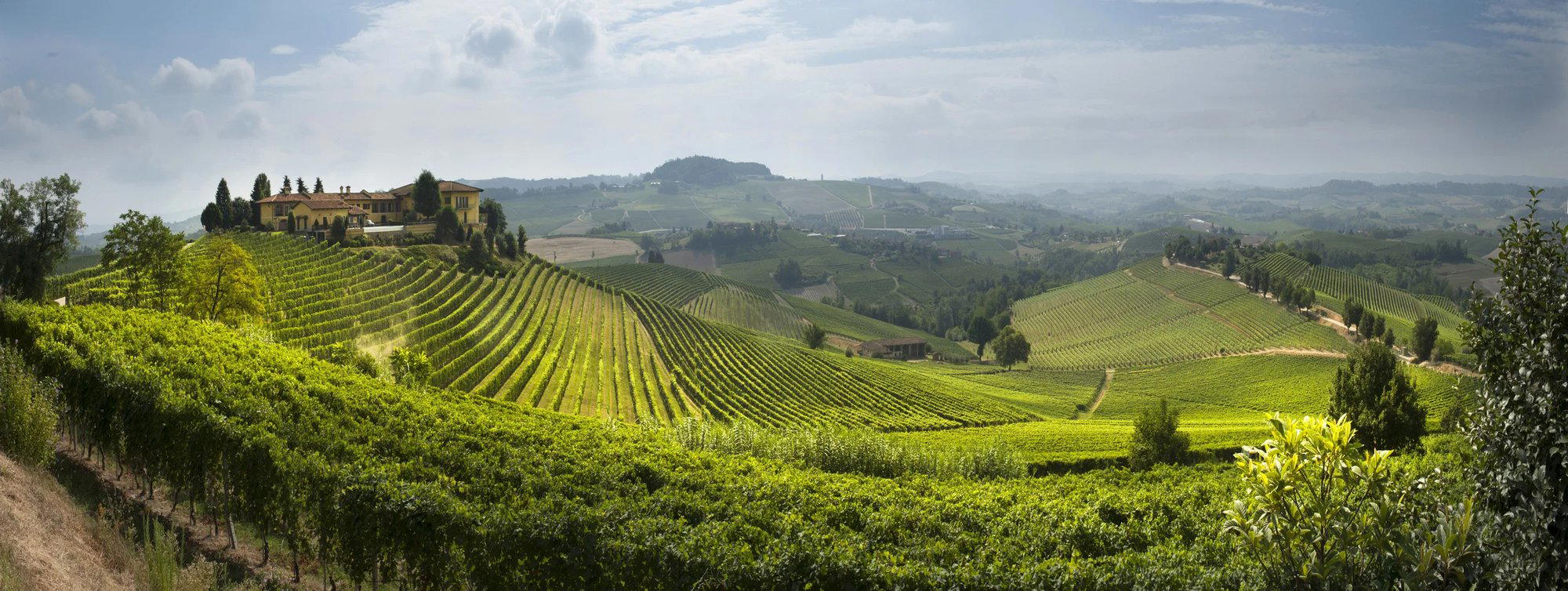
Piedmontese cuisine is among the most ingredient-specific in Italy. The region's cooking does not travel well in the abstract: the dishes depend on what grows and grazes here, and on a set of local protocols, from the aging of Fassona beef to the handling of white truffles from the Alba basin, that evolved in direct response to what the land produces. Across the region, kitchens that take this seriously follow the chef's suggestion format, sometimes called affidarsi allo chef, where the guest cedes menu control and receives whatever the season and supplier have made available that week.
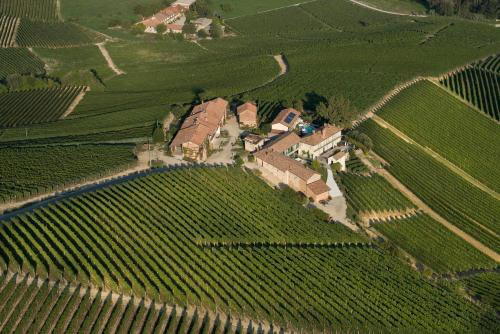
That is the approach at Marsupino 1901. The kitchen works to a suggested menu tied to the territory and to tradition, which means the sourcing logic precedes every plating decision. In a province that includes some of Italy's most recognisable agricultural designations, from the wine zones of Barolo and Barbaresco to the hazelnut groves that supply the confectionery industry, a kitchen that anchors itself to the local supply chain is making a substantive claim, not a marketing one.
The 2025 Michelin Plate recognition places Marsupino 1901 in a category that the guide reserves for kitchens producing food of consistent quality. It is not a star, and the distinction matters: a Plate signals that the cooking is worth seeking out without implying the level of technical intervention that Michelin's star tier rewards. For trattoria-format cooking in rural Piedmont, that is an appropriate calibration. The nearby Antica Corona Reale in Cervere and the Locanda Sant'Uffizio Enrico Bartolini in Cioccaro represent the starred end of Piedmontese dining in this southern arc of the region, and the comparison clarifies what Marsupino 1901 is and is not attempting.
The Wine Cellar as a Separate Argument
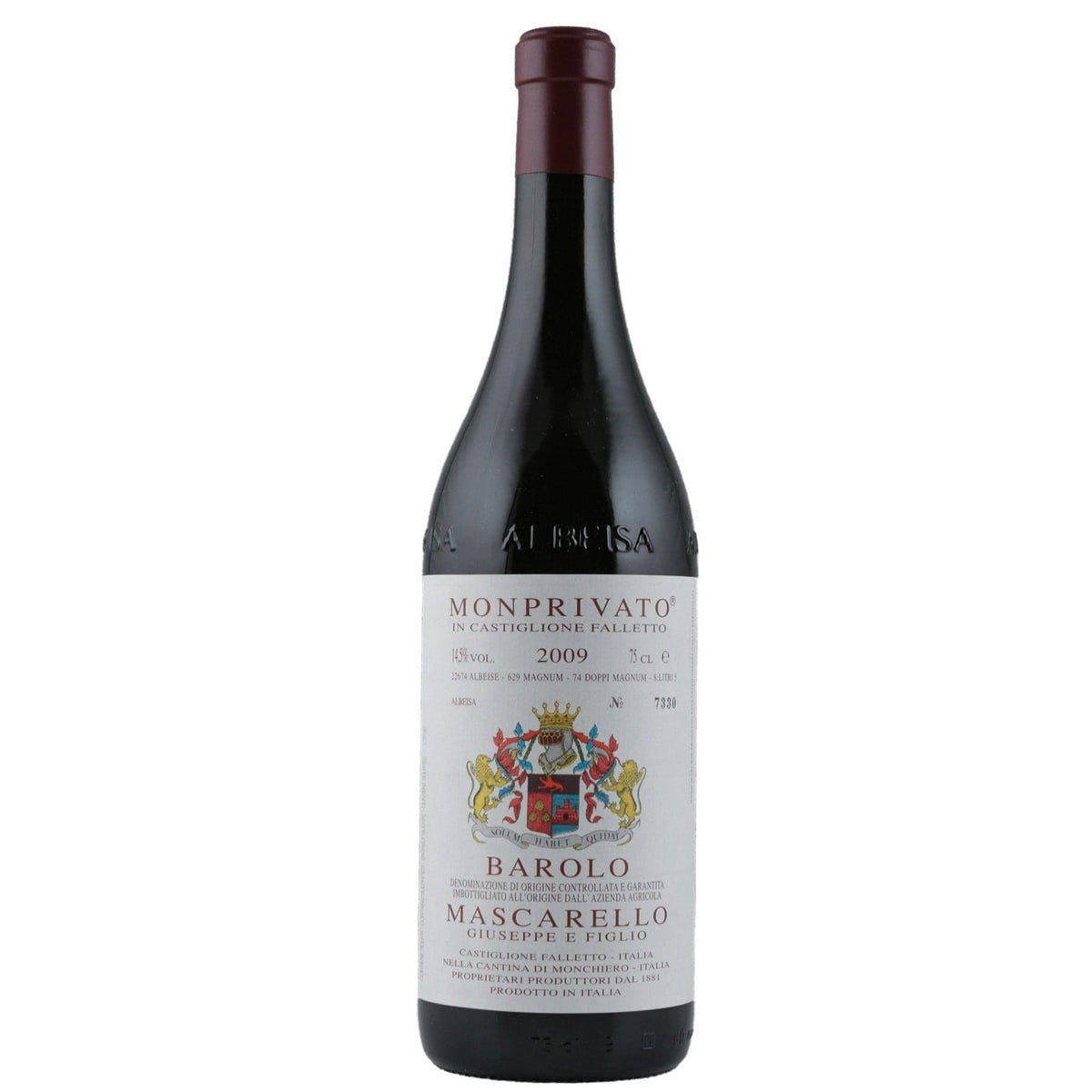
In trattoria dining across Italy, the wine list tends to be serviceable rather than serious. Marsupino 1901 is an exception to that pattern. The cellar is described as immense, with a by-the-glass program managed by Luca, whose approach favours breadth of choice alongside depth of knowledge. In a province that produces Barolo, Barbaresco, Barbera d'Asti, Dolcetto d'Alba, and a range of Roero whites, a list is a significant part of the dining proposition. The by-the-glass selection in particular suggests a cellar structured for the guest who wants to drink across a meal rather than commit to a single bottle.
For context, Piedmontese wine in the €€€ trattoria tier can represent among the strongest value-to-provenance ratios in Italian dining. The appellations are present, the vintages accessible, and the pairing logic direct when the food is as territorially anchored as the kitchen here appears to be. The alternative, for those who want to pursue Piedmontese wine at greater depth and cost, is to look at starred houses such as Enoteca Pinchiorri in Florence or multi-region lists at places like Dal Pescatore in Runate, but that is a different category of dining with a correspondingly different price tier.
Staying On: The Palazzo Rooms
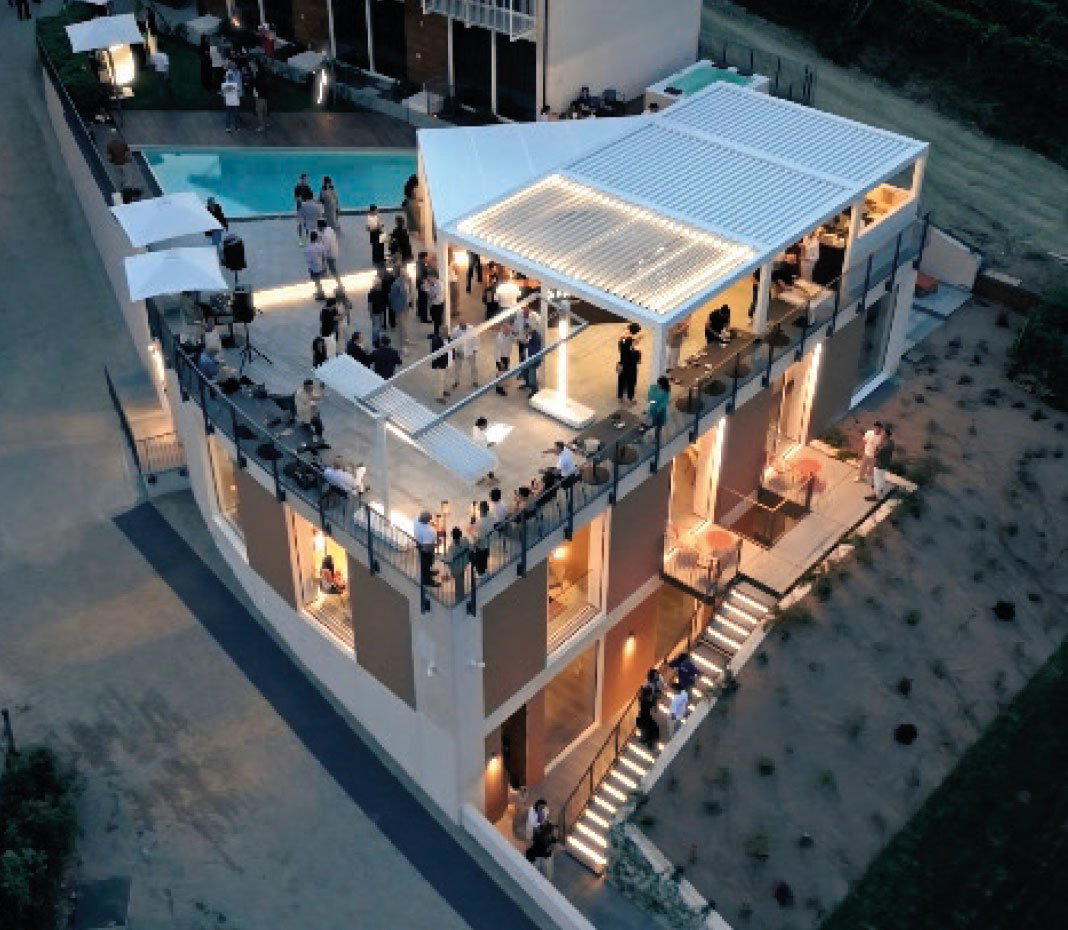
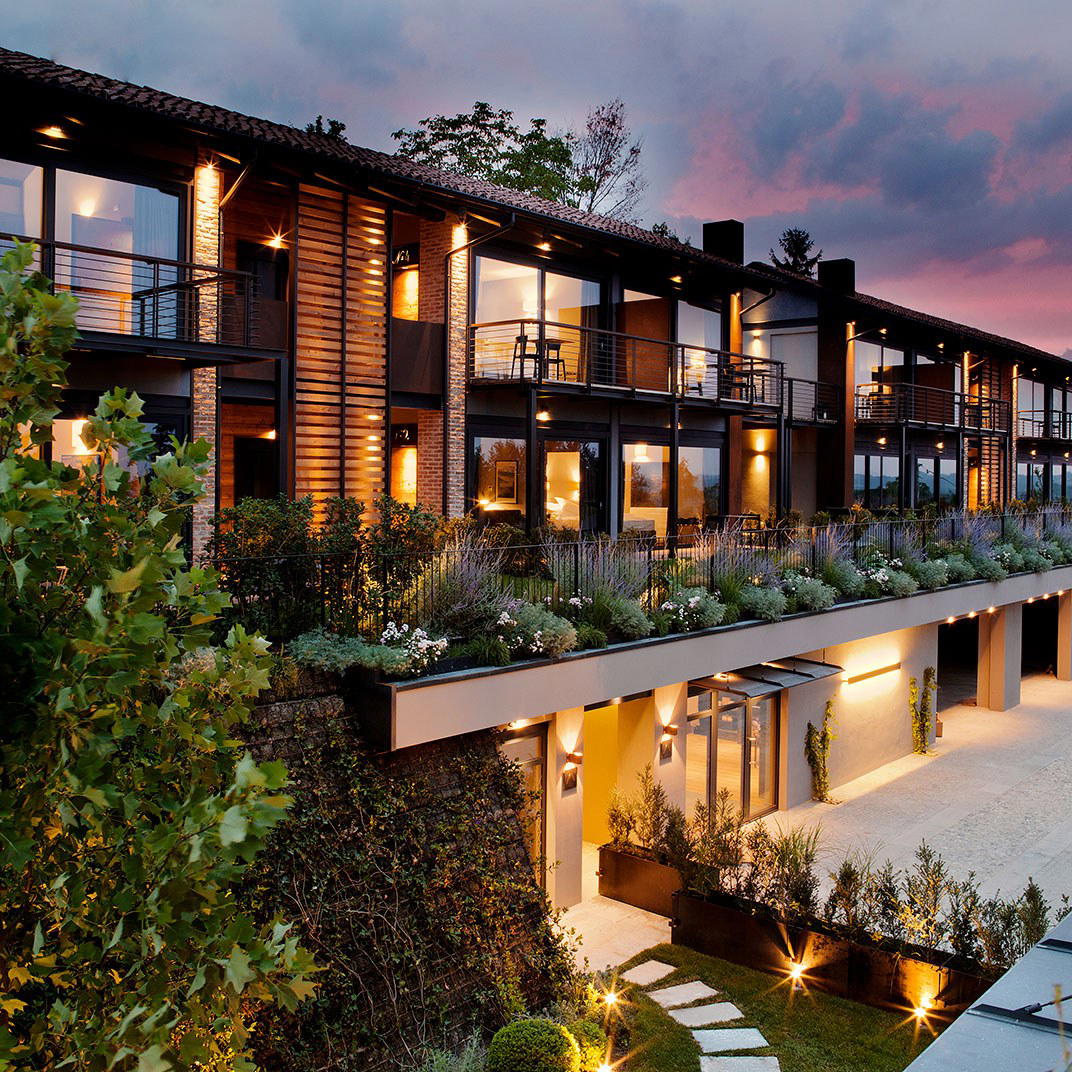
Five rooms and two suites in the adjacent palazzo shift Marsupino 1901 from a single-meal destination to an overnight proposition. The building dates from the late nineteenth century, which puts it broadly contemporaneous with the trattoria's founding, and positions it as accommodation rooted in the same physical era as the restaurant itself. This matters for the kind of traveller using the Cuneo hills as a base for the Langhe wine zones, the Monferrato, or the approach to the Maritime Alps, all of which require time and a car rather than a single afternoon excursion.
For those exploring the region's dining at this level, Briaglia's position in the Cuneo province places it within reasonable reach of Alba's gastronomic concentration and the villages of the Barolo zone. See our full Briaglia hotels guide for accommodation context, and our full Briaglia restaurants guide for the broader dining picture in the area.
Planning a Visit
Marsupino 1901 sits at the €€€ price point, which in this rural Piedmontese context reflects a kitchen taking its ingredients and its cellar seriously without the production overhead of a destination restaurant. Given the suggested-menu format and the reliance on seasonal supply, advance booking is the appropriate approach, particularly for dinner during the white truffle season in autumn, when demand across the entire Alba-Cuneo corridor intensifies. Visitors exploring the broader area by car will find the local bar scene, nearby wineries, and regional experiences detailed in the EP Club Briaglia guides. For those building a wider Italian itinerary around serious regional cooking, the comparison set extends to Osteria Francescana in Modena, Enrico Bartolini in Milan, Le Calandre in Rubano, Reale in Castel di Sangro, Casa Perbellini 12 Apostoli in Verona, Quattro Passi in Marina del Cantone, Uliassi in Senigallia, and Atelier Moessmer Norbert Niederkofler in Brunico, each representing a different register of Italian regional cooking.
Frequently asked questions
What kind of setting is Marsupino 1901?
Does Marsupino 1901 work for a family meal?
What is the signature dish at Marsupino 1901?
Quick Comparison
| Venue | Cuisine | Price | Awards | Notes |
|---|---|---|---|---|
| Marsupino 1901This venue (the venue you are viewing) | Traditional Piedmontese Trattoria | $50–100 | Michelin Plate | Not listed |
| Atelier Moessmer Norbert Niederkofler | Modern Alpine Fine Dining | $300–500 | 3 Michelin Stars · World's 50 Best #20 | Italian, Creative |
| Dal Pescatore | Classic Italian Fine Dining | $200–300 | 3 Michelin Stars · World's 50 Best #38 | Italian, Italian Contemporary |
| Enoteca Pinchiorri | Contemporary Italian Fine Dining | $200–300 | 3 Michelin Stars · World's 50 Best #32 | Italian - French, Italian Contemporary |
| Enrico Bartolini | Modern Italian Fine Dining | $300–500 | 3 Michelin Stars · World's 50 Best #85 | Creative |
| Osteria Francescana | Avant-Garde Italian Contemporary | $300–500 | 3 Michelin Stars · World's 50 Best #1 | Progressive Italian, Creative |
Recognition history
Dated appearances from independent guides and award organizations, with the underlying list record or original source where available.
Michelin Plate
Michelin
Opinionated About Dining Casual in Europe Ranked #592
Opinionated About Dining
Full recognition history (6 entries)
Michelin Plate
Michelin
Michelin Plate
Michelin
Opinionated About Dining Casual in Europe Ranked #424
Opinionated About Dining
Opinionated About Dining Casual in Europe Highly Recommended
Opinionated About Dining
Continue exploring
More in Briaglia
Restaurants in Briaglia
All restaurants in Briaglia →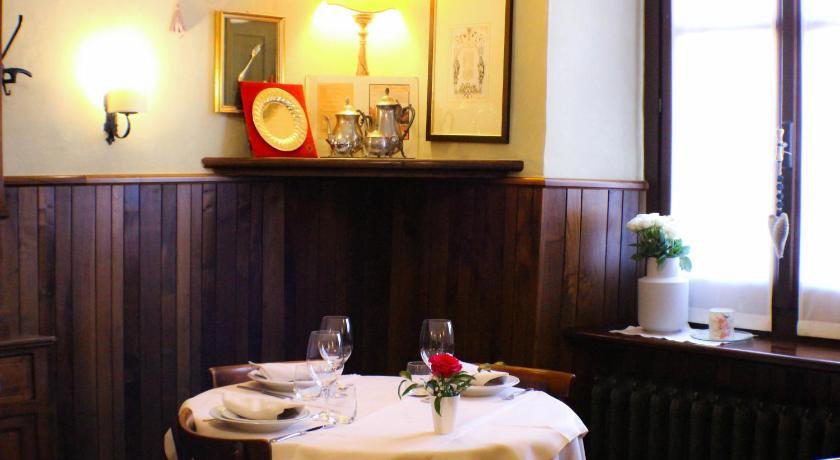
Bars in Briaglia
Browse all →
Marsupino 1901
The wine
- Wine program
- Deep wine list
- Extensive wine list
Details
- Classic
- Rustic
- Cozy
- Intimate
- Special Occasion
- Date Night
- Historic Building
- Extensive Wine List
- Local Sourcing
- Vineyard
- Mountain
- A La Carte
- Vegetarian Friendly
- Gluten Free Options
Current opening hours
- Monday
- 12–2 PM, 7:30–9:30 PM
- Tuesday
- 12–2 PM, 7:30–9:30 PM
- Wednesday
- Closed
- Thursday
- Closed
- Friday
- 12–2 PM, 7:30–9:30 PM
- Saturday
- 12–2 PM, 7:30–9:30 PM
- Sunday
- 12–2 PM, 7:30–9:30 PM
Hours can change for holidays and private events. Hours as of .
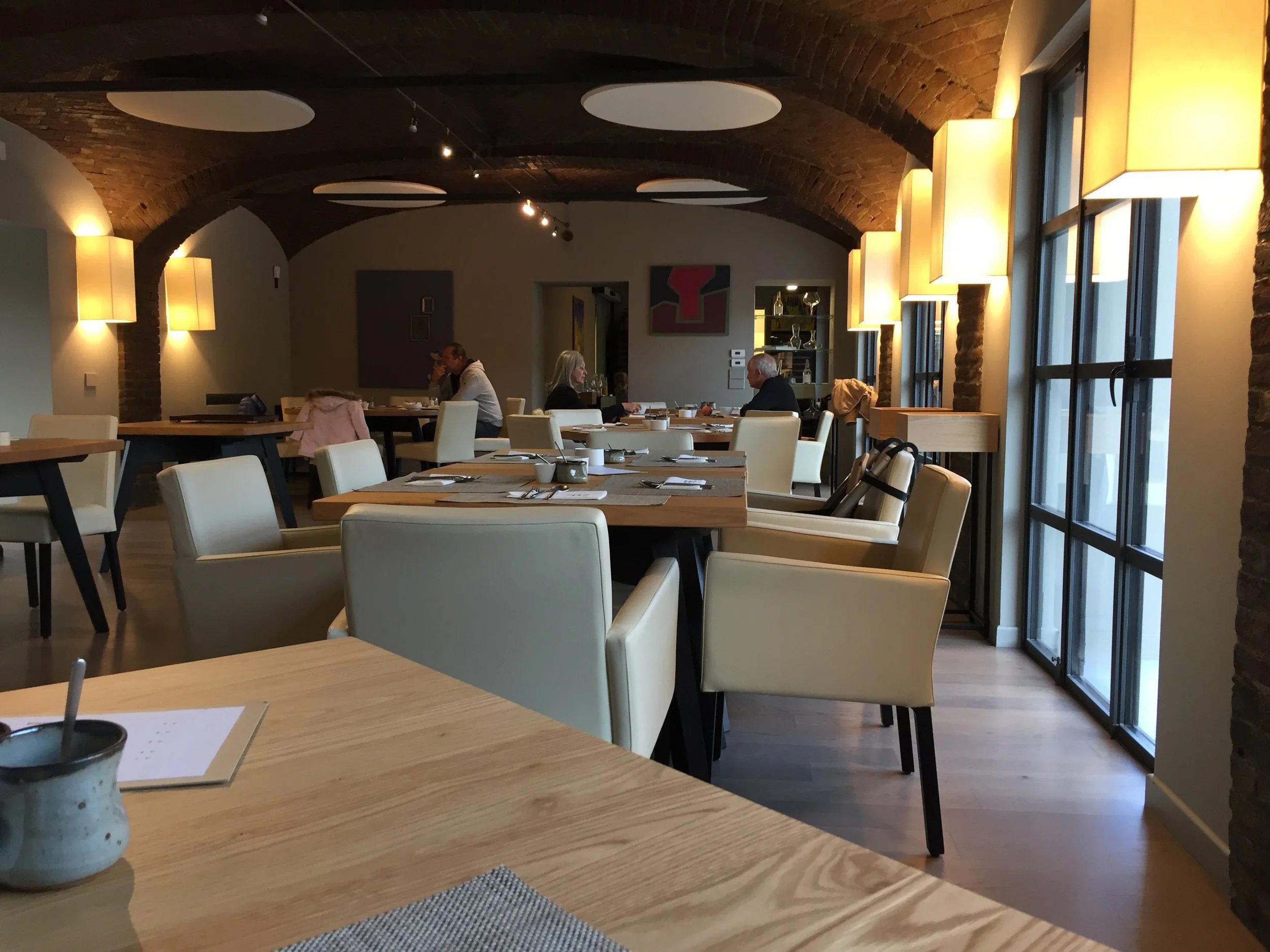
Warm and inviting atmosphere in a late 19th-century palazzo with enthusiastic family service.