

Michelin Plate · Gault & Millau Türkiye 1 Toque
Our verdict
The omakase option and Tuesday all-you-can-eat format position it as a flexible entry point into serious Japanese dining within a city where that category remains thin. The counter seats offer a direct view of preparation that the table format cannot match.

Pearl is the En Primeur Club membership app, where members save venues, book tables and use the concierge.
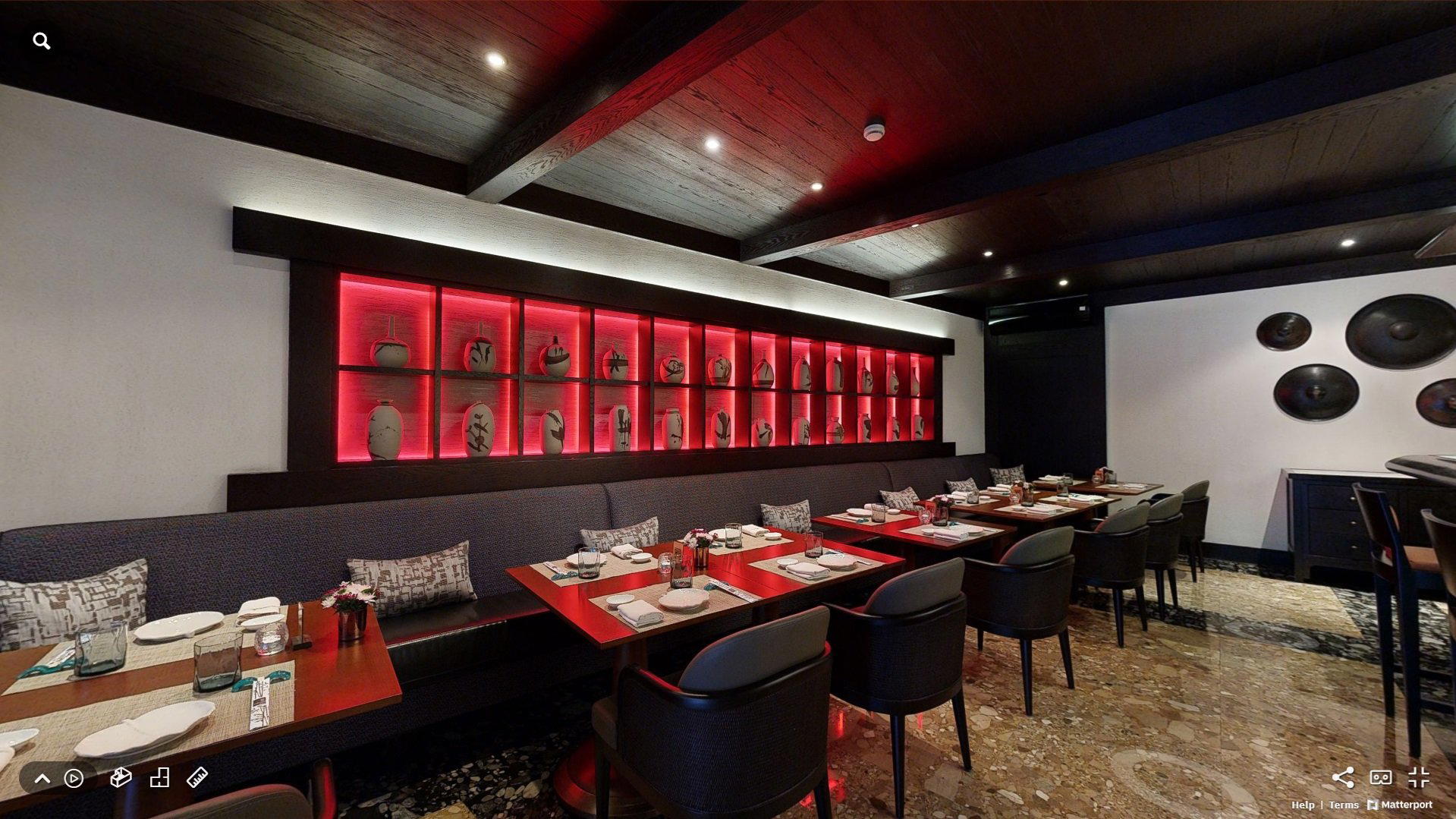
Beyoğlu's Case for Japanese Precision
Istanbul's restaurant scene has spent the better part of a decade defining what local cuisine can do at the high end. Turk Fatih Tutak, Mikla, and Neolokal have each staked a claim on modern Anatolian identity, and that current runs deep through Beyoğlu's dining fabric. Against that backdrop, a sushi counter operating inside a legacy hotel address reads as a deliberate counter-programme: precision technique from a different culinary tradition, executed in a city where Japanese dining at this level of seriousness is genuinely scarce. A hotel-anchored sushi restaurant in this geography is not the anomaly it might seem in other cities. Beyoğlu has accommodated enough international formats alongside its local institutions that the address functions as a credibility signal rather than a compromise.
Counter Seating as the Defining Format
In Japanese dining more broadly, the distinction between table service and counter seating is not merely logistical. Counter seats in a sushi context collapse the distance between preparation and consumption: the rice temperature, the pace of courses, and the chef's sequencing decisions all become part of the experience in ways they cannot at a table six metres away. The counter at Maromi offers that proximity. Watching the assembly of each piece, from the folding of pickled daikon into warm rice to the rolling of salmon and spring onion inside toasted sesame seeds with a chilli pepper sauce, is a different transaction from ordering the same items from a printed menu at a table. For anyone choosing between the two formats at Maromi, the counter is the more informative and engaging choice.
This mirrors a pattern visible at serious sushi addresses in other cities. At counter-forward Japanese restaurants globally, from the precision-driven formats of Tokyo's omakase tier to hotel-anchored Japanese programs in cities like New York (where operations like Le Bernardin have demonstrated how fine dining can anchor within large hotel structures) and New Orleans (home to Emeril's, another restaurant that built reputation partly through its room's energy and visibility of the kitchen), the physical arrangement of the space shapes the quality of attention given to what arrives on the plate.
Format Flexibility: À La Carte, Omakase, and Tuesday's Offer
Maromi operates across three distinct engagement formats, which is unusual for a sushi restaurant at this address and points to a deliberate attempt to serve a broad guest profile. The à la carte option hands sequencing control to the diner, which suits guests with specific preferences or those exploring the menu selectively. The omakase format reverses that logic: the chef determines the progression, and the diner's task is to follow it. In cities where Japanese cuisine is still building its audience, omakase represents a higher-trust ask of the guest, and restaurants that offer it alongside à la carte are hedging intelligently.
The Tuesday all-you-can-eat format occupies a separate category altogether. It introduces a volume-led pricing model into what is otherwise a precision-service context. As a category, this format is more common in casual Japanese restaurants than in counter-led programs, and its presence here signals Maromi's intent to function as an accessible entry point into Japanese dining for a local audience, not only as a destination for guests already familiar with omakase conventions. That positioning is practical in Istanbul's current market, where the Japanese dining category is still developing a broad base of regular customers.
Where Maromi Sits in Istanbul's Non-Turkish Dining Picture
Istanbul's leading dining bracket is heavily weighted toward local cuisine and fusion approaches. Operations like Arkestra and Casa Lavanda each represent different angles on the city's non-traditional dining, but serious Japanese remains a thin category. Compared with the density of Japanese dining options in cities of equivalent international status, Istanbul's market is underdeveloped, which means a counter-led sushi program with omakase capability occupies a relatively uncontested space.
That scarcity cuts both ways. It means Maromi competes against few direct peers locally, but it also means there is less context for guests to benchmark what they are experiencing. A diner familiar with Tokyo omakase or with dedicated Japanese programs in European cities will have a calibration the local audience may not yet share. The Divan Hotel address supports credibility here: it signals operating standards that a standalone restaurant in a less-established location would have to build from scratch.
For a wider picture of where Maromi sits within Istanbul's full dining offer, the EP Club Istanbul restaurants guide maps the city's range from neighborhood institutions to high-end operations. For those building a full Istanbul itinerary, the Istanbul hotels guide, bars guide, wineries guide, and experiences guide provide parallel depth across categories.
Beyond Istanbul, Turkey's dining scene has distinct pockets of ambition worth tracking. Maçakızı in Bodrum, Narımor in Izmir, 7 Mehmet in Antalya, Agora Pansiyon in Milas, Ahãma in Göcek, and Aravan Evi in Ürgüp each represent different angles on what Turkish hospitality looks like outside the country's largest city. The counter seats are the recommended option for anyone whose primary interest is in watching preparation and receiving courses in direct sequence with the chef's pacing. For guests who prefer to direct their own meal, à la carte remains available. Those with a specific interest in the omakase format should confirm availability when booking, as multi-course set formats at hotel restaurants sometimes require advance notice. The Tuesday all-you-can-eat format functions as a separate event within the restaurant's weekly calendar and is a practical option for guests who want range without committing to a single menu structure.
Frequently asked questions
What awards or recognition does Maromi İstanbul have?
Maromi İstanbul has received recognition including: In Maromi, the Divan hotel boasts an excellent sushi restaurant, where you can dine at a regular table or sit at the counter – we highly recommend the latter to watch the chef in action. See how he tucks tender octopus and pickled daikon in….
Where is Maromi İstanbul located?
Maromi İstanbul is located at Asker Ocağı Caddesi No:1, Beyoğlu, Istanbul.
What's the best thing to order at Maromi İstanbul?
Counter seating gives the clearest answer: order the omakase and let the chef direct the meal. The format is designed for it, the counter allows you to watch each piece assembled in real time, from octopus and pickled daikon over warm rice to sesame-rolled salmon with chilli pepper sauce. À la carte works if you have specific preferences, but omakase is the more coherent way to experience what the kitchen does.
Do they take walk-ins at Maromi İstanbul?
Maromi is inside the Divan Hotel at Asker Ocağı Caddesi No:1 in Beyoğlu, which gives it a degree of hotel-restaurant footfall. No booking policy is publicly documented, but Tuesday's all-you-can-eat format suggests the restaurant does actively manage capacity by day, contacting the Divan Hotel directly is the most reliable route to confirm availability.
What do critics highlight about Maromi İstanbul?
The counter experience is the consistent point of reference: specifically, the visibility into technique, watching the chef work octopus, daikon, and rice at close range, or construct sesame-rolled maki with chilli sauce. Within Istanbul's dining coverage, the Tuesday all-you-can-eat option also draws attention as an unusual format for a sushi restaurant operating at this address inside a five-star hotel.
Can Maromi İstanbul handle vegetarian requests?
The à la carte format gives more flexibility than omakase for guests with restrictions, since individual pieces can be selected rather than accepting a chef-led sequence. Confirming options directly with the Divan Hotel before visiting is advisable.
A Tight Comparison
Comparable venues nearby, for context on price, style, and recognition.
| Venue | Cuisine | Price | Awards | Notes |
|---|---|---|---|---|
| Maromi İstanbulThis venue (the venue you are viewing) | Authentic Japanese Sushi & Sashimi | $50–100 | Michelin Plate · Gault & Millau Türkiye 1 Toque | Not listed |
| Basta Neo Bistro | Modern Neo Bistro Fusion | $50–100 | Michelin Plate · Gault & Millau Türkiye 2 Toques | Fenerbahce, Modern Neo Bistro Fusion |
| Sunset Grill & Bar | Fusion Grill with French, Asian & Sushi Influences | Not listed | Michelin Plate · Gault & Millau Türkiye 2 Toques | Kurucesme, Fusion Grill with French, Asian & Sushi Influences |
| BİZ İstanbul | Traditional Istanbul Lokanta | $50–100 | Michelin Plate · Gault & Millau Türkiye 2 Toques | Gumussuyu, Traditional Istanbul Lokanta |
| Monteverdi Ristorante | Modern Northern Italian Fine Dining | Not listed | Michelin Plate · Gault & Millau Türkiye 1 Toque | Cihannuma, Modern Northern Italian Fine Dining |
| Zübeyir Ocakbaşı | Traditional Turkish Grill | $50–100 | Gault & Millau Türkiye 1 Toque | Sehit Muhtar, Traditional Turkish Grill |
Recognition history
Dated appearances from independent guides and award organizations, with the underlying list record or original source where available.
Michelin Plate
Michelin · 2026 Michelin Plate
Gault & Millau Türkiye 1 Toque
Gault & Millau · Gault & Millau Türkiye 2026 - 1 Toque
Continue exploring
More in Istanbul
Restaurants in Istanbul
All restaurants in Istanbul →
Bars in Istanbul
All bars in Istanbul →
Details
- Elegant
- Serene
- Cozy
- Sophisticated
- Date Night
- Business Dinner
- Special Occasion
- Hotel Restaurant
- A La Carte
- Tasting Menu
- Counter Dining
Current opening hours
- Monday
- 12–11 PM
- Tuesday
- 12–11 PM
- Wednesday
- 12–11 PM
- Thursday
- 12–11 PM
- Friday
- 12–11 PM
- Saturday
- 12–11 PM
- Sunday
- Closed
Hours can change for holidays and private events. Hours as of .
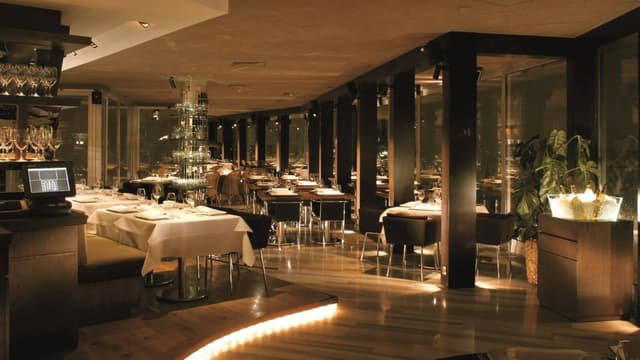
Serene and inviting with calm Japanese peaceful style, cozy yet professional atmosphere enhanced by the Divan Hotel's chic ambiance.