Mark



Michelin Plate · Star Wine List
Our verdict
A Michelin Plate-recognised Danish bistro on Axeltorv, Mark occupies the mid-tier space between Copenhagen's casual lunch spots and its multi-course tasting menus. it holds its own in a city where the bar is set by operators like Geranium and Noma. The price point sits at €€, making it one of the more accessible entries in the capital's serious dining circuit.

Pearl is the En Primeur Club membership app, where members save venues, book tables and use the concierge.
The menu
What to order
- Mushroom_fritters
- Truffle_arancini
- Haddock
- Cod
Axeltorv and the Mid-Tier Danish Bistro
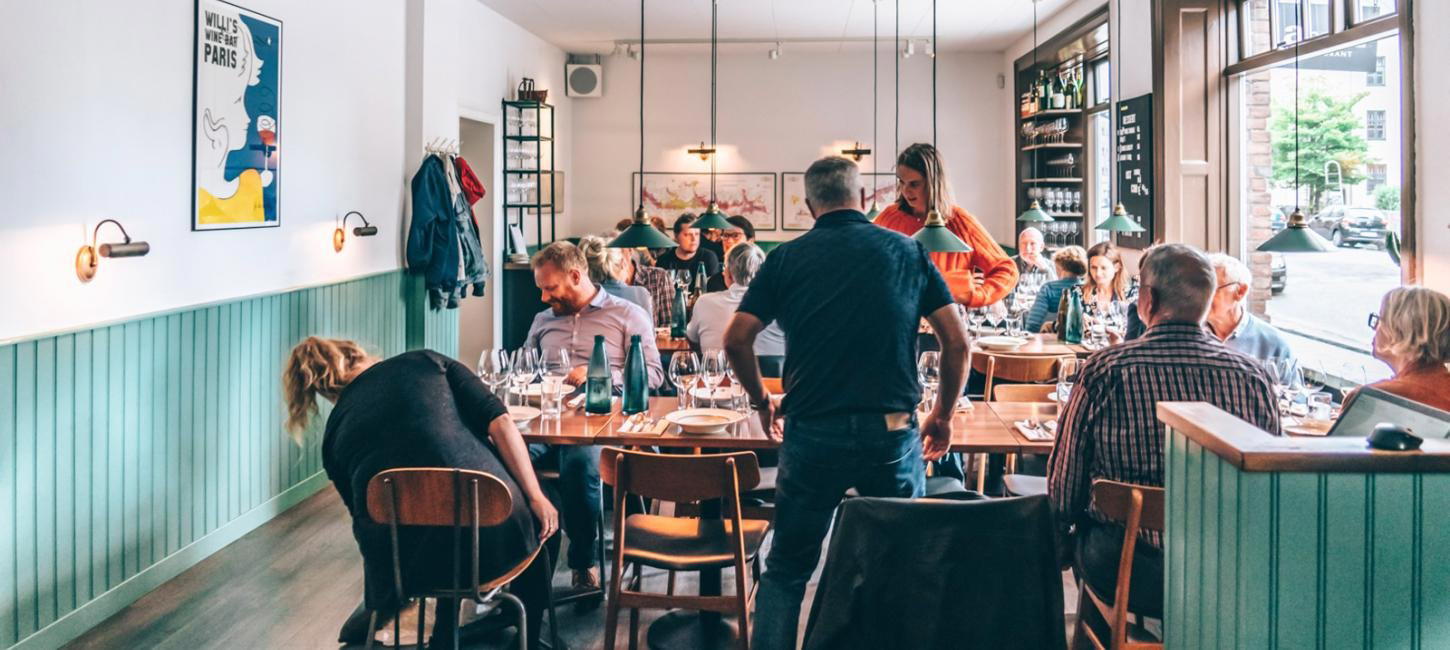
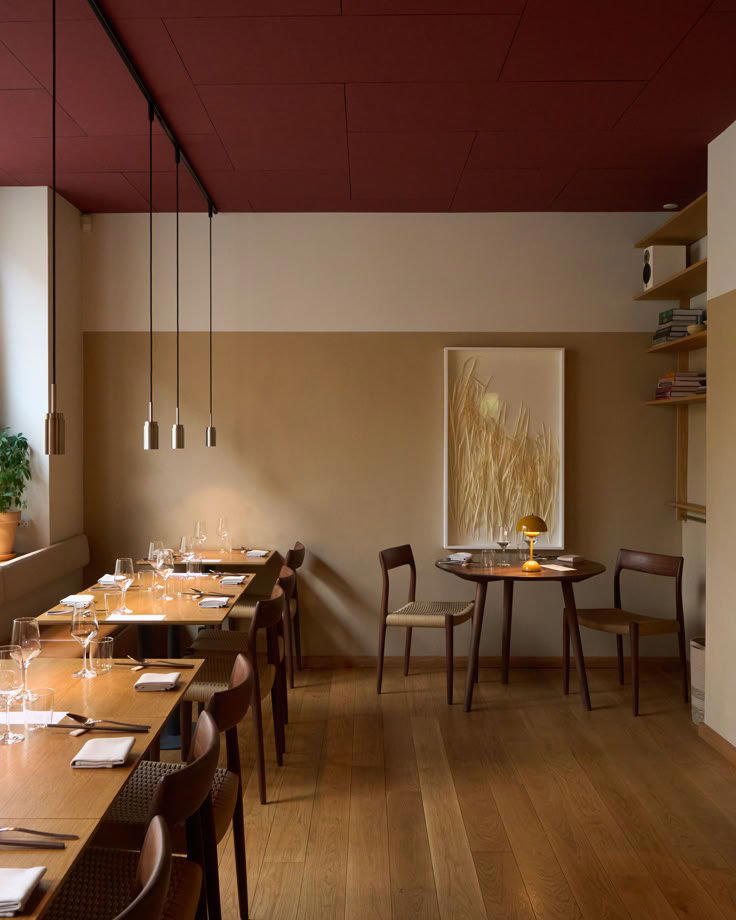
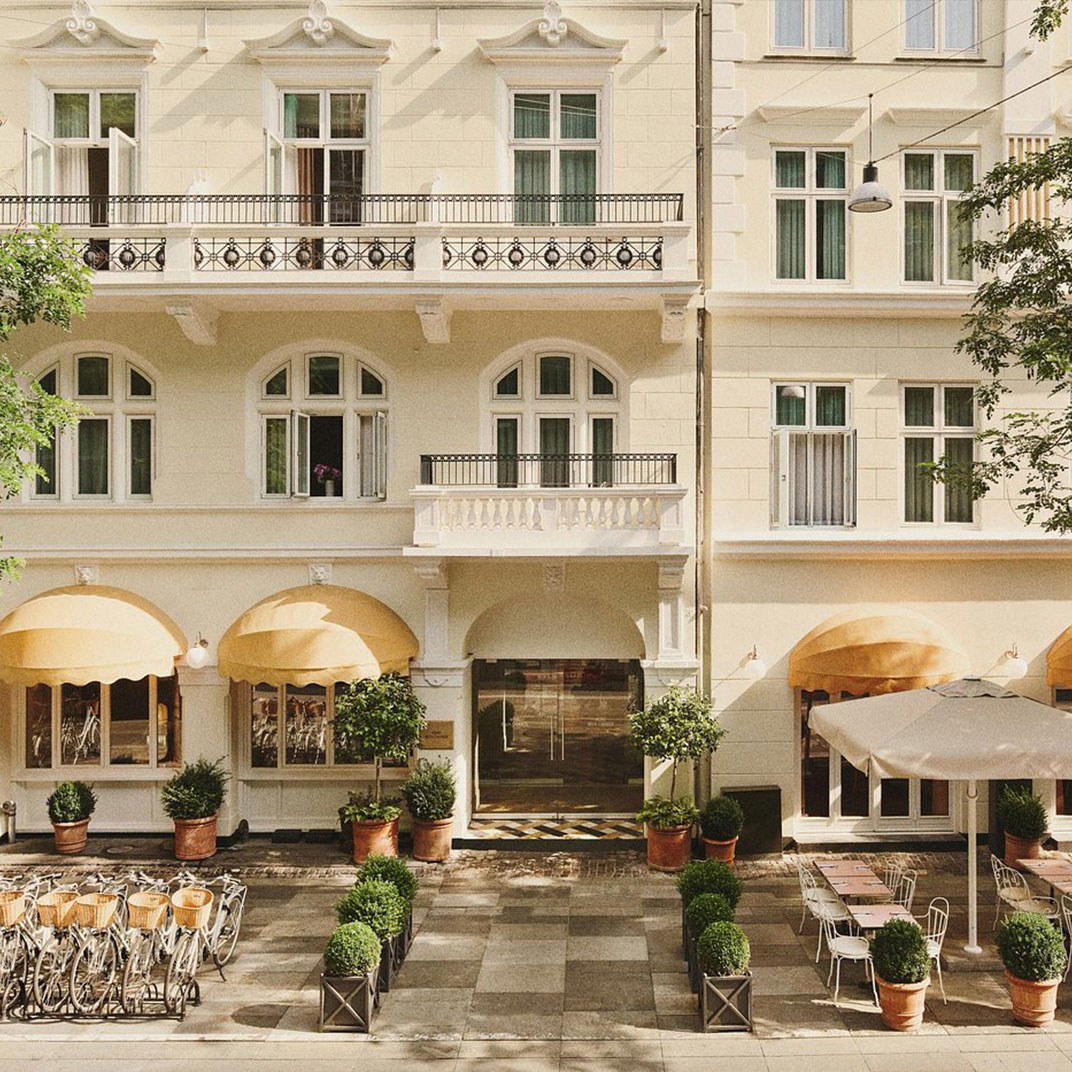
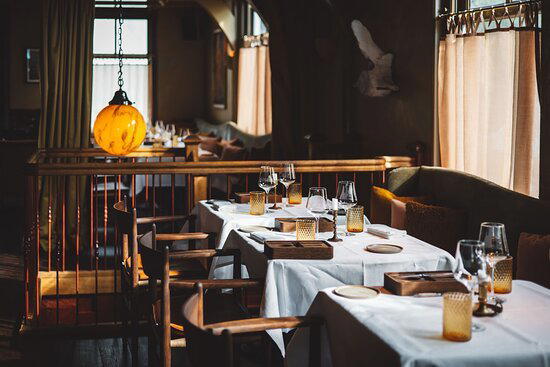
Copenhagen's central squares tend to attract two categories of restaurant: the tourist-facing operation running on footfall, and the neighbourhood anchor that earns its regulars on merit. Axeltorv, a few minutes from Tivoli and the city's main transport corridors, sits in the kind of central position that demands a restaurant prove itself against both charges. Mark, at Axeltorv 3, operates in the more considered camp. The exterior drops you into one of the capital's busiest pedestrian zones, but the tone inside is that of a bistro that has thought carefully about what it is, and what it is not. There is no attempt here to compete on spectacle with the €€€€ tasting-menu circuit that defines Copenhagen's international reputation. That restraint is, in itself, a position.
Where Mark Sits in Copenhagen's Dining Architecture
Copenhagen's restaurant scene is unusually stratified. At the upper end, venues like Geranium and the now-closed but still-referenced Noma shaped a global vocabulary for New Nordic cooking, drawing multi-course formats, long tasting menus, and price points (€€€€) that reflect the ambition of the kitchen. Below that tier, the city has a productive mid-market of bistros and bar-restaurants where Danish sourcing discipline filters into shorter menus at more approachable prices. Mark belongs to this second cohort. Its €€ price positioning places it in the same bracket as neighbourhood bistros rather than destination-dining rooms, and that comparison is more useful than measuring it against the city's Michelin-starred headlines.
What sustains that positioning is a combination of modest but meaningful recognition. Mark holds a Michelin Plate in both 2024 and 2025, a designation that indicates cooking worth noting without the full star apparatus. It also carries a White Star listing on Star Wine List, published in August 2023, which signals that the wine programme is taken seriously enough to receive specialist editorial attention. For broader context on Copenhagen's restaurant circuit, our full Copenhagen restaurants guide maps the full range from casual to tasting-menu.
The Sustainability Argument in Danish Cooking
Danish restaurants at the mid-tier have absorbed many of the sourcing principles that the New Nordic movement codified at the top of the market. The idea that a kitchen should source seasonally, work with local producers, and reduce waste is no longer a point of distinction in Copenhagen, it is closer to a baseline expectation. What varies is the rigour with which those principles are applied and whether they shape the menu in ways the diner can actually perceive.
Mark's cuisine classification as Danish, rather than New Nordic or Creative, is a meaningful signal. It suggests a focus on local materials without the elaborate transformation that defines the top tier. This aligns with a broader pattern in Copenhagen's bistro culture: direct cooking, seasonal anchoring, and an ethical sourcing framework that reflects the city's longstanding relationship with its agricultural hinterland and coastal producers. Denmark's short growing season forces a discipline on ingredient selection that restaurants elsewhere have to choose deliberately; here, it is simply the condition under which kitchens operate. That structural constraint produces menus that read as sustainable not because sustainability is the branding, but because the geography demands it. Peer restaurants elsewhere in Denmark, including Frederikshøj in Aarhus and Henne Kirkeby Kro, demonstrate how deeply embedded producer relationships and seasonal discipline operate at every price point across the country.
The Wine Programme and What It Says
The White Star from Star Wine List is not a casual credential. Star Wine List curates wine programmes with editorial rigour, and the White Star designation indicates a list that exceeds the minimum competence required at most bistro price points. For a €€ restaurant on a central Copenhagen square, a wine programme worth specialist recognition suggests a kitchen and front-of-house operation that see the table as a complete experience rather than a transaction. Within Copenhagen's wider drinking culture, this places Mark closer to the bar-forward, wine-literate segment of the mid-market than to the lunch-trade casual end. For those planning around the city's full drinking scene, our full Copenhagen bars guide and our full Copenhagen wineries guide provide the broader context.
Mark's most instructive comparisons are not with Geranium or Noma but with the city's other accessible, credentials-backed dining rooms. Kanalen and Norrlyst occupy similar terrain, Danish-rooted cooking at approachable prices, with enough intent behind the food to attract regular local diners rather than just tourists. Fasangården represents the slightly more formal end of the same mid-market. Understanding where Mark sits means reading those comparisons rather than measuring it against the €€€€ tasting-menu tier, where the competitive set includes Jordnær in Gentofte and others operating at a different level of resource and ambition.
Outside Copenhagen, Denmark's broader restaurant culture shows similar mid-tier ambition at venues including Alimentum in Aalborg, ARO in Odense, Domæne in Herning, Hærværk in Aarhus, and Møf in Aarhus. The pattern across all of them, seasonal Danish produce, direct cooking, intentional wine lists, reflects a national hospitality culture that has internalised sourcing ethics more thoroughly than most European peer cities.
In a city with high baseline dining standards and a local population that knows the difference, sustained ratings above 4.5 typically indicate consistent kitchen execution rather than occasional high points.
Planning a Visit
Mark is located at Axeltorv 3 in central Copenhagen, accessible on foot from Copenhagen Central Station and the major hotel corridors around Tivoli. The €€ price range places a meal comfortably within reach without the advance planning required for the city's tasting-menu rooms, several of which require reservations months ahead. For the most current hours and booking availability, checking the venue directly is advisable. Those building a broader Copenhagen itinerary can consult our full Copenhagen hotels guide for accommodation context and our full Copenhagen experiences guide for what else the city offers beyond the table.
Frequently Asked Questions
at Mark?
Mark's Danish cuisine classification and Michelin Plate recognition across two consecutive years (2024 and 2025) point to a kitchen with disciplined execution.
Can I walk in to Mark?
Copenhagen's mid-market bistros at this level of recognition tend to fill Thursday through Saturday evenings in particular. Earlier in the week, or at lunch, walk-in chances improve. Booking ahead remains the more reliable approach for a specific evening.
What's the defining dish or idea at Mark?
The defining idea, derived from Mark's cuisine type and recognition profile, is disciplined Danish cooking at a price tier where that commitment is not guaranteed. The Michelin Plate and the Star Wine List White Star together describe a kitchen and a cellar operating with more intention than the price point strictly requires, which is the operative distinction at a central Copenhagen address where the competition includes operators at both ends of the effort spectrum.
Frequently asked questions
Does Mark have a Michelin star or similar recognition?
Mark has received recognition including: Mark Bistro & Bar is a restaurant in Copenhagen, Denmark. It was published on Star Wine List on August 14, 2023 and is a White Star.; Michelin Plate (2025); Michelin Plate (2024).
What's the price range at Mark?
Pricing at Mark is listed as €€.
What's the best thing to order at Mark?
Mark holds a Michelin Plate in both 2024 and 2025, which points to consistent kitchen output across the menu rather than a single standout dish. The White Star recognition from Star Wine List also suggests the wine list rewards attention, pairing with whatever is leading the Danish seasonal menu is a reasonable approach. Specific dish details are not published, so asking the front of house for the kitchen's current focus is the practical move.
What type of food is Mark known for?
Where exactly is Mark?
Mark is located at Axeltorv 3, 1609 København, Denmark, Copenhagen.
Can I walk in to Mark?
Mark sits at Axeltorv 3, within walking distance of Copenhagen Central Station and the Tivoli hotel corridor, so the location is genuinely accessible. At the €€ price point with Michelin Plate recognition, walk-in availability on weekends is not guaranteed, a reservation is the safer call, particularly for Friday and Saturday evenings. Midweek and at lunch, the chances of a table without a booking are higher.
What's the defining dish or idea at Mark?
Mark positions itself as a credentials-backed Danish bistro operating at the mid-tier of Copenhagen's unusually competitive dining scene. The White Star on the wine programme from Star Wine List indicates the room takes its list seriously, that combination of accessible pricing, Danish cooking, and a wine offer is the clearest way to describe what the place is doing. It is not chasing the avant-garde register of the city's higher-end rooms; it is making the case that rigorous sourcing and a serious cellar can coexist at the €€ level.
What It’s Closest To
A small set of peers for context, based on recorded venue fields.
| Venue | Cuisine | Price | Awards | Notes |
|---|---|---|---|---|
| MarkThis venue (the venue you are viewing) | Danish-French Bistro | $50–100 | Michelin Plate · Star Wine List | Not listed |
| Geranium | Modern New Nordic Pescatarian | $500+ | 3 Michelin Stars · World's 50 Best #1 | New Nordic, Creative |
| Noma | New Nordic Fine Dining | $300–500 | 3 Michelin Stars · World's 50 Best #1 | Creative |
| Alchemist | Avant-Garde Molecular Gastronomy with Social Commentary | $500+ | 2 Michelin Stars · World's 50 Best #5 | Progressive, Creative |
| Koan | Modern Korean-Nordic Fine Dining | $300–500 | 2 Michelin Stars · World's 50 Best #91 | New Nordic, Kaiseki, Creative |
| a|o|c | Modern Scandinavian Fine Dining | $300–500 | 2 Michelin Stars · La Liste Top Restaurants | New Nordic, Mediterranean Small Plates, Creative |
Recognition history
Dated appearances from independent guides and award organizations, with the underlying list record or original source where available.
Michelin Plate
Michelin
Star Wine List
Star Wine List
White Guide Denmark Restaurants - Very Fine Level
White Guide
Full recognition history (5 entries)
Michelin Plate
Michelin
Michelin Plate
Michelin