

Michelin Plate · Relais Chateaux Award
Our verdict
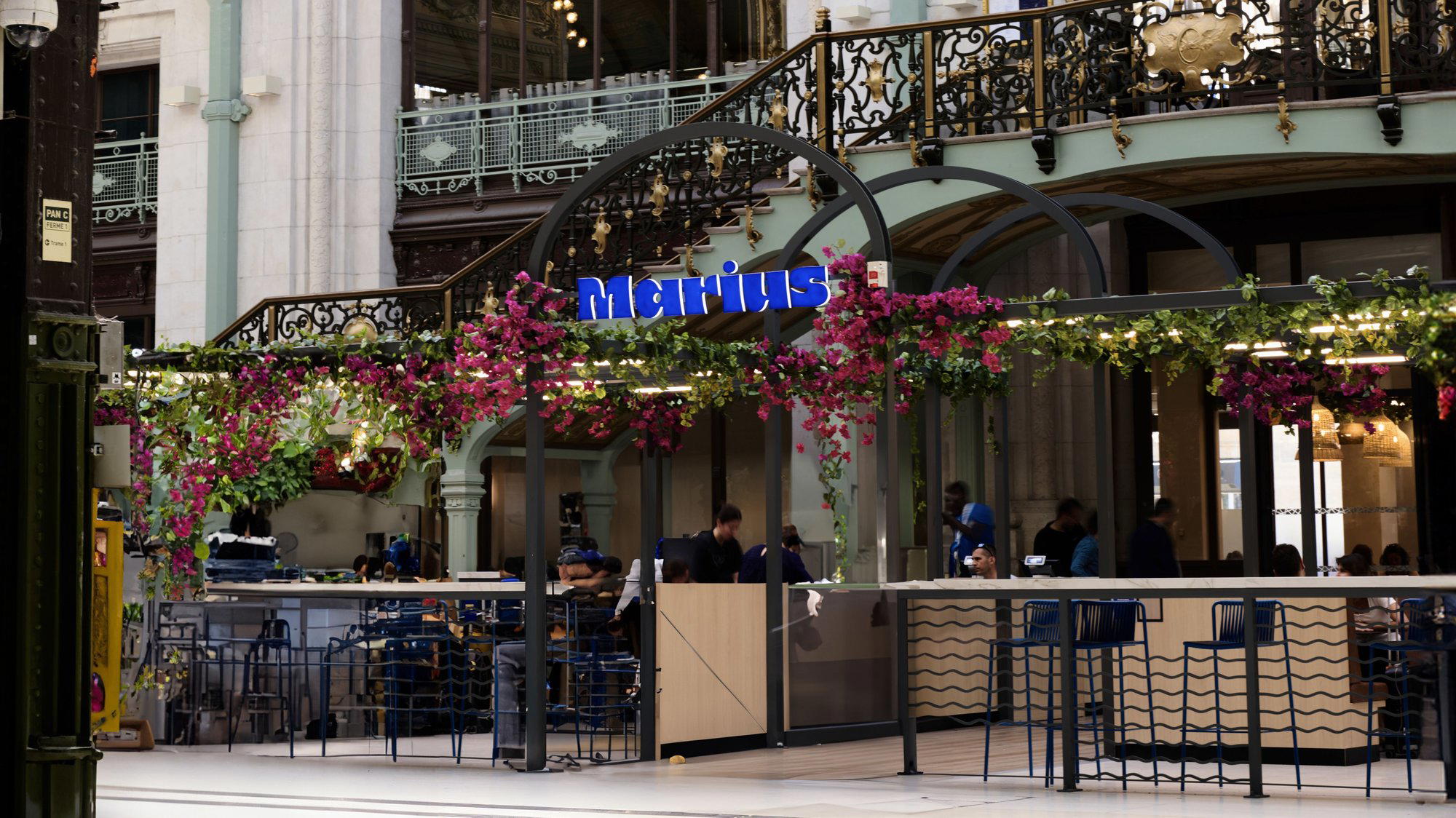
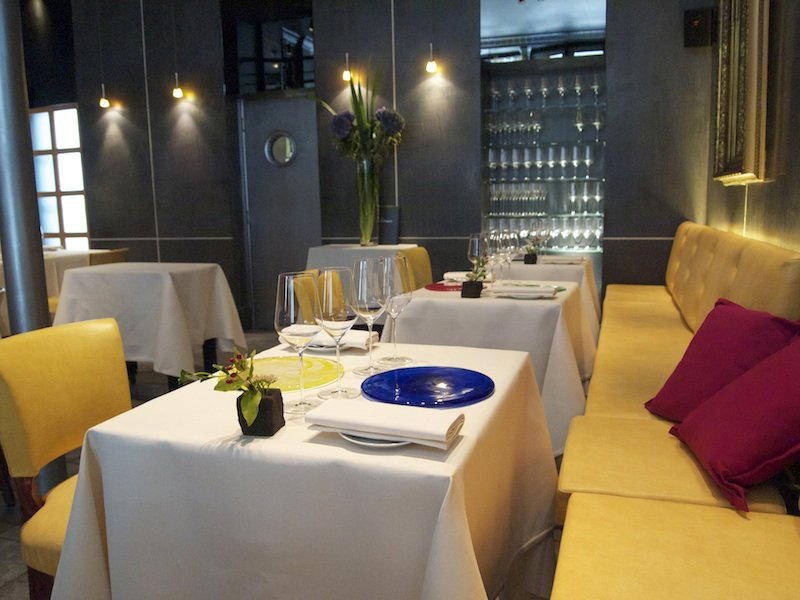
On boulevard Murat in the 16th arrondissement, Marius is a chic, modern seafood address run by the team behind Disciples at number 136 on the same street. The menu follows the catch: whole fish to share, fish soup with rouille, and merlan Colbert alongside a short selection of meat and seasonal vegetable dishes. It is the kind of neighbourhood table that earns repeat visits on merit rather than spectacle.

Pearl is the En Primeur Club membership app, where members save venues, book tables and use the concierge.
The menu
What to order
- Grand Marnier soufflé
- Bouillabaisse
- Merlan Colbert
A Seafood Counter the 16th Keeps to Itself
Boulevard Murat runs quietly through the 16th arrondissement, a broad residential artery where the pace slows well before you reach the Parc des Princes end. Marius sits at number 82, its interior modern and deliberately low-key: the kind of room that signals confidence in what arrives on the plate rather than in the drama of the setting. There is no theatre at the door, no design statement demanding attention. The space reads as a working neighbourhood restaurant for people who eat here regularly and have no interest in being performed at.
That character is not accidental. The team behind Marius also runs Disciples, further along the same boulevard at number 136. The two addresses share an operational logic: understated rooms, menus built around what is actually good that week, and a clientele that books ahead because they want to, not because a publicist told them to. On a street where most residents have access to very good food across the city, earning that kind of loyalty requires consistency over novelty.
What the Menu Actually Does
Paris has two broad categories of seafood restaurant. One uses the product as a vehicle for technique and tasting-menu architecture, placing the fish inside a formal progression that owes more to the dining room grammar of places like Alléno Paris au Pavillon Ledoyen or Le Cinq than to the fish market. The other treats the product as the point, building a short menu around what came in that morning and trusting the diner to find that sufficient. Marius belongs firmly to the second category.
The menu anchors on whole fish to share, dictated by the catch. That phrase carries weight: it means the kitchen is not buying to a fixed menu and the server who knows the room will steer you toward what arrived that day. Around that centrepiece, fish soup with rouille gives the menu a classical French coastal reference point, and merlan Colbert, the traditional preparation of whiting split, crumbed, and fried with herb butter, appears as a marker of culinary seriousness. It is a dish that separates kitchens that understand French technique from those performing it.
For guests who do not eat fish, or who want to build a wider table, the kitchen offers free-range chicken supreme and crispy veal sweetbreads alongside a seasonal vegetable risotto. These are not afterthoughts: the sweetbreads in particular require real technical execution to achieve the right contrast between exterior and interior, and their presence on a seafood-focused menu suggests a kitchen with broader range than the headline implies.
The Regulars and What They Know
The regulars at a room like Marius are the most reliable guide to how it actually works. They are not dining here for the occasion; they are dining here because it is where they eat. That distinction matters in a neighbourhood like the 16th, where options at every price point exist and the competition for a repeat visitor's Thursday night is real.
What keeps them returning is the whole-fish format. Ordering a single large fish for two or three people, shared at the table with good bread and a well-chosen white Burgundy or Loire, is one of the oldest and most satisfying ways to eat in France, and it is practised less often in Paris than it should be. The catch-driven selection means the experience varies by visit, which is precisely what a regular wants: familiar format, shifting content. A table that comes back four times in a season will eat four different fish.
The fish soup with rouille is, by all available signals, the kind of dish that regulars order without looking at the menu. It is a reference preparation in the French repertoire, and a kitchen that does it well earns a particular kind of trust. For context on how seriously France takes its classical seafood tradition, Mirazur in Menton and Auberge de l'Ill in Illhaeusern both operate within a French culinary culture where the correct handling of a classical preparation carries as much prestige as invention. Marius operates at a different scale and price point, but the underlying respect for tradition reads from the same source.
Where Marius Sits in the Wider Paris Seafood Picture
Paris's serious seafood addresses range from grand brasserie format through to the kind of technically driven tasting menus that share competitive space with Arpège or Kei. Marius does not compete in either of those registers.
For international reference, the philosophy is closer to the original Le Bernardin logic, where the fish is treated as the subject and the kitchen as its advocate, than to the more elaborate French seafood traditions. Domestically, the connection to Disciples gives the operation a small-group seriousness that single-site restaurants sometimes lack: shared sourcing relationships, shared standards, and a team that has worked through the same set of questions at more than one address.
For anyone building a broader Paris itinerary, our full Paris restaurants guide maps the city's dining scene across categories and price tiers. For accommodation in the 16th and surrounding areas, our Paris hotels guide covers the full range, and our Paris bars guide handles what comes after.
Planning Your Visit
Marius is at 82 boulevard Murat in the 16th arrondissement, near the Parc des Princes. The room reads as a neighbourhood address rather than a destination restaurant, which means table availability is generally more approachable than at the city's more publicised addresses, though the combination of a small room and a loyal local clientele means booking ahead remains advisable, particularly for weekends. For those exploring the broader French dining tradition beyond Paris, Flocons de Sel in Megève, Troisgros in Ouches, Bras in Laguiole, and Paul Bocuse in Collonges-au-Mont-d'Or represent the range of what French regional cooking looks like at its most committed. Closer to home in Paris, L'Ambroisie anchors the classic end of the spectrum at the highest price tier. Marius sits at a different point on that axis, but it is on the same map.
Frequently asked questions
at Marius?
Order the whole fish to share. The menu at Marius is built around catch-driven whole fish for two or more people, which is both the kitchen's focus and the most satisfying way to eat here. The fish soup with rouille and the merlan Colbert are classical French preparations that give the menu its backbone. If you are eating with someone who wants a different direction, the crispy veal sweetbreads are a strong signal of technical competence beyond the seafood menu.
How hard is it to get a table at Marius?
Marius is a neighbourhood address rather than a high-profile destination, which generally places it below the booking pressure of Paris's most publicised rooms. That said, a loyal local clientele in the 16th and a room that reads as small mean that arriving without a reservation, particularly on a Friday or Saturday evening, carries real risk. Book ahead: the friction is low compared to the city's award-heavy addresses at the €€€€ tier, but it is not a walk-in room.
What is the standout thing about Marius?
The catch-driven whole-fish format. In a city where many restaurants use seafood as a vehicle for elaborate technique, Marius treats the fish as the point. The menu changes with what came in, which means the experience is genuinely product-led rather than fixed. The connection to the Disciples team at number 136 on the same boulevard adds operational credibility: this is not a one-address operation finding its footing.
How does Marius handle allergies?
The menu includes both seafood and meat dishes, so there is structural flexibility for guests with single-category restrictions. For guests with serious allergies, the most reliable approach is to contact the restaurant directly before booking. Phone and website details were not available at time of publication; checking current listings or contacting them through a booking platform before your visit is the practical route. Paris dining more broadly is covered in our Paris experiences guide and our Paris wineries guide for those building a wider visit around the meal. For a comparable seafood-forward address in a different context, Emeril's in New Orleans shows how a different culinary tradition handles the same product-first logic.
At a Glance
Comparable venues nearby, for context on price, style, and recognition.
| Venue | Cuisine | Price | Awards | Notes |
|---|---|---|---|---|
| MariusThis venue (the venue you are viewing) | Classic French Seafood | $100–150 | Michelin Plate · Relais Chateaux Award | Not listed |
| L'Auberge des Crus | Traditional French Bistro | $50–100 | Michelin Plate | 16ème, Traditional French Bistro |
| Maison Lagure | Bistronomique Seafood Bistro | Not listed | Michelin Plate | La Garenne-Colombes, Bistronomique Seafood Bistro |
| Kitchen by Madame Rêve | Modern French Bistronomic | $50–100 | Michelin Plate | Des Halles, Modern French Bistronomic |
| Phébé | Traditional French Bistro | $50–100 | Michelin Plate | 17th arrondissement (Plaine de Monceaux), Traditional French Bistro |
| Brasserie Lutetia | Modern French Brasserie with Mediterranean Influences | $50–100 | Michelin Plate | Saint-Germain-des-Prés, Modern French Brasserie with Mediterranean Influences |
Recognition history
Dated appearances from independent guides and award organizations, with the underlying list record or original source where available.
Michelin Plate
Michelin
Relais Chateaux Award
Relais Chateaux
Continue exploring
More in Paris
Restaurants in Paris
All restaurants in Paris →
Bars in Paris
All bars in Paris →
Details
- Classic
- Date Night
- Business Dinner
- Standalone
- Extensive Wine List
- A La Carte
Current opening hours
- Monday
- 12–2:30 PM, 7:30–10:30 PM
- Tuesday
- 12–2:30 PM, 7:30–10:30 PM
- Wednesday
- 12–2:30 PM, 7:30–10:30 PM
- Thursday
- 12–2:30 PM, 7:30–10:30 PM
- Friday
- 12–2:30 PM, 7:30–10:30 PM
- Saturday
- 7:30–10:30 PM
- Sunday
- Closed
Hours can change for holidays and private events. Hours as of .
Airy, open room with cozy, old-fashioned bistro atmosphere, pleasant lighting, and a calm, welcoming vibe.