
Brasserie Lutetia holds consecutive Michelin Plates for 2024 and 2025, placing it firmly within Paris's serious seafood tier on the Boulevard Raspail in Saint-Germain-des-Prés. The kitchen works a programme that reads classic brasserie on the surface but signals something more considered underneath..
Pearl is the En Primeur Club membership app — saves, bookings, and concierge access live there. Same editors, same standards.
- Address
- 43 Bd Raspail, 75006 Paris, France
- Phone
- +33 1 49 54 46 92
- Website
- mandarinoriental.com
- Directions
- Get directions
 Saves & bookings on Pearl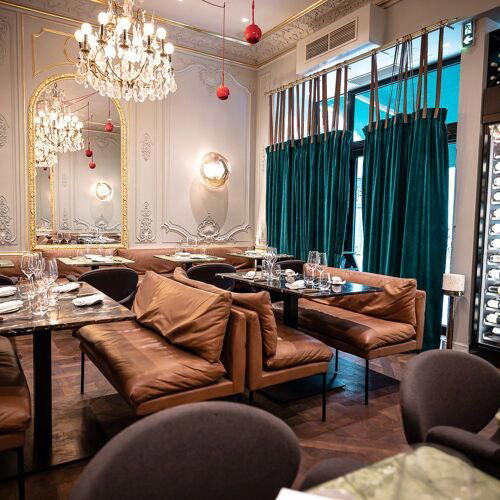
Saint-Germain's Seafood Counter and What It Represents
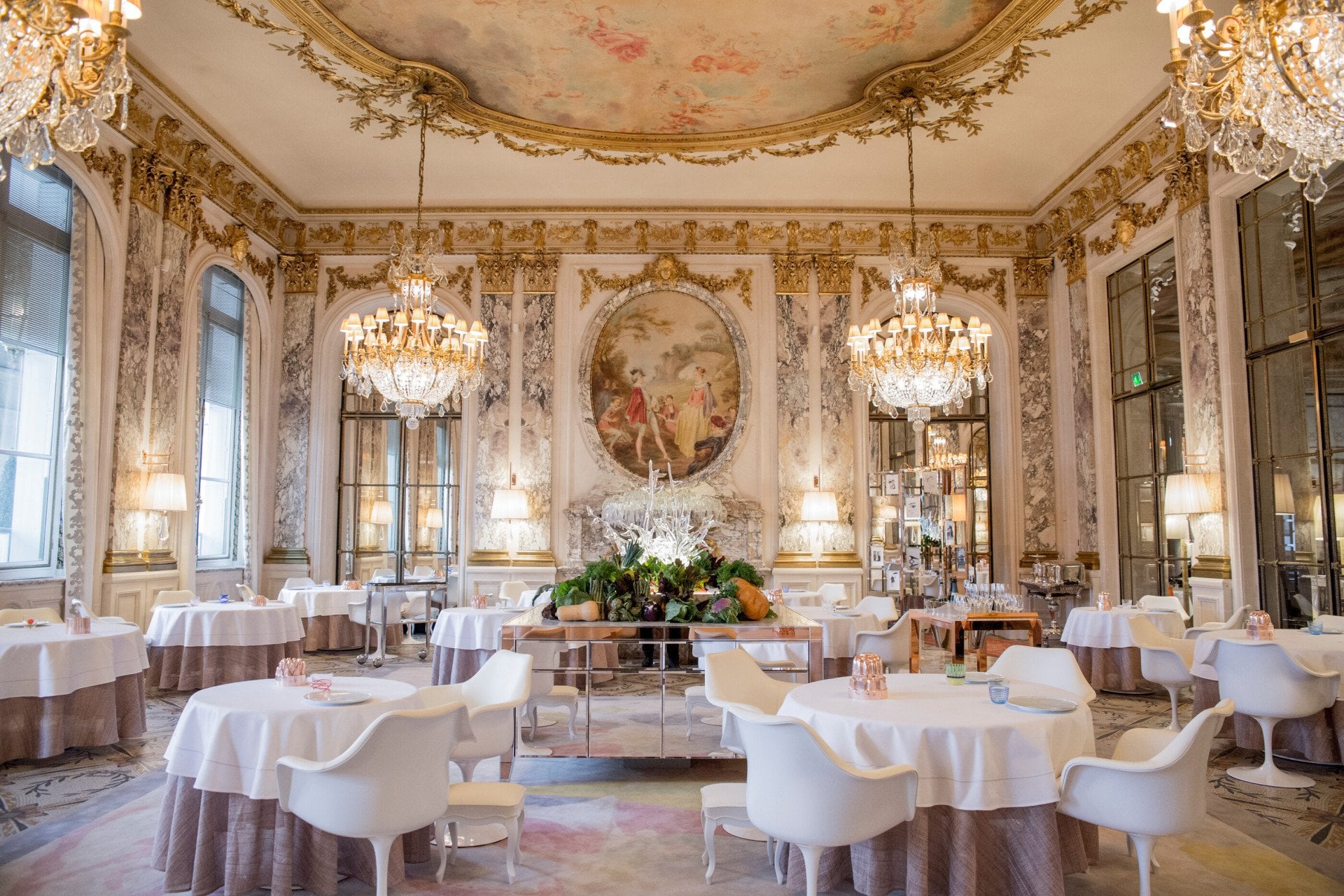
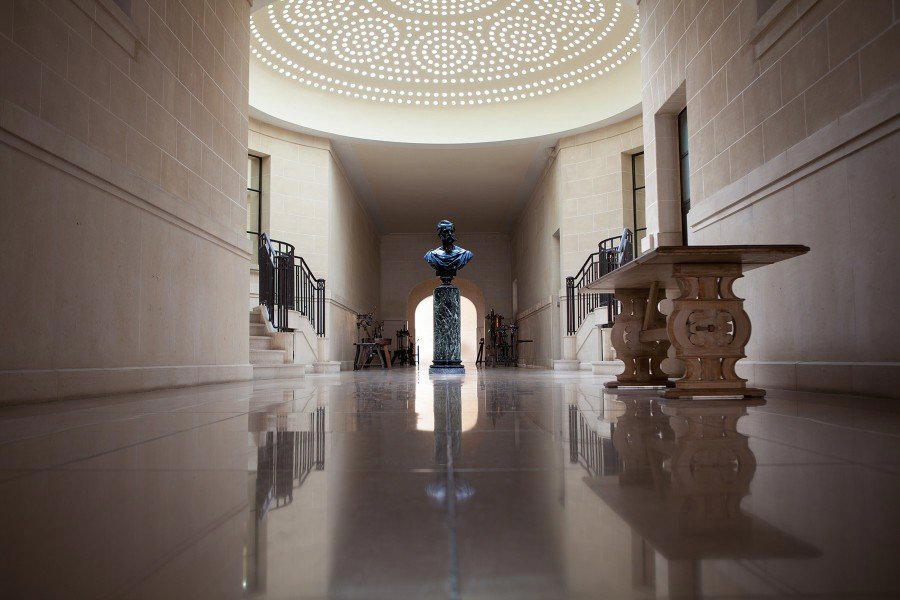
Boulevard Raspail cuts through one of Paris's most self-assured arrondissements with a particular kind of quiet confidence. The 6th has never needed to announce itself. Its cafés, galleries, and restaurants have operated for decades on the assumption that serious people will find them, and the brasserie tradition here carries that same posture. Brasserie Lutetia, at number 43, belongs to this grammar, a grand-format room in the orbit of the Hôtel Lutetia, the storied Art Deco address that anchors this stretch of Raspail. Walking in, the architectural register is immediately clear: high ceilings, wide banquettes, the particular hum of a room that has been feeding people for a long time. The scale signals brasserie, but the seafood focus signals something more purposeful.
Where It Sits in Paris's Seafood Tier
Paris's seafood restaurants occupy a wide range of registers, from the raw-bar naturalism of Clamato in the 11th to the formal tableside service of Dessirier near Porte Maillot, with Atlantic-focused addresses like La Cagouille and the Mediterranean-leaning La Méditerranée occupying different corners of the same tradition. Le Jour du Poisson represents the more contemporary edge of that spectrum. Brasserie Lutetia positions itself differently from all of these: it is the seafood proposition attached to one of the Left Bank's most recognised hotel addresses, which places it in a comparable set defined as much by institutional weight as by kitchen ambition.
Consecutive Michelin Plates for 2024 and 2025 confirm a level of execution that Michelin considers worth signalling to readers, even without the full star designation. In the context of Paris's crowded dining scene, a sustained Plate is a meaningful marker: it places Brasserie Lutetia clearly above generic brasserie territory while remaining in a different competitive tier from the three-star rooms at Paul Bocuse's Auberge du Pont de Collonges or the creative laboratories represented by addresses like Mirazur in Menton or Flocons de Sel in Megève. The price tier sits at €€€.
The Tradition-vs-Innovation Tension in French Seafood Cooking
French seafood cookery carries one of the more contested internal debates in the country's dining culture. The classical brasserie lineage, anchored in plateau de fruits de mer, sole meunière, and bouillabaisse, has always competed with a more interventionist school that treats fish as raw material for technical elaboration. The tension between these two poles is visible across the Paris seafood scene: some kitchens plant themselves firmly in the classical register and treat innovation as a form of bad manners; others use the vocabulary of tradition as a launching point for something more forward-looking.
The brasserie format itself carries certain obligations. Grand platter service, tableside gestures, and menu structures that allow a table to move from oysters through to a grilled whole fish without disruption, these are part of what a room like this is expected to deliver. The question worth asking at any address that holds Michelin recognition in this format is whether the kitchen stops at competent execution of the known repertoire or pushes against it in ways that justify a second look. Sustained Michelin Plate recognition across two consecutive years suggests the latter, at least in part. The inspectors are not in the business of noting kitchens that simply do the obvious thing adequately. For context, French kitchens that have most powerfully navigated this tension at the highest level, from the vegetable-forward precision of Bras in Laguiole to the composed classicism of Auberge de l'Ill in Illhaeusern or the ongoing reinvention at Troisgros, have all found ways to make that negotiation explicit on the plate. The restaurant operates in a less refined tier, but the same structural question applies at every level of French dining.
The comparison also extends beyond France. The approach to seafood as both everyday sustenance and serious kitchen subject is visible across Mediterranean Europe: addresses like Gambero Rosso in Marina di Gioiosa Ionica and Alici on the Amalfi Coast represent the Italian iteration of that same tension between simplicity and refinement. The French brasserie tradition solves the problem differently, through ceremony and format rather than through minimalism, and the restaurant is an argument for that solution.
The Room and the Experience
Physical setting at this address matters more than at a standalone restaurant. Hotel brasseries in Paris occupy a specific social function: they serve hotel guests who want a serious meal without going out, neighbourhood regulars who have been coming for years, and visitors who have been directed here by concierges or reputation. The result is a room with broader demographic range than most specialist restaurants, and a service register calibrated to handle all of it without friction.
Grand brasserie room rewards arriving unhurried. The scale of the space, the quality of the light, and the formality of the service structure are all part of what this format promises. For those who have spent time in the serious seafood rooms of Brittany or Normandy, the Parisian brasserie can feel like a slightly more theatrical version of the same tradition. That theatricality is not a criticism; it is the point.
Paris Seafood in Context
For visitors building a broader picture of what Paris offers across dining, drinking, and hospitality, the city's seafood tier is worth mapping carefully. The gap between a competent plateau and genuinely considered fish cookery is wider than it appears from the outside. The restaurant occupies a position in that spectrum that is worth understanding before booking.
Know Before You Go
- Address: 43 Boulevard Raspail, 75006 Paris, France
- Cuisine: Seafood
- Price range: €€€
- Awards: Michelin Plate 2024; Michelin Plate 2025 3 (843 reviews)
- Neighbourhood: Saint-Germain-des-Prés, 6th arrondissement
How It Stacks Up
Comparable venues nearby, for context on price, style, and recognition.
| Venue | Cuisine | Price | Awards | Notes |
|---|---|---|---|---|
| Brasserie LutetiaThis venue — the venue you are viewing | Modern French Brasserie with Mediterranean Influences | $$$ | Michelin Plate | Not listed |
| Semilla | Modern French Bistro | $$$ | Michelin Plate | Saint-Germain-des-Prés |
| Maison Brut | Modern French Gastronomique | $$$ | Michelin Plate | 9ème arrondissement |
| Pianovins | Modern French Bistro | $$$ | Michelin Plate | 11th arrondissement |
| Bonnotte | Seasonal French Bistronomy | $$$ | Michelin Plate | Boulogne-Billancourt |
| Le Villaret | Traditional French Bistro | $$$ | Michelin Plate | 11th arrondissement |
Recognition history
Dated appearances from independent guides and award organizations, with the underlying list record or original source where available.
Michelin Plate
Michelin
Michelin Plate
Michelin
Michelin Plate
Michelin
Continue exploring
More in Paris
Restaurants in Paris
Browse all →
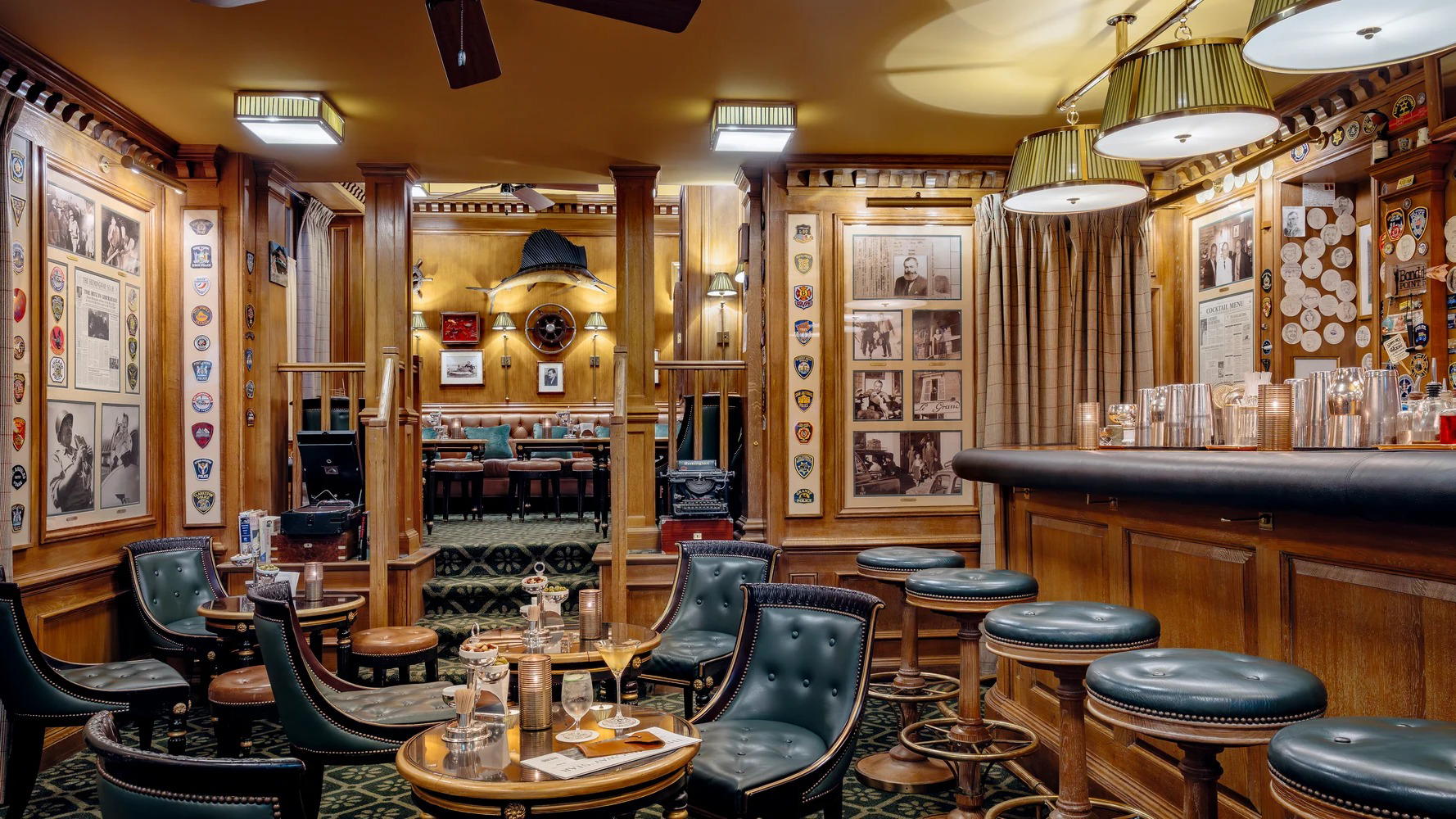
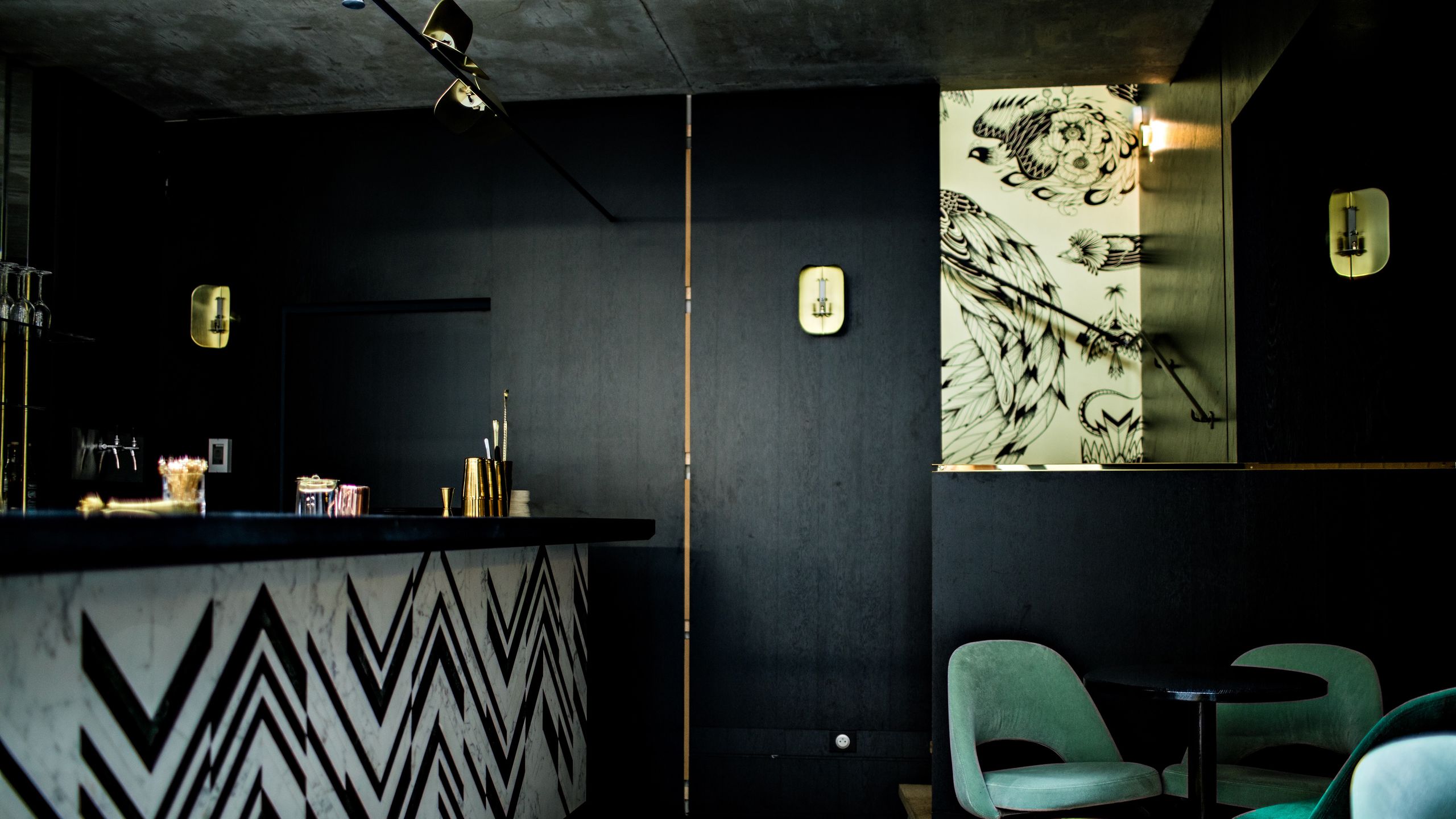
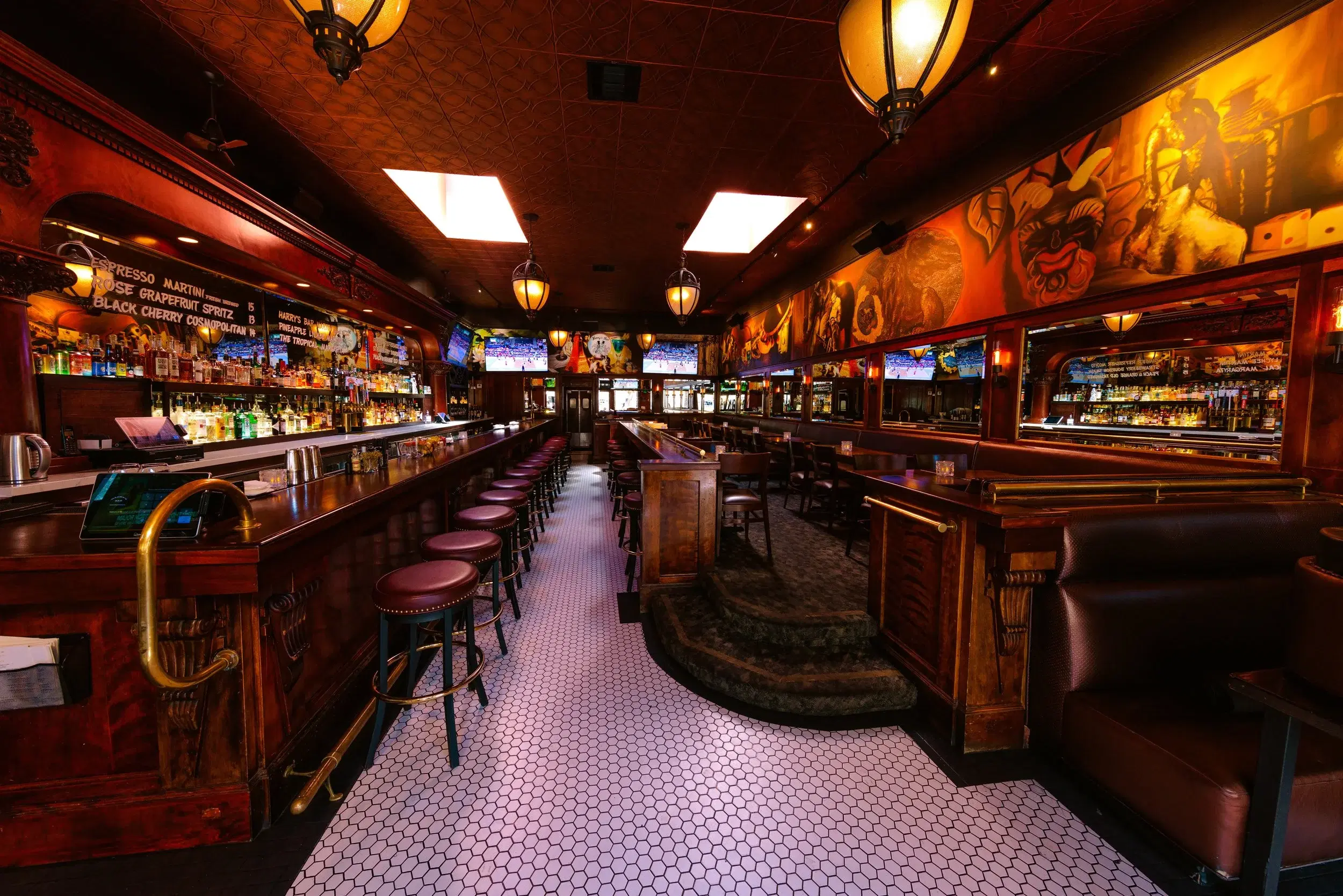
Bars in Paris
Browse all →
Hotels in Paris
Browse all →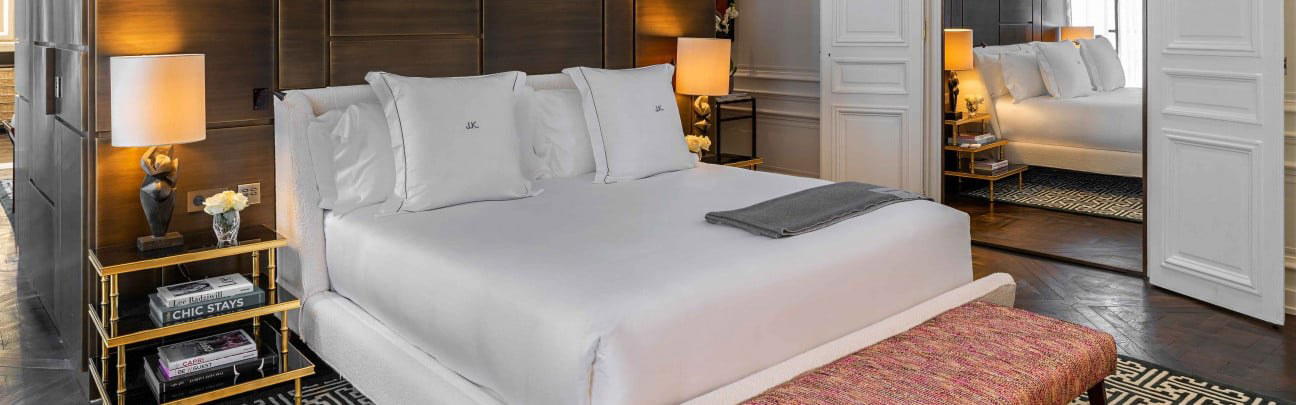



At a Glance
- Elegant
- Classic
- Well Known
- Sophisticated
- Date Night
- Business Dinner
- Group Dining
- Family
- Celebration
- Special Occasion
- Open Kitchen
- Terrace
- Courtyard
- Historic Building
- Design Destination
- Hotel Restaurant
- Extensive Wine List
- Natural Wine
- Local Sourcing
- Sustainable Seafood
Current opening hours
- Monday
- 7 AM–10:30 PM
- Tuesday
- 7 AM–10:30 PM
- Wednesday
- 7 AM–10:30 PM
- Thursday
- 7 AM–10:30 PM
- Friday
- 7 AM–10:30 PM
- Saturday
- 7 AM–10:30 PM
- Sunday
- 7 AM–10:30 PM
Hours can change for holidays and private events. Last verified .
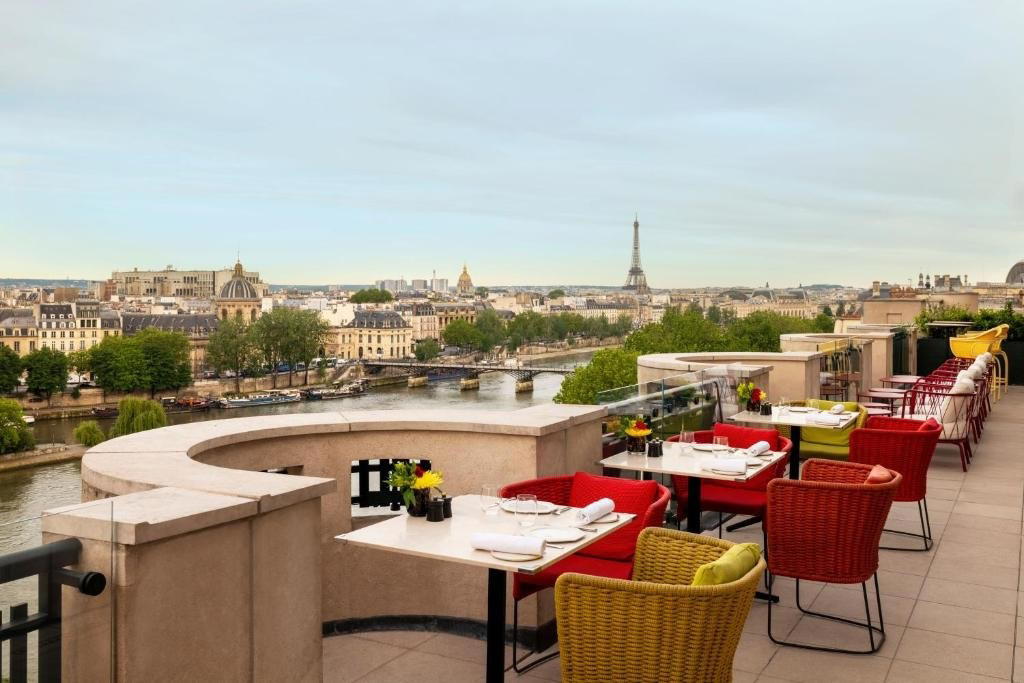
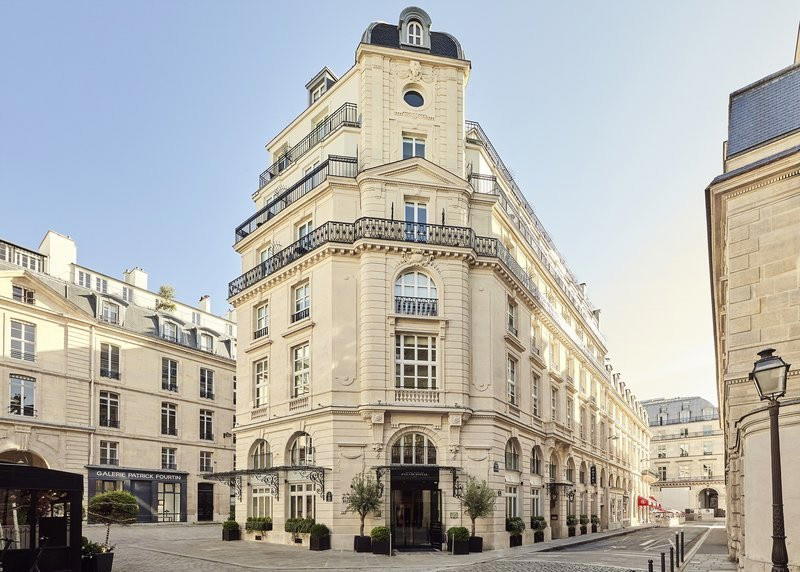
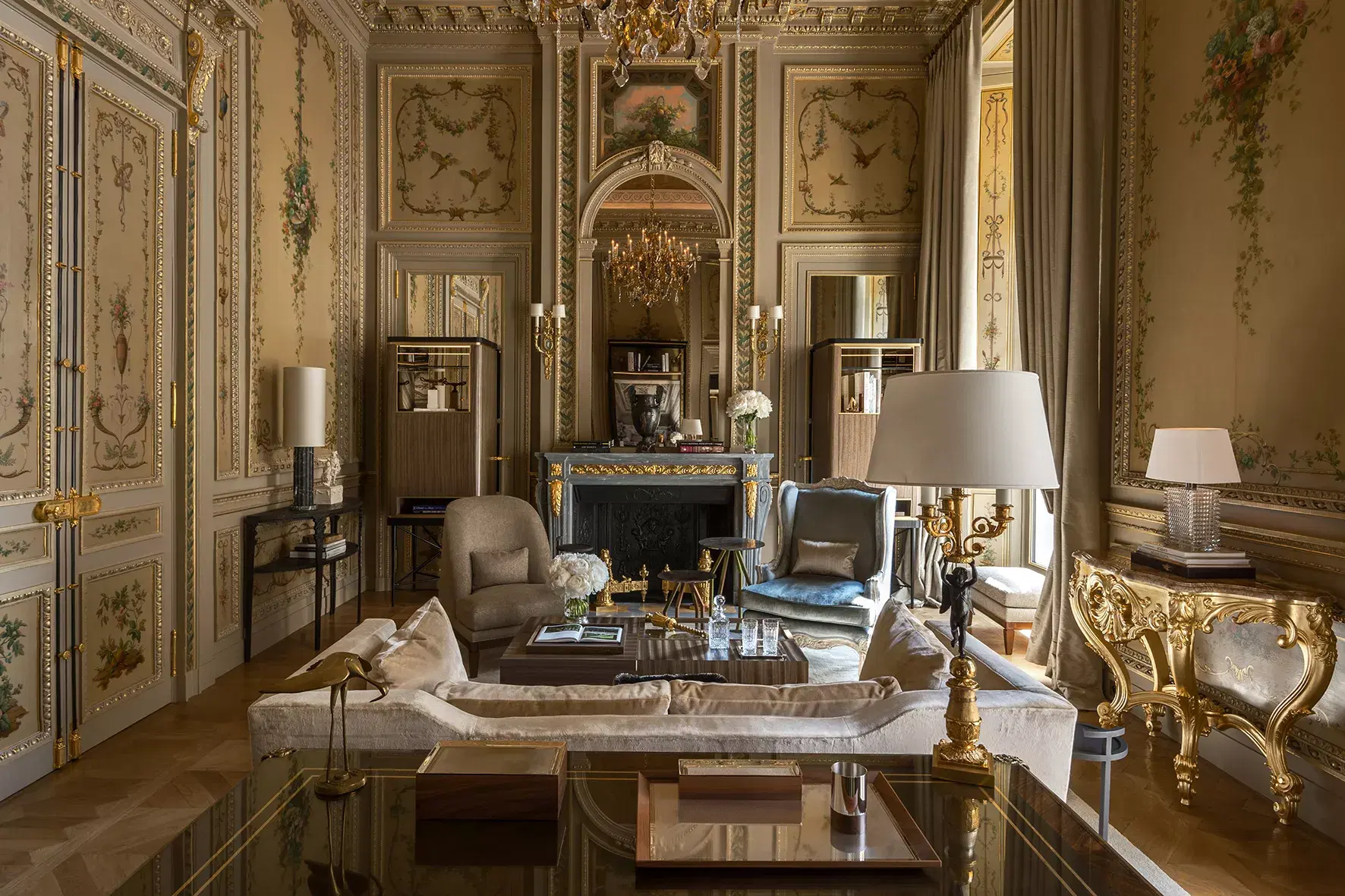
Elegant Art Deco setting with double-height ceilings, soft lighting, and refined bistro atmosphere; guests praise the beautiful, welcoming ambiance with good table separation and natural light from the central patio.