Marigold

James Beard Award Semi Finalist
Our verdict
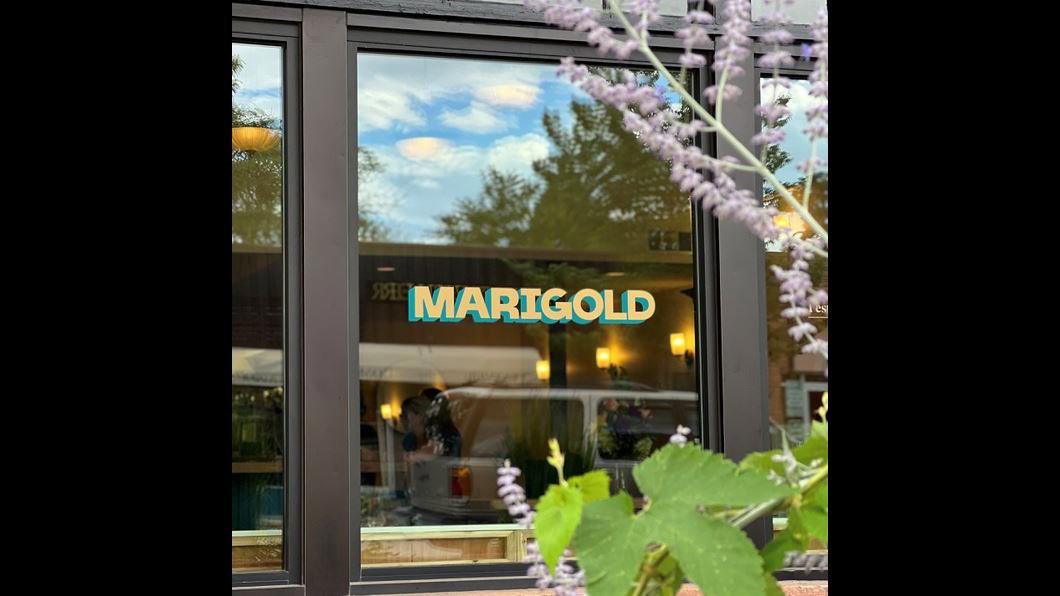
Marigold sits on Main Street in Lyons, Colorado, a small Front Range town where the dining scene runs leaner than Boulder but draws from the same agricultural corridor. The restaurant's address places it in a community where sourcing from nearby farms and ranches is less a marketing position and more a practical reality of operating at this scale in this terrain.

Pearl is the En Primeur Club membership app, where members save venues, book tables and use the concierge.
The menu
What to order
- Rigatoni bolognese
- Half chicken under a brick with salsa verde
- Seared scallops
- Turbot with brown butter
- Wagyu beef collar en croute
Where the St. Vrain Valley Sets the Table
Lyons occupies a specific geographic position that shapes what ends up on a plate here. Wedged between the Rocky Mountain foothills and the Colorado plains at the confluence of the North and South St. Vrain creeks, the town sits at the edge of one of the state's most productive agricultural corridors. Boulder County farms, mountain-fed ranches, and the broader Colorado high country supply chain all converge within a short radius. For a restaurant operating at 405 Main Street in a town of roughly 2,000 people, that proximity is not a selling point so much as a structural condition. You cook with what's around you, or you truck in from elsewhere at cost and quality penalties that don't make sense at this scale.
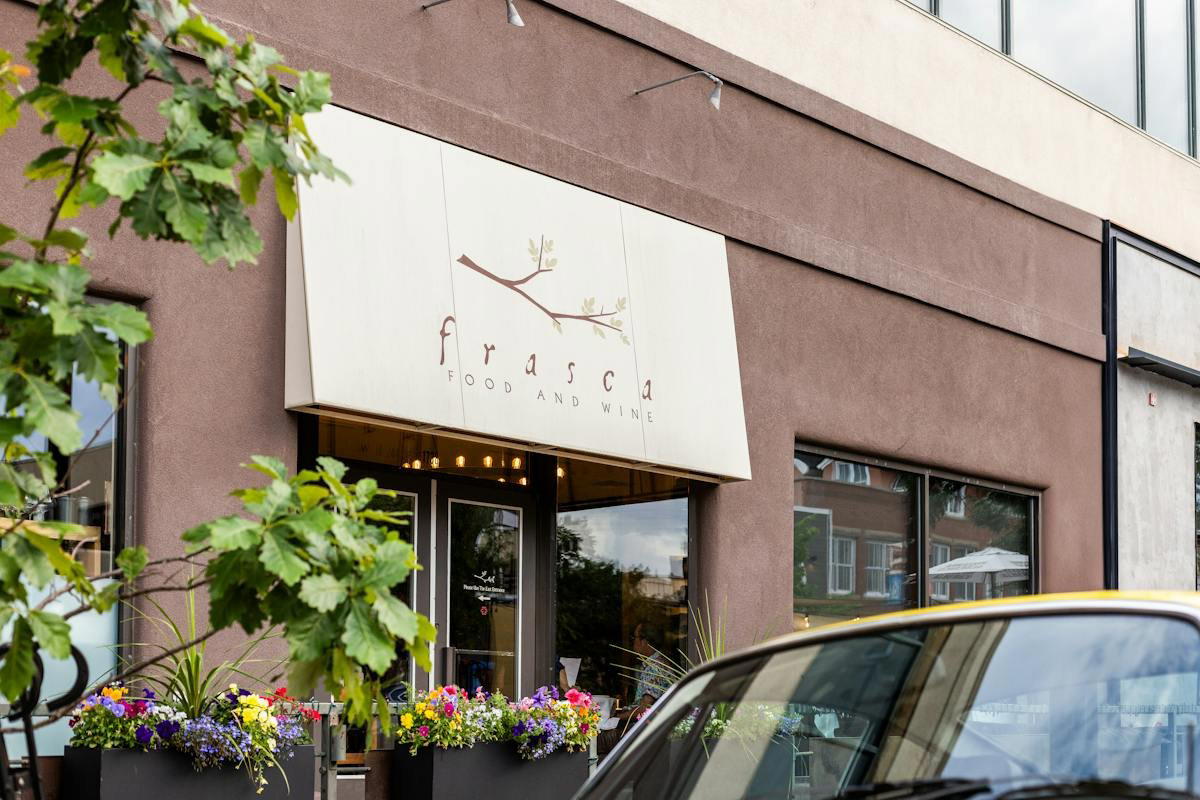
That context matters when thinking about what Marigold represents in the broader Front Range dining picture. Lyons is not Boulder, and it is not Denver. It doesn't have the density of reservation-driven programs like Frasca Food & Wine in Boulder or the ambition-forward kitchens of Brutø in Denver. What it has is a quieter relationship with the land immediately outside its door, the kind of relationship that larger-city restaurants often simulate at considerable expense and effort.
The Physical Approach
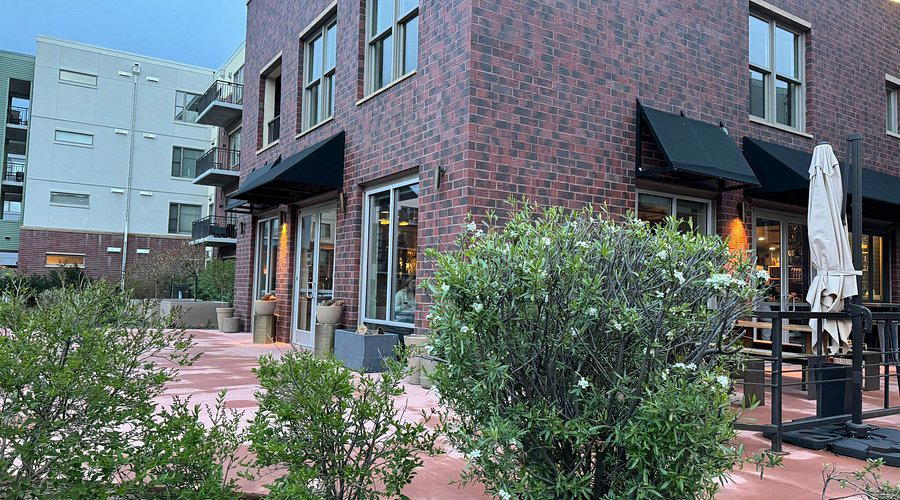
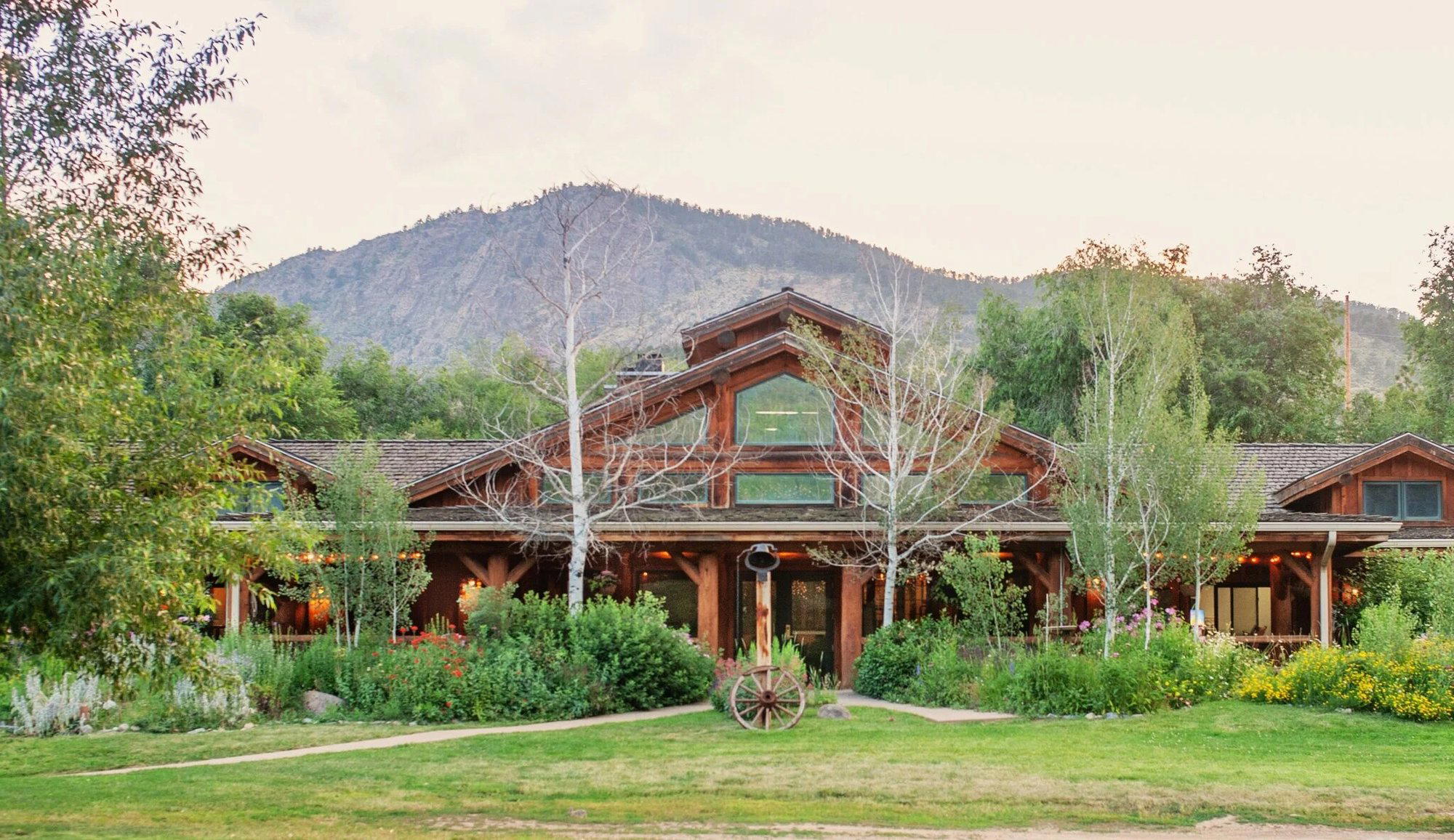
Main Street in Lyons reads as a working small-town commercial strip that has held onto its bones through successive waves of Front Range development pressure. The scale is horizontal and unhurried. Approaching the address at 405 Main, the surrounding architecture is low, the street-level retail modest, and the mountain backdrop present in the way it is throughout this stretch of Colorado Route 36, a constant rather than a feature. Inside, the room would carry the character of a space built for a community that eats dinner here regularly, not one passing through on a weekend expedition from Denver. The distinction shapes everything from portion logic to noise levels to how staff read a table.
Sourcing as Structure, Not Story
The farm-to-table framing that became shorthand for a certain class of American restaurant through the 2000s and 2010s has, at its weakest, amounted to a chalkboard of farm names and little else in the glass or on the plate. The more substantive version of that model, practiced at places like Blue Hill at Stone Barns in Tarrytown and, in a West Coast register, at Single Thread Farm in Healdsburg, treats sourcing as a structural constraint that shapes the menu from the ground up rather than a narrative layer applied after the fact.
A restaurant in Lyons operates in a version of that second model by default. The supply infrastructure that supports high-volume urban kitchens doesn't exist at this scale and in this location. What does exist is direct access to producers in the St. Vrain and Boulder Creek watersheds, ranches in the foothills, and the seasonal rhythms of Colorado's short but productive growing season. Colorado's Front Range sees hard frost by October and doesn't return to reliable warmth until late April or early May, which means any kitchen cooking seriously here works within a compressed seasonal window for local produce and pivots toward storage crops, preserved goods, and proteins through the longer cold months.
That constraint, managed well, produces menus with internal logic rather than the all-seasons abundance that larger supply chains allow but seasonal honesty doesn't support. It's the same tension that restaurants with more resources and recognition, from The French Laundry in Napa to Lazy Bear in San Francisco, resolve through intensive sourcing relationships and seasonal menu rotations. At the Lyons scale, the resolution is more immediate and less mediated by logistics.
The Front Range Dining Context
Colorado's serious restaurant conversation concentrates in Denver and Boulder, with Boulder's density of farm-connected kitchens and wine-literate dining rooms giving it a character distinct from Denver's broader and more varied scene. Lyons sits north of Boulder on the 36 corridor, close enough to draw from the same agricultural and customer base, far enough to operate at a different pace and under different expectations. The comparison set for a Main Street Lyons restaurant is not Alinea in Chicago or Le Bernardin in New York City. It sits in a regional tier that rewards consistency, sourcing integrity, and the ability to serve a community that comes back weekly rather than a destination audience making a one-time pilgrimage.
That regional tier matters in American dining in ways that the award-recognition circuit often underweights. The programs that draw attention from Atomix in New York City to Addison in San Diego to Providence in Los Angeles operate under scrutiny and competitive pressure that shapes their format and ambition in specific ways. A Lyons restaurant answers to a different set of pressures, and the metrics that matter, repeat visits, seasonal consistency, community fit, tell a different story than covers per night or tasting menu price points.
Planning Your Visit
Lyons is accessible from Boulder in roughly 20 to 25 minutes via Highway 36, and from Denver in approximately an hour depending on traffic through the northern suburbs. The town's dining options are limited relative to its Front Range neighbors, which means Marigold at 405 Main Street operates as a primary option for visitors and locals alike rather than one choice among many. Arriving with a reservation rather than on speculation is advisable, particularly on weekends when Lyons draws hikers, cyclists, and day-trippers from the broader metro area. The town's size means parking is walkable from anywhere on Main Street. For those combining dinner with time in the area, the Lyons Redstone Park and the nearby Sandstone Park trail access make for a practical pre-dinner itinerary during the warmer months. See our full Lyons restaurants guide for additional context on dining in the area.
Frequently asked questions
Is Marigold child-friendly?
Lyons is a small working town rather than a destination resort, and Main Street venues here generally accommodate families without making it their primary pitch. Marigold sits at 405 Main St, accessible enough for an early dinner stop on a day trip from Boulder or Denver. For specific seating arrangements or a children's menu, check the venue's official channels before visiting.
What kind of setting is Marigold?
Marigold occupies a spot on Main Street in Lyons, a compact Front Range town wedged between the Rocky Mountain foothills and the Colorado plains. The address, 405 Main St B, suggests a smaller, suite-style footprint rather than a sprawling dining room. Lyons itself reads as a genuine small-town commercial strip, which sets Marigold apart from the polished Boulder restaurant corridor roughly 20 to 25 minutes south.
Is Marigold a good dining option for visitors driving from Denver or Boulder?
Lyons sits roughly 20 to 25 minutes from Boulder via Highway 36 and about an hour from Denver, making Marigold a practical detour rather than a destination requiring overnight planning. The restaurant's position on the Front Range farm corridor gives it access to produce that Boulder's more prominent kitchens also draw from, but in a considerably quieter setting. For travellers already heading toward Rocky Mountain National Park or Estes Park, Lyons is a logical and convenient midpoint stop.
What should I eat at Marigold?
The body of Marigold's editorial coverage emphasises sourcing from the St. Vrain Valley and surrounding Front Range agricultural region, which points toward a menu driven by seasonal and locally grown produce rather than a fixed signature dish. Specific menu items are best confirmed directly with the restaurant, as a sourcing-led kitchen shifts what it offers with the season. The surrounding region's short growing season concentrates availability between late spring and early autumn.
Where do I go for Marigold?
Marigold is located at 405 Main St B, Lyons, CO 80540, Lyons.
Fast Comparison
Comparable venues nearby, for context on price, style, and recognition.
| Venue | Cuisine | Price | Awards | Notes |
|---|---|---|---|---|
| MarigoldThis venue (the venue you are viewing) | Northern Italian & Southern French Farm-to-Table Bistro | $30–50 | James Beard Award Semi Finalist | Not listed |
| Bistro Vendôme | Classic French Bistro | $50–100 | Not listed | North Park Hill |
| Coohills | Modern French-American | $30–50 | Not listed | LoDo |
| The Greenbriar Inn | French Gastropub with Farm-to-Table Focus | $50–100 | Star Wine List · Wine Spectator Best of Award of Excellence | north Boulder countryside |
| Brasserie Ten Ten | Classic French Brasserie | $30–50 | Not listed | Central Boulder |
Recognition history
Dated appearances from independent guides and award organizations, with the underlying list record or original source where available.
James Beard Award Semi Finalist
James Beard Award
Continue exploring
More in Lyons
Restaurants in Lyons
All restaurants in Lyons →
Bars in Lyons
All bars in Lyons →
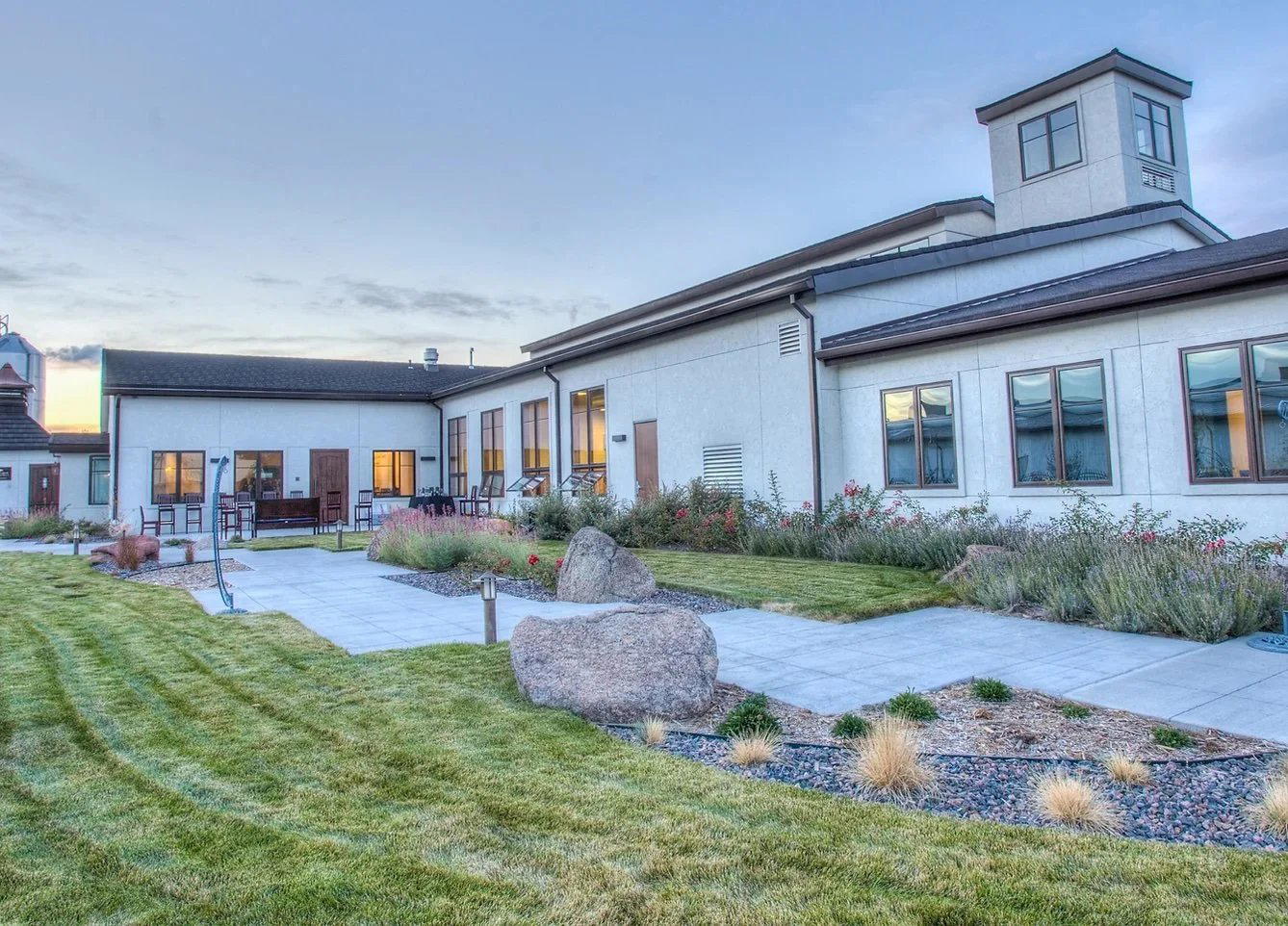
Marigold
The wine
- Wine program
- Deep wine list
- Natural wine
- Craft cocktails
- Beer program
Details
- Romantic
- Cozy
- Intimate
- Trendy
- Elegant
- Date Night
- Special Occasion
- Casual Hangout
- Open Kitchen
- Standalone
- Natural Wine
- Craft Cocktails
- Beer Program
- Farm To Table
- Local Sourcing
- Natural Wine
- A La Carte
- Small Plates
- Natural Wine
- Craft Cocktails
- Vegetarian Friendly
- Vegan Options
Current opening hours
- Monday
- Closed
- Tuesday
- Closed
- Wednesday
- Closed
- Thursday
- 5–9 PM
- Friday
- 5–10 PM
- Saturday
- 5–10 PM
- Sunday
- 5–9 PM
Hours can change for holidays and private events. Hours as of .
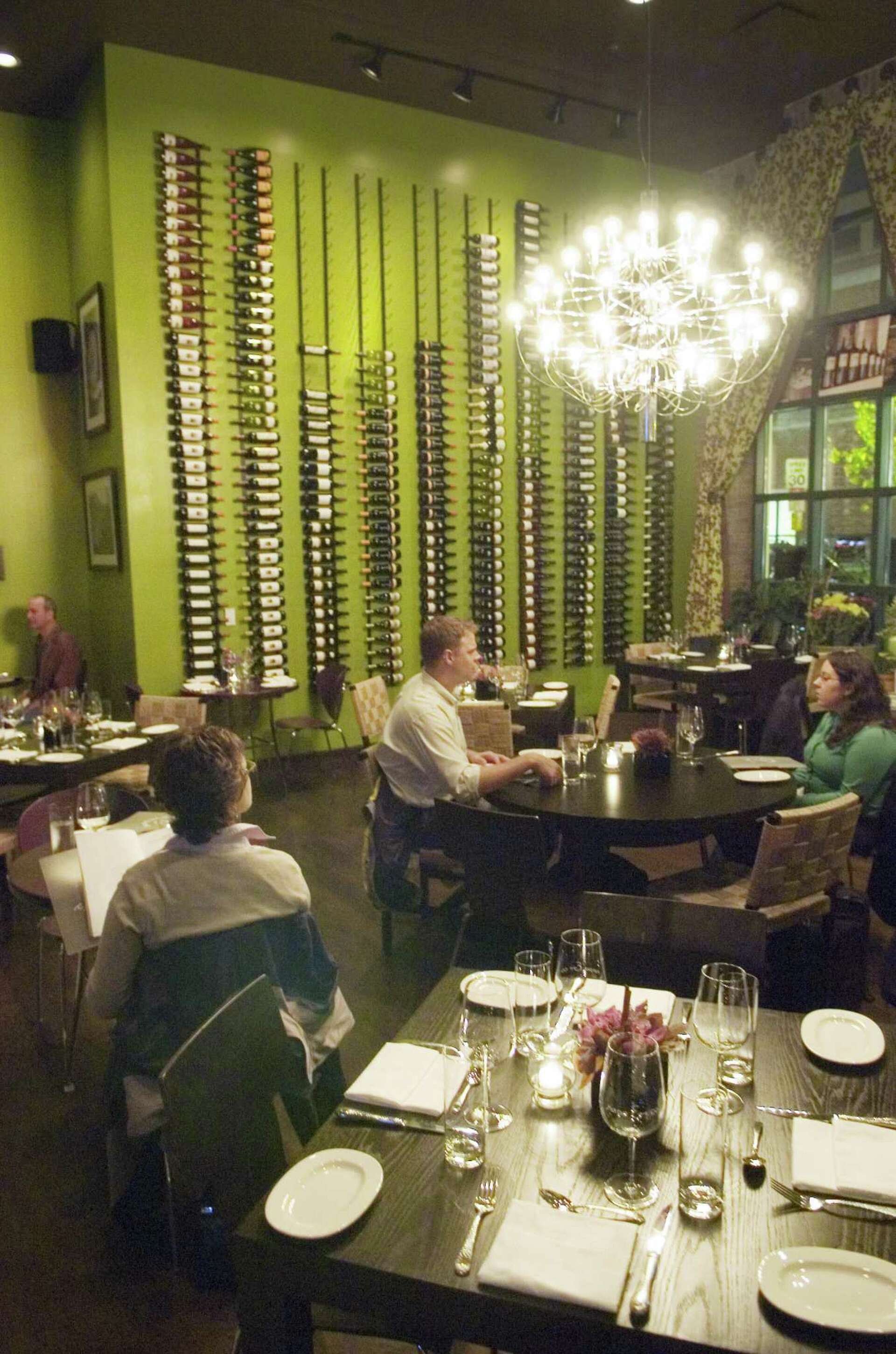
Intimate, laid-back setting with a carefully designed cozy environment; moderate noise level conducive to conversation and romantic dining.