Marché Artisan Foods
Marché Artisan Foods on Main Street in East Nashville has tracked the neighbourhood's shift from working-class corridor to one of the city's most closely watched dining addresses. The kitchen draws on artisan-market sensibility, positioning itself within a tier of Nashville venues that prioritise sourcing discipline and daily-changing menus over fixed signature plays.
- Address
- 1000 Main St, Nashville, TN 37206
- Phone
- +1 615 262 1111
- Website
- marcheartisanfoods.com
- Directions
- Get directions
East Nashville's Evolving Appetite
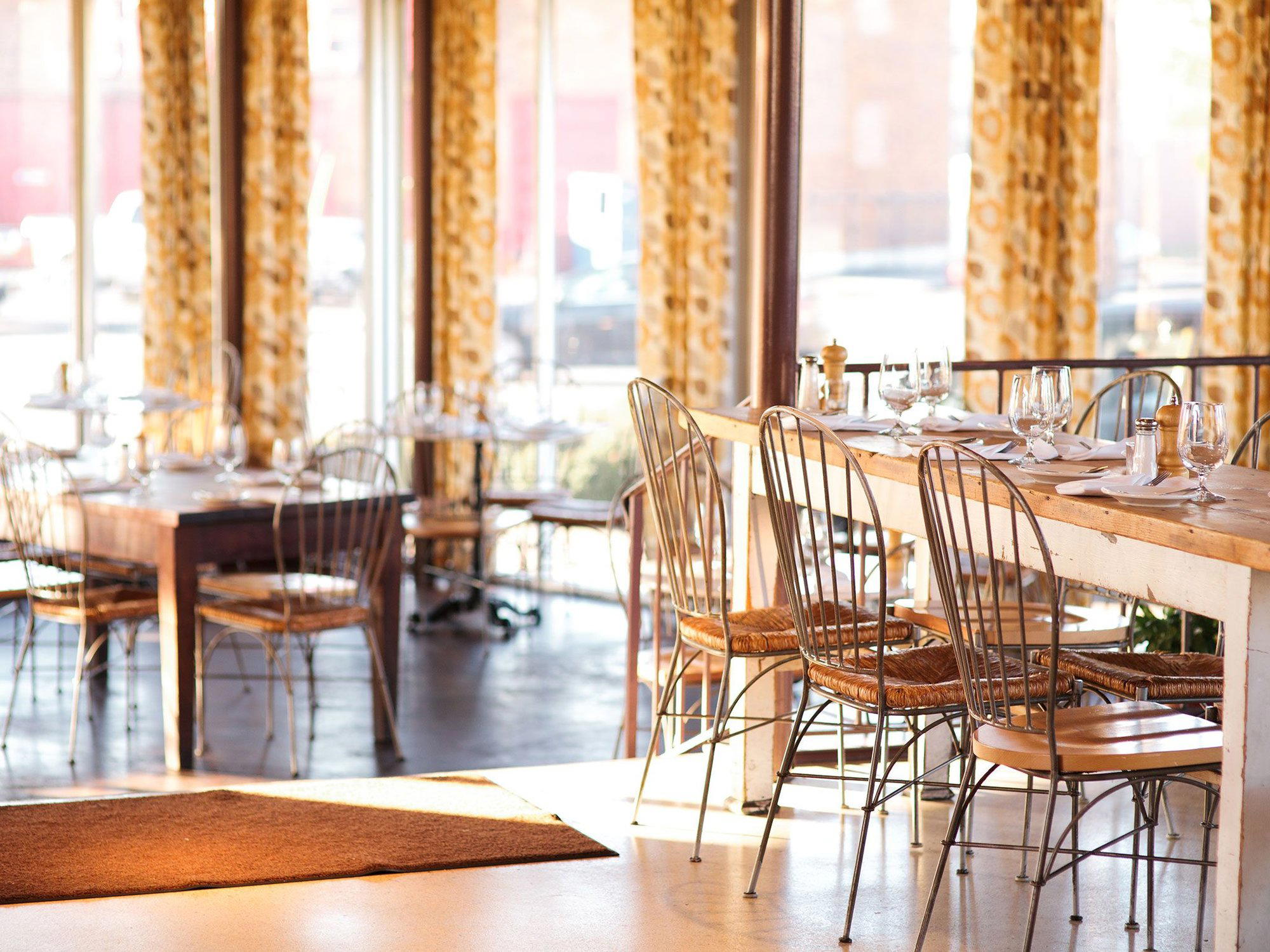
Main Street in East Nashville reads differently depending on when you last visited. A decade ago, the strip rewarded patience: a few committed operators, a neighbourhood still mid-transition, and a dining public only beginning to look across the Cumberland River for serious food. Today, the corridor carries genuine culinary weight. Marché Artisan Foods, at 1000 Main St, is a restaurant in Nashville's East Nashville neighborhood serving European Cafe & Bistro fare at a casual, walk-in-friendly price tier. It has occupied that address through enough of the neighbourhood's transformation to function as something of a through-line, a place whose own evolution mirrors the broader shifts in how Nashville thinks about provenance, format, and what a neighbourhood restaurant is actually for.
That kind of continuity matters in a city that has spent the last ten years absorbing national attention and the development pressure that follows. Where many operators arrived to capitalise on Nashville's momentum, venues that were already rooted in East Nashville before the wave had to decide how to respond: hold the original position, reinvent around new expectations, or find a middle path.
The Artisan Market Format and What It Demands
The artisan-market model, café service, counter ordering, daily-rotating provisions, and a blurred line between retail and restaurant, was a format that felt genuinely progressive when it arrived in American mid-sized cities in the early 2010s. Nashville had fewer of these operations than comparable cities at the time, which gave early entrants meaningful differentiation. The format asks a specific discipline of its operators: supply chains built on relationships rather than broadline distributors, menus that shift with what's actually available rather than what's been engineered for consistency, and a kitchen philosophy closer to French market tradition than to the standardised American café playbook.
Across the country, venues working in this register, from Blue Hill at Stone Barns in Tarrytown at the fine-dining extreme to Single Thread Farm in Healdsburg at the farm-integrated end, have demonstrated that sourcing rigour can anchor an identity across format and price tier. The question for any neighbourhood-scale operator in this tradition is how that discipline holds when the neighbourhood changes around it and when the broader dining market catches up with ideas that once felt distinctive.
Nashville's Shifting Reference Points
East Nashville's dining scene now includes operators working at multiple price and ambition levels, and the wider city has seen the arrival of programmes that engage sourcing and daily-market cooking with significant culinary firepower. Locust's progressive format and The Catbird Seat's long-running counter tasting menu have raised the ceiling on what Nashville diners expect from ambitious kitchens. Bastion operates at the contemporary end of the spectrum with a prix-fixe format that competes for the same attentive diner. Peninsula and 12 South Taproom and Grill anchor different registers across the city.
Nationally, the artisan-market café format has itself matured. What was once a differentiating signal has become a baseline expectation in many dining markets. Operators at Smyth in Chicago, Lazy Bear in San Francisco, and Providence in Los Angeles have pushed sourcing-led cooking into increasingly sophisticated territory, while the casual end of the market has absorbed the vocabulary without always the underlying commitment. That compression, ambition rising at the leading, commodification at the bottom, is the defining pressure on mid-tier artisan operators everywhere.
Format, Frequency, and the Morning Shift
In cities where the café-restaurant hybrid has taken hold most firmly, the morning and midday hours carry disproportionate identity weight. The breakfast and lunch service is where the artisan-market philosophy is most legible: provisions on display, a menu that reflects the week's sourcing rather than a fixed card, preparation visible enough that technique becomes part of the offer. This is the register in which Marché operates, and it is a register that rewards return visits rather than single-occasion tourism.
For the diner planning a Nashville itinerary that includes evening programmes at venues like The Catbird Seat or Bastion, a daytime stop in East Nashville that combines neighbourhood texture with this kind of sourcing-conscious kitchen has genuine logic. The Main Street address sits in a walkable stretch that gives a more accurate picture of where Nashville's food culture actually lives, away from the downtown entertainment corridor that dominates visitor itineraries.
Internationally, the model has strong antecedents. Venues like Atelier Moessmer Norbert Niederkofler in Brunico demonstrate what happens when market-to-table discipline reaches its furthest expression, while Emeril's in New Orleans and The French Laundry in Napa represent the long arc of American kitchens that built reputations on sourcing relationships before the language became ubiquitous. Atomix in New York City, operating at a different price point and cultural register entirely, illustrates how sourcing identity can anchor programmes across wildly different formats. Addison in San Diego and The Inn at Little Washington extend the same argument into fine-dining territory. The point is that kitchen philosophy, expressed consistently over time, tends to create the kind of loyalty that withstands neighbourhood change.
Planning a Visit
Marché Artisan Foods is located at 1000 Main St in the 37206 zip code, placing it in the heart of East Nashville's walkable Main Street corridor. Given the café-market format, daytime visits align with the kitchen's natural rhythm; early arrivals tend to find the fullest selection before provisions move through the day. East Nashville is accessible from downtown by car in under ten minutes, and the neighbourhood itself warrants time beyond a single meal stop, particularly for those interested in how a mid-sized American city builds a food identity from the ground up.
Cuisine and Awards Snapshot
Comparable venues nearby, for context on price, style, and recognition.
| Venue | Cuisine | Price | Notes |
|---|---|---|---|
| Marché Artisan FoodsThis venue — the venue you are viewing | European Cafe & Bistro | $$ | Not listed |
| Rosepepper Cantina | Sonoran-Style Mexican | $$ | Rosebank |
| Kitchen Notes | Southern Farm-to-Fork American | $$ | Downtown |
| Mitchell Delicatessen | American Deli Sandwiches | $$ | Dalewood |
| Big Al's Deli | Southern Comfort Food Deli | $$ | Cumberland Heights |
| Thistle & Rye | Global Street Food with Contemporary American | $$ | Music Row |
Continue exploring
More in Nashville
Restaurants in Nashville
Browse all →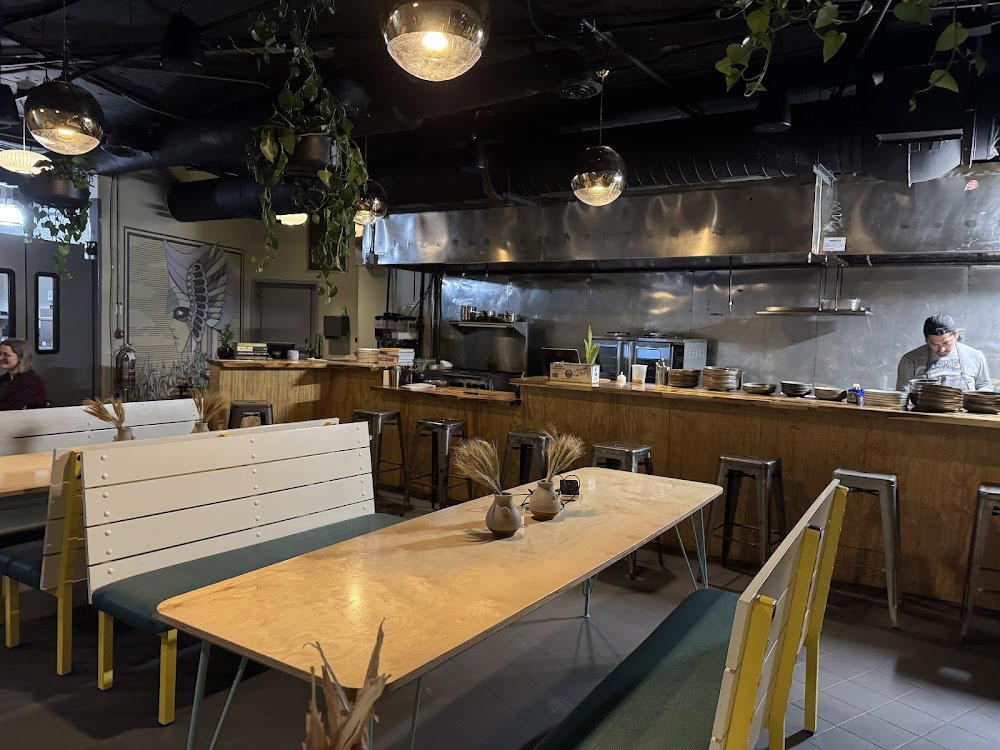
Bars in Nashville
Browse all →
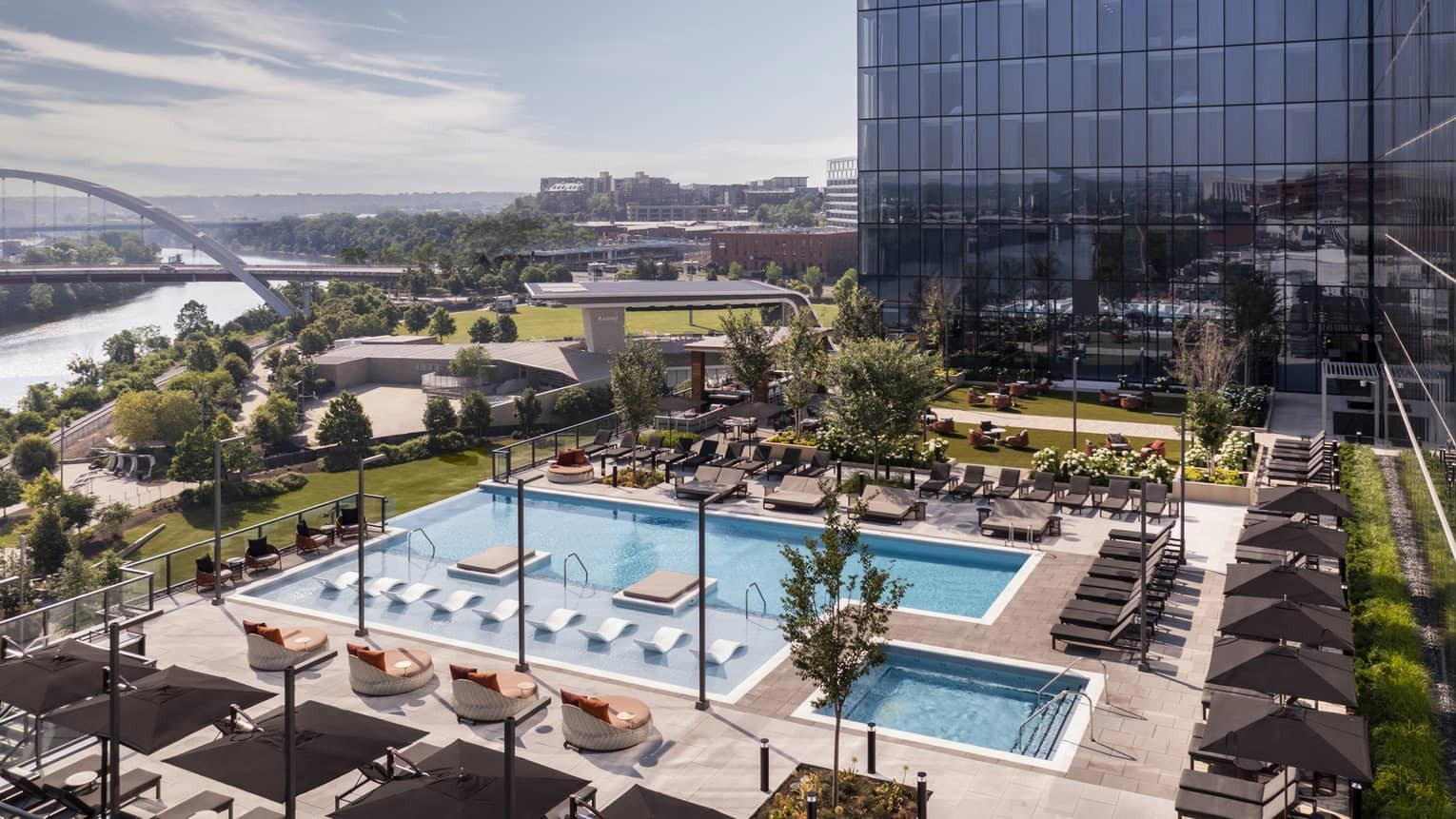
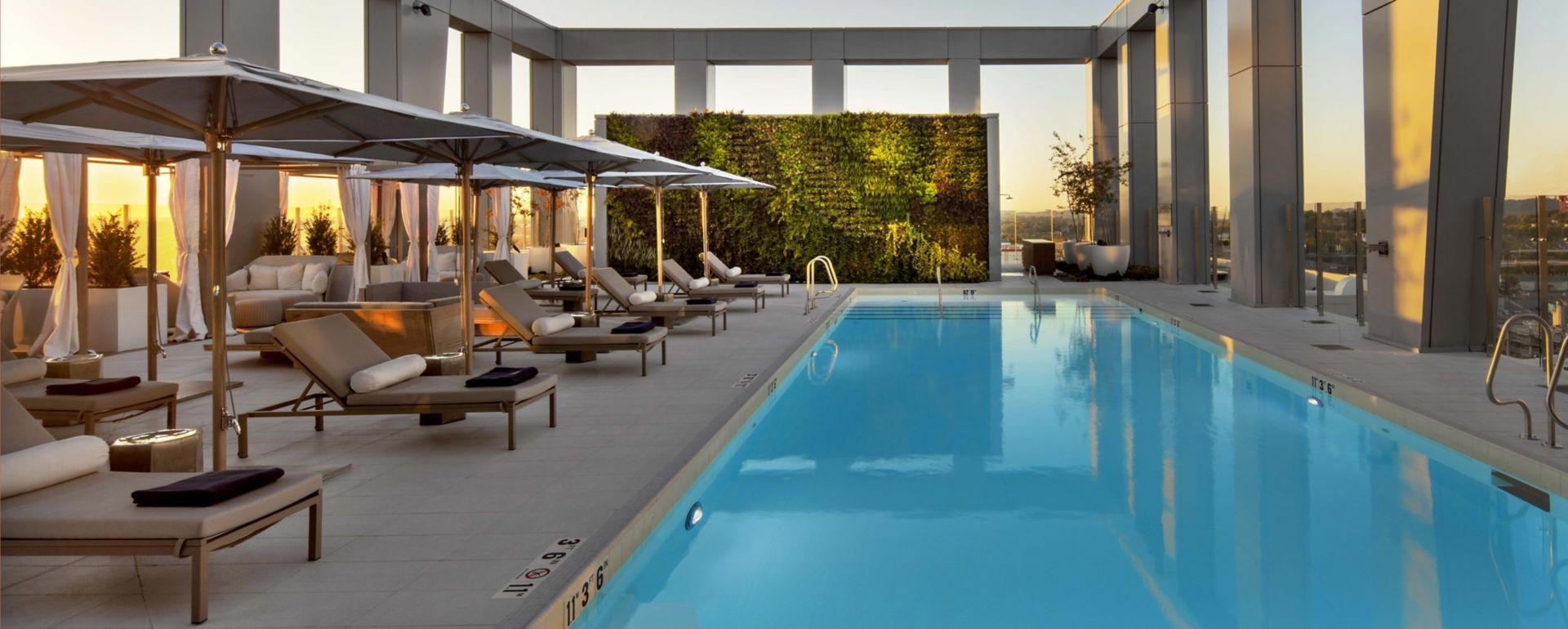
Hotels in Nashville
Browse all →

Wineries in Nashville
Browse all →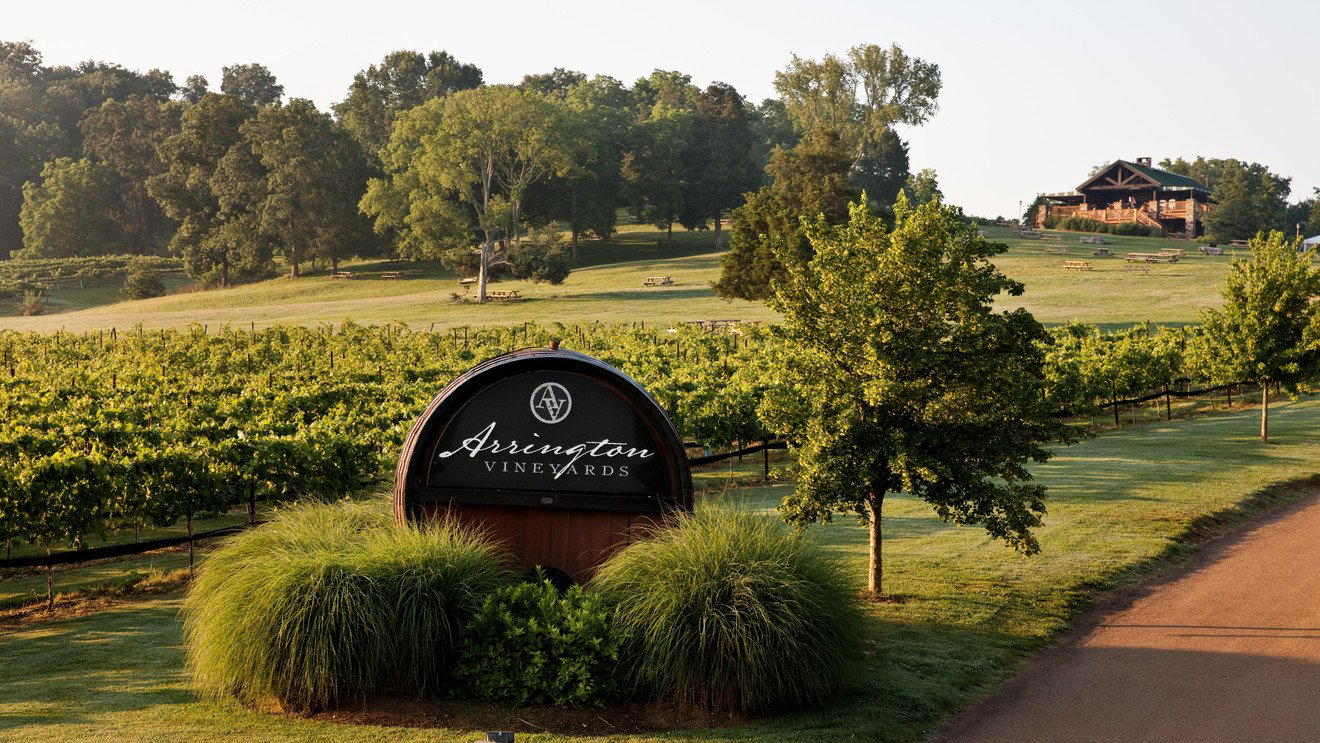
At a Glance
- Cozy
- Rustic
- Elegant
- Brunch
- Casual Hangout
- Open Kitchen
- Street Scene
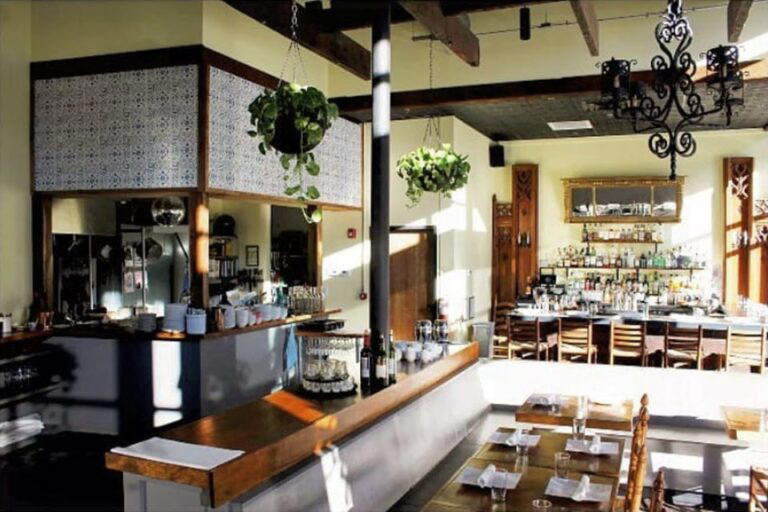
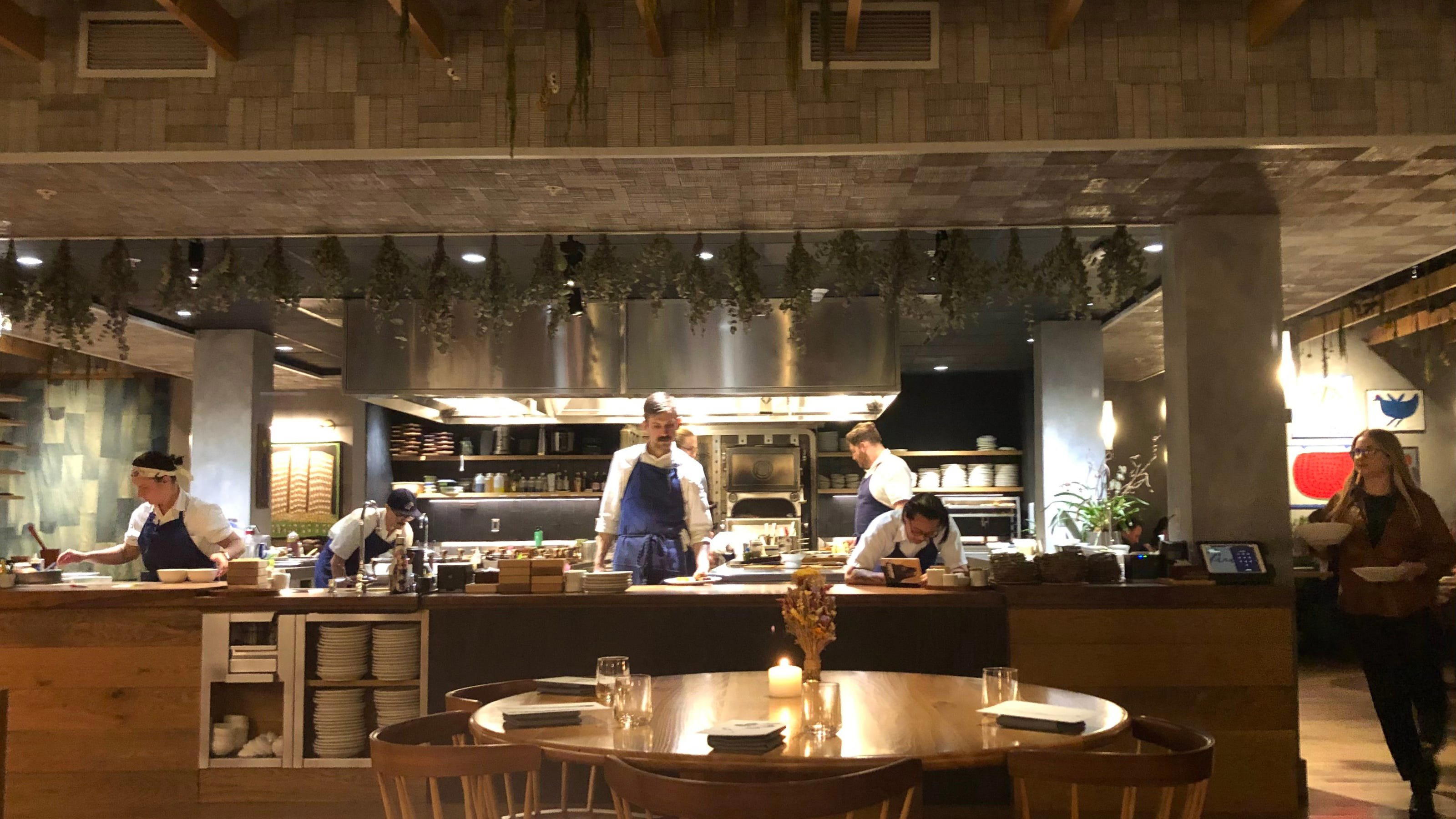
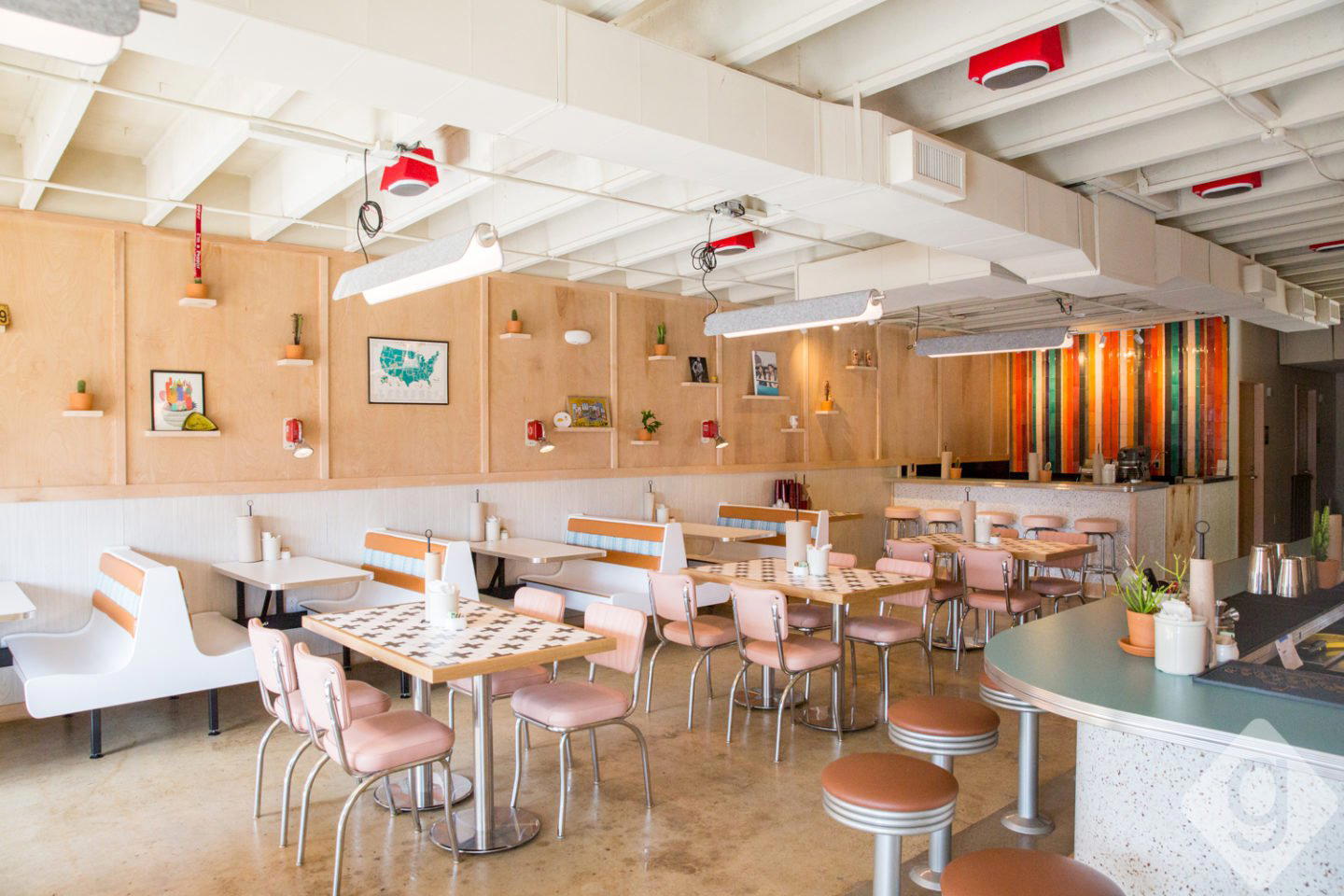
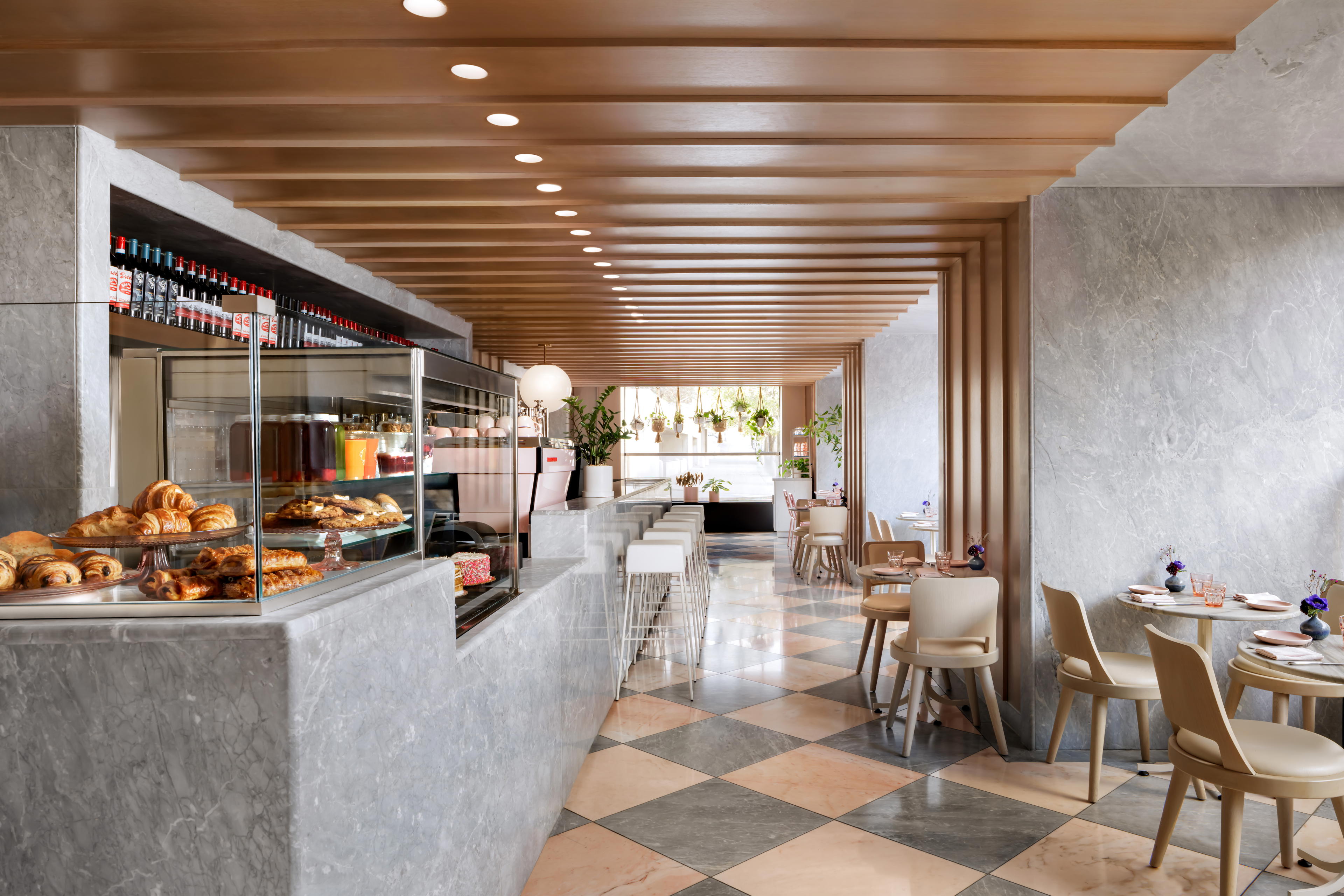
Bright and light-filled during the day with full windowed room creating a relaxing European cafe atmosphere.