Mangos Restaurant
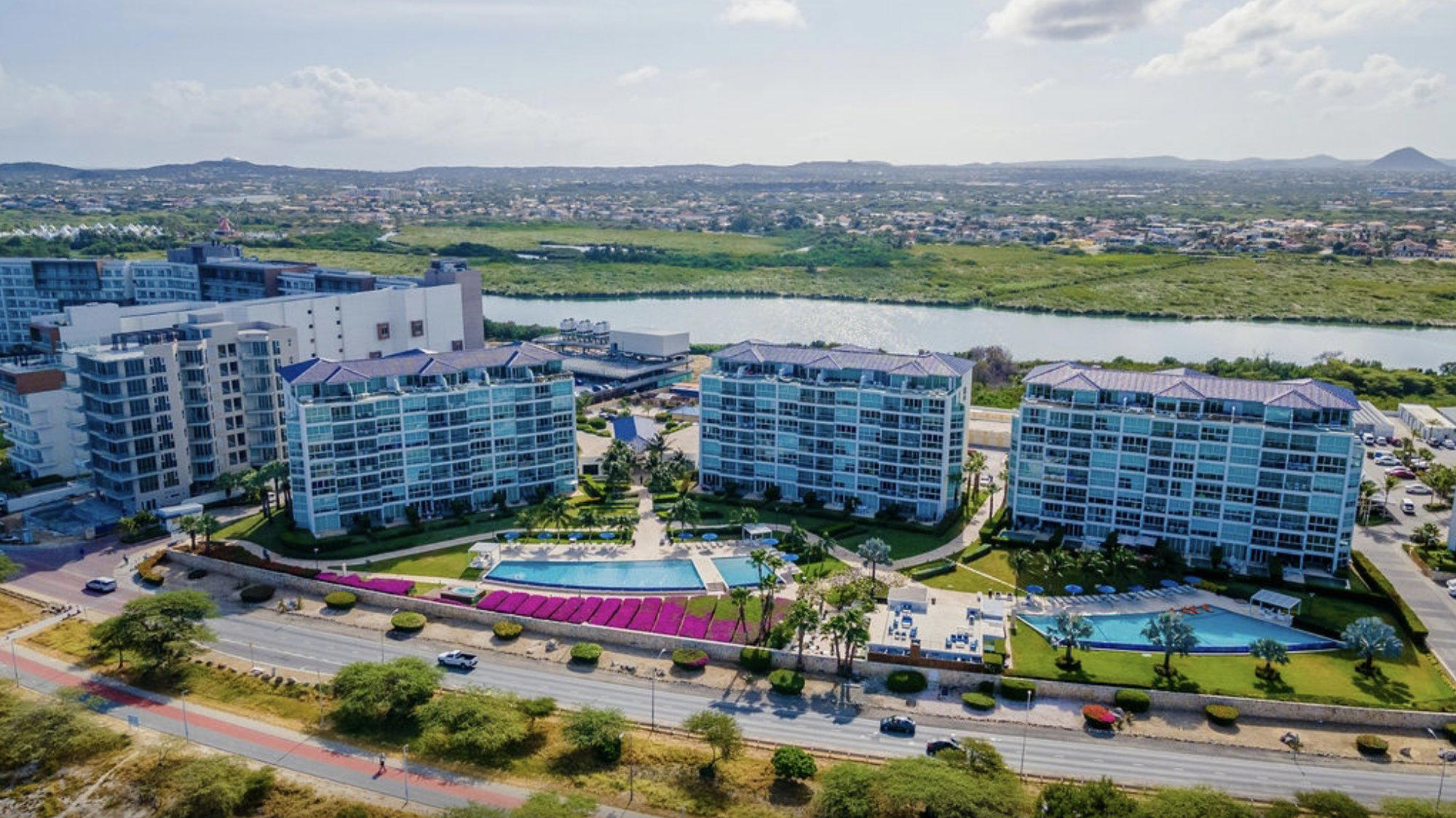
Positioned on J.E. Irausquin Boulevard in Oranjestad, Mangos Restaurant occupies one of Aruba's most traffic-heavy dining corridors, where the trade winds off Palm Beach meet a concentrated stretch of hotel-adjacent dining. The address places it squarely in the resort strip's orbit, drawing visitors who want something beyond the all-inclusive buffet without committing to a formal tasting format.
Pearl is the En Primeur Club membership app — saves, bookings, and concierge access live there. Same editors, same standards.
- Address
- J.E. Irausquin Blvd 252, Oranjestad, Aruba
- Phone
- +2975271100
- Website
- amsterdammanor.com
- Directions
- Get directions
 Saves & bookings on Pearl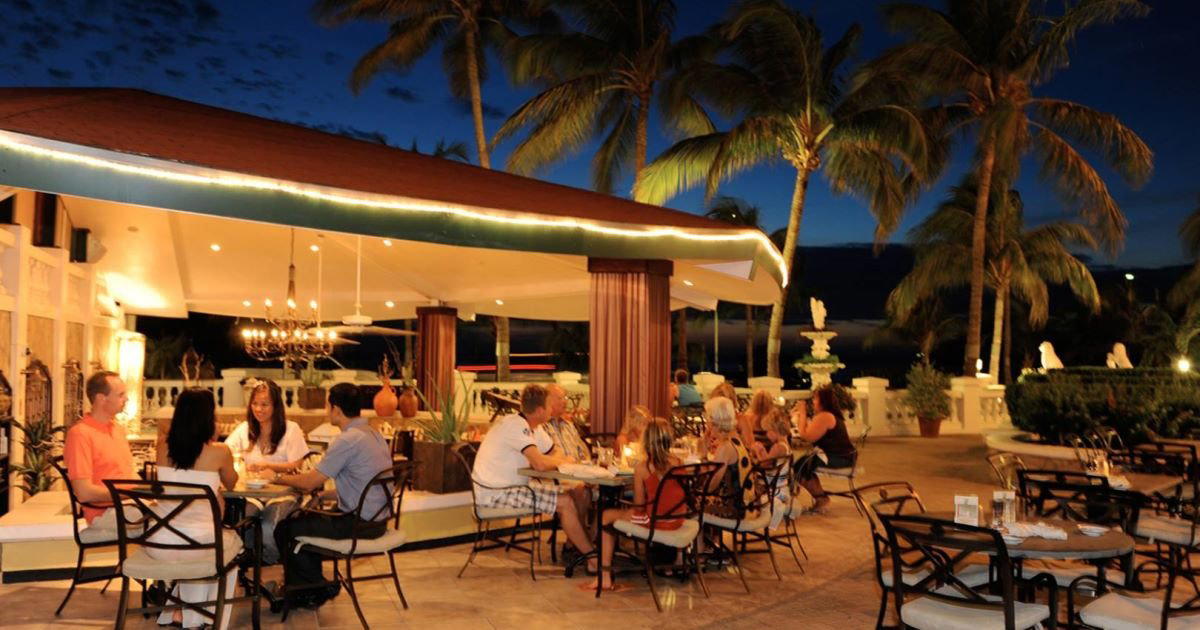
Boulevard Dining and the Aruba Resort Strip
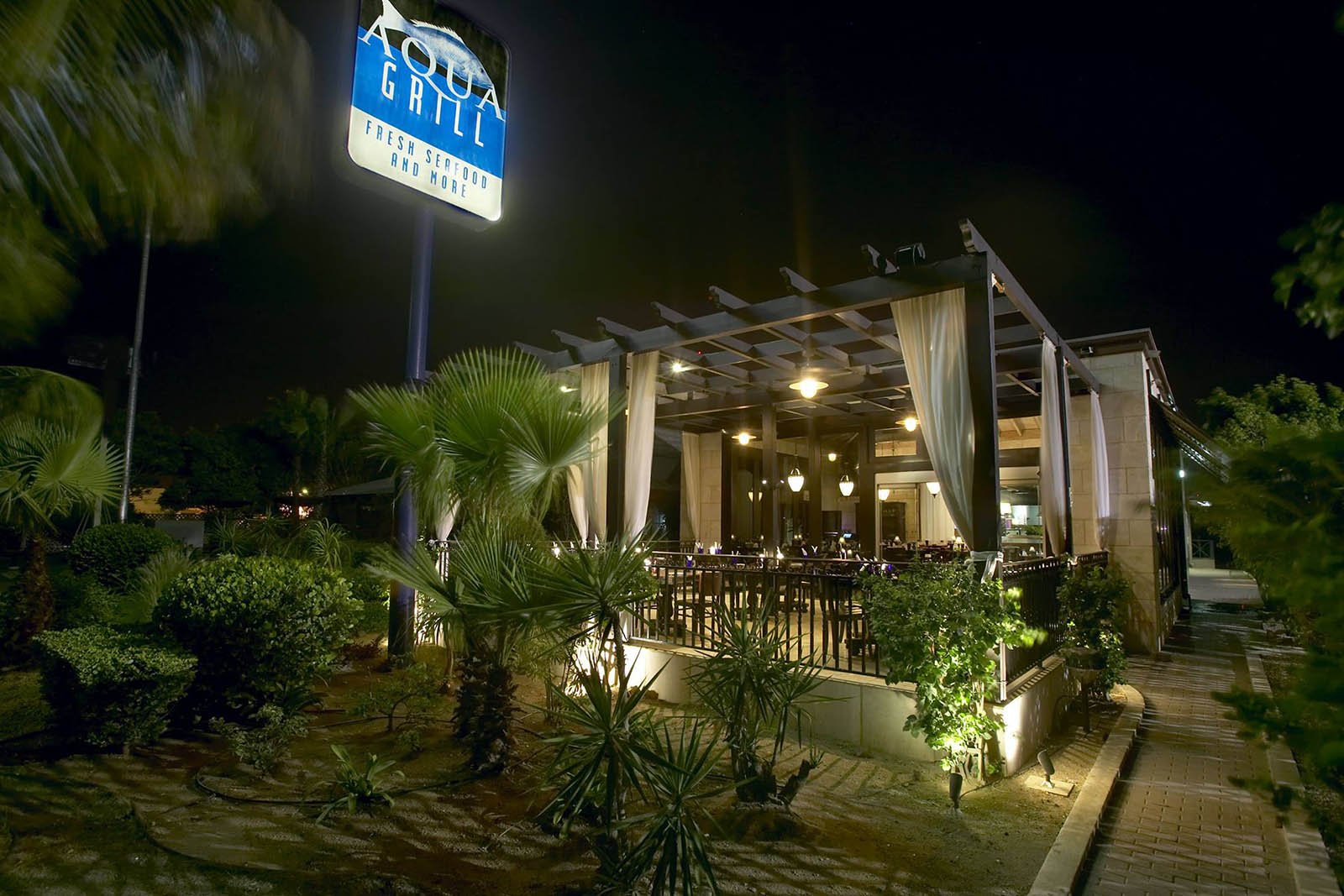
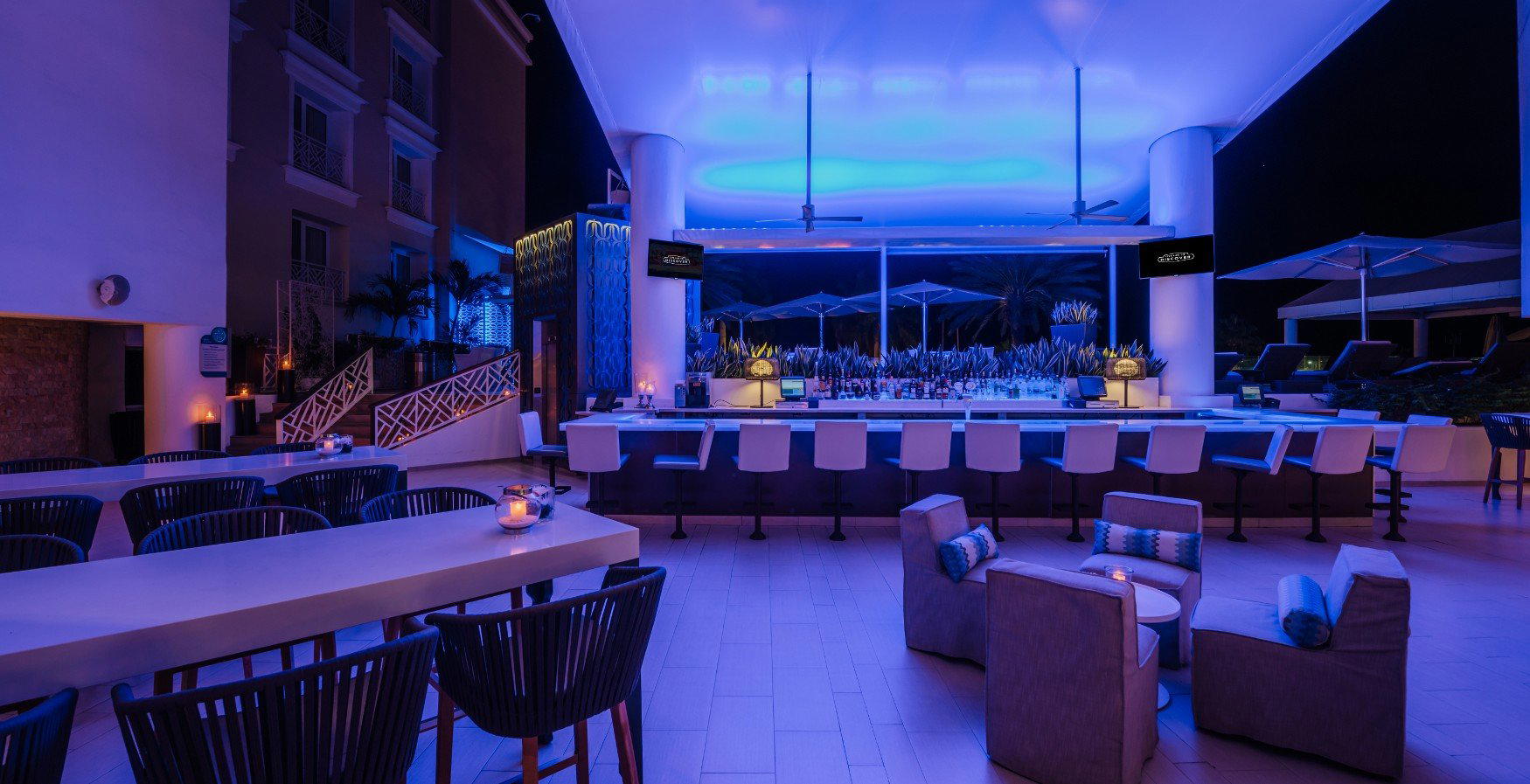
J.E. Irausquin Boulevard functions as Aruba's primary dining artery, running parallel to the island's main hotel corridor and carrying the foot traffic that defines how restaurants here live or die. The stretch between Palm Beach and the Oranjestad waterfront concentrates a dense tier of dining options: casual beach-facing spots, hotel restaurants with captive audiences, and a smaller number of street-facing independents that rely on reputation rather than lobby placement. Mangos Restaurant, at number 252, sits within that last category, occupying a boulevard address where passing trade and repeat local custom both matter. For the visitor arriving from the hotel zone, the context is immediately readable: this is a recognisably Caribbean dining corridor, with open-air architecture common to the format, where the boundary between inside and outside is treated as a design negotiation rather than a fixed line.
The Physical Register of Open-Air Aruba Dining
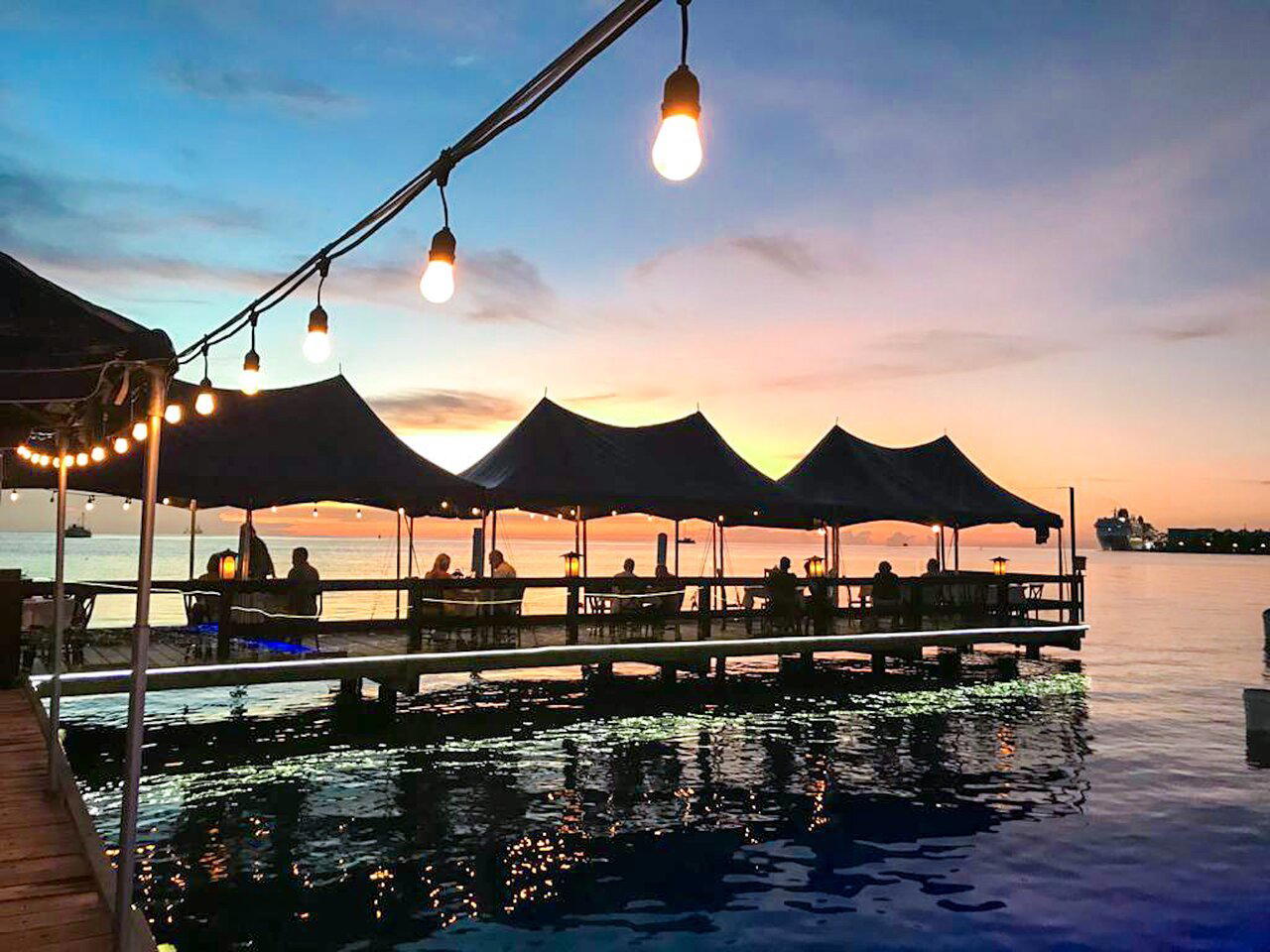
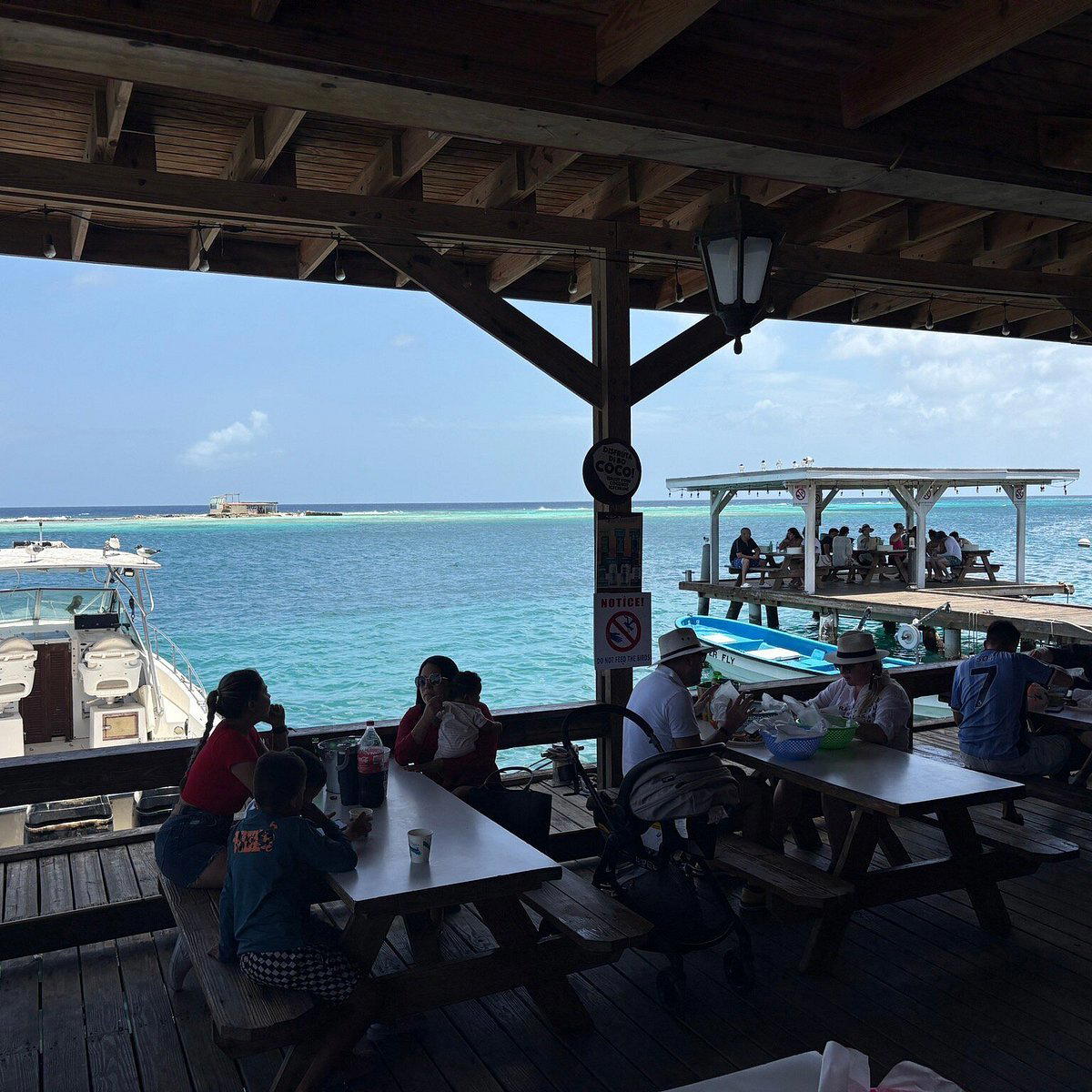
Aruba's position outside the hurricane belt gives its restaurateurs a structural advantage over most Caribbean competitors: the climate is stable enough that open-air or semi-open dining is viable year-round, not just in the dry season. Average annual temperatures sit around 28°C, and the northeast trade winds that sweep the island create a natural cooling system that makes outdoor seating genuinely comfortable even at midday. The sensory experience this produces is specific to the island and largely unavailable on more volatile Caribbean neighbours. Dining on or near the boulevard means ambient sound is a layered thing: road noise from the car rental strip, the low percussion of trade winds through palm canopy, and the background register of a resort corridor that never fully quiets. Venues that work within this environment rather than against it, using the breeze and the open sky as part of the proposition rather than something to be sealed out, occupy a different experiential tier than those relying on air-conditioned interiors. Mangos sits on this boulevard in that tradition.
Within the Oranjestad West dining scene, the address on Irausquin carries specific meaning. The resort corridor competes internally: Aquarius and Catch Restaurant - Aruba operate in an adjacent coastal register, while Chalet Suisse and Bodegas Papiamento represent the island's longer-running independent dining tradition, with histories that predate the current hotel expansion wave.
Caribbean Resort Dining and the Question of Distinctiveness
Caribbean resort dining can be hard to differentiate. Resort-adjacent dining on Caribbean islands tends to flatten over time: menus migrate toward a shared middle ground of grilled seafood, tropical cocktails, and crowd-pleasing preparations that travel well across guest nationalities. The venues that resist this drift typically do so through one of three routes: a genuine regional cooking identity that imports local ingredients or techniques into the menu architecture; a format commitment that creates a different kind of occasion (the long tasting dinner, the chef's counter, the market-to-table provenance story); or a setting strong enough that the physical experience carries the proposition even when the food is competent rather than distinguished. The boulevard dining format in Aruba competes most directly on the third of these, where the atmosphere, the light, the air, the sound of a Caribbean evening settling in, does considerable work. Bucatini Market & Cucina in the same neighbourhood takes a regional Italian-Caribbean hybrid approach as its differentiator, while El Gaucho in Oranjestad has anchored its identity in Argentine grill tradition, positioning itself outside the seafood-dominant local template.
Globally, the question of how resort-adjacent dining carves out identity is one that preoccupies operators well beyond the Caribbean. Particularly formally ambitious restaurants, from Le Bernardin in New York City to Alain Ducasse at Louis XV in Monte Carlo, solve it through technical depth and award recognition. At the other end of the formality scale, community-rooted operations like Kamini's Kitchen in San Nicolas on the eastern side of Aruba build loyalty through local authenticity rather than resort-facing programming. Boulevard dining sits between these poles, and the venues that hold their position over time tend to earn a local following that outlasts any single tourist season.
The Aruba Dining Calendar and When to Go
Aruba's peak season runs from mid-December through April, when North American and European visitors concentrate on the island and restaurant reservations at the better-known addresses fill quickly. The shoulder period from May through July is increasingly active, particularly among travellers aware that the hurricane risk is low and the crowds are thinner. Boulevard restaurants like those on Irausquin operate at noticeably different rhythms across these periods: peak-season evenings generate walk-up queues at the more prominent addresses, while off-peak evenings allow for more spontaneous access. Travellers planning around the Aruba Food and Wine Festival, which typically runs in October, will find the restaurant corridor in a more animated state than the name of the period implies, with visiting chefs and special programming that temporarily shifts the baseline of what's available. Lazy Bear in San Francisco or Atomix in New York City represent what the tasting-counter format looks like at its most technically committed, a different register entirely from the boulevard dining that defines Aruba's main strip.
For visitors whose dining interests extend beyond the resort corridor, the island's wider offer includes Drunken Burger in Noord for casual eating north of the hotel zone, and the increasingly recognised local scene in San Nicolas, where Aruban home-cooking traditions are more directly expressed than along the tourist-facing boulevard. The contrast between these registers is worth understanding before committing to an Oranjestad West-only dining itinerary.
Planning Your Visit
Mangos Restaurant is located at J.E. Irausquin Blvd 252 in Oranjestad, Aruba, on the main boulevard connecting the hotel zone to the capital. Given the boulevard's vehicle and foot traffic patterns, arriving on foot from adjacent hotels is practical during the cooler evening hours. As with most resort-corridor restaurants in Aruba's peak months, visiting during the shoulder hours before 7pm or after 9pm tends to produce a more relaxed experience than the main 7-8pm window when hotel dining demand peaks simultaneously.
Nearby-ish Comparables
Comparable venues nearby, for context on price, style, and recognition.
| Venue | Cuisine | Price | Notes |
|---|---|---|---|
| Mangos RestaurantThis venue — the venue you are viewing | Caribbean | $$ | Not listed |
| Aquarius | Caribbean Seafood Buffet | $$$ | Oranjestad West |
| King Fish - Aruba | Caribbean Seafood | $$ | Oranjestad West |
| Passions On The Beach | Caribbean Seafood | $$$ | Eagle Beach |
| Ever Restaurant | Modern Caribbean Fine Dining | $$$$ | Oranjestad West |
| Water's Edge Restaurant | Caribbean Seafood | $$$ | Oranjestad West |
Continue exploring
More in Oranjestad West
Restaurants in Oranjestad West
Browse all →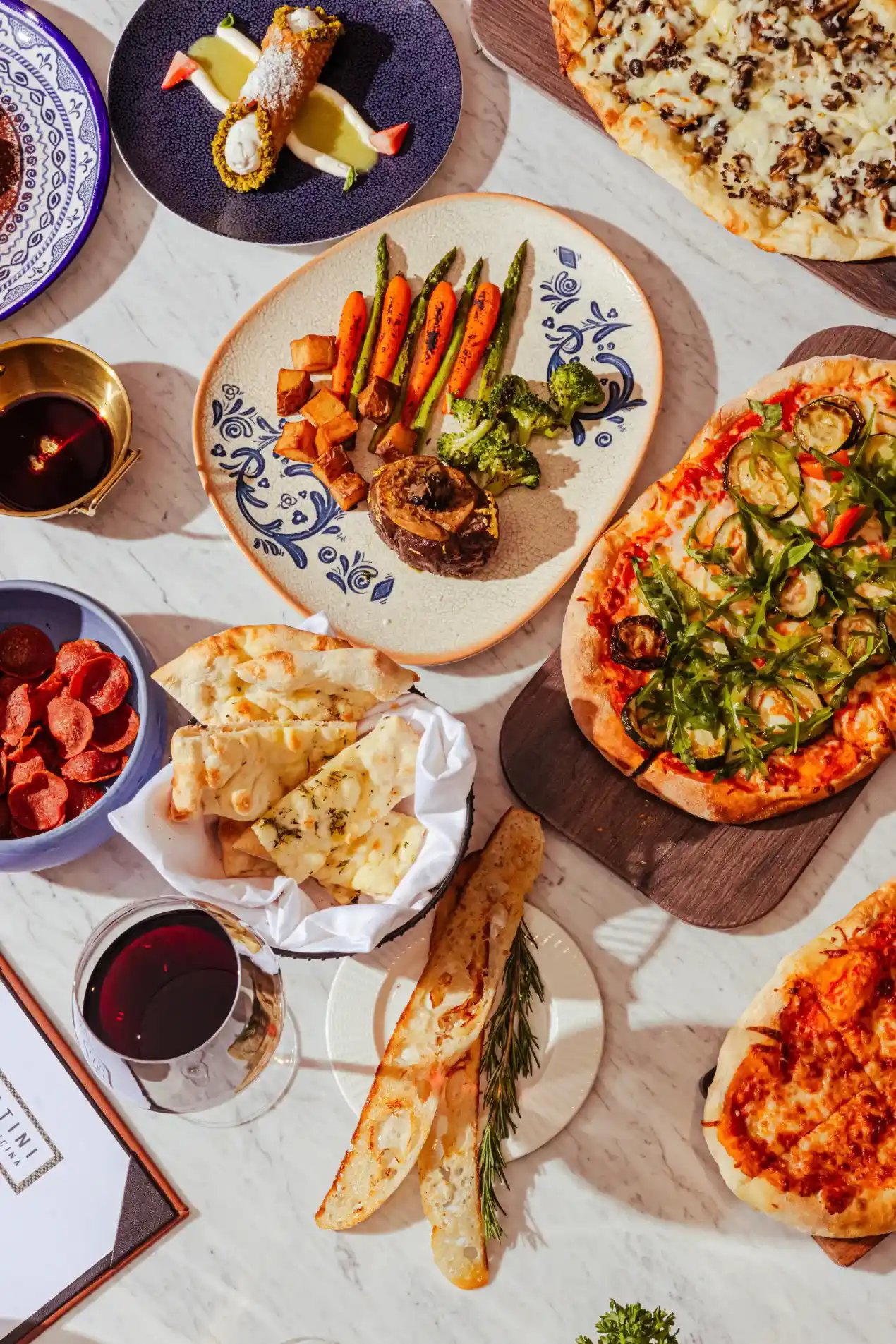
Bars in Oranjestad West
Browse all →
At a Glance
- Lively
- Cozy
- Casual Hangout
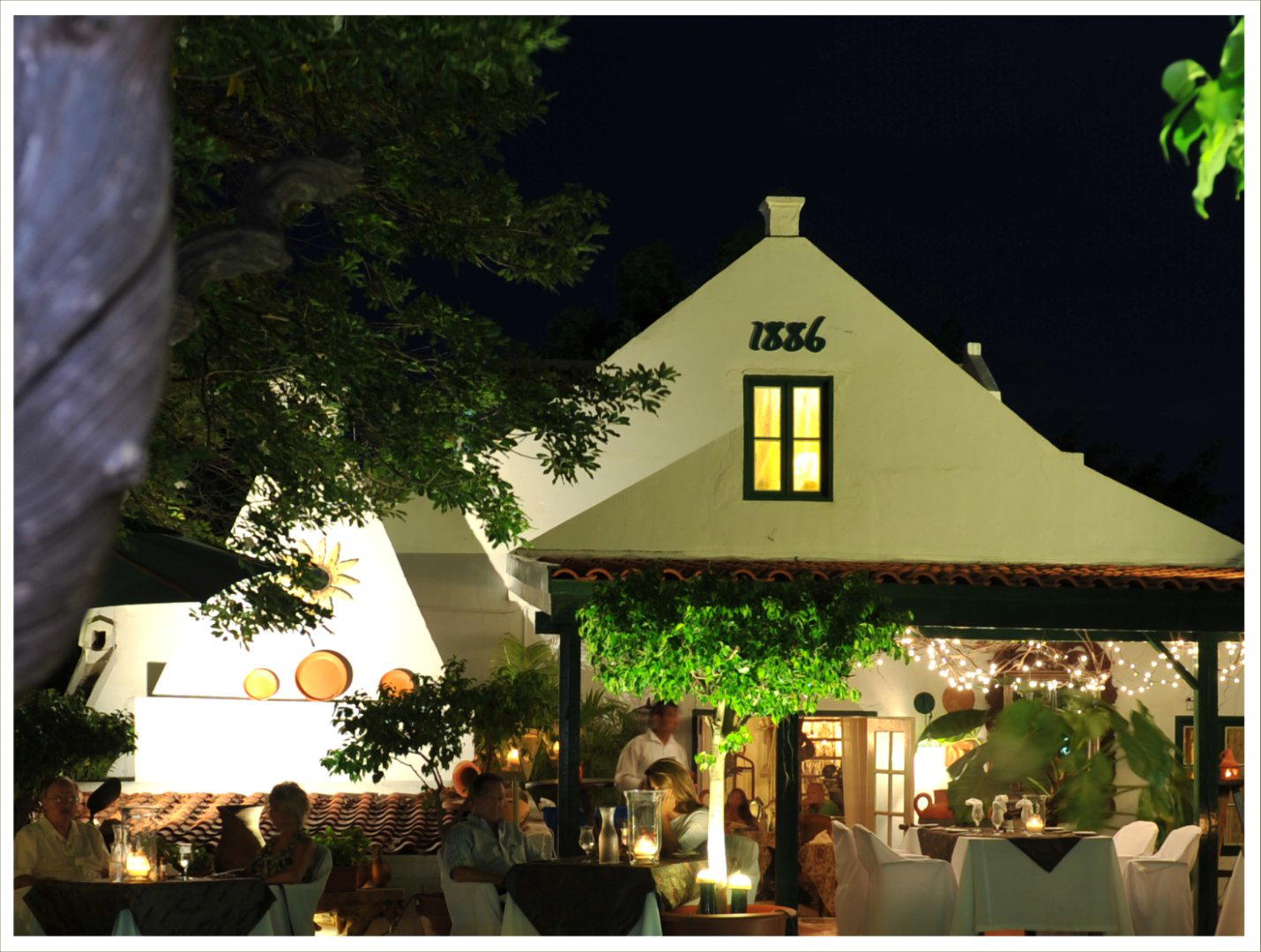
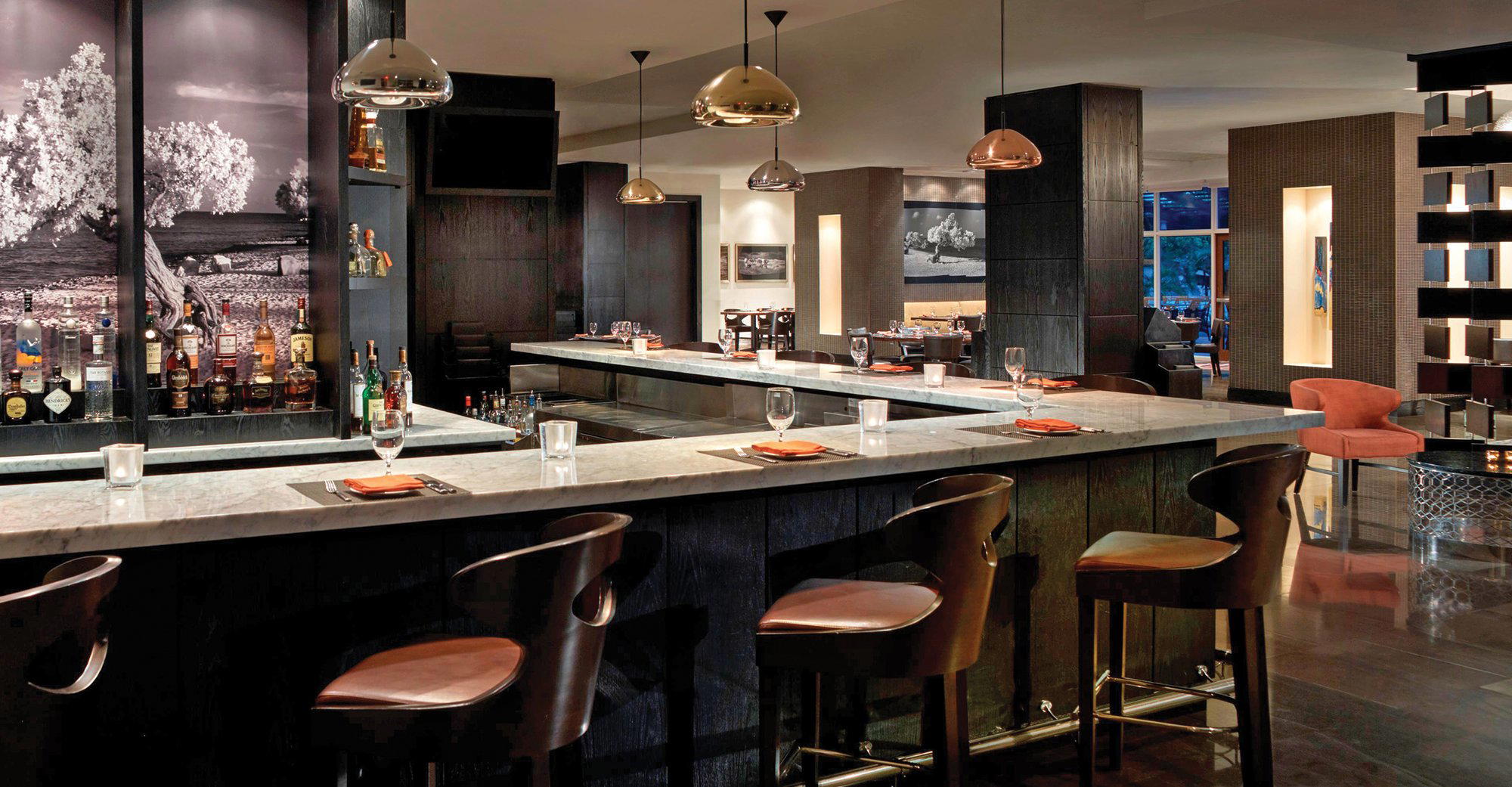
Warm ambiance with lively decor reflecting Aruba's tropical charm.