Mandina's
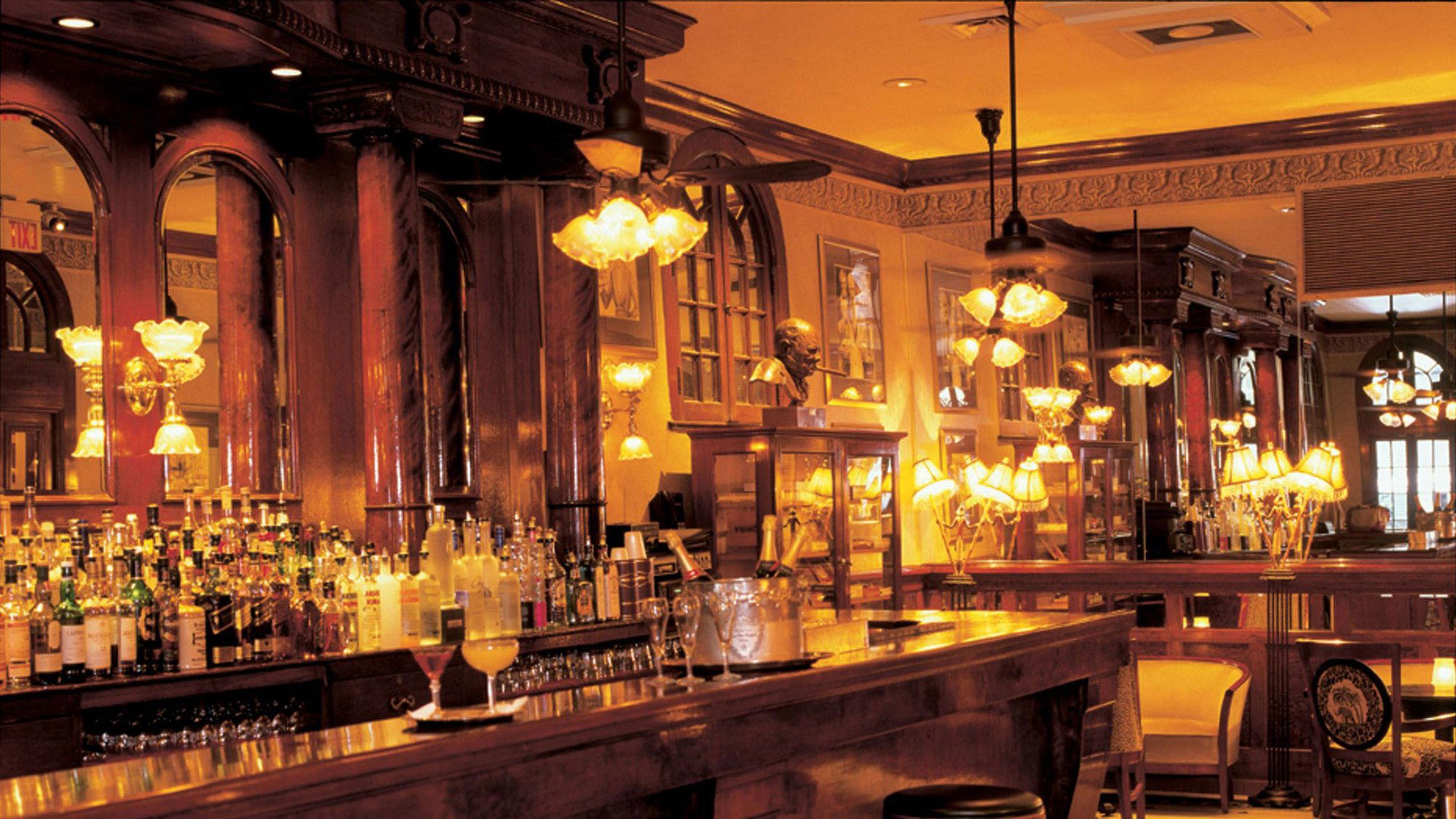
Mandina's serves Classic New Orleans Italian-Seafood in a historic building, with craft cocktails and a conversational pace for lunch or dinner.
Pearl is the En Primeur Club membership app — saves, bookings, and concierge access live there. Same editors, same standards.
- Address
- 3800 Canal St, New Orleans, LA 70119
- Phone
- +15044829179
- Website
- mandinasrestaurant.com
- Directions
- Get directions
 Saves & bookings on Pearl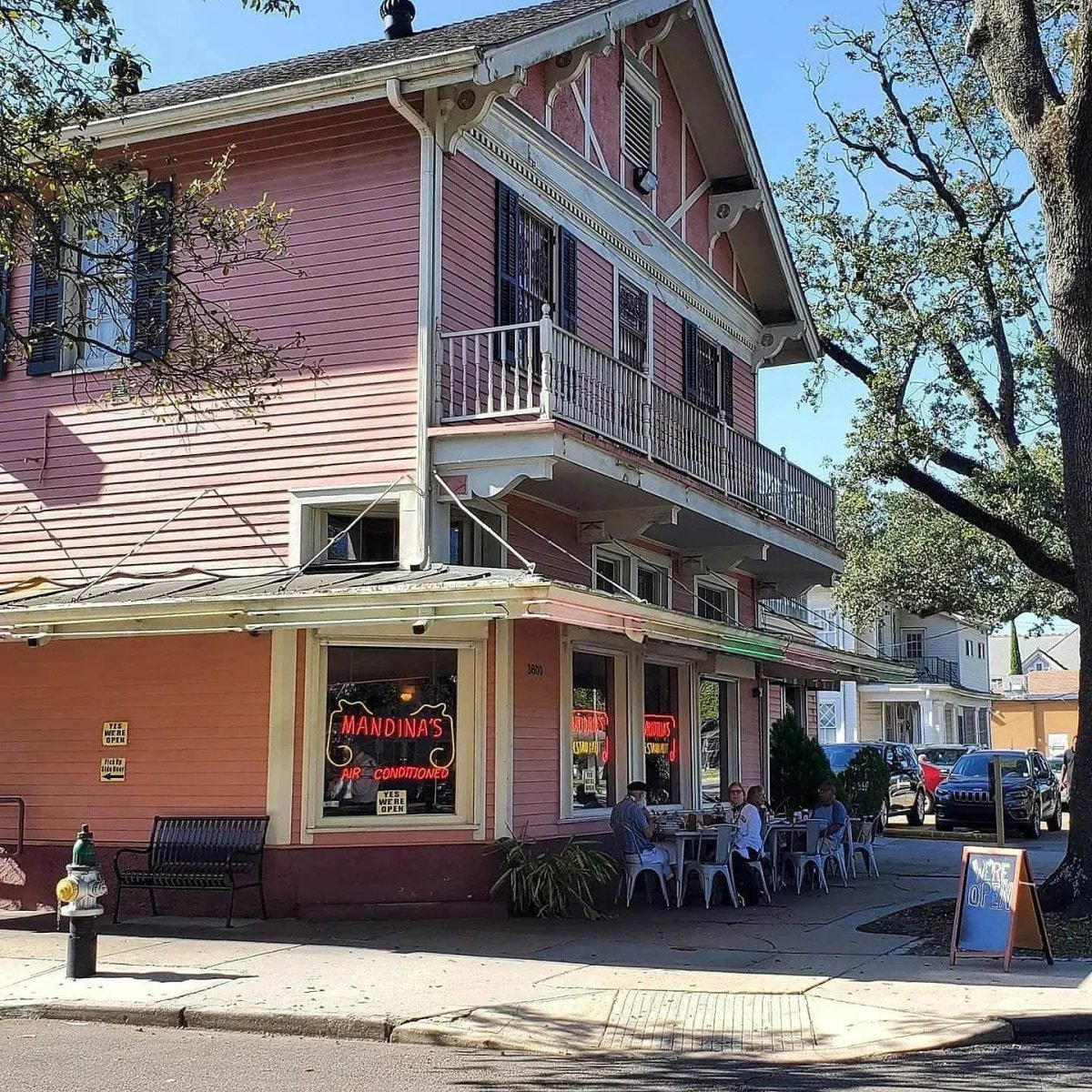
Canal Street's Longest-Running Argument
There is a particular quality to old New Orleans restaurants that newer establishments work hard to replicate and rarely achieve: the sense that the room has not been curated for you, but simply continued without you. Mandina's is a casual New Orleans Italian-Seafood restaurant at 3800 Canal St in Mid-City. Mandina's, at 3800 Canal St, carries that quality. The Mid-City address places it outside the French Quarter circuit that most visitors trace, which means the dining room fills largely with people who already know it. The neighborhood itself, a residential stretch of Canal connecting downtown to the cemeteries and lake-facing suburbs, has its own rhythm, and Mandina's has absorbed decades of it. Walking in, you are not arriving at a destination; you are interrupting an ongoing conversation.
Mid-City sits in a different register from the French Quarter and Warehouse District corridors where most of New Orleans's newer openings cluster. While places like Saint-Germain and Re Santi e Leoni operate at the contemporary end of the city's dining range, the restaurant holds a different position altogether, where longevity and consistency outrank innovation as the primary credentials.
The Creole-Italian Overlap That Defines This End of the Menu
New Orleans food is frequently misread as a monolithic Cajun tradition. The city's actual culinary map is considerably more layered. The Italian immigrant community that settled heavily in the late nineteenth and early twentieth centuries produced a hybrid strand, sometimes called Creole-Italian, that shows up in red-gravy pasta dishes sitting alongside fried seafood and turtle soup on the same menu. This is not fusion in any contemporary sense; it is the result of populations sharing neighborhoods and ingredient suppliers over generations.
That dual inheritance is legible at the restaurant, which has operated on Canal Street long enough to represent the tradition rather than interpret it. The kitchen does not position itself against Emeril's or against the refined Creole register of Commander's Palace. It operates in an older, less stratified tier, the neighborhood Italian-Creole house that predates the era of chef-driven dining and continues largely on its own terms.
For context, the distance between the restaurant and restaurants like Le Bernardin in New York City, The French Laundry in Napa, or Alinea in Chicago is not just one of price or format, it is a difference in purpose. The restaurant belongs to a category that those temples of contemporary technique do not occupy and do not compete with: the unreconstructed neighborhood table.
Reading the Meal as a Sequence
Meals at the restaurant tend to follow an informal rhythm, with a logic that is not signaled explicitly. The rhythm of a restaurant meal tends to move from soup or salad through seafood and then into heartier pasta or red-sauce territory, a progression that mirrors the Italian-American course structure that the kitchen has always worked within.
Turtle soup appears as an early course at the restaurant as it does at a handful of other old-line New Orleans houses. This is a dish that has nearly vanished from American menus outside of Louisiana, where it survives as a marker of a specific culinary era. A splash of sherry at the table, stirred in by the diner, is standard form. The gesture is small but tells you something about the regional tradition that predates farm-to-table framing.
Fried seafood holds its position mid-meal here in the way that it does across the Gulf Coast, catfish, shrimp, oysters, battered and fried without the architectural presentation that newer seafood-forward places like Providence in Los Angeles bring to similar ingredients. The point is reliable execution of a form that is already well understood by everyone in the room.
The pasta dishes, in particular the red-sauce preparations, close the main sequence in the way that a ragù closes an Italian-American Sunday dinner. These are not dishes that need describing so much as locating: they sit at the center of a tradition that is more New Orleans than it is Naples, shaped by what local cooks and families made of imported techniques over many decades.
Where Mandina's Sits Against New Orleans Peers
New Orleans has developed a sophisticated tier of contemporary dining in recent years. Bayona operates in a different register, anchored in New American technique. Zasu sits at the American contemporary end with a more modern price point. Pêche Seafood Grill handles Gulf seafood with a refinement that pulls in a younger, more design-conscious crowd. The restaurant competes with none of these. Its competitive set consists of other long-established neighborhood restaurants that survive on repeat local business rather than destination traffic. That is a shrinking category in most American cities, which gives the model a different kind of weight.
For the reader who has also tracked the dining scenes in cities like Atlanta (see Bacchanalia), San Diego (see Addison), or Washington (see The Inn at Little Washington), the restaurant registers as a counter-argument to the direction most ambitious American restaurants have moved. It is not making a self-conscious point about tradition; it is simply still doing what it was doing before the conversation about culinary identity became a restaurant concept in itself.
For a fuller picture of how New Orleans's dining range runs from neighborhood institutions to contemporary tables, the EP Club New Orleans restaurants guide maps the city across price tiers and cuisine categories.
Planning a Visit
The restaurant sits on Canal Street in Mid-City, reachable by streetcar on the Canal line, which runs from the French Quarter directly through the neighborhood. The address, 3800 Canal St, places it well past the commercial density of the Quarter, in a stretch where the street widens and the buildings are lower. Because the restaurant draws heavily from the local repeat-customer base rather than from tourist circuits, weekday evenings tend to be more relaxed than weekends, when the dining room fills earlier. The restaurant is walk-in friendly, with regular hours Monday through Thursday 11 AM to 9 PM, Friday and Saturday 11 AM to 9:30 PM, and Sunday 11 AM to 9 PM.
The Quick Read
Comparable venues nearby, for context on price, style, and recognition.
| Venue | Cuisine | Price | Notes |
|---|---|---|---|
| Mandina'sThis venue — the venue you are viewing | Not listed | $$ | Not listed |
| Venezia | Not listed | $$ | Mid-City, Home-Style Italian & Sicilian Pizza |
| Adolfo's Restaurant | Marigny, Creole-Italian | $$ | Not listed |
| Irene's | French Quarter, Upscale Italian-Creole | $$$ | Not listed |
| Dante's Kitchen | Not listed | $$ | Riverbend, Modern Louisiana Farm-to-Table |
| Porgy's Seafood Market | Not listed | $$ | Mid-City, Sustainable Gulf Seafood Market & Diner |
Continue exploring
More in New Orleans
Restaurants in New Orleans
Browse all →
Bars in New Orleans
Browse all →
At a Glance
- Classic
- Cozy
- Well Known
- Family
- Casual Hangout
- Group Dining
- Historic Building
- Craft Cocktails
Current opening hours
- Monday
- 11 AM–9 PM
- Tuesday
- 11 AM–9 PM
- Wednesday
- 11 AM–9 PM
- Thursday
- 11 AM–9 PM
- Friday
- 11 AM–9:30 PM
- Saturday
- 11 AM–9:30 PM
- Sunday
- 11 AM–9 PM
Hours can change for holidays and private events. Last verified .
Classic New Orleans atmosphere with friendly service and hearty, comforting meals in a spacious setting.