Tabelog 100 #25
Our verdict
Manbo Chip puts Osaka’s Korean dining into sharper focus: not as a side note to the city’s street-food reputation, but as part of Ikuno’s deeper cross-cultural table. Its Tabelog 100 selection for Asian and ethnic cuisine in WEST 2024 gives it a clear trust signal, while the house-restaurant setting keeps the experience closer to neighbourhood dining than polished hotel gastronomy.

Pearl is the En Primeur Club membership app, where members save venues, book tables and use the concierge.
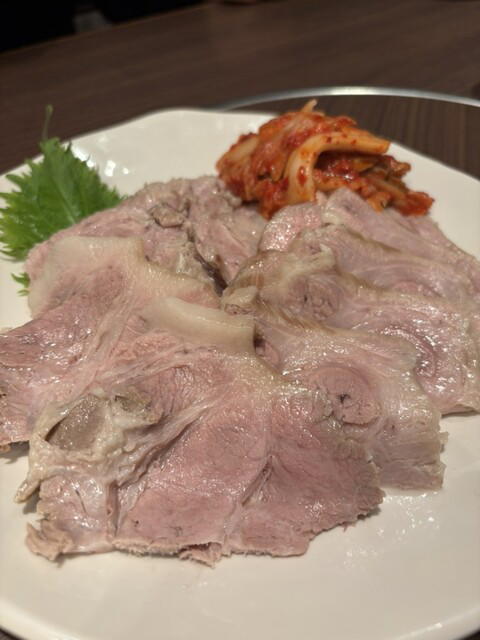
Osaka does not always announce its best meals with the choreographed polish of the city’s most visible dining districts. The appeal can be more immediate: small façades, regular-driven rooms, and restaurants that feel tied to local appetite before they are tied to itineraries. Manbo Chip belongs to that register, a Korean restaurant in Osaka where the cooking sits inside the city’s everyday dining culture rather than outside it as a novelty.
That matters because Osaka’s food identity is too often compressed into takoyaki, okonomiyaki, and late-night counter culture. Those are real, but they are not the whole city. The better meals here are not always built around spectacle. They can be built around heat, fermentation, generous table rhythm, drink-friendly pacing, and a room that can move between dates and groups of friends without needing a formal dining script.
Osaka Korean cooking, seen through an Osaka neighbourhood lens
Korean restaurants in Japan often carry two jobs at once. They preserve techniques and flavours that came through family, migration, and community networks, while adapting to Japanese produce, drinking habits, and service expectations. In Osaka, that intersection feels especially natural. The city’s dining culture rewards directness: food arrives with purpose, the table fills quickly, and the value of a meal is judged less by ceremony than by whether the rhythm holds.
The Tabelog Hyakumeiten recognition for 2024 places Manbo Chip within a competitive regional conversation rather than a casual neighbourhood-only category. That recognition is useful not because it turns the restaurant into a trophy stop, but because it signals consistency in a field where many excellent Korean rooms remain locally known and lightly documented in English. It also clarifies the tier: this is a dinner plan with a listed spend of JPY 6,000 - JPY 7,999, useful to compare against other Osaka options such as Man masa, Menya Fukuhara, Samgyetang Niru, and other dining in the city without pretending they all serve the same purpose.
That language is Korean, but the setting is emphatically Osaka. Table-led Korean cooking, fermented seasoning, and a meal structure suited to sharing meet the Japanese preference for compact service, drink pairing, and a controlled room. The point is not to frame the restaurant through a single imported script, but through the way Osaka diners actually eat across categories.
A local dinner format with an easy social rhythm
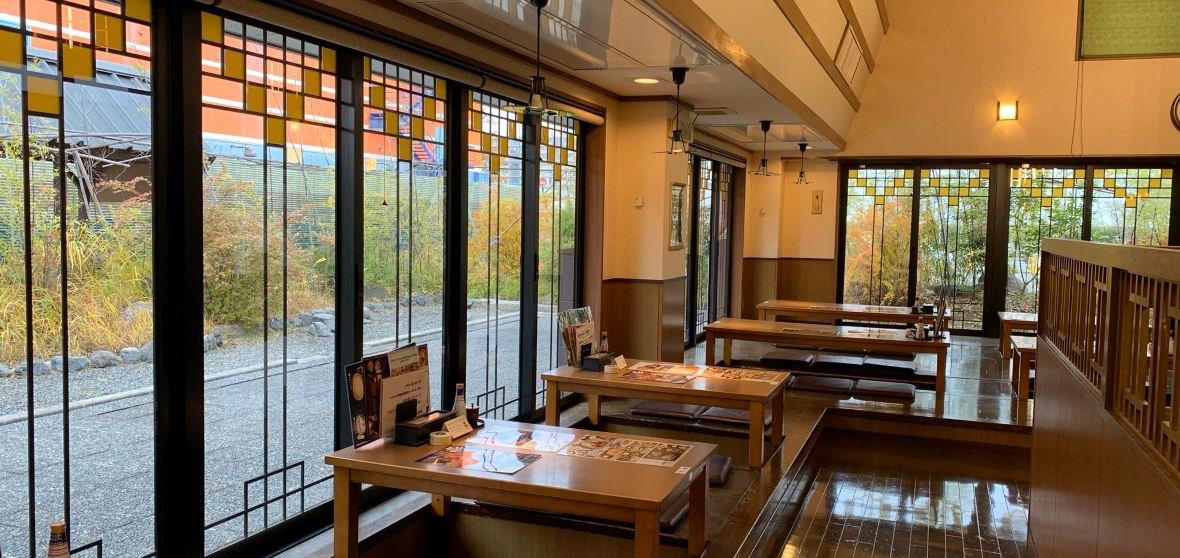
The physical format gives the meal its social shape, but the safer way to understand Manbo Chip is as a dinner room rather than a staged destination. It can suit diners who want a focused Korean meal without the pressure of a formal tasting-menu environment. For travellers used to polished choreography, this is a different measure of comfort: less about ceremony, more about whether the table has momentum.
Osaka rewards restaurants that understand occasion without overdesigning it. Okonomiyaki Omoni Honten and Shuko Osaka Manpukudou can sit elsewhere on a city itinerary, while Manbo Chip is useful when the desired evening is substantial, social, and centred on Korean cooking. It is a Korean dinner room with enough recognition to justify a special detour, but its appeal depends on context: Osaka texture, not generic gloss; conversation, not ceremony.
For travellers mapping the city by category, this is where the Osaka plan should widen. Pairing a meal here with research from gives a more accurate view of the city than staying only with the most obvious central stops. The same trip architecture can fold in, and Our full Osaka experiences guide without forcing every meal into the same circuit.
How to place it within a wider Osaka itinerary
The smartest use of this table is as a corrective to a too-obvious Osaka schedule. Build one day around the city’s familiar quick pleasures, then give another evening to Korean depth. Nearby category contrasts help: other Osaka dining rooms can represent the city’s casual comfort-food fame, while bakeries, cafés, pizza counters, and Italian-leaning restaurants show how broad the city’s non-washoku dining has become.
Seen nationally, the point becomes clearer. Japan’s serious regional dining is no longer only sushi, kaiseki, ramen, and tempura. Korean, Vietnamese, curry, sake-bar, and modern Japanese formats now sit in the same travel-planning conversation across the country. Even outside Japan, diaspora and Japanese-adjacent formats point to the same truth: cuisine travels, then changes under local pressure.
The editorial case for Manbo Chip is not that it replaces Osaka’s familiar pleasures. It expands the frame. A Tabelog Hyakumeiten-recognised Korean restaurant in Osaka gives the city’s dining map more texture, especially for travellers who already understand the central hits and want a meal that explains how Osaka eats beyond its postcards.
Frequently asked questions
Does Manbo Chip work for a family meal?
Yes, especially if the group is comfortable with a local Korean restaurant setup in Osaka. Dinner is listed at JPY 6,000 - JPY 7,999.
Is Manbo Chip better for a quiet night or a lively one?
It is best understood as a food-focused Korean dinner in Osaka. The Tabelog Hyakumeiten 2024 recognition suggests a place people seek out for the cooking rather than for a scene.
What's the pricing like at Manbo Chip?
Pricing at Manbo Chip is listed as JPY 6,000 - JPY 7,999 View spending breakdown.
When can I go to Manbo Chip?
Check directly with Manbo Chip before going, as specific opening hours are not provided here.
What's Manbo Chip's location?
Osaka.
What's the defining dish or idea at Manbo Chip?
The defining idea is Korean cooking in Osaka, not a formal tasting-menu setup. The venue’s Tabelog Hyakumeiten 2024 recognition and Korean category are the clearest signals of its focus.
Cuisine and Awards Snapshot
Comparable venues by cuisine and price in the same metro.
| Venue | Cuisine | Price | Awards | Notes |
|---|---|---|---|---|
| Manbo ChipThis venue (the venue you are viewing) | Traditional Korean house‑style dining | $30–50 | Tabelog 100 #25 | Not listed |
| Kuukai | Casual Korean in Kitashinchi | $100–150 | Tabelog 100 #82 | Kita |
| Noro | Classic Yoshoku (Japanese Western-style) | $20–30 | Tabelog 100 #50 | Chūō |
| Midosuji Lodge | Yoshoku (Japanese-style Western) | $30–50 | Tabelog 100 #60 | Chūō |
| Matasaburo | Dry-aged Wagyu Steak & Yakiniku | $50–100 | Tabelog 100 #16 | Sumiyoshi |
| Kaara | Cocktail & Gin Bar | $50–100 | Tabelog 100 #79 | Kita |
Recognition history
Dated appearances from independent guides and award organizations, with the underlying list record or original source where available.
Tabelog 100 #25 · No. 25
Tabelog · Tabelog 100 - Asian cuisine / Ethnic cuisine - WEST - 2024