Maize
Maize is Denver's tasting-menu destination built around masa, fermentation, and raw seafood, a focused format that positions it squarely within the city's small cohort of technically ambitious, ingredient-driven counters. The kitchen's commitment to corn-based preparations and live-fire technique reflects a wider movement in American fine dining toward indigenous grain traditions. Advance booking is advised.

Pearl is the En Primeur Club membership app — saves, bookings, and concierge access live there. Same editors, same standards.
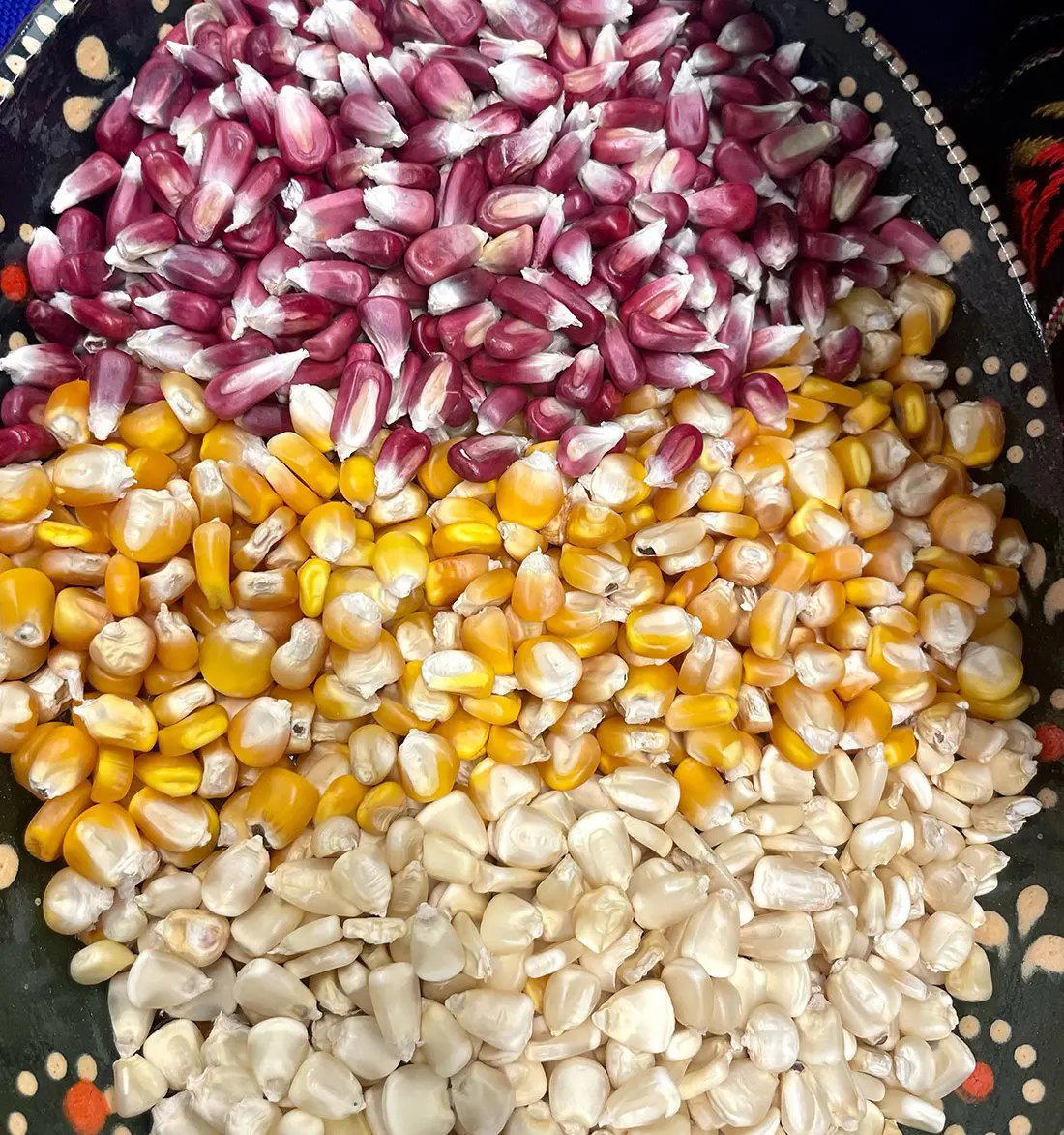
Where Corn Becomes a Fine-Dining Argument
Denver's tasting-menu scene has matured considerably over the past decade, moving from French-inflected set menus into something more regionally grounded. A small cluster of kitchens now builds their formats around a single controlling idea and holds the entire menu accountable to it. Maize occupies that cohort, with masa as its organising principle. In a city better known for its beef culture, that is a considered position to take.
Masa-forward cooking has deep roots across the American Southwest and in Mexican culinary tradition, but its appearance in a fine-dining tasting-menu format, structured around fermented preparations and cured or raw seafood, reflects a broader national shift. Kitchens from Lazy Bear in San Francisco to Alinea in Chicago have spent years demonstrating that American tasting menus work when they anchor to a culinary identity rather than reaching for pan-European prestige. Maize is Denver's entry into that argument.
The Format and What It Signals
A tasting menu built around masa is a specific commitment. Nixtamalised corn is labour-intensive, texturally demanding, and flavour-forward in ways that test a kitchen's ability to build contrast and progression across multiple courses. When fermentation enters that framework, the result tends toward acidity, umami depth, and complexity that can either cohere beautifully or clutter. The addition of raw seafood introduces a third register, delicacy, brine, temperature contrast, that sits in productive tension with the earthier masa base.
This structure is not accidental. It mirrors the format logic used by kitchens like Single Thread Farm in Healdsburg, where a controlling agricultural or regional idea governs every course, and the menu functions as a sustained statement rather than a collection of independent dishes. At that level of intention, the comparison set shifts toward destination counters that reward repeat visits as the menu evolves seasonally.
For Denver specifically, the format places Maize in a peer group that includes Beckon and Brutø, kitchens working at the summit of the city's contemporary tasting-menu tier. The Wolf's Tailor occupies similar price territory with its New American format. What separates Maize within that group is the specificity of its founding ingredient: masa is not a backdrop, it is the subject.
Masa, Fermentation, and the Seafood Thread
The pairing of fermented preparations with raw seafood is a technique with deep resonance in both Japanese and Nordic culinary traditions, and its adoption into a masa-centred menu creates an interesting cultural layering. Fermented corn preparations, from tejuino to fermented masa batters, have pre-Columbian origins, while the precision required for raw seafood at a fine-dining counter draws on contemporary technique. That tension between ancient grain tradition and modern kitchen rigour is where Maize's format earns its interest.
Globally, kitchens working at the intersection of indigenous grain traditions and modern tasting-menu structure are a growing phenomenon. Le Bernardin in New York City has long demonstrated the ceiling for seafood-focused tasting menus; The French Laundry in Napa set a template for American ingredient obsession translated into structured courses. Maize enters that conversation from a different cultural and geographic starting point, using the American Southwest's grain heritage rather than European technique as its foundation.
For readers who want to understand where Denver's fine-dining ambition sits relative to its Mexican culinary traditions, Alma Fonda Fina and Annette offer different takes on the same ingredient pool at different price points and formality levels. Maize represents the highest-ambition end of that spectrum within the city.
Denver's Tasting-Menu Tier in Context
Denver does not carry the density of tasting-menu counters found in New York or San Francisco, which means each kitchen in this format occupies a more visible position in the city's dining conversation. There is less redundancy and more scrutiny. A kitchen that commits to a tasting-only format in Denver is making a statement about what the city's diners are prepared to engage with, and that statement requires delivery.
The city has demonstrated appetite for that kind of commitment. Beckon, Brutø, and The Wolf's Tailor have each held their tasting-menu formats through market cycles that saw many similar concepts revert to à la carte. That persistence signals a dining public willing to book ahead, invest in a full-evening experience, and engage with menus that evolve over time. Maize enters that established pattern with a more specific cultural brief than most of its peers.
Internationally, the masa-and-fermentation tasting format is still a relatively narrow category. Kitchens like 8½ Otto e Mezzo Bombana in Hong Kong and Alain Ducasse's Louis XV in Monte Carlo represent the European tradition of ingredient-identity fine dining; Emeril's in New Orleans mapped American regional identity onto fine-dining structure in an earlier era. Maize is working in that same lineage, but from the American Southwest's culinary archive rather than Creole or Mediterranean roots.
Planning Your Visit
Tasting-menu counters in Denver's upper tier typically require bookings of three to six weeks in advance for weekend seatings, with midweek tables sometimes available on shorter notice. Given Maize's format specificity, a single menu built around masa, fermentation, and raw seafood, it functions as a full-evening commitment rather than a casual drop-in. Dietary restrictions should be communicated at the time of booking, as tasting-menu kitchens at this level of ambition generally require advance notice to adapt their courses meaningfully rather than simply substituting ingredients.
How It Stacks Up
Comparable venues nearby, for context on price, style, and recognition.
| Venue | Cuisine | Price | Notes |
|---|---|---|---|
| MaizeThis venue — the venue you are viewing | Modern Mexican Masa Tasting Menu | $$$$ | Not listed |
| Ash & Agave | Coastal Mexican Grill | $$$ | Cherry Creek |
| Blue Agave Grill | Contemporary Southwestern | $$ | Union Station |
| Mister Oso Wash Park | Pan-Latin Tacos & Ceviches | $$ | Speer |
| BearLeek | Modern French-American with Global Influences | $$$ | Curtis Park |
| 3 Margaritas - Downtown Denver | Traditional Mexican | $$ | Central Business District |
Continue exploring
More in Denver
Restaurants in Denver
Browse all →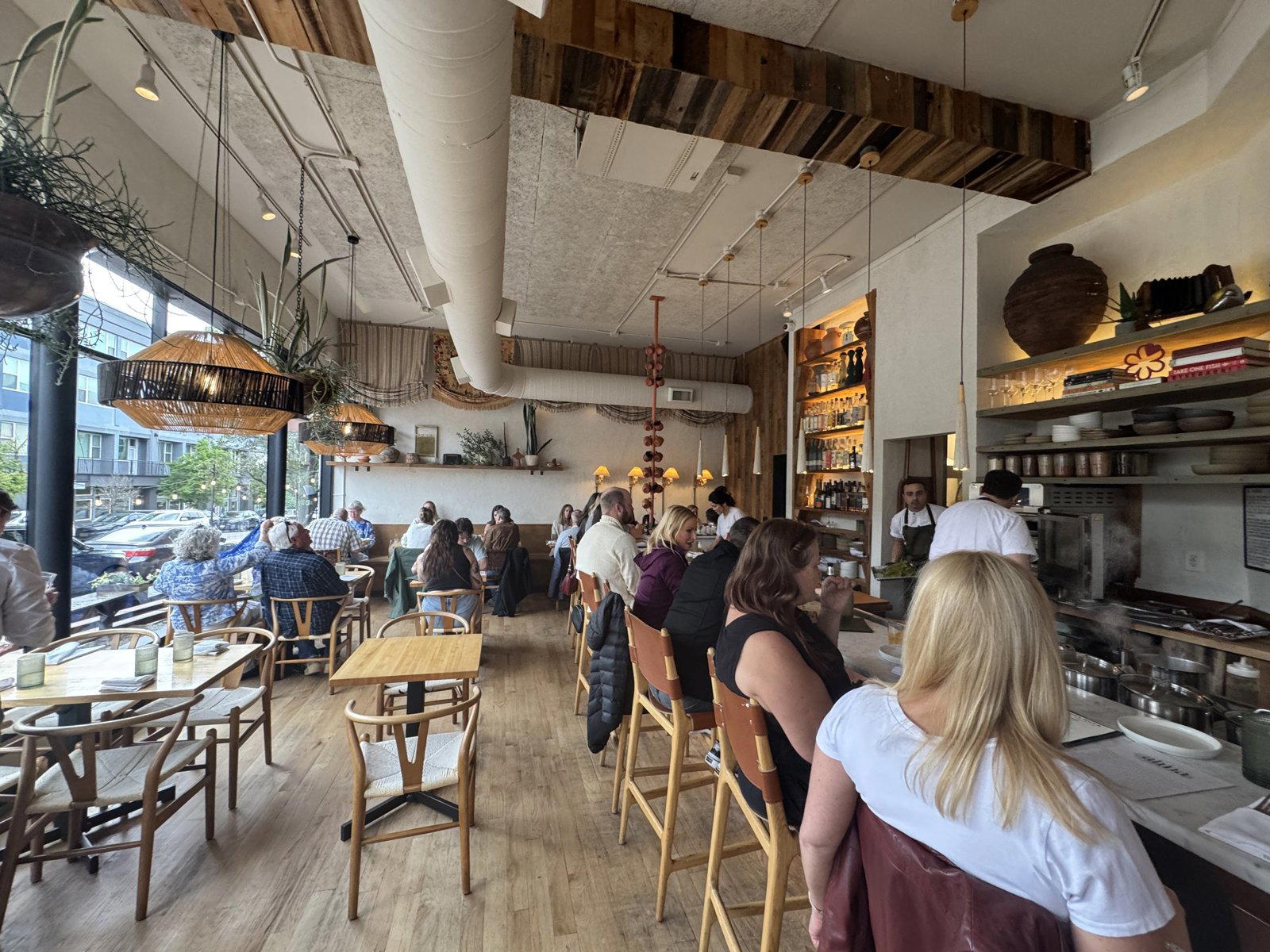
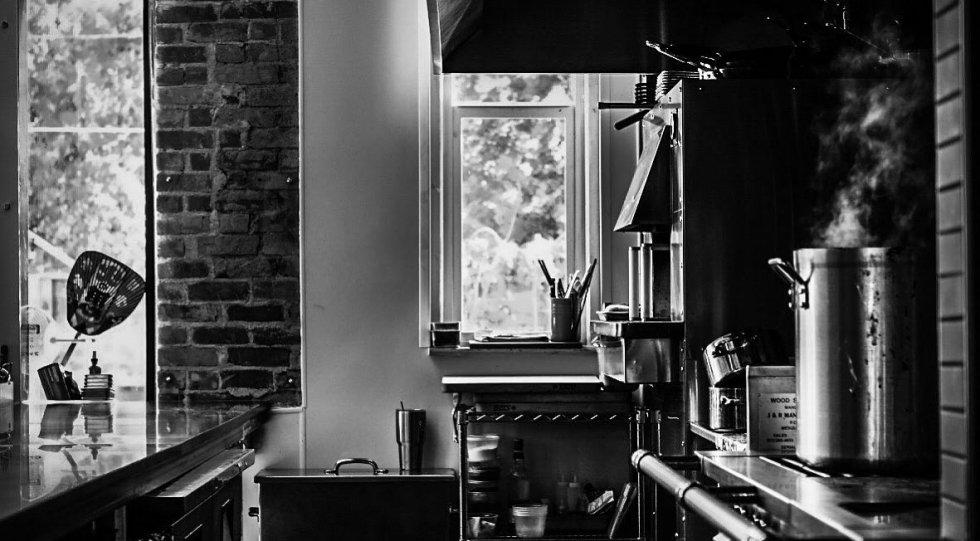
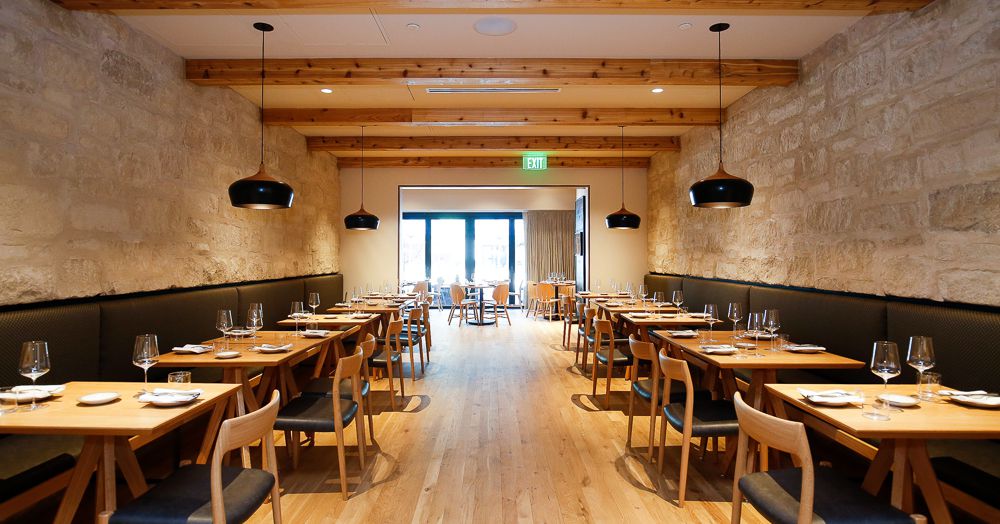
Bars in Denver
Browse all →
Hotels in Denver
Browse all →


Wineries in Denver
Browse all →

At a Glance
- Modern
- Elegant
- Intimate
- Sophisticated
- Special Occasion
- Date Night
- Chefs Counter
Intimate counter seating with creative simplicity and authentic hospitality in a family-run setting.