Maison De Lu
On Washington Avenue in Ocean Springs, Maison De Lu occupies a quieter register than the town's more celebrated dining rooms, making it a reliable option for those exploring the local restaurant scene beyond the marquee names. The French-inflected name signals a particular culinary sensibility, and the address places it squarely within the walkable core of a Mississippi Gulf Coast town that punches above its weight for food.
Pearl is the En Primeur Club membership app — saves, bookings, and concierge access live there. Same editors, same standards.
- Address
- 626 Washington Ave, Ocean Springs, MS 39564
- Phone
- +12288750032
- Website
- maisondelu.com
- Directions
- Get directions
 Saves & bookings on Pearl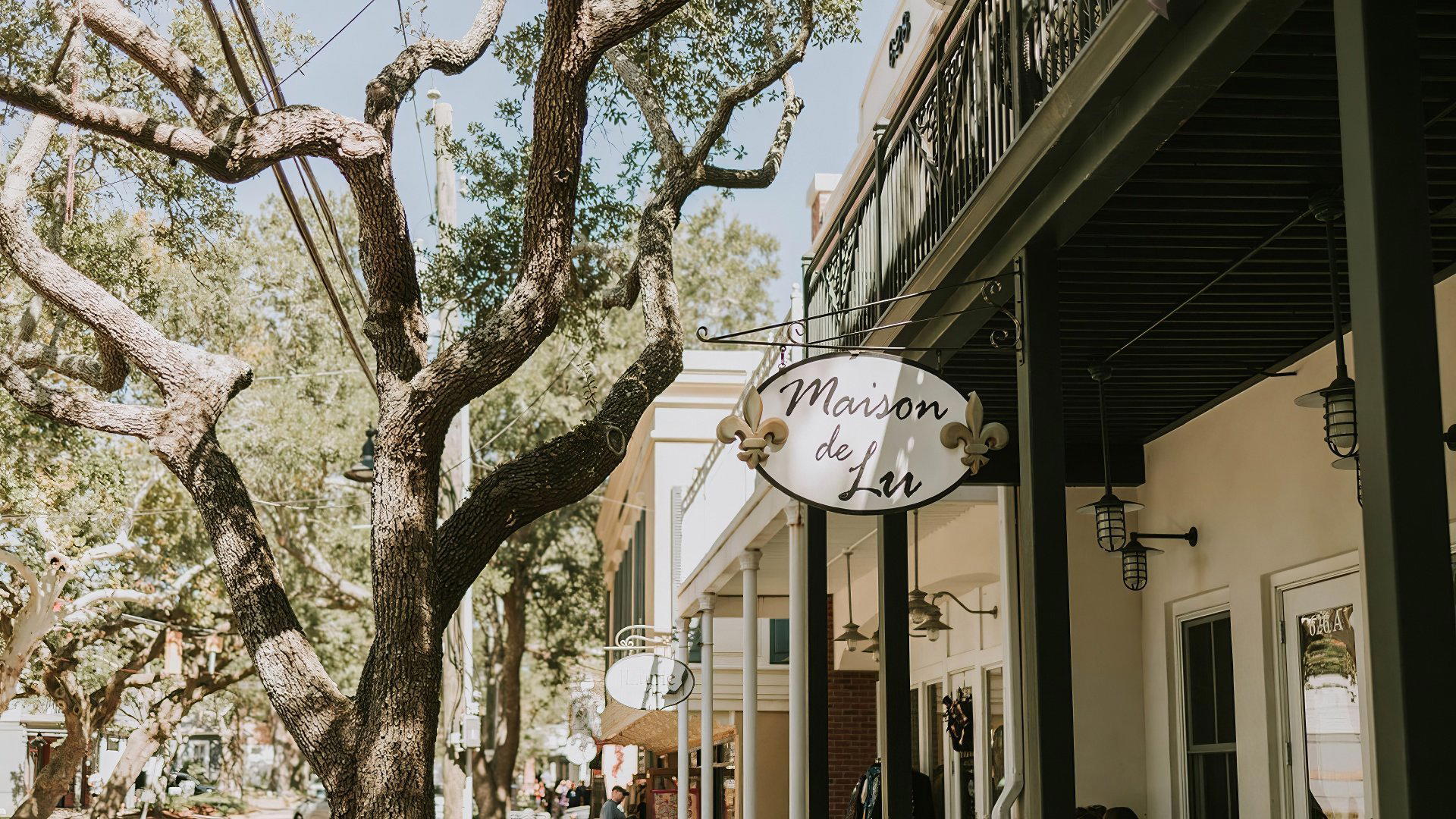
Washington Avenue and the Weight of a Small Town's Dining Scene
Ocean Springs has spent the better part of two decades building a restaurant identity that most coastal Mississippi towns have not managed. The town sits across the bay from Biloxi but operates at a different frequency: independent, art-forward, with a dining culture that draws on Gulf seafood traditions, Southern larder instincts, and, increasingly, imported culinary references. Washington Avenue is the spine of that scene. Walk it on a Thursday evening and you pass serious kitchens operating within a few blocks of each other, each staking out a distinct position in a compact but competitive local market. Maison De Lu at 626 Washington Ave sits inside that context, taking a French-leaning name on a street where the dominant idiom is coastal Southern.
That tension between European nomenclature and Gulf Coast geography is not unusual along the Mississippi shore. The region's culinary history runs through French colonial settlement, Creole kitchens in New Orleans 90 miles west, and generations of Vietnamese, Croatian, and Eastern European fishing families who shaped the seafood trade. A French-inflected name in this corridor carries historical weight that it would not carry in, say, suburban Memphis. It implies a particular orientation: toward technique, toward sourced ingredients, toward the idea that a dining room can be both local and classically informed at once.
Ingredient Sourcing on the Gulf Coast: Why Provenance Matters Here
The Mississippi Gulf Coast is one of the more consequential ingredient regions in the American South, though it rarely receives the sourcing attention that, for instance, the Lowcountry of South Carolina or the farm networks around Blue Hill at Stone Barns in Tarrytown generate in national food media. The oyster beds east of Biloxi, the brown and white shrimp runs through Mississippi Sound, the Gulf red snapper season, the blue crab traps running through the barrier island passes, these are not secondary ingredients. They are particularly distinctive proteins available to any American kitchen, shaped by brackish estuary conditions that differ meaningfully from Atlantic or Pacific equivalents.
Restaurants in Ocean Springs that source with any seriousness are working within a short supply radius. The farmers markets, the dock-direct relationships with shrimpers operating out of Pass Christian or Pascagoula, the small-scale vegetable growers in the interior counties, these form a supply network that rewards restaurants willing to build menus around availability rather than consistency. It is the same structural logic that drives kitchens like Single Thread Farm in Healdsburg, where agricultural calendars dictate the plate rather than the reverse, though the scale and formal recognition differ by a considerable margin.
For a restaurant with a French sensibility on Washington Avenue, that sourcing logic intersects with classical technique in a way that makes geographic sense. French regional cooking has always been predicated on local produce interpreted through accumulated method, the same principle that makes a bouillabaisse from Marseille untranslatable to a landlocked kitchen. A Gulf Coast kitchen applying that framework to Mississippi oysters, local redfish, or summer Creole tomatoes is working inside a coherent culinary logic, not borrowing an aesthetic from elsewhere.
Where Maison De Lu Sits in the Washington Avenue Tier
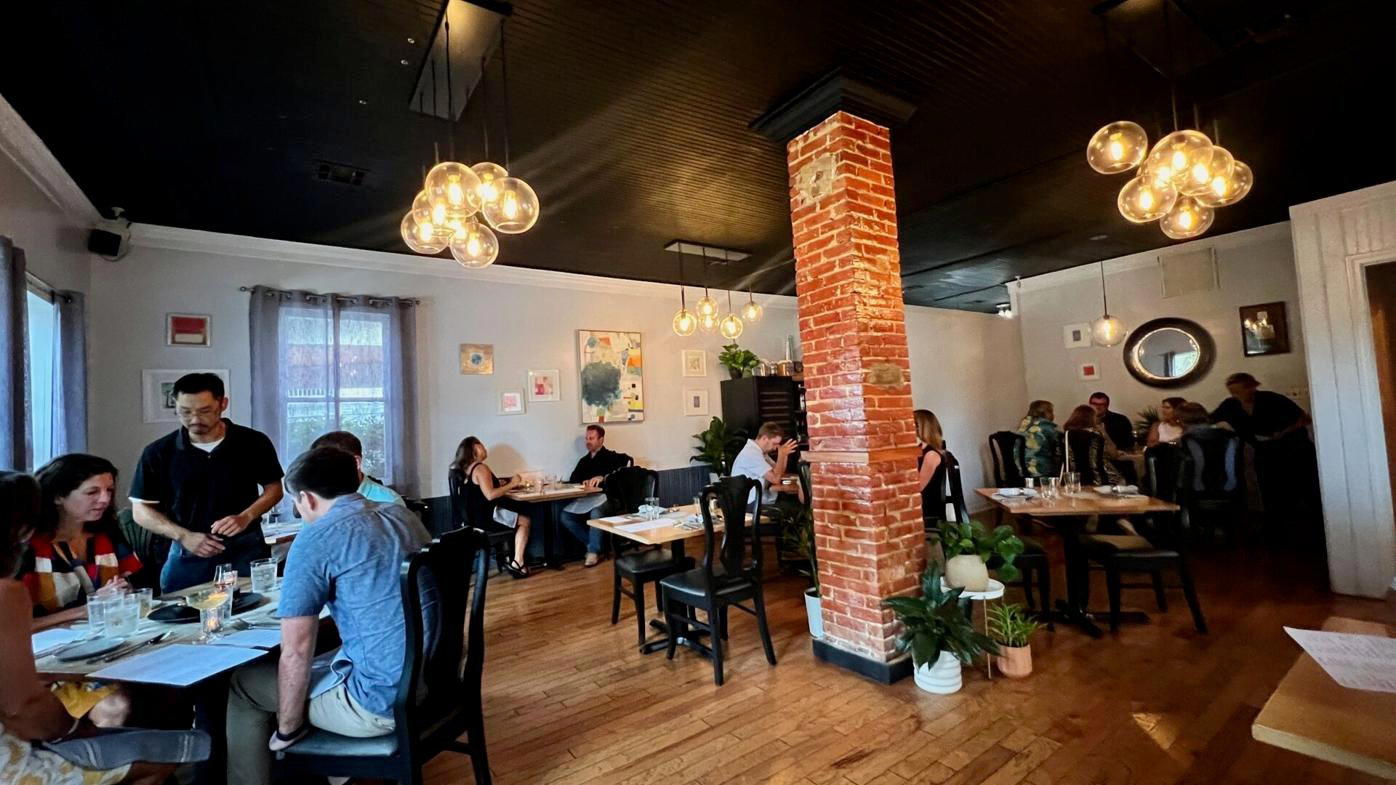
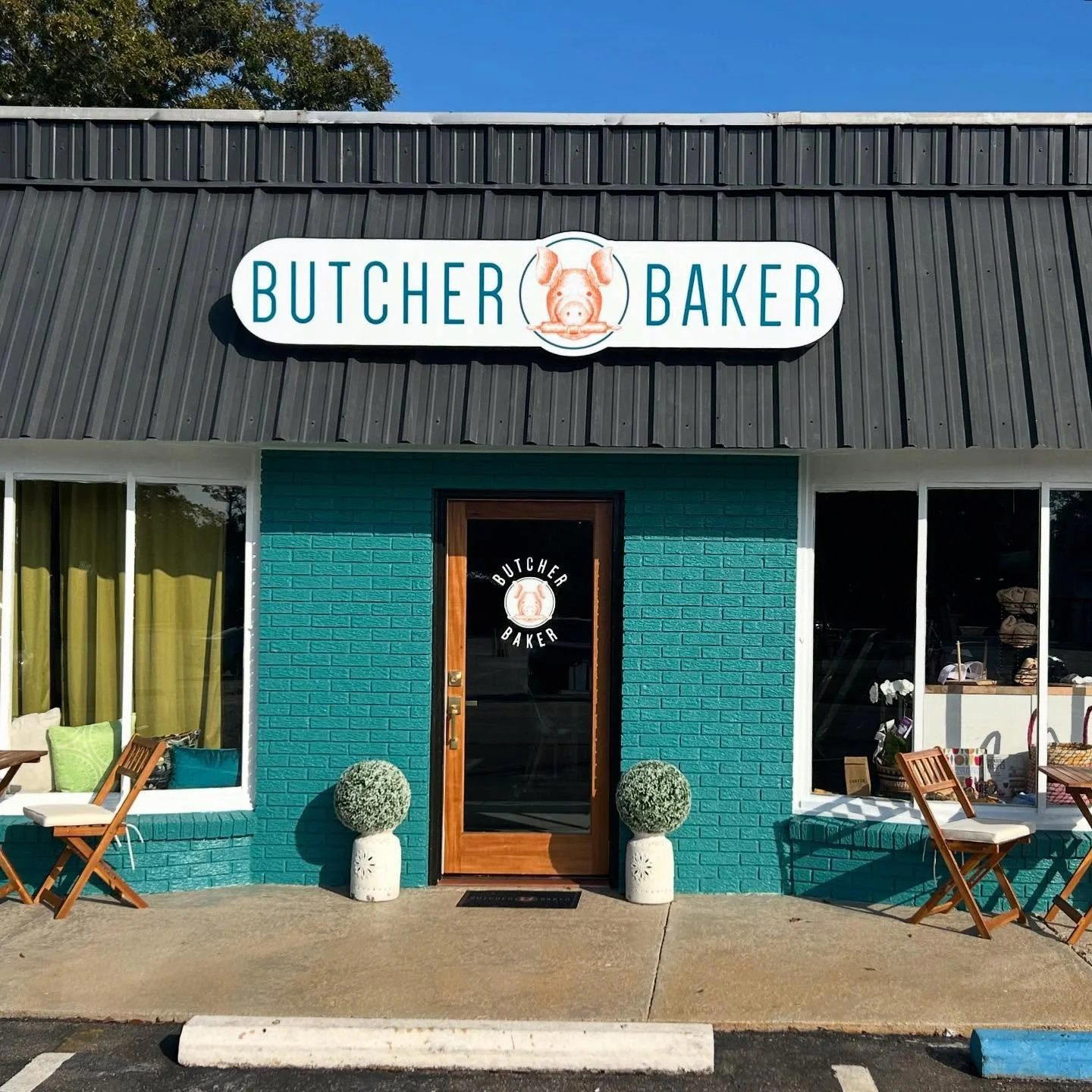
Ocean Springs' Washington Avenue corridor now contains restaurants at meaningfully different price and ambition points. Vestige ($$$$ · Contemporary) occupies the formal upper tier, with a prix-fixe format and price point that positions it against mid-market destination restaurants in regional cities rather than against casual Gulf Coast seafood houses. On the more accessible end, Aunt Jenny's Catfish Restaurant and Butcher Baker represent the town's comfort-driven, roots-focused register. Evergreen and Trilby's each carve out their own positions between those poles.
Maison De Lu operates in the middle of that range, at least in terms of the cultural signals its name and address send. It does not carry the award density of the upper tier: the formal recognitions that validate a place like Le Bernardin in New York City or the tasting-menu architecture of Alinea in Chicago are not part of the record. But Ocean Springs has enough dining depth that a mid-tier operation on Washington Avenue still competes for a locally informed clientele with options, which tends to maintain kitchen standards more effectively than thin local competition would.
The French name also places the restaurant in a comparative conversation with New Orleans' better-known rooms. Emeril's in New Orleans established one version of what French-influenced Gulf cooking can become at scale and with sustained investment. Ocean Springs kitchens are not operating at that visibility level, but the culinary reference points are shared: classical French technique applied to Southern Gulf ingredients, with the confidence that the raw materials justify the seriousness of approach.
Planning a Visit: What to Know Before You Go
Ocean Springs is a 90-minute drive from New Orleans and roughly an hour from Mobile, Alabama, which means the restaurant is accessible as a day-trip dining destination from either city or as part of a longer Gulf Coast itinerary. Washington Avenue is walkable from the town's main parking areas, and the restaurant sits at a point on the avenue where several other dining options cluster, making it practical to plan around the block rather than around a single reservation. The restaurant is recommended for reservations, and its price tier is moderate, around $30 per person. Weekend evenings on Washington Avenue can be busy.
Ocean Springs does not require the advance booking windows or reservation competition of a major metropolitan dining scene.
Comparison Snapshot
Comparable venues nearby, for context on price, style, and recognition.
| Venue | Cuisine | Price | Awards | Notes |
|---|---|---|---|---|
| Maison De LuThis venue — the venue you are viewing | Coast Casual American Seafood | $$ | Not listed | Not listed |
| Aunt Jenny's Catfish Restaurant | Southern Fried Catfish and Seafood | $$ | Not listed | Ocean Springs |
| Butcher Baker | Farm-to-Table Contemporary American with Butchery | $$$ | Not listed | Midtown |
| Evergreen | Southern Coastal American Steakhouse | $$$ | Not listed | Downtown |
| Trilby's | Classic French-Cajun Fine Dining | $$$ | Not listed | Downtown |
| Vestige | Modern American with Japanese Influences | $$$$ | Michelin Plate | historic downtown Ocean Springs |
Continue exploring
More in Ocean Springs
At a Glance
- Cozy
- Elegant
- Intimate
- Date Night
- Special Occasion
- Courtyard
- Extensive Wine List
- Local Sourcing
Current opening hours
- Monday
- 11 AM–2 PM
- Tuesday
- 11 AM–2 PM, 5–9 PM
- Wednesday
- 11 AM–2 PM, 5–9 PM
- Thursday
- 11 AM–2 PM, 5–9 PM
- Friday
- 11 AM–2 PM, 5–9 PM
- Saturday
- 11 AM–2 PM, 5–9 PM
- Sunday
- Closed
Hours can change for holidays and private events. Last verified .
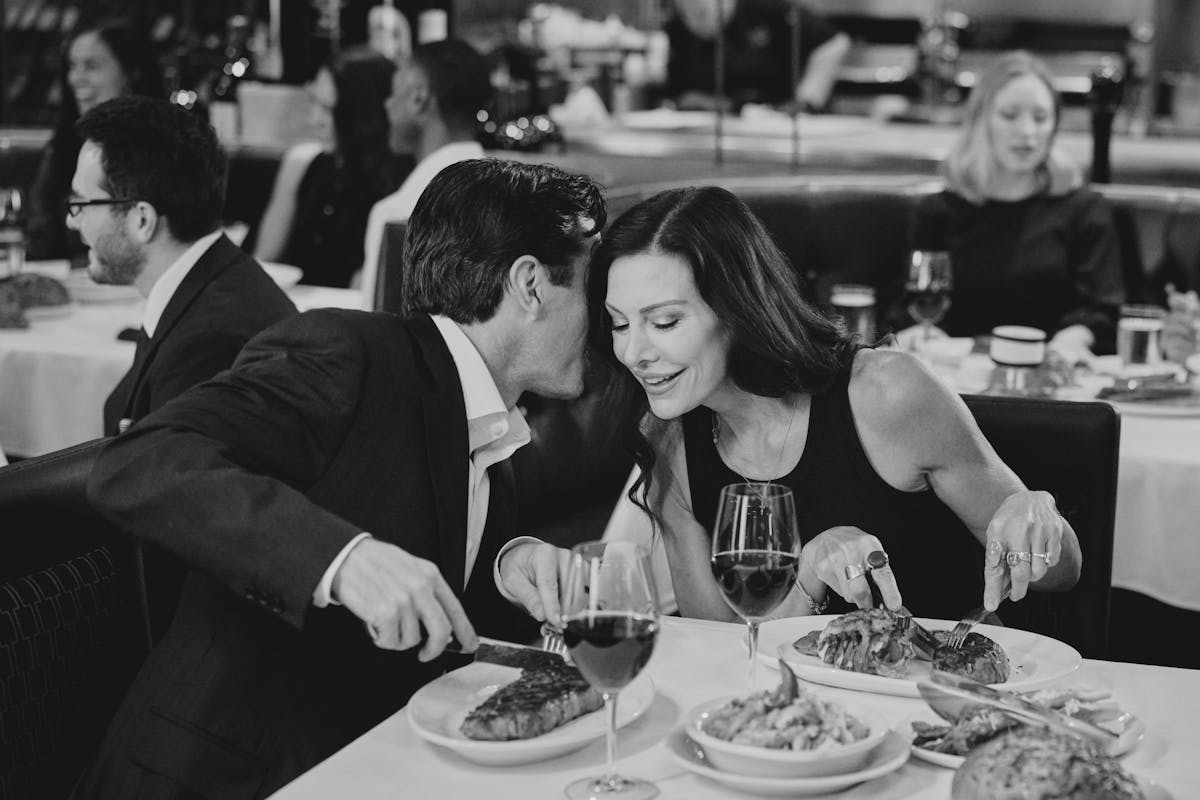
Quaint and festive interior with warm, friendly atmosphere, beautiful fireplace in the back courtyard, and bistro lighting on the patio.