Maison Chinoise
On West Gray in River Oaks, Maison Chinoise sits at the intersection of Chinese culinary tradition and Houston's increasingly ethical dining scene. The address places it among the city's more considered mid-to-upper tier options, where sourcing transparency and kitchen craft tend to carry more weight than spectacle. For Houston diners tracking where Chinese cooking and sustainability-minded practice converge, this is a relevant address.
Pearl is the En Primeur Club membership app — saves, bookings, and concierge access live there. Same editors, same standards.
- Address
- 1958 W Gray St Suite 102, Houston, TX 77019
- Phone
- +18325654111
- Website
- opentable.com
- Directions
- Get directions
 Saves & bookings on Pearl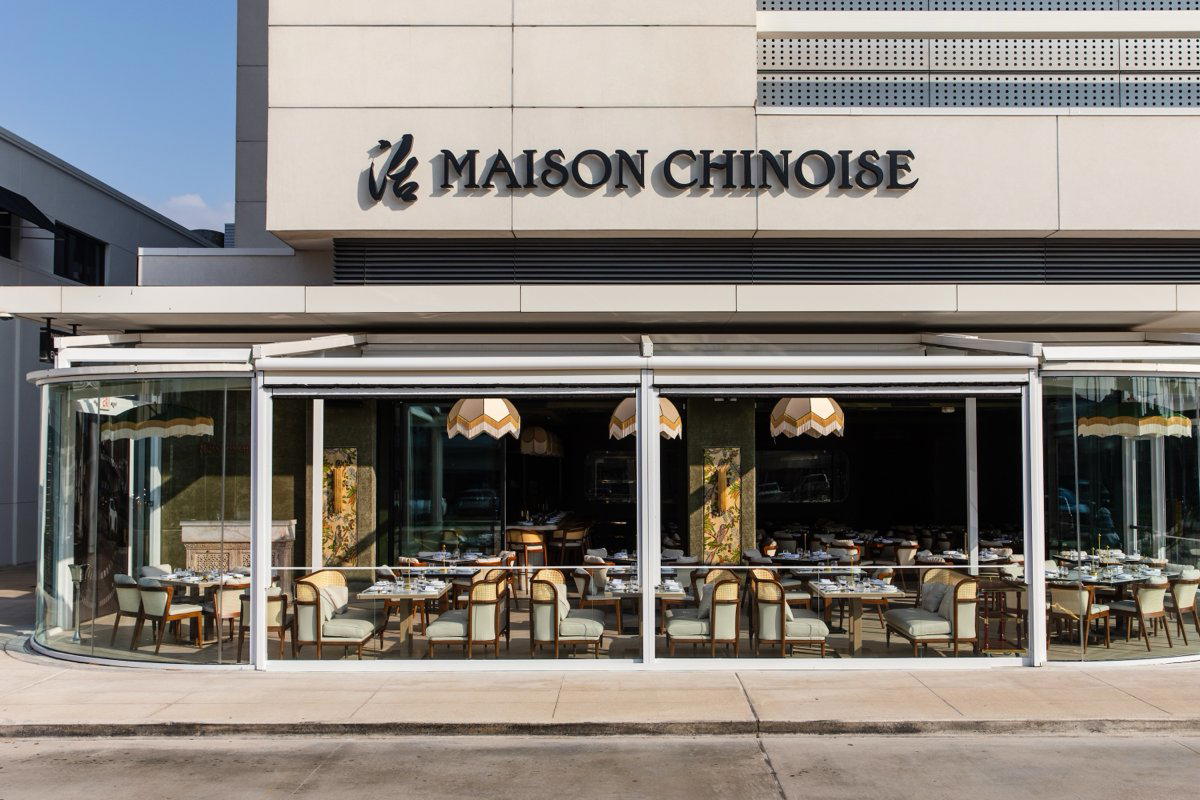
Where Chinese Tradition Meets a More Responsible Table
Houston's dining scene has spent the better part of a decade catching up to its own ambition. A city that long defaulted to volume and variety is now producing restaurants with genuine editorial points of view, kitchens that think carefully about supply chains, and menus that reflect a more considered relationship between producer and plate. It is inside this shift that Maison Chinoise, on West Gray in the River Oaks corridor, earns its relevance. The address at 1958 W Gray St places it in one of Houston's more concentrated stretches of destination dining, where the competition is credentialed and the audience expects more than competent execution.
Chinese cooking in American cities has historically occupied one of two positions: the cheap-and-vast model of large regional banquet halls, or the premium modernist reinterpretation that trades tradition for novelty. The more interesting category, and the one that has been gaining ground in cities like San Francisco and New York, is the middle path: restaurants that treat classical Chinese technique as a living discipline rather than a nostalgic reference, and that apply the same sourcing rigour to their ingredients that farm-to-table American kitchens have been pursuing for years. Maison Chinoise positions itself in that category.
Sustainability as Kitchen Logic, Not Marketing Position
Across the American fine dining spectrum, sustainability has moved from branding exercise to operational baseline. Restaurants like Single Thread Farm in Healdsburg and Blue Hill at Stone Barns in Tarrytown have demonstrated that the sourcing story, when genuinely integrated into the menu, produces better food rather than merely better messaging. The same logic applies at the level of Chinese culinary tradition, where ingredient quality has always been foundational. The leading Cantonese roasting, the most precise Sichuan seasoning, the cleanest Shanghainese braising all depend on raw material integrity in ways that become immediately apparent when that integrity is compromised.
What distinguishes the more serious Chinese kitchens operating in this mode is not the presence of a sustainability statement on the menu, but the evidence of it in the cooking. Shorter supply chains mean fresher aromatics. Relationships with specific producers mean consistent quality in proteins that are easy to get wrong at scale. Reduced waste requires a whole-ingredient discipline that, in Chinese cooking particularly, aligns naturally with classical technique: stocks built from shells and bones, offal preparations that reflect tradition rather than trendiness, fermented and preserved elements that extend seasonal ingredients across the calendar.
For diners who have followed this conversation at restaurants like Providence in Los Angeles or Lazy Bear in San Francisco, the application of the same framework to Chinese cooking represents a genuinely different proposition. Houston, with its access to Gulf seafood, its proximity to Texas agricultural producers, and its large and knowledgeable Chinese dining population, is a city where that proposition can be tested at a high level.
The River Oaks Address and What It Signals
West Gray's restaurant corridor sits in a part of Houston that draws serious diners rather than casual visitors. Within a short radius, you have March, one of Houston's most ambitious tasting menu operations with a Venetian framework and a long wine program, and Musaafer, which applies a similar level of sourcing and technique rigour to Indian regional cooking. Both operate at the leading price tier. Elsewhere in the city, BCN Taste and Tradition brings Spanish culinary depth to a Houston audience, and Le Jardinier Houston operates on a French-trained vegetable-forward model that has strong overlap with the ethical sourcing conversation. Tatemó brings masa-focused Mexican cooking into the same conversation about indigenous ingredients and responsible practice.
Together, these restaurants describe a Houston that is no longer simply a large, diverse, and food-enthusiastic city, but one with a defined premium tier where the serious work is happening.
Placing Maison Chinoise in a National Context
The national reference points for what Maison Chinoise is attempting are instructive. Atomix in New York City demonstrated that a Korean fine dining kitchen could operate inside the same critical and institutional framework as Le Bernardin or Alinea in Chicago while maintaining a genuine relationship with tradition rather than performing it. 8½ Otto e Mezzo Bombana in Hong Kong showed that European technique and Asian setting can produce a coherent identity when the kitchen has real conviction. The question for Maison Chinoise is whether it achieves that coherence in its own terms, applying the discipline of responsible sourcing to a Chinese culinary vocabulary that rewards that discipline more than almost any other tradition.
For diners who have spent time with the Houston scene through our full Houston restaurants guide, or who track what is happening at comparable addresses in other American cities, including Addison in San Diego, Emeril's in New Orleans, or The Inn at Little Washington, the pattern is consistent: the restaurants doing the most interesting work are the ones where a clear operational philosophy, whether rooted in sourcing, technique, or regional tradition, runs through every decision from supplier to plate.
Planning Your Visit
Maison Chinoise is located at 1958 W Gray St, Suite 102, in Houston's River Oaks area, a neighbourhood leading reached by car or rideshare given Houston's transit limitations. The West Gray corridor offers parking options along the street and in surrounding lots. The River Oaks dining corridor tends to fill on weekends, and restaurants in the ethical sourcing tier across Houston have seen increased demand as that conversation has moved into the mainstream.
Continue exploring
More in Houston
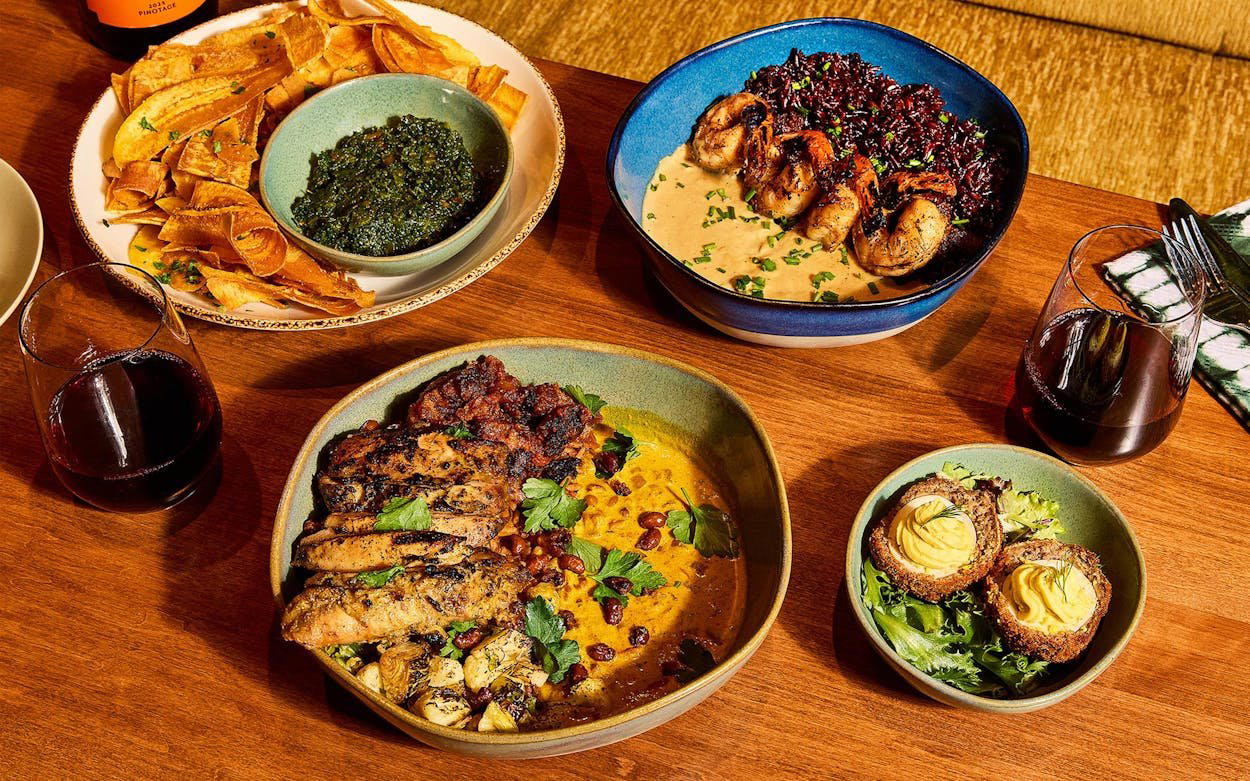
Restaurants in Houston
Browse all →
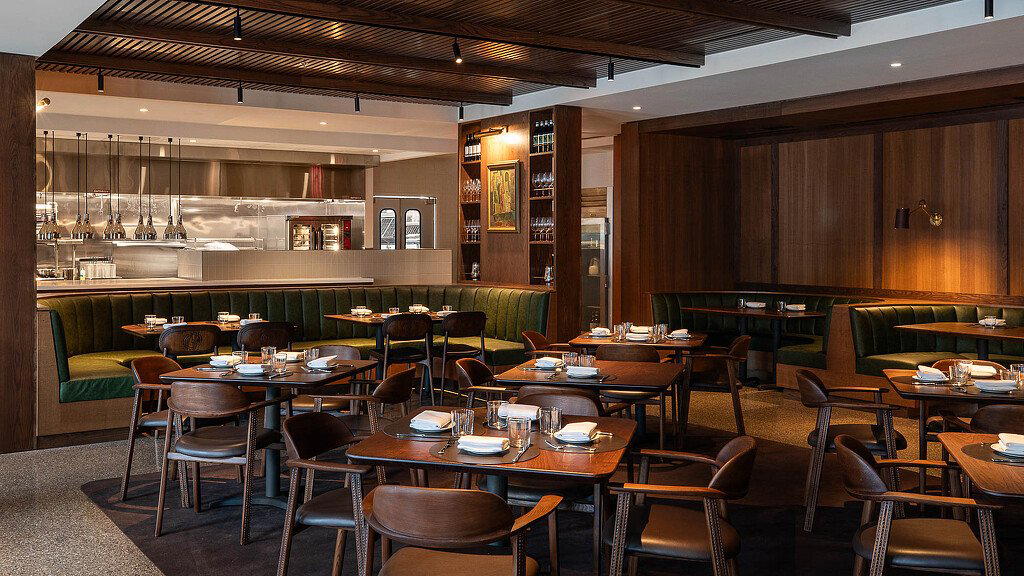
Bars in Houston
Browse all →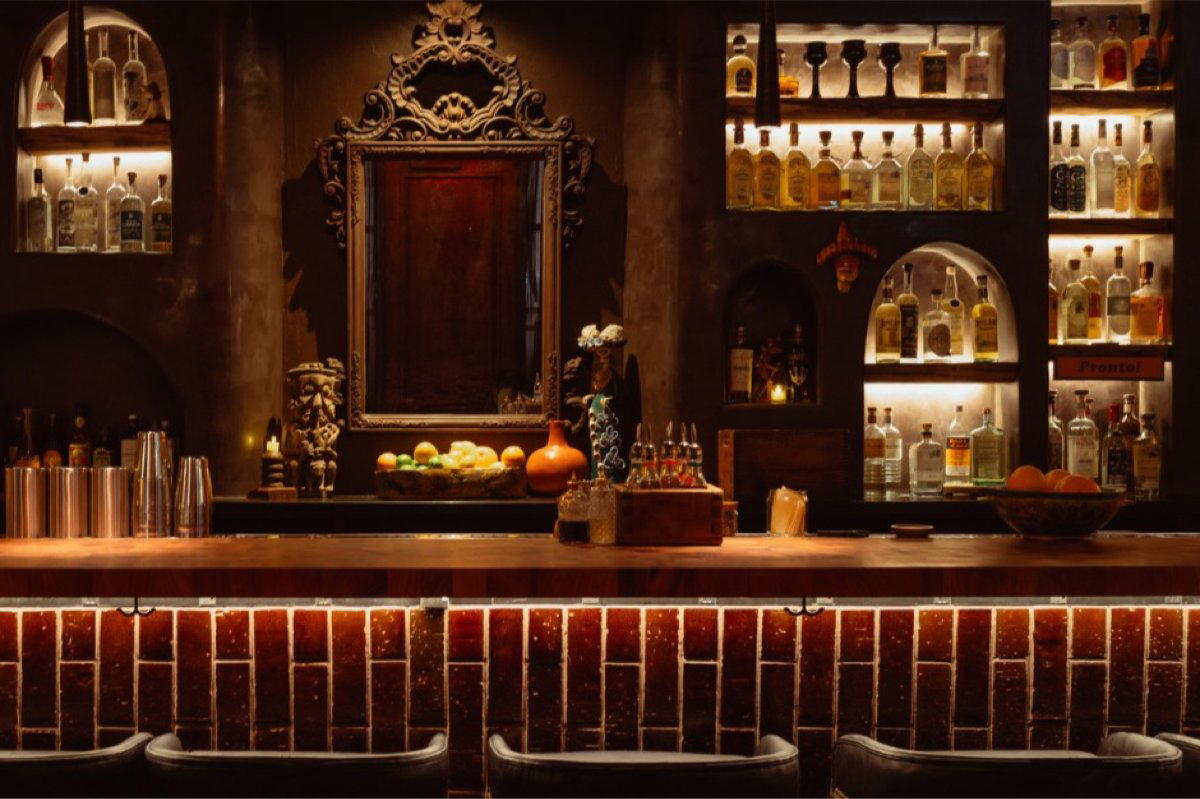
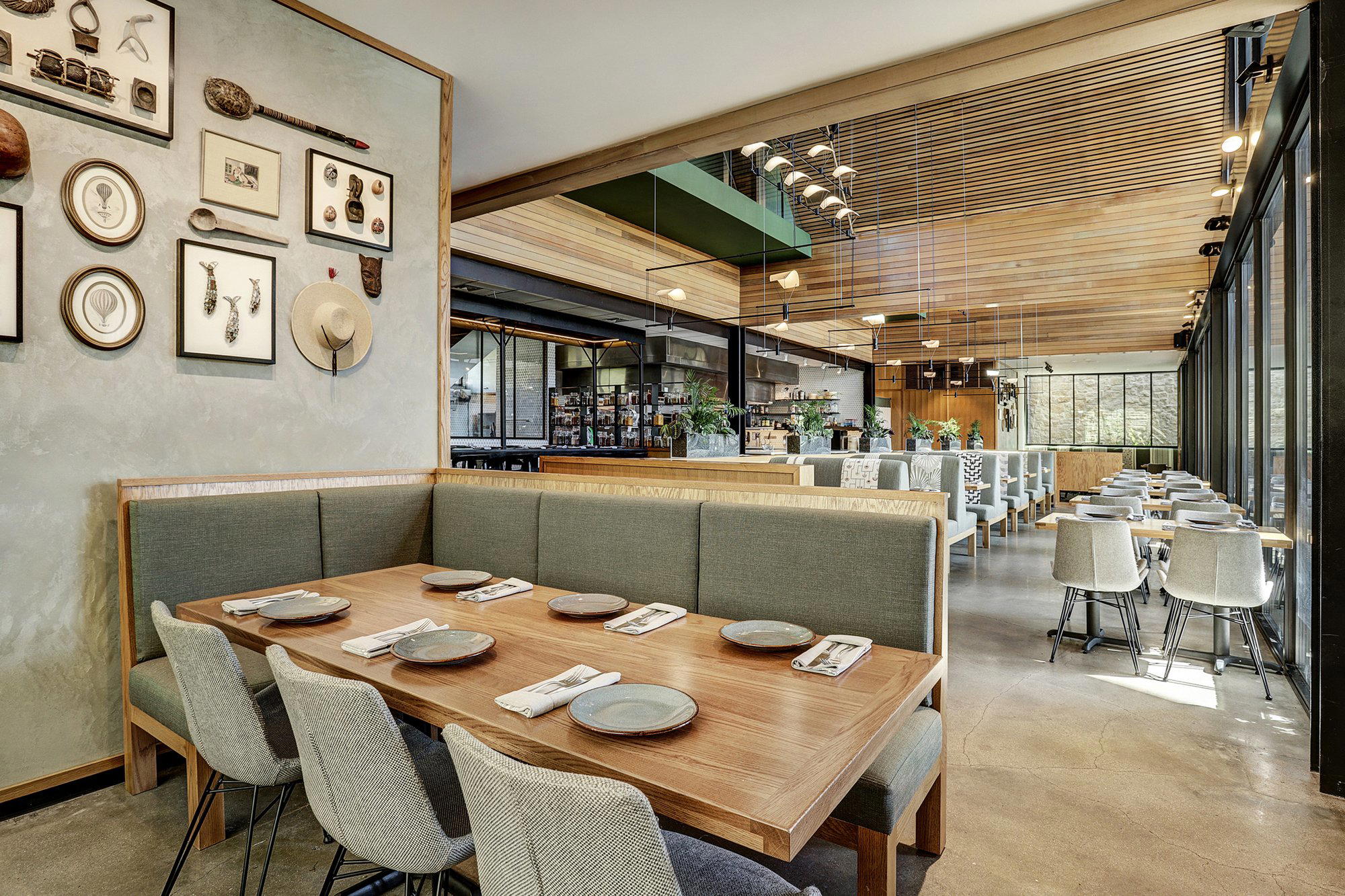
Hotels in Houston
Browse all →


At a Glance
- Elegant
- Sophisticated
- Modern
- Date Night
- Group Dining
- Celebration
- Private Dining
- Extensive Wine List
Current opening hours
- Monday
- 11 AM–10 PM
- Tuesday
- 11 AM–10 PM
- Wednesday
- 11 AM–10 PM
- Thursday
- 11 AM–10 PM
- Friday
- 11 AM–11 PM
- Saturday
- 11 AM–11 PM
- Sunday
- 11 AM–9 PM
Hours can change for holidays and private events. Last verified .
Floral wallpapered ceilings, huge fabric lanterns, and elegant interiors inspired by traditional Chinese elements create a sophisticated, Parisian-inspired atmosphere.
Know Before You Go
- Getting there
- 1958 W Gray St Suite 102, Houston, TX 77019