Main Dining BIACYA Restaurant

Relais Chateaux Award
Our verdict
Main Dining BIACYA Restaurant brings Hakodate’s northern setting into a French-Japanese register, with Chef Norifumi Indo’s training acting as the technical bridge rather than the headline. The room’s Murano crystal chandeliers signal formality, while the kitchen’s regional focus, including Ezo venison from Tokachi, places it within Hokkaido’s produce-led dining culture.

Pearl is the En Primeur Club membership app — saves, bookings, and concierge access live there. Same editors, same standards.
- Address
- 17-3 Funami-cho, Hakodate
- Phone
- +81138 83 1348
- Website
- tablecheck.com
- Directions
- Get directions
- Booking
- Book on TableCheck
The menu
What to order
- Nuit Blanche tasting menu
- Ezo venison in puff pastry à la Maria Callas
- Matsukawa flounder & snow crab en croûte
Main Dining BIACYA Restaurant is best approached as a formal Hakodate Shi dining room rather than a casual stop between sightseeing. In a city where many travellers arrive with seafood markets, port views, and Hokkaido produce in mind, the restaurant’s appeal lies in a more composed version of place. The room asks diners to slow down and consider how a regional meal can feel ceremonial without losing its local anchor.
Main Dining BIACYA Restaurant works in that register through a chef-led interpretation of its stated cuisine, “Expression of the terroir.” That phrase can sound abstract in weaker hands, so the useful reading here is simpler: the restaurant should be judged by how clearly it makes Hakodate Shi and Hokkaido feel present at the table, rather than by imported luxury language or comparison with larger Japanese dining capitals.
Terroir-led technique, with Hokkaido doing the anchoring
Hakodate Shi is often read through seafood, markets, salted air, and views across the city. Fine dining here has to acknowledge that regional identity without reducing the area to a short list of familiar ingredients. BIACYA’s more interesting position is its wider Hokkaido lens: the meal is presented as an expression of terroir, giving the kitchen room to interpret locality through a composed dining format.
Chef Norifumi Indo gives the restaurant its clearest point of authorship. Rather than treating the chef’s name as decoration, the more useful way to read the restaurant is through discipline and intent: a kitchen associated with a named chef, working within a formal restaurant setting, and aiming to translate place into a structured meal. The result is less about quick regional shorthand and more about how Hakodate Shi can be framed for a slower dinner.
The question is whether the format clarifies the region or merely dresses it up. The answer depends on how much a diner values translated terroir: ingredients and ideas moved through technique, not presented as a direct rustic statement. BIACYA’s official positioning is a useful signal, suggesting a restaurant less interested in anonymous luxury than in a sense of place shaped by Hokkaido context.
A formal room in a city better known for markets and night views
Hakodate Shi’s dining identity has a split personality. Daytime visitors often look for casual local meals, market counters, and easy regional comfort; evening travellers may want restaurants that make sense of the city’s port history and Hokkaido setting with more polish. A main dining room belongs to the second category. It asks for slower pacing and a willingness to read the meal as regional argument, not just a sequence of dishes.
That matters because Hakodate Shi is not defined by the same density of luxury dining as larger Japanese cities. A restaurant of this type carries more local weight, giving travellers a way to eat Hokkaido through composed cuisine rather than abundance alone. The distinction is not formality for its own sake, but translation: a structured meal can frame regional products and ideas with precision while still leaving room for restraint.
For Hakodate Shi itineraries, the restaurant works better as the city’s formal dinner than an incidental stop between sightseeing. Pair it with the broader city dining map in our full Hakodate Shi restaurants guide, and treat drinking separately through our full Hakodate Shi bars guide. For evening planning, consider other dining in Hakodate Shi generically rather than treating this as a quick add-on. Travellers turning the meal into a longer stay can cross-check our full Hakodate Shi hotels guide, while regional planning sits in our full Hakodate Shi experiences guide and our full Hakodate Shi wineries guide.
Where the chef's background becomes useful, not decorative
Chef biographies can distract when restaurants trade too heavily on personal mythology. Here, the useful reading is professional: Chef Norifumi Indo is the named figure associated with Main Dining BIACYA Restaurant, and the restaurant’s stated cuisine gives diners a practical lens for the meal. The chef’s role matters because it gives the restaurant a clear authorial centre without requiring unsupported claims about every influence on the plate.
That is why BIACYA is better understood as part of Japan’s broader regional fine-dining conversation than as a simple formal dining room. Across the country, serious kitchens often look beyond imported prestige markers toward local products interpreted through careful technique. In Hokkaido, that shift has force because the island’s pantry and climate are unusually legible to travellers, even when a restaurant chooses a composed rather than casual format.
The decision point is simple. Diners looking for the speed and informality of Hakodate Shi’s market culture will find a different rhythm here. Diners interested in how a Hokkaido sense of place can be shaped into a formal dinner will understand the appeal. In a city where many meals are built around immediacy, this is the composed counterpoint.
For wider Japan planning, EP Club’s restaurant archive can help compare formats rather than make direct peer claims: other regional dining rooms, casual counters, city restaurants, and terroir-led kitchens can all be useful reference points. The important comparison is not a list of unrelated names, but the kind of meal a traveller wants: immediate and informal, or slower, chef-led, and built around an expressed sense of place.
Frequently asked questions
Is Main Dining BIACYA Restaurant good for families?
It suits families with older children better than casual drop-in dining. The setting is formal, and Chef Norifumi Indo’s chef-led approach signals a dinner built around the table rather than a relaxed family outing.
What is the atmosphere like at Main Dining BIACYA Restaurant?
Expect a polished, formal dining room with a menu shaped around the restaurant’s stated “Expression of the terroir” cuisine. In Hakodate Shi, that places it closer to a destination dining room than a casual market-side meal.
What awards or recognition does Main Dining BIACYA Restaurant have?
Main Dining BIACYA Restaurant is listed by Relais & Châteaux, with Chef Norifumi Indo associated with the restaurant and its cuisine described as “Expression of the terroir.”
What type of food is Main Dining BIACYA Restaurant known for?
Main Dining BIACYA Restaurant serves Expression of the terroir cuisine.
Where exactly is Main Dining BIACYA Restaurant?
Hakodate Shi.
Which chef is Main Dining BIACYA Restaurant associated with?
The chef associated with Main Dining BIACYA Restaurant is Chef Norifumi Indo.
How far ahead should I plan for Main Dining BIACYA Restaurant?
Plan ahead if dinner in Hakodate Shi is fixed into the itinerary, especially because this is a formal, chef-led restaurant rather than a casual walk-in stop. Advance planning is sensible even without a specific booking window listed.
Comparable venues nearby, for context on price, style, and recognition.
| Venue | Cuisine | Price | Awards | Notes |
|---|---|---|---|---|
| Main Dining BIACYA RestaurantThis venue — the venue you are viewing | Seasonal French fine dining in a historic consulate overlooking Hakodate Bay | $150–200 | Relais Chateaux Award | Not listed |
| Bar Hakodadi | Hotel bar with light bites | Not listed | Relais Chateaux Award | Not listed |
| Restaurant N | Seasonal French Fine Dining | Not listed | Not listed | Hommachi |
| 塞尚 | Modern French Fine Dining | $300–500 | World's 50 Best #16 · La Liste Top Restaurants | Marunouchi |
| レストランエンヌRestaurantN | French Bistro with Japanese Ingredients | $100–150 | Not listed | near Kanazawa Station |
| Michel Bras TOYA Japon | Modern French Fine Dining with Japanese Influences | Not listed | Not listed | Toyako |
Recognition history
Dated appearances from independent guides and award organizations, with the underlying list record or original source where available.
Relais Chateaux Award
Relais Chateaux
Continue exploring
More in Hakodate Shi
Restaurants in Hakodate Shi
Browse all →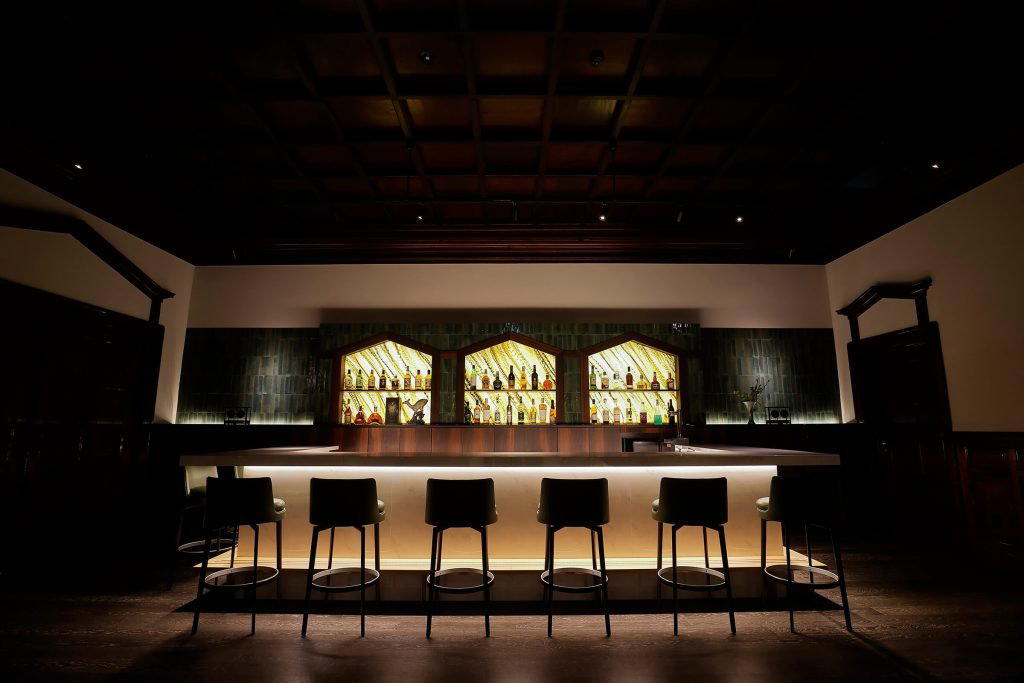
Hotels in Hakodate Shi
Browse all →
Details
- Elegant
- Scenic
- Classic
- Romantic
- Sophisticated
- Date Night
- Business Dinner
- Celebration
- Special Occasion
- Private Event
- Waterfront
- Panoramic View
- Historic Building
- Design Destination
- Hotel Restaurant
- Extensive Wine List
- Local Sourcing
- Waterfront
- Tasting Menu
- Set Menu
- Wine
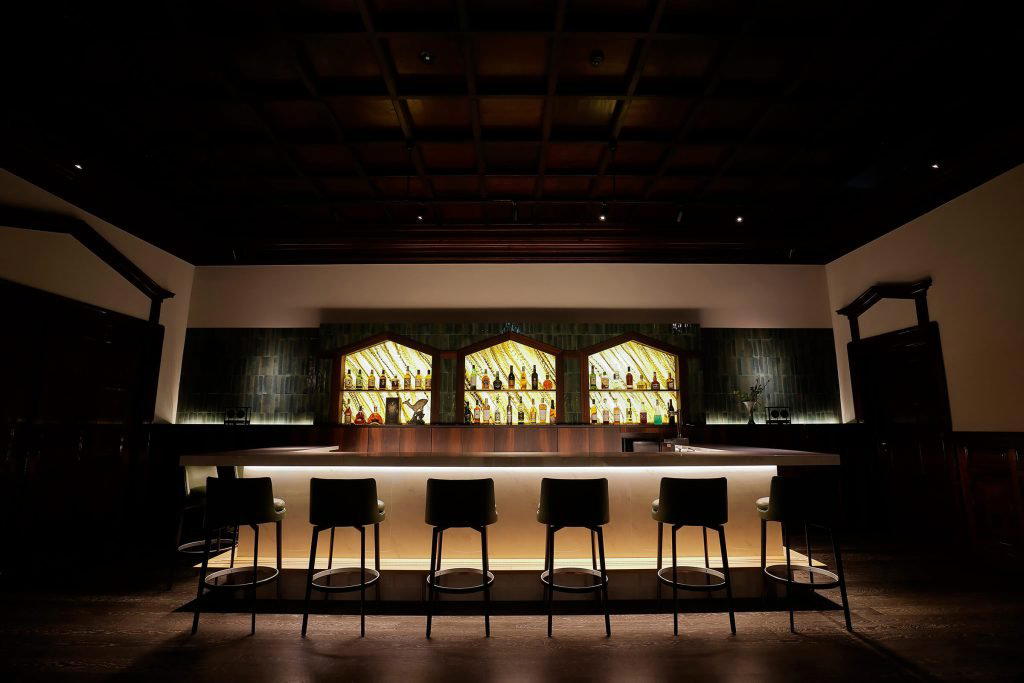
An elegant, quiet fine‑dining room in a historic red‑brick consulate building, with refined service, soft lighting, and large windows framing changing seascape views over Hakodate Bay at dusk.