
Relais Chateaux Award
Our verdict
Bar Hakodadi sits within the Hotel Biaclyn Hakodate orbit, where Hokkaido sourcing is the point rather than a garnish. Its inclusion in the 2026 Relais & Châteaux restaurant collection places it in the city’s small luxury-hospitality tier, closer to terroir-led hotel dining than casual bar hopping.

Pearl is the En Primeur Club membership app, where members save venues, book tables and use the concierge.
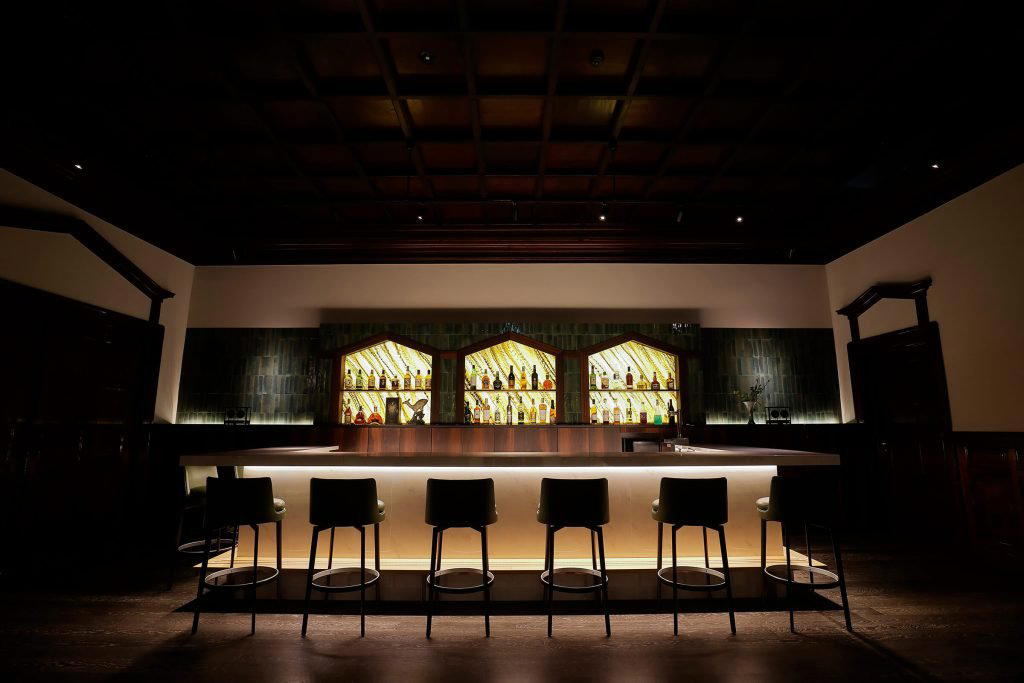
Hakodate Shi is not only a city of quick meals and convenient stops. The area can also support a quieter hotel-dining mood, where the pace suits a drink program built around hospitality rather than volume. In that setting, Bar Hakodadi reads less as a standalone night out than as part of Hakodate’s higher-end hospitality conversation: a small-city bar connected to a property with recognized restaurant credentials.
Hakodate has an advantage that many larger dining cities have to work harder to create. The city offers a compact field of dining choices, from casual rooms to more polished hotel settings, so the contrast between formats is clear. The more serious local rooms tend to frame luxury through restraint: fewer theatrical signals, more attention to the setting, service rhythm, and overall sense of place. That is the useful lens here.
Hakodate luxury is increasingly about provenance, not spectacle
Japan’s northern hospitality scene often rewards regional specificity over generic luxury cues. In Hakodate Shi, that means a venue can feel more convincing when it belongs to the city’s own hospitality pattern rather than borrowing a big-city template. A bar in this category has to do more than pour well. It has to make sense beside the restaurant program and the property’s reading of place.
Bar Hakodadi’s clearest credential is its inclusion in the 2026 Relais & Châteaux restaurant collection. That matters because Relais & Châteaux tends to recognize properties where dining is treated as part of the stay, not an amenity bolted onto rooms. In Hakodate Shi, that puts the bar in a narrower competitive set than the city’s casual counters, simple dining rooms, and neighborhood drinking rooms.
The comparison within the same property is useful. Main Dining BIACYA Restaurant (Expression of the terroir) states the terroir argument openly; the bar sits adjacent to that idea, where drinks and light dining can carry the same regional logic in a looser format. For the broader city context, Our full Hakodate Shi restaurants guide, Our full Hakodate Shi bars guide, and Our full Hakodate Shi hotels guide show how small the premium tier is compared with larger Japanese dining markets.
The bar fits a quieter Hokkaido hotel-dining pattern
Hakodate’s dining identity is often simplified into casual shorthand, but that misses the higher-value pattern: restaurants and hotel bars using a controlled setting without turning every plate or glass into tourism theater. The stronger approach is editorially simple. Let the place do the heavy lifting, keep the format composed, and avoid importing a big-city template that would feel detached from the city.
That is why the property relationship matters more than a long list of named dishes would. A bar connected to a recognized restaurant program can act as a lower-commitment expression of the same hospitality philosophy. It suits travelers who want the hotel’s culinary point of view without committing every evening to a formal dining room. It also suits Hakodate Shi itself, where the pleasure is often in smaller transitions: arrival to lobby, drink to dinner, dinner to a final glass.
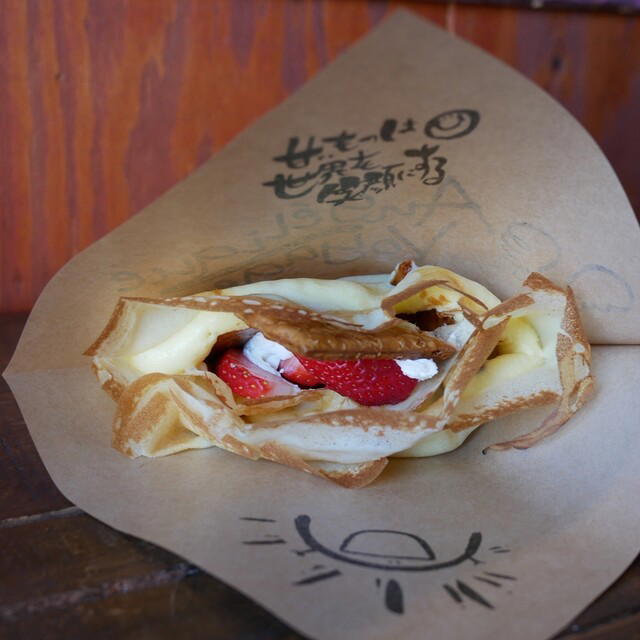
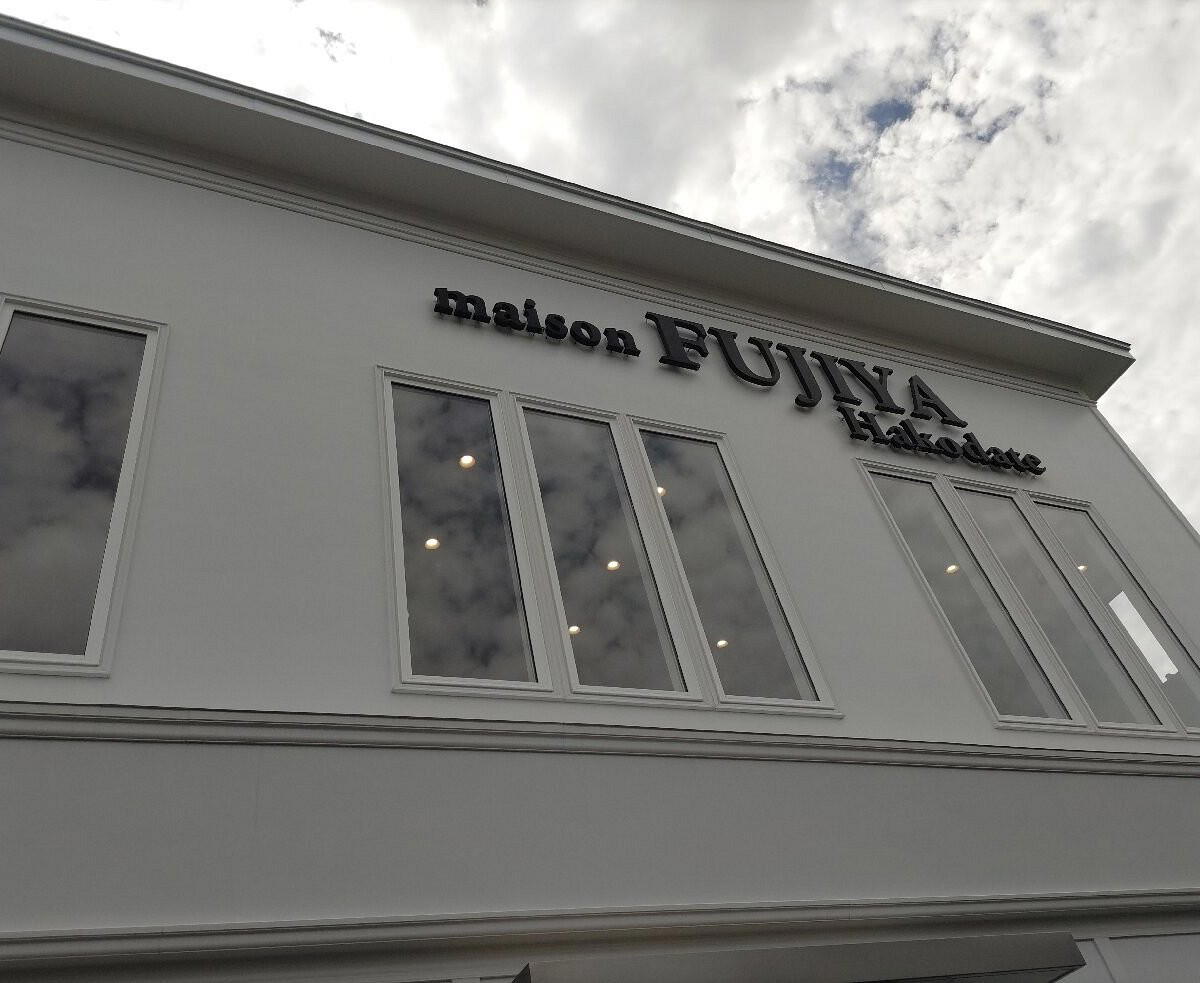
Among comparison venues, the spread is wide. Sushi Dokoro Minami signals a different polished dining bracket, Angelique Voyage Honten and Ganso Indian Curry Koike sit in more accessible casual lanes, and maison FUJIYA Hakodate occupies a separate dining register. Bar Hakodadi belongs to neither the quick-stop nor destination-counter category. Its role is closer to the polished hotel bar: a controlled environment, tied to a property, with recognized hospitality credibility doing more work than nightlife energy.
Readers mapping Japan more broadly can see the contrast in other formats: some dining rooms are built around a single signature idea, others point toward a tighter ingredient focus, and others sit in a focused casual lane. Hakodate’s hotel-bar category is quieter, and that restraint is the point.
Who should make room for it
This is a sensible choice for travelers treating Hakodate Shi as a food city rather than a scenic stopover. The case is strongest for guests already oriented toward the property’s dining program, or for readers who prefer a bar whose credibility comes from hospitality structure and recognized restaurant context rather than a loud cocktail identity. It is less compelling for anyone seeking a late-night crawl, a bargain meal, or a chef-driven counter with a heavily documented menu.
The useful move is to think of the bar as part of a Hakodate itinerary built around provenance. Pair it with the city’s dining guide rather than only its nightlife guide, then decide how formal the evening should be. Our full Hakodate Shi experiences guide helps frame the city beyond restaurants, while Our full Hakodate Shi wineries guide covers the drinks-adjacent side of the region.
For readers comparing formats across Japan and beyond, the contrast is instructive. Many venues in other cities announce themselves through more explicit genre signals, from single-dish formats to specialist counters and casual quick-service concepts. Bar Hakodadi is subtler: its value lies in how it extends a Hokkaido hotel’s hospitality argument into the glass and the evening rhythm.
Frequently asked questions
Is Bar Hakodadi a family-friendly restaurant?
Bar Hakodadi is in Hakodate Shi, and it reads as a polished bar rather than a dedicated family dining room. Families should confirm suitability directly before planning around it.
Is Bar Hakodadi formal or casual?
The Relais & Châteaux Restaurants listing for 2026 gives it a more polished frame than a typical casual bar. As a bar in Hakodate Shi, it should be treated as smart and composed rather than relaxed pub territory.
Where is Bar Hakodadi located?
Hakodate Shi.
What's the best way to book Bar Hakodadi?
The practical move is to book or confirm directly through the venue or its associated property before arrival. For a bar in Hakodate Shi, advance confirmation is the cleaner approach than assuming walk-in availability.
What makes Bar Hakodadi worth seeking out?
Its main credential is placement in the 2026 Relais & Châteaux restaurant collection, which puts it in a select hotel-dining circle. Its Hakodate Shi setting also places it in a city that serious food travelers use as more than a stopover.
Can Bar Hakodadi handle vegetarian requests?
Vegetarian handling depends on the bar's kitchen setup on the day, so the practical step is to ask in advance. Mention Hakodate Shi and your dietary needs before arrival.
At-a-Glance Comparison
Comparable venues by cuisine and price in the same metro.
| Venue | Cuisine | Price | Awards | Notes |
|---|---|---|---|---|
| Bar HakodadiThis venue (the venue you are viewing) | Hotel bar with light bites | Not listed | Relais Chateaux Award | Not listed |
| Main Dining BIACYA Restaurant | Seasonal French fine dining in a historic consulate overlooking Hakodate Bay | $150–200 | Relais Chateaux Award | Funamicho |
| Mikkeller Kanda | Craft Beer Bar with Smash Burgers | $20–30 | Not listed | Kanda |
| Manneken | Belgian Waffles | Not listed | Not listed | Fukuyama Station |
| Hau Tree Gelato | Ishigaki Island Fruit Gelato | Not listed | Not listed | Okawa |
| St. Anton (レストラン サンアントン) | Grill Cuisine | Not listed | Not listed | Myoko City |
Recognition history
Dated appearances from independent guides and award organizations, with the underlying list record or original source where available.
Relais Chateaux Award
Relais Chateaux
Continue exploring
More in Hakodate
Restaurants in Hakodate
All restaurants in Hakodate →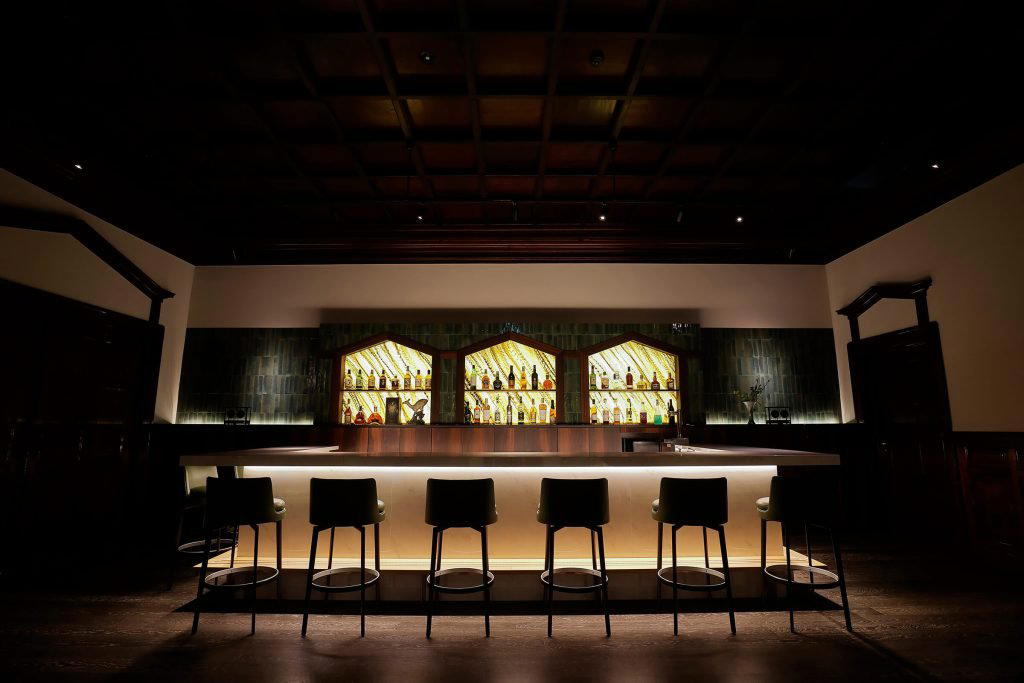
Hotels in Hakodate
All hotels in Hakodate →
Details
- Classic
- Cozy
- Intimate
- After Work
- Date Night
- Casual Hangout
- Late Night
- Solo
- Hotel Restaurant
- Standalone
- Craft Cocktails
- Beer Program
- A La Carte
- Small Plates
- Counter Dining
- Cocktails
- Spirits
- Beer
Described as an authentic bar space beneath a high, heavy coffered ceiling, combining stylish design with a warm, historical ambiance and a relaxed, cozy feel.