Magnagallo
.png)
A Bib Gourmand recipient in 2024 and 2025, Magnagallo in Campogalliano delivers straightforward Emilian cooking at prices that undercut almost every comparable kitchen in the Modena province. Tortellini in capon broth and Emilian fritto misto anchor a menu rooted in the tradizioni of the Po Valley, with Lambrusco Reggiano as the natural pairing. Google reviewers rate it 4.3 across more than 1,600 opinions.
Pearl is the En Primeur Club membership app — saves, bookings, and concierge access live there. Same editors, same standards.
- Address
- Via Magnagallo Est, 7, 41011 Campogalliano MO, Italy
- Phone
- +39 059 528751
- Website
- magnagallo-hotel.com
 Saves & bookings on Pearl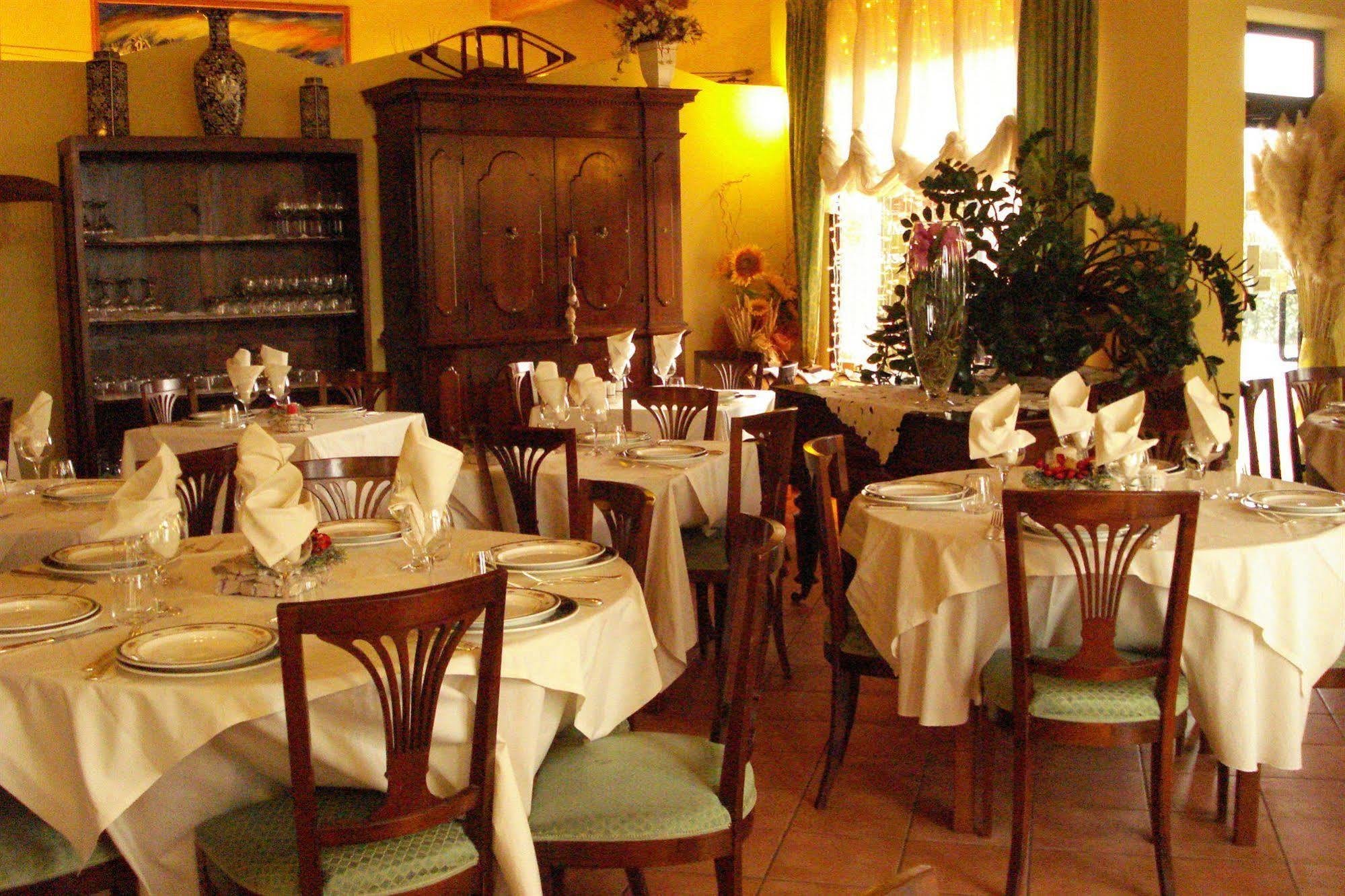
The Room Before the Plate
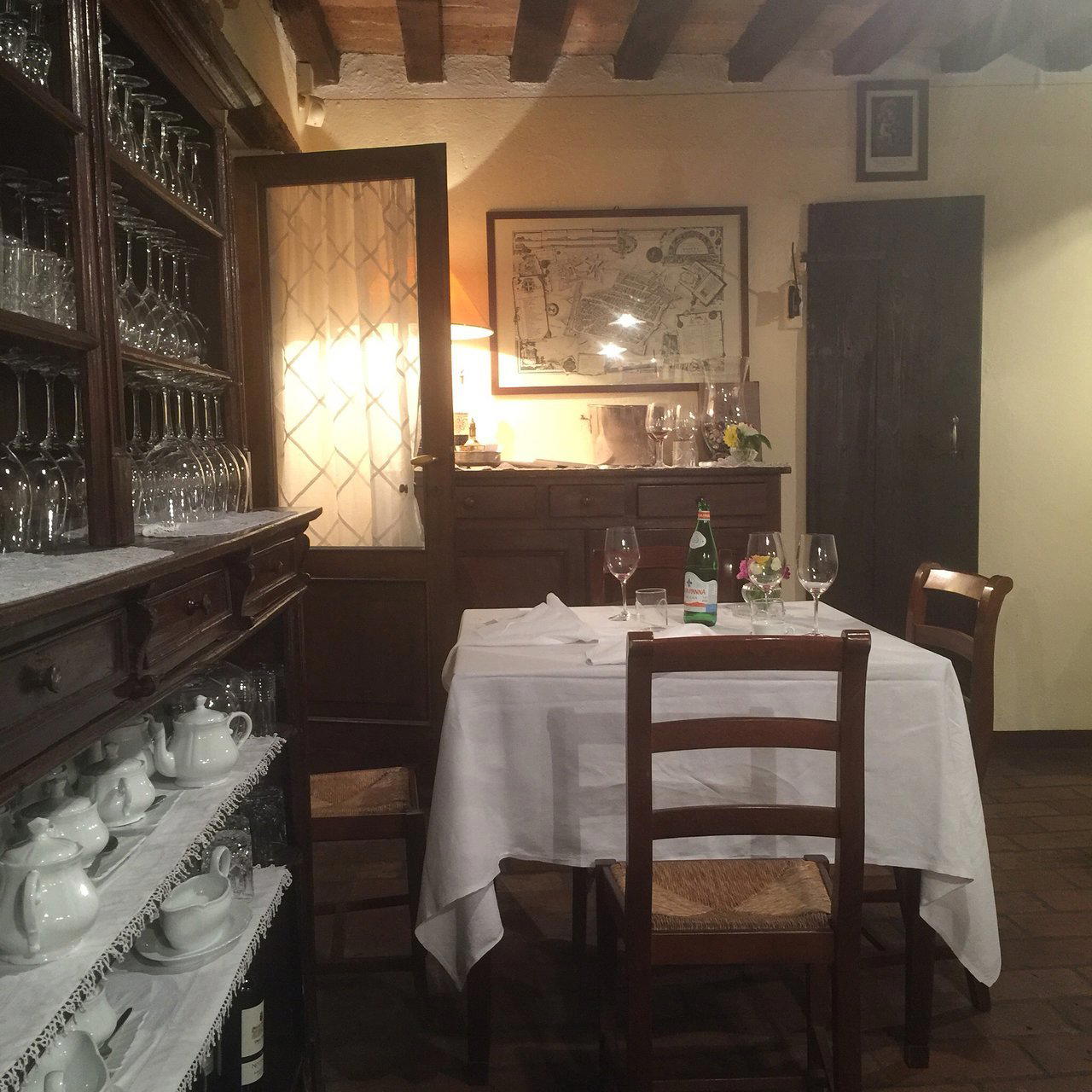
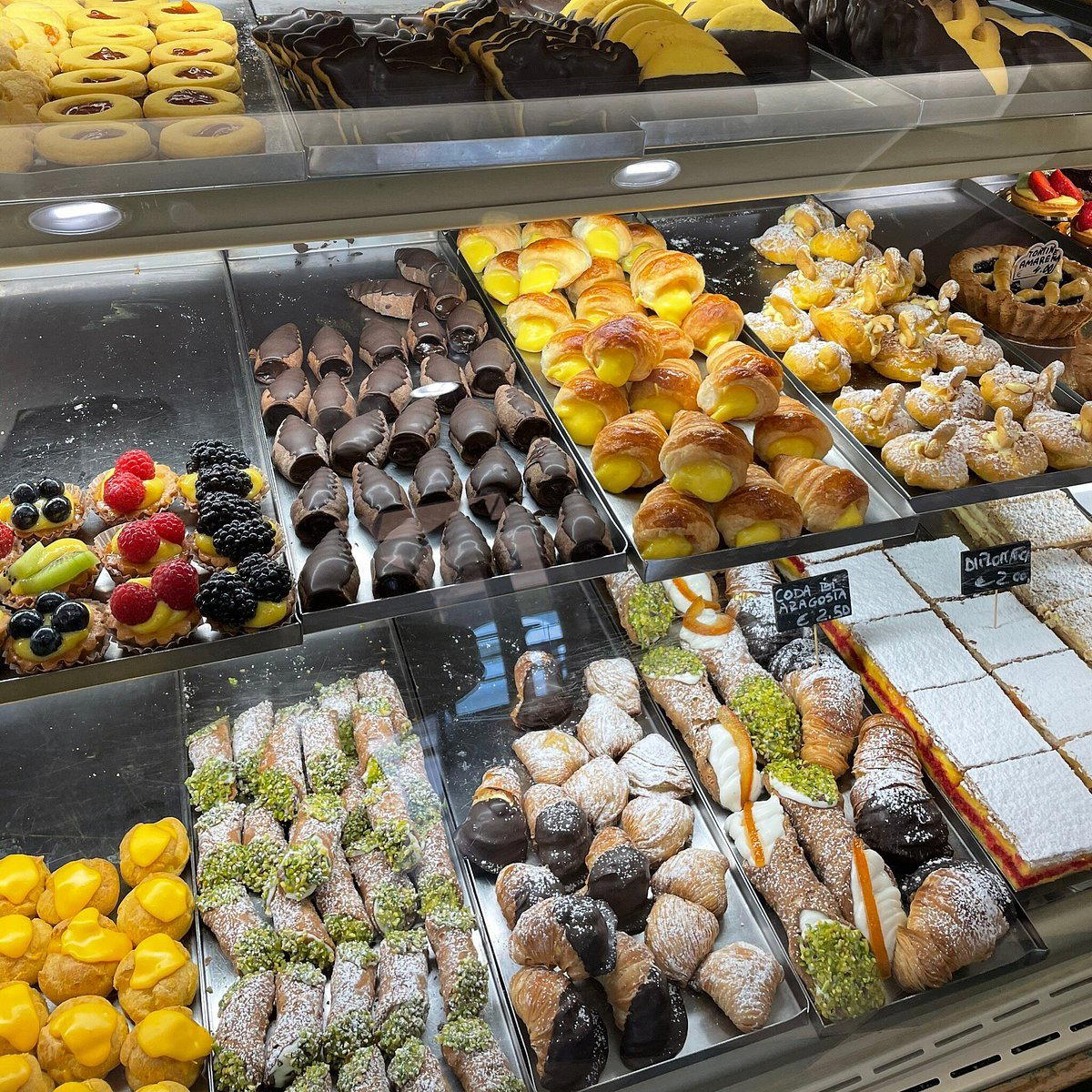
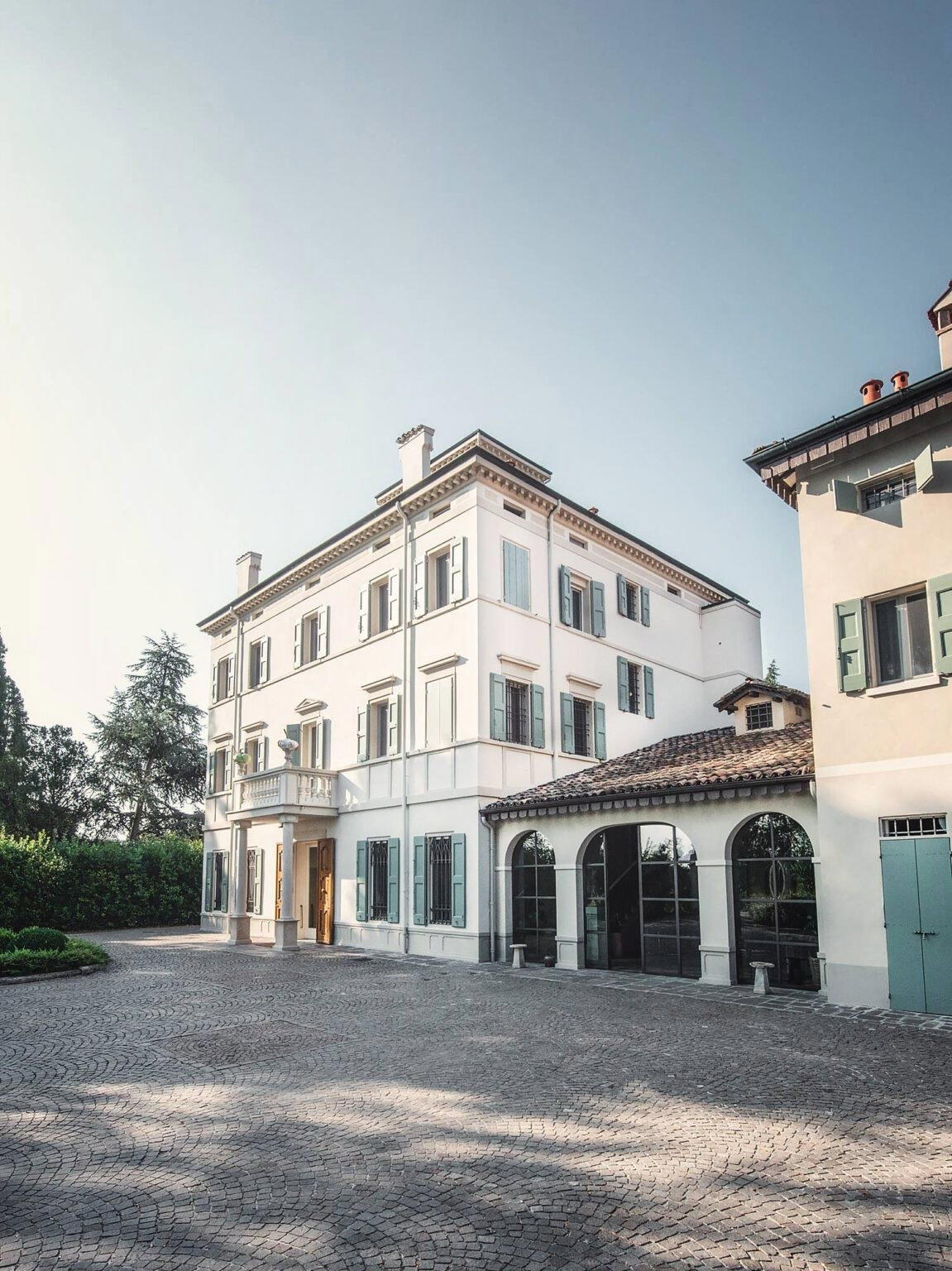
In the Modena plain, where the autostrada flattens everything into industrial geometry, certain dining rooms announce their intentions through décor before a single dish arrives. Magnagallo, on Via Magnagallo Est in Campogalliano, is decorated in what the Michelin inspectors describe as typical local style: the kind of interior that signals Emilian conservatism as a positive value rather than a failure of imagination. Cakes are displayed at the entrance, a tradition that inverts the usual restaurant grammar by leading with dessert and daring the guest to resist before they have even found their seat.
That small gesture matters in context. The Modena province sits in the gravitational field of Osteria Francescana, whose progressive Italian cooking has defined international expectations of the region for two decades. What Magnagallo represents is a different lineage entirely: the trattoria tradition that predates and outlasts any single famous kitchen, and that Michelin's Bib Gourmand category exists specifically to recognise.
Emilian Cooking at Its Most Unmediated
Magnagallo is recognized for good food at moderate prices. In Emilia-Romagna, that benchmark carries specific weight. The region produces some of Italy's most labour-intensive dishes: handmade pasta, long-simmered broths, and preparations that require either a trained brigade or a domestic kitchen operating at full capacity. At about $40 per person, it suggests a kitchen that has found efficiency without compression of quality.
The anchor dishes here belong to the Po Valley canon. Tortellini in capon broth is the primary test of any Emilian kitchen: the pasta must be thin enough to allow the broth to register, the filling balanced, and the broth itself clear and deep rather than muddy. Emilian-style fritto misto occupies a different register, its variety depending on the season and the kitchen's preferences, but its logic is the same as the tortellini: restraint in technique, confidence in ingredient selection.
Chef Kenneth Wan leads the kitchen. That a non-Italian name appears here is worth noting as context rather than curiosity: the Modena area has a long history of absorbing outside influences into its food culture, and consecutive Bib Gourmand recognition across two guide years suggests that the kitchen's interpretation of Emilian technique passes the scrutiny of inspectors specifically trained to distinguish authentic regional cooking from approximation.
Lambrusco as Cultural Argument
No discussion of a traditional Modenese table is complete without addressing Lambrusco, and at Magnagallo the pairing is taken seriously. Lambrusco Reggiano, the subtype the Michelin notes single out, is a lighter, fresher expression within the Lambrusco family, characterised by its low alcohol, high acidity, and vivid colour. It functions as a digestive counterweight to the richness of tortellini and the fat content of fritto misto in a way that Sangiovese or Barbera cannot replicate.
This matters because Lambrusco has historically suffered from a reputation problem outside Italy, associated with the semi-sweet export versions that dominated northern European and American markets in the 1980s. Contemporary Reggiano production, including small cooperative and estate bottlings from the plains around Campogalliano and Reggio Emilia, has largely corrected that impression. Choosing a fresh Reggiano as the house pairing at a Bib Gourmand trattoria is a position, not an accident.
Where Magnagallo Sits in the Regional Picture
Italian fine dining has a widely documented upper tier: Dal Pescatore in Runate, Enoteca Pinchiorri in Florence, Enrico Bartolini in Milan, Le Calandre in Rubano, and Piazza Duomo in Alba all operate at price points and ambition levels that are structurally different from what a single-euro Bib Gourmand offers. They belong to a category where the kitchen is the destination and the meal is measured in hours. Magnagallo belongs to a different and arguably older category: the neighbourhood restaurant where the cooking is the reason to go, not the occasion.
Closer regional comparators include Arnaldo - Clinica Gastronomica in Rubiera and Osteria del Viandante in Rubiera, both Emilian in orientation and operating in the same provincial tradition. The distinction between these kitchens and the upper tier is not quality in any simple sense but format, ambition, and the kind of eating each is designed to support.
A broader map of Italian cooking in the peninsula's formal register also includes Atelier Moessmer Norbert Niederkofler in Brunico, Uliassi in Senigallia, Quattro Passi in Marina del Cantone, Reale in Castel di Sangro, and Casa Perbellini 12 Apostoli in Verona. Magnagallo does not compete with any of them. It occupies its own clear position.
Planning a Visit
Campogalliano is a small municipality roughly 10 kilometres north-west of Modena, accessible by car from the A22 autostrada. Given the price tier and a Google rating of 4.3 drawn from 1,737 reviews, arriving early or booking in advance is advisable. Dress code is casual.
Side-by-Side Snapshot
Comparable venues nearby, for context on price, style, and recognition.
| Venue | Cuisine | Price | Awards | Notes |
|---|---|---|---|---|
| MagnagalloThis venue — the venue you are viewing | Traditional Emilian | $$ | Bib Gourmand | |
| L'800 | Traditional Emilian | $$ | Bib Gourmand | Argelato |
| Antica Trattoria La Toppa | Traditional Tuscan Trattoria | $$ | Bib Gourmand | San Donato in Poggio |
| Dell'Alba | Traditional Piedmontese Osteria | $$ | Bib Gourmand | Historic Center |
| Romani | Traditional Emilian Trattoria | $$ | Bib Gourmand | Vicomero di Torrile |
| Da Alighiero | Traditional Tuscan Trattoria | $$ | Bib Gourmand | Anghiari |
Continue exploring
More in Campogalliano
Restaurants in Campogalliano
Browse all →
Bars in Campogalliano
Browse all →
Hotels in Campogalliano
Browse all →
At a Glance
- Rustic
- Classic
- Cozy
- Family
- Group Dining
- Business Dinner
- Garden
- Open Kitchen
- Extensive Wine List
- Local Sourcing
- Garden
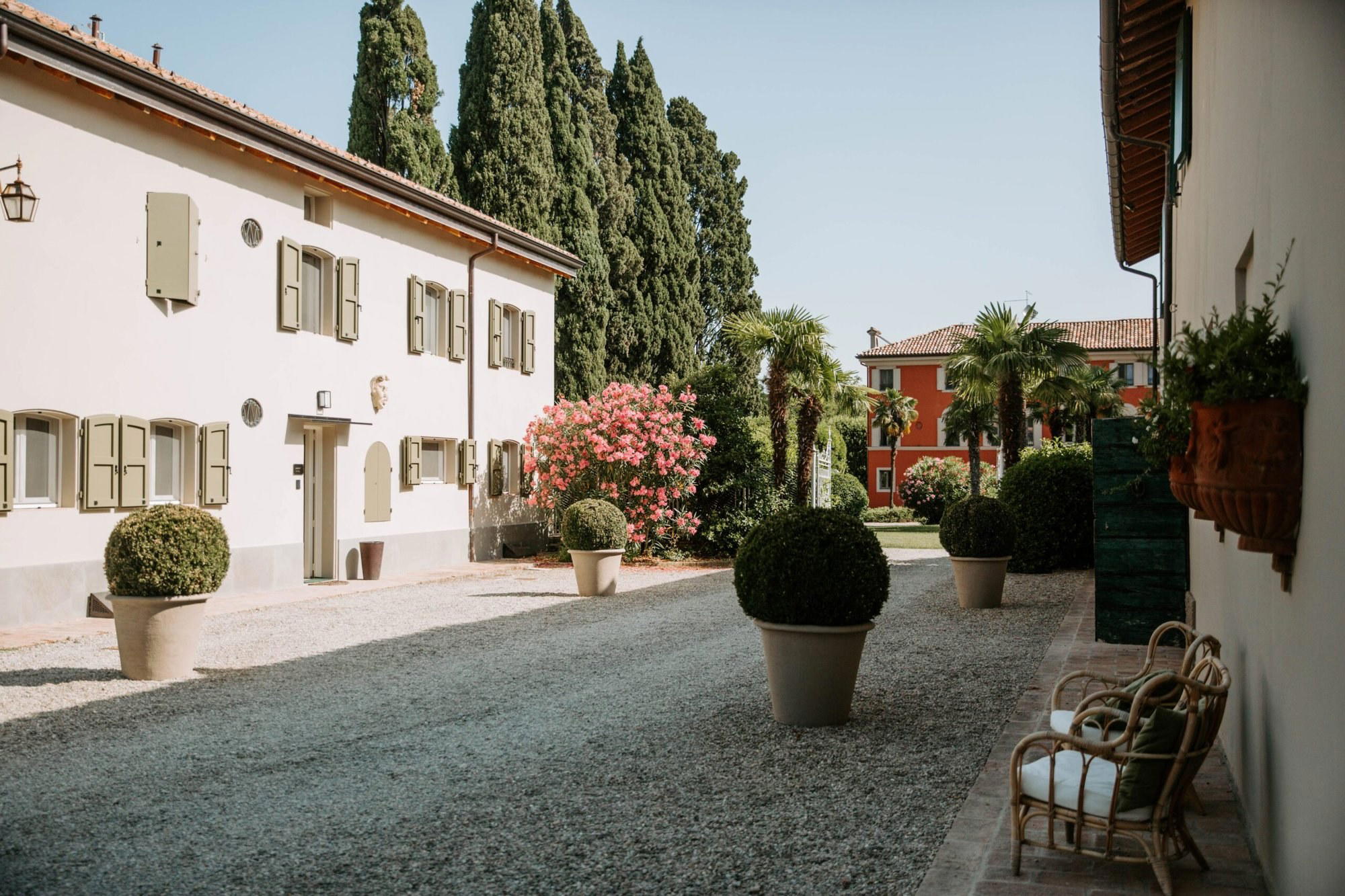
Decorated in typical local style with wooden ceilings, fine furniture, and a homely atmosphere overlooking the surrounding park; described as cozy yet sometimes crowded and noisy.