
Michelin Plate
Our verdict
A two-time Michelin Plate recipient (2024 and 2025), Mỳ Quảng Cô Sáu serves one of Da Nang's most recognised bowls of mỳ quảng from a simple streetside address on Trần Hưng Đạo. Priced at the single-₫ tier, it sits at the intersection of everyday Central Vietnamese cooking and Michelin-acknowledged consistency — a combination that has earned it,100 reviews.

Pearl is the En Primeur Club membership app — saves, bookings, and concierge access live there. Same editors, same standards.
- Address
- 397 Đ. Trần Hưng Đạo, An Hải Trung, Sơn Trà, Đà Nẵng 550000, Vietnam
- Phone
- +84 963 982 634
- Hours
- Daily 6:30 AM–10 PM
- Website
- facebook.com
- Directions
- Get directions
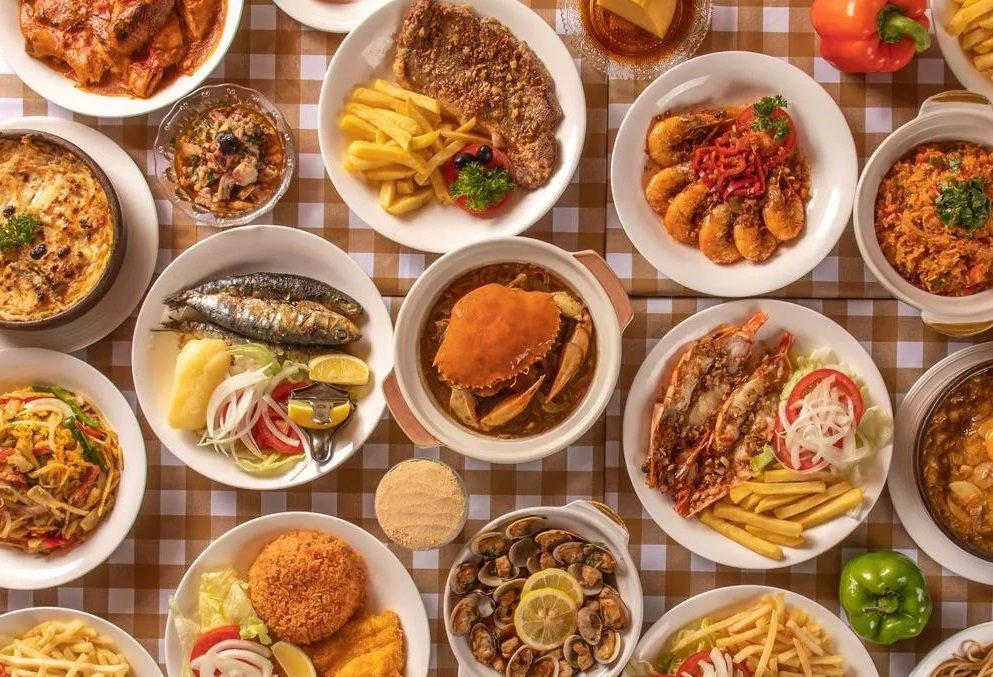
The menu
What to order
- Mỳ Quảng
- Bánh Tráng Cuốn Thịt Heo
- Mỳ Quảng Ếch
- Mỳ Quảng Cá Nục
Da Nang's Street-Level Noodle Tradition, Michelin-Noted
Central Vietnam's noodle culture runs deep, and mỳ quảng sits near its core. Unlike the broth-heavy pho of the north or the spiced bun bo of Hue, mỳ quảng uses only a small pour of turmeric-tinted, pork- or shrimp-based broth — just enough to coat the wide, yellow rice noodles rather than submerge them. The result is denser, more textured, and more reliant on the quality of its garnishes: roasted peanuts, sesame rice crackers, fresh herbs, and banana blossom. It is a dish built on restraint and proportion, and it rewards the kitchens that source and prepare each component with care.
On Trần Hưng Đạo in the Sơn Trà district, Mỳ Quảng Cô Sáu operates inside that tradition without ornamentation. The address — 397 Đ. Trần Hưng Đạo, sits in a residential-commercial stretch that functions as everyday Da Nang rather than tourist-facing dining. Plastic stools, communal tables, and the particular organised rhythm of a busy Vietnamese noodle house define the physical experience here. The Michelin inspector did not find a dining room; they found a kitchen doing its job with consistent discipline, twice over, in 2024 and again in 2025.
What a Michelin Plate Means at This Price Point
The Michelin Plate designation sits below the star tiers but carries a specific editorial weight: it marks restaurants where inspectors found food prepared to a satisfying standard. At the single-₫ price tier, where a bowl typically costs a fraction of what any starred venue charges per course, the designation is relatively rare. It signals that Cô Sáu competes not on price-to-value framing but on cooking quality measured against the dish's own internal logic. Across Da Nang's broader restaurant spectrum, French Contemporary addresses like La Maison 1888 occupy the ₫₫₫₫ ceiling, while Michelin recognition at the ₫ tier, held consecutively for two years, marks a different kind of culinary discipline entirely.
For context on Da Nang's Michelin-recognised casual dining, Bánh Xèo Bà Dưỡng and Bánh Xèo 76 occupy a similar tier in the sizzling rice-crepe category, all three represent Central Vietnamese street cooking held to an externally audited standard.
The Sustainability Argument Hidden in Plain Sight
Much of the global conversation about sustainable restaurant practices centres on high-end kitchens: tasting menus built around foraging, zero-waste tasting formats, supply chains mapped to specific farms. That framing misses where most food sustainability actually operates. In Central Vietnamese noodle culture, the structural logic is already low-waste by design. Mỳ quảng uses cuts and components that larger protein-focused kitchens discard. Pork bone broth, shrimp heads, offal, and secondary cuts have always been the base of the dish's economy. The garnish plate, herbs, blossom, peanuts, cracker, arrives fresh and in portioned quantities, not as excess.
Kitchens like Cô Sáu, operating at single-₫ price points with high daily turnover, run on exactly the kind of supply discipline that sustainability-minded fine dining attempts to engineer from scratch. Ingredients are purchased in quantities calibrated to daily demand; the format does not carry the food-cost inefficiencies of elaborate plating or extended mise en place. The environmental footprint per bowl served is, structurally, very low. That is not a marketing position; it is the operational reality of Vietnamese noodle-house economics, and it is worth naming clearly rather than leaving it invisible while crediting only the kitchens that write sustainability reports.
For travelers interested in how traditional Vietnamese cooking intersects with lower-impact food systems, Da Nang's street-level noodle houses offer a more instructive model than most. Bếp Cuốn and Bếp Hên operate within the same structural logic in the fresh-roll format. Bánh Xèo Tôm Nhảy Cô Ba applies it to seafood-forward sizzling crepes. These are not isolated venues; they reflect a category-wide approach to cooking that wastes little and turns over quickly.
Da Nang's Noodle Scene in Wider Vietnamese Context
Mỳ quảng is, to a meaningful degree, Da Nang's proprietary dish, it exists across Vietnam but carries its full identity in Quảng Nam province and the city that grew from it. Hanoi's representation of Vietnamese cooking runs toward pho, bun cha, and bun bo nam bo; Ho Chi Minh City leans toward broken rice and southern-style noodle soups. In both cities, Michelin's Vietnam guide has flagged restaurants reinterpreting the national food tradition at higher price points: Anan Saigon in Ho Chi Minh City frames Vietnamese cooking through a contemporary lens, and Tầm Vị in Hanoi applies similar ambition to northern flavours. Cô Sáu represents the opposite direction: a hyper-regional dish executed in its native format, recognised not for reinvention but for fidelity.
That distinction matters for how you plan a visit. International Vietnamese restaurants like Berlu in Portland or Camille in Orlando operate with diaspora reinterpretation built into their premise. Cô Sáu does not translate or adapt for an external audience. The bowl you receive here is the bowl that locals order on a Tuesday morning before work. Michelin's consistency in returning to recognise it across two consecutive years is a signal that the inspectors are reading it correctly: this is a kitchen to measure against the dish's own tradition, not against any broader fine-dining reference point.
Planning Your Visit
Mỳ Quảng Cô Sáu sits on Trần Hưng Đạo in the An Hải Trung ward of Sơn Trà district, the eastern bank of the Han River, roughly equidistant from the Dragon Bridge and My Khe Beach. The ₫ price tier means a meal here costs well under 100,000 VND per person by any reasonable estimate; no reservation infrastructure applies at this format level, and walk-in is the standard approach. Arriving early to mid-morning captures both the freshest batch of daily preparation and the characteristic rhythm of a Vietnamese noodle house at peak service. Those staying west of the river should factor a short bridge crossing into their timing. For a full picture of where Cô Sáu sits within the city's broader dining offer, from ₫ noodle houses to higher-tier tasting menus, [our full Da Nang restaurants guide]() maps the complete range. Explore [our full Da Nang bars guide](), [our full Da Nang hotels guide](), and our full Da Nang experiences guide for wider planning.
Frequently asked questions
Is Mỳ Quảng Cô Sáu okay with children?
Yes. The single-₫ price point removes any financial hesitation, and the noodle-house format — communal tables, fast service, casual surroundings — suits children easily. Mỳ quảng itself is a mild, rice-noodle dish without the heat intensity of some Central Vietnamese cooking, making it broadly accessible. Michelin awarded the kitchen a Plate in both 2024 and 2025 on the strength of the food alone, not the setting.
What should I expect atmosphere-wise at Mỳ Quảng Cô Sáu?
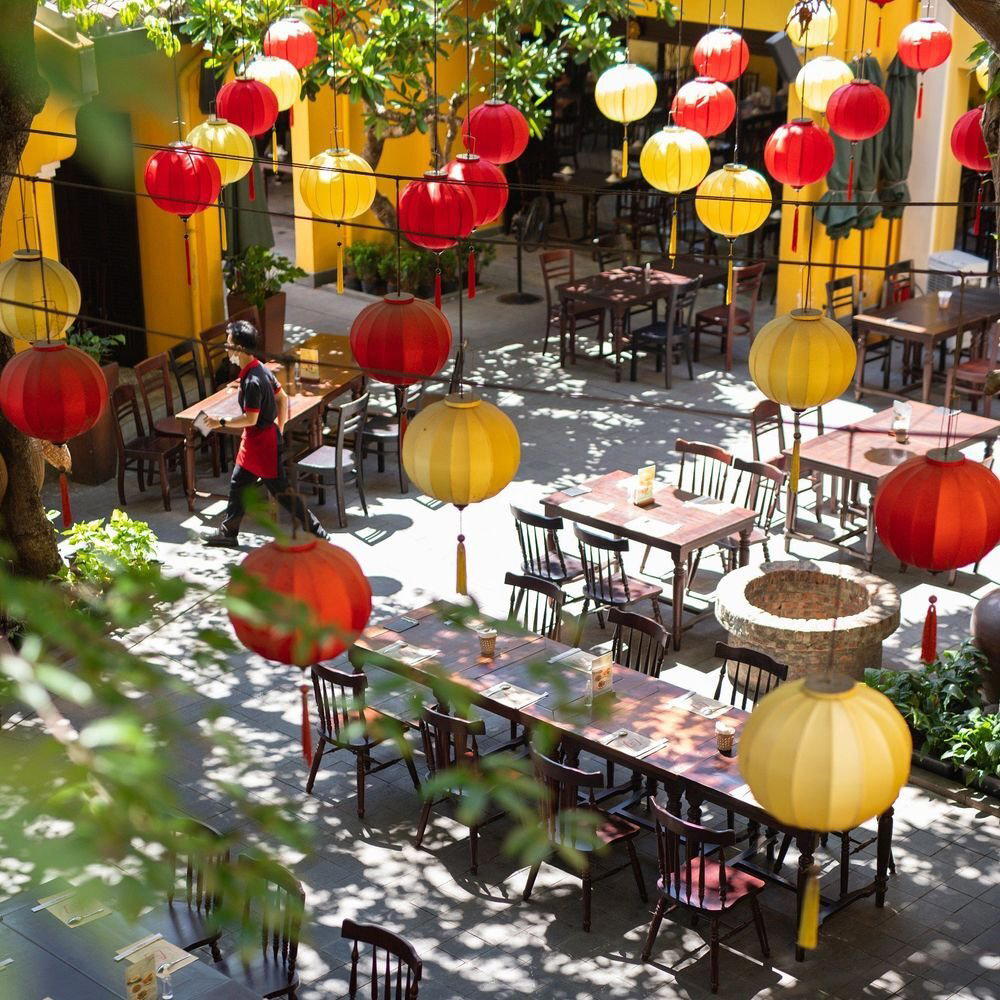
Expect a working Da Nang noodle house: plastic chairs, open-air seating, and a pace set by the kitchen rather than the diner. The Michelin Plate recognition has not repositioned the room — it remains a local eating spot on Trần Hưng Đạo in the Sơn Trà district, drawing neighbourhood regulars and visitors in roughly equal measure. Dress code is whatever you walked in off the street wearing.
What awards or recognition does Mỳ Quảng Cô Sáu have?
Mỳ Quảng Cô Sáu has received recognition including: Michelin Plate (2025); Michelin Plate (2024).
What's the signature dish at Mỳ Quảng Cô Sáu?
The kitchen specialises in mỳ quảng — wide, turmeric-dyed rice noodles that define the food culture of Quảng Nam province and greater Da Nang. Unlike pho, which sits in deep broth, mỳ quảng uses a small amount of concentrated cooking liquid, leaving the noodles closer to dressed than souped. It is the dish that earned the venue back-to-back Michelin Plate recognition in 2024 and 2025.
What price level is Mỳ Quảng Cô Sáu?
Pricing at Mỳ Quảng Cô Sáu is listed as ₫.
| Venue | Cuisine | Price | Awards | Notes |
|---|---|---|---|---|
| Mỳ Quảng Cô SáuThis venue — the venue you are viewing | Authentic Quảng Nam Mỳ Quảng | $1–10 | Michelin Plate | Not listed |
| La Maison 1888 | Michelin-Starred French Contemporary | $150–200 | 1 Michelin Star · La Liste Top Restaurants | French Contemporary, ₫₫₫₫ |
| Ăn Thôi | Authentic Vietnamese | $10–20 | Michelin Bib Gourmand | Vietnamese, ₫ |
| Bé Ni 2 | Fresh Local Seafood | $10–20 | Michelin Bib Gourmand | Seafood, ₫₫ |
| Bún Bò Bà Rơi (Hai Chau) | Not listed | Not listed | Not listed | Noodles, ₫ |
| Cô Chủ Nhỏ | Vietnamese Duck Street Food | $1–10 | Michelin Bib Gourmand | Street Food, ₫ |
Recognition history
Dated appearances from independent guides and award organizations, with the underlying list record or original source where available.
Michelin Plate
Michelin
Full recognition history (3 entries)
Michelin Plate
Michelin
Michelin Plate
Michelin
Details
- Scenic
- Rustic
- Cozy
- Casual Hangout
- Solo
- Family
- Group Dining
- Waterfront
- Standalone
- Local Sourcing
- Waterfront
- A La Carte
- Tea
- Pescatarian Friendly
Current opening hours
- Monday
- 6:30 AM–10 PM
- Tuesday
- 6:30 AM–10 PM
- Wednesday
- 6:30 AM–10 PM
- Thursday
- 6:30 AM–10 PM
- Friday
- 6:30 AM–10 PM
- Saturday
- 6:30 AM–10 PM
- Sunday
- 6:30 AM–10 PM
Hours can change for holidays and private events. Last verified .
Relaxed and cheerful with yellow walls and greenery overlooking the Han River; bright natural lighting with a cool breeze from the waterfront location.