
Michelin Plate
Our verdict
Located in the Sơn Trà district, it serves Vietnamese cuisine with a focus on cuốn-style rolled dishes, and offers accessible pricing without sacrificing the kind of execution that earns Michelin recognition.

Pearl is the En Primeur Club membership app — saves, bookings, and concierge access live there. Same editors, same standards.
- Address
- 31-33 Trần Bạch Đằng, An Hải, Sơn Trà, Đà Nẵng 550000, Vietnam
- Phone
- +84 702 689 989
- Hours
- Mon–Fri 10:30 AM–9 PMSat 10:30 AM–8 PMSun 10:30 AM–9 PM
- Website
- facebook.com
- Directions
- Get directions
- Booking
- Book on the venue's website
The menu
What to order
- Bánh xèo
- Spring rolls
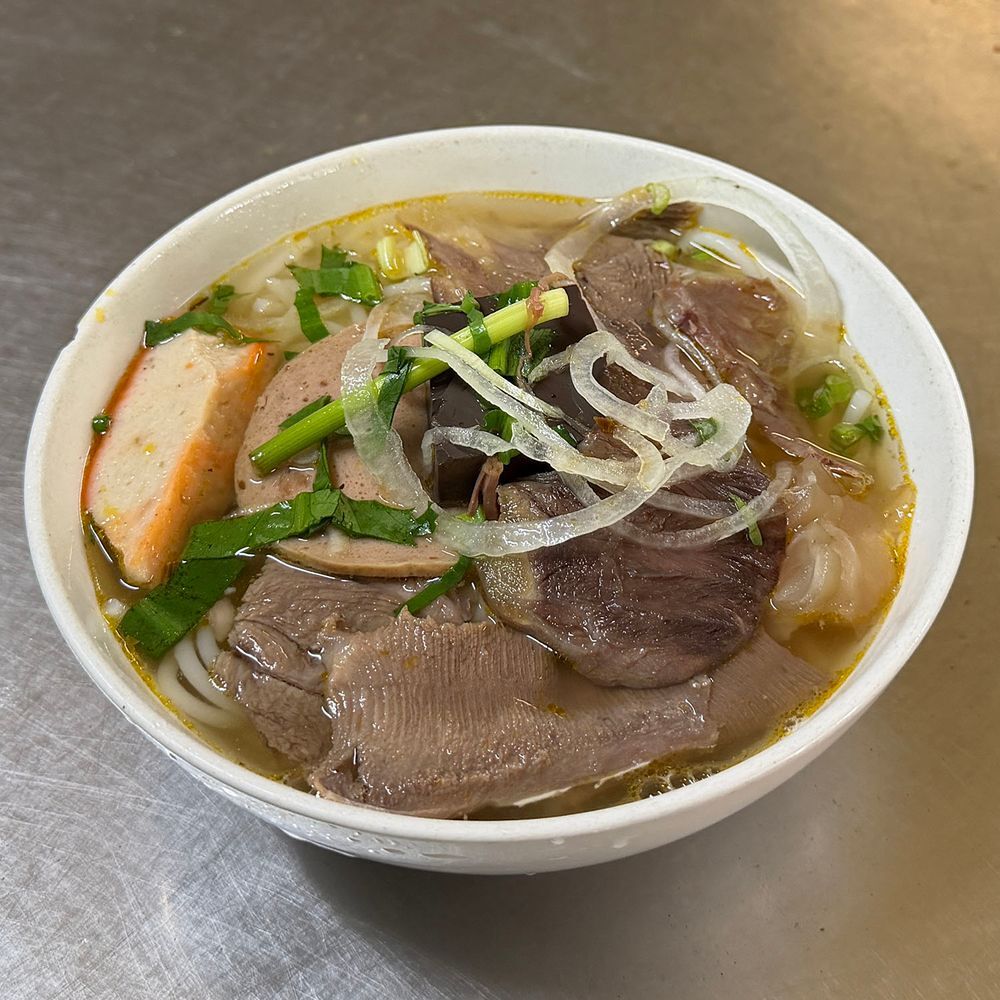
- Beef rolls
- Chicken clay pot
- Pork pancakes
- Abalone mushroom fritters
Sơn Trà's Quiet Side and What It Says About Da Nang Dining
The Sơn Trà district sits across the Han River from Da Nang's commercial centre, and its dining character reflects that remove. Where the tourist-facing restaurants along Bạch Đằng riverfront lean toward crowd-pleasing menus and Western-adjusted pricing, the streets deeper into An Hải run on local logic: neighbourhood regulars, lunch-heavy foot traffic, and a kitchen culture where the food has to be worth coming back to. Bếp Cuốn, at 31-33 Trần Bạch Đằng, operates inside that ecosystem.
When Michelin awarded Bếp Cuốn a Plate in 2025, it was recognising something the neighbourhood already knew.
Where Bếp Cuốn Sits in Da Nang's Vietnamese Dining Tier
Da Nang's restaurant scene stratifies fairly clearly. At the leading, French Contemporary at La Maison 1888 operates at the ₫₫₫₫ tier with a Michelin Star and positions against international fine dining. At the base, street-food spots like Cô Chủ Nhỏ and Bún Bò Bà Rơi run on ₫ pricing and serve as the city's daily-eat infrastructure. Bếp Cuốn at ₫₫ occupies the middle band — above street level in care and finish, accessible enough to function as a regular rather than a special-occasion destination.
That mid-tier is where Vietnamese cuisine increasingly earns serious critical attention. The 2025 Michelin Plate places Bếp Cuốn in a cohort of restaurants that meet Michelin's quality threshold without operating at the price point of a starred property. In Da Nang, that distinction matters: the city's Michelin-recognised Vietnamese restaurants signal that the inspectors are paying attention to traditional formats and local technique, not just fine-dining innovation. For context, restaurants in the same recognition tier elsewhere in Vietnam, like Tầm Vị in Hanoi or 1946 Cua Bac in Hanoi, demonstrate how Michelin has been systematically mapping Vietnamese regional cooking across the country's cities.
The Cuốn Tradition and What Modern Kitchens Do With It
Cuốn, fresh-rolled dishes wrapped in rice paper or lettuce, represent one of Vietnam's most technically demanding everyday formats. The balance of textures requires precision: herbs must be fresh, protein cooked to a point that allows clean rolling, rice paper softened exactly right. At the street level, execution varies widely. At establishments earning Michelin recognition, the consistency has to hold across services.
This is the editorial context in which contemporary Vietnamese kitchens are being assessed. Across Vietnam's dining cities, a generation of restaurants has been refining traditional formats through closer attention to sourcing, temperature control, and presentation without abandoning the original structure of the dishes. Gia in Hanoi and Akuna in Ho Chi Minh City represent the higher-priced end of that movement. Bếp Cuốn operates within the same tradition at a price point that keeps the food accessible to the local audience it was built for.
The approach connects to a broader pattern visible in Vietnamese dining internationally. Berlu in Portland and Camille in Orlando both demonstrate how Vietnamese technique travels, and how the rolled-dish format in particular has sustained relevance across very different dining markets. What Bếp Cuốn does is keep the format grounded in its place of origin, where the ingredients and the eating culture remain inseparable from the result.
Da Nang's Bánh Xèo Context
Beyond cuốn, Da Nang's culinary identity is closely tied to its bánh xèo culture, the crisp, turmeric-yellow rice crepe that the city considers its own. Restaurants like Bánh Xèo 76, Bánh Xèo Bà Dưỡng, and Bánh Xèo Tôm Nhảy Cô Ba define the category locally and draw visitors specifically for that dish. Bếp Cuốn operates in a complementary register, the rolled formats share the same wrapping-and-dipping eating ritual but differ in preparation logic, and together they represent the breadth of Da Nang's hand-held, herb-heavy eating tradition.
Also in the Sơn Trà area, Bếp Hên represents another local Vietnamese option in the same neighbourhood range. For a different register in the same city, Luk Lak offers a point of comparison with a Southeast Asian menu weighted differently. The choice of where to eat in Sơn Trà reflects how the district has developed its own internal dining logic, separate from the beachfront strip.
What the Numbers Indicate
At that volume, a single bad run of services would drag the average. The consistency implied by the number, combined with the 2025 Michelin Plate, positions Bếp Cuốn as one of the most reliably performing mid-range Vietnamese restaurants in Da Nang on current evidence. It belongs in a peer group that includes Vietnamese-leaning restaurants earning recognition across Southeast Asia, where the Michelin programme's regional expansion has put traditional formats under serious critical scrutiny.
The ₫₫ price point means a meal here remains within reach for most travellers staying in Da Nang, and well within reach for the local regulars who account for the bulk of those reviews. That dual audience, local daily eaters and visiting food-focused travellers, is precisely the kind of cross-validation that makes a restaurant's numbers meaningful rather than driven by a single demographic.
Planning Your Visit
Bếp Cuốn is located at 31-33 Trần Bạch Đằng in the An Hải area of Sơn Trà district. The address sits on the eastern bank of the Han River, reachable by cab or motorbike taxi from Da Nang's central hotel strip in under fifteen minutes depending on traffic. No booking website or phone number is listed in available data, which suggests the restaurant operates on a walk-in basis, common for mid-range Vietnamese restaurants at this price tier. Arriving during off-peak hours (outside the 11:30am–1pm and 6–7:30pm windows that define Vietnamese lunch and dinner rushes) reduces wait times. The ₫₫ pricing means a full meal for two will sit comfortably in the accessible range by any international measure. For the wider picture of where Bếp Cuốn fits in Da Nang's dining scene, see our full Da Nang restaurants guide, or explore Da Nang hotels, bars, wineries, and experiences for a complete picture of the city.
Frequently asked questions
Where exactly is Bếp Cuốn?
Bếp Cuốn is located at 31-33 Trần Bạch Đằng, An Hải, Sơn Trà, Đà Nẵng 550000, Vietnam, Da Nang.
Is Bếp Cuốn Michelin-listed?
Bếp Cuốn has received recognition including: Michelin Plate (2025).
What do regulars order at Bếp Cuốn?
At the ₫₫ price tier, the menu follows Vietnamese fresh-roll tradition: rice paper, herbs, proteins, and dipping sauces assembled with precision. Da Nang regulars also associate this neighbourhood style of cooking with bánh xèo, the turmeric rice crepe the city treats as its own.
Is Bếp Cuốn expensive?
Pricing at Bếp Cuốn is listed as ₫₫.
What's the best way to book Bếp Cuốn?
At the ₫₫ tier in Da Nang, walk-in is the standard approach; arriving early or outside peak meal hours reduces wait time. The address is 31-33 Trần Bạch Đằng, An Hải, Sơn Trà — on the eastern bank of the Han River.
A Lean Comparison
Comparable venues nearby, for context on price, style, and recognition.
| Venue | Cuisine | Price | Awards | Notes |
|---|---|---|---|---|
| Bếp CuốnThis venue — the venue you are viewing | Authentic Vietnamese Street Food | $1–10 | Michelin Plate | Not listed |
| Bếp Hên | Authentic Vietnamese Home-Cooked | Not listed | Michelin Plate | Hai Chau District, Authentic Vietnamese Home-Cooked |
| Bún Bò Huế Bà Thương | Traditional Bún Bò Huế | $1–10 | Michelin Bib Gourmand | Hải Châu, Traditional Bún Bò Huế |
| Phi Banh Mi | Vietnamese Banh Mi Sandwiches | $1–10 | Not listed | Minh An Ward, Vietnamese Banh Mi Sandwiches |
| Cơm Gà Lan | Da Nang Chicken Rice | $1–10 | Michelin Plate | Hai Chau District, Da Nang Chicken Rice |
| Ngọc Chi | Vietnamese Vegetarian | $1–10 | Michelin Bib Gourmand | Hai Chau District, Vietnamese Vegetarian |
Recognition history
Dated appearances from independent guides and award organizations, with the underlying list record or original source where available.
Michelin Plate
Michelin
Full recognition history (2 entries)
Michelin Plate
Michelin


Details
- Cozy
- Lively
- Modern
- Casual Hangout
- Family
- Group Dining
- Solo
- Date Night
- Open Kitchen
- Standalone
- Beer Program
- Zero Proof
- Local Sourcing
- A La Carte
- Family Style
- Set Menu
- Lemongrass Juice
- Passion Fruit Juice
- Virgin Mojito
- Local Beer
- Vegetarian Friendly
- Gluten Free Options
- Allergy Accommodating
Current opening hours
- Monday
- 10:30 AM–9 PM
- Tuesday
- 10:30 AM–9 PM
- Wednesday
- 10:30 AM–9 PM
- Thursday
- 10:30 AM–9 PM
- Friday
- 10:30 AM–9 PM
- Saturday
- 10:30 AM–8 PM
- Sunday
- 10:30 AM–9 PM
Hours can change for holidays and private events. Last verified .
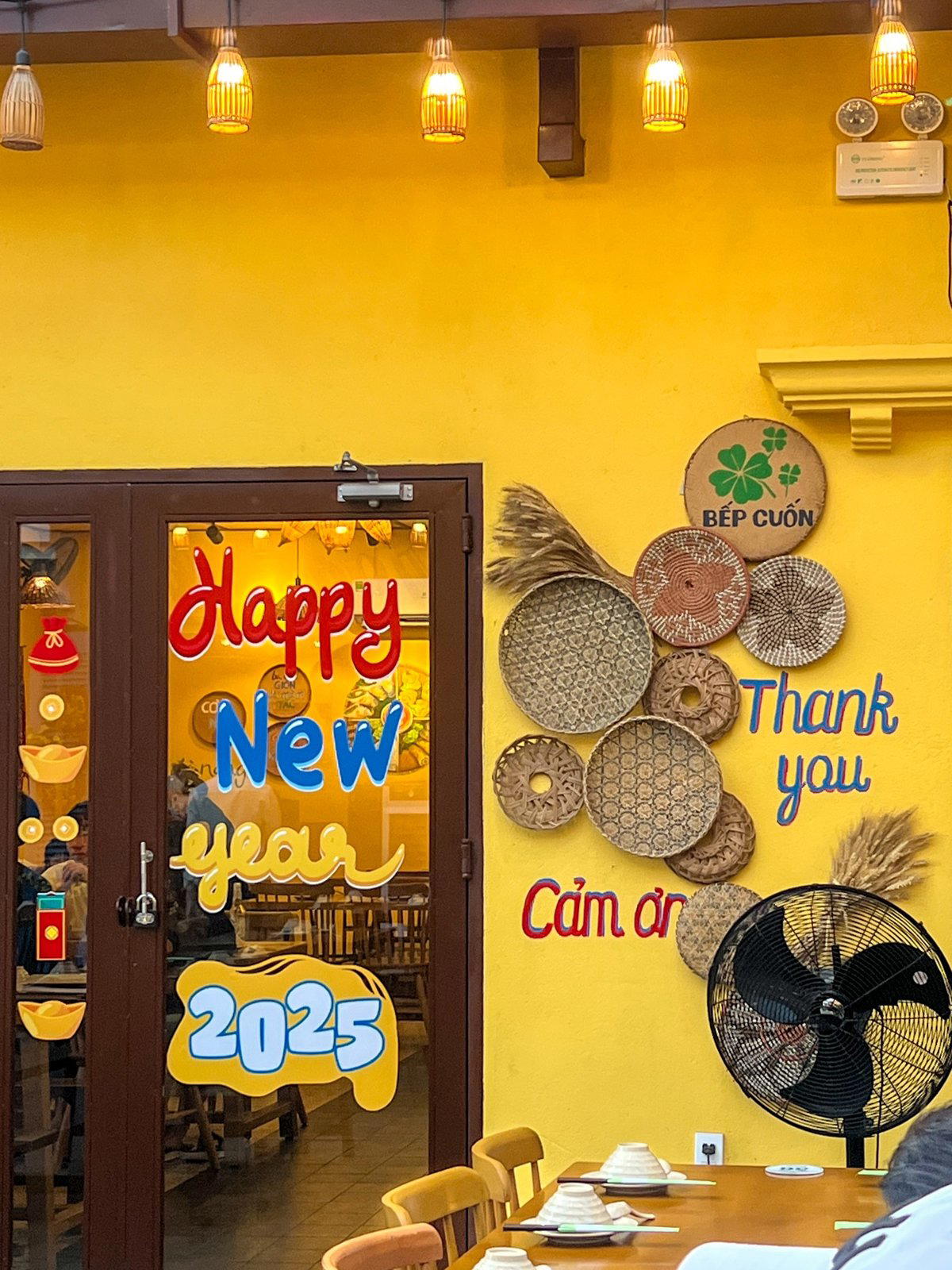
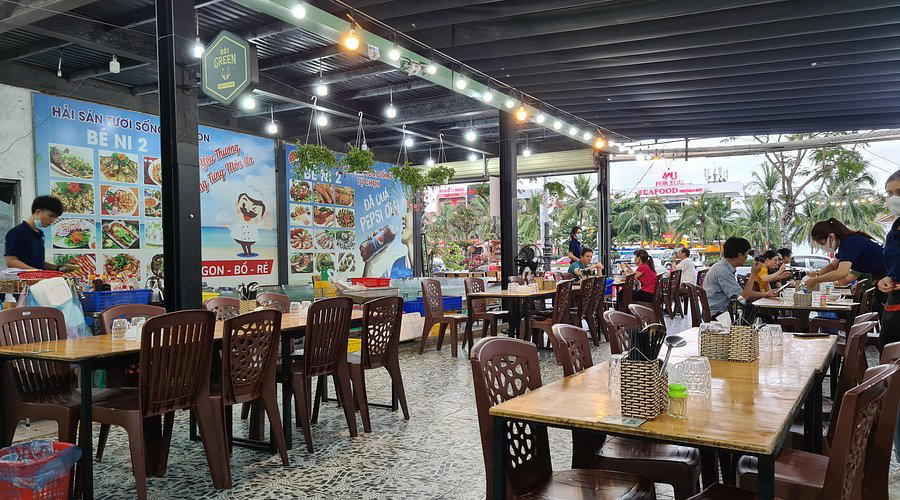
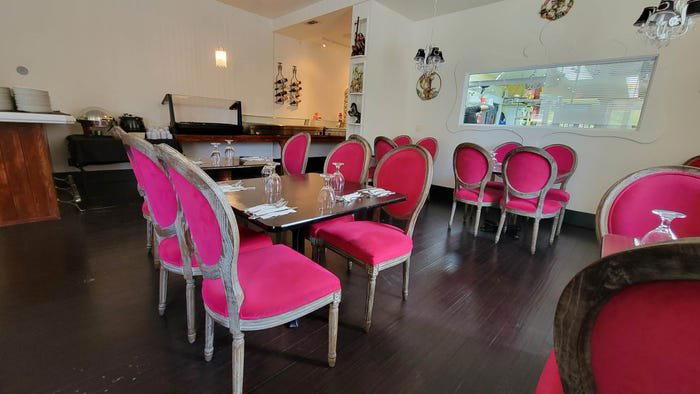
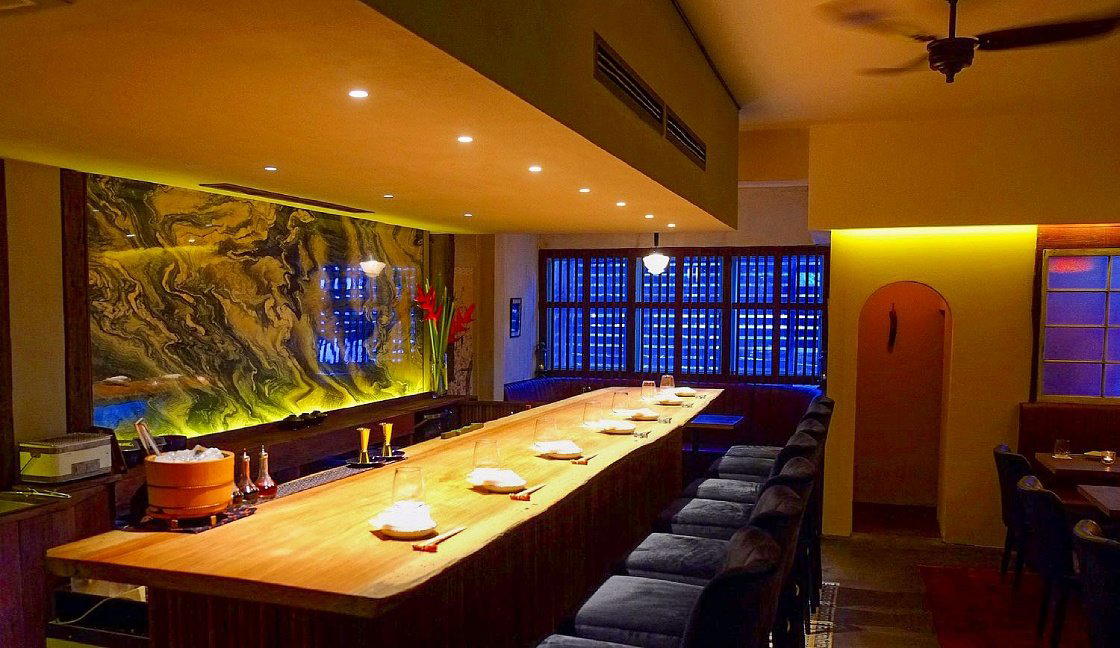
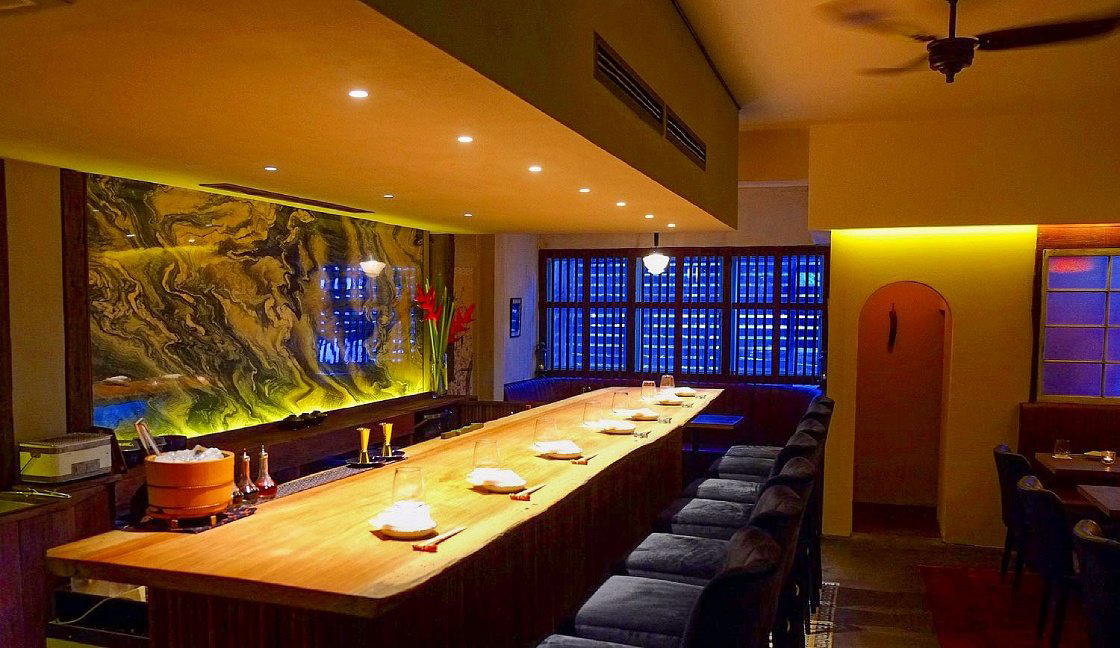
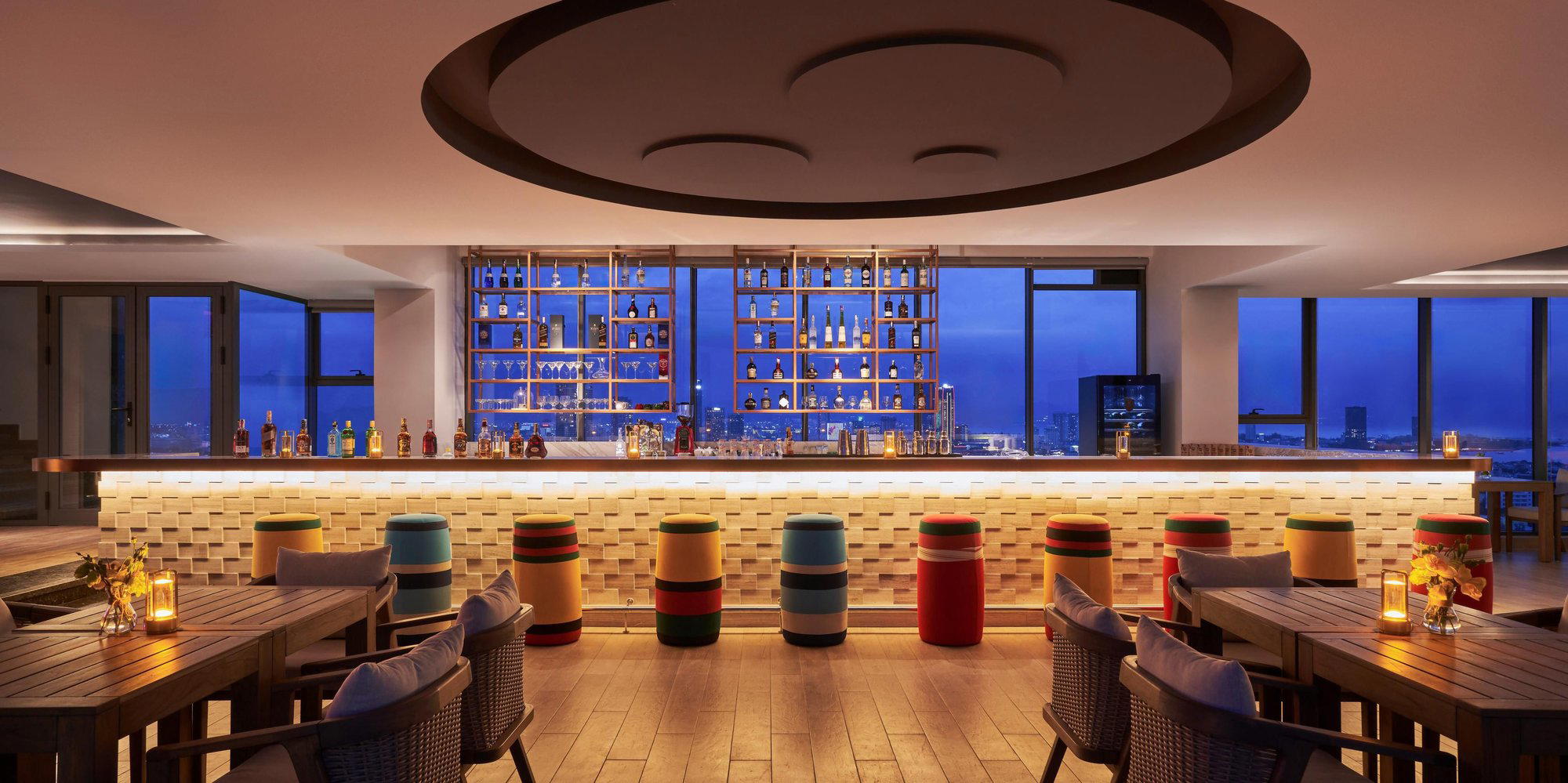
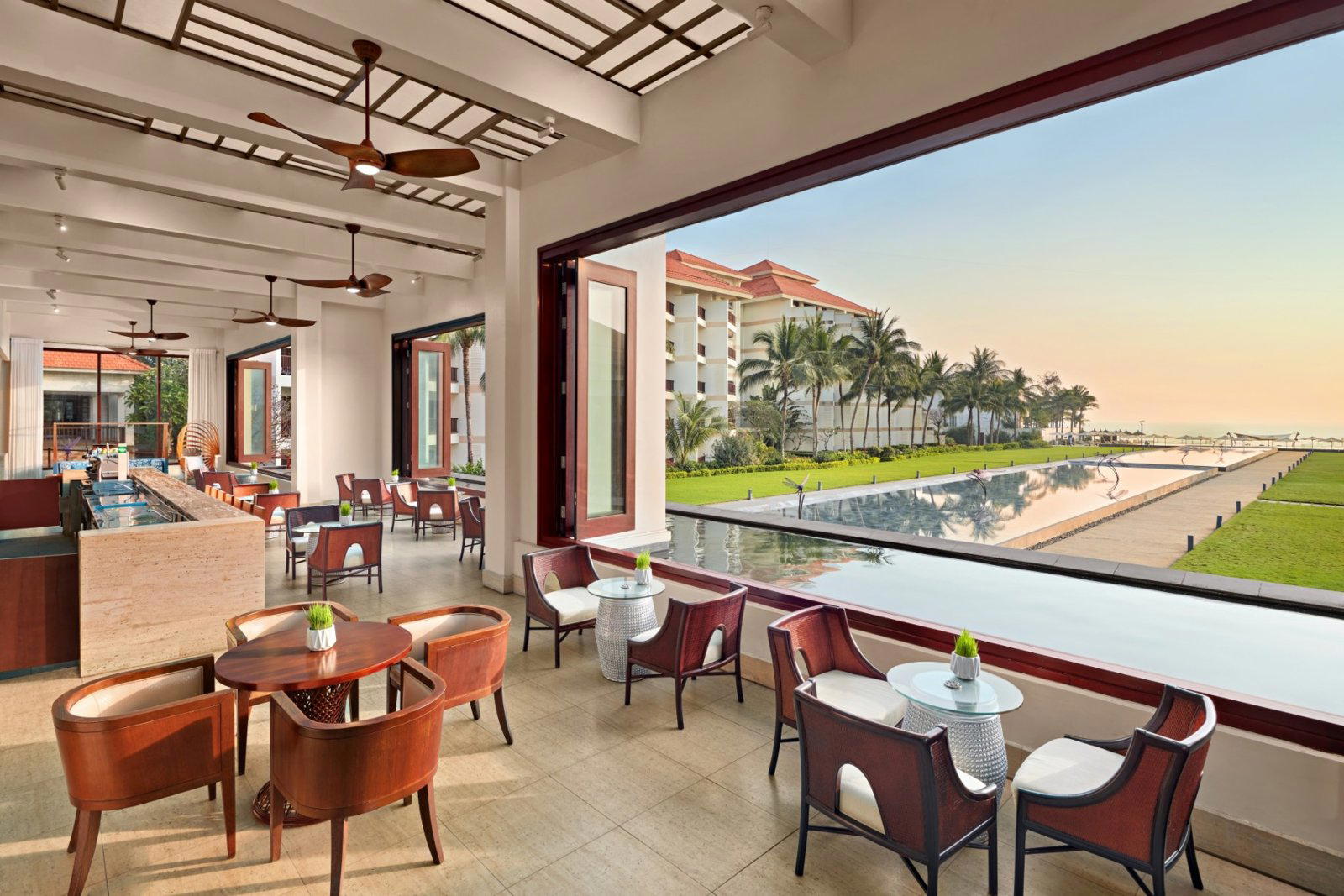
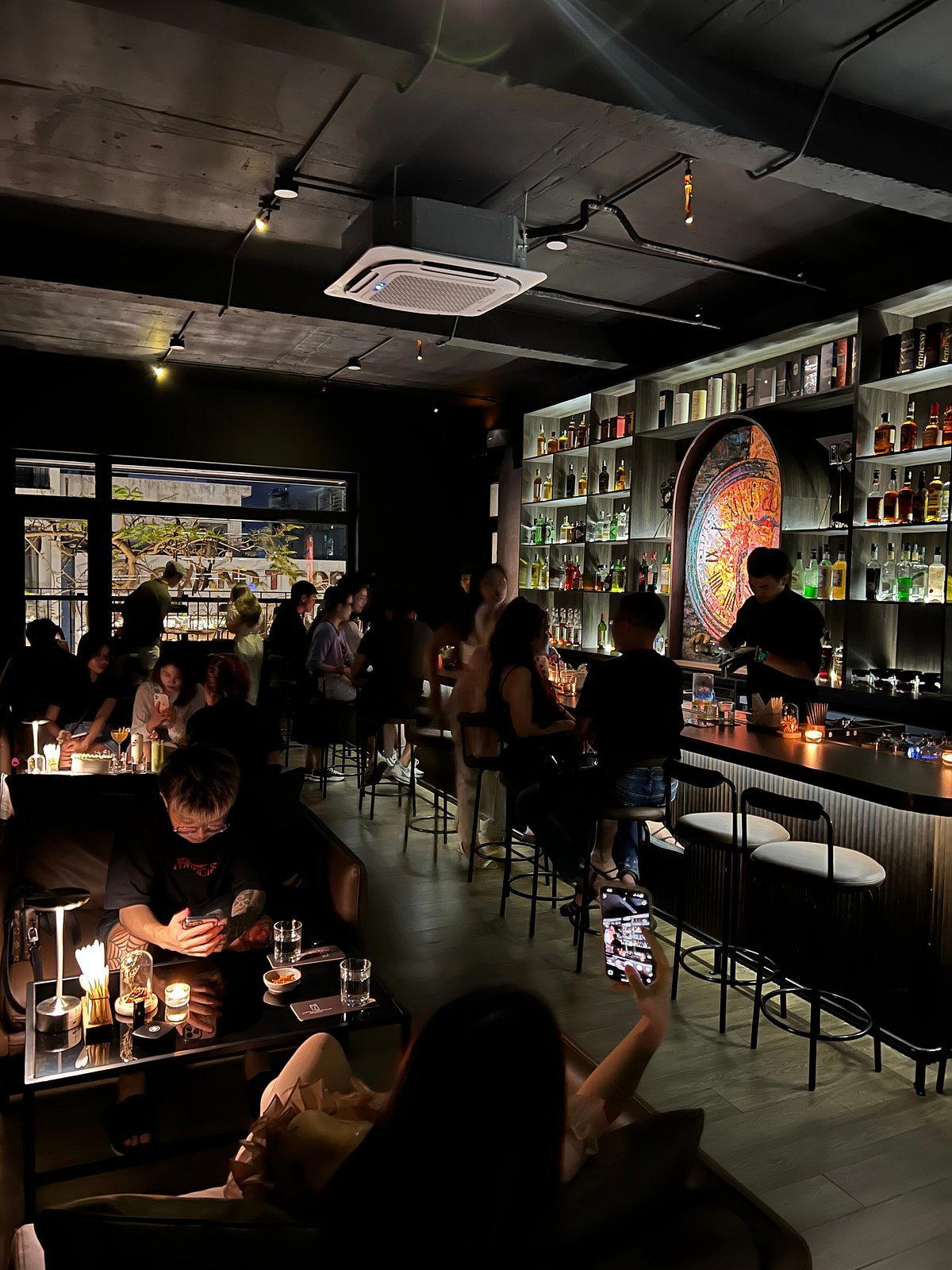
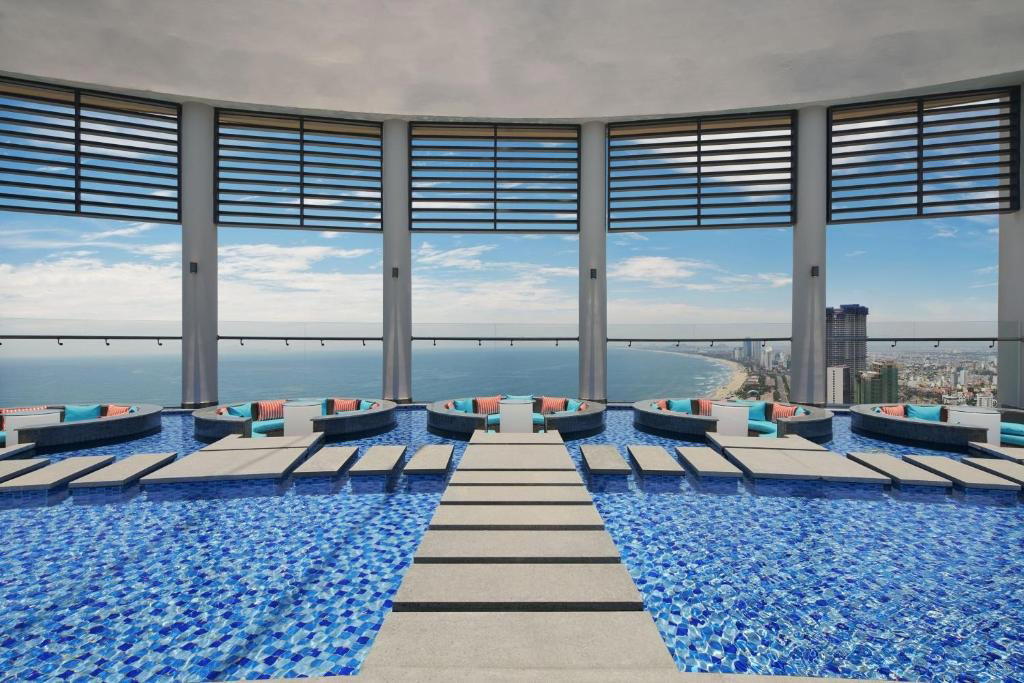
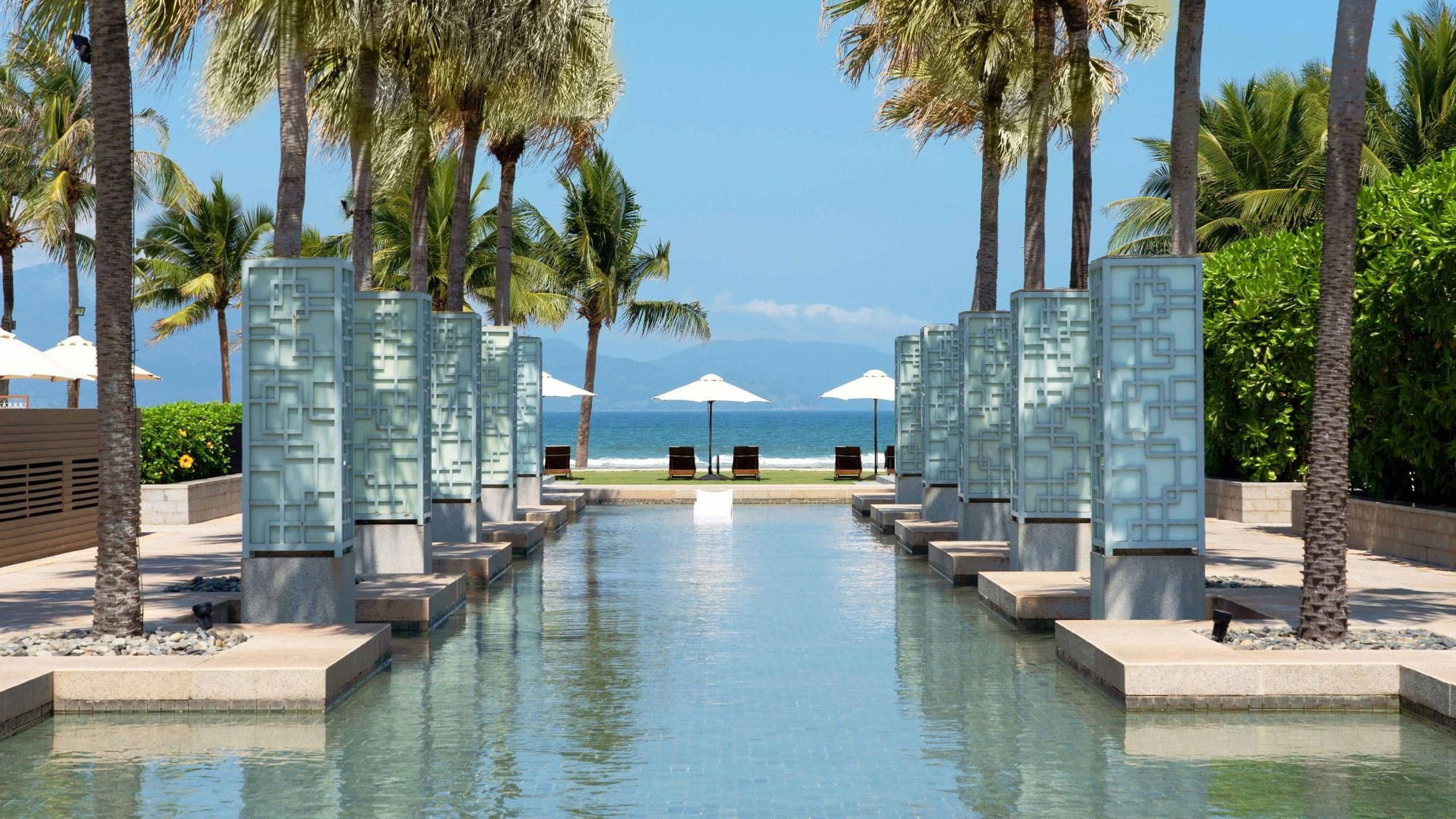
Cozy and inviting space combining traditional and modern Vietnamese decor with bamboo lanterns, colorful murals, and clean, welcoming atmosphere; bright and comfortable with air conditioning.