Lydia's Kitchen & Market
Lydia's Kitchen & Market occupies a suite on East Missouri Avenue in the Uptown Phoenix corridor, positioning itself within a neighborhood that has absorbed a growing wave of independent food and market concepts. The kitchen-and-retail hybrid format reflects a broader shift in how Phoenix residents engage with food culture, part provisioner, part gathering point, part dining room.
 Discover on Pearl
Pearl is the En Primeur Club membership app — saves, bookings, and concierge access live there. Same editors, same standards.
- Address
- 1215 E Missouri Ave Suite 10, Phoenix, AZ 85014
- Phone
- +1 480 725 8034
- Website
- lydiasphx.com
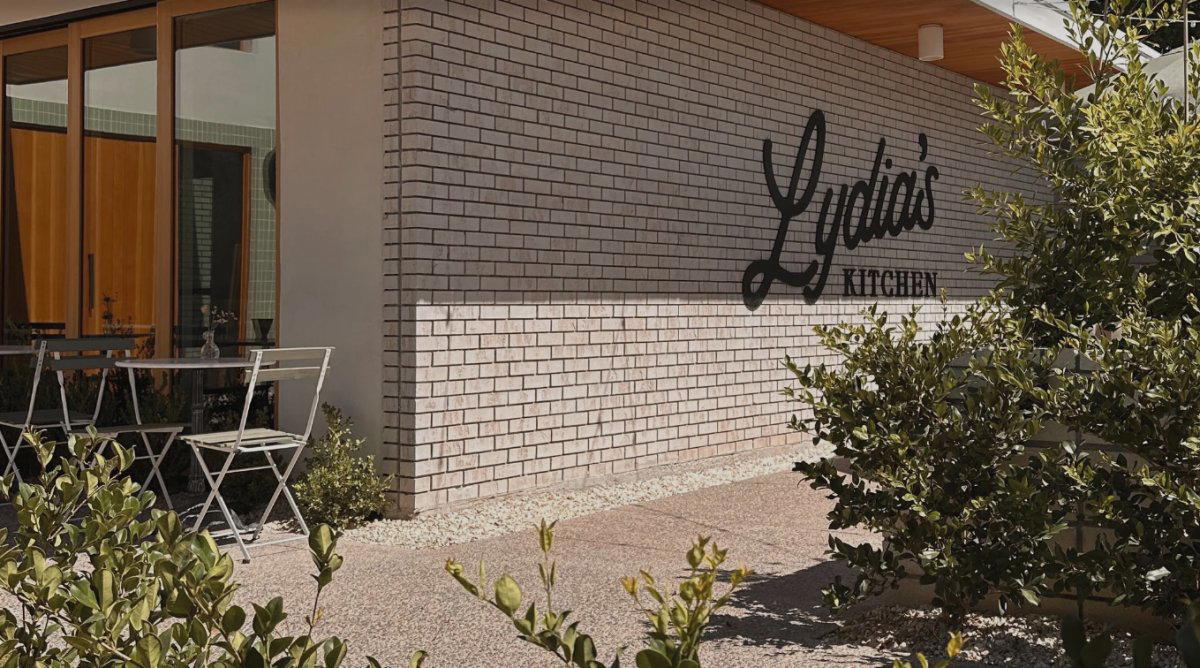
Where the Market Format Meets the Dining Room
Phoenix's Uptown corridor, threading along Central Avenue and spilling into the side streets north of Camelback, has spent the better part of the last decade consolidating its identity as the city's most coherent neighborhood for independent food concepts. East Missouri Avenue sits within that drift, lined with the kind of mid-scale mixed-use buildings that tend to attract chef-driven tenants who prize affordable square footage over marquee addresses. Lydia's Kitchen & Market occupies Suite 10 at 1215 E Missouri Ave, Phoenix, a detail that tells you something about the format before you even step inside: this is a space designed around use, not spectacle.
The kitchen-and-market hybrid is a format that emerged with real momentum across American mid-size cities over the last fifteen years. Rather than asking diners to choose between a grocery run and a sit-down meal, these concepts fold provisioning and eating into a single visit. At their better executions, the market component is not a revenue afterthought bolted onto the dining room, it reflects the same sourcing logic that drives the menu. That integration, when it holds, gives the format a cultural coherence that a straight restaurant or a straight market separately cannot achieve.
Phoenix's Independent Food Scene and Where This Fits
The broader Phoenix restaurant conversation has historically centered on Old Town Scottsdale gloss and Downtown Phoenix volume, but Uptown has operated as a quieter counterweight, smaller operators, longer tenures, less turnover. The neighborhood attracts concepts that depend on repeat local custom rather than destination traffic, which shapes the tone of venues there considerably. A kitchen-and-market format is particularly well-suited to this dynamic: it builds habit loops that a pure restaurant cannot, because residents return for provisions on days they are not eating in.
That pattern is visible across other American cities where the format has taken root. In New Orleans, Jewel of the South demonstrates how a carefully considered concept can build genuine neighborhood authority by committing to a specific cultural register rather than chasing broad appeal. The lesson transfers: in mid-size American cities with strong local food cultures, the operators who define their lane precisely tend to outlast the generalists.
Phoenix's food culture is more complex than its national reputation suggests. The city sits within a region whose agricultural identity, citrus, date palms, heritage grains, desert-adapted produce, gives locally rooted food operations genuine raw material to work with. A kitchen-and-market concept in this context has access to a supply chain with real character, if it chooses to use it.
The Kitchen-and-Market Format as Cultural Statement
Across the American Southwest, the kitchen-and-market model carries specific cultural weight. The region's food traditions are layered: pre-Columbian agricultural practices, Spanish colonial foodways, Mexican regional cuisines, and the ranching cultures of the Anglo settlement period all coexist and overlap within a relatively compact geographic zone. A market format that engages seriously with that layering, stocking heritage ingredients, sourcing from Indigenous-owned producers, or centering regional preparations that do not appear on standard Phoenix menus, makes an implicit argument about what the local food culture actually is, as opposed to what it is usually presented as being.
That argument is increasingly common in cities where food retail and food service have converged. Kumiko in Chicago and ABV in San Francisco both demonstrate how beverage-forward spaces can anchor a cultural identity through programming depth and conceptual specificity rather than volume or footprint. The same logic applies to kitchen-and-market formats: the curation of what is sold is itself an editorial act, and it reads that way to the kind of customer who pays attention.
Phoenix's Cocktail and Drink Scene for Context
Visitors arriving at Lydia's Kitchen & Market from the broader Phoenix dining circuit will find themselves in a neighborhood that sits between several of the city's more prominent drink-focused venues. Bitter & Twisted downtown has held sustained recognition for its cocktail program. Century Grand operates as a multi-concept venue with a polished format. Platform 18 brings a specific regional emphasis to its spirits selection, and Highball has carved its own position within the city's bar circuit.
Whether a kitchen-and-market format like Lydia's operates a drinks program, and to what depth, shapes how it sits relative to these venues. A market concept with a curated wine or spirits shelf occupies a different category than one focused purely on daytime food provisioning. The distinction matters for how a visitor or local resident plans a day around it. Comparable formats in other cities, Julep in Houston, Bar Leather Apron in Honolulu, Superbueno in New York City, and The Parlour in Frankfurt, each demonstrate how a well-defined beverage identity can anchor the customer experience even within a hybrid format.
Planning a Visit
Lydia's Kitchen & Market is located at 1215 E Missouri Ave Suite 10, Phoenix, AZ 85014, in the Uptown corridor that runs north of the central Phoenix grid. The suite-format address means this is not a street-level walk-in on a main commercial strip.
Hours are Mon: Closed; Tue: 9 AM to 3 PM; Wed through Fri: 9 AM to 9 PM; Sat: 8 AM to 9 PM; Sun: 8 AM to 3 PM. The venue is walk-in friendly. The Uptown corridor is accessible by car, and parking on East Missouri and surrounding blocks is generally available during off-peak hours, which matters for a market concept where carrying provisions out is part of the visit.
In Context: Similar Options
Comparable venues nearby, for context on price, style, and recognition.
| Venue | Cuisine | Price | Awards | Notes |
|---|---|---|---|---|
| Lydia's Kitchen & MarketThis venue — the venue you are viewing | Dining | $$ | , | |
| The Parlor Pizzeria | Wood-Fired Italian Pizza and Pasta | $$ | , | Camelback Corridor |
| Industry Standard | Modern American & Asian Fusion | $$ | , | Roosevelt Row |
| Adams Table | Southwestern New-American | $$ | , | Copper Square |
| Okay Maguey | Mexico City-Style Mexican Taqueria | $$ | , | Village Fairways |
| The Macintosh | Modern American Comfort Food | $$ | , | Camelback |

At a Glance
- Cozy
- Modern
- Rustic
- Casual Hangout
- Brunch
- Standalone
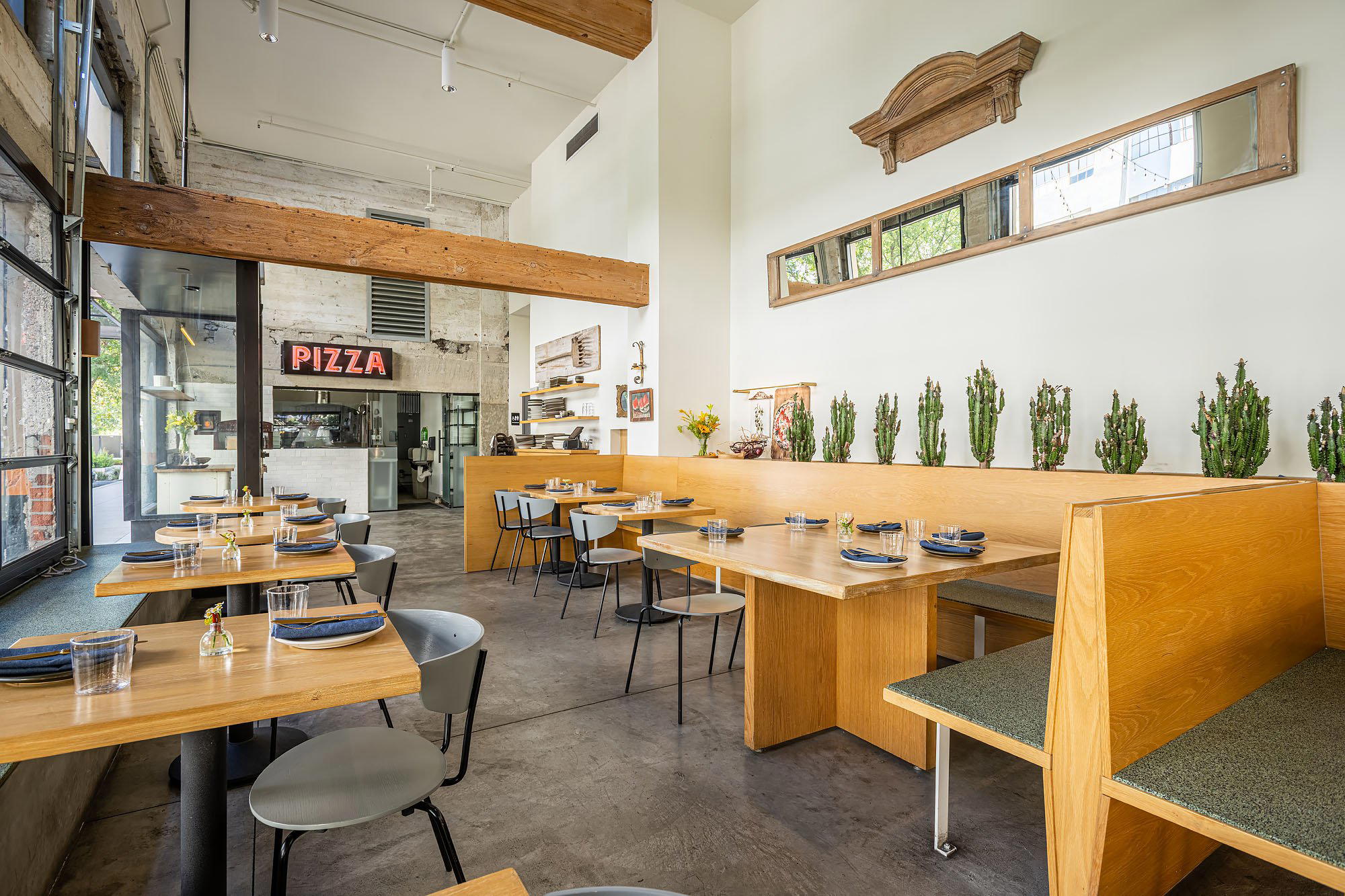
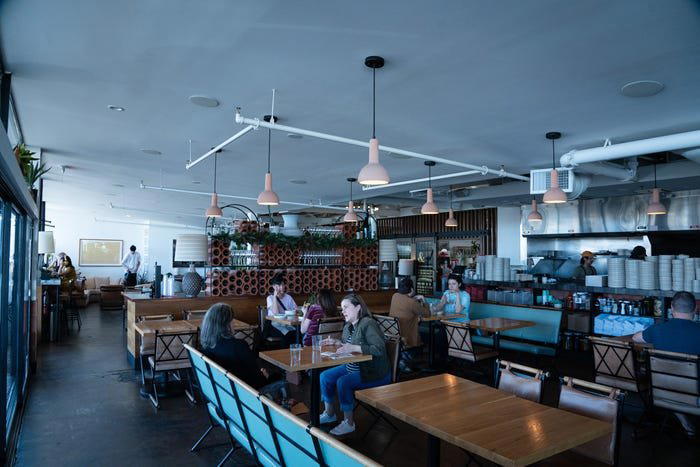
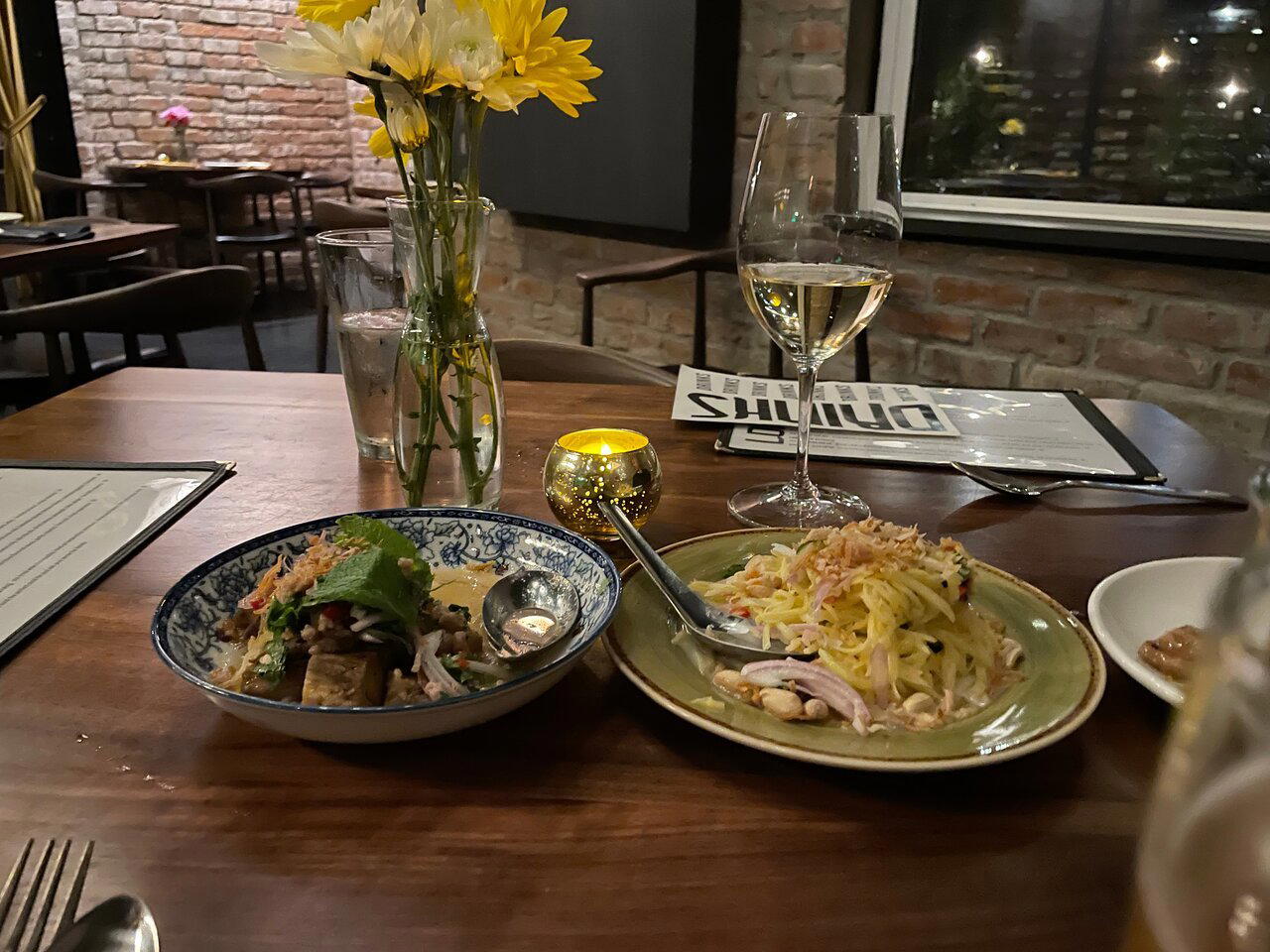
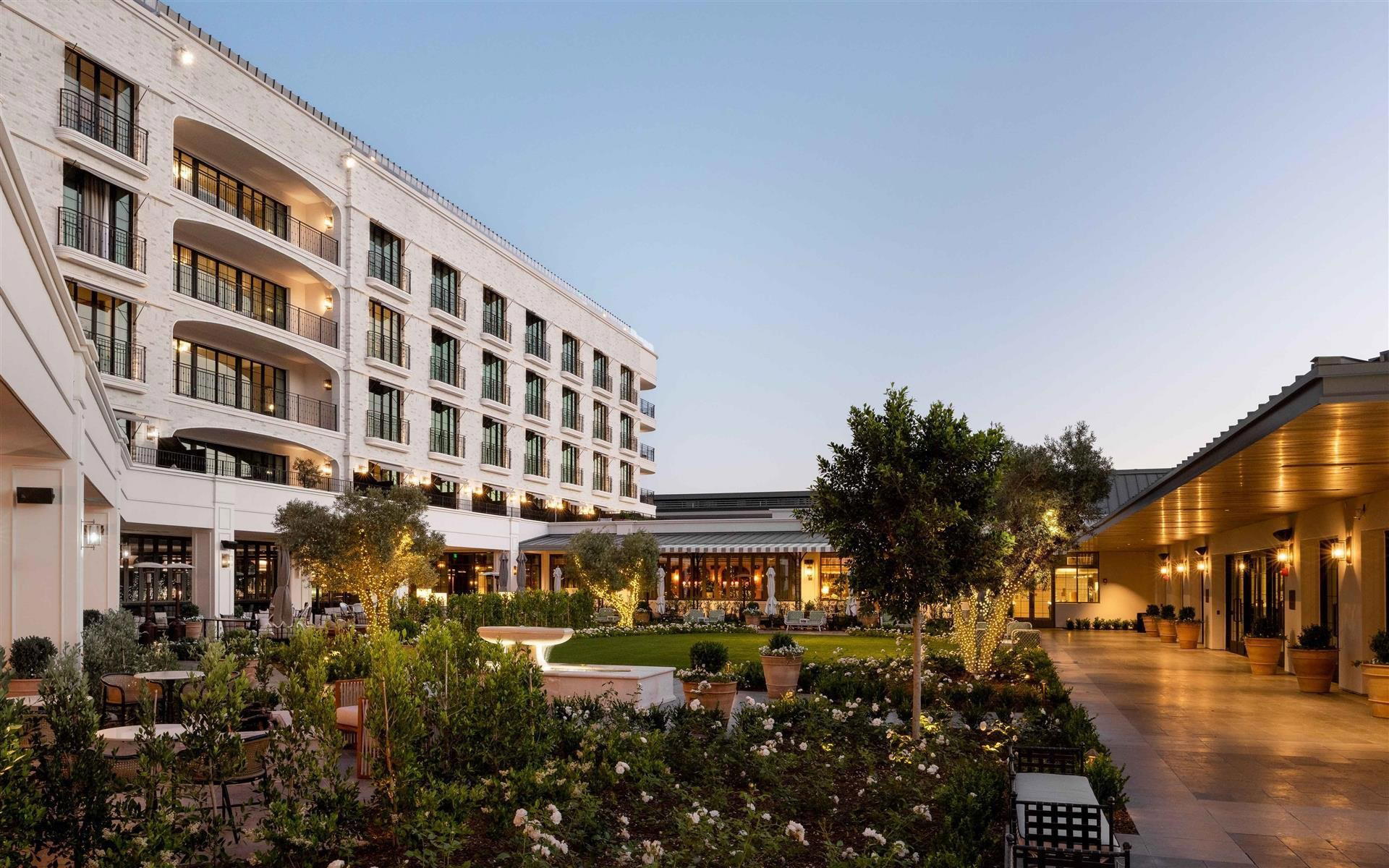
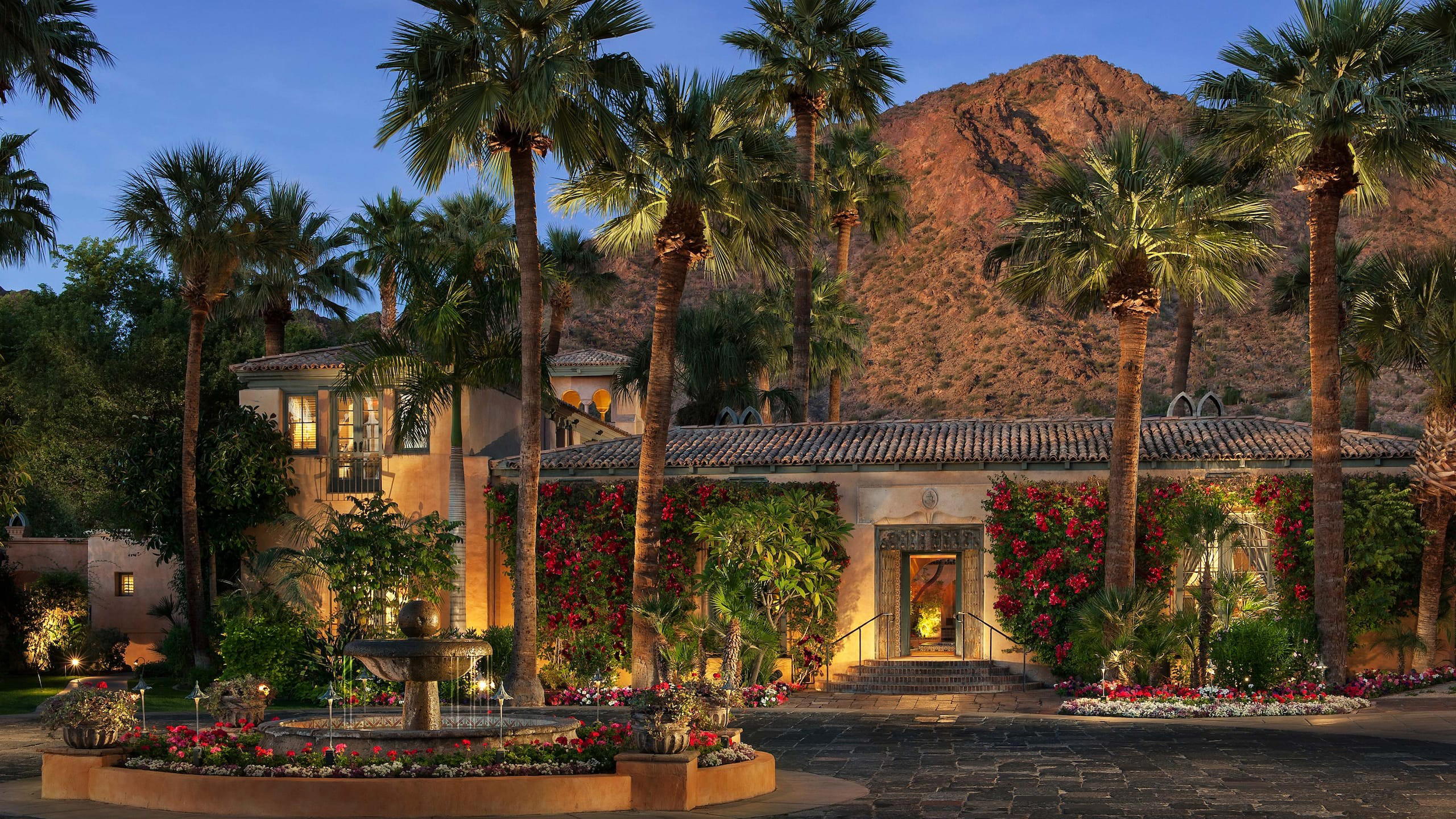
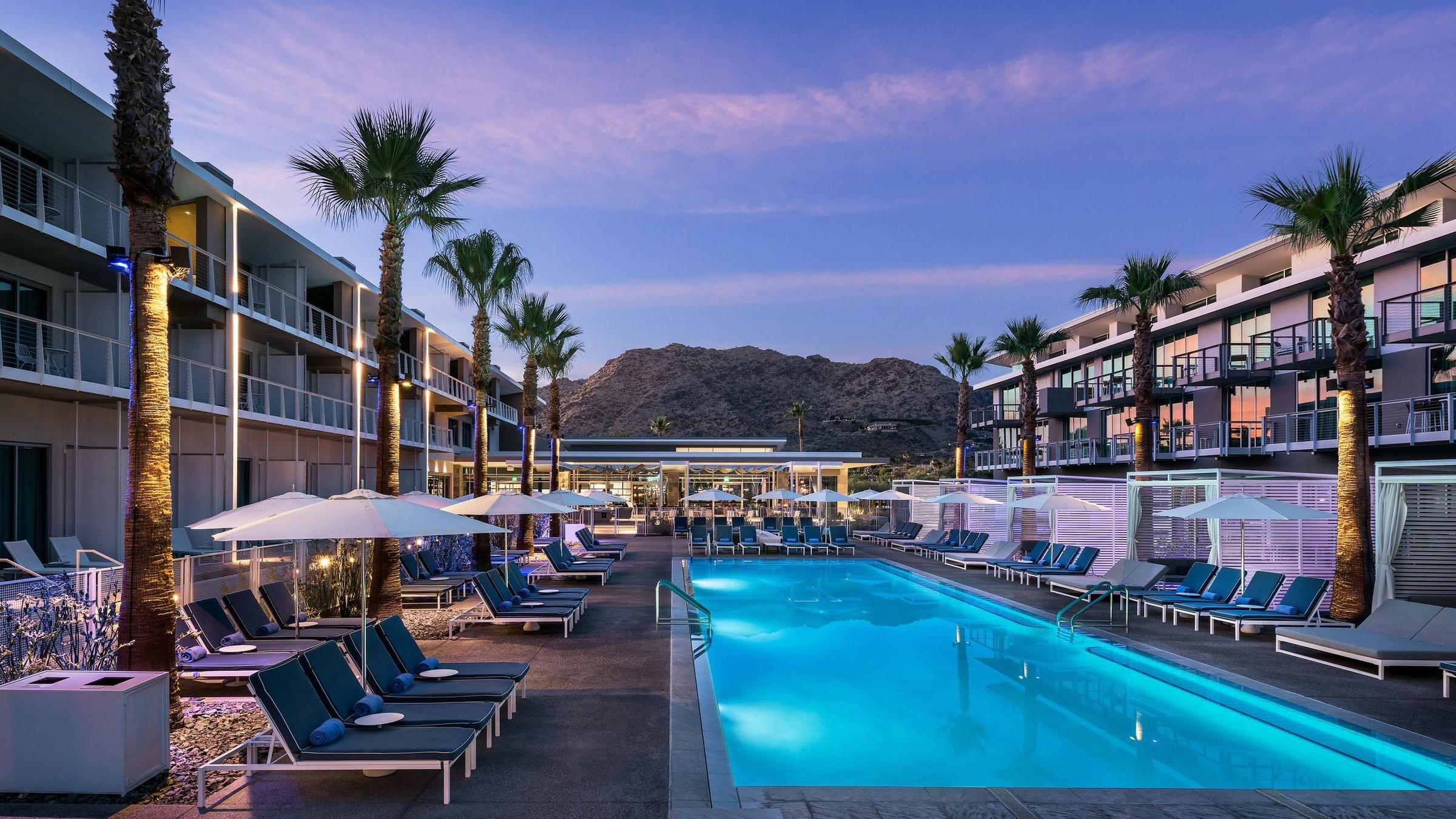
Bright and airy with a modern country-house vibe, soft shades of blue, green, and beige in mid-century modern architecture, cheerful tree centerpiece, and rustic farmhouse feel.