Google: 4.5 · 3,653 reviews
Luna Mexican Kitchen
.png)
A Michelin Bib Gourmand recipient on The Alameda, Luna Mexican Kitchen applies a strict local-natural-unrefined-authentic sourcing philosophy to Mexican cooking that reads as decidedly serious. Rancho Gordo beans, Mary's free-range chicken, and house-made chorizo anchor a menu that satisfies both pescatarians and carnivores, backed by a full bar and an open-air patio that makes The Alameda feel like the right neighborhood for it.
 Discover on Pearl
Pearl is the En Primeur Club membership app — saves, bookings, and concierge access live there. Same editors, same standards.
The Alameda After Dusk
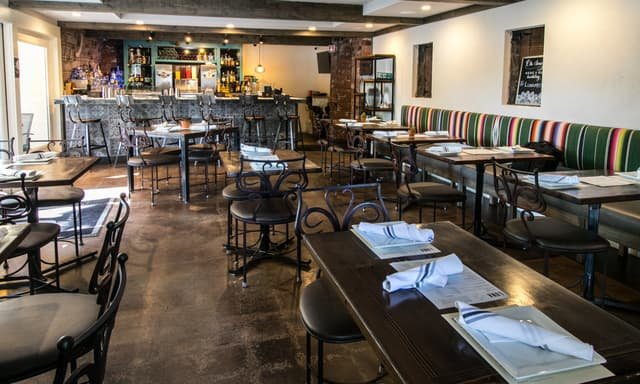
The stretch of The Alameda running through San Jose's Midtown district carries a particular kind of neighborhood weight: wide sidewalks, older commercial buildings, a mix of longtime residents and newer arrivals. Luna Mexican Kitchen at 1495 sits in that grain rather than against it. The open-air patio faces the street, the bar is full-service and visible from the entrance, and the cantina format signals from the doorstep that this is a place built for return visits rather than one-time occasion dining. That legibility matters. Restaurants in this price tier — marked $$ on most platforms — succeed or fail on whether they earn the weekly habit, and Luna has done exactly that in Midtown San Jose.
The LUNA Framework and What It Actually Means in the Kitchen
The name doubles as an acronym: Local, Unrefined, Natural, Authentic. These four words appear on menus and marketing material across American dining at a volume that has drained them of meaning. At Luna, the framework shows up in the sourcing credits, which is a more honest test. Rancho Gordo beans , the Napa-based heirloom legume operation that has spent two decades rehabilitating pre-colonial Mexican varietals for North American kitchens , appear explicitly on the menu. Mary's free-range chicken, a California producer whose welfare standards sit above commodity, supplies the poultry. Chorizo, chicken stock, and sauces are made in-house rather than sourced from a distributor. Each of these details is checkable; none of them is accidental.
Broader context is that Mexican cooking in the United States has spent the last fifteen years in a complicated conversation about register. Taco shops and taquerias operate at one end of a wide spectrum; ambitious tasting-menu formats drawing on pre-Columbian technique , think Pujol in Mexico City, which has influenced a generation of Mexican-American chefs , occupy another. Luna positions itself in the middle tier: serious about ingredients, direct in format, accessible in price. That positioning earned a Michelin Bib Gourmand in 2024, the Guide's designation for quality cooking at a price point that doesn't require significant financial planning.
Mole Logic: Complexity at the $$ Level
Mole tradition is the most useful lens through which to read what Luna is doing technically. Mole is not a single sauce but a category spanning dozens of regional Mexican preparations, each built on a different matrix of dried chiles, seeds, nuts, chocolate, spices, and charred aromatics. Oaxacan negro mole can involve thirty or more ingredients and multiple days of preparation. Mole verde from Guerrero runs lighter, relying on pumpkin seeds and fresh herbs. Mole amarillo from the Oaxacan valleys is chile-forward and less sweet. The point is that mole is fundamentally about layering: no single element should be identifiable as dominant, and the final sauce should carry a depth that reads as singular even when the components are traceable.
This kind of technique is expensive to maintain in a casual-format kitchen. The mise en place for a genuine mole is long; the margin on a $$-priced plate is narrow. Restaurants that commit to scratch production at this price point , making their own chorizo and stocks rather than purchasing pre-made , are trading labor hours against ingredient cost, betting that guests will taste the difference. Michelin's Bib Gourmand program exists precisely to flag restaurants making that bet intelligently. The 2024 recognition places Luna in a peer set that includes scratch-focused neighborhood restaurants across California and nationally, a cohort distinct from either fast-casual Mexican formats or high-end tasting menus at addresses like The French Laundry in Napa or Single Thread Farm in Healdsburg.
The Menu's Two Tracks
The menu runs on parallel tracks. For pescatarians, coctel de camarones and cod ceviche handle the lighter register: acid-forward, temperature-conscious preparations where the sourcing of seafood and the balance of citrus and chile matter more than any single technique. For carnivores, chile relleno picadillo functions as a standard-bearer: a stuffed pepper preparation with enough repeat-customer pull that it has become the dish most associated with the kitchen's identity. Both tracks reflect a menu philosophy that favors depth within a familiar category over novelty for its own sake. A well-executed chile relleno that brings guests back monthly is more valuable to a neighborhood restaurant than a conceptual dish that photographs well once.
Chef and owner Jo Lerma-Lopez's presence in the kitchen is consistent with the scratch-production model. In San Jose's dining scene, which includes destination Portuguese cooking at Adega and approachable neighborhood formats at Petiscos and LeYou, Luna occupies the niche of serious-casual Mexican, a format that requires sustained kitchen discipline rather than occasional high performance.
The Bar and the Patio
The full-service bar and open-air patio are not incidental to the restaurant's character. Mexican cantina tradition embeds the bar into the meal rather than treating it as a waiting area; the patio extends that social logic outward. In California's climate, an open-air patio extends the effective season considerably , this is not a feature that functions only in summer. The bar program, operating at a price point consistent with the kitchen, allows guests to build a full evening rather than a single course. For a neighborhood restaurant on a high-traffic corridor like The Alameda, that ability to hold a table for a longer arc is operationally significant.
A Second Location and What It Signals
The opening of a second Luna location in Campbell is worth reading carefully. Expansion is not inherently a quality signal, but replication of a scratch-production model into a second kitchen is harder than it looks. The sourcing relationships , Rancho Gordo, Mary's, the in-house production schedule , must be duplicated rather than shared. That the expansion has proceeded suggests the operational framework is sufficiently systematized to scale without collapsing into the pre-made shortcut that usually accompanies growth at this price tier. It also signals confirmed demand: the Midtown San Jose location had earned enough neighborhood trust that a second address made commercial sense.
Planning a Visit
Luna Mexican Kitchen sits at 1495 The Alameda in San Jose's Midtown district, accessible by car and within reach of the Caltrain corridor. The $$ price range means a full dinner with drinks is achievable well below what the city's fine-dining tier demands. The Google rating of 4.5 across 3,500 reviews reflects a volume of guest experience consistent with a restaurant that has been a neighborhood fixture long enough to accumulate genuine signal rather than novelty noise. Booking ahead is advisable given the Bib Gourmand recognition, which reliably increases reservation pressure at this tier. For a broader orientation to the city's dining options, the EP Club San Jose restaurants guide covers the full range, with companion guides for hotels, bars, wineries, and experiences across the city. For Mexican cooking benchmarks further afield, Alma Fonda Fina in Denver operates in a comparable register.
Cuisine-First Comparison
A quick look at comparable venues, using the data we have on file.
| Venue | Cuisine | Awards | Notes |
|---|---|---|---|
| Luna Mexican Kitchen | Mexican | Bib Gourmand | This venue |
| Petiscos | Portuguese | Portuguese, $$ | |
| Adega | Portuguese | Portuguese, $$$$ | |
| LeYou | Ethiopian | Ethiopian, $$ |
Continue exploring
More in San Jose
Restaurants in San Jose
Browse all →
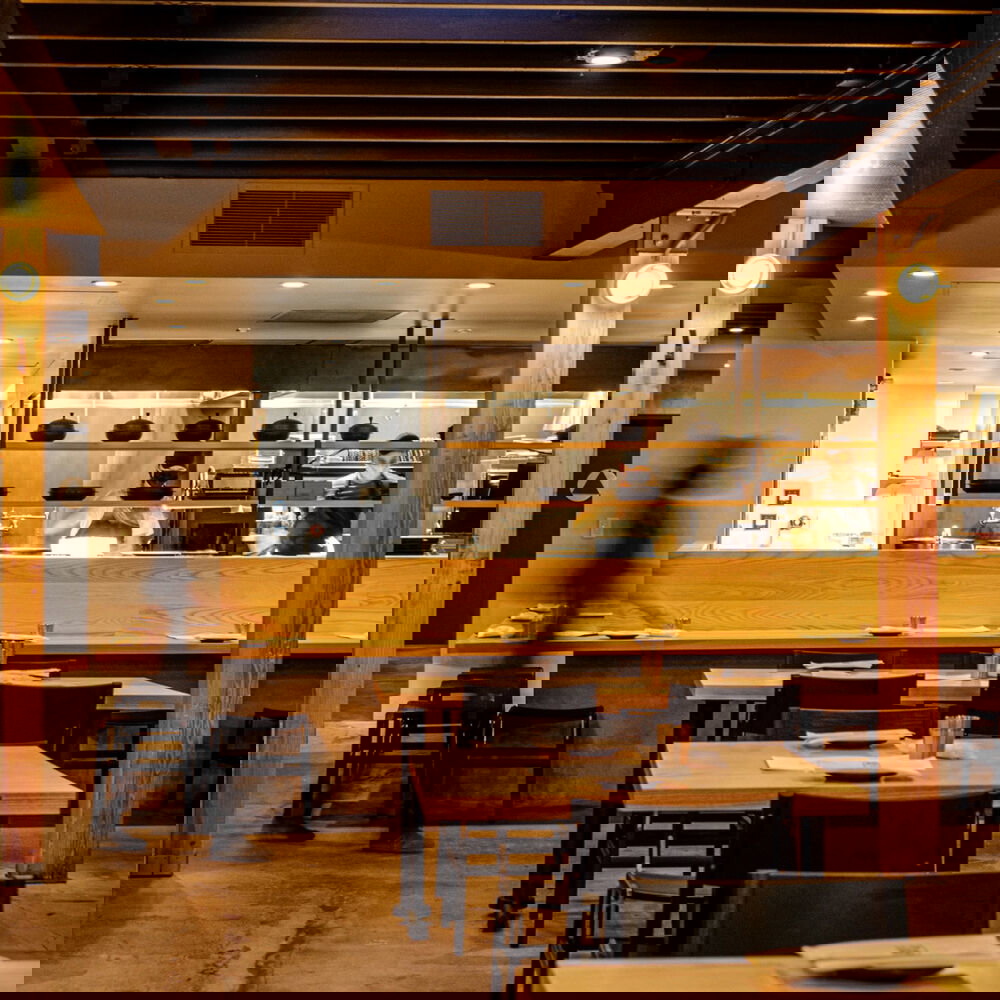
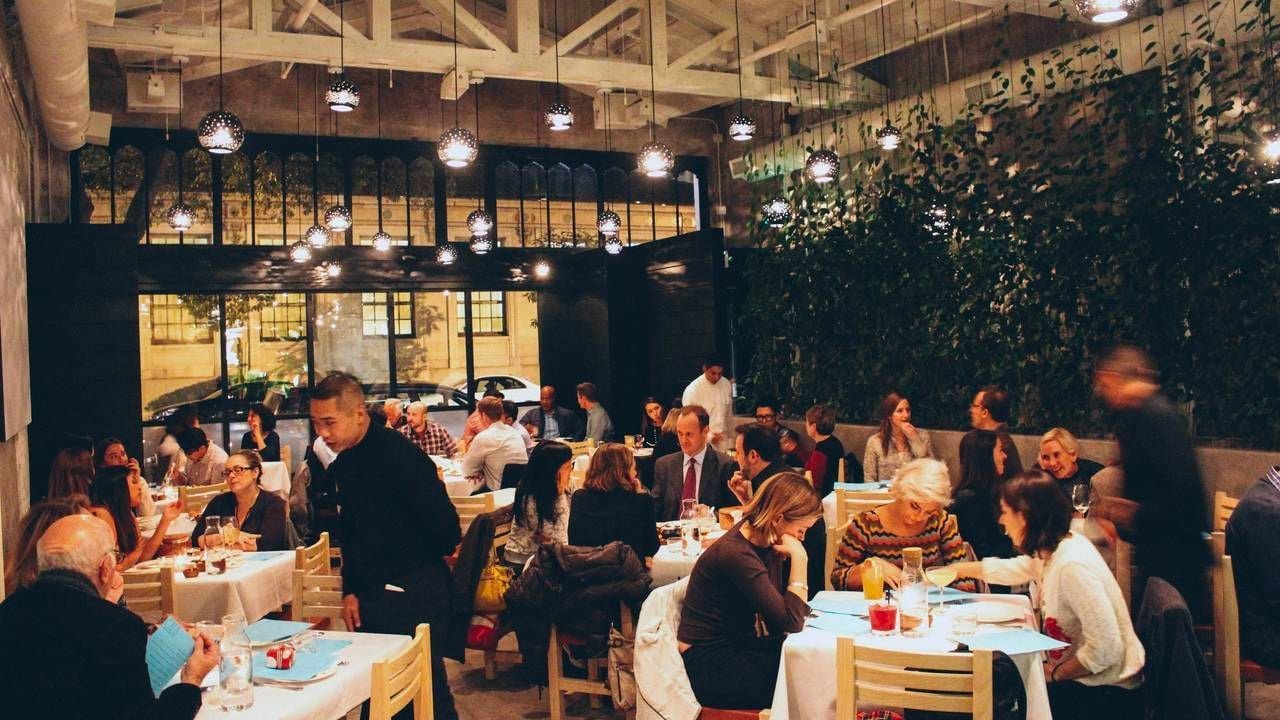
Bars in San Jose
Browse all →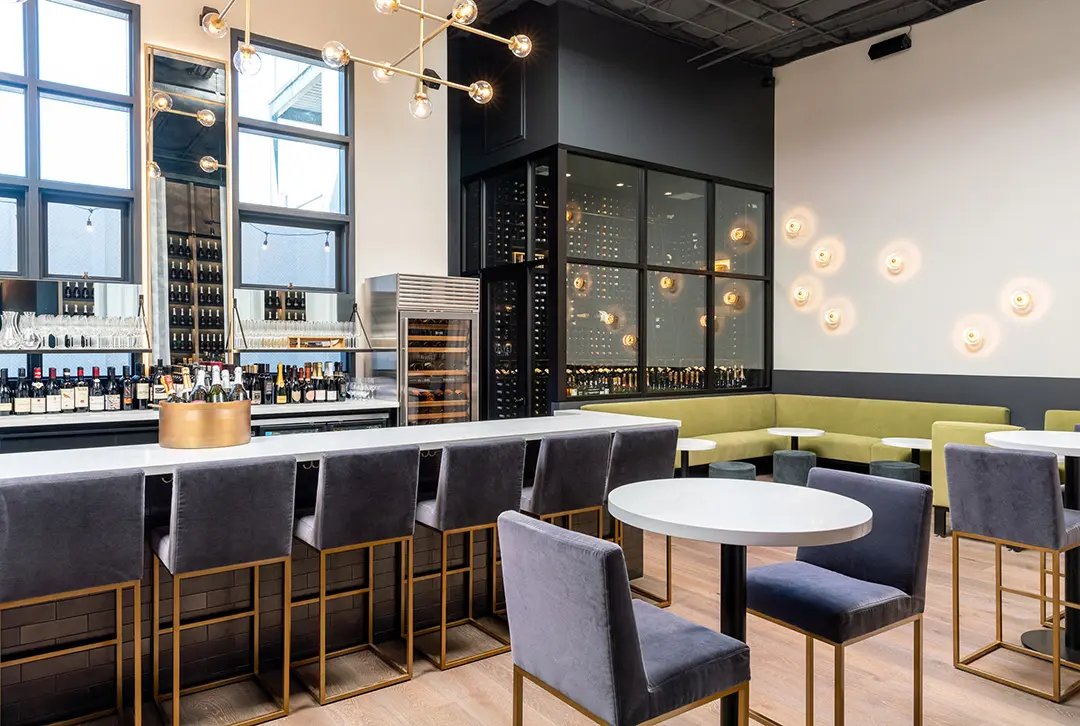
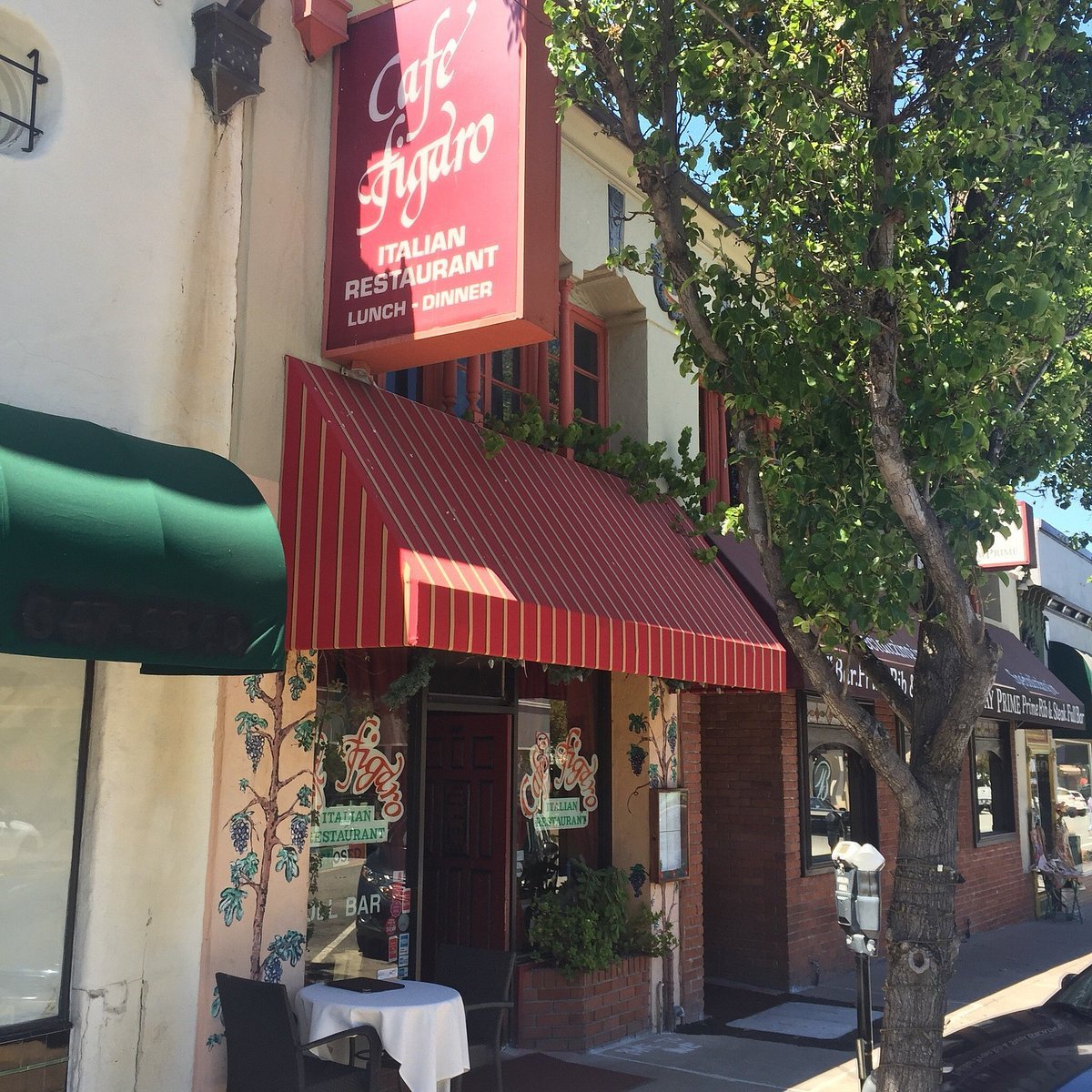
Hotels in San Jose
Browse all →




At a Glance
- Lively
- Modern
- Group Dining
- Family
- Casual Hangout
- Open Kitchen
- Terrace
- Craft Cocktails
- Local Sourcing
Fun, lively atmosphere with nice decor, vibrant cantina feel, and pleasant outdoor patio seating.