Lumière
Our verdict
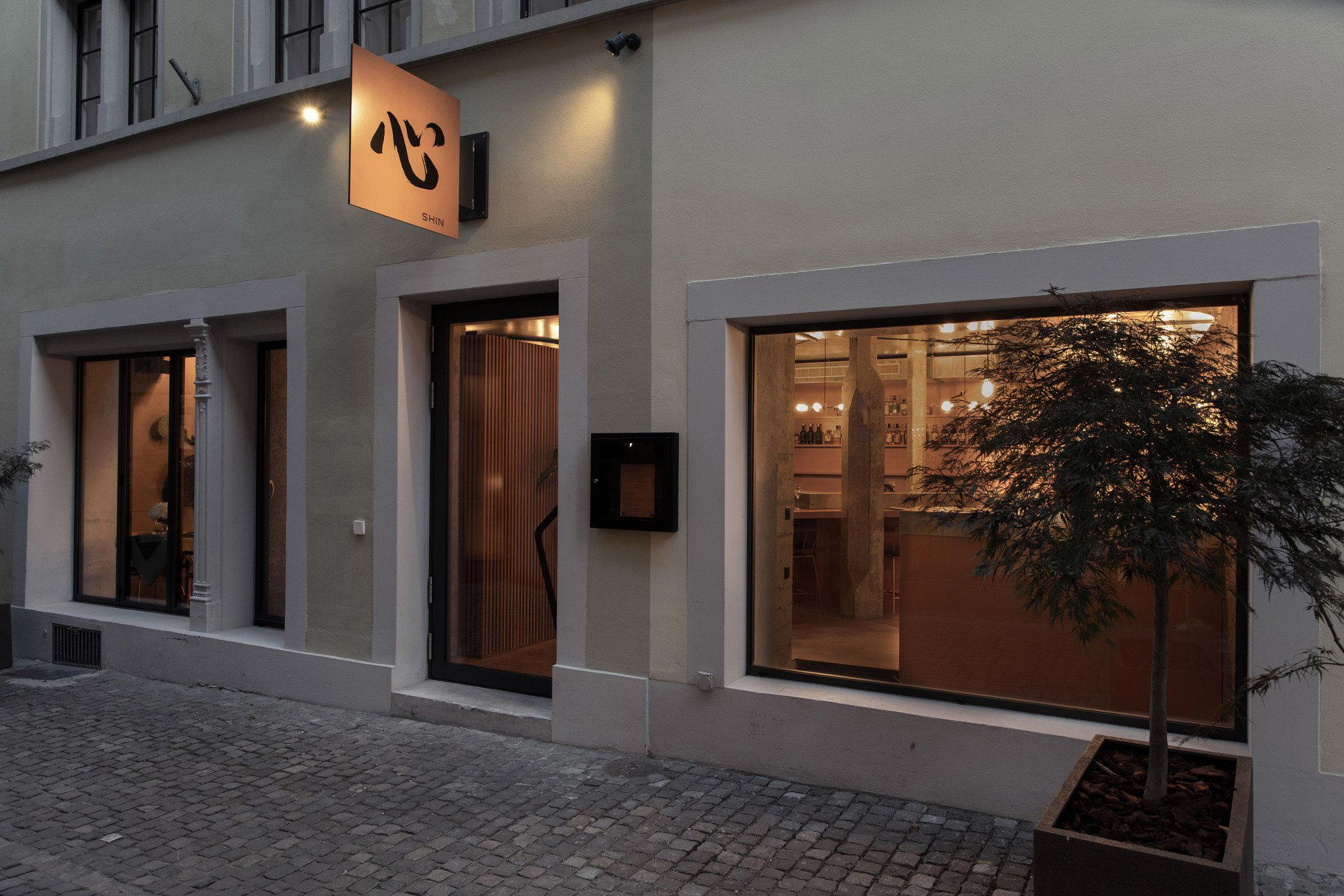
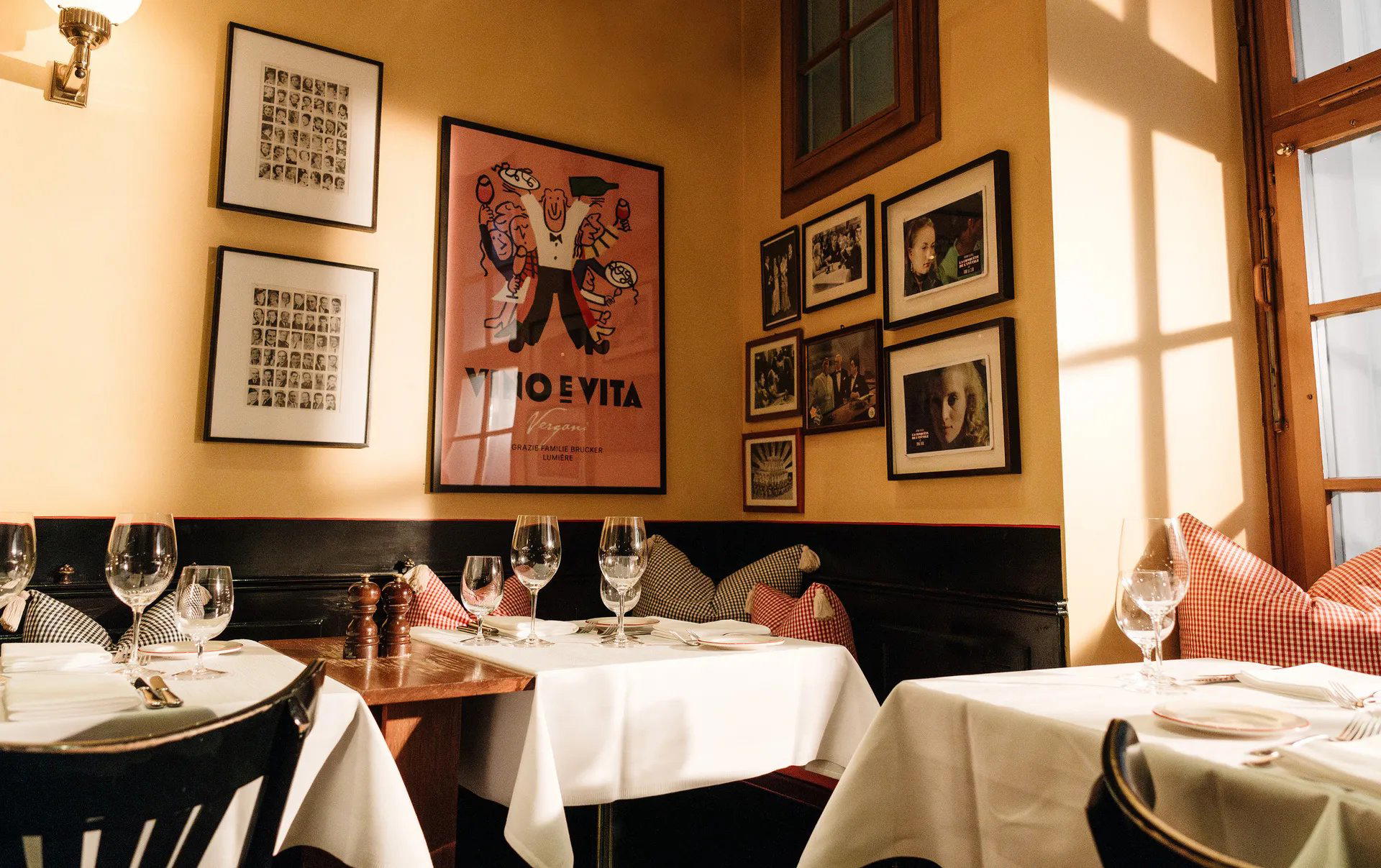
Lumière occupies a quiet address on Widdergasse in Zurich's Altstadt, placing it inside the dense cluster of serious dining rooms that define the old city's upper tier. The setting channels the restraint that characterises Zurich fine dining at its most considered: no performative theatre, just a meal built to unfold in sequence. For a city that rewards patience with its restaurant scene, Lumière is worth the attention.

Pearl is the En Primeur Club membership app — saves, bookings, and concierge access live there. Same editors, same standards.
The menu
What to order
- Entrecôte Café de Paris
- Filet de Boeuf Café de Paris
Where Zurich's Old City Sets the Table
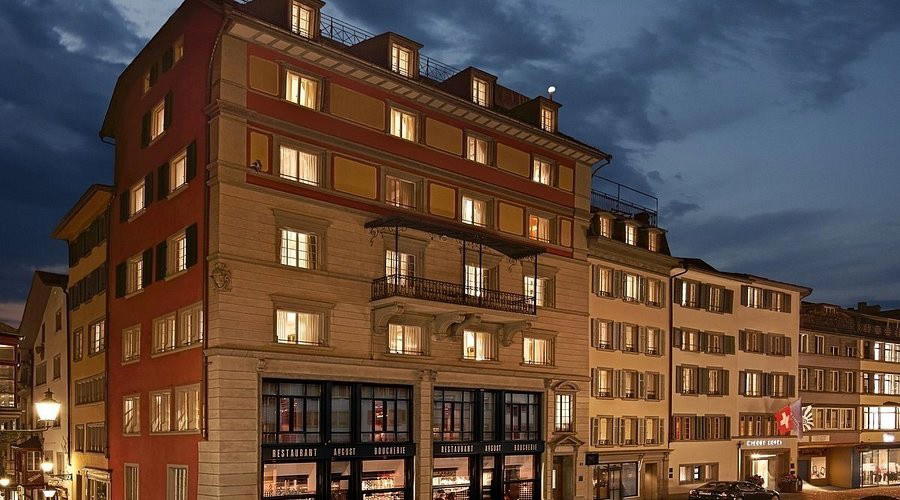
Widdergasse cuts through the Altstadt at the kind of angle that makes first-time visitors slow down and check their phones. The street is short, the buildings close, and the addresses here tend toward the quietly serious: law firms, a handful of galleries, and a small number of restaurants that don't need window signage to fill their rooms. Lumière sits at number five, and the address alone positions it inside one of the more concentrated pockets of considered dining in German-speaking Switzerland.
Zurich's fine dining scene has spent the last decade consolidating around two broad poles. On one side, the sharing-format, chef-driven rooms that follow the Andreas Caminada model — see IGNIV Zürich by Andreas Caminada for the clearest local expression of that approach. On the other, a smaller cohort of more classically sequenced restaurants where the multi-course tasting format remains the primary grammar of the meal. Lumière belongs to the second group, and that positioning carries certain implications for what a visit looks like from first course to last.
The Architecture of the Meal
Tasting menus have become so widespread in European fine dining that the format itself no longer signals much. What distinguishes one room from another is how the progression is managed: whether the arc of the meal builds or merely accumulates, whether the kitchen uses sequencing as a deliberate tool or as a convention observed out of habit. In Zurich's current scene, the rooms that handle this well tend to share a few traits: controlled pacing, a clear shift in register between lighter early courses and weightier mid-meal dishes, and a dessert sequence that functions as resolution rather than afterthought.
The Altstadt setting places Lumière in physical proximity to a peer group that includes The Restaurant and The Counter, both of which operate within the creative fine dining register that defines the upper tier of Zurich's restaurant map. Each addresses the question of progression differently. The Counter works within a contemporary framework where technique and provocation share the plate. The Restaurant leans into a more international reference set. Lumière's address on Widdergasse suggests a different set of priorities, one where the room and the sequence work together rather than the kitchen alone carrying the full weight of the experience.
Situating Lumière in the Swiss Fine Dining Context
Switzerland's serious restaurant scene is geographically scattered in a way that rewards planning. The major reference points sit outside Zurich: Hotel de Ville Crissier in Crissier, Schloss Schauenstein in Fürstenau, and Cheval Blanc by Peter Knogl in Basel each represent the kind of destination-level commitment that defines the country's upper bracket. Memories in Bad Ragaz and focus ATELIER in Vitznau demonstrate how seriously the wider region takes the format, while Einstein Gourmet in Sankt Gallen and 7132 Silver in Vals extend the map further. Colonnade in Lucerne and Da Vittorio in St. Moritz round out the national picture for anyone building a multi-city itinerary. Against this backdrop, a Zurich address on the Widdergasse functions as an argument for the city itself as a dining destination rather than merely a transit point between more celebrated Swiss tables.
The comparison also extends internationally. The multi-course tasting format in a compact, historically weighted urban setting has parallels in rooms like L'Atelier Robuchon in Geneva, where classical structure meets a highly specific physical environment, or in the technically demanding progression of Atomix in New York City, where the arc of the meal is treated as a compositional problem to be solved rather than a convention to be followed. Le Bernardin in New York City offers a different reference point: longevity and consistency as the primary trust signal, the format unchanged because it works rather than because innovation has been avoided.
The Neighbourhood as Context
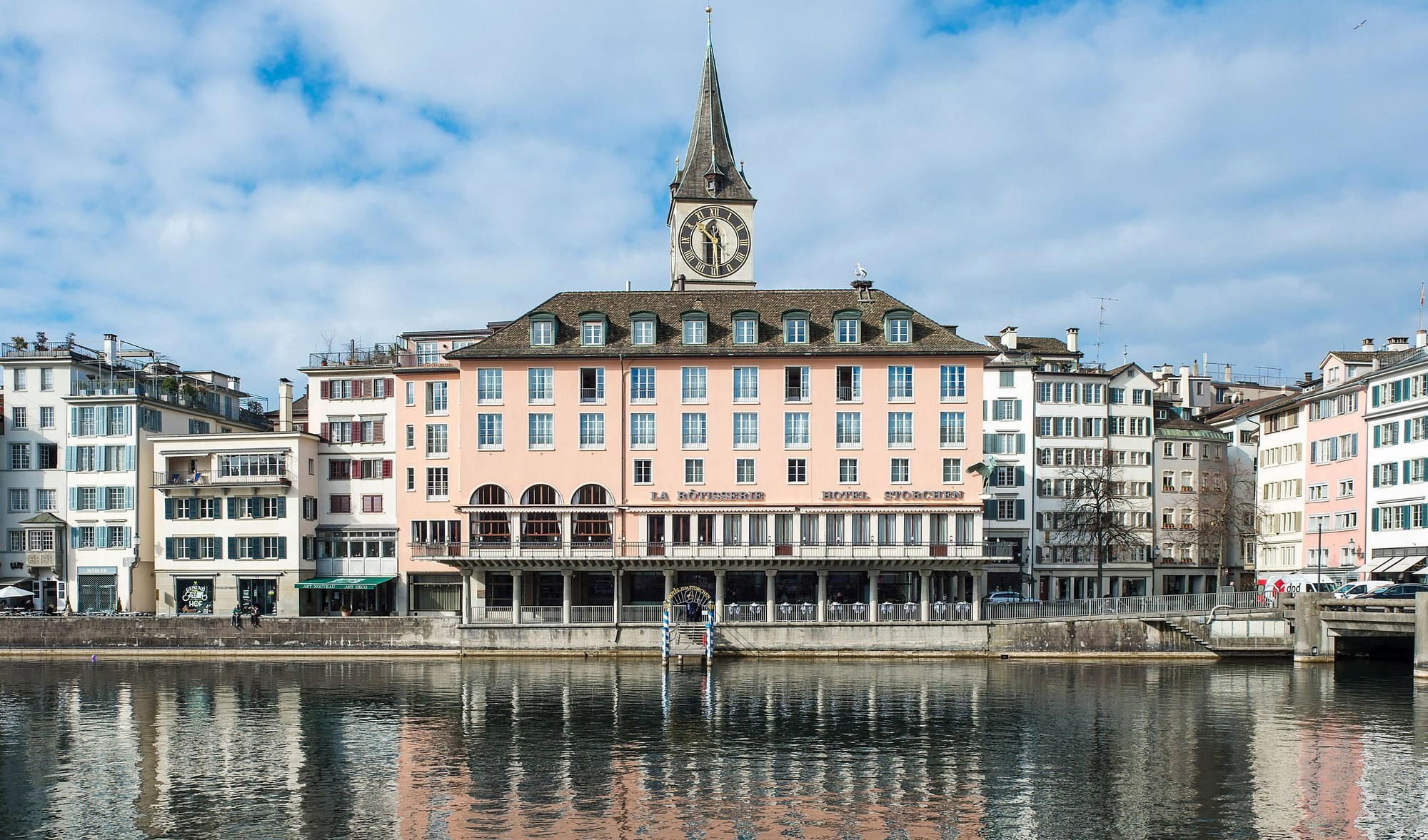
The Altstadt corridor between Niederdorf and the Lindenhügel contains a disproportionate number of Zurich's most discussed restaurants. Widder operates within a hotel that has become a minor institution in the area, and Eden Kitchen and Bar brings an Italian register to the same general postcode. The density of serious rooms in this part of the city means that a single evening can anchor a longer itinerary without requiring much movement. Widdergasse itself is a two-minute walk from the Rennweg tram stops, which places Lumière within easy reach of the main hotel cluster on Bahnhofstrasse. For visitors arriving from the main station, the walk takes roughly ten minutes through the old town.
That proximity matters more than it might in a larger city. Zurich rewards a slower pace of engagement, and the Altstadt is compact enough that pre- or post-dinner movement between neighbourhoods is genuinely practical. The dining district here is not a single street but a navigable area, and Lumière's Widdergasse address puts it near the centre of it.
How Lumière Fits a Wider Zurich Itinerary
For visitors using our full Zurich restaurants guide, the question of how to sequence evenings across the city's upper tier matters. Zurich's fine dining scene is concentrated enough that three or four serious meals within the old city and its immediate surrounds represent a coherent plan rather than an overreach. Lumière's format, as a multi-course room in a controlled Altstadt setting, sits naturally at the centre of that kind of visit: substantial enough to anchor an evening, specific enough in its approach to complement rather than duplicate what the sharing-format or more overtly creative rooms offer.
Know Before You Go
- Address: Widdergasse 5, 8001 Zürich, Switzerland
- Nearest transit: Rennweg tram stops (approx. 2-minute walk); Zurich HB main station (approx. 10-minute walk through Altstadt)
- Booking: Confirm availability and reservation policy directly with the venue before planning travel
- Format: Multi-course tasting setting; plan for a full evening
- Dress: Smart dress is the norm in this part of the Altstadt at this price tier; confirm specifics with the venue
Frequently asked questions
What's the vibe at Lumière?
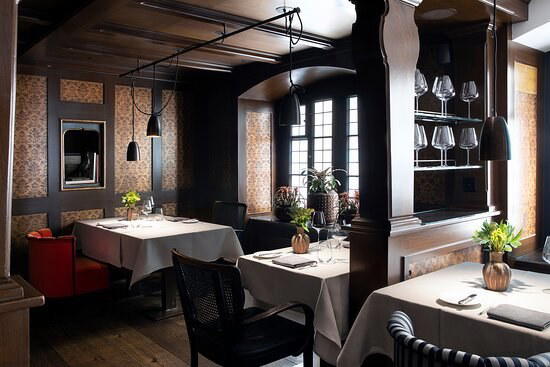
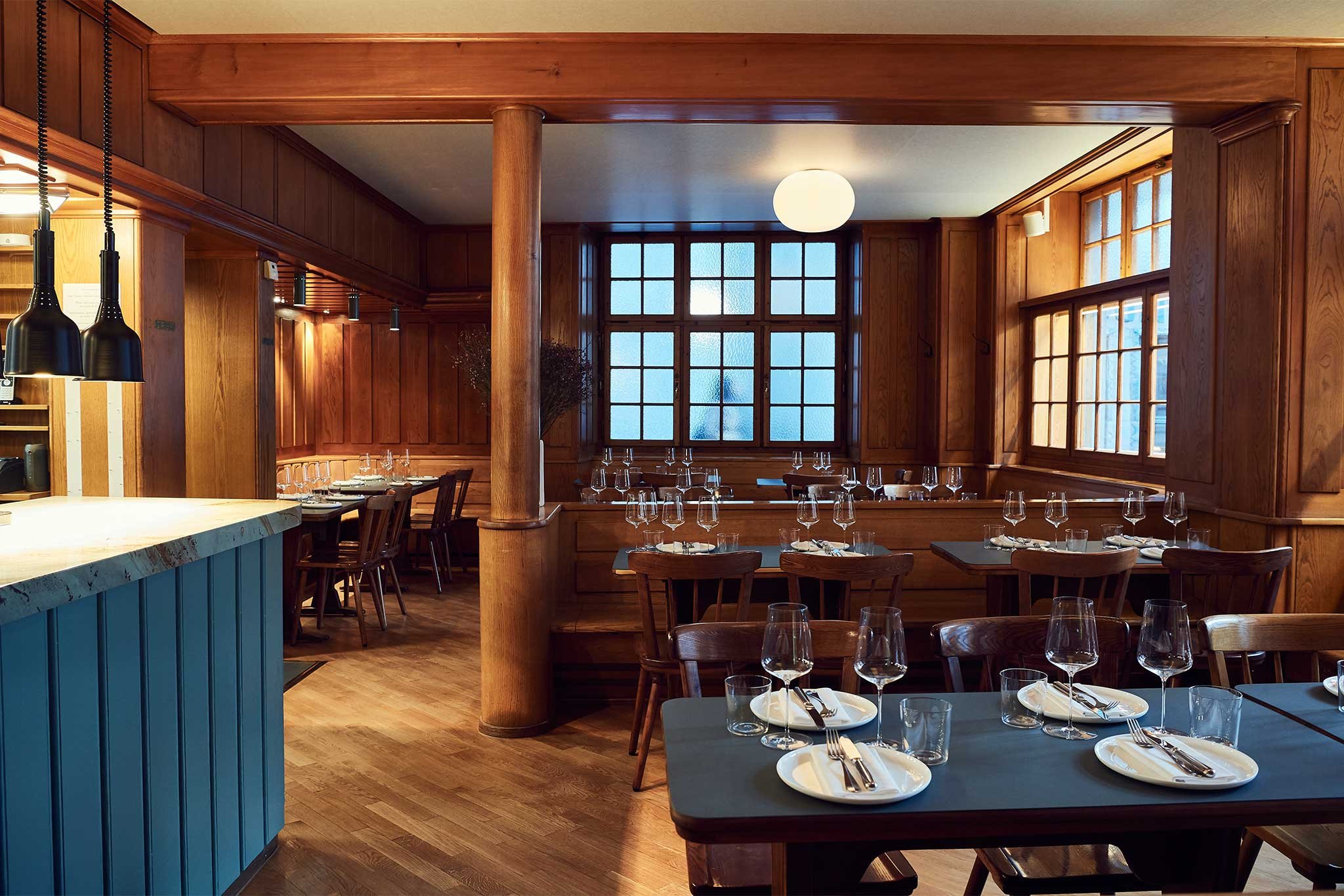
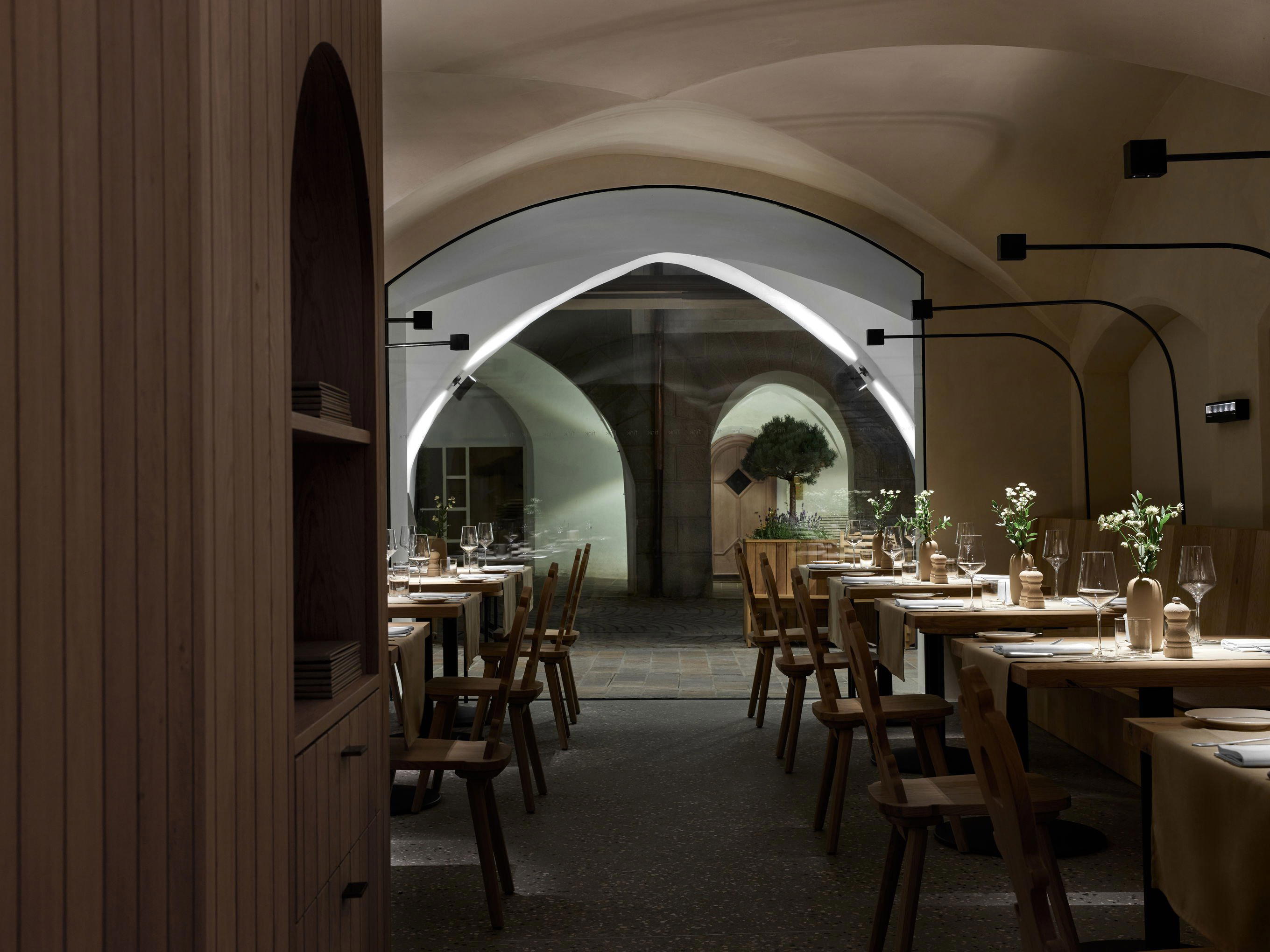
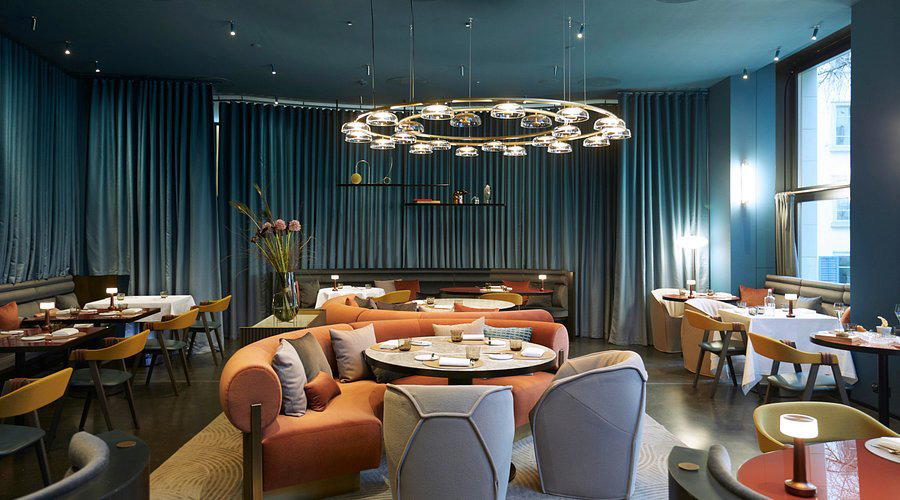
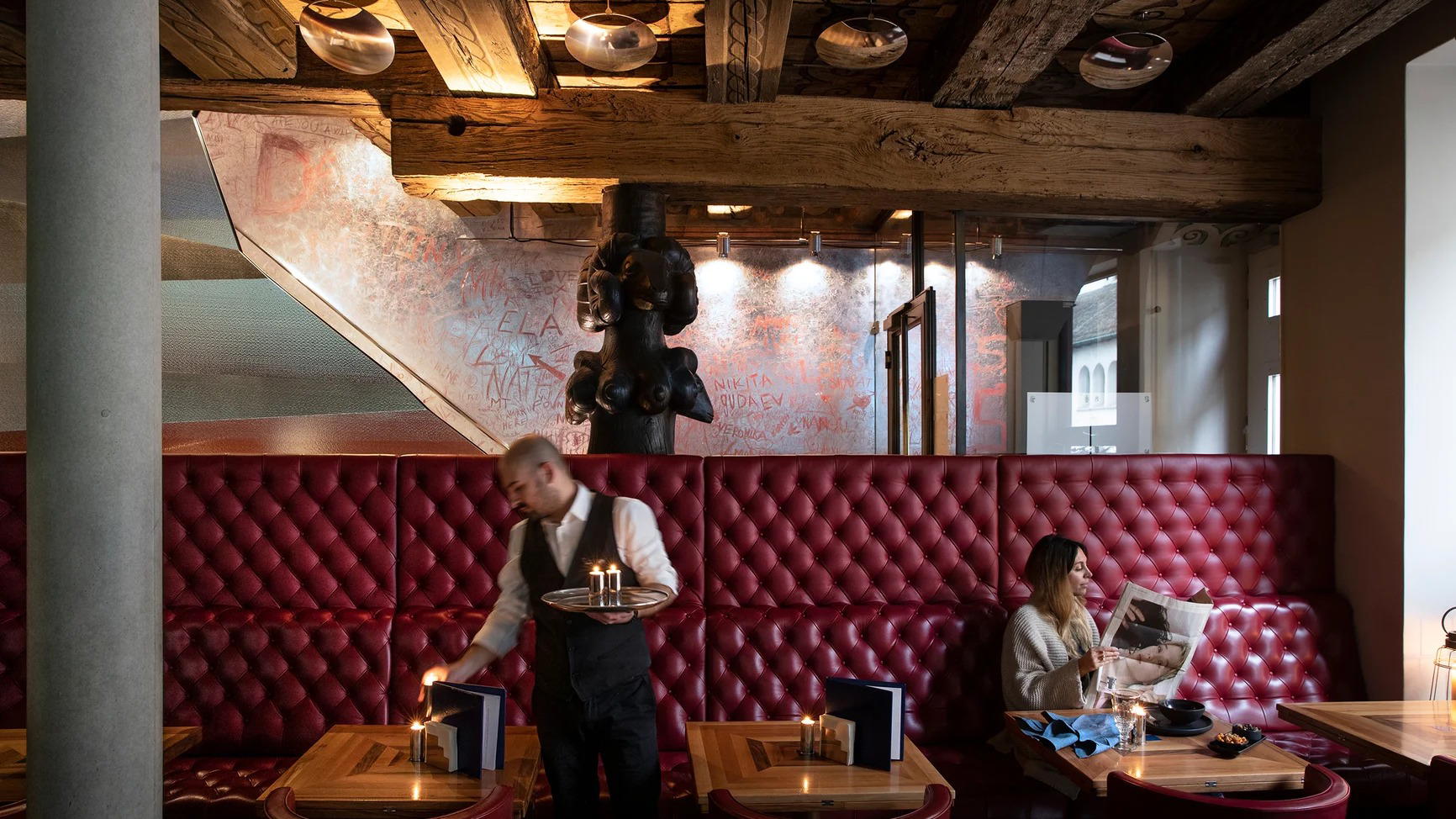
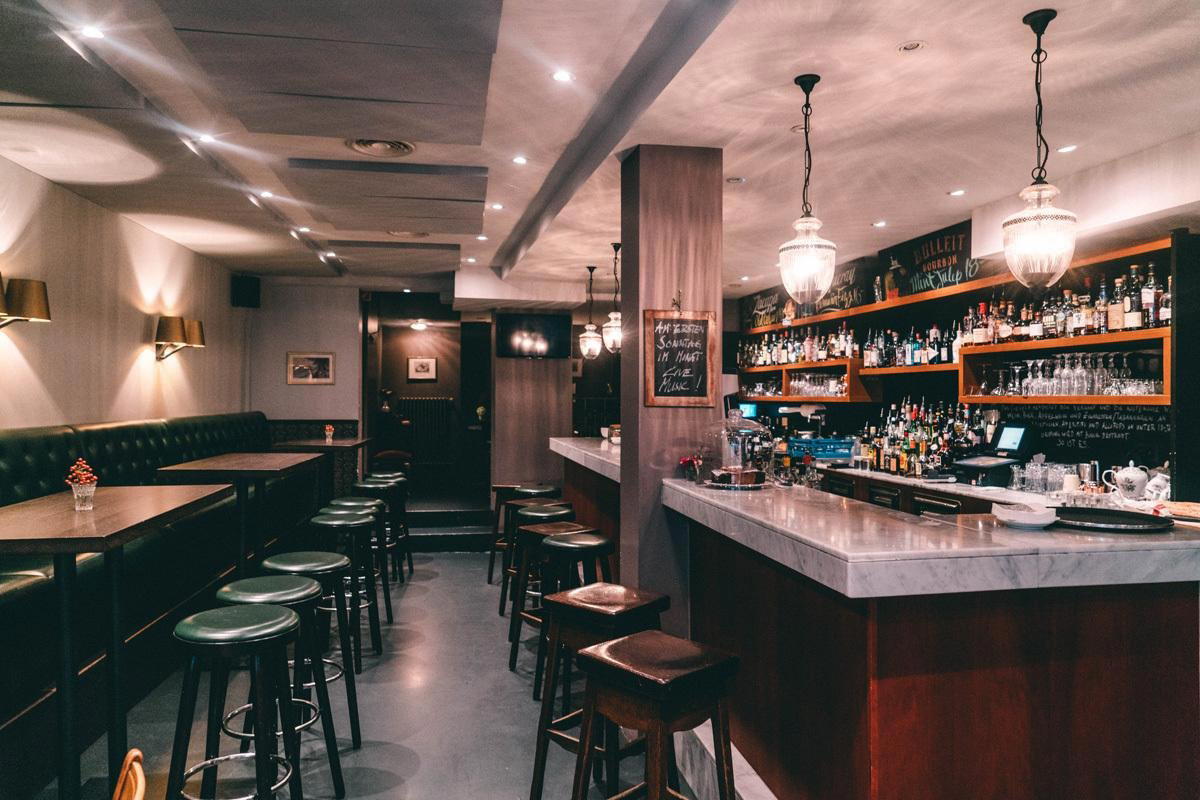
Lumière sits on Widdergasse 5 in Zurich's Altstadt, a short street that slows foot traffic and signals deliberate destination dining rather than passing trade. The setting in the 8001 postcode, a corridor that contains a disproportionate share of Zurich's most discussed restaurants, shapes expectations from the moment you arrive. Anticipate a composed, unhurried room oriented around the tasting-menu format.
How do I find Lumière?
Lumière is located at Widdergasse 5, 8001 Zürich, Switzerland, Zurich.
How does Lumière compare to other fine dining options in Zurich's Altstadt?
The Altstadt holds a concentration of Zurich's most talked-about tables, and Widdergasse 5 places Lumière at the centre of that geography rather than the periphery. Switzerland's highest-profile restaurant references, such as Hotel de Ville in Crissier and Andreas Caminada's Schloss Schauenstein, sit outside the city, which means Zurich's upper tier, Lumière among them, carries the weight of representing serious Swiss city dining. For visitors building an itinerary across multiple evenings, Lumière fits the tasting-menu slot that anchors a Zurich restaurant sequence.
What should I order at Lumière?
Lumière operates within the tasting-menu structure that dominates Zurich's upper dining tier, so the kitchen sets the direction rather than the guest. Arriving with dietary requirements flagged at booking is standard practice at this level. Specific courses are not published in advance and tend to reflect seasonal availability.
Do I need a reservation for Lumière?
At the price point and format Lumière occupies in Zurich's Altstadt, walk-ins are not a realistic strategy. Planning ahead by several weeks is advisable, particularly for Friday and Saturday sittings in a neighbourhood that draws both local regulars and international visitors. Contact details are best confirmed directly via current listings.
What has Lumière built its reputation on?
Lumière's position within the Altstadt corridor between Niederdorf and the Lindenhügel places it among Zurich's most geographically concentrated cluster of serious restaurants. Its reputation rests on the tasting-menu format executed in a room with architectural weight, a combination that has come to define the upper tier of Swiss city dining as distinct from the destination restaurants clustered outside Zurich. The Widdergasse address carries its own gravity in that context.
Comparison Snapshot
Comparable venues nearby, for context on price, style, and recognition.
| Venue | Cuisine | Price | Notes |
|---|---|---|---|
| LumièreThis venue — the venue you are viewing | Traditional French Bistro | $50–100 | Not listed |
| Rubina Restaurant | Swiss Cuisine with French Accent | $50–100 | Oberstrass |
| Totò | Traditional Italian Mediterranean | $50–100 | Riesbach |
| LaSalle | French & Italian with Mediterranean Accents | $50–100 | Industriequartier |
| Brasserie Seefeld | Authentic Sardinian Italian | $50–100 | Riesbach |
| Klingler's Zürich | Modern Italian Mediterranean | $50–100 | Enge |