On Rue de la Chalotais in central Rennes, Luca occupies a position in the city's mid-to-upper dining tier where Italian or Mediterranean influence increasingly intersects with Breton ingredient culture. The address places it within walking distance of the city's older restaurant quarter, setting it against a peer group that includes creative and modern-cuisine operators across a range of price points.
Pearl is the En Primeur Club membership app — saves, bookings, and concierge access live there. Same editors, same standards.
- Address
- 35 Rue de la Chalotais, 35000 Rennes, France
- Phone
- +33299650077
- Website
- restaurantluca.com
- Directions
- Get directions
 Saves & bookings on Pearl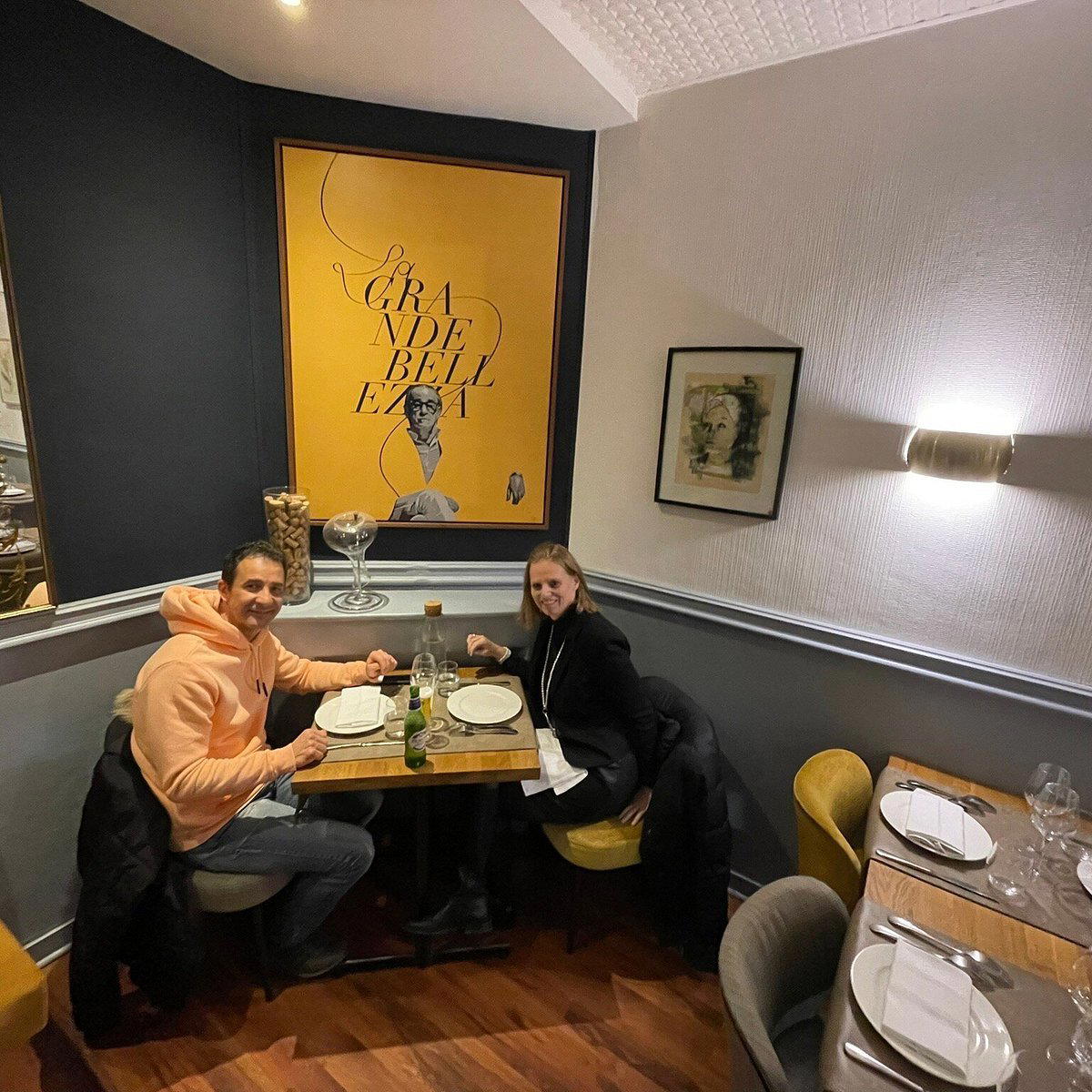
A Street, a Room, a Register
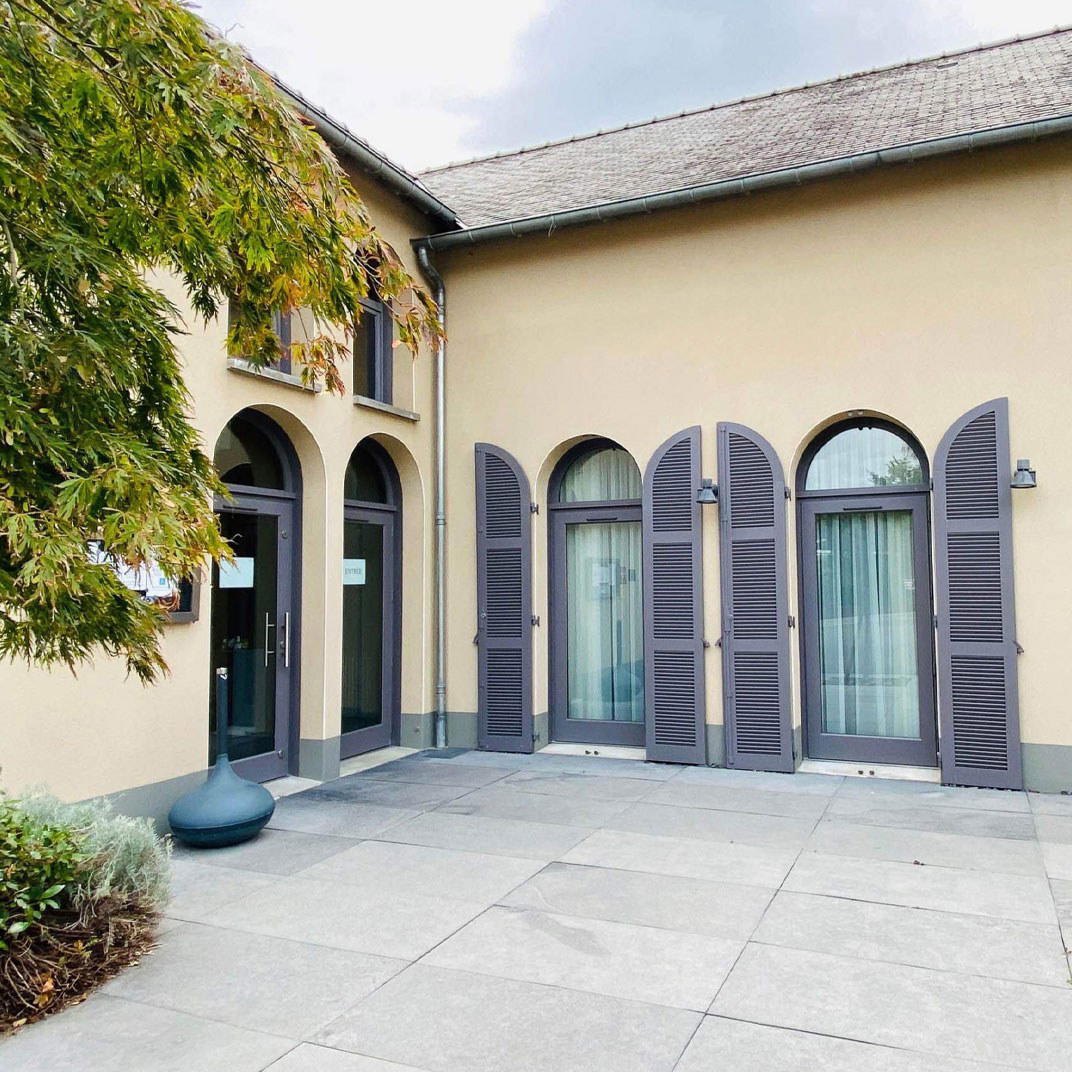
Rue de la Chalotais cuts through central Rennes at a particular angle — part administrative, part residential, with the kind of ground-floor rhythm that tends to attract serious restaurants rather than tourist-facing ones. The address at number 35 puts Luca in a neighbourhood where the dining room matters more than the frontage, where a modest exterior can front a considered interior, and where a local clientele is more likely to be the measure of a place than passing foot traffic. In a city that has developed a coherent restaurant culture over the past decade, that positioning carries meaning.
Rennes has moved, over roughly the same period, from being a regional capital with serviceable dining options to a city whose better tables are drawing genuine attention from outside Brittany. The shift is partly demographic — a large university population and a strong professional class, and partly structural, as chefs who trained in Paris or abroad have found the city's ingredient access, lower rents, and engaged local audience more compelling than continuing to work in oversaturated markets elsewhere. Luca sits within that broader wave.
The Sensory Register of the Room
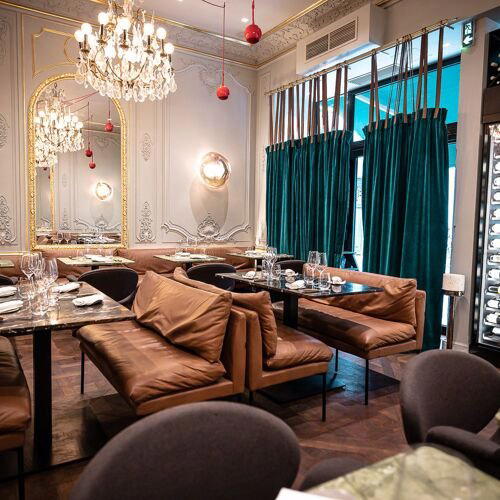
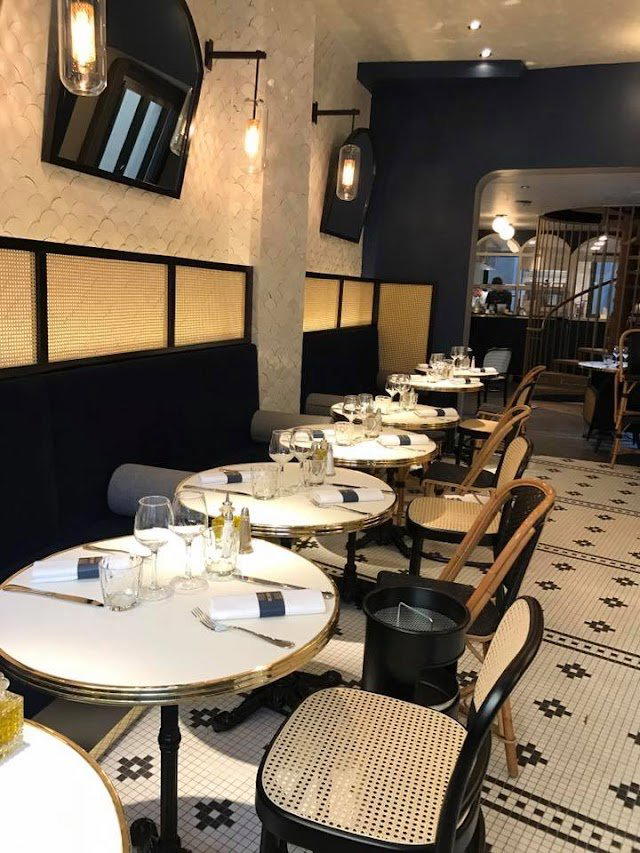
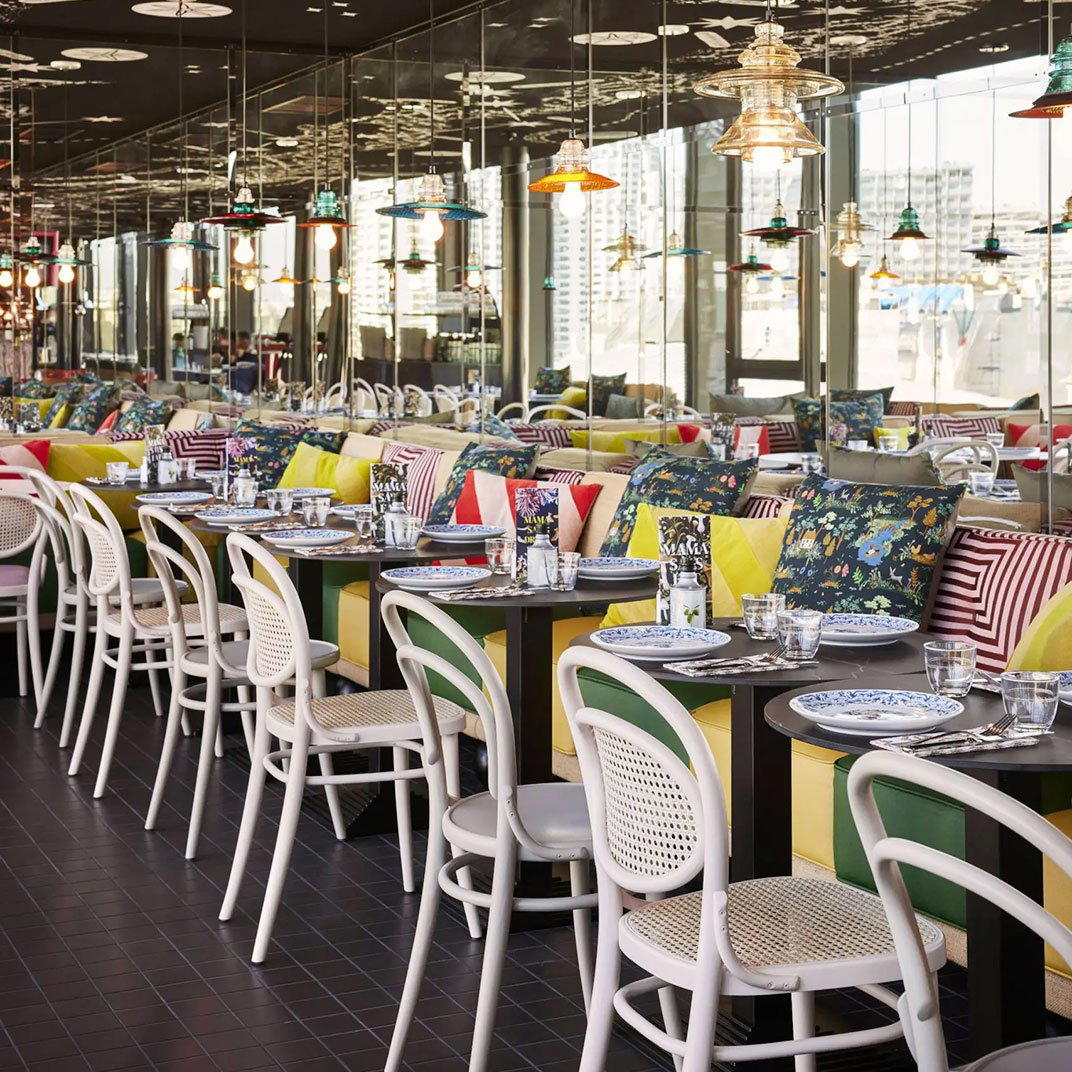
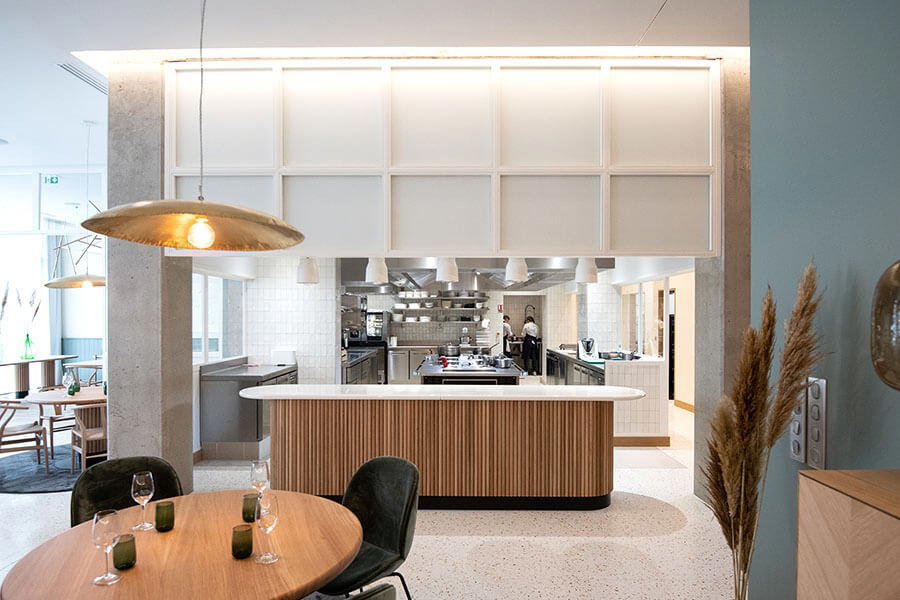
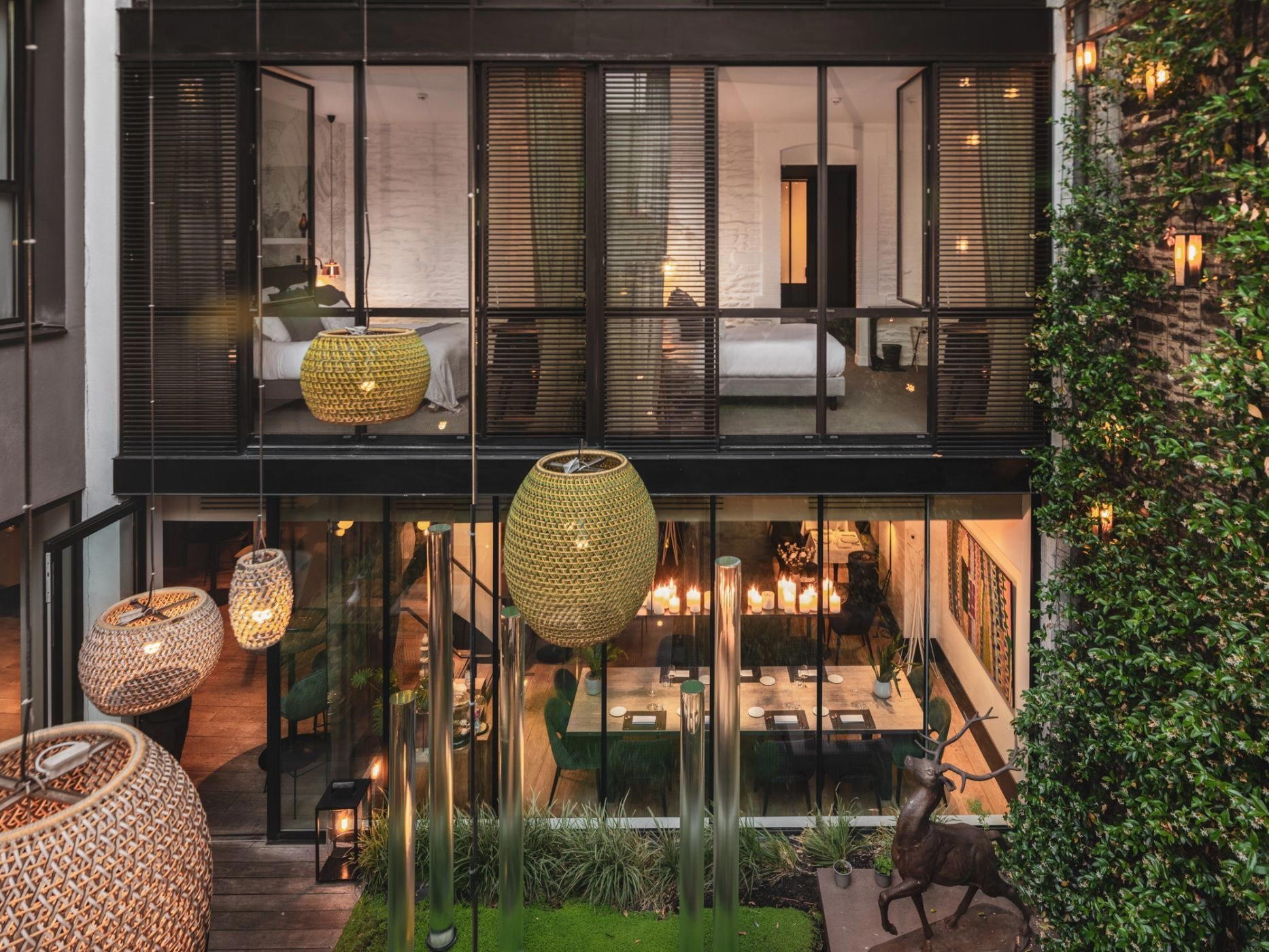
What the room at 35 Rue de la Chalotais communicates matters in the context of how Rennes has been positioning its better restaurants. Across the city's upper tier, the dominant aesthetic has moved away from formal white-tablecloth settings toward rooms that signal craft and intention through material choices: exposed stone, warm lighting calibrated for evening service, tableware that reads as chosen rather than standard. The expectation, for a diner arriving from outside the city, is a room that feels specific to its location rather than interchangeable with a Parisian equivalent.
Sound levels in this tier of Rennes restaurant tend toward the convivial rather than the hushed, reflecting a dining culture where the table is understood as a social event as much as a tasting exercise. The contrast with the more theatrical silence of Paris's formal rooms is deliberate; Breton dining culture, even at its more ambitious end, has historically resisted the ceremonial distance that can characterize haute cuisine in the capital.
Rennes now has a legible mid-to-upper dining tier, and understanding where Luca sits requires mapping it against that group. Ima (Creative) operates at the €€€€ level with a creative format that places it at the ceiling of the city's independent fine-dining market. Bombance (Modern Cuisine) and Alphonse occupy adjacent positions in the modern-cuisine register. Benèze adds further depth to the city's independent scene, while Breizh Café Rennes (Breton) anchors a more accessible, regionally specific offer at €€.
Luca's address on Rue de la Chalotais places it geographically close to this cluster, which means it competes for the same evening-out decision from a diner who has already committed to eating well. That competitive context shapes expectations around format, value density, and what the kitchen needs to do to earn repeat visits from a local audience that has other credible options within walking distance.
For a broader overview of how this tier has developed, our full Rennes restaurants guide maps the city's dining scene across price points and cuisine types.
Breton Ingredients as Editorial Context
Any serious restaurant operating in Rennes is working with one of France's most distinctive regional ingredient cultures. Brittany's coastline, among the most productive in Europe for shellfish, seaweed, and line-caught fish, sits within a short supply chain of the city. Inland, the agricultural tradition runs to dairy, pork, and vegetables of specific provenance. The pressure on kitchens in Rennes is not to find good ingredients; it is to have a clear point of view about what to do with them.
This is what separates the city's better tables from its adequate ones. Across France's provincial dining scene, the restaurants that have earned sustained recognition from guides and from food media have tended to be those that treat regional ingredient access not as a marketing point but as a genuine constraint that disciplines the menu. Bras in Laguiole built its entire identity around the Aubrac plateau's specific larder. Auberge de l'Ill in Illhaeusern has sustained three Michelin stars for decades by staying rooted in Alsatian product. The model is established: specificity of place, consistently executed, outperforms generic ambition in the long run.
Further along the spectrum of French haute cuisine, the approach taken at Flocons de Sel in Megève and Troisgros - Le Bois sans Feuilles in Ouches, both committed to the specificity of their landscapes, reinforces what regional commitment can produce when sustained across decades. For Rennes kitchens, the Breton ingredient culture provides the same potential foundation.
The Wider Frame: France's Restaurant Conversation
Rennes's emergence as a dining destination of note is part of a larger redistribution of culinary ambition across France. Paris retains the density of starred tables, Alléno Paris au Pavillon Ledoyen and Assiette Champenoise in Reims anchor the upper end of formal French dining, but the most interesting new energy has been accumulating in provincial cities where the cost-to-quality ratio still permits genuine ambition. AM par Alexandre Mazzia in Marseille demonstrated that a southern city with strong local identity could sustain a three-star kitchen. Mirazur in Menton reached the best of the World's 50 Best list from a coastal town most international diners would not have placed on a map a decade earlier.
These precedents matter for how to read ambition in a Rennes restaurant. A city with Brittany's ingredient culture and a professional dining population does not need to look to Paris for its frame of reference. The international conversation has its own reference points worth following: Atomix in New York City has built a sustained reputation for precision and cultural specificity in a market far more competitive than any French regional city. Le Bernardin in New York City remains the benchmark for how a French-rooted kitchen can maintain relevance across decades. Paul Bocuse - L'Auberge du Pont de Collonges and Au Crocodile in Strasbourg represent what sustained institutional commitment to a French regional identity can produce over generations.
Planning a Visit
Luca is at 35 Rue de la Chalotais, 35000 Rennes. The address is accessible on foot from the city centre and from Rennes's main public transport corridors. As with most serious independents in the city's upper tier, booking ahead is advisable rather than optional, particularly for weekend evenings when Rennes's professional dining population tends to consolidate into the same time slots. Visiting on a weekday evening, where the room is typically less compressed, often produces a more focused experience.
How Luca Rennes compares with similar nearby venues.
| Venue | Cuisine | Price |
|---|---|---|
| Estime | Modern Cuisine | €€ |
Continue exploring
More in Rennes
Restaurants in Rennes
Browse all →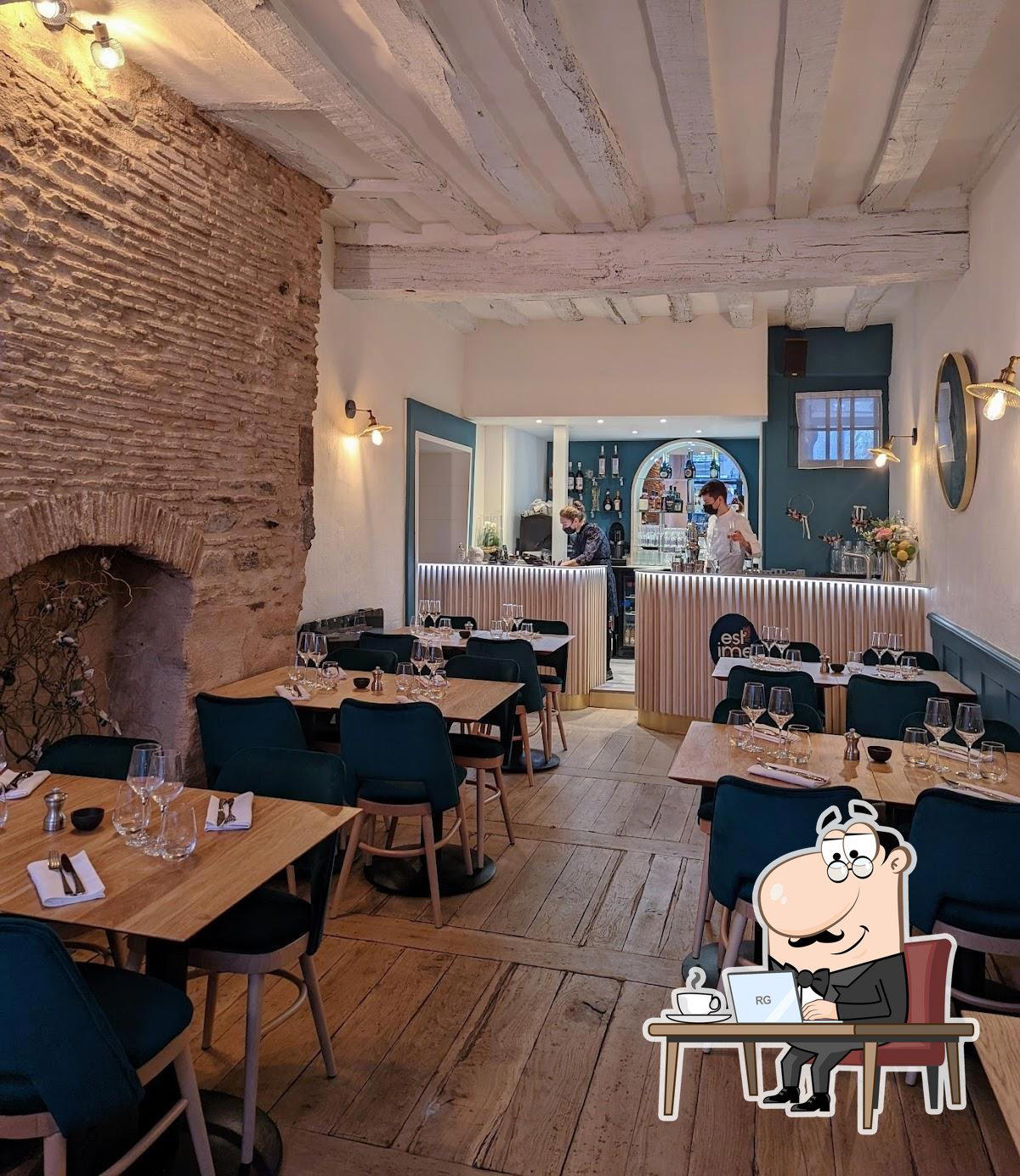
At a Glance
- Cozy
- Romantic
- Elegant
- Date Night
- Special Occasion
- Wine Cellar
- Extensive Wine List
Current opening hours
- Monday
- 11:45 AM–1:45 PM, 7:30–10 PM
- Tuesday
- 11:45 AM–1:45 PM, 7:30–10 PM
- Wednesday
- 11:45 AM–1:45 PM, 7:30–10 PM
- Thursday
- 11:45 AM–1:45 PM, 7:30–10 PM
- Friday
- 11:45 AM–1:45 PM, 7:30–10 PM
- Saturday
- 7:30–10 PM
- Sunday
- Closed
Hours can change for holidays and private events. Last verified .
Warm and inviting Italian atmosphere with a nice room and glass floor overlooking the wine cellar.
Know Before You Go
- Getting there
- 35 Rue de la Chalotais, 35000 Rennes, France