On Davidshallsgatan in Malmö's Davidshall district, LU occupies a quietly considered space that positions it within the city's mid-to-upper dining tier. The address alone signals neighbourhood intent: a residential-commercial strip that has drawn a sequence of serious independent operators. Visitors seeking an alternative to Malmö's more visible fine-dining names will find LU worth examining on its own terms.
Pearl is the En Primeur Club membership app — saves, bookings, and concierge access live there. Same editors, same standards.
- Address
- Davidshallsgatan 3, 211 45 Malmö, Sweden
- Phone
- +4640319898
- Website
- koket.lu
- Directions
- Get directions
 Saves & bookings on Pearl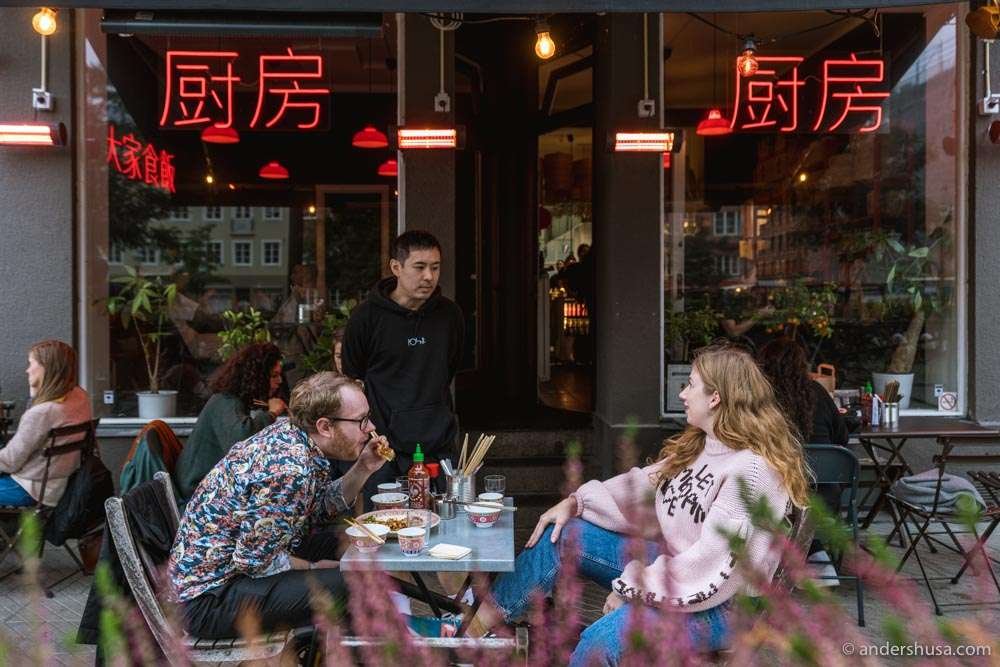
A Street That Earns Its Reputation
Davidshallsgatan runs through one of Malmö's more compositionally coherent neighbourhoods, a stretch where independent operators tend to outlast trends rather than ride them. The street has become something of a test case for how Swedish cities outside Stockholm absorb serious dining ambition without the capital's infrastructure. Restaurants here don't rely on destination foot traffic; they build local loyalty or they close. LU, at number 3, sits at the quieter end of that equation, in a building whose facade gives little away before you enter.
That restraint in presentation is increasingly common among a certain tier of Scandinavian dining. Where Vollmers in Malmö signals its ambitions through long-established recognition, and where Atrium operates with an architectural openness, LU reads from the outside as deliberately low-key. Whether that translates into the room itself is the first thing any visitor notices on arrival.
The Physical Container
The design conversation in Scandinavian dining has moved decisively away from maximalism. The post-2010 Nordic wave established a visual grammar, and many restaurants now work within or against it: pale wood, exposed material honesty, controlled light, hard surfaces softened by textile or plant. What distinguishes one space from another within this shared language is usually proportion and restraint in the details rather than dramatic departures from the template.
LU's address on Davidshallsgatan 3 places it in a low-rise urban block, which typically constrains ceiling height and room depth. In rooms of this type, seating arrangement carries disproportionate weight. The gap between tables, the choice of chair back height, the direction of natural light through existing windows — these are the variables that determine whether a compact room feels considered or merely small. Malmö's dining rooms in this tier tend toward intimacy by necessity as much as by choice, and the best of them convert that constraint into an asset: fewer seats means more attention per cover, which aligns with the service model that serious independents in the city have built their reputations on.
Comparing across the city's mid-upper tier, spaces like BASTA and Care of have each established distinct spatial identities despite operating in similarly scaled footprints. The competitive pressure this creates is architectural as much as culinary: diners in this market notice when a room has been thought through, and they notice equally when it hasn't.
Malmö's Independent Dining Position
Sweden's fine-dining geography has long been weighted toward Stockholm, where Frantzén anchors the country's highest-profile tier. That development extends beyond the obvious anchors. Operators at a level below headline recognition, running tighter rooms and shorter menus, have collectively shifted what diners expect from the city's independent sector.
This is the context in which LU operates. It is not positioned against the starred establishments, nor does it sit at the casual end of the market alongside Casual or Brogatan. It occupies a middle ground that Sweden's regional cities have been quietly developing: restaurants that take ingredients and technique seriously without anchoring their identity to formal tasting-menu theatre.
The broader southern Swedish dining corridor now runs from Malmö up through the region, with VYN in Simrishamn demonstrating what serious ambition looks like in a genuinely remote setting. Further into Sweden, ÄNG in Tvååker and Knystaforsen in Rydöbruk have made the case that rural positioning is no obstacle to high-end credibility. Malmö, as a city with a proper urban base and cross-border traffic from Copenhagen, has structural advantages that these rural outliers lack, but it also faces more direct competition from the Danish capital across the bridge.
The Davidshall Neighbourhood as Context
Davidshall functions as Malmö's version of the neighbourhood that food-aware locals treat as a reliable alternative to the more tourist-oriented centre. It has a residential anchor that keeps independent operators accountable to regulars rather than one-time visitors. This dynamic tends to produce menus that evolve over time rather than cycling through trend-adjacent formats, and service cultures that prioritise consistency over spectacle.
The neighbourhood sits within cycling distance of Malmö Central Station, which matters for the significant number of visitors who arrive from Copenhagen via the Öresund Bridge. That cross-border flow, especially on weekends, has shaped what Malmö's better independent restaurants need to deliver: enough to justify the trip, but grounded enough to feel like a local discovery rather than a tourist export. LU's Davidshallsgatan location places it squarely in the kind of block that benefits from that positioning.
For visitors building a broader Swedish dining itinerary, the southern region offers logical combinations. Signum in Mölnlycke and 28+ in Gothenburg anchor the west coast leg, while PM & Vänner in Växjö, Adrian Restaurang in Borås, and Brasserie Park in Jonkoping fill the middle ground. Malmö, with its Copenhagen proximity and Scania produce connections, holds a distinct position in that geography. See our full Malmo restaurants guide for a broader read on the city's dining character.
Planning a Visit
Davidshallsgatan 3 is reachable on foot from the central parts of the city, and the Davidshall neighbourhood is compact enough that it reads as a destination rather than a transit point. For visitors coming from Copenhagen, the Öresund crossing by train brings you into Malmö Central in approximately 35 minutes, from which the address is accessible without a car. Because specific booking methods, hours, and pricing for LU are not publicly confirmed in available records, contacting the venue directly before planning a visit is the practical approach. That applies equally to dietary requirements, which are leading raised at the point of booking rather than on arrival.
How LU Malmö compares with similar nearby venues.
| Venue | Cuisine | Price |
|---|---|---|
| Restaurang Atmosfär | Swedish | € |
| Mutantur | Modern Cuisine | €€ |
Continue exploring
More in Malmö
Restaurants in Malmö
Browse all →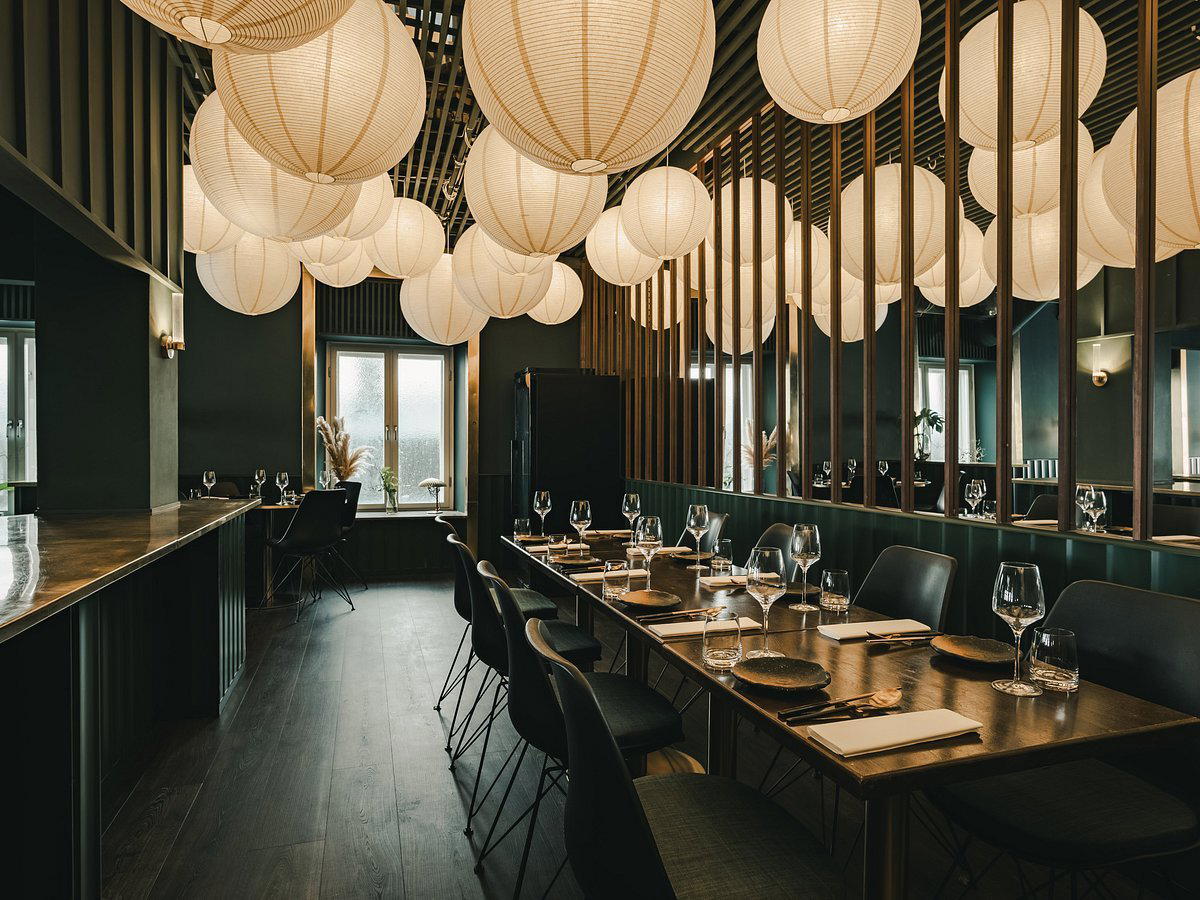
Bars in Malmö
Browse all →
Hotels in Malmö
Browse all →

At a Glance
- Trendy
- Cozy
- Casual Hangout
- After Work
- Natural Wine
Current opening hours
- Monday
- 11:30 AM–3 PM, 5–10 PM
- Tuesday
- 11:30 AM–3 PM, 5–10 PM
- Wednesday
- 11:30 AM–3 PM, 5–10 PM
- Thursday
- 11:30 AM–3 PM, 5–10 PM
- Friday
- 11:30 AM–3 PM, 5–10 PM
- Saturday
- 12–10 PM
- Sunday
- 12–8:30 PM
Hours can change for holidays and private events. Last verified .
Cozy and lively atmosphere reminiscent of a chaotic Chinese family gathering with steaming hot kitchen.
Know Before You Go
- Getting there
- Davidshallsgatan 3, 211 45 Malmö, Sweden