In the marshland village of Bouin on the Vendée Atlantic coast, L'Ecume Gourmande draws on one of France's most productive shellfish and sea salt territories. The restaurant sits at the intersection of coastal terroir and careful kitchen craft, making it a considered stop for anyone tracing the western Loire's quieter dining circuit away from the better-known names of La Rochelle or Noirmoutier.
Pearl is the En Primeur Club membership app — saves, bookings, and concierge access live there. Same editors, same standards.
- Address
- 15 Rue du Pays de Monts, 85230 Bouin, France
- Phone
- +33251686465
- Website
- lecumegourmande.com
- Directions
- Get directions
 Saves & bookings on Pearl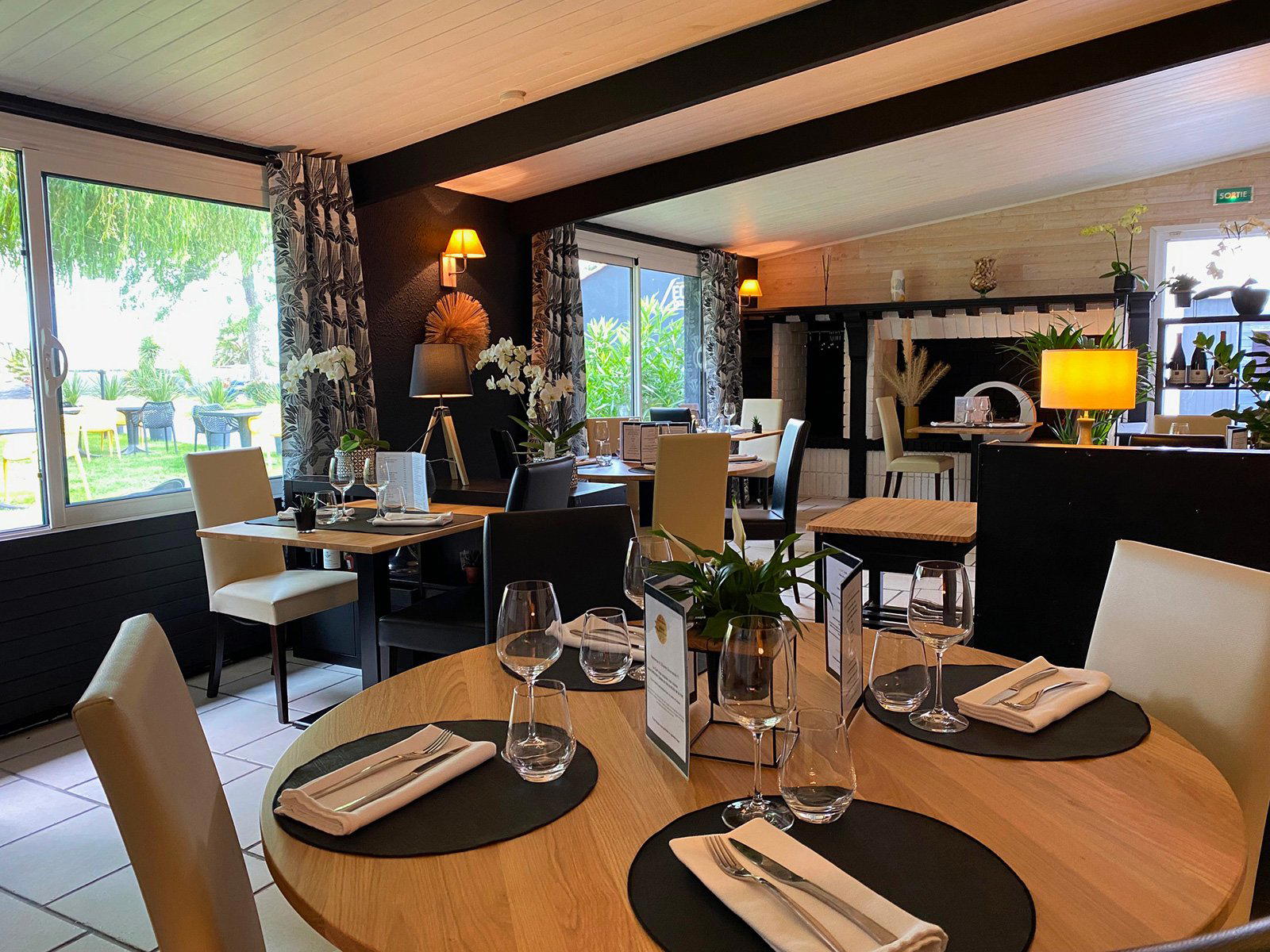
Where the Marshes Meet the Table
Bouin sits at the edge of the Marais Breton Vendéen, a network of salt marshes, oyster beds, and tidal channels that stretches along the southern shore of the Loire estuary. This is not scenic backdrop; it is the actual food supply. The polders and basins surrounding the village produce some of France's most consistently cited Atlantic oysters, along with sea salt harvested by hand in a tradition that predates the industrial era by several centuries. Arriving at L'Ecume Gourmande on the Rue du Pays de Monts, the logic of the setting is immediate: the restaurant exists in a place where the distance between water and plate is measured in minutes rather than supply chains.
That geographic proximity shapes a category of French coastal dining that operates differently from the prestige-driven rooms of Paris or Lyon. Where Alléno Paris au Pavillon Ledoyen in Paris or Mirazur in Menton build their identity around creative transformation at the highest level, the kitchens of the Vendée Atlantic coast are anchored by raw material quality. The argument here is that the ingredient does most of the intellectual work, and the kitchen's role is largely to not interfere with it.
Atlantic Terroir at the Source
The Vendée coast between the Loire mouth and the Marais Poitevin is one of France's lesser-discussed shellfish regions, but the production figures are not modest. The Baie de Bourgneuf, which Bouin borders directly, has been a classified oyster-farming zone for generations. The flat-shelled Belon and the elongated Pacific oyster both appear in local production, and the salinity levels of the bay, moderated by fresh water inflows from the Vendée rivers, produce a flavor profile distinct from Brittany's more exposed Atlantic sites.
Sea salt from the Marais Breton carries similar terroir markers. Hand-harvested fleur de sel from this region has a mineral character that differs from the more commercially dominant Guérande production to the north, though both fall within the broader Loire-Atlantique salt tradition. For a kitchen positioned in this territory, these are not optional ingredients, they are the defining raw materials that make a geographic argument possible. The parallel sits with places like Bras in Laguiole, where the Aubrac plateau's specific flora and livestock define what arrives on the plate, or Auberge du Vieux Puits in Fontjoncouse in the Corbières, where the garrigue and local producers shape the menu's identity entirely.
Bouin's position in this coastal food network also places it in an interesting regional conversation. Christopher Coutanceau in La Rochelle, roughly 60 kilometres to the south, represents the high end of Atlantic seafood cooking with two Michelin stars and a well-documented commitment to sustainable sourcing. Further north, La Marine in Noirmoutier-en-l'île has built a substantial international reputation around the island's salt-marsh lamb and offshore shellfish. L'Ecume Gourmande operates in a quieter register than either of these, serving a village rather than a destination, which shapes both the format and the audience.
A Village Restaurant in a Producing Region
The French countryside supports a category of restaurant that the Parisian dining press rarely covers but that forms the backbone of how most people in France actually eat well: the serious village table that draws its authority from proximity to production rather than from tasting menu ambition or chef celebrity. These rooms, and there are dozens of them along the Atlantic coast, function as a kind of living argument for terroir dining in its most direct form. Auberge de l'Ill in Illhaeusern in Alsace, Georges Blanc in Vonnas in the Bresse, and Troisgros - Le Bois sans Feuilles in Ouches all began as village restaurants embedded in specific producing regions before accumulating the recognition that made them destinations. The trajectory is not inevitable, but the starting condition, deep roots in a defined terroir, is consistent.
L'Ecume Gourmande holds the address of a local institution rather than a touring destination. That distinction matters for how visitors should approach it. The room serves Bouin's community first, and the menu will reflect seasonal availability in the bay and marshes rather than a fixed tasting format designed to be photographed and reviewed. For travellers accustomed to Flocons de Sel in Megève or Assiette Champenoise in Reims, the register will feel more restrained, and that is the point.
Planning a Visit to Bouin
Bouin is not a town with tourist infrastructure. It sits roughly 60 kilometres northwest of Nantes and about 15 kilometres from the island of Noirmoutier, reachable by car along the D758 through the marsh roads. The surrounding marshland is worth the approach drive, particularly in autumn when the salt harvest is finishing and the light on the polder channels is flat and grey in a way that explains why the oyster farmers here have been working the same water for centuries.
For the broader Loire-Atlantique dining circuit, Bouin works as a midpoint stop between Nantes and Noirmoutier rather than a dedicated destination. Those building a French Atlantic coast itinerary that extends further south toward the Charente-Maritime will find that Christopher Coutanceau in La Rochelle anchors the southern end of this coastal stretch with considerably more infrastructure around it.
Visitors combining Atlantic France with a wider French fine dining itinerary might also consider how this coastal terroir-focused tradition compares with the Mediterranean sourcing logic of AM par Alexandre Mazzia in Marseille, the Alsatian market discipline at Au Crocodile in Strasbourg, or the Provençal producer network behind L'Oustau de Baumanière in Les Baux. Each represents a different regional answer to the same underlying question: how tightly can a kitchen bind itself to a specific place, and what does the food taste like when it does? The Atlantic coast's answer runs through salt marshes and tidal oyster beds, and Bouin is a direct address for that argument.
Comparable Spots, Quickly
Comparable venues nearby, for context on price, style, and recognition.
| Venue | Cuisine | Price | Notes |
|---|---|---|---|
| L'Ecume GourmandeThis venue — the venue you are viewing | French Gastronomic Seafood | $$$ | Not listed |
| Atelier de Candale | Seasonal French wine‑country restaurant in the vineyards | $$$ | Saint-Laurent-des-Combes / Saint-Émilion vineyards |
| Guindaille | Modern French Neo-Bistro with Global Twists | $$$ | Nantes Centre |
| Hôtel Restaurant l'Océan | French Seafood Bistro | $$$ | Le Bois-Plage-en-Re |
| Le Ratelier | Traditional French Seafood Bistro | $$$ | Carnac town center |
| Atypique | French Seafood with Global Twists | $$$ | La Turballe |
Continue exploring
More in Bouin
Restaurants in Bouin
Browse all →
Bars in Bouin
Browse all →
Hotels in Bouin
Browse all →

At a Glance
- Elegant
- Cozy
- Rustic
- Date Night
- Special Occasion
- Family
- Terrace
- Garden
- Local Sourcing
- Garden
Current opening hours
- Monday
- 12–1:30 PM
- Tuesday
- 12–1:30 PM
- Wednesday
- Closed
- Thursday
- 12–1:30 PM
- Friday
- 12–1:30 PM, 7–8:30 PM
- Saturday
- 12–1:30 PM, 7–8:30 PM
- Sunday
- 12–1:30 PM
Hours can change for holidays and private events. Last verified .
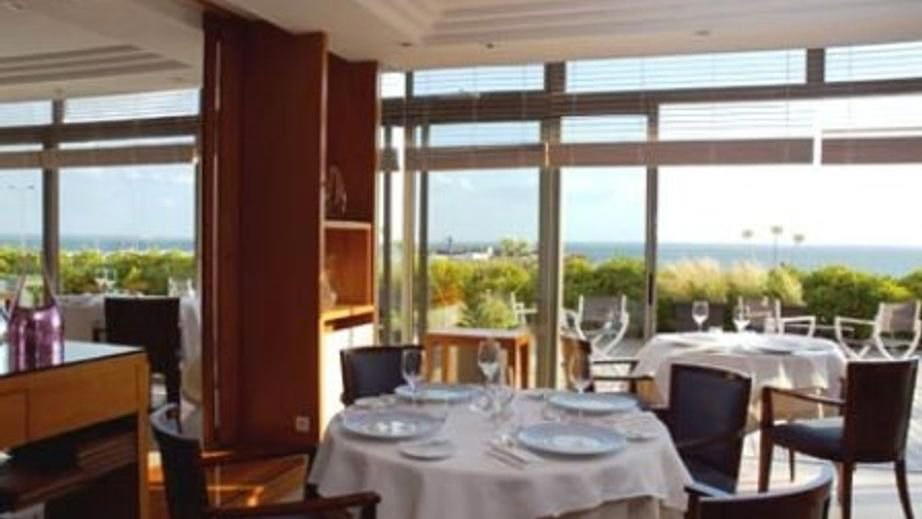
Cozy interior with shaded garden terrace under a weeping willow, offering an elegant and refined atmosphere.