

Michelin Plate
Our verdict
Fiumicino's seafood dining scene runs deeper than its airport reputation suggests, and L'Osteria dell'Orologio sits near the top of that tier. Chef Marco Claroni works local and occasionally rare Tyrrhenian fish through raw preparations, house-made bottarga, and marinated dishes with measured Asian inflections. A 2025 Michelin Plate and a ranking of #532 in Opinionated About Dining's Europe list confirm its standing in a competitive coastal corridor.

Pearl is the En Primeur Club membership app — saves, bookings, and concierge access live there. Same editors, same standards.
- Address
- Via della Torre Clementina, 114, 00054 Fiumicino RM, Italy
- Phone
- +39 06 650 5251
- Hours
- Mon ClosedTue–Thu 7:30–11 PMFri–Sun 12:30–3 PM, 7:30–11 PM
- Website
- osteriadellorologio.net
- Directions
- Get directions
- Booking
- Book on the venue's website
The menu
What to order
- Truffle grouper
- Spaghetti with lupins and bottarga
- Roman artichoke with tuna
Fiumicino's Seafood Counter: Where the Fishing Port Meets the Plate
Via della Torre Clementina runs along the older waterfront quarter of Fiumicino, away from the transit infrastructure that defines the town's international reputation. The street retains the character of a working port neighbourhood: narrow, salt-aired, lined with buildings that face the canal rather than the highway. L'Osteria dell'Orologio sits within this fabric at number 114, and the address alone signals something about its orientation. This is a restaurant pointed at the sea in front of it, not the airport behind it.
Fiumicino's position on the Tyrrhenian coast gives its leading restaurants access to fish that rarely travels far inland. The daily catch from local waters includes species that larger urban fish markets receive only occasionally, and the restaurants here have historically had first pick. Among that group, L'Osteria dell'Orologio has built a menu architecture around that proximity, with chef Marco Claroni selecting local fish with enough specificity that the occasional rare variety makes it onto the menu when the catch warrants it.
The Raw and the Cured: A Menu Built on Technique, Not Trend
Italian coastal cooking has two broad registers for fish: the cooked and the preserved. The raw and marinated tradition, common in southern Tyrrhenian ports and increasingly practiced along Lazio's coast, demands sourcing precision above all else. L'Osteria dell'Orologio works across that spectrum with a menu that moves from raw preparations through classic marinated dishes, cured fish and seafood, and on to fully cooked courses.
The most distinctive element of the kitchen's output is the house-made bottarga. Cured fish roe, typically from grey mullet or tuna, is a Sardinian and Sicilian staple that has spread slowly into Lazio's coastal cooking. Producing it in-house rather than sourcing a commercial product changes its character: the cure depth, salinity, and texture can be calibrated to the kitchen's preferences rather than a supplier's standard. In a restaurant context, it also functions as a trust signal about the kitchen's relationship with its primary ingredient. When a menu item requires weeks of preparation, the kitchen's commitment to process becomes legible on the plate.
The marinated dishes, which carry measured Asian inflections, reflect a broader shift in Italian seafood cooking over the past decade. Japan's influence on Italian crudo technique has moved from novelty to established practice at the serious end of the market, appearing in restaurants from Il Marin in Genoa to Antica Osteria Cera in Lughetto. At L'Osteria dell'Orologio, those influences arrive as contextual seasoning rather than concept, applied to local fish rather than imported product.
The Editorial Angle: Pasta and the Lazio Coastal Kitchen
Assigned editorial lens here is pasta tradition, and in a Lazio seafood restaurant that tradition runs through a specific regional grammar. Unlike Emilia-Romagna, where pasta is primarily a vehicle for meat ragu and aged dairy, Lazio's coastal pasta culture pairs handmade formats with the sea. Spaghetti alle vongole is the most exported version of this, but the fuller tradition includes pasta with sea urchin, with cuttlefish ink, with bottarga crumbled over a lightly oiled strand, and with broth reductions from shellfish heads that would otherwise be discarded.
Presence of house-made bottarga on the menu at L'Osteria dell'Orologio creates a direct connection to this tradition. Bottarga grated over fresh pasta is one of Italy's older preserved-fish applications, and in a kitchen that cures its own, the dish becomes an expression of vertical integration rather than ingredient sourcing. The pasta receives a product made on the premises, from fish caught in the waters visible from the dining room. That closed loop is harder to maintain in cities, and it gives Fiumicino's leading restaurants a structural advantage that no amount of urban refinement can fully replicate.
Where It Sits in Fiumicino's Dining Tier
Fiumicino has developed a seafood restaurant cluster that punches above what its transit-hub status might suggest. The town holds multiple venues operating at the €€€ price range, including Pascucci al Porticciolo, which works in the modern-Italian-seafood format, and Il Tino, which holds a Michelin star and operates in the creative tier. QuarantunoDodici occupies the €€ bracket with a more direct seafood format, while Clementina rounds out the neighbourhood's options.
For readers who want broader Italian context, the national fine-dining tier is well represented in EP Club's coverage, from Osteria Francescana in Modena and Le Calandre in Rubano to Piazza Duomo in Alba, Dal Pescatore in Runate, Enoteca Pinchiorri in Florence, Enrico Bartolini in Milan, and Atelier Moessmer Norbert Niederkofler in Brunico. L'Osteria dell'Orologio operates in a different register from that tier, but within the Italian seafood-specialist category it holds a credible and documented position.
Planning Your Visit
The restaurant is closed on Mondays. Tuesday and Wednesday operate dinner service only, running from 7:30 to 11 pm. Thursday through Sunday offer both lunch, from 12:30 to 3 pm, and dinner, from 7:30 to 11 pm. The Thursday-to-Sunday window is the practical entry point for visitors who want to combine a lunch reservation with time along the waterfront before the evening sitting fills. The address is Via della Torre Clementina, 114, in the older canal-side quarter of Fiumicino, accessible from central Rome in under 40 minutes by direct train on the FL1 line to Fiumicino Paese, followed by a short walk to the waterfront.
For further reading on the town's dining options, see our full Fiumicino restaurants guide. EP Club also covers hotels, bars, wineries, and experiences across the Fiumicino area.
Frequently asked questions
What's L'Osteria dell'Orologio known for in terms of accolades?
L'Osteria dell'Orologio has received recognition including: Chef Marco Claroni brings style and finesse to this excellent restaurant which offers a good selection of fish dishes with an emphasis on carefully chosen local fish, including the occasional rare variety. The menu features raw dishes, clas….
What's the must-try dish at L'Osteria dell'Orologio?
The house-made bottarga is the most specific expression of what this kitchen does differently. Producing cured fish roe in-house sets L'Osteria dell'Orologio apart from the other seafood addresses in Fiumicino's dining cluster, and it appears across multiple preparations on the menu. The Michelin Plate recognition and an Opinionated About Dining ranking of #500 in Europe (2024) reflect a kitchen where technique, not novelty, drives the menu.
What time does L'Osteria dell'Orologio open and close?
Hours at L'Osteria dell'Orologio: Hours: Monday Closed Tuesday 7:30–11 pm Wednesday 7:30–11 pm Thursday 12:30–3 pm, 7:30–11 pm Friday 12:30–3 pm, 7:30–11 pm Saturday 12:30–3 pm, 7:30–11 pm Sunday 12:30–3 pm, 7:30–11 pm.
Where is L'Osteria dell'Orologio located?
L'Osteria dell'Orologio is located at Via della Torre Clementina, 114, 00054 Fiumicino RM, Italy, Fiumicino.
Cuisine and Recognition
| Venue | Cuisine | Price | Awards | Notes |
|---|---|---|---|---|
| L'Osteria dell'OrologioThis venue — the venue you are viewing | Modern Italian Seafood | $50–100 | Michelin Plate | Not listed |
| Pascucci al Porticciolo | Modern Italian Seafood Fine Dining | $150–200 | 1 Michelin Star · La Liste Top Restaurants | Not listed |
| Il Tino | Modern Italian Seafood | $100–150 | 1 Michelin Star | Creative |
| QuarantunoDodici | Riverside Lazio Seafood Osteria | $50–100 | Michelin Bib Gourmand | Not listed |
Recognition history
Dated appearances from independent guides and award organizations, with the underlying list record or original source where available.
Michelin Plate
Michelin
Opinionated About Dining Top Restaurants in Europe Ranked #532
Opinionated About Dining
Full recognition history (5 entries)
Michelin Plate
Michelin
Michelin Plate
Michelin
Opinionated About Dining Top Restaurants in Europe Ranked #500
Opinionated About Dining
Continue exploring
More in Fiumicino
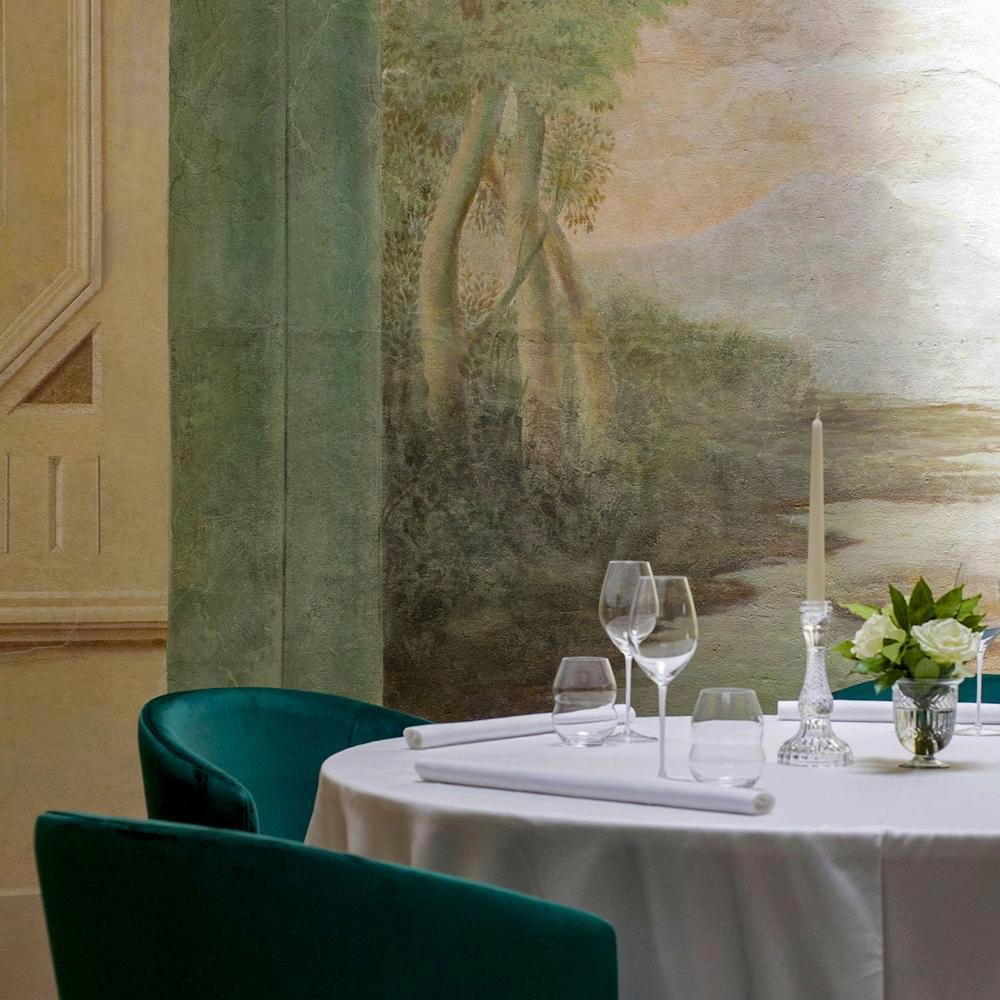
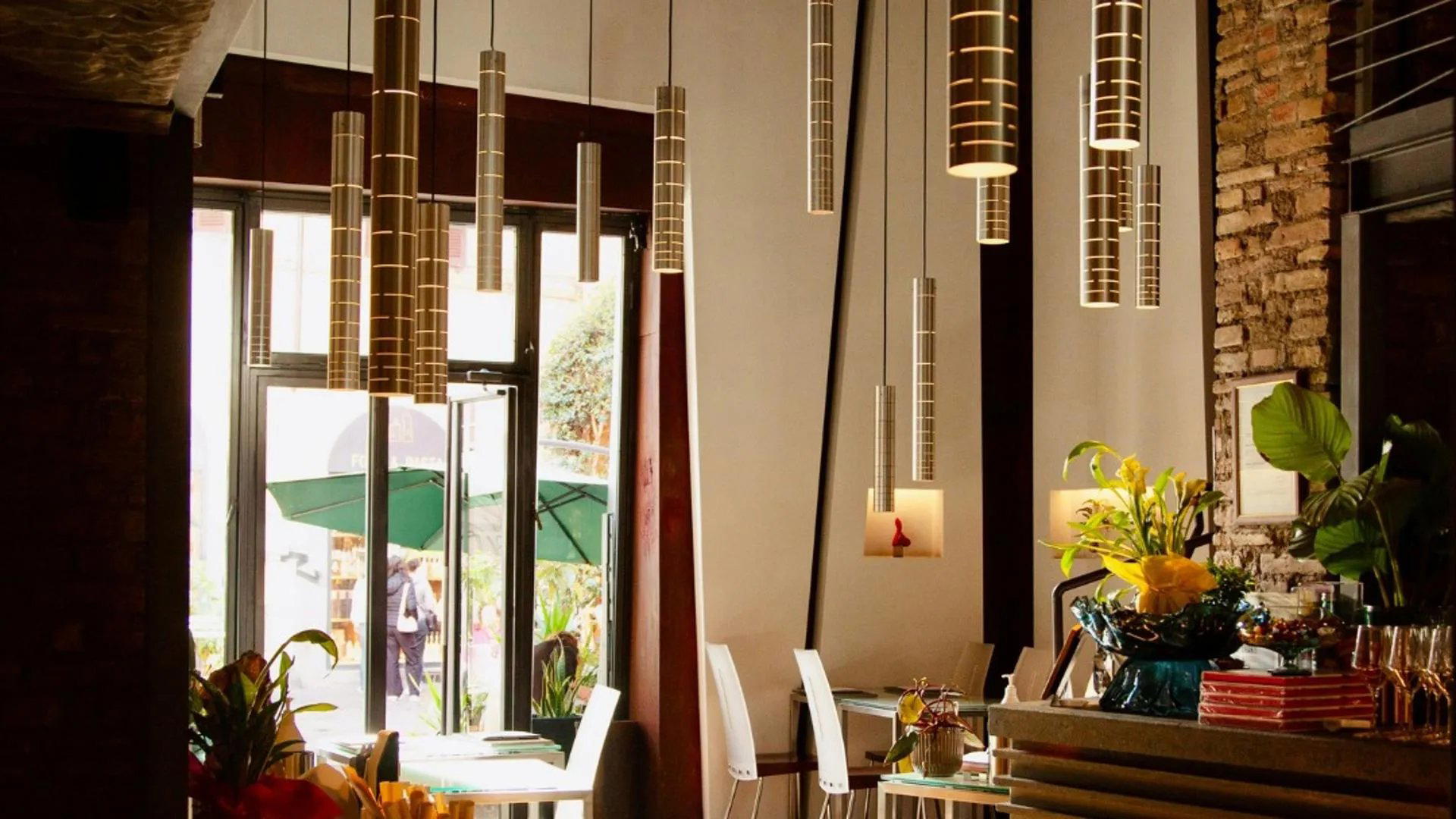
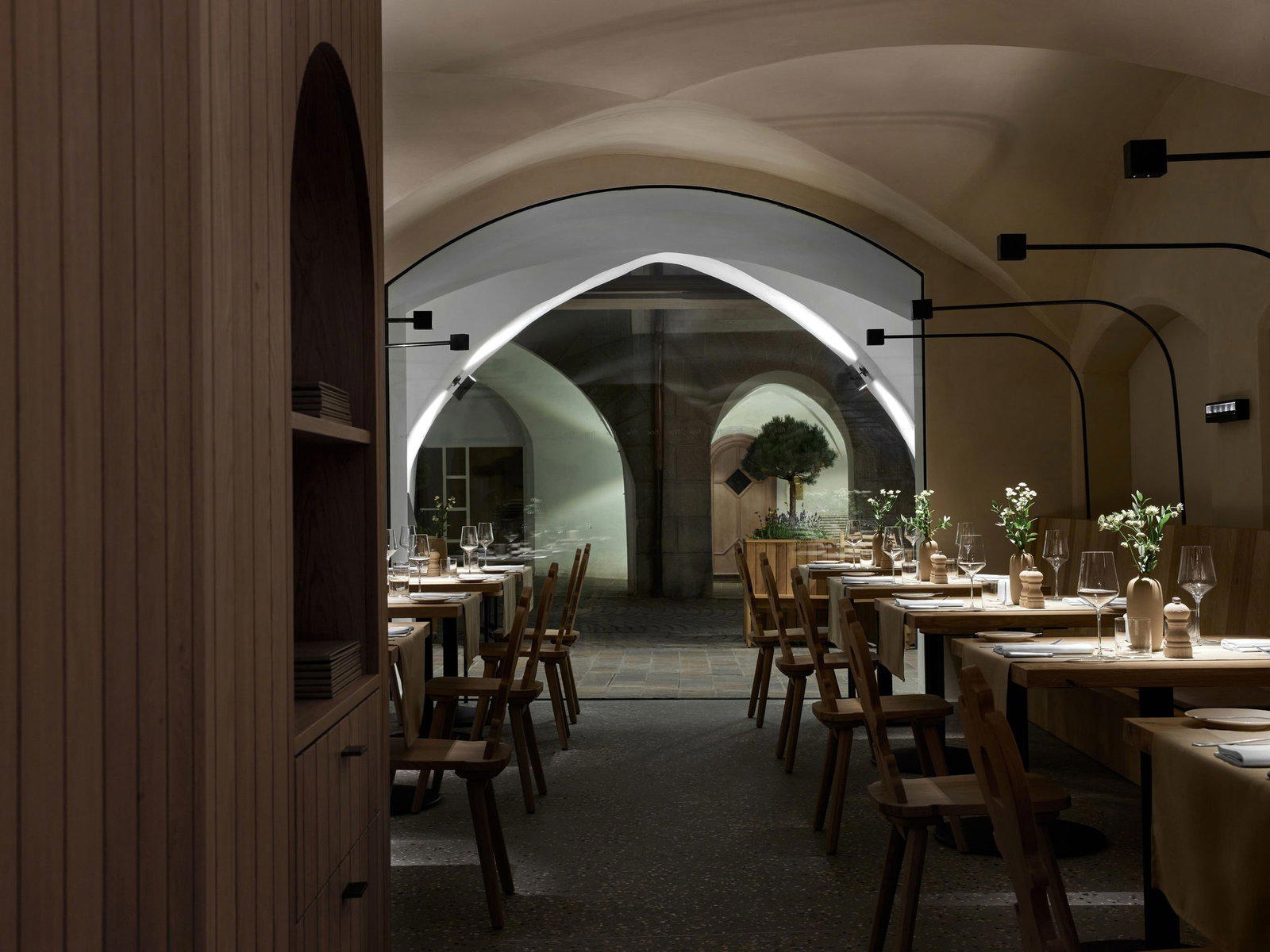
Restaurants in Fiumicino
Browse all →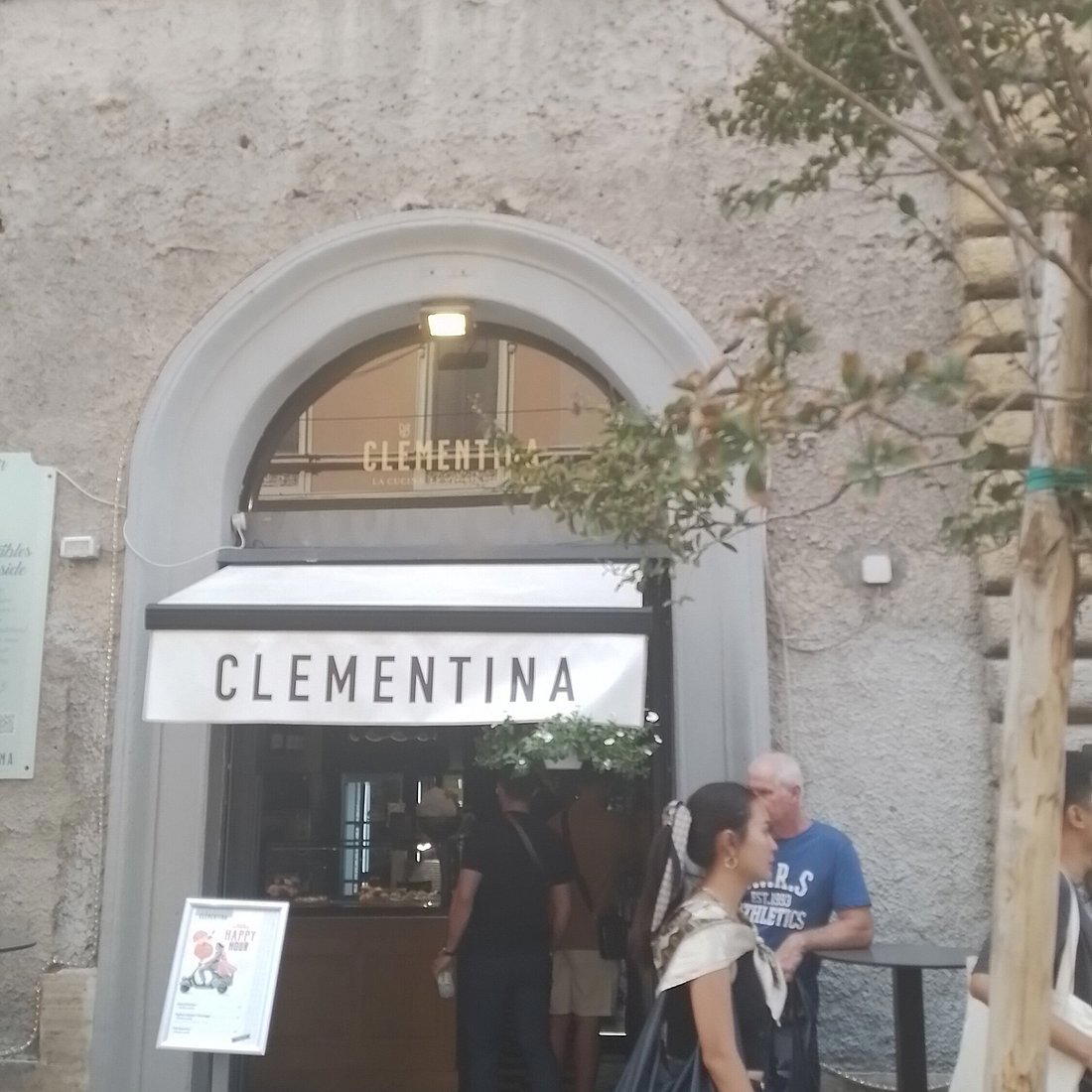
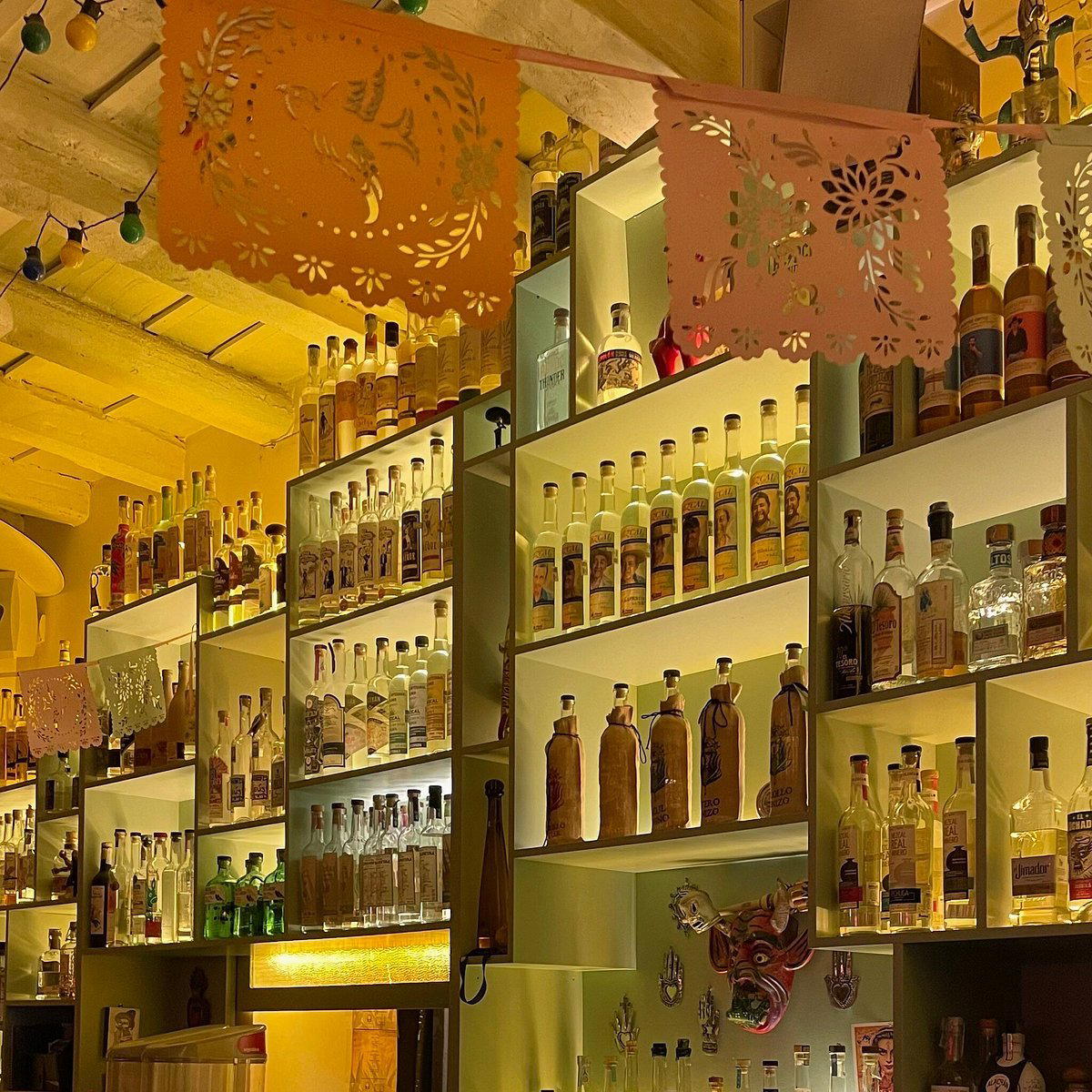
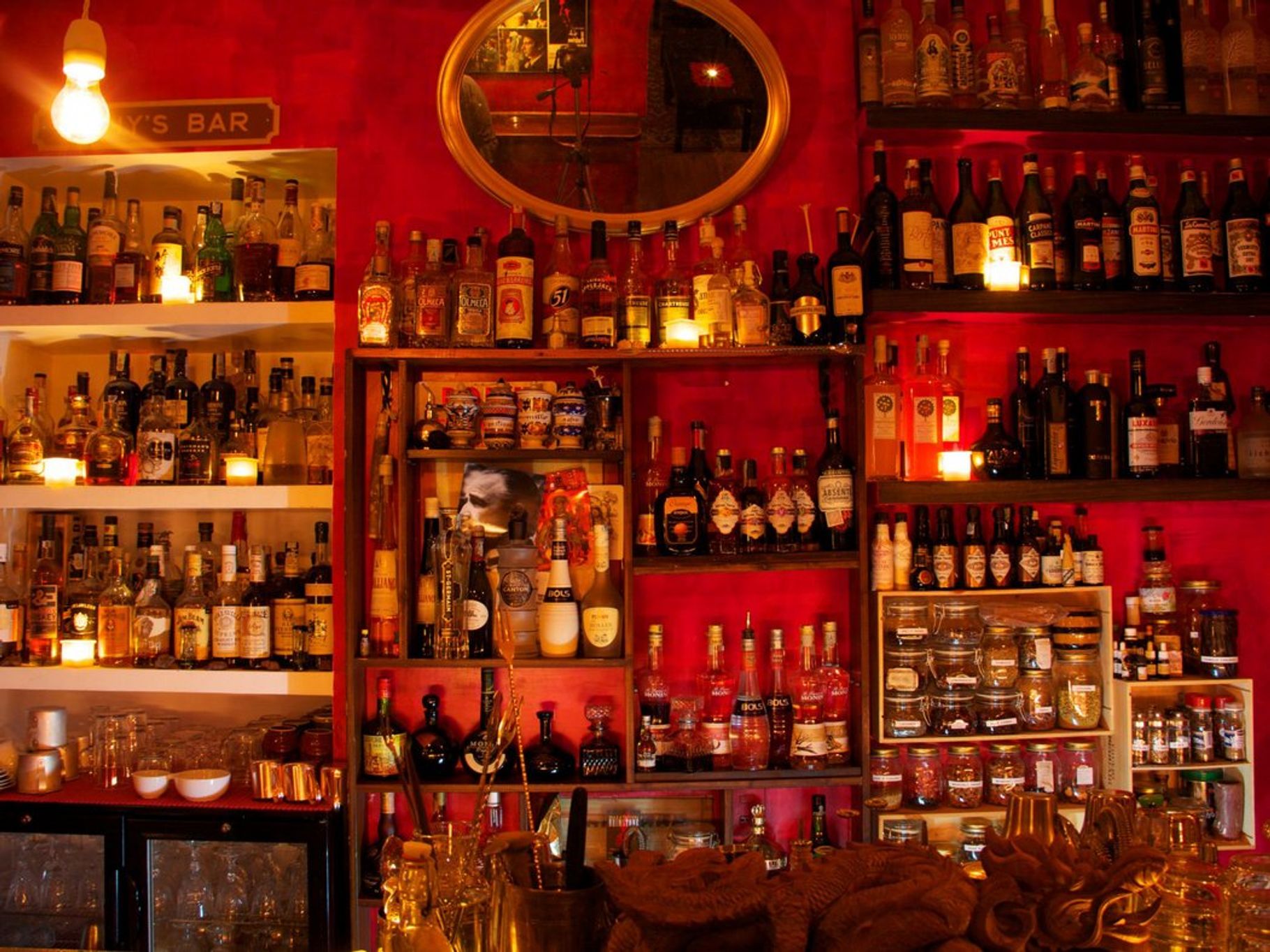
Bars in Fiumicino
Browse all →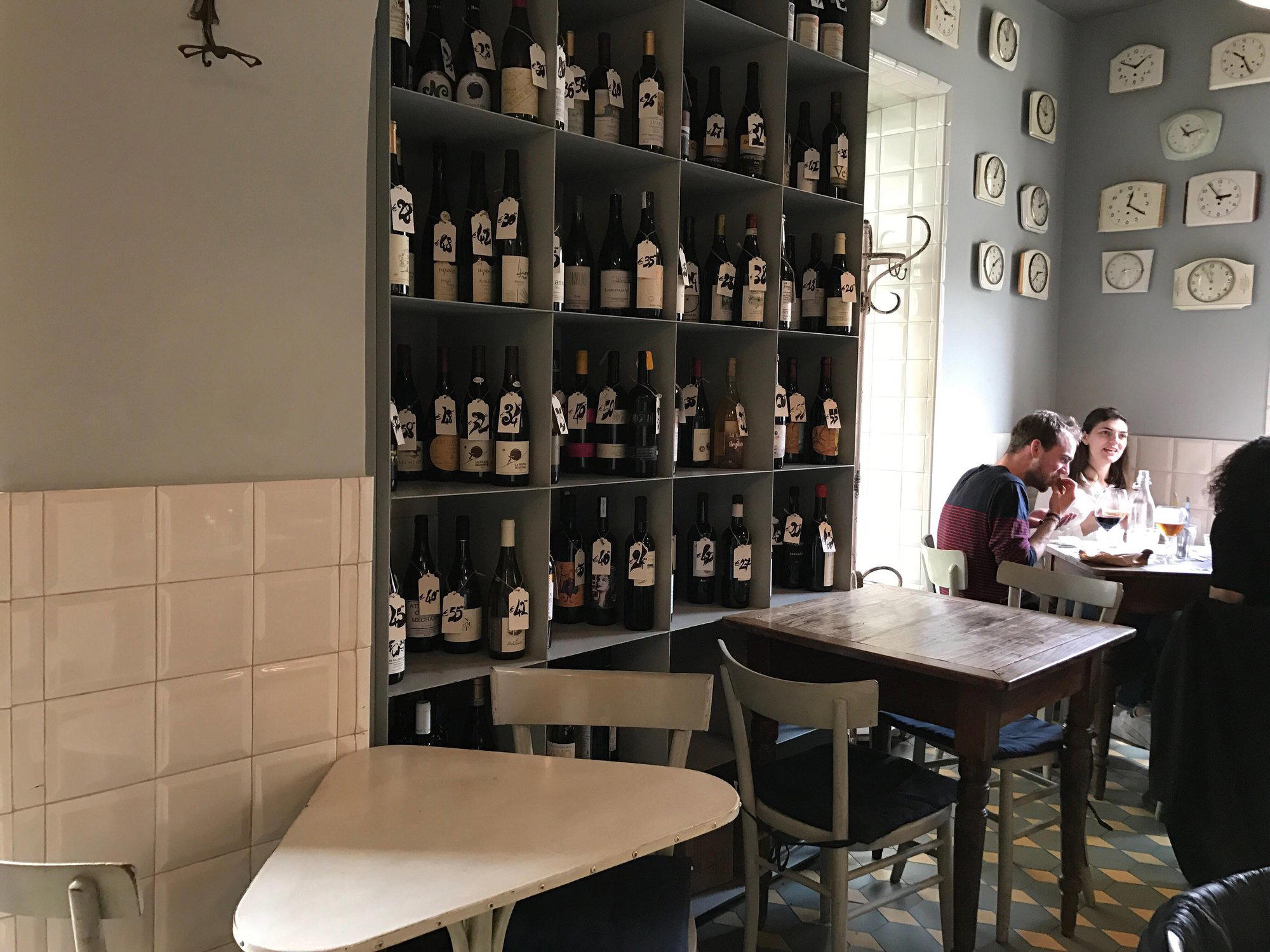
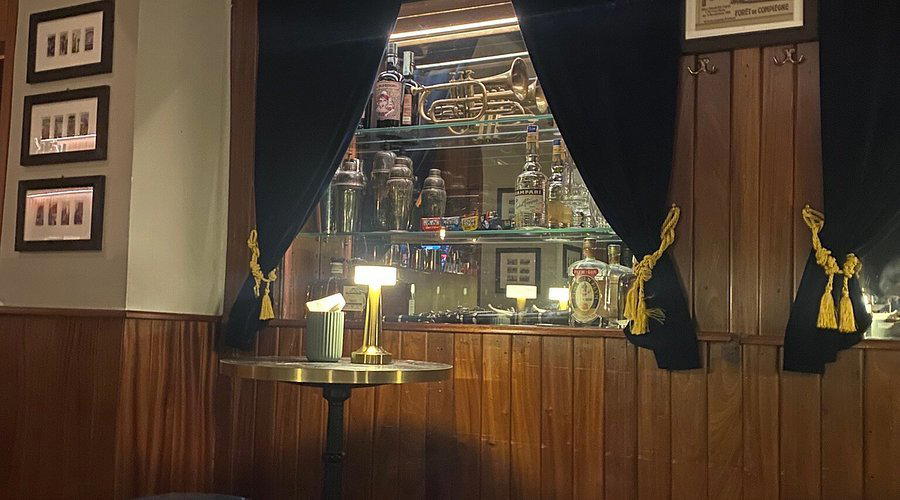
Hotels in Fiumicino
Browse all →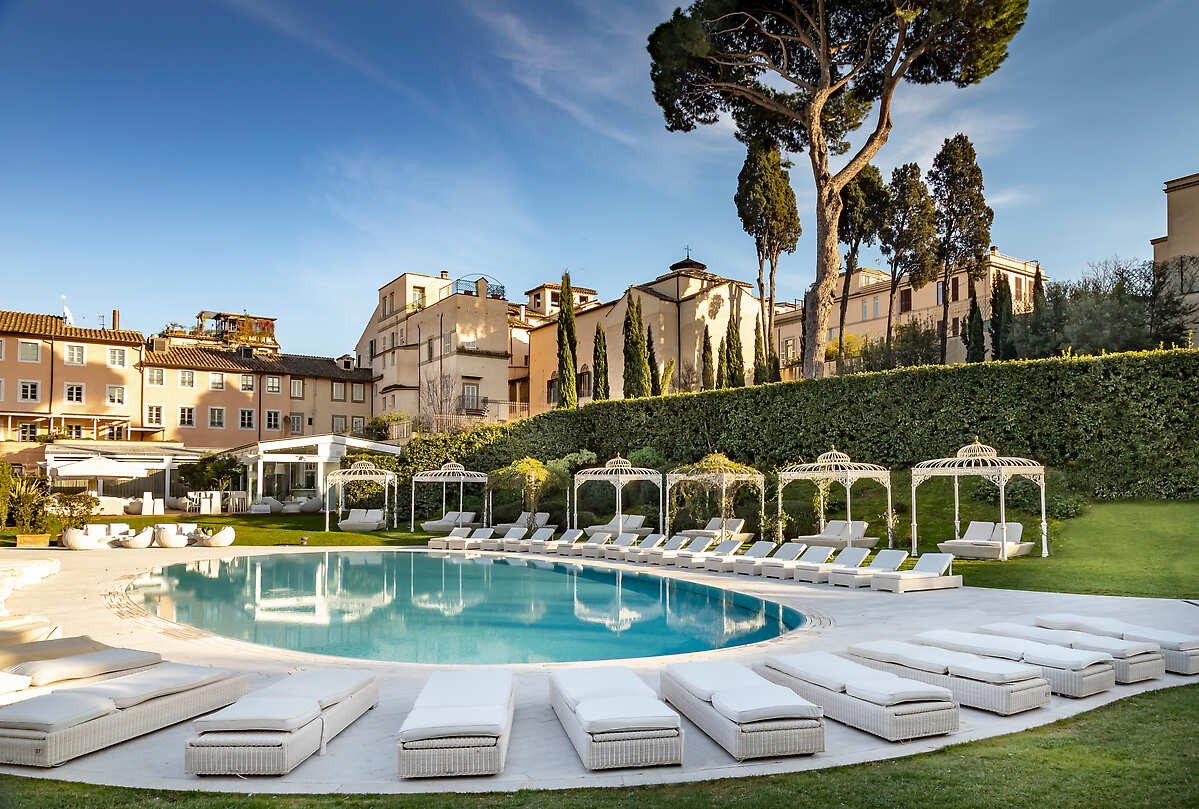
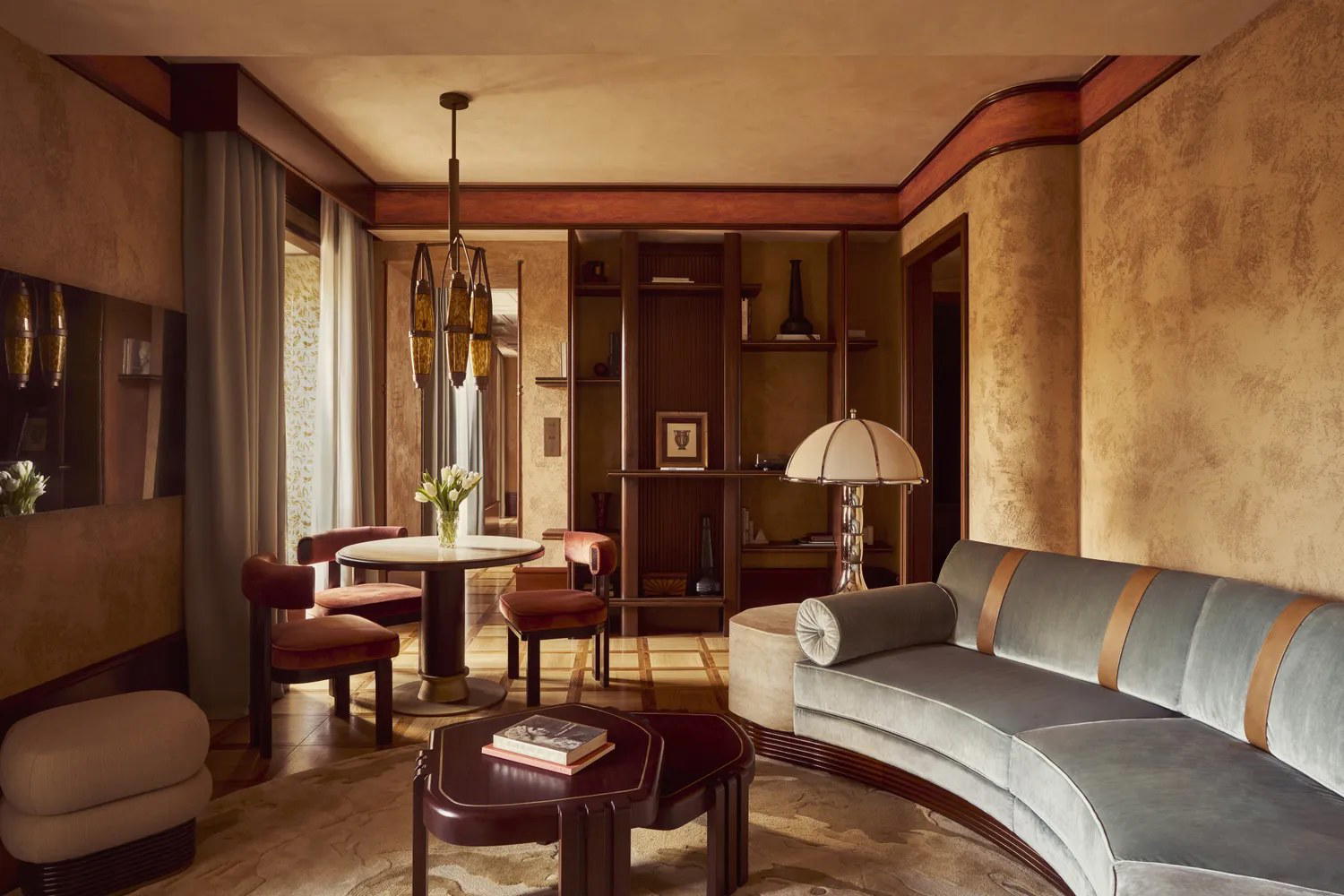
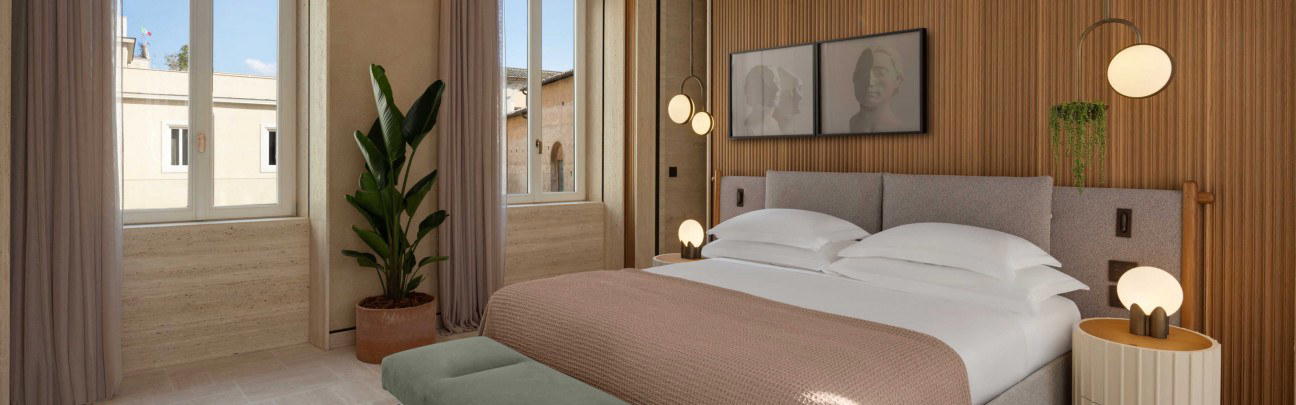
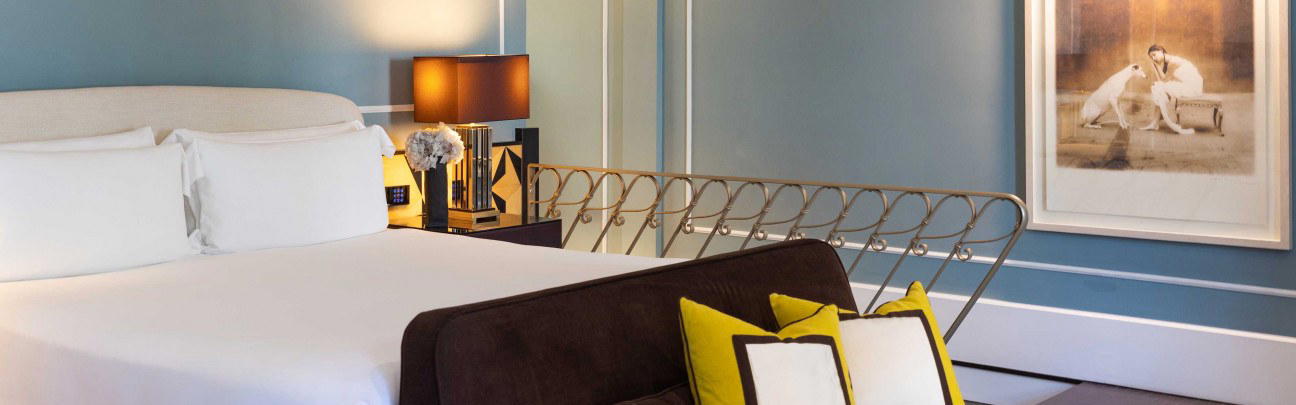
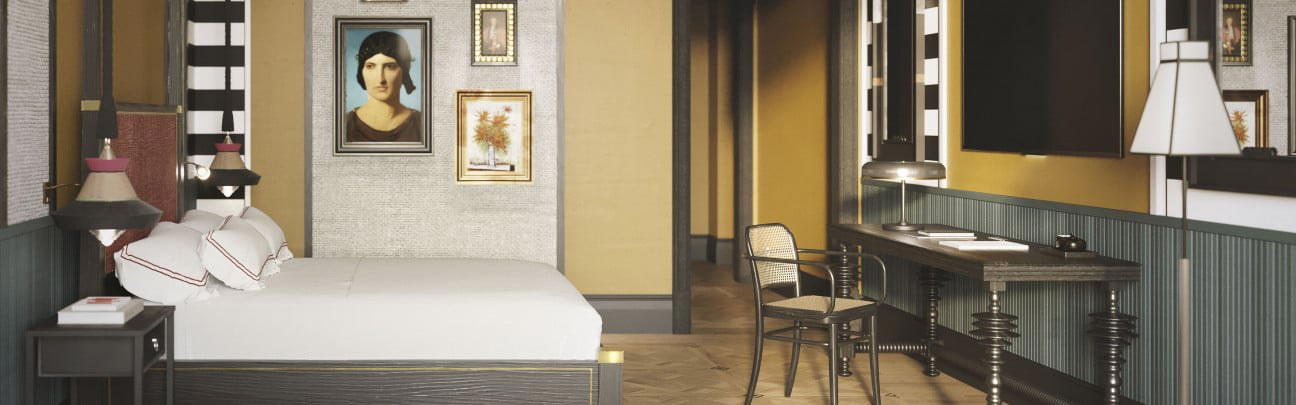

L'Osteria dell'Orologio
The wine
- Wine program
- Curated wine list
- Extensive wine list
Details
- Intimate
- Elegant
- Cozy
- Sophisticated
- Date Night
- Special Occasion
- Terrace
- Waterfront
- Extensive Wine List
- Local Sourcing
- Waterfront
- Tasting Menu
- A La Carte
- Gluten Free Options
- Allergy Accommodating
Current opening hours
- Monday
- Closed
- Tuesday
- 7:30–11 PM
- Wednesday
- 7:30–11 PM
- Thursday
- 7:30–11 PM
- Friday
- 12:30–3 PM, 7:30–11 PM
- Saturday
- 12:30–3 PM, 7:30–11 PM
- Sunday
- 12:30–3 PM, 7:30–11 PM
Hours can change for holidays and private events. Last verified .
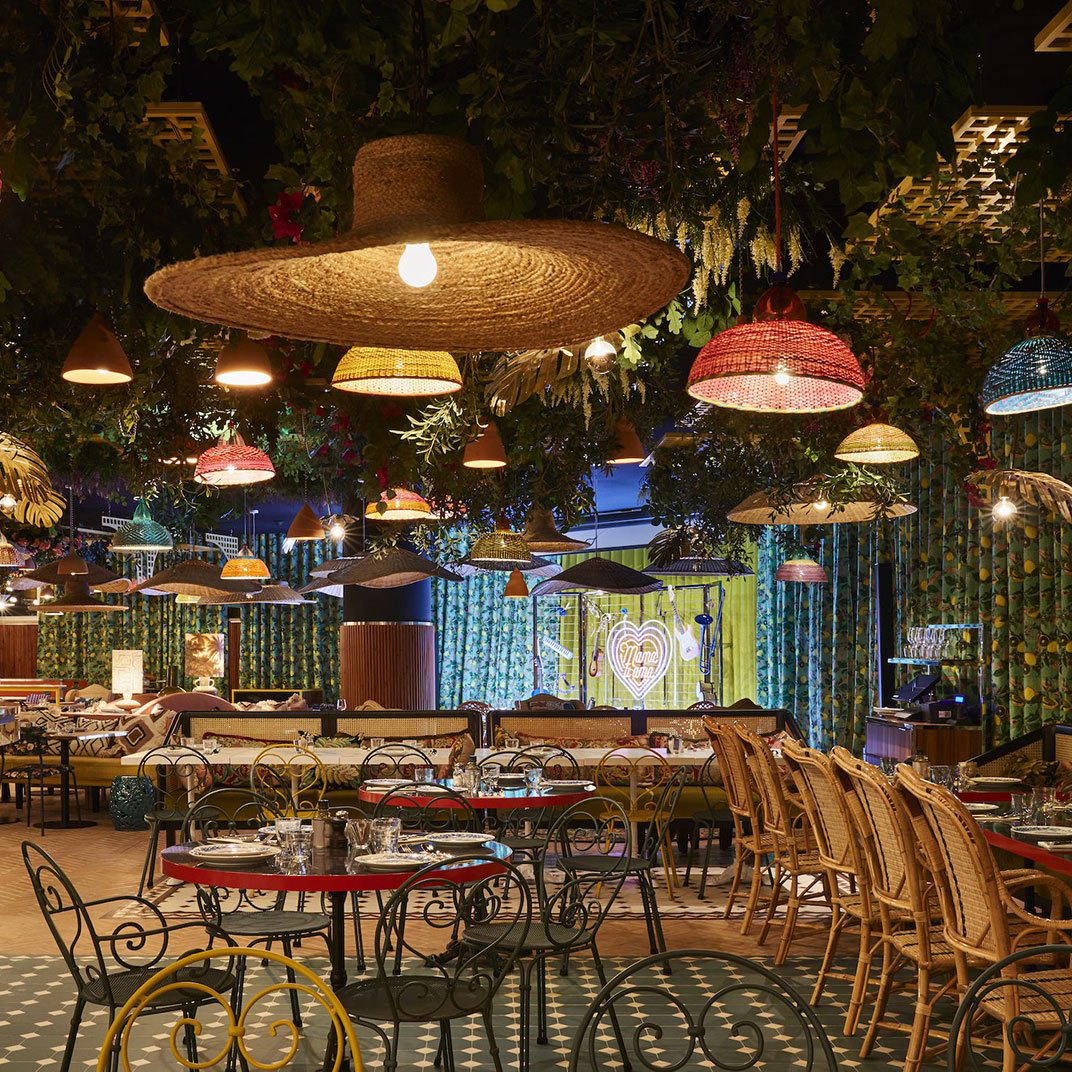
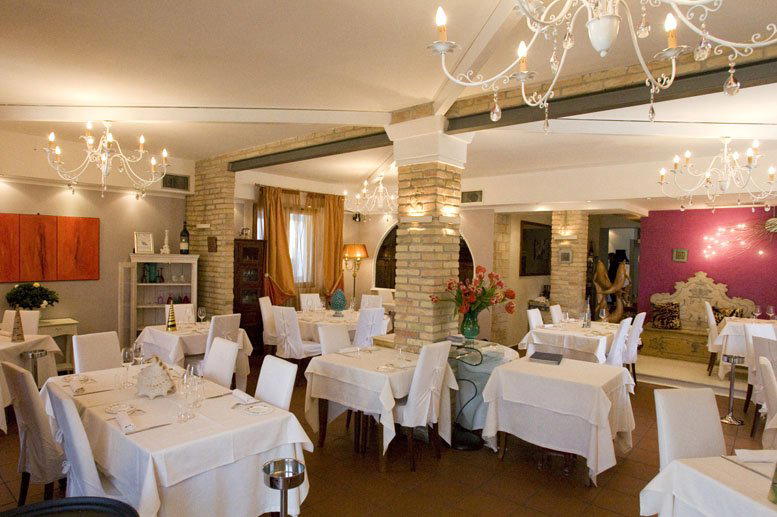
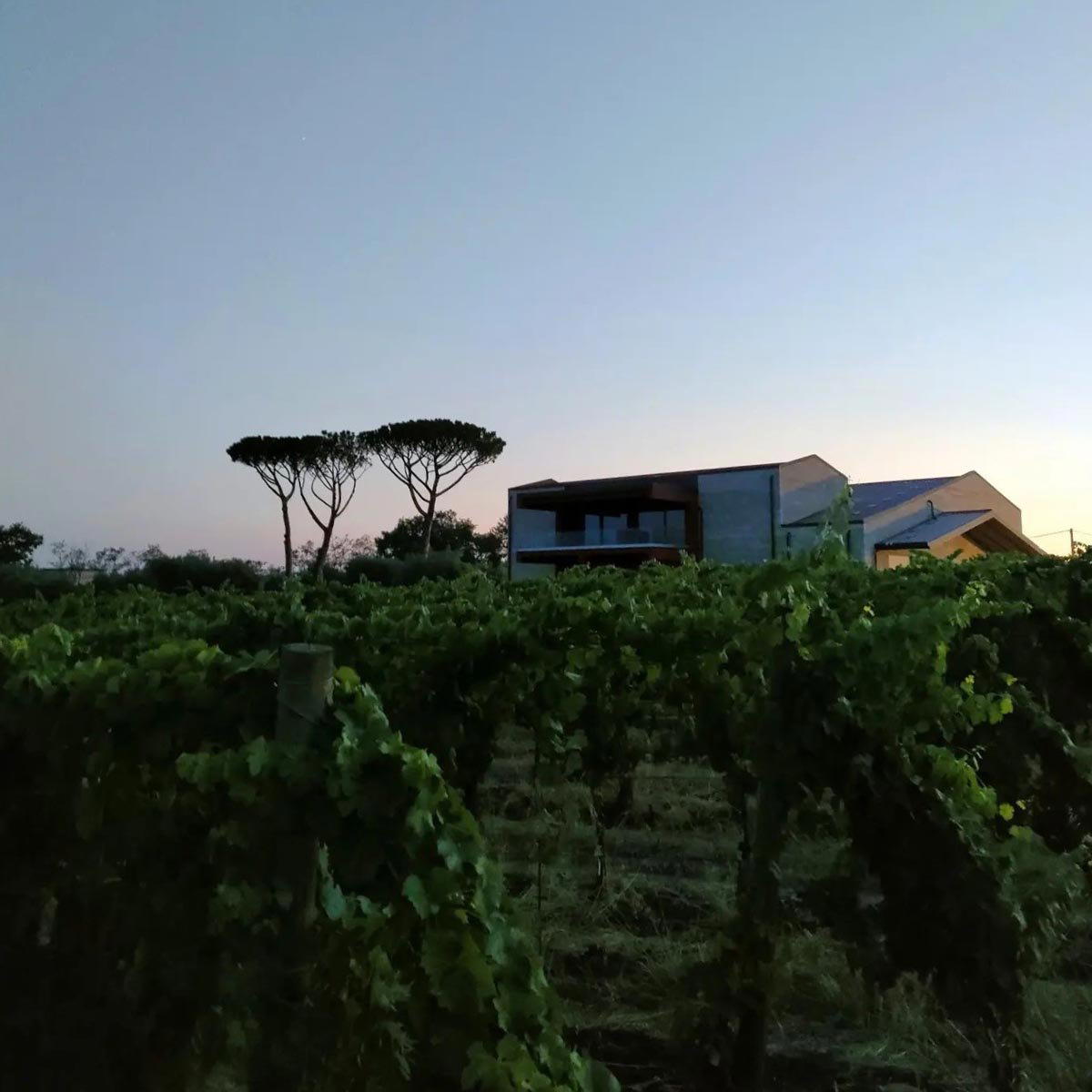
Inviting and sophisticated with soft lighting, rustic wooden elements, and a pleasant terrace overlooking the dock, though some note dim lighting and closely spaced tables.