Los Tarascos sits in Cancún's Supermanzana 505, away from the Hotel Zone's resort circuit, serving Mexican cooking that draws on the ingredient traditions of the Purépecha-influenced interior. The kitchen operates in a register familiar to travelers who have eaten at street-level fondas in Michoacán: direct, regional, and rooted in sourcing over spectacle. For Cancún, that positioning places it in a different category from the beachfront menus built for tourist throughput.
Pearl is the En Primeur Club membership app — saves, bookings, and concierge access live there. Same editors, same standards.
- Address
- Avenida La Luna Mz. 28 Lt. 10-01, Supermanzana 505, 77533 Cancún, Q.R., Mexico
- Phone
- +52 998 253 4417
- Website
- menurama.app
- Directions
- Get directions
 Saves & bookings on Pearl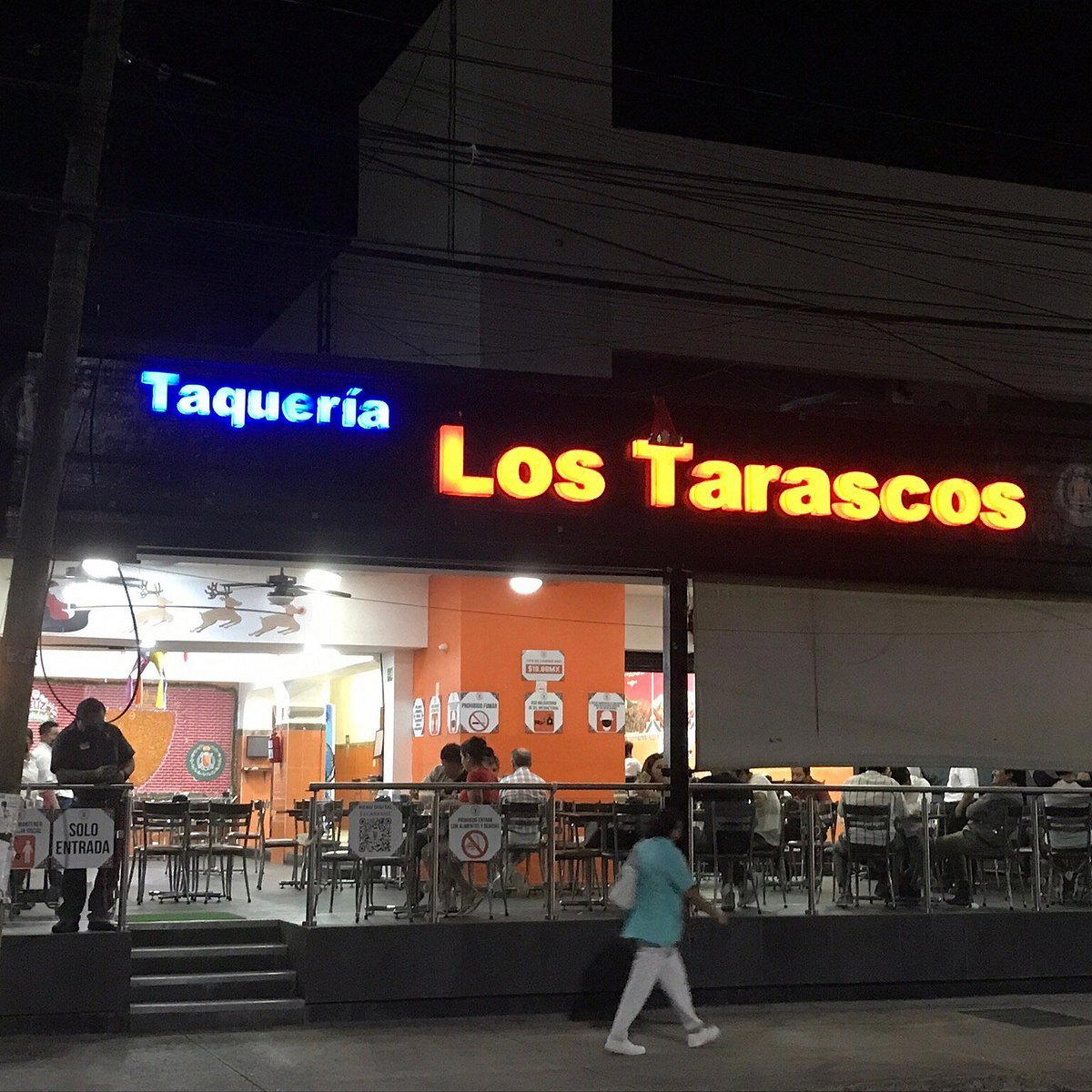
Off the Resort Strip: Where Cancún Eats Mexican Food
The Hotel Zone's kitchens have always operated on a different logic from the rest of Cancún. Beachfront restaurants price against captive tourist spend, build menus around international legibility, and source ingredients from the same broad-market suppliers that feed the all-inclusive circuit. A few kilometers inland, the city runs differently. Supermanzana 505, where Avenida La Luna crosses into a quieter residential grid, is the kind of address locals give each other rather than one that appears on resort concierge lists. Los Tarascos operates here, in a part of Cancún that measures dining quality by whether the food is correct rather than whether the setting is photogenic.
This is where the ingredient-sourcing question becomes the editorial story. The name Los Tarascos references the Purépecha people of Michoacán, one of Mexico's most culinarily distinct regions, where cooking traditions around corn, freshwater fish, and slow-cooked pork predate colonial contact. That referential framing signals a kitchen positioning itself within Mexican regional cuisine rather than within the generic "Mexican food" category built for export. Whether the kitchen fully honors that positioning is the question a visit answers. What the name alone establishes is that the frame of reference is interior Mexico, not the Yucatán coast immediately surrounding it.
Michoacán Sourcing in a Yucatán City
The ingredient logic of Mexican regional cooking, particularly in the Michoacán tradition, depends heavily on supply chains that run north and west from the Caribbean coast. Carnitas, for instance, require a specific approach to lard rendering and pork quality that Michoacán producers have refined over centuries. When a Cancún kitchen commits to that tradition, it is implicitly committing to sourcing pork and rendered fats from suppliers whose standards align with the interior tradition rather than the commodity pork that dominates coastal resort supply chains. The same applies to dried chiles (pasilla, mulato, ancho), which behave differently depending on how and where they were dried, and to masa, which tells you within a bite whether the kitchen is working from masa harina or stone-ground nixtamalized corn.
This distinction matters more than it might seem to travelers arriving from Hotel Zone menus. Across Mexico, the restaurants that have drawn the most serious attention in recent years, from Pujol in Mexico City to Levadura de Olla Restaurante in Oaxaca, share a commitment to sourcing ingredients that carry regional specificity. At the other end of the price spectrum, the same commitment distinguishes a neighborhood taquería from a generic one. Los Tarascos sits somewhere in that continuum, operating at the neighborhood end but flagging regional sourcing as its foundational claim.
How Cancún's Local Dining Scene Is Structured
Cancún's dining splits into three distinct tiers. The Hotel Zone runs its own economy: internationally benchmarked restaurants, resort buffets, and destination addresses that price at levels comparable to major urban centers. Downtown Cancún and its surrounding supermanzanas operate on a local-economy logic, where pricing reflects resident spending power and competition is measured in repeat customers rather than tourist throughput. A third, smaller tier has emerged in recent years as Cancún absorbs more long-stay visitors and a growing expat population: neighborhood restaurants with enough ambition to source specifically but enough humility to skip the tasting menu format.
Los Tarascos, at its Supermanzana 505 address, operates in that middle-to-lower local tier. For context on what the broader Cancún scene offers, La Parrilla serves a more tourist-oriented version of Mexican grilling with a predictable address in the downtown corridor, while Carnitas Don Vasco works the carnitas tradition directly. Piknik and Four Points by Sheraton represent the Hotel Zone's own internal range. Los Tarascos reads as the address you go to when you want to eat the way residents eat, not the way resort guests are expected to eat.
Across the Yucatán Peninsula, the sourcing conversation has become more sophisticated in recent years. HA' in Playa del Carmen and Le Chique in Puerto Morelos have drawn international recognition for applying fine-dining discipline to regional Mexican ingredients. What Los Tarascos represents is a different version of the same underlying question: can a neighborhood kitchen in a tourist city hold to regional sourcing standards without the infrastructure that tasting-menu pricing provides? The answer, for Mexico's leading local restaurants, is usually yes, but it requires a specific kind of discipline that the name alone does not guarantee.
Mexico's Broader Sourcing Movement as Context
The shift toward ingredient specificity in Mexican restaurants has accelerated over the past decade, extending well beyond Mexico City. Alcalde in Guadalajara, KOLI Cocina de Origen in Monterrey, Pangea in San Pedro Garza Garcia, Lunario in El Porvenir, and Huniik in Merida each operate within a Mexican regional sourcing framework while working at different price points and format scales. Even internationally, the sourcing discipline visible at kitchens like Le Bernardin in New York City or Atomix in New York City demonstrates that ingredient provenance has become the primary differentiator across serious cooking in any tradition. Olivea Farm to Table in Ensenada and Animalón in Valle de Guadalupe show the same logic applied at the farm-direct end. What this movement has established is that sourcing transparency is no longer a premium-tier feature. It is the baseline claim that separates restaurants worth discussing from those that are not.
Planning Your Visit
Supermanzana 505 sits in the urban Cancún grid rather than the Hotel Zone, which means reaching it from the beach corridor requires either a taxi or local bus rather than a hotel shuttle. The address at Avenida La Luna Mz. 28 Lt. 10-01 places it in a residential block where street signage follows the supermanzana numbering system local to Cancún's planned urban layout. As a neighborhood restaurant without a published website or phone number in current databases, contact and confirmation are leading handled through on-the-ground inquiry or platforms that aggregate local restaurant hours. Visiting earlier in the meal period, before peak lunch or dinner service, generally gives better access at neighborhood kitchens of this type. For a broader orientation to what Cancún's dining scene offers across price tiers and neighborhoods, the full Cancún restaurants guide maps the range.



At a Glance
- Lively
- Rustic
- Casual Hangout
- Late Night
Current opening hours
- Monday
- 3 PM–12 AM
- Tuesday
- 3 PM–12 AM
- Wednesday
- 3 PM–12 AM
- Thursday
- 3 PM–12 AM
- Friday
- 3 PM–12 AM
- Saturday
- 3 PM–12 AM
- Sunday
- 3 PM–12 AM
Hours can change for holidays and private events. Last verified .
Bustling and lively casual atmosphere filled with the sounds of satisfied diners.
Know Before You Go
- Getting there
- Avenida La Luna Mz. 28 Lt. 10-01, Supermanzana 505, 77533 Cancún, Q.R., Mexico