Piknik sits on Avenida Tulum in Cancún's downtown core, away from the Hotel Zone's resort circuit and closer to where locals actually eat. The address places it within a stretch of the city that has quietly developed a more grounded dining character, making it a reference point for visitors seeking Cancún beyond the beachfront.
Pearl is the En Primeur Club membership app — saves, bookings, and concierge access live there. Same editors, same standards.
- Address
- Calle Tulipanes (Av. Tulum), 55700 Cancún, Quintana Roo
- Directions
- Get directions
 Saves & bookings on Pearl
Downtown Cancún and the Tulum Avenue Dining Corridor
Cancún's dining identity has long been divided between two cities occupying the same postcode. The Hotel Zone, stretching along the barrier island, runs on international menus calibrated for short-stay tourists. Downtown, along Avenida Tulum and its side streets, operates on a different logic: longer-term residents, local pricing, and kitchens less concerned with translating Mexican food for an outside audience. Piknik sits on Calle Tulipanes off Avenida Tulum, which places it squarely in that second city.
The Tulum Avenue corridor has functioned as downtown Cancún's commercial and social spine since the city's planned development in the 1970s. What grew around it, over decades, was a genuinely local eating culture: carnitas specialists, regional taqueries, family-run dining rooms serving Yucatecan staples. That context matters when reading any individual restaurant on or near the avenue, because the competitive pressure here is not the resort buffet or the international hotel restaurant. It is the accumulated expectation of a neighbourhood that knows what food should cost and what it should taste like.
Where Piknik Sits in Cancún's Restaurant Map
Downtown Cancún's restaurant scene lacks the critical coverage that Mexico City, Oaxaca, or even Mérida routinely receives. Cities like Oaxaca, where places such as Levadura de Olla Restaurante have drawn sustained national attention, or Guadalajara, where Alcalde has built a reputation for rigorous regional sourcing, operate inside established narratives about Mexican gastronomy. Cancún does not have that narrative yet, at least not for its downtown. The Hotel Zone has attracted higher-profile operators, including Le Chique in Puerto Morelos, a short drive south, which has carried Michelin recognition and positioned the broader Riviera Maya as a destination for serious dining. Downtown has remained largely outside that conversation.
That gap creates a particular kind of value for a restaurant on Avenida Tulum. The dining room does not need to compete with resort pricing or perform for an international audience. It competes, instead, with places that have been feeding this neighbourhood for years. On that strip, Piknik finds itself alongside long-running operations like Carnitas Don Vasco and Los Tarascos, both of which have built loyal local followings on the strength of consistent, specific cooking rather than atmosphere or marketing. La Parrilla anchors a more tourist-facing part of the downtown experience, while the Four Points by Sheraton nearby represents the hotel dining tier that intersects but does not fully overlap with the independent street-level scene.
Mexican Dining Culture and the Picnic Tradition
The name Piknik invokes a particular kind of eating: informal, communal, freed from the hierarchies of a formal dining room. That framing connects to something genuine in Mexican food culture, where the most significant meals have historically happened outside or in open-air settings, from market stalls to weekend family gatherings in public parks. In Mexican cities, the Sunday picnic or the outdoor comida corrida represents not just a meal format but a social institution, a way of using food to mark time and gather people across generations.
This is a tradition with deep roots in the Yucatán Peninsula, where outdoor cooking, communal pit roasting, and market-based eating predate the resort economy by centuries. The cochinita pibil, the panuchos, the salbutes of the region are foods designed to be shared, eaten standing or seated on plastic stools, passed around rather than plated individually. That culinary culture persists in downtown Cancún in ways it cannot on the hotel island, where the physical and economic infrastructure of resort dining reshapes what is served and how.
Restaurants elsewhere in Mexico have built serious reputations on precisely this tradition of rooted, culturally grounded cooking. Pujol in Mexico City has spent years making the argument that Mexican food's complexity and historical depth warrant the same critical attention as European fine dining. In the Yucatán, Huniik in Mérida has worked within a regional tradition that goes back to pre-Columbian cooking techniques. Further down the Caribbean coast, HA' in Playa del Carmen has drawn on cenote culture and coastal ingredients to build a distinct Riviera Maya identity. Downtown Cancún sits in that broader regional context, even when it receives less editorial coverage than those peers.
The Case for Eating Downtown
For visitors arriving in Cancún with a view of exploring beyond the Hotel Zone, the Avenida Tulum corridor represents the most direct entry point into how the city's permanent population actually eats. The practical logistics favour it: the area is accessible by bus from the hotel strip, prices run considerably below resort-district equivalents, and the concentration of independent operators within a few blocks means it is possible to eat several meals in the area without repetition.
The broader Mexican dining scene has produced a generation of restaurants that draw explicitly on regional traditions rather than international templates. KOLI Cocina de Origen in Monterrey, Pangea in San Pedro Garza García, and Animalón in Valle de Guadalupe each represent a version of that commitment to place. Even in Baja, Olivea Farm to Table in Ensenada and Lunario in El Porvenir have built identities grounded in local sourcing and regional character. Downtown Cancún's restaurants, including Piknik, operate within this same national current, even if they attract less of the food press that follows the named chefs and tasting-menu formats of those higher-profile addresses.
For planning purposes, Calle Tulipanes is a short walk from the main Avenida Tulum bus stops, making the area direct to reach from the hotel corridor without a car. The downtown neighbourhood is most active during lunch hours and early evening, consistent with Mexican urban dining rhythms that front-load the main meal of the day. See our full Cancún restaurants guide for broader context on how the city's dining divides across its distinct zones.
Booking and Cost Snapshot
Comparable venues nearby, for context on price, style, and recognition.
| Venue | Price | Notes |
|---|---|---|
| PiknikThis venue — the venue you are viewing | $ | Not listed |
| Los Tarascos | $ | 230050001270A, Authentic Mexican Taqueria |
| The Surfin Burrito | $ | 2300500010421, Coastal Mexican Burritos & Tacos |
| La Fonda del Zancudo | $$ | 2300500010120, Modern Mexican Fusion with Mediterranean Influences |
| Señor Frog's | $$ | 2300500010417, Mexican-American Gastropub |
| La Grandiosa | $$ | 2300500010120, Authentic Mexican Cantina |
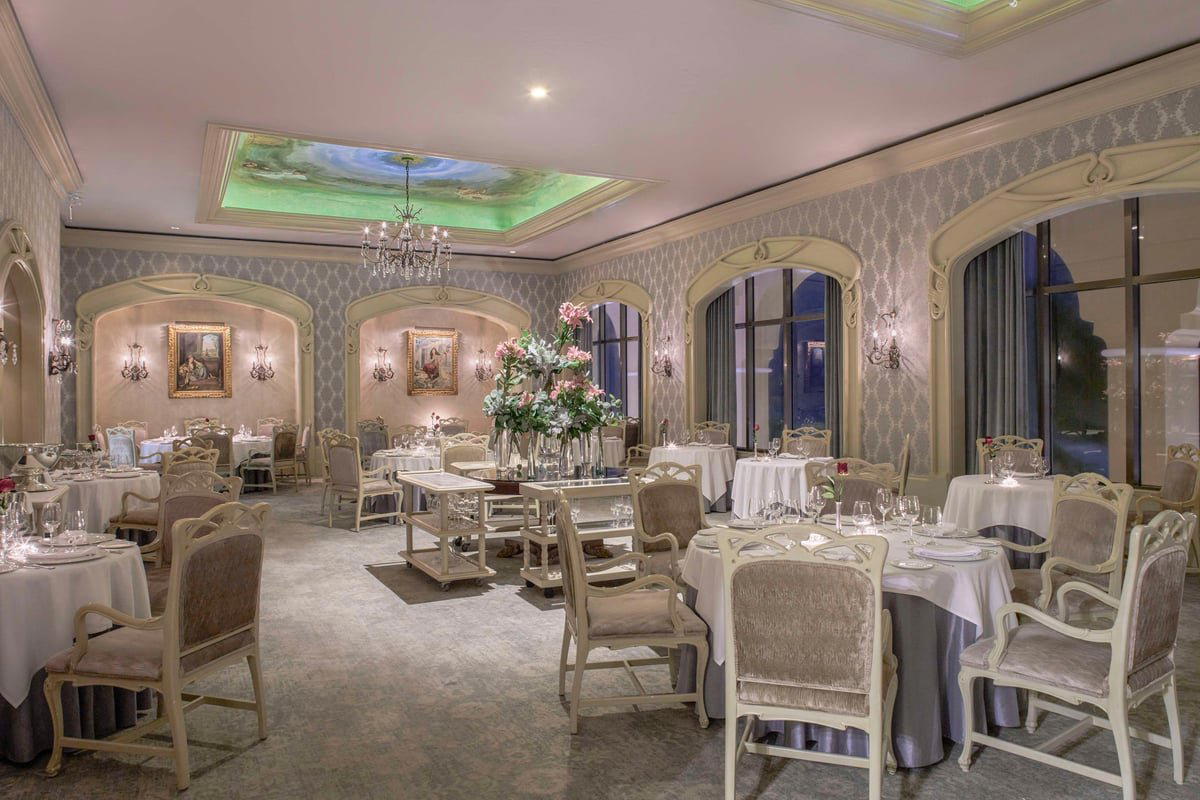
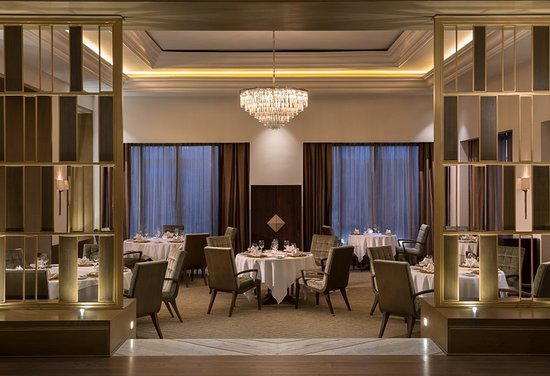
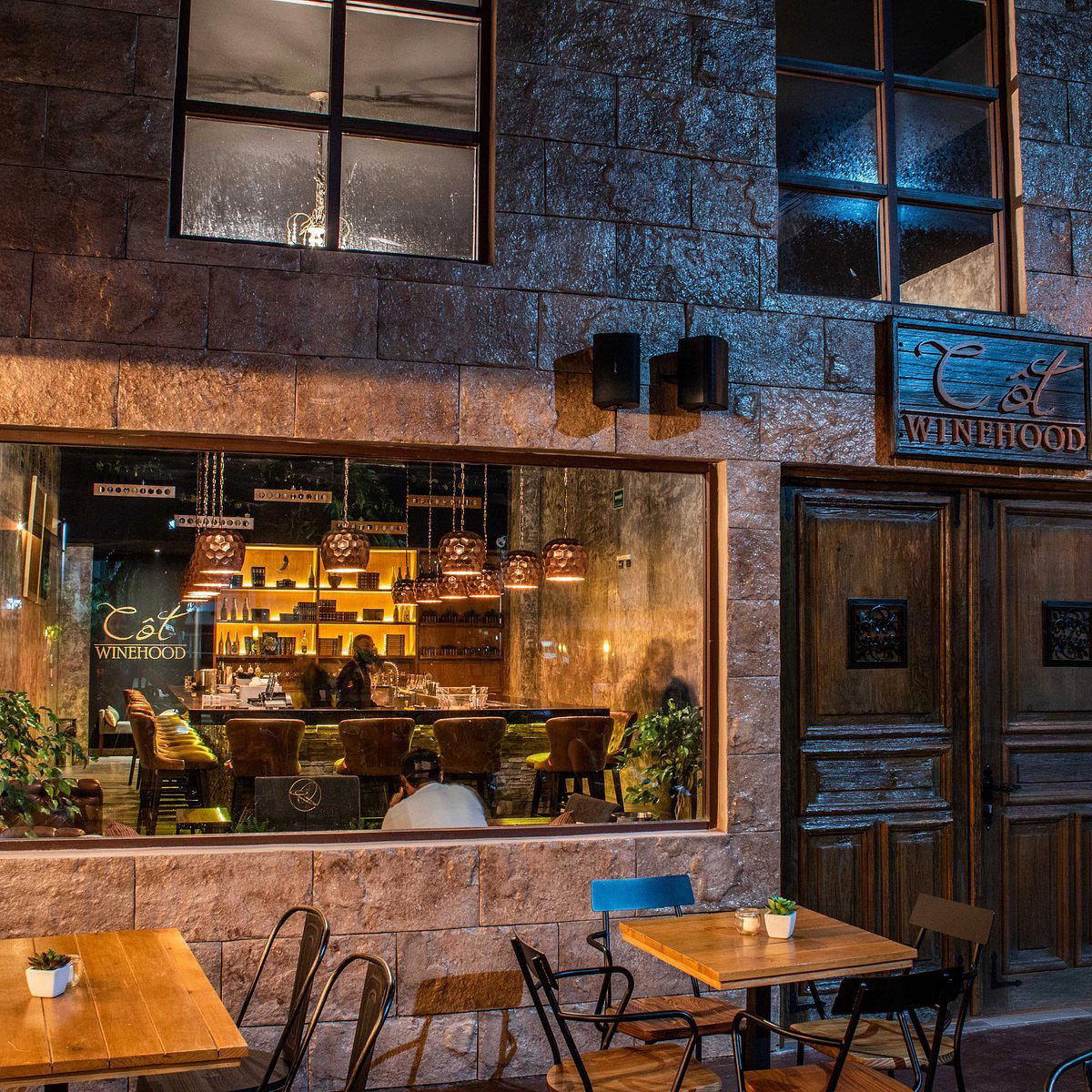
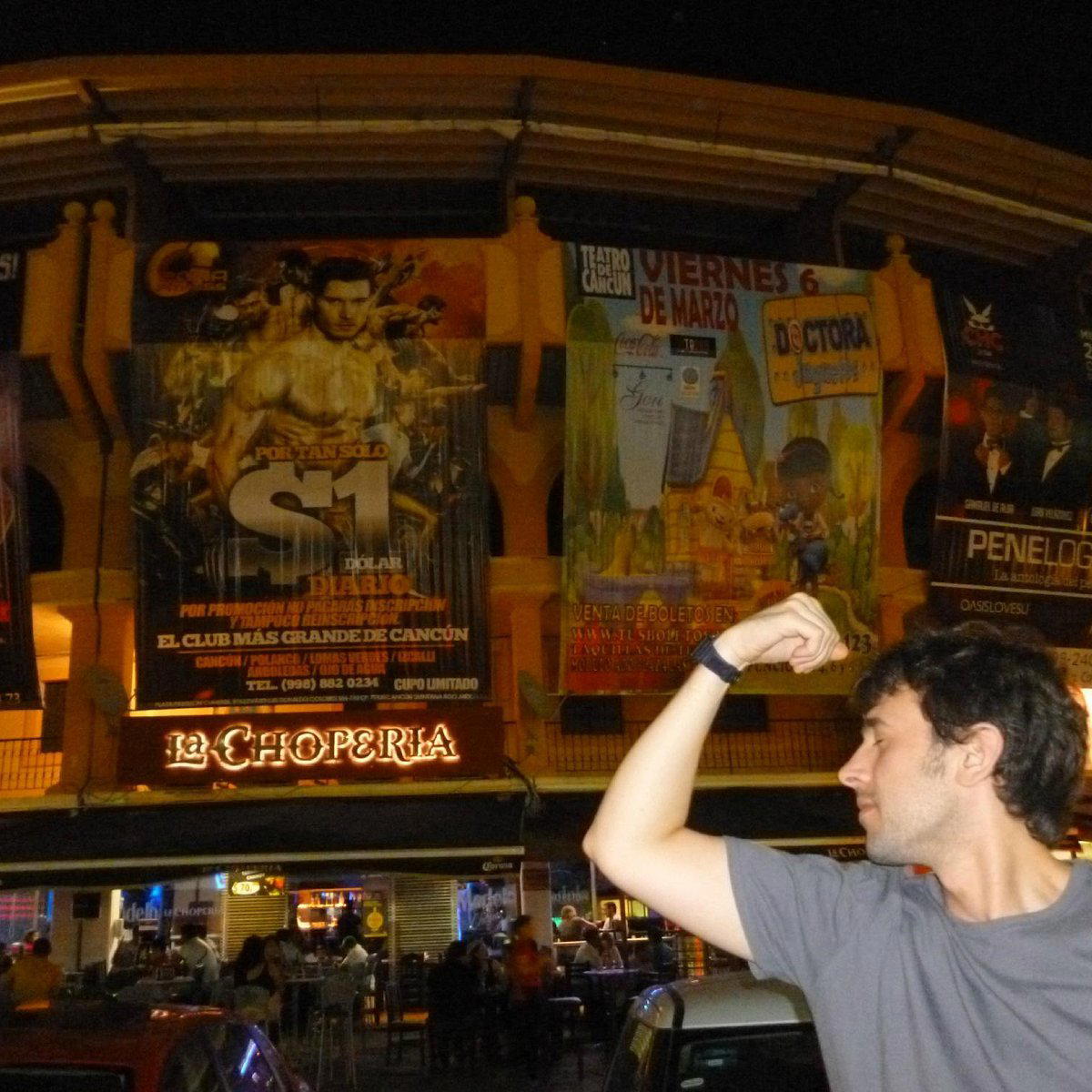

At a Glance
- Casual
- Rustic
- Casual Hangout
- Solo
- Family
- Group Dining
- Beer Program
Know Before You Go
- Getting there
- Calle Tulipanes (Av. Tulum), 55700 Cancún, Quintana Roo