Located on the Rue de Provence in Sisteron, L'Oppidum occupies a town where Provence meets the Alps and the local table has long reflected that cultural crossroads. The restaurant sits in a dining scene shaped by Haute-Provence's larder, lavender-country lamb, Sisteron's famed agneau, and the austere but generous cooking of the Provençal interior. For visitors moving between the Mediterranean south and the mountain north, it represents a practical and culturally grounded stop.
 Discover on Pearl
Pearl is the En Primeur Club membership app — saves, bookings, and concierge access live there. Same editors, same standards.
- Address
- 136 Rue de Provence, 04200 Sisteron, France
- Phone
- +33492321441
- Website
- share.google
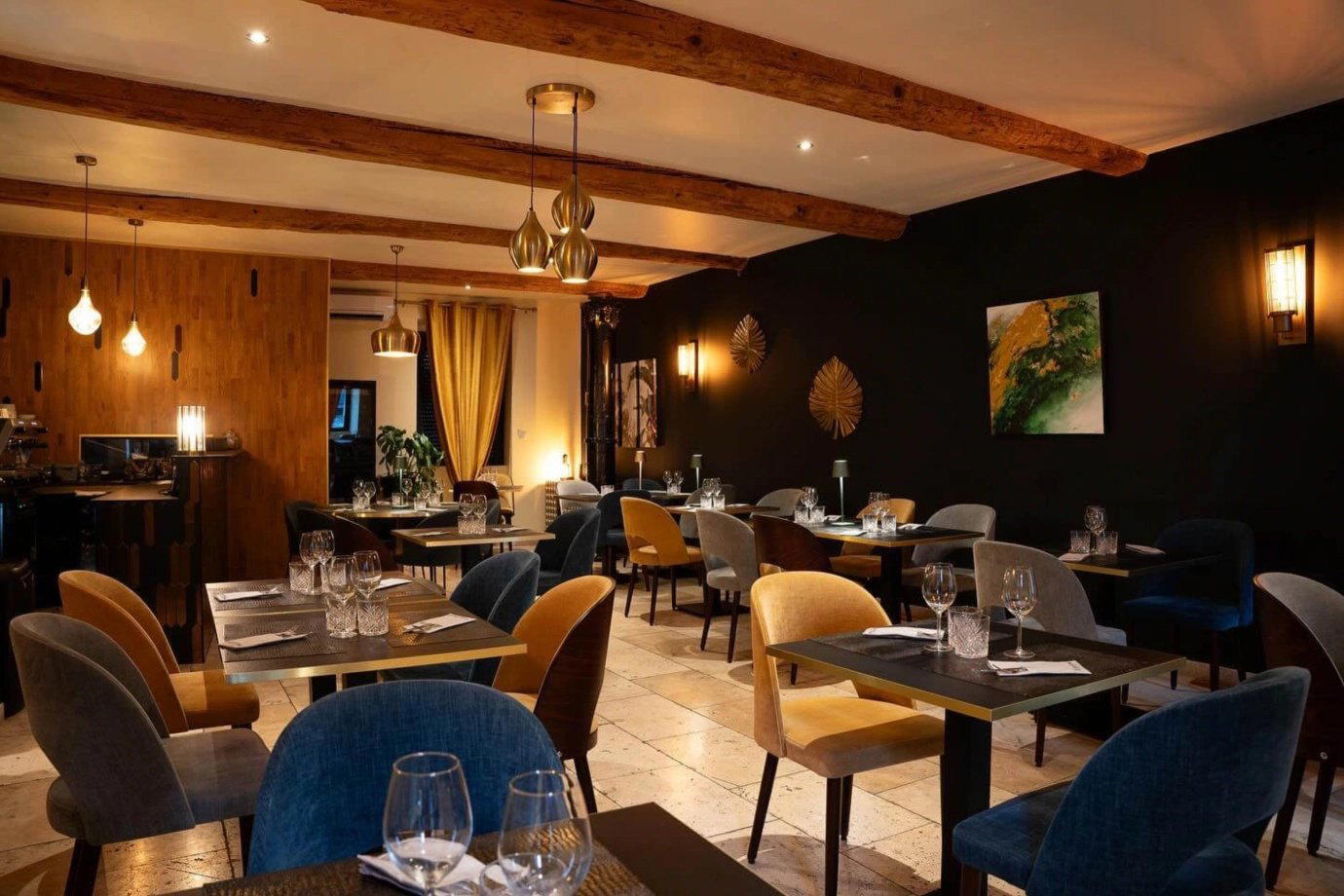
Where the Provençal Interior Sets the Table
Sisteron sits at one of France's most geographically decisive junctions. The Durance river cuts through the Rocher de la Baume here, and the town has functioned for centuries as the gateway between Provence and the Alpine south. That position is not incidental to its food culture. Sisteron's table has always drawn from two directions: the oil, herb, and stone-fruit abundance of Provence to the south, and the more austere, protein-driven traditions of the mountain departments to the north. The result is a local cuisine that is neither coastal Provençal nor Alpine in any direct sense, but something in between, restrained in technique, direct in flavour, and anchored to the land immediately around it.
L'Oppidum is a restaurant in Sisteron at 136 Rue de Provence, serving Traditional French Bistro with World Influences at a price around $45 per person. It is positioned within this context. The address itself signals something: Rue de Provence runs through the old fabric of the town, close to the medieval citadel that defines Sisteron's skyline and has defined its identity since the Romans knew it as Segustero. The name L'Oppidum references that pre-Roman and Roman past directly, an oppidum being the fortified hilltop settlement that preceded formal Roman urbanisation across Gaul. It is the kind of name that signals rootedness rather than ambition, a deliberate anchoring in place and history.
Sisteron's Culinary Identity and What Shapes It
To understand any restaurant in Sisteron, it helps to understand what makes the town's food culture distinctive within the broader Haute-Provence region. Sisteron lamb, agneau de Sisteron, is the primary reference point. Raised on the garrigues and mountain pastures surrounding the Durance valley, this lamb carries an AOC-adjacent reputation (the IGP Agneau de Sisteron has been in place since 1995) that makes it one of the more precisely identified meat products in southern France. Any serious kitchen in the town engages with it, and local restaurants that do so are participating in a culinary tradition that long predates any contemporary interest in provenance or terroir-led cooking. The lamb is not a trend here; it is the baseline.
Beyond lamb, the Haute-Provence larder includes Banon cheese (AOC since 2003, wrapped in chestnut leaves and aged to a pungent, yielding finish), lavender honey from the Plateau de Valensole nearby, truffles from the foothills, and the thin-skinned fruits, apricots, cherries, peaches, that the Durance valley produces in quantity each summer. These are not luxury imports but local staples, and the cooking tradition of the interior tends to treat them accordingly: without elaborate preparation, in combinations that reflect seasonal availability rather than creative imposition.
This is a meaningfully different register from the high-technique creative cooking associated with France's most decorated restaurants. At Mirazur in Menton or Alléno Paris au Pavillon Ledoyen in Paris, the kitchen transforms raw material through accumulated technical apparatus. In Sisteron's better restaurants, the implicit argument is different: the raw material is the point, and the kitchen's job is not to obscure it. Both positions are legitimate; they simply address different values, and visitors who arrive in Sisteron expecting the register of a Flocons de Sel in Megève or Bras in Laguiole will need to recalibrate.
The Setting and Atmosphere
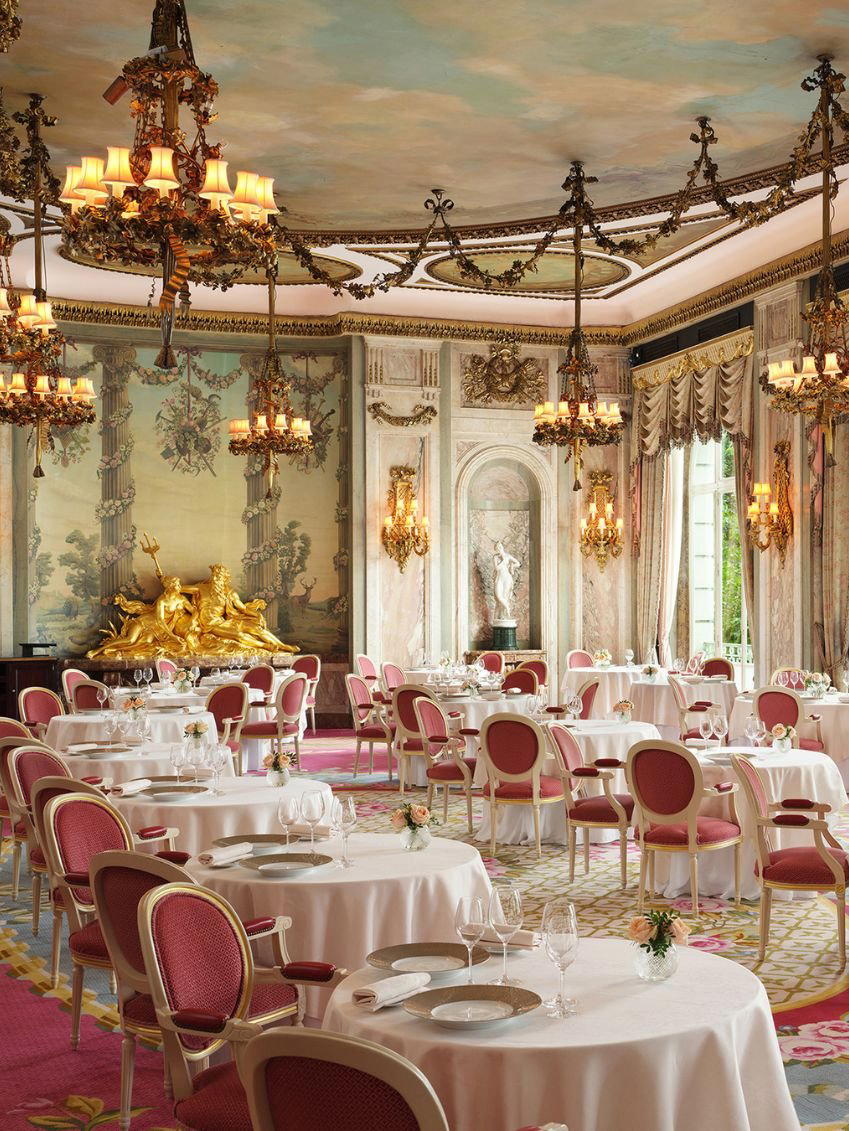
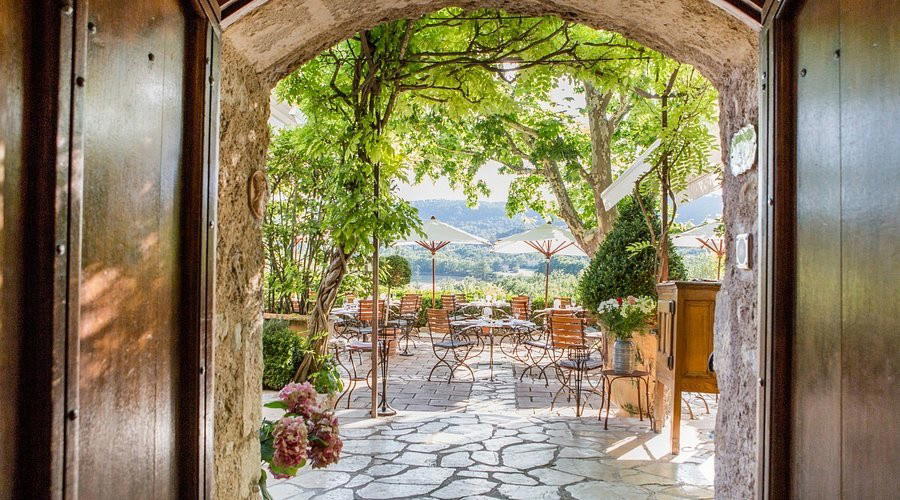
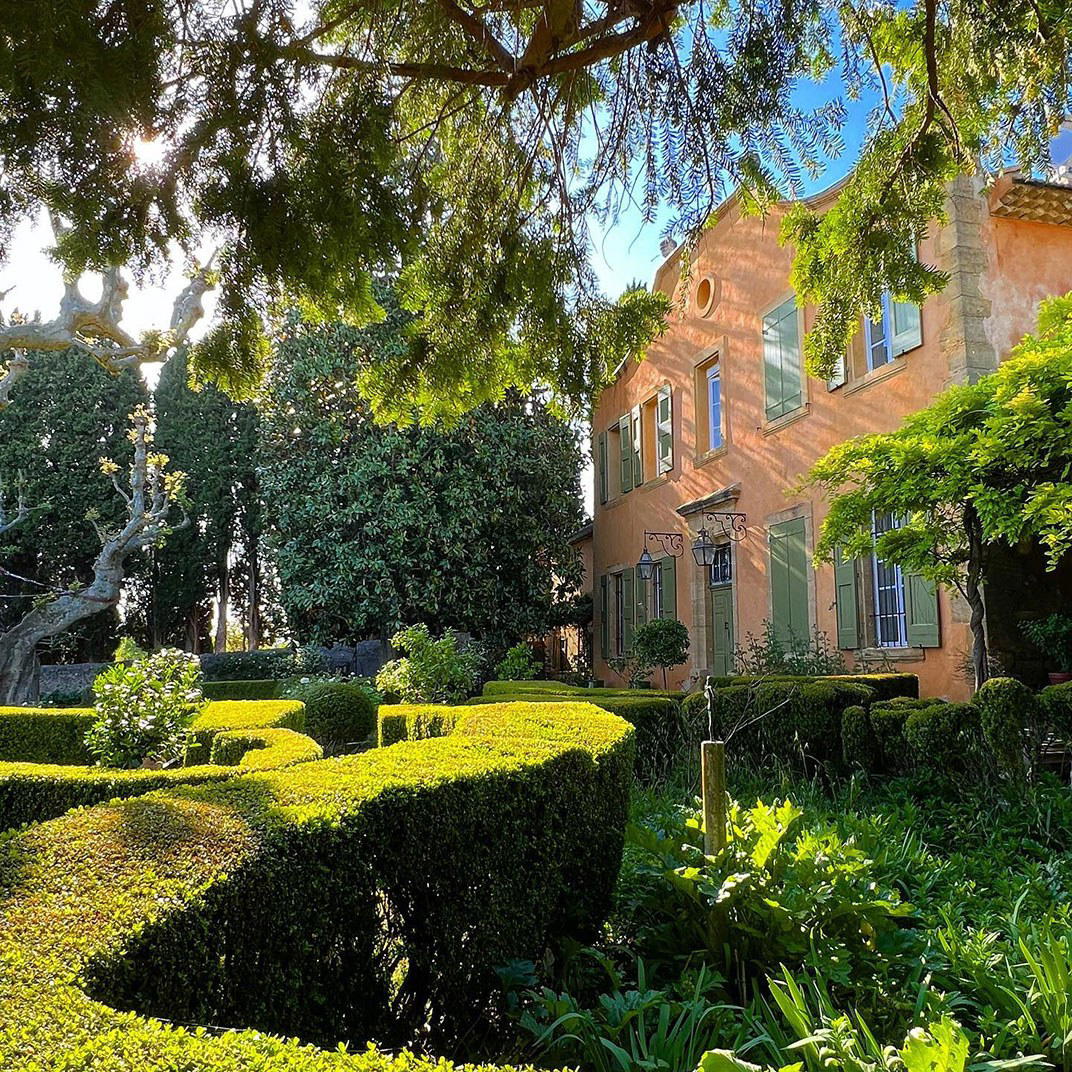
Approaching the old town in Sisteron, the citadel above compresses the visual field. The streets narrow, the stone buildings press in, and the sense of layered occupation, Roman, medieval, early modern, becomes physically present. L'Oppidum's name situates it within that history rather than apart from it. Restaurants in this part of southern France that occupy older buildings tend to inherit their character from the architecture rather than from any designed intervention: thick walls, stone floors where they survive, rooms that retain their proportion from a period before hospitality was a design category.
The atmosphere that tends to characterise dining in Sisteron more broadly is one of local functionality. These are not rooms built for tourism first, even if visitors now occupy them in numbers during the summer season. The town's population of around 7,000 sustains a year-round dining culture, and the better restaurants reflect that: they serve the town as well as passing traffic, which tends to produce a more grounded and less performed experience than in comparable towns that exist primarily as tourist destinations.
Positioning Within the Sisteron Dining Scene
Sisteron's restaurant scene is compact. The town's size and its position as a through-route rather than a destination in its own right means that the dining offer is practical as well as considered. Il était une fois represents another option within the town's limited but focused field.
France's most celebrated kitchens, Paul Bocuse - L'Auberge du Pont de Collonges in Collonges-au-Mont-d'Or, Auberge de l'Ill in Illhaeusern, Troisgros - Le Bois sans Feuilles in Ouches, define one end of French restaurant culture: destination dining built over generations into institutions. L'Oppidum operates in a different register entirely, closer to the tradition of the French auberge or table régionale: a restaurant whose value is inseparable from its place. Regional stars like Auberge du Vieux Puits in Fontjoncouse and L'Oustau de Baumanière in Les Baux show how the Provençal south can produce serious, decorated cooking; Sisteron's contribution is less about decoration and more about directness.
Planning Your Visit
Sisteron is accessible by road from Aix-en-Provence (approximately 100 kilometres north on the A51) and sits on the rail line between Marseille and Gap, making it reachable without a car, though most visitors arriving from the south come by road as part of a longer journey through the Durance valley or toward the Hautes-Alpes. The summer months, July and August particularly, bring the highest visitor volumes, and the town's restaurants are correspondingly busier; advance contact to confirm availability is sensible in that window. The wider Provence region rewards visits in May, June, and September, when the lavender plateau is in flower or the harvest season is beginning and the crowds are thinner.
Cost and Credentials
Comparable venues nearby, for context on price, style, and recognition.
| Venue | Cuisine | Price | Awards | Notes |
|---|---|---|---|---|
| L'OPPIDUMThis venue — the venue you are viewing | $$$ | , | ||
| Il était une fois | centre-ville, Modern French Bistronomic | $$ | , | |
| L'Oasis du Petit Galibier | $$$ | , | Saint Zacharie, Traditional Provençal French | |
| Les Florets | Gigondas, Provençal French Bistro | $$$ | , | |
| Le Cro-Magnon | $$$ | , | Station de Merlette, Traditional Savoyard Mountain Cuisine | |
| L'Heureux Hazard | $$$ | , | Grignan, French Bistro with Local Bio Products |
Continue exploring
More in Sisteron
Restaurants in Sisteron
Browse all →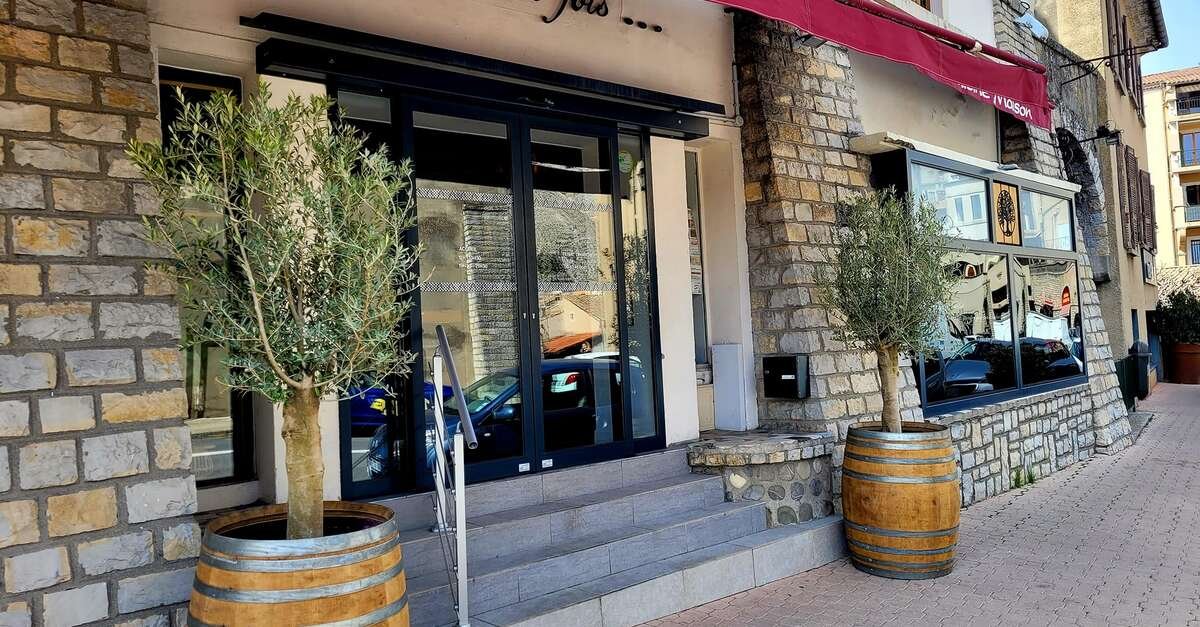
At a Glance
- Elegant
- Romantic
- Cozy
- Sophisticated
- Date Night
- Special Occasion
- Terrace
- Standalone
- Local Sourcing
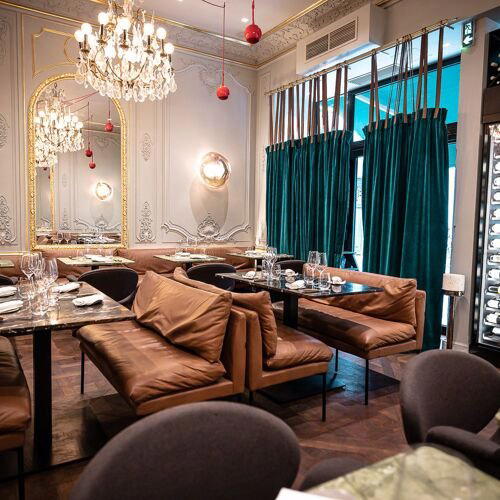
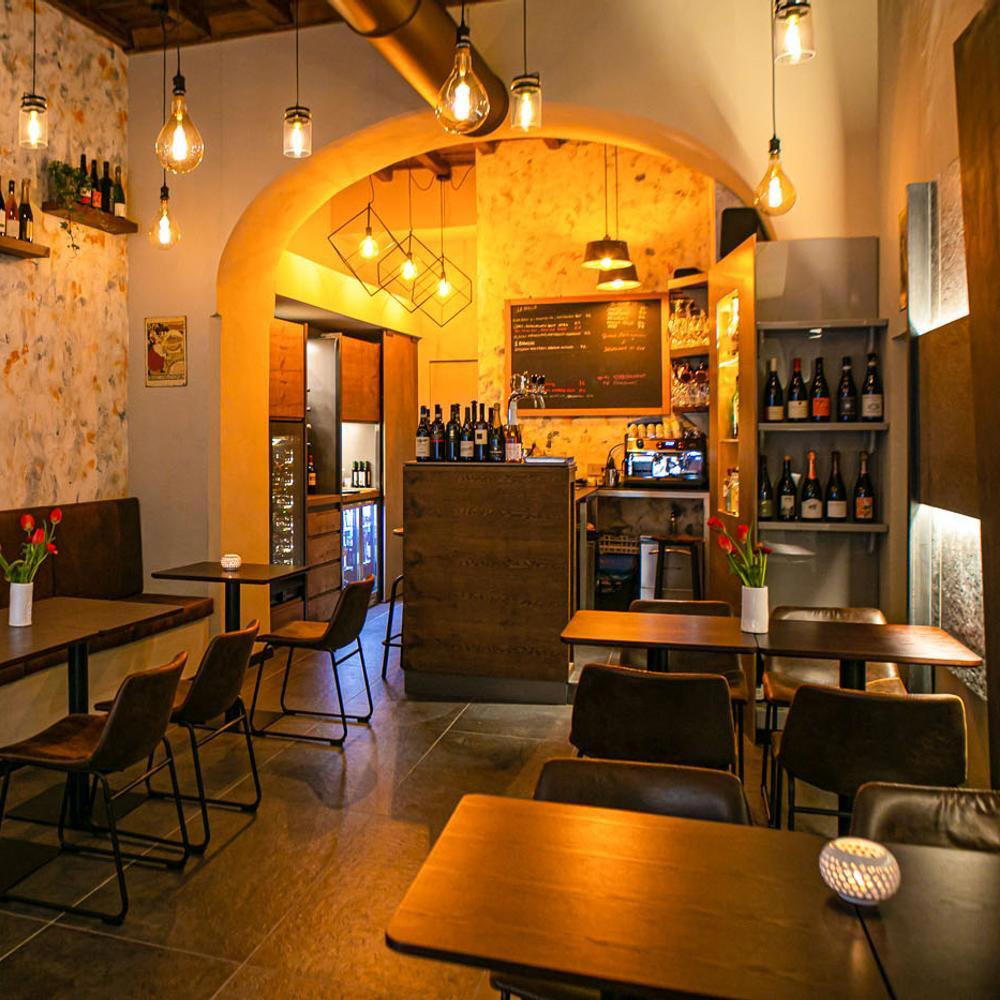
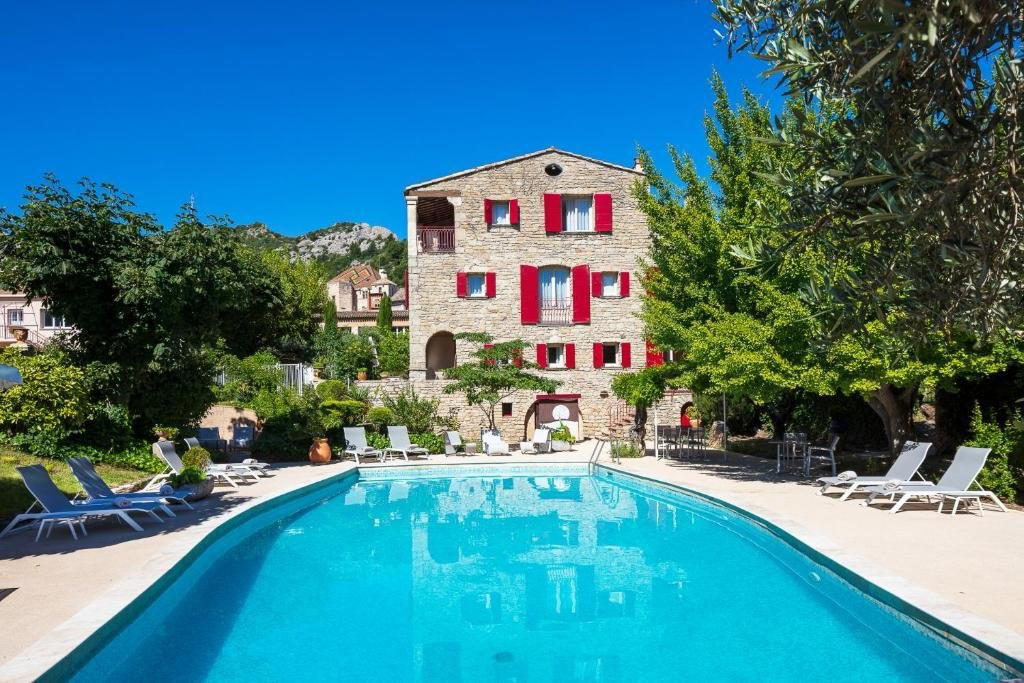
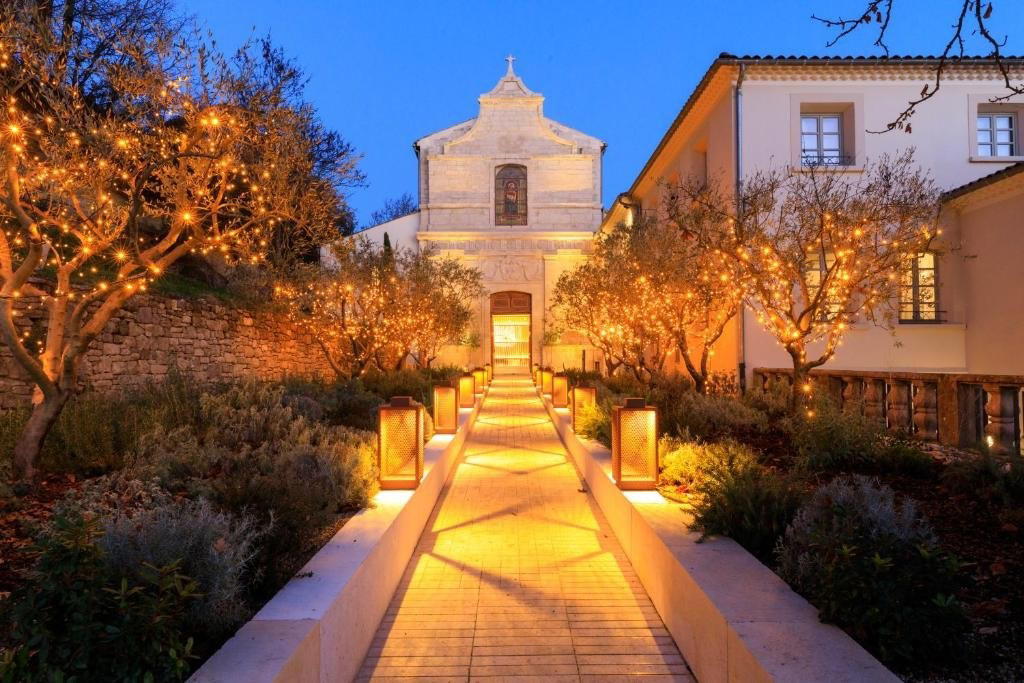
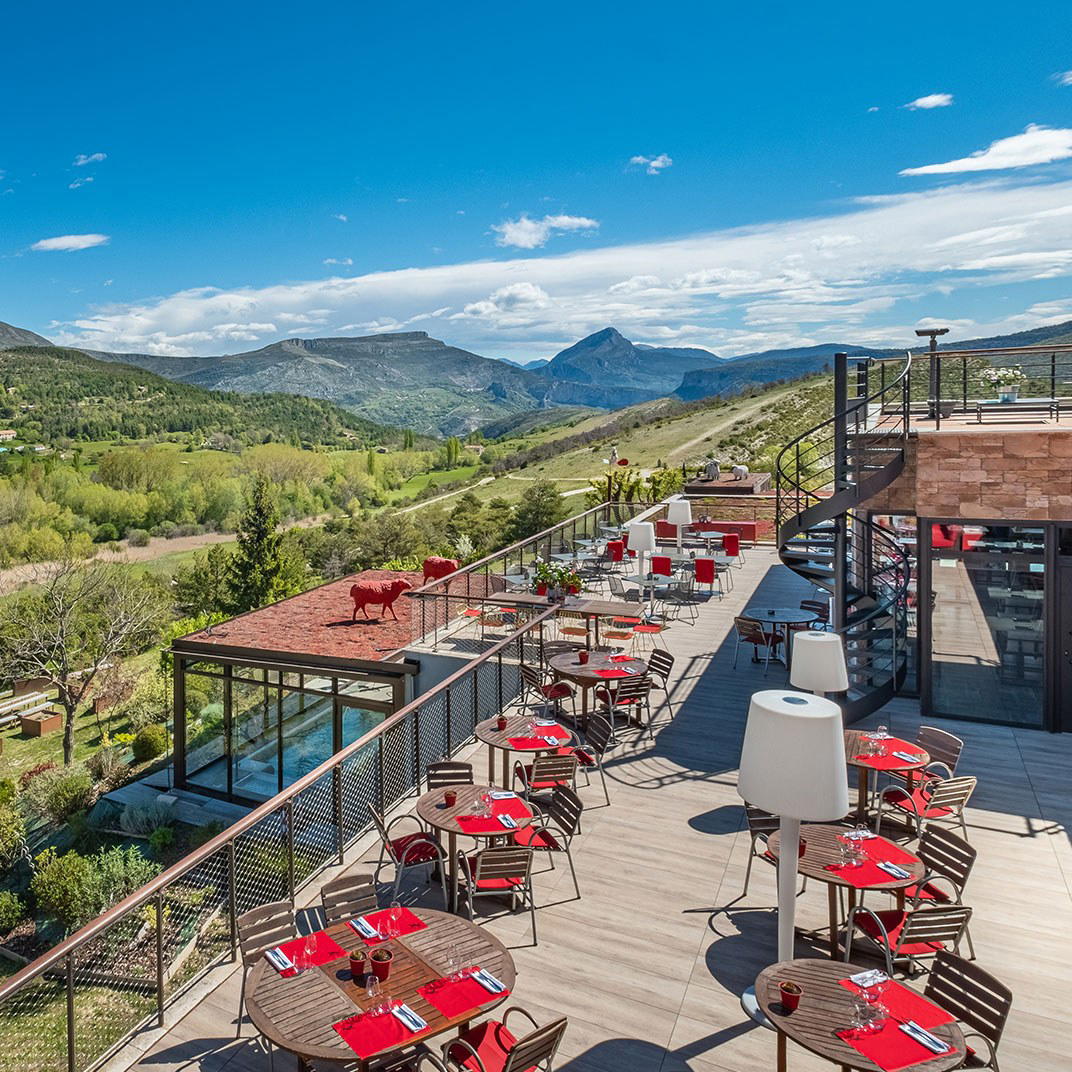
Warm and friendly atmosphere with retro-chic interior design; guests describe it as welcoming and attentive with elegant presentation of dishes.