Look's Andravoahangy
Look's Andravoahangy sits in one of Antananarivo's busier residential and commercial quarters, drawing locals rather than the hotel-dining circuit. The kitchen operates within a city where Malagasy cooking traditions, rooted in rice, zebu, and coastal seafood, meet French colonial culinary memory. For visitors willing to step outside the obvious, it represents the kind of neighbourhood eating that defines a city more honestly than its fine-dining outliers.
Pearl is the En Primeur Club membership app — saves, bookings, and concierge access live there. Same editors, same standards.
- Address
- 3GXH+QXJ, Antananarivo 101, Madagascar
- Directions
- Get directions
 Saves & bookings on Pearl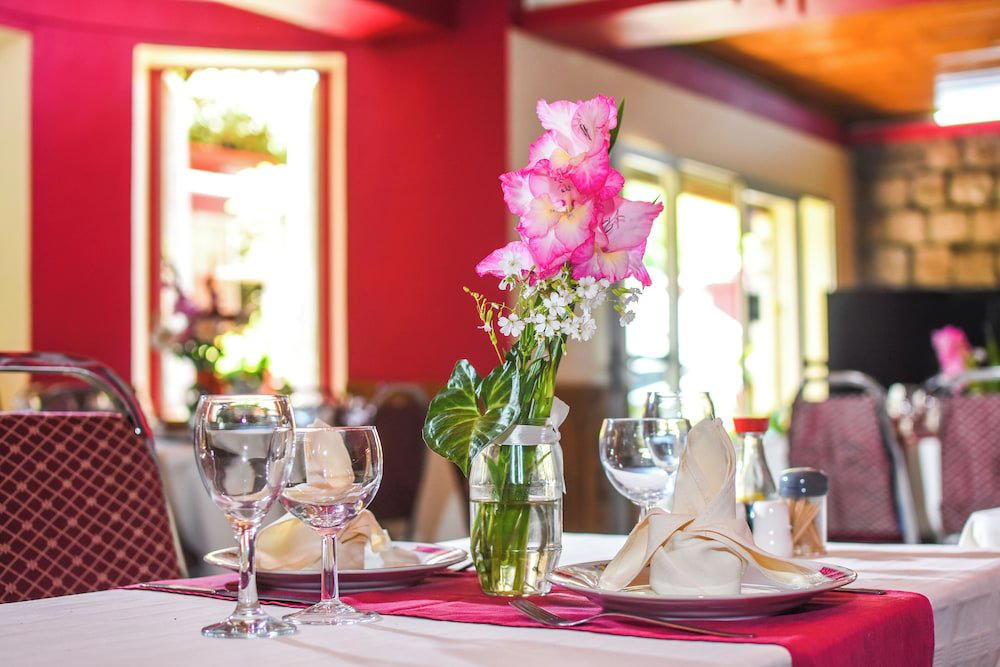
Antananarivo's Neighbourhood Table: What Eating in Andravoahangy Tells You About the City
Andravoahangy is not the quarter that appears on most visitor itineraries. It sits east of the city's historic hilltop centre, a dense neighbourhood of markets, small traders, and local commerce that operates at a pace shaped by residents rather than tourists. Restaurants here are not auditioned for international approval. They exist because a community eats in them, week after week, and that fact alone carries more editorial weight than a press launch or a design-forward fitout. Look's Andravoahangy is positioned in this context: a local address in a working quarter of a capital city that rarely receives the food-media attention its culinary depth deserves.
Antananarivo's dining scene has historically split between a small tier of French-influenced formal restaurants, a larger number of neighbourhood tables serving Malagasy staples, and a growing middle ground of informal spots that blur both traditions. Look's Andravoahangy belongs to that local circuit, where the logic of the menu follows the logic of the market rather than the expectations of an international diner. The underlying principle is recognisable even if the register is entirely different: the ingredient supply chain shapes the plate.
Madagascar's Ingredient Logic and Why It Matters at the Table
Understanding what ends up on a plate in Antananarivo requires understanding how Madagascar's food supply actually works. The island sits at the confluence of African, South Asian, and Southeast Asian culinary currents, which arrived through centuries of migration and trade. The result is a cooking tradition built on a handful of structural ingredients: rice consumed at nearly every meal, zebu beef that has been central to Malagasy pastoral life for generations, fresh vegetables from the highlands, and a repertoire of spices and aromatics that include vanilla, cloves, and pepper, all grown domestically. Madagascar is the world's largest producer of vanilla, a fact that rarely translates into the kind of ingredient-forward cooking narrative that it would generate in a European or North American context.
Local markets in Andravoahangy and the surrounding quartiers supply the city's neighbourhood restaurants with produce pulled from the central highlands. The supply chain is short by necessity and geography: much of what appears on Antananarivo's tables has not travelled far, a structural reality that gives local cooking a seasonal and market-dependent character that more formalised dining circuits in other cities spend considerable effort simulating. The zebu, Madagascar's indigenous cattle, provides a leaner, more distinctively flavoured beef than the grain-fed cattle common to Western menus. At neighbourhood level, it appears in braises, grilled cuts, and stews that carry the character of that specific animal.
This is the ingredient world in which Look's Andravoahangy operates. The kitchen does not need to construct a provenance narrative because the provenance is structural, embedded in where the city sources its food. That matters when considering what a meal here represents relative to what you would eat at, say, Le Bernardin in New York City or HAJIME in Osaka. Those kitchens operate with deliberate, highly engineered sourcing programs. A neighbourhood restaurant in Andravoahangy operates with the ingredient reality of its place. Neither is lesser; they are simply different logics at work.
The City's Dining Geography and Where This Address Fits
Antananarivo's food geography organises itself across distinct registers. The hilltop zones around the Haute-Ville carry French-colonial architectural memory and a small number of restaurants that position themselves toward expatriates and business travellers. The lower districts and residential quartiers like Andravoahangy are where the city's day-to-day eating actually happens, in small family-run spaces, market stalls, and local restaurants that prioritise value, volume, and familiarity over curation. This is the tier where local knowledge matters most and where outside visitors are least likely to arrive without a specific reason.
Those looking for a more formal Malagasy coastal register should also consider Anjajavy le Lodge in Anjajavy, which operates within a different setting and price position but draws on the same underlying Malagasy coastal larder. Closer to central Antananarivo, Bleu Soleil Restaurant represents a different point on the city's dining range.
The contrast with internationally recognised tasting-menu restaurants clarifies what neighbourhood eating in a city like Antananarivo actually delivers. Restaurants such as Reale in Castel di Sangro, Piazza Duomo in Alba, or Quique Dacosta in Dénia exist inside a formal evaluation system, Michelin stars, 50 Best rankings, sustained critical attention, that validates a particular model of cooking and hospitality. Neighbourhood restaurants in Antananarivo are not competing in that system. They are competing for the loyalty of the people who live nearby, which is a harder test in some ways and a more honest one.
Planning a Visit: What to Know Before You Go
The Andravoahangy quarter is accessible from the city centre by taxi or tuk-tuk, which remain particularly practical modes of transport for navigating Antananarivo's famously congested streets. The neighbourhood has a working commercial character that is busiest during daytime market hours.
Continue exploring
More in Antananarivo
Restaurants in Antananarivo
Browse all →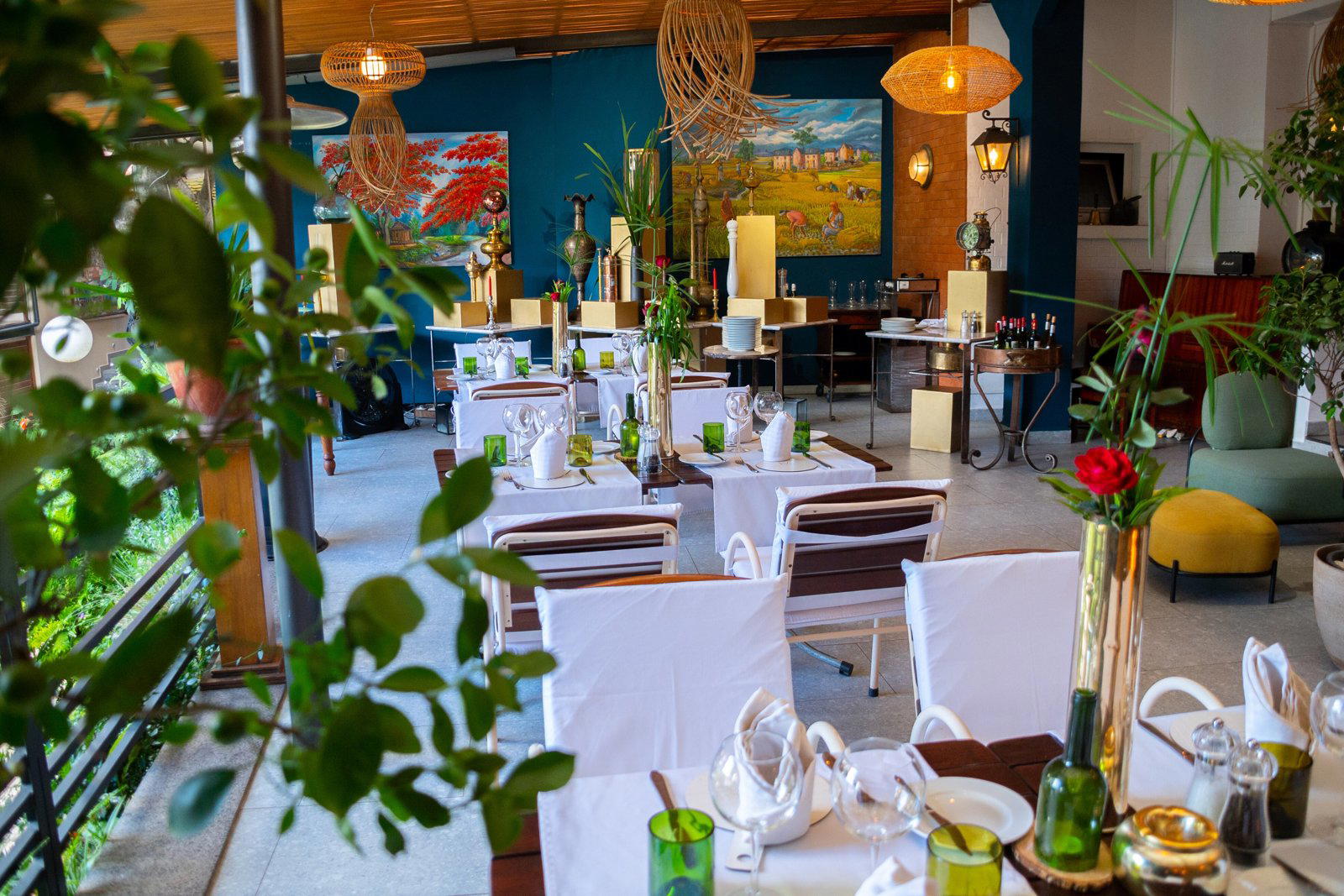
Hotels in Antananarivo
Browse all →
At a Glance
- Cozy
- Casual Hangout
Current opening hours
- Monday
- 7 AM–11 PM
- Tuesday
- 7 AM–11 PM
- Wednesday
- 7 AM–11 PM
- Thursday
- 7 AM–11 PM
- Friday
- 7 AM–11 PM
- Saturday
- 7 AM–11 PM
- Sunday
- 7 AM–11 PM
Hours can change for holidays and private events. Last verified .
Casual, authentic local atmosphere.