Bleu Soleil Restaurant
Our verdict
Antananarivo's Approach to the Table Antananarivo sits at roughly 1,400 metres above sea level, a highland capital where French colonial architecture meets Malagasy market rhythms and the air carries the particular clarity of altitude. The...

Pearl is the En Primeur Club membership app — saves, bookings, and concierge access live there. Same editors, same standards.
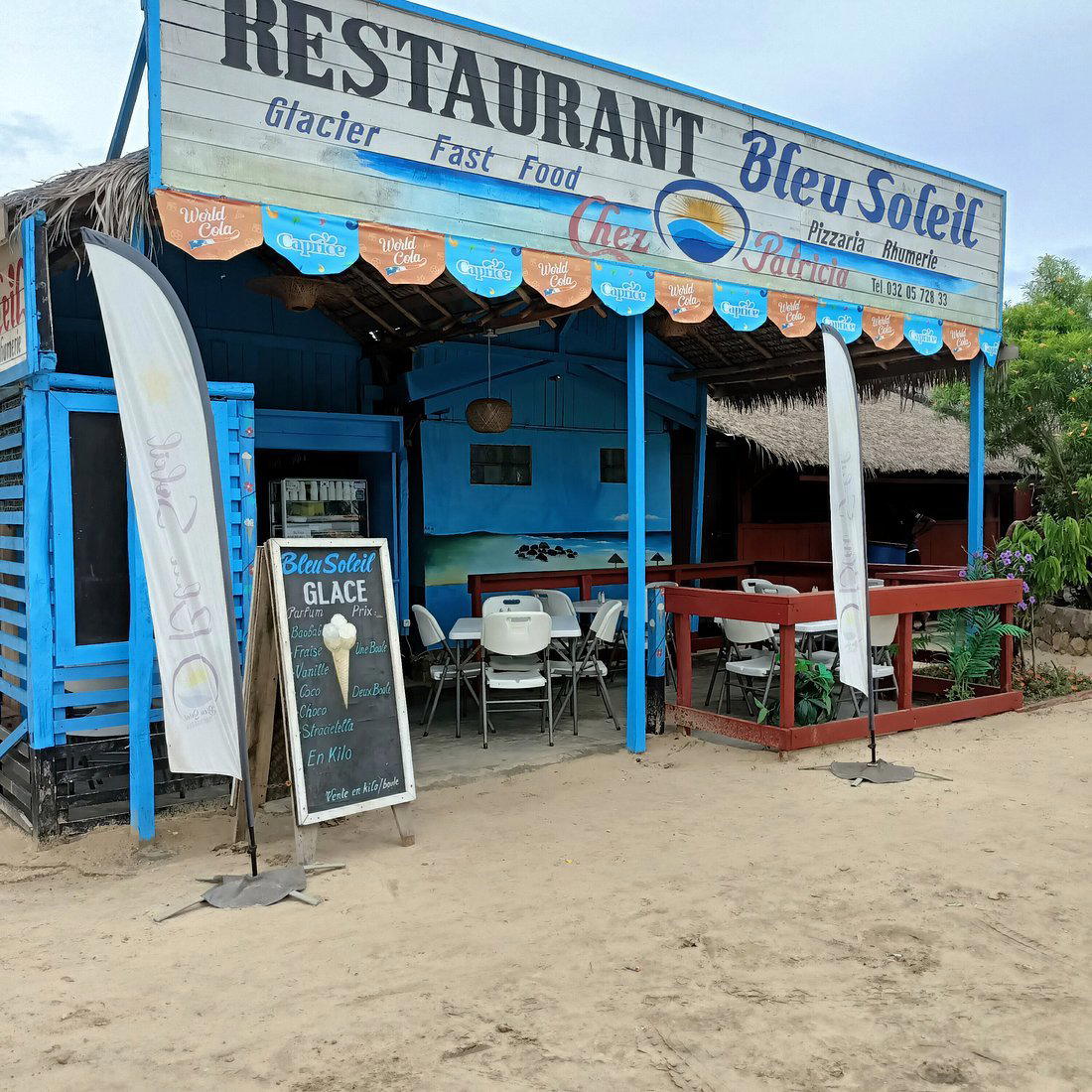
Antananarivo's Approach to the Table
Antananarivo sits at roughly 1,400 metres above sea level, a highland capital where French colonial architecture meets Malagasy market rhythms and the air carries the particular clarity of altitude. The dining scene here operates at a distance from the international circuits that shape restaurant culture in Nairobi, Cape Town, or Johannesburg, and that distance has consequences: kitchens source closer to necessity than trend, menus reflect seasonal availability with unusual honesty, and the produce arriving at a city restaurant has rarely traveled far. Bleu Soleil Restaurant occupies this context, positioning itself within Antananarivo's mid-to-upper dining tier at a moment when the city's restaurant culture is developing its own vocabulary rather than simply borrowing from abroad.
What the Island Puts on the Plate
Madagascar's agricultural geography is worth understanding before you sit down anywhere in Antananarivo. The island is one of the world's most biodiverse territories, with farming systems that produce vanilla, cloves, black pepper, and ylang-ylang at export scale alongside staple crops, freshwater fish from the central highlands lakes, zebu cattle raised across the interior, and seafood available from both the Indian Ocean and Mozambique Channel coastlines. For restaurants operating in the capital, this creates a sourcing situation that European kitchens would spend significant money trying to replicate: endemic species, traceable provenance, and agricultural rhythms that are genuinely seasonal rather than industrial.
Across Antananarivo's more considered dining rooms, the question of how to translate that agricultural inheritance into a composed plate remains an open one. Some kitchens lean on French culinary structure, a legacy of the colonial period that still shapes technique and service conventions in the city's formal restaurants. Others work closer to Malagasy home-cooking traditions, where rice (vary) anchors nearly every meal, and braised zebu, fresh greens cooked with garlic, and fermented preparations appear as organising principles rather than side notes. The most interesting rooms tend to hold both registers at once, letting French method serve Malagasy ingredient rather than override it. This tension between imported technique and local material is what makes the city's dining scene worth attention right now, even without the awards infrastructure that signals restaurant ambition in cities like Hong Kong (see Amber in Hong Kong or 8½ Otto e Mezzo Bombana for what that infrastructure looks like fully deployed).
Bleu Soleil in Its Local Context
Within Antananarivo's dining options, Bleu Soleil Restaurant represents the kind of address that a city's recognisable upper-casual tier tends to produce: a room where sourcing decisions and kitchen execution matter more than theatrical format, and where the clientele includes both local professionals and international visitors looking for something more considered than a hotel buffet. The name itself, suggesting sun and sea, gestures toward the Malagasy coastal idiom that shapes much of the island's more celebrated cooking, even in a landlocked highland city.
For comparison, Anjajavy le Lodge on Madagascar's northwest coast represents the island's most elaborately resourced approach to local ingredients, with direct beach and forest access that city restaurants can only approximate through supply chains. Bleu Soleil works within the constraints and opportunities of an urban sourcing model: central market proximity, established supplier relationships, and a kitchen that must navigate highland seasonality rather than coastal abundance. That context shapes the menu in ways that a coastal lodge format does not face. Another Antananarivo reference point is Look's Andravoahangy, which anchors a different neighbourhood of the city and represents a distinct strand of local dining culture. Taken together, these addresses sketch the range available to a visitor with serious intent. Our full Antananarivo restaurants guide maps that range in detail.
The Ingredient Argument in Antananarivo
The case for eating at a restaurant like Bleu Soleil rather than defaulting to an international hotel kitchen rests almost entirely on ingredient access and kitchen commitment to local material. Hotel restaurants in Antananarivo typically operate with imported provisions for a significant portion of their menu, a hedge against supply unpredictability that produces reliable but geographically unspecific results. Independent kitchens, by contrast, live and die by what the market delivers, and when the zebu is good, when the highland vegetables arrive young and tight, when the freshwater fish from Lac Alaotra is at its cleanest, the gap between a committed local kitchen and an imported-provision hotel room widens considerably.
This is the same argument that drives sourcing discussions at very different price points in cities far from Madagascar. At Arpège in Paris, the vegetable-forward sourcing philosophy anchors a three-Michelin-star identity. At Aponiente in El Puerto de Santa María, marine ingredient research shapes the entire menu concept. At Atelier Moessmer Norbert Niederkofler in Brunico, Alpine regional sourcing is the defining principle. The scale, investment, and critical apparatus differ entirely from what operates in Antananarivo, but the underlying logic, that ingredient provenance is an editorial statement about what a kitchen believes, travels across contexts. In Antananarivo, that statement is made with fewer resources and against greater supply chain friction, which, if the kitchen is committed, produces cooking that carries a specificity those larger operations spend significant effort trying to manufacture.
Planning a Visit
Antananarivo functions on rhythms that reward modest preparation. The dry season runs roughly May through October, when highland temperatures are cool and clear, and the city's market supply is generally at its most consistent. The wet season from November through April brings heat and occasional road disruption, which can affect produce supply from outlying regions, though the city's central markets remain active year-round. Visitors arriving from international itineraries typically land at Ivato International Airport, approximately 15 kilometres north of the city centre, and Antananarivo's traffic patterns mean journey times to central dining districts vary significantly by time of day. For a restaurant like Bleu Soleil, direct contact to confirm current hours, booking requirements, and any format changes is advisable before arrival, as operational details for independent restaurants in the city are not always reliably maintained on third-party platforms. The wider EP Club context for the city, covering neighbourhood character, price tier comparisons, and venue recommendations across categories, is available in our Antananarivo guide.
For readers whose appetite for sourcing-led kitchens extends to other cities and contexts, the range is substantial: Lazy Bear in San Francisco, Atelier Crenn also in San Francisco, Emeril's in New Orleans, Atomix in New York City, Le Bernardin also in New York, Alinea in Chicago, Alléno Paris au Pavillon Ledoyen, Alain Ducasse at Louis XV in Monte Carlo, Arzak in San Sebastián, and Aqua in Wolfsburg each represent different national traditions making serious claims through ingredient work and kitchen discipline.
Frequently asked questions
Is Bleu Soleil Restaurant a family-friendly restaurant?
Antananarivo's upper-casual dining tier, where Bleu Soleil sits, generally accommodates families without specific children's programming. The highland city's restaurant culture tends toward relaxed table-sharing rather than formal rigidity. check the venue's official channels to confirm seating arrangements ahead of a family visit.
What's the overall feel of Bleu Soleil Restaurant?
Bleu Soleil occupies the recognisable upper-casual register that Antananarivo's more considered dining addresses tend to occupy: a step above the street market, a step below formal hotel dining. At 1,400 metres above sea level, the highland capital carries a particular calm that shapes the pace of table service across the city's better rooms.
What kind of cuisine does Bleu Soleil Restaurant serve in Antananarivo?
Bleu Soleil Restaurant operates in Antananarivo, a highland capital where the dining conversation runs between French colonial culinary influence and Malagasy market traditions. The city's ingredient geography, shaped by Madagascar's agricultural diversity, gives restaurants at this level access to produce that is specific to the island. For confirmed cuisine details, reaching the restaurant directly remains the most reliable approach.
What's the signature dish at Bleu Soleil Restaurant?
What is relevant context: Antananarivo's position in a country with one of the world's most biodiverse agricultural profiles means a kitchen here has access to vanilla, cloves, and highland produce that few African capitals can match. Reaching the restaurant directly will give you the clearest picture of the current menu.
Do I need a reservation for Bleu Soleil Restaurant?
Antananarivo's dry season, roughly May through October, draws the city's most consistent visitor traffic, and the better-known dining addresses fill accordingly. Booking ahead is a practical measure at any point in the year for a restaurant operating at the upper-casual level. Contact details for Bleu Soleil are best sourced through a current local listing or your accommodation concierge.
Details
- Relaxed
- Family
- A La Carte
- Vegetarian Friendly
Wonderfully relaxed and inviting atmosphere.